Tag Archives: plumbing

Plumber Repair for Older Homes: Challenges and Solutions

Plumber Repair for Older Homes

Here we will explore the challenges faced in repairing plumbing systems in older homes and discuss possible solutions to overcome these challenges. Older homes often have unique plumbing infrastructure and materials that require specialized knowledge and techniques. The purpose of this article is to provide guidance and insights to homeowners, plumbers, and anyone involved in the repair and maintenance of plumbing systems in older homes.

The Importance of Plumbing Repair in Older Homes

Plumbing systems play a crucial role in any home, and this is especially true for older homes. As homes age, their plumbing systems tend to deteriorate and become less efficient. They are more susceptible to leaks, clogs, and damage, potentially causing significant issues such as water damage, mold growth, and even structural damage.

Regular maintenance and timely repairs are essential to ensure the functionality and longevity of the plumbing system in older homes. Neglecting plumbing problems can lead to costly repairs and compromise the safety and comfort of the residents.

Challenges in Repairing Plumbing Systems in Older Homes

Repairing plumbing systems in older homes presents unique challenges due to several factors. Let’s explore some of the most common challenges:

Outdated Plumbing Materials

Many older homes were constructed using materials that are no longer in common use. These materials, such as cast iron, galvanized steel, and lead pipes, may present various challenges during repairs. For example, lead water pipes may need to be replaced due to health concerns, while corroded galvanized steel pipes may cause reduced water flow and require extensive repairs or replacements.

Inaccessible Pipework

The layout and design of older homes often make it challenging to access and repair the plumbing system. Pipes may be hidden behind walls, under floors, or in crawl spaces, which may require additional effort and expertise to address any issues. The need for accessing these hidden areas can result in additional costs and may involve temporary disruptions to the residents.
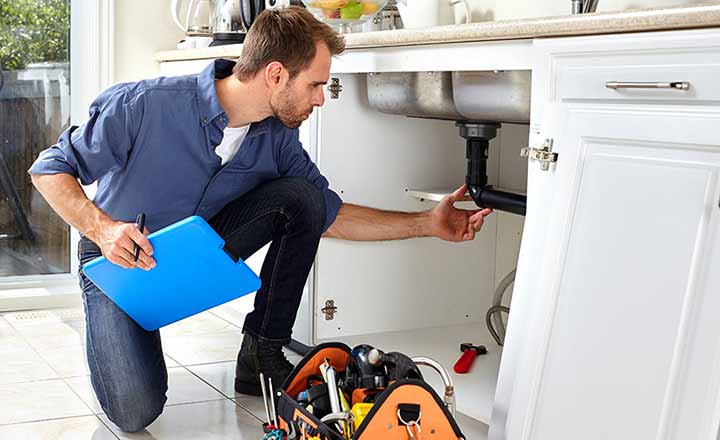
a plumber providing a home buyer with a plumbing inspection.

When repairing plumbing systems in older homes, it’s essential to comply with modern plumbing codes.

Multiple Plumbing Code Updates

Plumbing codes have evolved significantly over the years to ensure safety and efficiency. When repairing plumbing systems in older homes, it’s essential to comply with modern plumbing codes. This may involve updating the system to meet the current standards, such as installing pressure regulators, backflow preventers, or additional shut-off valves.

Fragile and Aging Components

Components of the plumbing system, such as faucets, valves, and fixtures, typically have a limited lifespan. In older homes, these components are often older and more susceptible to wear and tear. Replacing these fragile and aging components requires careful handling to avoid further damage while ensuring compatibility with the existing system.

Possible Solutions

While repairing plumbing systems in older homes can be challenging, there are several solutions to address these difficulties and ensure the longevity and quality of the repaired system:

Hiring Experienced Plumbers

Hiring experienced plumbers who specialize in working with older homes can make a significant difference. These professionals possess the necessary skills, knowledge, and expertise to navigate the challenges specific to older home plumbing systems. They can efficiently diagnose issues, offer suitable solutions, and carry out repairs with minimal disruption to the residents.

Thorough Inspection and Planning

Before commencing any repairs, it is essential to conduct a thorough inspection of the entire plumbing system. This inspection will help identify potential issues and develop a comprehensive repair plan. By investing time in meticulous planning, homeowners and plumbers can prioritize repairs, estimate costs accurately, and minimize unforeseen surprises during the repair process.
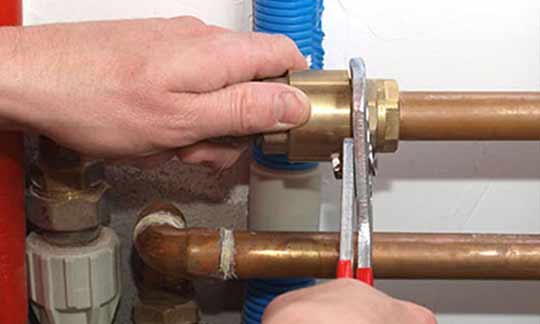
a plumber upgrading a customers plumbing.

Replacing outdated materials, such as lead pipes or corroded steel, with modern, durable, and code-compliant materials can enhance the reliability and safety of the plumbing system.

Upgrading Plumbing Infrastructure

In some cases, upgrading the pipes in older homes may be necessary. Replacing outdated materials, such as lead pipes or corroded steel, with modern, durable, and code-compliant materials can enhance the reliability and safety of the plumbing system. Upgrades may also involve installing shut-off valves, pressure regulators, and other components to meet current code requirements.

Preserving Historical Features

For owners of historical homes, preserving the unique character and aesthetic features of the plumbing system is crucial. Experienced plumbers can work closely with preservation experts to find innovative solutions that blend modern functionality with the historical charm of the home. By carefully considering preservation needs, homeowners can maintain the integrity of their older homes while improving the plumbing system.

Regular Maintenance and Preventive Measures

Prevention is key to minimizing plumbing issues in older homes. Implementing a regular maintenance routine and conducting preventive measures, such as having your drains professionally cleaned by way of a hydro jetting service, pipe insulation, and periodic inspections, can help identify potential problems early on and prevent major repairs down the line. Homeowners should also be mindful of their water usage habits and avoid putting undue stress on the plumbing system.

Summing it Up

Repairing plumbing systems in older homes requires specialized knowledge, skills, and techniques due to the unique challenges they present. However, with the right approach and professional assistance, these challenges can be overcome effectively. By focusing on thorough inspections, careful planning, and utilizing suitable solutions, homeowners can ensure the reliability, safety, and longevity of their plumbing systems in older homes. Regular maintenance and preventive measures also play a vital role in preventing major issues and preserving the charm of these cherished homes for generations to come.
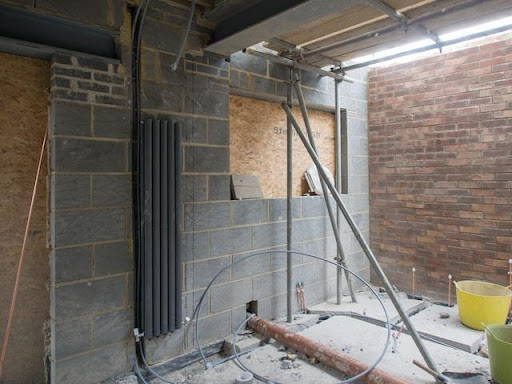
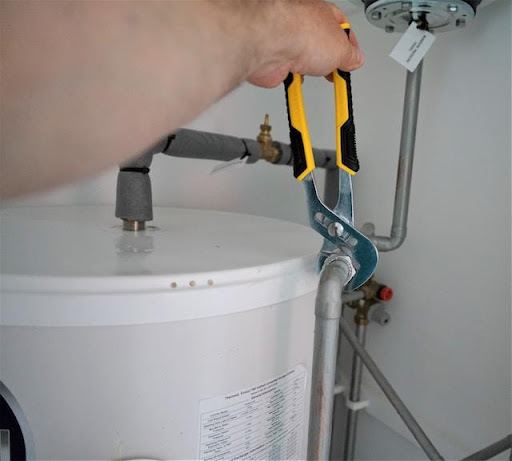
A Proactive Approach to Residential Plumbing Maintenance: Identifying and Preventing Common Issues

Proactive Approach to Residential Plumbing Maintenance

Problems in your home’s plumbing don’t just happen overnight. Most times, they take weeks or months to unfold. The reason a lot of the plumbing issues in homes happen as emergencies is because the early signs of the problem are undetected or they were overlooked.

Because most plumbing issues in the home are preceded by warning signs, it is possible to prevent them. If you are keen to minimize your plumbing maintenance costs and prolong the life of your plumbing, Rockbridge Real Estate says you need a system for early detection and quick resolution of problems.

In this post, we identify four of the most common plumbing issues in homes and explain what you can do to prevent them.

4 common plumbing issues in homes and how to prevent and solve them

Clogged drains

Clogged drains happen when solid or semi-solid materials inside the drainpipes prevent wastewater from flowing freely through the drainage system.

Causes of drain clogs:

  • Hair inside shower drains
  • Dumping grease into the kitchen sink
  • Flushing materials other than toilet paper and human waste into the toilet
  • Too much soap scum mixing with grease inside the drains
  • Small items that fall into the toilet or other drains

Signs of a clogged drain include:

  • Slow draining sink or shower
  • Water collecting in toilet bowl instead of flushing
  • Gurgling sounds when you flush the toilet
  • Movement in nearby drains when you use the washer
  • Odor of sewage gases in the home

How to prevent the problem:

  • Install strainers over drain openings
  • Never pour grease into the drain
  • Only flush toilet paper into your toilet
  • Call a professional plumber if you see any of the above signs
  • Have the drainage system inspected and cleaned once a year
leaky pipes in a home.

The main problem with leaky pipes is the problem is notoriously hard to detect.

Leaky faucets and pipes

A leaky pipe won’t only waste water and increase your water bills but can cause massive damage to flooring, walls, cabinets and even the building foundation. The main problem with leaky pipes is the problem is notoriously hard to detect. That is because pipes are often found in inaccessible parts of the home. Leaky faucets, on their part, will also waste your water, but they are more of a nuisance due to the irritating sound of constant dripping.

Causes:

  • Excessive water pressure can cause pipes to leak
  • Extreme temperature changes will cause pipes to freeze and burst
  • Sediments inside pipes can also make them prone to leak
  • Weak pipe joints will cause leaks
  • In faucets, the main cause of leaks is a damaged washer

Signs of leaky pipes and faucets:

Preventing the problem:

  • Since leaks are mostly caused by wear and tear, a yearly pipe inspection is the best way to prevent the problem
  • Knowing how to prepare the plumbing for winter will help prevent frozen pipes

Water pressure issues

All water pressure issues in the home are bad. But it is low water pressure that usually gets the homeowner’s attention because it makes simple things like taking a shower, washing clothes or doing the dishes hard. High water pressure is worse than low water pressure because excessive water pressure will damage appliances and make the plumbing more likely to leak.

Causes:

  • The problem may be from the municipal water supply
  • Leaking pipes and faucets can divert water pressure
  • Overuse of water in the home; too many plumbing fixtures being used at once
  • Pipes diameter has been narrowed by sediments
  • Clogged faucet aerators and showerheads

How to prevent the problem:

  • Clean faucet aerator and showerhead with vinegar to remove sediments
  • Install a water filtration system to prevent sedimentation
  • Contact the utility company to report the problem
  • Check pipes on a schedule to detect leaks
a plumber replacing a water heater in chicago.

The majority of the issues highlighted are caused by sedimentation inside the water heater tank.

Water heater issues

Water heater issues are particularly dangerous because of the risk of electric shocks, fires and explosions. Common water heater issues include;

  • Discolored water
  • Noises from the water heater
  • No or inadequate hot water
  • Puddles beneath the water heater tank
  • Excessively hot water from the water heater

The majority of the issues highlighted are caused by sedimentation inside the water heater tank. Sediments will not only discolor the water. It can prevent effective heating. Sediments will also cause your water heater to leak.

How to prevent water heater problems:

  • Tank water heaters should be drained at least once a year
  • Replace essential components like the anode rod when needed
  • Once a year, have the water heater checked for leaks and other problems
  • Install a water filtration system to prevent sedimentation inside the water heater

To conclude, the two most vital steps for spotting or preventing plumbing issues in your home are;

  • Regular inspections, and
  • Knowing the signs of different plumbing problems

If you can spot the signs of an impending issue and call a professional plumber to fix them, your plumbing will be just fine.

Rainfall and its Influence on Plumbing: Examining Common Issues and Solutions

Rainfall and its Influence on Plumbing

Modern plumbing systems are designed to efficiently and inconspicuously move water in and out of our homes. One part of the system carries potable water from the city supply into the home, while the other part collects wastewater from the different fixtures in the house and moves it to the city sewers. In this article we will explain rainfall influence on plumbing.

The system does this morning, day and night, every single day of the week and throughout the year. Plumbing systems are one of the most hardworking and undervalued components of the home. And as Nelson Property Management says , the only time most homeowners pay attention to their plumbing is when the system breaks down.

Such breakdowns are common during periods of heavy rainfall. That is because, although the plumbing is designed to carry water, it is not equipped to handle the large volumes that can enter the system or surrounding areas within a relatively short time, as is the case when it rains heavily.

If you live in an area with a lot of rainfall during the wet season, you may be dealing with many plumbing issues at this time of the year. Why do these issues occur, and what can you do to protect your home? This post will answer your questions.

a clogged drain.

One of the signs that the sewer line is clogged with debris is when water starts to pool in the home’s drains.

Common rain-related plumbing issues in the home

Clogged drains 

Heavy rains can pick up all kinds of debris and sweep them into sewer lines and pipes. The result is that your drains will become slow, make gurgling sounds and emit foul odors. In severe cases, the debris can even block the pipes completely. One of the signs that the sewer line is clogged with debris is when water starts to pool in the home’s drains.

Septic tank backups

If your home uses a septic system, heavy rains can interfere with the system. The leach field may become saturated with water, making it hard for effluents to drain into the soil. Instead of wastewater flowing from your home into the septic tank, water can penetrate the septic tank from the leach field, overwhelming it. That can cause sewage to back up into your home.

Shifting pipes

During heavy rains, the soil around underground pipes can soak up water until they become soft and unstable. If this soft earth moves even slightly, it can deprive those pipes of support. The result is that water pipes and sewer lines may burst or become bellied. Common signs of displaced water pipes or sewer lines are dirt in your home’s drinking water supply and frequent issues with slow or clogged drains in the home.

Troubles in your toilets

Toilets drains are very close to the ground (toilets that are on the first floor), and as such, they are very sensitive to changes in the home’s drainage system. The first place that sewer line clogs and blockages show up is in the toilet. After or during heavy rains, you may find that ground floor toilets in your home will start to gurgle. That is a sign of blockages and clogs inside the drain line. If the rains continue, the sewer line may eventually back up into your toilet.

Problems with outdoor drains

Rainwater can wash debris into storm drains and block them. If this happens, your yard or the area in front of your house will be flooded. Because of the blocked drain, rainwater can pool in the yard and affect your driveway or deck. By encouraging runoff to remain on your property, a clogged storm drain can cause some of the problems highlighted above.

a female plumber ready to do repairs.

Schedule a plumbing inspection before the wet season to spot all issues with the plumbing and resolve them before the rains begin.

How to limit the effects of heavy rain on your plumbing

To be completely honest, there is no way you can eliminate the impact of heavy rainfall on your home’s plumbing. However, you can take steps to limit the effects and learn to detect the problems quickly, so you can move fast to stop them from getting worse.

The following measures will help to reduce the impact of heavy rains on your home’s plumbing:

  • Schedule a plumbing inspection before the wet season to spot all issues with the plumbing and resolve them before the rains begin

  • Hydro-jet sewer lines to clean them and get rid of the buildup that may encourage clogs

  • Install drain guards on outside drains to keep debris out of them. Note that debris may still accumulate on top of the guards, but it will be easier to remove them

  • After a storm, check your plumbing for leaks, low water pressure and other problems

  • If you have a septic system divert as much runoff as you can from the drain field

  • If your yard gets flooded whenever it rains, install additional drainage to help channel rainwater away

  • Replace old water pipes and sewer lines as they are more vulnerable to soil shifts

Finally, have a professional plumber thoroughly assess your property to identify issues that may be contributing to your problems and advise on steps to solve them holistically.

When is the Busiest Season for Plumbers in Chicago?

When is the Busiest Season for Plumbers in Chicago

Plumbing emergencies can occur at any time of the year, but there are certain seasons in Chicago when plumbers find themselves handling a significantly higher number of service calls. Understanding the busiest season for plumbers in Chicago can help homeowners and businesses prepare for potential plumbing issues and ensure timely repairs. In this article, we will explore the factors that contribute to the high demand for plumbers in Chicago, as well as provide tips for preventing plumbing emergencies.

Winter Woes

Chicago experiences long and cold winters with freezing temperatures, which can wreak havoc on the plumbing systems. When temperatures plummet, pipes can freeze and burst pipe emergencies result, ending in water damage and flooding. As a result, winter is one of the busiest seasons for plumbers in Chicago. Homeowners and businesses should take preventative measures, such as insulating exposed pipes and keeping the thermostat at a consistent temperature, to minimize the risk of frozen pipes during the winter months.

Spring Thaw and Heavy Rains

After enduring a harsh winter, Chicago transitions into spring, bringing relief from the freezing temperatures. However, this season also presents its own challenges when it comes to plumbing. As the snow melts and heavy rains occur, the ground becomes saturated with water, increasing the likelihood of sewer backups and basement flooding. Consequently, plumbers in Chicago receive a surge in service calls related to sump pump failures that require replacement, clogged drains, and sewer line issues. Homeowners should have their sump pumps inspected and ensure proper drainage systems are in place before the arrival of spring.

Summer Surges

Summers in Chicago can be hot and humid, causing an increased demand for water usage. As people turn on sprinklers to keep their lawns green and engage in water-intensive activities like filling swimming pools, the strain on plumbing systems can lead to various problems. Clogged toilets, broken outdoor water faucets, and overloaded sewage systems are common issues that plumbers tackle during the summer season in Chicago. It is important for homeowners to conserve water where possible and address any plumbing concerns promptly to prevent larger issues.

a plumbing repair in chicago being performed.

While understanding the busiest seasons for plumbers in Chicago is important, it is equally essential to know how to prevent plumbing emergencies.

Autumn Preparations

Autumn in Chicago serves as a transition period between the extreme weather conditions of summer and winter. During this time, plumbers are often busy with routine maintenance and inspections to ensure that plumbing systems are prepared for the upcoming winter. It is a good time for homeowners to check for leaks, replace worn-out parts, and schedule professional servicing of their water heaters. Taking proactive measures can help avoid plumbing emergencies in the colder months ahead.

Tips for Preventing Plumbing Emergencies

While understanding the busiest seasons for plumbers in Chicago is important, it is equally essential to know how to prevent plumbing emergencies. Here are some tips to keep your plumbing system in top shape:

  • Regularly inspect your pipes for leaks and signs of damage.
  • Insulate exposed pipes to prevent freezing during winter.
  • Avoid pouring grease and food scraps down the kitchen sink to prevent clogs.
  • Use drain covers to catch hair and debris in bathroom drains.
  • Do not flush anything aside from toilet paper down the toilet.
  • Keep an eye out for fluctuating water pressure, as it may indicate a problem.
  • Schedule routine inspections and maintenance with a licensed plumber.

In Conclusion

The busiest season for plumbers in Chicago varies throughout the year, with winter and spring being particularly demanding. By being aware of the potential plumbing issues that arise during different seasons and taking preventive measures, homeowners and businesses can minimize the risk of plumbing emergencies. Regular maintenance, prompt repairs, and professional inspections are essential for keeping your plumbing system in good working order and avoiding costly repairs in the long run.

How Can You Repair Your Pipes While Saving Your Landscape?

How Can You Repair Your Pipes While Saving Your Landscape

Maintaining a healthy home landscape goes beyond having beautiful gardens and lush lawns; it also encompasses preserving the infrastructure that supports it. One of the key components of your landscape’s infrastructure is the piping system that supplies water and irrigation to the various areas of your property. However, over time, these pipes may experience leaks, cracks, or other damages that can lead to significant water loss and potential landscape damage.

To prevent further harm to your landscape and ensure the longevity of your piping system, proper pipe repair techniques are crucial. This article will explore some effective methods to repair your pipes while saving your precious landscape.

Detecting Pipe Issues

Before addressing pipe repairs, it is essential to identify and locate any issues within your piping system. Signs of pipe problems may include low water pressure, unexplained increases in water bills, damp areas on your lawn, or pooling water where it shouldn’t be. Additionally, if you notice an unusual decrease in the health or appearance of your landscape despite regular maintenance, there may be hidden pipe issues contributing to the problem.

To detect pipe issues, it is advisable to hire an underground leak detection service or use specialized equipment such as leak detection devices or thermal imaging cameras. These methods help locate potential leaks, cracks, or clogs within your piping system, enabling a targeted approach to repairs.

Non-Invasive Pipe Repair Techniques

When it comes to repairing your pipes while saving your landscape, non-invasive techniques are the most favorable option. Not only do they minimize disruption to your landscaping, but they also save you from incurring significant costs associated with digging up and replacing pipes.

One popular non-invasive pipe repair technique is trenchless pipe lining or relining. This process involves rehabilitating damaged pipes from within without the need for excavation. A durable lining material is inserted into the existing pipe, creating a new, structurally sound pipe within the old one. Trenchless pipe lining effectively seals cracks, prevents leaks, and improves the overall functionality of the piping system without disturbing your landscape.

Another non-invasive technique is pipe bursting. This method is commonly used to replace sewer lines that are damaged and beyond repair. With pipe bursting, a new pipe is pulled through the damaged one, causing it to burst and displace the remnants while simultaneously installing a brand new pipe. This approach eliminates the need for extensive digging and trenching, minimizing landscape disruption.

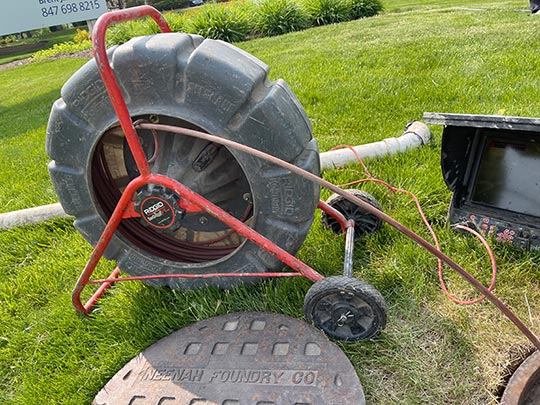
a sewer camera video inspection taking place.

Schedule periodic sewer camera inspections of system to identify and address any sewer line issues promptly.

Preventive Measures for Pipe Maintenance

To ensure the longevity of your pipes and reduce the likelihood of landscape damage, implementing preventive measures is essential. Here are some tips to maintain a healthy piping system and preserve your landscape:

Regular Inspections: Schedule periodic camera inspections of sewer system to identify and address any sewer line issues promptly. Timely identification can prevent minor problems from escalating into major ones, saving you time, money, and potential landscape damage.

Proper Planting Techniques: When landscaping your property, be mindful of the proximity of plants, trees, or shrubs to your piping system. Plant roots can pose a risk of intrusion, leading to cracks or blockages. Consult with a professional landscaper to ensure proper plant placement, especially near buried pipes.

Adequate Drainage: Proper drainage systems play a vital role in maintaining the health of your landscape and preventing water accumulation near pipes. Ensure proper grading, install drain covers, and regularly clear debris from gutters and downspouts to minimize the risk of water-related pipe damage.

Insulate Exposed Pipes: In colder climates, insulating exposed pipes is crucial to prevent freezing and potential burst pipe emergencies. Burst pipes not only impact your piping system but can also cause extensive damage to your landscape if left unaddressed.

Educate Household Members: Teach everyone in your household about the significance of water conservation and responsible water usage. By avoiding excessive water usage, you can reduce the strain on your piping system, minimizing the chances of leaks or damages that may affect your landscape.

The Importance of Professional Assistance

While some minor pipe repairs can be handled by homeowners, it is often recommended to seek professional assistance for significant or complex issues. Experienced plumbers have the knowledge, tools, and expertise necessary to diagnose and repair pipe problems efficiently without causing additional damage to your landscape. Hiring a professional plumber ensures that plumbing repairs are conducted accurately, providing long-lasting solutions and peace of mind.

In conclusion, protecting your landscape while repairing your pipes is not only possible but also essential for maintaining a healthy and visually appealing outdoor environment. By utilizing non-invasive repair techniques, implementing preventive measures, and seeking professional assistance when needed, you can repair your pipes without compromising the beauty and integrity of your landscape for years to come.

How To Repair Your Plumbing After a Heavy Rain and Flooding

How To Repair Your Plumbing After a Heavy Rain and Flooding

Heavy rain and flooding can cause significant damage to our homes, including our plumbing systems. Water accumulation, high groundwater levels, and sewer backups can all lead to plumbing issues that require immediate attention and repair. Below we will guide you through the steps to effectively repair your plumbing after a heavy rain and flooding event.

Assessing the Damage

The first step in repairing your plumbing after heavy rain and flooding is to assess the damage thoroughly. Look for signs of water damage or leaks in the following areas:

  • Pipes and fittings
  • Water fixtures
  • Water heaters
  • Drainage systems
  • Sewer lines
  • Sump pumps

Inspect the visible pipes and fixtures for any cracks, bends, or signs of corrosion. Check around your home for standing water or damp areas that might indicate a leaking pipe.

Tackle Immediate Concerns

If you discover any serious plumbing issues during your assessment, it’s crucial to address them immediately to prevent further damage. Consider taking the following actions:

  • Shut off the main water supply to prevent additional water from flowing into your home.
  • If you notice any sewage backups, avoid using any plumbing fixtures and call a plumber to address the issue.
  • Inspect the sump pump for proper functioning. Clear any debris and test its operation to ensure it can handle future flooding.
  • Remove any debris or leaves that might have accumulated around drainage areas to prevent clogs.
  • In case of severe damage or if you’re unsure of how to proceed, contact a professional plumber for assistance.
upgrading older homes.

In case of severe damage or if you’re unsure of how to proceed, contact a professional plumber for assistance.

Repairing Leaking Pipes and Fittings

In many cases, heavy rain and flooding can cause pipes to crack or fittings to become loose, leading to leaks. To repair leaking pipes and fittings:

First, shut off the water supply to the affected area. Then, follow these steps:

  • Inspect the damaged pipe or fitting and determine the extent of the damage.
  • If the pipe is damaged, measure the affected section and obtain a replacement pipe of the same material and diameter.
  • Cut out the damaged section of the pipe carefully using a pipe cutter or hacksaw.
  • Prepare the new pipe section by cleaning the ends and applying plumber’s tape or joint compound.
  • Attach the new pipe section to the existing plumbing using suitable connectors or fittings.
  • Tighten the connections securely, ensuring there are no leaks.
  • If the fitting is loose, tighten it using a wrench or plumbing pliers. Apply plumber’s tape for added sealing if necessary.
  • Turn the water supply back on and check for any leaks. If none are present, the repair is successful.

Addressing Water Fixture Issues

Heavy rain and flooding can also impact water fixtures, such as faucets, showers, and toilets. To repair water fixture issues:

Follow these steps:

  • Turn off the water supply to the affected fixture.
  • Remove the fixture by unscrewing the connections or detaching it from its mount.
  • Inspect the fixture for any damage or clogs. Clean or replace any parts as necessary.
  • Apply plumber’s tape to the threaded connections and reattach the fixture.
  • Tighten the connections securely, ensuring there are no leaks.
  • Turn the water supply back on and test the fixture for proper functioning.
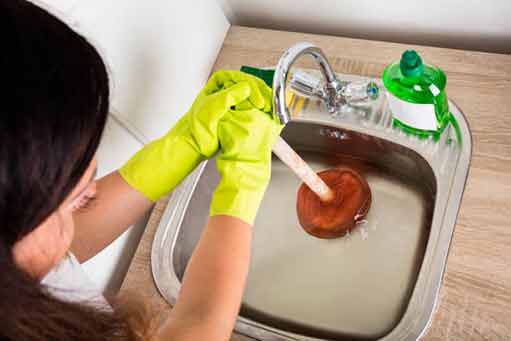
a clogged kitchen drain cleaning attempt.

Clear any debris, leaves, or sediment that might be obstructing the flow. Use appropriate tools, such as plumbers, drain snakes or pressure washers, with caution.

Restoring Functionality to Drainage Systems and Sewer Lines

During heavy rain and flooding, drainage systems and sewer lines can become overwhelmed, causing backups and inefficiencies. To restore functionality:

Take the following steps:

  • Inspect the area around your home for clogs or blockages in the drainage and sewer lines.
  • Clear any debris, leaves, or sediment that might be obstructing the flow. Use appropriate tools, such as plumbers, drain snakes or pressure washers, with caution.
  • Consider installing backwater valves or other preventive measures to minimize the risk of future sewer backups.

Conclusion

Repairing your plumbing after heavy rain and flooding requires careful assessment, immediate action, and proper repair techniques. By taking the necessary steps to address leaks, restore water fixtures, and ensure the functionality of drainage systems and sewer lines, you can effectively repair and prevent plumbing issues caused by extreme weather conditions. However, if you are unsure of how to proceed or encounter significant damage, contacting a professional plumber is always recommended to ensure the safety and integrity of your plumbing system.

Residential vs. Commercial Plumbing: What’s The Difference?

Residential vs. Commercial Plumbing

The plumbing systems in residential and commercial buildings do the same things; they supply fresh water to the building and remove wastewater from the premises. Visitors who use the plumbing fixtures in a commercial building may not see any differences between them and the plumbing fixtures in their homes.

Yet there are lots of differences between these two types of plumbing systems. Although they look the same on the surface, their underlying structures are very different. For one thing, commercial plumbing systems serve several people. As a result, they are larger and more complex than the plumbing systems in homes.

But the difference between the two systems is not limited to size; they also influence how these different plumbing systems should be managed. For property managers and real estate investors who own or operate commercial and residential buildings, understanding the differences between residential and commercial plumbing systems is crucial.  

Important differences between residential and commercial plumbing

Firstly, residential plumbing refers to the plumbing systems found in homes, along with their related sub-systems, such as drain and sewer lines. These systems have relatively simple construction because they only serve the needs of a limited number of people.

Commercial plumbing, on the other hand, is a plumbing system for a wide range of business facilities. These have to be more robust than residential plumbing systems because of the number of people who use them and the different ways those people use them.

What are the major differences between residential plumbing systems and commercial plumbing systems?

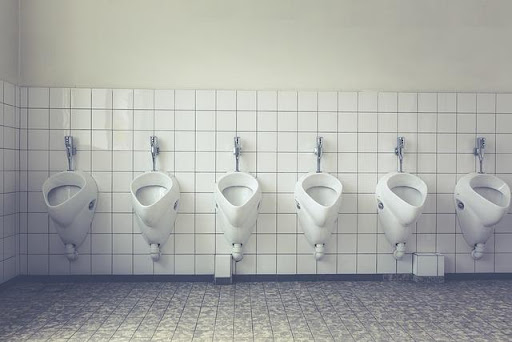
a business restroom.

Commercial plumbing systems are used by more people.

Amount and type of usage

Commercial plumbing systems are used by more people. Unlike residential plumbing, which is used mostly at specific times during the day, commercial plumbing is used heavily throughout the day. The types of materials people flush into the drains of commercial plumbing systems also vary a lot.

Durability of the plumbing

As a result of the amount of use they see, the fixtures in commercial systems are more robust; they use higher-grade materials. Residential plumbing is subject to less wear. Lower-grade pipes may be acceptable in residential plumbing because they don’t experience heavy usage.

Differences in complexity

Compared to commercial systems, residential plumbing systems are straightforward; comprising a few sinks, toilets and showers. Commercial plumbing often has multiple sinks, toilets and urinals on each floor of a multi-story building. A good number of these fixtures may be under use at the same time.

Risk of damage

Because of the sheer number of people using them, commercial plumbing has a higher risk of being damaged. This is partly because the people who use commercial plumbing are not likely to treat them with as much care as they show the plumbing system in their homes.

System efficiency 

If there are problems in a home’s plumbing, the impact is limited to the people living in the home. Problems in a commercial plumbing system not only affect more people but can also hurt the operation of the businesses in that building. That is why these systems have to be very efficient.

Water heaters

The water heaters used in residential plumbing will not work in a commercial building because more people require hot water at the same time. To meet this huge demand, commercial buildings use water heaters with large tanks that can take up to 250 gallons of water.

Sanitation and health

Due to the number of people who use plumbing fixtures in commercial buildings, there are bigger health challenges with these systems. To keep them from becoming a health hazard to those who use them, there are stricter health and sanitary standards for commercial plumbing systems.

Frequency of leaks

Keeping tabs on all potential leak locations in a commercial plumbing system is hard. Due to the scale and complexity of the system, it is easier for leaks and other kinds of problems to be missed or overlooked. Managing commercial plumbing systems is more difficult.

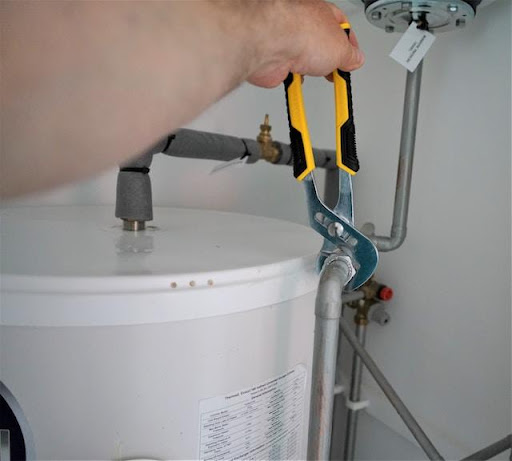
fixing a leak with a wrench.

Due to the number of people who use plumbing fixtures in commercial buildings, there are bigger health challenges with these systems.

Drainage services

The issue of solving drainage problems in a business is hard. Issues with the drainage system on one of the floors can easily affect the drains on other floors. Sometimes, the drain issues can show up on a floor that is many levels away from the floor where the problem originated.

Plumbing maintenance in residential and commercial buildings

Given this information, how should you maintain the plumbing system in a commercial building? When hiring a plumber for your commercial building, keep in mind the vastly-different training commercial plumbers receive in comparison to how residential plumbers are trained.

The differences in their training can be seen in:

  • The scope of work they are trained to handle.
  • The stricter job requirements for commercial plumbers.
  • The time-sensitive nature of commercial plumbing issues.

Taking these differences into consideration is essential when hiring a commercial plumber. Never hire a commercial plumber until you are sure they have adequate training and experience to handle the plumbing repairs in your business.

Best Tips To Avoid Spring Plumbing Issues

Best Tips To Avoid Spring Plumbing Issues

Springtime is that time of year when everything in nature comes alive. After months of lying dormant because of winter, plants, animals, and humans are bustling with energy and raring to go. Everywhere you look, there are lovely colors and birdsongs. People everywhere are unfolding their tools, equipment and bodies to get back to the work and play they love. 

But the start of spring is also when you are most likely to find leaks in your water pipes. That is mostly the aftermath of winter when pipes burst due to exposure to cold. With the onset of spring rains, your home’s plumbing is also likely to be overwhelmed by surface runoff and flash floods, resulting in even more plumbing issues for your home.

We know sometimes it’s hard to manage your investments and keep track of this kind of issues, especially for property managers who manage multiple rental properties, but these spring plumbing issues can be avoided with a little insight into the causes of the problems and preemptive steps to stop them. Spring is here; which can mean bad news for many homeowners. However, with the spring plumbing tips listed below, you can make spring fun by avoiding potential issues with your property’s plumbing.

8 tips to avoid spring plumbing issues

Check your toilets

Hidden leaks in your toilet will waste water and interfere with the toilet’s function. Check for hidden leaks by adding six drops of food coloring to the toilet tank. Wait 30 minutes to see if the color shows up in the bowl. If it does, there is a leak. Does the toilet flush properly, and does the water stop running after each flush? If the answer is no, there are worn-out parts in the tank that need to be replaced.

a fancy bathtub.

Inspect the bathtub and shower

Cracks often appear in grout as a result of changes in temperature and humidity that happen during winter. Inspect your shower and bathtub trim molding. If there are cracks in the seams, they can cause leaks or mold. Seal them before the small issues become problems that cost thousands of dollars to fix.

Inspect floor drains and outdoor drains

Check floor drains for signs of slow draining. If more than one-floor drain is acting-up at the same time, that can be a sign of impending problems with your main sewer line. Also, check outside drains; they are likely to be clogged after the winter weather. If your home has French drains installed, this is the time to inspect and have it professional hydro jetting services.

Clean gutters and downspouts

Remove all winter debris from gutters and downspouts. Check for signs of damage, loose or missing fittings, and rust. Ensure the downspout is not discharging in the wrong place on your property. Check your vent pipes; they are a favorite location for birds to make their nest. Blocked vent pipes will cause the home’s plumbing to drain slowly.

Test the sump pump

The sump pump is your home’s last line of defense against flash floods; test it to ensure it is working. Testing a sump pump is as simple as pouring enough water into the basin to trigger the pump and then watching it to ensure the water is completely removed and the pump turns itself off afterwards. Also, clean the sump pump to prevent malfunctions due to clogging.

a tankless water heater.

Flush your water heater

To prevent scalding, the temperature setting on your water heater should not be above 120°F. A lower temperature setting will also help reduce your energy bills. Limescale and debris inside the potable water supply are left inside the water heater as the water is heated. This deposit can impair the efficiency of your water heater. Drain the water heater to get rid of sediment that has built up in the last year.

Check for leaks and drips

Faucets and supply hoses for the dishwasher, washing machine and ice maker may have minor leaks that are hard to detect. Inspect and test them carefully. To ensure there are no leaks in your home’s water pipes, take a meter reading when leaving for work and do it again when you return. If the number has changed, you have a leak in your plumbing.

Test your main water valve

Shutting off your home’s water supply is the first step when you have a burst plumbing pipe emergency or major leak at home. But for this to work, the main water valve must be functional. If the valve is stuck because of disuse, you won’t be able to turn off the water. Test the water main valve by turning it on and off several times.

Finally, a wholesale inspection of your home’s plumbing systems is the best way to detect and eliminate any potential plumbing issues. It is suggested that you do this at least twice a year, preferably at the start of the season. To ensure this is done correctly, you will need to call a nearby plumber.

A plumber will not only have an overview of how the home’s plumbing works, they know the likely issues that can happen and have a tested routine for inspecting the plumbing. This ensures that no aspect of the system is overlooked and no budding issues are missed.

5 Types of Plumbing Pipes You’ll Find in Homes

5 Types of Plumbing Pipes You'll Find in Homes

The plumbing system in your home comprises a vast network of pipes crisscrossing the entire length and breadth of the house. This system can be divided into two major parts; pipes carrying freshwater to the plumbing fixtures or water-utilizing appliances and pipes transporting gray water and sewage from your home.

As a homeowner, you know the damage plumbing problems can do to your home and belongings. Likely, at one point, you have had to deal with hidden water leaks and burst pipe emergencies in your home. Anyone who has experienced the stress and financial losses that follow a plumbing issue in their home does not want a repeat of the events.

But Graf Property Management advises you will only minimize the incidence of plumbing problems in your home if you understand how your home’s plumbing works. Due to the size of the plumbing network and how often the system is used, it is almost impossible to eliminate plumbing issues. But you can minimize problems by learning more about how plumbing works.

5 types of plumbing pipes in homes

Pipes make up most of the plumbing in your home. Plumbing pipes are also where problems are most likely in your home’s plumbing. This is why it is important to know a bit about the different types of plumbing pipes that are already in your home, or that can be used in your home. This knowledge will come in handy when fixing plumbing issues.

Whether working with a plumber or fixing problems yourself, you get better results with this information. Being able to tell the difference between piping materials and what each is best used for will help you choose the right pipes for your home re-piping project. Choosing suitable pipes from the outset will lead to fewer plumbing problems.

plumbing pipes.

  • PEX (polyethylene cross-linked) pipes

This type of pipe is used for water supply lines; it doesn’t add traces of rust or corrosion to water. PEX pipes are rigid enough to withstand water pressure, yet they are flexible and easy to work on. 

Unlike rigid PVC pipes, PEX pipes can be maneuvered around corners, and you can use different connection methods with them. Another reason to use PEX pipes is that they are color-coded for easy organization; red (hot water), blue (cold water), and white (hot or cold).

  • PVC (polyvinyl chloride) pipes

This is the white plastic material many people visualize when considering plumbing pipes. PVC pipes are mainly used as the home’s main drain and main vent stack. Smaller PVC pipes (three inches) may also be used for sink drains and plumbing vents. 

PVC is best for installations with low-temperature and low-pressure needs. This makes them the ideal material for toilet drain lines. They are not suitable for high-pressure water supply lines or transporting hot water. PVC pipes are fairly inexpensive but harder to work with than PEX pipes.

  • ABS (acrylonitrile butadiene styrene) pipes

This material is made from thermoplastic resin and is similar to PVC. But ABS pipes come in black and are slightly softer than PVC. If you ever find a black pipe in your toilet drain or sink, it is probably an ABS pipe. 

They are slightly better than PVC in terms of their durability in high-impact environments. But they are not durable enough to withstand direct sun exposure; they will warp and degrade in direct sunlight. ABS pipes come in the same sizes as PVC pipes and are mostly used in vents and drain lines.

more plumbing pipes.

  • Copper pipes

Copper pipes have been used for decades, and you will likely find one around your sink, shower, or bathtub. Copper pipes – mostly made of pure copper – have a shiny reddish-brown color and are used primarily as water supply lines. 

The biggest reason for their continuing popularity is that they do not alter water quality. The main issue with copper pipes is that you need a propane torch to install them; this makes their installation unsuitable for DIY. Moreover, copper pipes are expensive.

  • Galvanized (steel or cast iron) pipes

These types of pipes are no longer used in new home construction but can still be found in older houses. The major advantage of galvanized pipes was that they offered a lead-free alternative. Galvanized pipes were used mainly for water supply and drain lines, but this practice has been discontinued due to their tendency to rust. 

You may still find galvanized steel being used as gas supply lines. Cast iron is still used as sewer and drainage pipes in commercial and high-rise buildings.

To conclude, another type of pipe often found in homes is the flexi or flexible pipe. This is a flexible tubing made of stainless steel. It is the final piping connection for appliances and plumbing fixtures, such as sinks and toilets. You cannot use them inside walls and floors.

How Does Hard Water Effect Residential Plumbing?

How Does Hard Water Effect Residential Plumbing

Hard Water Plumbing

For homeowners, hard water can present a unique set of plumbing-related problems. What is hard water? Hard water is water that contains higher-than-usual levels of minerals such as calcium and magnesium. This is usually caused by water being naturally exposed to certain rocks, sediment, and soils.

Hard water affects your plumbing system mainly in two ways. One, it can corrode pipes and fixtures, and two, it leaves soap scum and other mineral deposits that can build up and interfere with the proper functioning of the plumbing system or home appliances that utilize water.

The most common problem with hard water is its effect on pipe systems throughout the home. Generally, hard water does not cause major damage, but it certainly takes its toll on pipe systems over time, especially for pipes made of non-coated metals. Without protection from a chemical agent, the minerals in hard water can wear away and corrode the piping, causing eventual leaks and weakened pipes.

Plumbing Troubleshooting Tips

If you suspect you’re having problems with hard water, there are several steps homeowners can take to help safeguard their plumbing and appliances.

First and foremost, it’s important to act fast when it comes to potential problems. If you notice anything suspicious, look into it right away. Be sure to check the pipes in the entire home and don’t just concentrate on the ones that appear to be in good condition. Corrosion and mineral deposits can build up inside the walls of a pipe and be hard to detect.

It’s also important to have a local plumber take a look at the water supply and assess the situation. Not only can a plumber help to determine if you’re having problems with hard water in your home, but they can also provide suggestions for ways to minimize the risk of problems in the future.

One suggestion a plumber may make is to install a water softener. A water softener is a device that removes minerals from the water before it reaches the faucets, curtailing the harmful effects that hard water can have on your plumbing system.

Soap Scum Buildup

Another popular problem homeowners with hard water experience is the build-up of soap scum in fixtures and sinks. Soap scum is a sticky residue that forms when the minerals in hard water bind with the soap being used in the home.

The same minerals that form soap scum can also interfere with the soap itself, making it hard to form lather and further complicating the labor already needed to clean fixtures.

To help combat soap scum buildup, homeowners can use mild, acidic cleaners on bathrooms and kitchen fixtures to help dissolve the buildup. Additionally, switching out traditional soaps for body wash or detergents specifically designed for hard water can help.

Homeowners may also be able to lessen their hard water woes by investing in a water softener. As mentioned before, a water softener can help to reduce mineral content in the water, alleviating some of the common issues associated with hard water.

Hard water can be a challenge for homeowners, but it doesn’t have to be an impossibility to deal with. With a bit of troubleshooting and perhaps an investment in a water softener, homeowners can put their hard water woes behind them.