Grease Trap Installation Services in Chicago, IL
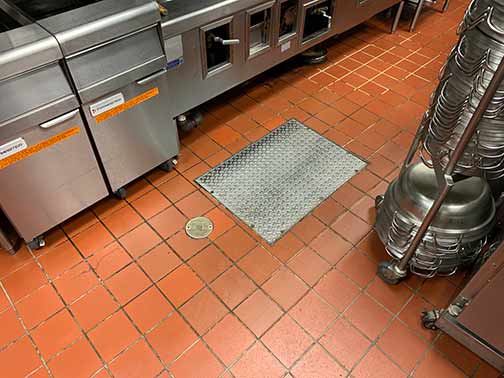
Grease trap installation in Chicago is an important part of designing a commercial kitchen drainage system that can handle fats, oils, grease, and food waste before those materials enter the building’s downstream plumbing. Restaurants, cafeterias, hotels, institutional kitchens, food-service facilities, and other commercial operations can place heavy demands on their drainage systems every day.
Chicago Plumbing Experts installs grease trap systems for new commercial kitchens, restaurant construction, remodeling projects, system replacements, and other plumbing upgrades. We consider the kitchen layout, expected wastewater volume, available space, plumbing configuration, and maintenance requirements when planning the installation.
The right grease trap is not simply a box connected to a drain. It needs to be appropriately sized, correctly located, properly connected, and accessible for future service.
When a Commercial Kitchen Needs a Grease Trap
Commercial kitchens produce wastewater that can contain significant amounts of fats, oils, grease, and food solids.
Cooking, dishwashing, food preparation, and equipment cleaning can all introduce material into the drainage system. Without an appropriate grease management system, that material can accumulate inside drain piping and eventually restrict wastewater flow.
A grease trap or interceptor is designed to separate much of that material from the wastewater before it continues through the plumbing system.
The specific system required depends on the property, kitchen operation, plumbing layout, and applicable requirements.
New Restaurant Construction
A new restaurant gives you the opportunity to plan the grease management system before the plumbing and finished construction are in place.
Grease trap location, piping routes, access, fixture connections, and future maintenance should all be considered during the design stage.
Installing the system correctly from the beginning can help avoid having to redesign the plumbing after the kitchen is already operational.
Grease Trap Installation During a Kitchen Remodel
A commercial kitchen renovation can change the way wastewater moves through the property.
Adding fixtures, relocating sinks, changing equipment, increasing kitchen capacity, or modifying the drainage layout can all affect the existing grease trap system.
In some cases, the existing trap may be adequate for the new configuration. In others, it may be undersized, poorly located, damaged, or no longer appropriate for the kitchen’s demands.
A remodel is a good opportunity to evaluate the existing system before the new kitchen is completed.
Replacing an Existing Grease Trap
Grease traps do not last forever.
An existing unit may eventually develop leaks, corrosion, damaged components, structural problems, or other conditions that make continued service impractical.
Replacement may also be appropriate when a kitchen has expanded or changed enough that the existing system no longer matches its wastewater demands.
Rather than automatically replacing a trap with the same size and configuration, the system should be evaluated in the context of the current kitchen.
Choosing the Right Grease Trap Size
Sizing is one of the most important parts of grease trap installation.
A system that is too small may not provide adequate capacity for the kitchen’s wastewater demands. A system that is unnecessarily large can create its own installation and maintenance challenges.
Factors that can influence sizing include:
- Number of kitchen fixtures
- Sink capacity
- Dishwasher usage
- Kitchen wastewater volume
- Number of meals served
- Type of food preparation
- Peak kitchen activity
- Available installation space
- Existing drainage configuration
- Future changes planned for the facility
The goal is to install a system that fits the actual operation rather than choosing equipment based solely on the size of the building.
Where Should a Grease Trap Be Installed?
Location matters almost as much as size.
A grease trap needs to be connected to the appropriate drainage lines while remaining accessible enough for future pumping, cleaning, inspection, and maintenance.
Depending on the property, installation may take place indoors, outdoors, below grade, or in another suitable location dictated by the plumbing layout and project requirements.
The location should also take future service into account. A system that performs well but is extremely difficult to access can make routine maintenance unnecessarily complicated.
Interior and Exterior Grease Trap Installations
Commercial properties have different physical layouts, so there is no single installation arrangement that works for every business.
Interior Installation
An indoor grease trap may be appropriate for certain commercial kitchens where space, plumbing configuration, and access make interior installation practical.
The system needs to be positioned where it can be properly connected and serviced without creating unnecessary interference with kitchen operations.
Exterior Installation
Larger commercial systems may be installed outside the building, sometimes underground.
Exterior installation can provide additional capacity and may be appropriate for certain larger kitchens and commercial facilities, but excavation, access, pipe routing, and future pumping requirements all need to be considered.
Excavation and Underground Grease Trap Installation
Some commercial grease trap projects require excavation and underground installation.
This can involve:
- Preparing the installation area
- Excavating to the required depth
- Establishing appropriate pipe elevations
- Preparing the base for the trap
- Installing inlet and outlet piping
- Connecting the system to the building’s drainage
- Backfilling the installation area
- Providing appropriate access for future maintenance
Underground installations require careful planning because the trap needs to remain accessible for future service after the surrounding property has been restored.
Connecting the Grease Trap to the Plumbing System
The grease trap is only effective when the surrounding plumbing is properly configured.
Kitchen fixtures that require grease management need to be connected through the appropriate drainage routes so wastewater reaches the trap before continuing downstream.
The installation also needs to account for proper flow through the system. Poorly routed piping, incorrect connections, or unsuitable elevations can interfere with performance even when the trap itself is properly sized.
That is why the installation should be treated as part of the commercial kitchen’s overall drainage system rather than as an isolated piece of equipment.
Grease Trap Installation for Restaurants
Restaurants can generate substantial quantities of grease and food-related waste.
The system needs to accommodate the way the restaurant actually operates, including cooking volume, dishwashing, food preparation, and the number of fixtures contributing wastewater.
A restaurant that serves a high volume of meals may have very different requirements from a smaller food-service operation.
Planning the grease trap around actual kitchen usage can help provide a system that is better suited to the demands placed on it.
Grease Trap Installation for Other Commercial Kitchens
Restaurants are not the only businesses that need grease management.
Grease trap systems may also be used in:
- Hotels
- Cafeterias
- Schools
- Hospitals and institutional facilities
- Assisted-living facilities
- Catering kitchens
- Food-service operations
- Commercial food preparation facilities
- Other businesses with significant kitchen wastewater
Each property has different plumbing and operational requirements, so the installation should be based on the individual facility rather than a one-size-fits-all approach.
Planning for Future Grease Trap Maintenance
Installation should account for what happens after the system is put into service.
A grease trap needs to be pumped and cleaned as material accumulates. If access is difficult, future maintenance can become more disruptive and expensive.
The installation should therefore consider:
- Pumping access
- Cleaning access
- Service clearances
- Access covers
- Vehicle access where applicable
- Interior or exterior location
- Distance from kitchen equipment
- Future plumbing maintenance
A good installation is one that continues to make sense years after the initial project is complete.
For ongoing service after installation, Chicago Plumbing Experts also provides grease trap cleaning for commercial kitchens throughout Chicago.
What Happens During a Grease Trap Installation?
The exact process depends on the property, but a commercial installation generally involves several stages.
Reviewing the Existing Plumbing
The project begins with an evaluation of the existing drainage system, kitchen fixtures, available space, and proposed installation location.
For new construction, the review focuses on the planned kitchen layout and plumbing design.
Determining the System Requirements
The expected wastewater volume, fixture configuration, kitchen usage, and physical conditions are considered when determining the appropriate grease trap solution.
Establishing the Installation Location
The trap needs to be positioned so it can be properly connected while remaining accessible for future service.
Preparing the Installation Area
For an underground system, this may involve excavation and preparation of the installation area. Indoor installations may require modifications to the existing plumbing or surrounding construction.
Installing the Trap and Piping
The grease trap is installed and connected to the appropriate drainage piping. Inlet and outlet connections need to be properly aligned so wastewater can flow through the system as intended.
Connecting Kitchen Fixtures
The appropriate commercial kitchen drains are connected to the grease management system according to the plumbing design.
Testing the System
After installation, the system is checked for proper flow, leaks, and connection problems.
Preparing for Future Maintenance
Access points and service requirements are considered so the grease trap can be pumped and cleaned after it begins accumulating material.
What Can Go Wrong With a Poorly Installed Grease Trap?
A grease trap can be the correct size and still perform poorly if the installation itself is not properly planned.
Potential problems can include:
- Poor wastewater flow
- Grease escaping into downstream piping
- Difficult access for pumping
- Recurring drainage problems
- Leaking connections
- Excessive buildup
- Unnecessary maintenance difficulties
- Premature equipment problems
- Kitchen disruptions
A commercial kitchen depends on its plumbing every day. Installation problems that might seem minor during construction can become major operational headaches once the facility is busy.
When a Grease Trap Is Undersized
An undersized grease trap may reach its capacity quickly, particularly in a high-volume kitchen.
If the system is consistently overwhelmed, grease and solids can accumulate faster than the trap can effectively manage them.
This can increase maintenance demands and contribute to downstream plumbing problems.
If an existing trap is repeatedly struggling despite proper cleaning, the issue may be capacity rather than maintenance alone.
When the Grease Trap Is Too Difficult to Access
Accessibility is often overlooked during installation.
A grease trap may technically work, but if service personnel cannot easily reach it, routine pumping and cleaning can become more difficult than necessary.
For exterior systems, vehicle access may be important. For interior systems, service access and the surrounding kitchen layout need to be considered.
Designing around future maintenance from the beginning can save significant trouble later.
Grease Trap Installation and Hydro Jetting
Installation and drain-line cleaning are different services, but they can become connected when an existing commercial kitchen has substantial grease buildup.
If grease has already accumulated inside downstream plumbing, installing a new trap alone will not remove that existing buildup.
In those situations, hydro jetting may be appropriate for cleaning stubborn deposits from connected drain lines.
The need for hydro jetting depends on the condition of the existing plumbing and should be determined as part of the overall project.
Grease Trap Pumping and Waste Removal
Once a new grease trap is operating, it will eventually accumulate grease and solids that need to be removed.
Larger commercial systems may require specialized pumping equipment.
Chicago Plumbing Experts provides vacuum truck pumping for larger commercial applications where substantial quantities of grease, sludge, wastewater, or other accumulated material need to be removed.
Planning pumping access during the original installation can make future maintenance significantly easier.
When Installation Is Part of a Larger Commercial Plumbing Project
A grease trap installation may be only one part of a larger restaurant construction or renovation.
The project may also involve:
- Kitchen drain installation
- Water supply piping
- Fixture connections
- Commercial water heaters
- Drainage modifications
- Sewer connections
- Equipment plumbing
- Remodeling-related plumbing
- Other commercial plumbing infrastructure
Chicago Plumbing Experts provides broader commercial plumbing services for businesses throughout Chicago.
Coordinating these systems during the construction stage can help prevent conflicts between different parts of the project.
Questions to Ask Before Installing a Grease Trap
Before choosing a system, a commercial property owner should understand several important factors.
How much wastewater will the kitchen generate?
How much grease is likely to enter the drainage system?
Where can the trap be installed while maintaining practical access?
Will the system need to be underground?
How will the trap be pumped and cleaned?
Does the existing plumbing need to be modified?
Is the current system being replaced because of capacity, damage, or a change in kitchen operations?
Answering those questions before installation can prevent a system from being selected simply because it fits the available space.
Frequently Asked Questions About Grease Trap Installation
What is a grease trap?
A grease trap is a plumbing device designed to separate fats, oils, grease, and certain solids from wastewater before that material continues into downstream drainage piping.
Does every restaurant need the same size grease trap?
No. Grease trap requirements can vary based on the kitchen’s fixtures, wastewater volume, food preparation, operational demands, and plumbing configuration.
Can a grease trap be installed outside?
Yes. Some commercial properties use exterior or underground grease traps. The appropriate location depends on the property’s layout, plumbing configuration, available space, and installation requirements.
Can an existing grease trap be replaced?
Yes. Replacement may be appropriate when an existing system is damaged, outdated, undersized, difficult to maintain, or no longer appropriate for the kitchen’s current demands.
How long does grease trap installation take?
The timeline varies based on the size of the system, installation location, excavation requirements, existing plumbing, and scope of the project.
Does installing a grease trap require excavation?
Not always. Some systems can be installed indoors or in existing accessible areas. Larger exterior systems may require excavation and underground installation.
How often does a new grease trap need cleaning?
The appropriate interval depends on the trap’s size, kitchen usage, grease production, and rate of accumulation. A high-volume restaurant may require service more frequently than a smaller commercial kitchen.
Does grease trap installation include connecting kitchen sinks?
The plumbing connections required depend on the project’s design and the fixtures being served. Kitchen fixtures that need grease management are connected through the appropriate drainage system.
Can a grease trap stop sewer backups?
A properly designed and maintained grease trap can help reduce grease-related drainage problems, but it cannot prevent every type of sewer backup. Other plumbing conditions can also contribute to backups.
What if the existing drain lines already have grease buildup?
Installing a new grease trap does not automatically remove buildup that is already inside downstream drain lines. Depending on the condition of the plumbing, additional cleaning such as hydro jetting may be appropriate.
How do I know whether my existing grease trap is too small?
Repeated overloading, rapid accumulation, recurring drainage problems, or changes in kitchen volume can indicate that the existing system may not be adequately sized. A professional evaluation can help determine whether capacity is part of the problem.
Does the grease trap need to be accessible after installation?
Yes. Future pumping, cleaning, inspection, and maintenance should be considered when determining the installation location and access points.
Build the Grease Management System Around the Kitchen
A grease trap should not be selected simply because it fits in an available space. It needs to work with the kitchen’s wastewater demands, drainage layout, available access, and long-term maintenance requirements.
Chicago Plumbing Experts installs grease trap systems for restaurants, commercial kitchens, food-service facilities, and other businesses throughout Chicago. From new construction to replacement projects and major kitchen renovations, we focus on proper planning, practical placement, reliable connections, and future service access.
A well-designed installation gives the commercial kitchen a better foundation for managing grease before it reaches the downstream plumbing.
And just as importantly, it gives the business a system that can be maintained, serviced, and upgraded as the operation changes.
Chicago Plumbing Experts
Call us at: 708-775-2566
Email us at: chicagoplumbingexpert@gmail.com
Hours: Monday – Friday 7AM – 6PM | Saturday 7AM – 4PM
After Hours Emergency Plumbing Services: 708-518-7765
We would love to hear from you! Please fill out the quick contact form and we will get in touch with you shortly.