Tag Archives: repiping

Planning Ahead for Repiping: Minimizing Disruption in Your New Home

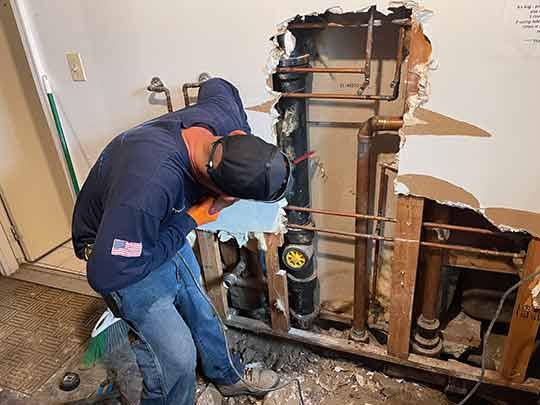
Man wearing a black pullover hoodie while holding a tool

Moving into a new home is an exciting milestone, but discovering that the plumbing system needs repiping can turn excitement into stress. The good news is that with the right planning, repiping doesn’t have to be disruptive or overwhelming. By understanding what’s involved and preparing in advance, you can protect your new space, your schedule, and your peace of mind. This guide walks you through everything you need to know about planning ahead for repiping while keeping your home functional and comfortable.

Understanding Why Repiping May Be Necessary

Many homeowners don’t think about plumbing until a problem arises. Pipes wear down over time, and older materials like galvanized steel or polybutylene can fail unexpectedly. Low water pressure, frequent leaks, rust-colored water, or a history of plumbing repairs may signal that repiping is the best solution. Understanding these signs early helps you make informed decisions before serious damage occurs.

Planning Ahead for Repiping: Choosing the Right Time 

Timing matters when it comes to major plumbing work. If you’re planning other renovations, combining projects can reduce overall disruption. Some homeowners prefer scheduling repiping before fully settling in, while others wait until they have a clear sense of the home’s layout and their long-term plans. Coordinating with the plumbing team to work around your schedule ensures that the project causes minimal interference with daily life.

Working with an Experienced Plumbing Professional

Repiping is a significant investment that should be handled by professionals with proven experience. A skilled plumber will evaluate your home, recommend the best materials, and provide a clear project timeline. Good communication is key. Ask about estimated completion dates, how they’ll protect your belongings, and what areas of the home will be affected. A reliable contractor will not only perform quality work but also help you feel confident every step of the way.
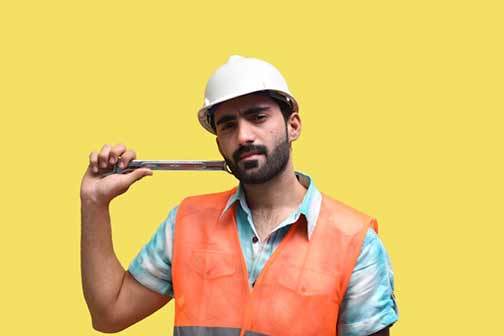
A person wearing a hard hat and holding a wrench
Planning ahead for repiping and working with an experienced plumber is a winning combination.

Preparing Your Home for the Project

Preparing in advance makes a big difference in how smoothly the repiping process goes. Clear pathways to plumbing access points, move fragile items, and cover furniture to protect against dust. Some homeowners choose to stay elsewhere during the most disruptive phases. In certain cases, renting a storage unit can be helpful for temporarily relocating valuable or delicate belongings, especially in houses with limited space during large-scale renovations. The goal is to create a safe, efficient work environment that keeps both the plumbers and your property protected.

Understanding the Different Material Options

Modern plumbing offers several durable materials, including copper, PEX, and CPVC. Each has advantages in terms of cost, longevity, and installation flexibility. Copper is known for durability, while PEX offers flexibility and often a faster installation. Your plumber can help you weigh the pros and cons based on your home’s design, water needs, and long-term goals. Choosing the right material is an essential step in ensuring the investment lasts for decades.

Minimizing Water Service Interruptions

One of the biggest concerns during repiping is losing access to running water. A good plumbing team will plan the project in phases, ensuring at least partial access to water throughout the process. They may start with less-used areas before moving to kitchens or bathrooms. Clear communication about when and where water will be turned off allows you to plan, fill water containers, and adjust routines without major inconvenience.

Protecting Walls, Floors, and Finishes

Repiping often involves accessing pipes hidden behind walls or beneath floors. While some cutting and patching may be unavoidable, careful planning helps minimize cosmetic damage. Professionals use precise techniques to open only what’s necessary and restore surfaces once the new pipes are in place. Asking about the repair and finishing process ahead of time ensures your home looks as good as new once the work is done.

Coordinating with Other Home Improvements

Repiping can provide the perfect opportunity to tackle other upgrades. If you’re planning a bathroom remodel, adding a water filtration system, or replacing outdated fixtures, combining projects can save both time and money. By aligning these improvements, you reduce the need to reopen walls or disrupt plumbing multiple times in the future.
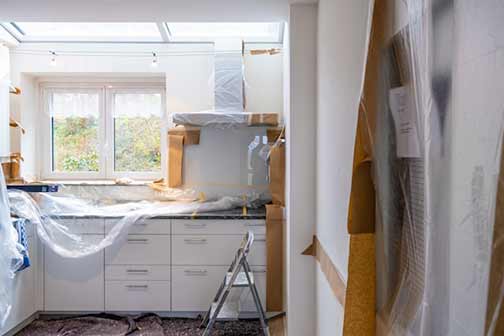
White wooden kitchen cabinet
Repiping can provide the perfect opportunity to tackle other upgrades.

Staying Informed Throughout the Process

Transparency makes a big difference in how comfortable you feel during repiping. Regular updates from your plumbing team, even brief ones, keep you in control of the timeline and aware of any changes. Don’t hesitate to ask questions, request photos of progress, or confirm next steps. A well-informed homeowner experiences less stress and can make quick, confident decisions if unexpected issues arise.

Ensuring Long-Term Peace of Mind

Once the repiping is complete, keep a record of the work performed, including materials used and warranties provided. This documentation not only gives you peace of mind but also adds value when it comes to selling your home. Modern plumbing reduces the risk of leaks, improves water pressure, and enhances overall home efficiency, all of which are appealing to future buyers.

Preventing Disruptive Process

Planning ahead for repiping allows you to take control of what could otherwise be a disruptive process. By choosing the right timing, working with experienced professionals, preparing your home, and staying informed, you can protect your new investment while keeping your daily routine intact. With a little foresight, repiping becomes less of an obstacle and more of an upgrade, ensuring your new home remains safe, efficient, and comfortable for years to come.
Revolutionize Your Home’s Plumbing: The Case for Repiping

Revolutionize Your Home’s Plumbing: The Case for Repiping

Plumbing systems are the most important life-sustaining system in a house, notes Heritage Management Services. They deliver clean water, which is essential for the well-being of your family, wherever it is needed inside your home. At the same time, they remove wastewater that can pose a health risk to your household.

Your home’s plumbing never stops to take a rest; it works night and day, in summer and winter. However, this demand eventually takes its toll on the system, with the result that after some years, your plumbing will start to show signs of aging, with an increasing tendency to malfunction.

When this happens, the plumbing problems in your home will increase in both frequency and intensity. There is a chance that you will start to see previously unexperienced issues like:

  • Frequent leaks: Leaks can happen even in newly installed plumbing systems. However, with aging systems, you are likely to see multiple leaks in your home at the same time, with recurring leaks in the same places.
  • Low water pressure: Gradual/sudden drops in water pressure are a common issue in aging plumbing. This is due to years of corrosion and buildup that narrow the pipe channels, restricting water flow.
  • Discolored water: Brown, rusty, or yellow water from your faucets and plumbing fixtures is evidence that rust and other contaminants (including soil) are present in your home’s water supply.
  • Corroded pipes: Visibly corroded water pipes and drain lines can result from installing mismatching metal pipes in the plumbing or aging plumbing systems.
  • Noisy pipes: As the plumbing ages, the fittings that once held the water pipes in place may become loose, leading the pipes to bounce around and make strange noises inside your home.
  • Water damage: Unexplained watermarks on your ceilings, walls, and flooring may be from your aging pipes. In the worst cases, these problems can result in structural damage to your building.
  • Spikes in your water bill: A sudden increase in your home’s water bill without an accompanying increase in your water usage often indicates the presence of hidden leaks in your plumbing.
  • Bad-tasting or smelly water: Sometimes, leaks and corrosion will betray their presence in your plumbing system by leaving an unpleasant taste or smell in your water supply.

What can you do about these problems? You may try to solve the individual issues listed above. But if you do that, you will be ignoring the cause and focusing on the symptoms of the problem. That will only cost you money and time, without yielding any meaningful results.

If the plumbing pipes in your home are old and near or past the end of their service life, the best solution to the problem is to repipe your home. Repiping your home will solve your plumbing issues and update the plumbing system to make it more resilient and efficient.

Repiping your home: what you need to know

Repiping your home will reset your entire plumbing system by replacing outdated pipes and connections with new ones. This comprehensive refresh will address the lingering issues in your plumbing while minimizing the risk of future problems.

What does the repiping process look like?

  1. Assessment and pipe removal

Factors that will affect the cost and duration of the project include the size and layout of your house, as well as the location of the pipes and how accessible they are. Bigger homes will have more pipes, and this will require more men and materials. If there are pipes in the hard-to-reach areas of the house, such as crawlspaces and closets, removing and replacing them will involve significantly higher labor costs.

  1. Selecting pipe materials

Typically, you will have three options: copper, PEX, or CPVC pipes. Each material has its unique pros and cons. Copper pipes are resistant to bacteria and long-lasting, but they are expensive. PEX pipes are corrosion-resistant and less prone to bursting, but they are susceptible to UV light and rodent damage. CPVC pipes are not flexible and have lower heat resistance, but they are affordable and easy to install.

  1. Plan for disruptions

Repiping your home will upset your household’s normal schedule. There is a possibility that walls and floors will be opened to access the pipes inside them. This not only means disruptions to your water supply, but you will have to deal with a lot of noise and dust, with the risk of damage to your furniture and belongings. If you choose to move out of your home temporarily, that will be an additional cost.

As you may already see, repiping your home’s plumbing is a major cost. This is not a project you want to start unless you are sure of the quality of the plumber you are hiring for the job. What are some of the things you want to look out for in your chosen plumber?

They must be licensed and fully insured to cover the potential risks and liabilities that come with repiping a home. They should have expertise in these kinds of projects and be willing to let you verify that claim. Lastly, they should be transparent and detailed in their pricing.

How Repiping Can Transform Your Home’s Water Pressure

How Repiping Can Transform Your Home's Water Pressure

The Importance of Water Pressure in Your Home

When it comes to your home’s plumbing system, water pressure plays a crucial role in ensuring the smooth operation of faucets, showers, and appliances. Adequate water pressure allows for efficient cleaning, reliable irrigation, and a satisfying shower experience. However, if you’re experiencing low water pressure in your home, it can be not only frustrating but also a sign of underlying plumbing issues. Here we’ll explore how repiping can transform your home’s water pressure, improving your overall water flow and enhancing your daily activities.

Understanding Water Pressure

Water pressure refers to the force at which water is delivered through your plumbing system. It is typically measured in pounds per square inch (psi) and can vary depending on various factors, including the elevation of your home, the size of the pipes, and the condition of the plumbing infrastructure. In an ideal scenario, water pressure should be consistent and strong enough to meet the demands of your household.

Low water pressure can be caused by a range of issues, such as clogged pipes, leaks, or deterioration of the plumbing system over time. These problems can result in restricted water flow and reduced pressure, making everyday tasks more challenging and time-consuming.

The Signs of Low Water Pressure

It’s essential to be able to identify the signs of low water pressure in your home. Some common indicators include:

  • Slow-filling toilets
  • Weak or dribbling faucets
  • Inadequate water flow in the shower
  • Difficulty running multiple water sources simultaneously

If you notice any of these signs, it’s time to consider repiping your home to improve the water pressure and restore the functionality of your plumbing system.

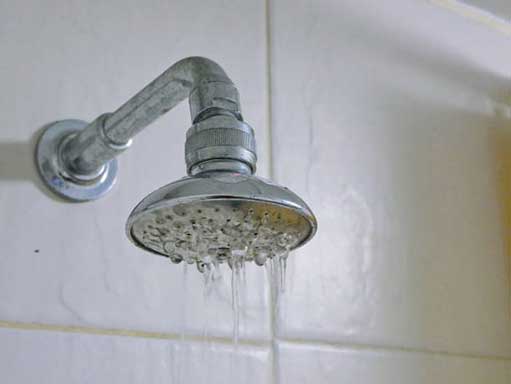
home repiping can fix your homes low water pressure.

Repiping your home allows you to upgrade to modern materials like copper or PEX, which are not only more resistant to corrosion but also facilitate better water flow and pressure.

How Repiping Enhances Water Pressure

Repiping involves replacing the old or damaged pipes in your home with new, high-quality materials. It’s a comprehensive solution to address low water pressure issues and improve the overall performance of your plumbing system. Let’s take a closer look at how repiping can transform your home’s water pressure:

Eliminating Corrosion and Buildup

Over time, pipes can develop corrosion and mineral buildup, restricting water flow and causing decreased water pressure. By repiping your home, you eliminate these obstructions and allow water to flow freely through the clean, new pipes. This leads to improved water pressure and a more efficient plumbing system.

Upgrading to Modern Materials

Older homes often have outdated plumbing systems with pipes made from materials like galvanized steel or cast iron. These materials are prone to rust, corrosion, and scaling, leading to reduced water pressure. Repiping your home allows you to upgrade to modern materials like copper or PEX, which are not only more resistant to corrosion but also facilitate better water flow and pressure.

Proper Sizing of Pipes

In some cases, low water pressure may be caused by inadequate pipe sizes. If the pipes leading to specific fixtures or areas of your home are too small, they can restrict the water flow and reduce pressure. During the repiping process, a professional plumber can assess the water demand in your home and install appropriately sized pipes to ensure optimal water pressure.

Fixing Hidden Leaks

Low water pressure can also be a result of hidden leaks within the plumbing system. These leaks not only waste water but also decrease the overall pressure in your home. Repiping allows for a thorough inspection of the pipes, and any hidden leaks can be detected and repaired. By fixing these leaks, the water pressure in your home can be significantly improved.

high water pressure for a woman who just had her home repiped.

With increased water pressure, you’ll experience better water flow from your faucets, showers, and other water-using appliances.

The Benefits of Improved Water Pressure

Investing in repiping for your home can have numerous benefits beyond just enhancing water pressure:

  • Improved Water Flow: With increased water pressure, you’ll experience better water flow from your faucets, showers, and other water-using appliances.
  • Enhanced Efficiency: Adequate water pressure ensures that tasks like dishwashing and laundry are completed more efficiently, saving you time and effort.
  • Preventing Future Plumbing Issues: Repiping eliminates potential problems caused by aging pipes, such as leaks and bursts, preventing costly repairs in the future.
  • Increased Home Value: Upgrading your plumbing system with repiping can increase the value of your home and make it more attractive to potential buyers.

Choosing a Professional Plumbing Service

Repiping is a complex job that requires the expertise of a professional plumber. When selecting a plumbing service for your repiping project, consider the following:

  • Experience: Choose a plumbing company with extensive experience in repiping projects to ensure a successful outcome.
  • License and Insurance: Verify that the plumbing service is licensed and insured to protect yourself from any liability.
  • Reputation: Read reviews and testimonials from previous customers to gauge the reliability and quality of the plumbing service.
  • Transparent Pricing: Request a detailed estimate of the repiping project, including the cost of materials and labor, to avoid any surprises.

By choosing a reputable and experienced home repiping plumber, you can feel confident that your repiping project will be completed efficiently and effectively, resulting in improved water pressure and the overall performance of your plumbing system.

Don’t let low water pressure disrupt your daily activities and hinder the functionality of your plumbing system. Consider repiping your home to transform your water pressure and enjoy the benefits of better water flow, increased efficiency, and prevention of future plumbing issues. By investing in repiping and choosing a professional plumbing service, you can ensure a long-lasting and reliable solution for your home’s water pressure needs.

The Benefits of Repiping: Enhancing the Longevity of Your Plumbing System

The Benefits of Repiping

As plumbing systems get older, keeping them functional and efficient gets more difficult. Older plumbing systems often have higher maintenance costs because of their numerous small but recurring problems. Frequent leaks, low water pressure and contamination are just a few of the issues that can happen.

As EquityTeam says dealing with these small issues can take a massive toll on a homeowner’s time and finances. But even when those problems are solved, there are no guarantees that they will not return shortly. That is why, for aging plumbing systems, the most cost-effective solution to the issues is usually to repipe the home.

Repiping your home’s plumbing may seem like a significant expense, but that is because you have not calculated the actual cost of living in a residence with unreliable plumbing. Remember that the cost of maintaining your crumbling plumbing goes beyond the monetary cost of fixing the problems.

Every time your plumbing malfunctions, it takes an emotional toll on you. The cost of the stress and anxiety you feel is hard to quantify. That is in addition to the price you pay when you divert precious time from more profitable issues. What’s more, your home also suffers unnecessary wear and tear.

a home about to get repiped.

When repiping your plumbing, the process can be done for the entire house or specific areas of the home.

How repiping benefits your home and plumbing system

Repiping is replacing old plumbing pipes in your home with new, efficient ones. That is done because the existing plumbing has reached the end of its useful life or the system has become unreliable. Some homeowners may also choose to repipe their home to improve its value.

When repiping your plumbing, the process can be done for the entire house or specific areas of the home. You also have the option to replace the plumbing with the same material as the old pipes or to use a different material. CPVC, copper and PEX are the most widely used materials.

What will repiping your plumbing do for your home?

Better water quality

The inevitable rust, corrosion, and mineral buildup within your water pipes depreciates the quality of water that reaches your faucets. Once buildup and corrosion set in inside the pipes, it is almost impossible to stop them. Repiping the plumbing is often the best way to get rid of contaminants and pollutants in your drinking water.

Improved water pressure

Low or high water pressure is a common issue with old plumbing systems. Low water pressure results from blockages, while high water pressure happens when a pipe channel is narrowed by sediments. Both problems will interfere with the function of your plumbing and also damage your appliances. Repiping your home can help solve these problems.

Protect your fixtures and appliances 

Low or high water pressure, impurities in water, and leakages play a huge role in the longevity of the appliances in your home. When home appliances fail to reach the end of their projected lifespan, it is not always due to the quality of the appliance or because of wear and tear. Sometimes, the problems are caused by the issues in your aged plumbing system.

Take control of plumbing costs

If you were to calculate the financial, temporal and emotional cost of the frequent issues in your plumbing, it would most likely exceed the actual monetary cost of repiping your home. That is even without considering the cost of fixing the damage caused by bursts and leaking pipes in your home.

a home with lower energy costs.

Issues in the plumbing create energy inefficiencies in the home or worsen existing energy problems

Lower energy costs

Issues in the plumbing create energy inefficiencies in the home or worsen existing energy problems. Aging pipes lose energy at higher rates than new ones. That is, the hot water inside them cools faster than it should. That leads the water heater to work harder, inflating your energy bill and accelerating wear and tear in the water heater.

Enhanced property value

Overall, lower energy costs and minimal plumbing issues are two things buyers want to see in a home they are interested in. A new plumbing system is a huge selling point for your home. It not only shows that the home’s plumbing is in good shape, but it also suggests that the homeowner has been diligent in taking care of the structures and systems of the home.

What are the things to consider before repiping your home?

While cost is essential, you probably want to pay more attention to the different materials available for repiping your plumbing. Different materials have various cost implications. In addition to the cost of the materials, you will want to look at the long-term pros and cons of using one material versus the others.

Another important consideration is the quality of the installation. A repiping job that is done incorrectly will not last long. As a matter of fact, if the job is not done properly, your home may start to experience worse problems than you had with the old plumbing, such as mold, mildew and even worse water damage.

That is why you only want to deal with a plumber trained, licensed, insured and familiar with the local codes and regulations. A plumber’s ability to work with various pipe materials is also vital.

Expert Insights on the Necessity of Repiping to Safeguard Your Property

Safeguard Your Property with repiping

Understanding the Importance of Repiping for Property Protection

As a property owner, it is crucial to prioritize the maintenance and protection of your valuable investment. Repiping, in particular, plays a vital role in ensuring the safety and functionality of your property’s plumbing system. Ignoring the signs of deteriorating pipes can lead to severe damage, costly repairs, and potential risks to your property and its occupants. Below we will get into expert insights on the necessity of repiping to safeguard your property.

The Lifespan of Pipes

Before discussing the reasons why repiping is essential, it’s important to understand the lifespan of different types of pipes commonly used in properties. The material and age of your property will largely determine the type of pipes installed. Here are some general estimations of pipe lifespans:

  • Copper pipes: The lifespan of copper pipes can range from 50 to 70 years. However, factors like water pH levels and water chemistry can influence their durability.
  • Galvanized steel pipes: Galvanized steel pipes have an average lifespan of 20 to 50 years. Over time, these pipes are prone to rust and corrosion, resulting in reduced water pressure and potential leaks.
  • PVC pipes: PVC pipes are known for their longevity and can last anywhere from 50 to 100 years. They are not susceptible to rust and corrosion like other materials.

Signs Your Property Needs Repiping

Identifying the signs that your home requires repiping services is crucial to prevent further damage and ensure the safety of your property. Here are some common indicators that your pipes may need replacement:

  • Frequent leaks: If your property experiences multiple leaks over a short period, it could be a clear sign of deteriorating pipes that need immediate attention.
  • Discolored water: When the water flowing from your faucets appears rusty, brown, or discolored, it may indicate corroded pipes that need to be replaced.
  • Low water pressure: Aging pipes often suffer from reduced water pressure, making it difficult to perform regular tasks like showering or using appliances efficiently.
  • Strange odors or taste: Unpleasant odors or a metallic taste in your tap water can signify the presence of contaminants due to deteriorating pipes.
  • Frequent plumbing repairs: If you find yourself constantly calling plumbers to fix various issues, it could be a symptom of underlying pipe problems that require repiping.

Benefits of Repiping

Investing in repiping offers several advantages that contribute to the long-term protection and value of your property. Let’s explore some of the key benefits:

1. Enhanced Property Value

Repiping can significantly increase the value of your property. Potential buyers are more inclined to invest in a property with a newer, reliable plumbing system that eliminates the hassle and cost of immediate repairs.

2. Improved Water Quality

Old, deteriorating pipes can contaminate your water supply, compromising its quality and potentially posing health risks. Repiping ensures clean and safe water for you and your household.

3. Increased Water Pressure

Replacing outdated pipes with newer ones can restore the water pressure in your property. Enjoy a more efficient and satisfying shower experience, as well as better functionality for various appliances that rely on water.

4. Minimized Plumbing Emergencies

Repiping eliminates the constant need for plumbing repairs and maintenance. By proactively replacing old pipes, you can minimize the risk of emergencies and the associated expenses.

5. Enhanced Property Safety

Leaky pipes pose a significant threat to your property’s structural integrity and can lead to mold growth, water damage, and even flooding. Repiping ensures a secure and safe environment for your property and its occupants.

a home in chicago being repiped by a plumber.

A professional plumber will conduct a thorough inspection of your property’s existing pipes to evaluate their condition and identify any potential issues.

The Repiping Process

When considering repiping your property, it is crucial to engage professional plumbing services to ensure a successful and efficient process. Here’s a general overview of the repiping process:

1. Inspection and Assessment

A professional plumber will conduct a thorough inspection of your property’s existing pipes to evaluate their condition and identify any potential issues. This assessment helps determine the extent of repiping required.

2. Pipe Material Selection

Based on the assessment and your property’s specific needs, the plumber will recommend the most suitable pipe material for the repiping project. Factors such as durability, cost-effectiveness, and water quality should be considered during this selection process.

3. Pipe Replacement

Once the material is selected, the repiping process begins. Professional plumbers will systematically remove the old pipes and replace them with new ones. This process ensures minimal disruption to your property and a smooth transition to the new plumbing system.

4. Testing and Inspection

After the repiping is complete, residential plumbers will conduct rigorous testing and inspection to ensure the integrity and functionality of the new plumbing system. This step is crucial to identify any potential leaks or issues that might require immediate attention.

5. Clean-Up and Restoration

Once the testing and inspection confirm the successful installation of the new plumbing system, the plumbers will proceed with the clean-up process, ensuring that your property is left in impeccable condition post-repiping.

Wrapping It Up

Repiping is a necessary investment to safeguard your property and ensure the long-term functionality of your plumbing system. By addressing deteriorating pipes proactively, you can avoid expensive repairs, maintain property value, and provide a secure environment for your household. Always consult professional plumbers to guide you through the repiping process and ensure optimal results.

Upgrading Older Homes: Why Repiping is a Sound Investment

Why Repiping is a Sound Investment

Owning an older home is a dream come true for many homeowners. There is a certain charm and character that comes with old houses that make them stand out from the rest. However, these homes come with their fair share of challenges.

One significant challenge is the outdated plumbing system that can become problematic with time. This is where repiping comes in.

Repiping an older home is not only a necessary investment, but it also offers several benefits that make it a sound investment. This article will provide an in-depth look at upgrading older homes and why repiping is a good investment.

The Importance of Upgrading Older Homes

Older homes come with outdated and worn-out systems that can become a significant inconvenience for the homeowner. These systems may include the electrical, HVAC, and plumbing systems.

Upgrading these systems is essential, not only to enhance the functionality of the house but also to improve the living conditions of the inhabitants.

One of the most critical systems that need upgrading in an older home is the plumbing system. The plumbing system is responsible for delivering clean water for drinking and domestic use while also removing waste water.

An old and outdated plumbing system can lead to several problems, such as leaks, low water pressure, or even contamination of the water supply.

The Benefits of Repiping an Older Home

Repiping an older home involves replacing the worn-out pipes with new ones. This process can offer several benefits that make it a sound investment for any homeowner. These benefits include:

Increased water pressure

Old, corroded pipes can reduce water pressure and flow rate in the house. This can become a significant inconvenience, especially if you have multiple people using the water supply at the same time.

Repiping the house can increase the water pressure and flow rate significantly, enhancing the functionality of the plumbing system.

Better water quality

Old pipes are prone to rust and corrosion, which can lead to contamination of the water supply. Repiping the house can eliminate any harmful contaminants, ensuring clean and fresh water supply.

Energy efficiency

Old pipes can lead to water wastage, which can increase your water bills significantly. Repiping your home can reduce water wastage, ensuring a more energy-efficient plumbing system.

a home being repiped by a plumber.

Repiping your home can reduce water wastage, ensuring a more energy-efficient plumbing system.

Improved Resale Value

Repiping your older home can provide a considerable boost to its resale value. A house with an outdated and worn-out plumbing system can scare away potential buyers. A repiped house, on the other hand, offers a functional and efficient plumbing system, an attractive feature for potential buyers.

When to Consider Repiping an Older Home

The decision to repipe an older home can be a significant one for any homeowner. Several signs can indicate the need for repiping. These signs include:

Low Water Pressure

Low water pressure is a clear sign of a plumbing system in distress. If you experience low water pressure frequently, it’s a sign that your pipes are clogged, corroded, or in bad shape.

Water Discoloration

If you notice discoloration in your water, this could be a sign of rust and other contaminants. While some discoloration may be temporary, frequent changes in water color should prompt a repiping project.

Frequent leaks

Old pipes are prone to leaks, which can lead to water damage and mold growth. If you experience frequent leaks in your plumbing system, it’s an indication that the pipes have reached the end of their lifespan.

The Repiping Process

Repiping an older home is a complex process that involves replacing outdated pipes with new ones. The process may involve opening up walls, ceilings, and floors, which can be a daunting prospect for any homeowner.

The first step in the repiping process is a thorough camera inspection of the existing drain system. This inspection will determine the extent of the damage and the scope of the project.

Once the inspection is complete, the plumber will map out a plan for the repiping process. This plan will include the type of new pipes to be installed, the routing of the pipes, and the areas that need to be opened up.

The actual repiping process involves cutting holes in the walls, floors, and ceilings to access the existing pipes. The plumber will then remove the old pipes and replace them with new ones.

The repiping process can take several days to complete, depending on the size of the house and the extent of the damage.

Hiring a Professional Plumber for Repiping

Repiping an older home requires a professional plumber with experience in handling such projects. Hiring a plumber ensures the entire process is done correctly and efficiently.

When choosing a professional plumber for repiping, consider the following:

Experience

Ensure the plumber you hire has experience in repiping older homes. They should have handled similar projects in the past and have a good reputation in the industry.

Licenses and Insurance

Ensure the plumber has the appropriate licenses and insurance to handle the project. This protects you from any liability in case of injuries or damages during the project.

Cost

Get a detailed estimate of the cost of the repiping project upfront, including any unexpected expenses that may arise. This ensures you don’t have to deal with any surprises later on.

Conclusion

Repiping an older home is a sound investment for any homeowner. It not only enhances the functionality and efficiency of the plumbing system but also provides several other benefits like better water quality and increased energy efficiency.

If you notice any signs of a distressed plumbing system like low water pressure, water discoloration, or frequent leaks, consider repiping your home. Hire a professional plumber with experience in repiping projects to ensure your repiping project is done correctly and efficiently, giving you peace of mind for years to come.

5 Types of Plumbing Pipes You’ll Find in Homes

5 Types of Plumbing Pipes You'll Find in Homes

The plumbing system in your home comprises a vast network of pipes crisscrossing the entire length and breadth of the house. This system can be divided into two major parts; pipes carrying freshwater to the plumbing fixtures or water-utilizing appliances and pipes transporting gray water and sewage from your home.

As a homeowner, you know the damage plumbing problems can do to your home and belongings. Likely, at one point, you have had to deal with hidden water leaks and burst pipe emergencies in your home. Anyone who has experienced the stress and financial losses that follow a plumbing issue in their home does not want a repeat of the events.

But Graf Property Management advises you will only minimize the incidence of plumbing problems in your home if you understand how your home’s plumbing works. Due to the size of the plumbing network and how often the system is used, it is almost impossible to eliminate plumbing issues. But you can minimize problems by learning more about how plumbing works.

5 types of plumbing pipes in homes

Pipes make up most of the plumbing in your home. Plumbing pipes are also where problems are most likely in your home’s plumbing. This is why it is important to know a bit about the different types of plumbing pipes that are already in your home, or that can be used in your home. This knowledge will come in handy when fixing plumbing issues.

Whether working with a plumber or fixing problems yourself, you get better results with this information. Being able to tell the difference between piping materials and what each is best used for will help you choose the right pipes for your home re-piping project. Choosing suitable pipes from the outset will lead to fewer plumbing problems.

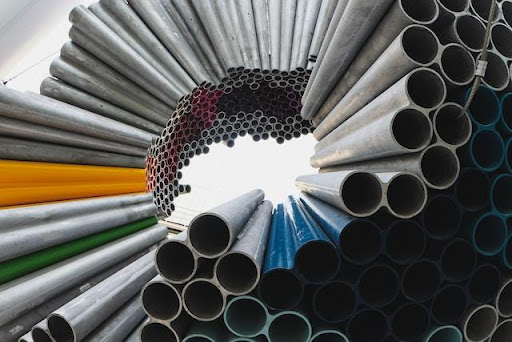
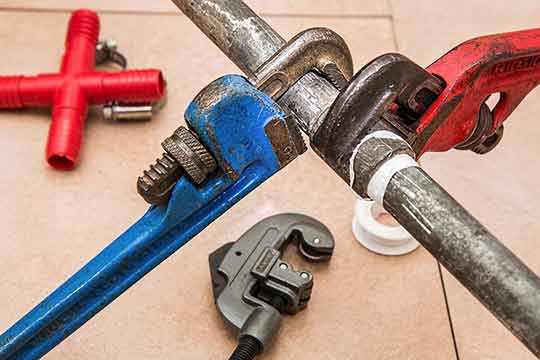
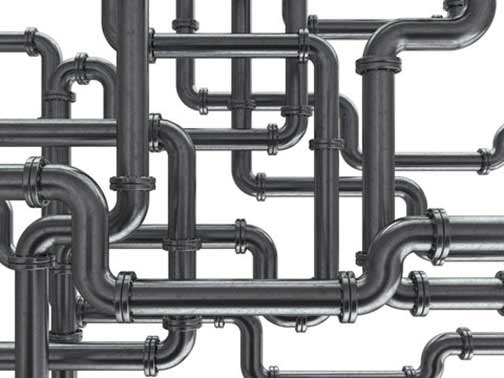
plumbing pipes.

  • PEX (polyethylene cross-linked) pipes

This type of pipe is used for water supply lines; it doesn’t add traces of rust or corrosion to water. PEX pipes are rigid enough to withstand water pressure, yet they are flexible and easy to work on. 

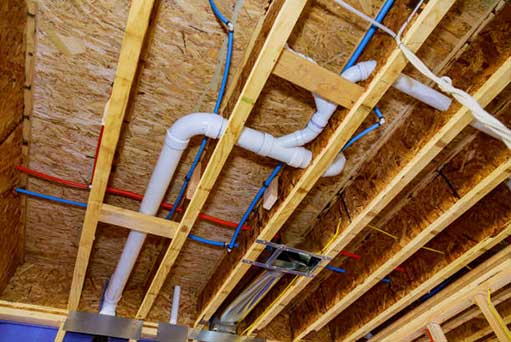
Unlike rigid PVC pipes, PEX pipes can be maneuvered around corners, and you can use different connection methods with them. Another reason to use PEX pipes is that they are color-coded for easy organization; red (hot water), blue (cold water), and white (hot or cold).

  • PVC (polyvinyl chloride) pipes

This is the white plastic material many people visualize when considering plumbing pipes. PVC pipes are mainly used as the home’s main drain and main vent stack. Smaller PVC pipes (three inches) may also be used for sink drains and plumbing vents. 

PVC is best for installations with low-temperature and low-pressure needs. This makes them the ideal material for toilet drain lines. They are not suitable for high-pressure water supply lines or transporting hot water. PVC pipes are fairly inexpensive but harder to work with than PEX pipes.

  • ABS (acrylonitrile butadiene styrene) pipes

This material is made from thermoplastic resin and is similar to PVC. But ABS pipes come in black and are slightly softer than PVC. If you ever find a black pipe in your toilet drain or sink, it is probably an ABS pipe. 

They are slightly better than PVC in terms of their durability in high-impact environments. But they are not durable enough to withstand direct sun exposure; they will warp and degrade in direct sunlight. ABS pipes come in the same sizes as PVC pipes and are mostly used in vents and drain lines.

more plumbing pipes.

  • Copper pipes

Copper pipes have been used for decades, and you will likely find one around your sink, shower, or bathtub. Copper pipes – mostly made of pure copper – have a shiny reddish-brown color and are used primarily as water supply lines. 

The biggest reason for their continuing popularity is that they do not alter water quality. The main issue with copper pipes is that you need a propane torch to install them; this makes their installation unsuitable for DIY. Moreover, copper pipes are expensive.

  • Galvanized (steel or cast iron) pipes

These types of pipes are no longer used in new home construction but can still be found in older houses. The major advantage of galvanized pipes was that they offered a lead-free alternative. Galvanized pipes were used mainly for water supply and drain lines, but this practice has been discontinued due to their tendency to rust. 

You may still find galvanized steel being used as gas supply lines. Cast iron is still used as sewer and drainage pipes in commercial and high-rise buildings.

To conclude, another type of pipe often found in homes is the flexi or flexible pipe. This is a flexible tubing made of stainless steel. It is the final piping connection for appliances and plumbing fixtures, such as sinks and toilets. You cannot use them inside walls and floors.