Author Archives: Chicago Plumbing Experts

Why You Should Never Pour Grease Down the Drain

Why You Should Never Pour Grease Down the Drain

Your home drain system is the primary waste removal system for all of the liquid and semi-solid waste product generated. They include raw sewage from toilet, filthy bathwater, etc., and clearly foul-used kitchen sink water with tiny food bits in it.

With all these different types of wastewater flowing into it, the drain system has to be tough. The owners should not be constantly afraid of the drains in their home breaking down. Most of the time, anyway, the drain does meet these high standards.

But not all the time:

Lyon Property Management explains that is because certain types of waste generated in your home are completely incompatible with the home’s drain system. Even though they are liquid or semi-liquid in nature, fats, oils, and grease (FOG) are the thing that should never go into your home’s drains.

Yes, dumping grease and oil into the sink after you finish cooking bacon or sautéing vegetable is an easy way to get rid of these used-up materials. But that simple act can trigger a series of events that may damage your home and cost you tens of thousands of dollars.

Fats, oils and grease (FOG) will not only harm your home’s drainpipes, but they can also undermine the function of the entire municipal sewer system. The effects of pouring grease into your sink drain are not limited to your home, and the cost of fixing those issues is monumental.
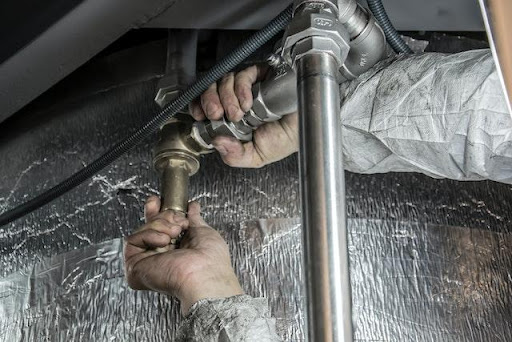
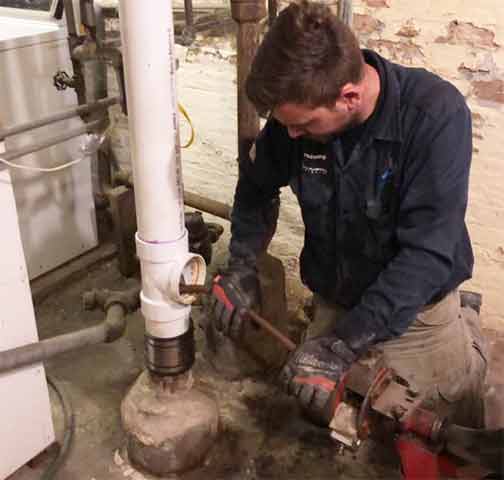
a plumber working on a pipe repair

Over time, as the mixture of grease and debris grows bigger, it will slow the wastewater inside the pipes to a point where debris routinely settles around the area.

Why is grease such a big problem for drainpipes?

Why you should never pour grease down the drain

  1. Effects of grease on your main sewer line

Grease is usually runny when you pour it into the sink because it is still warm. But once it reaches room temperature inside the drainpipes, it will solidify into a hard mass that is not easily transported by the water inside the drainpipes.

The now-solid grease can stick to the sides of pipes and trap debris contained in wastewater. If there are materials like wipes, eggshells, pads, condoms or paper towels inside the drain, these will also stick to the grease, making the problem worse.

Over time, as the mixture of grease and debris grows bigger, it will slow the wastewater inside the pipes to a point where debris routinely settles around the area. Given enough time, the entire pipe channel in that location can be blocked completely.

If this happens, your home will start to experience problems with slow drains; drains will be simultaneously slow across the entire home. If the blockage in your main sewer line is not found and removed, it may eventually lead to a sewer backup inside your house

Cleaning up a sewer backup in the home will cost anywhere from $100-$900, depending on the severity. This does not include the cost of fixing the damage to your home. The bill for those additional repairs can easily exceed ten thousand dollars.

But all these issues can be averted if you build the simple habit of getting rid of grease properly. Used-up grease should be put into a sealed container, such as a bottle, and allowed to cool before being put inside the trash can.
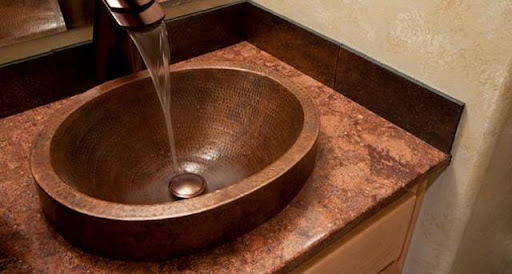
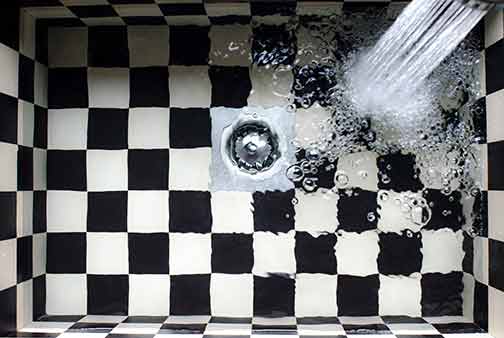
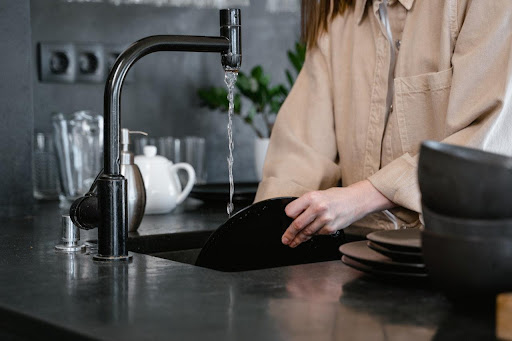
a sink bowl with water running.

If you accidentally pour a small amount of grease into your kitchen sink, follow it with hot water and a mixture of vinegar and baking soda.

   2. Effects of grease on municipal sewers

If grease finds its way out of your main sewer line into the city sewer line, it can cause even bigger problems. Just as it does inside your home’s drainpipes, grease will solidify when it enters the municipal sewer system.

But this time, the problem is at a massive dimension. That single blob of grease from your home will meet up and combine with blobs of grease from other people’s homes until they form a large hard mass inside the city sewers.

These huge masses of grease break down into fatty acids that combine with the calcium inside the wastewater in the sewer lines to form a soap-like compound known as a “fatberg.” Fatbergs can grow to enormous sizes – over a ton – inside municipal sewer systems.

Once in place, fatbergs will cause sewer backups that affect all the homes in a community. If the sewer backup in your home is due to fatbergs in the city sewers, cleaning your home’s main sewer line will not solve the problem.

Fatbergs can be cleared out of city sewers, but it takes weeks. This does not even consider the amount of damage fatbergs do to sewer pipes or the ecological impact of fat blobs finding their way into surrounding water bodies.

But solving this problem is as simple as preventing it. The way to do it is by making sure grease never finds its way into your home’s drains. You can do that by teaching everyone in your household to always dispose of used-up grease properly.

If you accidentally pour a small amount of grease into your kitchen sink, follow it with hot water and a mixture of vinegar and baking soda. This will not solve the problem, but it can help to reduce the impact of that grease on the drain system and the environment.
How to Fix a Leaking Garbage Disposal

How to Fix a Leaking Garbage Disposal

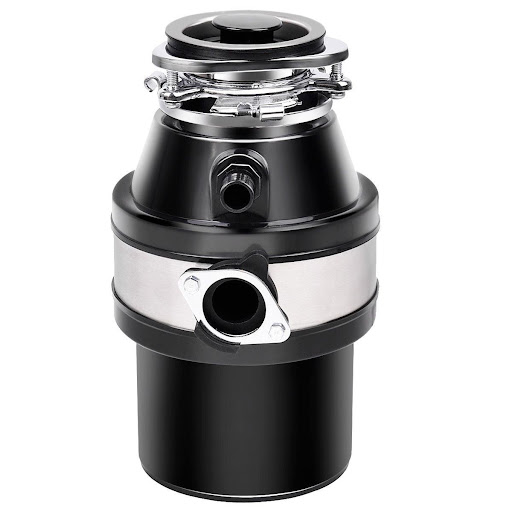
Garbage disposals are one of the most hardworking appliances in the kitchen. These small machines constantly grind away food scraps to ensure they don’t become a problem inside your home’s drain system. They cut down on the work you must do cleaning the kitchen sink.

But hidden away from view as they are – beneath the kitchen sink – it is often hard to see the physical condition of your garbage disposal. For most homeowners, the garbage disposal is fine as long as they can hear the appliance working and there are no clogs in the kitchen sink.

But PG Management warns that apart from getting jammed, other things can happen to garbage disposal. Your garbage disposal can leak, and when that happens, it can cause all sorts of problems in your home. Since it is hidden from view, you may not even know the unit leaks.

A leaking garbage disposal will cause foul odors in your kitchen, damage the area under your sink, encourage mold growth, and force you to do expensive repairs. That’s why you must know how to fix a leaking garbage disposal quickly and safely. This post will show you how.

How to fix a leaky garbage disposal

There are two areas where leaks are most likely to happen in a garbage disposal; the leak could result from damage to the rubber gasket at the top of the appliance or due to issues with the flange which goes through your kitchen sink.

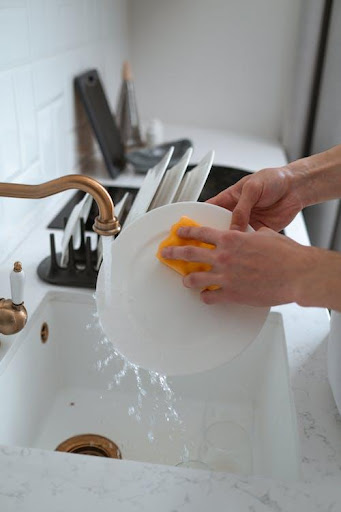
a person washing dishes.

Needed tools and materials:

  • Wrench or pliers
  • Screwdriver
  • New gasket (if this is the problem)
  • Plumber’s putty

Fixing a leaking garbage disposal when the gasket is damaged

If the leak is from the very top rim of the disposal – the point where the rubber seal meets the flange – the leak could be due to a damaged rubber gasket. Rubber gaskets leak for four main reasons:

  • The gasket has aged and becomes brittle. As a result, it no longer provides a watertight seal.
  • There was no water in the garbage disposal for a long time, which allowed the rubber gasket to dry up and crack.
  • In the past, the garbage disposal was removed and reinstalled without replacing the gasket, as is required whenever you remove an old disposal.
  • The gasket was not evenly locked on all three sides during the installation.

To replace the rubber gasket, follow these steps:

  1. Disconnect the drain, unplug the power cord, and if you have a dishwasher, disconnect the dishwasher drain hose from the disposal.
  2. Remove the disposal by twisting the mounting nuts counterclockwise to unscrew them. Use a wrench that is the right size.
  3. To install the new gasket, find a convenient workspace. Position the disposal so the gasket is visible. Peel off the old gasket and replace it with the new one, ensuring it aligns appropriately and sits flat.
  4. To be sure you get the right gasket for your disposal, take your old gasket, along with the model number of the disposal, when going to the store.
  5. Once the gasket is in place, you can replace the disposal. Make sure the gasket sits flat before you lock the disposal into place. Check the mounting groves to ensure they are locked in.
  6. Reconnect the drain and dishwasher drain hose before you plug the power cord.
  7. Test the garbage disposal.

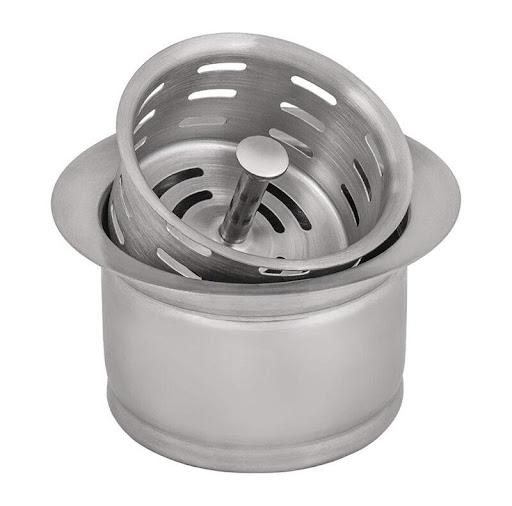
a sink strainer.

Fixing a garbage disposal that’s leaking from the flange

A garbage disposal can also spread from the flange. The flange passes through the kitchen sink to connect to the garbage disposal. It will leak if the flange is not tight enough or well-sealed with the plumber’s putty. To reseal the flange, you have to take down the disposal.

Follow these steps to do that:

  1. Disconnect the drain, unplug the garbage disposal power cord, and remove the dishwasher drain hose if you have a dishwasher.
  2. Unmount the garbage disposal by unscrewing the mounting nuts on the sides; turn them counterclockwise with the right wrench.
  3. Free the flange by loosening the bolts that hold it in place. Check the bottom flange to locate the clip that holds it in place; pop it out with a screwdriver. Pull the flange out from the top of the sink.
  4. Now you can reseal the flange. But before you do that, clean the sink opening to remove any old putty. Roll out a generous amount of plumber’s putty. Apply it to a uniform width by snaking it around the opening.
  5. Push the flange into position and return the clip holding the bottom flange into its place.
  6. Tighten the screws. Remove any excess putty from the sink. Reconnect the drain, dishwasher drain hose, and power cord.
  7. Test the garbage disposal. 

If this doesn’t work or it feels like too much work, please call a professional plumber to help you solve the problem. It could also be that you need a new garbage disposal. If this is true, a good local plumber can help you choose the right garbage disposal for your home.

Clean Your Drains Regularly Before They Clean Your Wallet Out

Clean Your Drains Regularly Before They Clean Your Wallet Out

Clogged drains are a common source of frustration for many families. They could lead to costly plumbing repairs from a backed-up toilet or other fixture in your home. Why it’s so important to clean your drains regularly, how to do it, and how to prevent clogs altogether are all topics we’ll cover in this piece.

How to Clean Your Drains

The process of cleaning drains can be as simple as using a plunger or as involved as hiring a professional. But regularly cleaning your drains should still be done since floods are dangerous and you should try to prevent them. And regular cleaning is the best way to do so. Some of the more common methods include:

Hot Water

One simple way to clean drains is to flush hot water down them. If oil and other debris clog your pipes, running hot water through them may help loosen them. Just flush it with boiling water, and you’re done. You may need to use this method multiple times if your drain is clogged.

Baking Soda and Vinegar

One traditional home treatment for clogged drains is a mixture of baking soda and vinegar. To start, pour one cup of baking soda into the garbage disposal. A cup of vinegar should be added after that. The mixture will typically foam and bubble. Wait a few minutes for the sediment to settle, then flush the drain with hot water to remove any lingering debris. And this is a fast and easy way to clean your drains regularly.

a picture of a drain on a white background.

Baking soda and vinegar can be of great help

Plunger

When drains become clogged, a plunger comes in handy. Before using a plunger, make sure the sink or bathtub is empty. Over the drain, maintain a constant down-and-up pressure using the plunger. This will create suction, which will help clear your pipes of any debris.

Snake

Pipeline obstacles can be removed using a snake, sometimes called an auger. Use a drain snake by inserting it into the drain and twisting it as you work it deeper and deeper into the pipes. If a clog is encountered, the snake can be twisted to loosen it before being pulled from the drain.

Preventing Drain Clogs

Preventing clogs in the first place is preferable to fixing them after they have already formed. There are a lot of tips on how to avoid plumbing issues, but here are some just some of the ways to do so:

Use a Strainer

A strainer is one of the simplest ways to keep water from backing into your sink or tub. Strainers prevent clogs by collecting debris like hair and food scraps before they enter pipes.

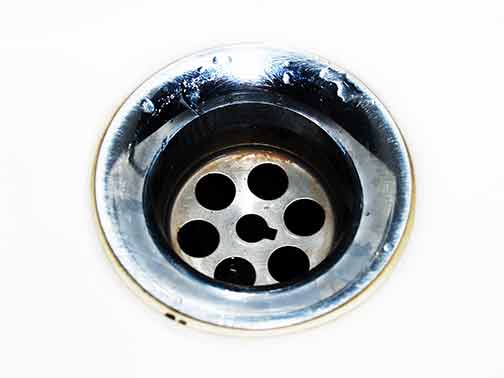
make sure to clean your drains regularly for a clean drain like in the picture.

You can use a strainer when you clean your drains regularly

Avoid Pouring Grease Down Your Drain

Grease builds up and causes clogs in drains frequently. As the grease cools, it solidifies and can cause clogs in pipes. Put the used oil in the trash or a grease can instead of the sink.

Flush Your Drains Regularly

Grease and other buildups in your pipes can be easily removed by running hot water through your drains regularly. It’s a quick and easy way to avoid obstructions.

Don’t Flush Non-Biodegradable Items

Toilet paper and human waste are the only things in the toilet. Non-biodegradable items such as paper towels, sanitary napkins, and baby wipes can cause severe clogging problems in plumbing systems. Put these items in the trash can.

Maintain Your Plumbing System

Maintaining your plumbing system will help prevent clogs. Contact an experienced plumber regularly to check your pipes, identify any issues, and clean your drains regularly.

Why Clean Your Drains Regularly?

Maintaining a clean drain is essential to the health of your home’s plumbing system. Pipes can become clogged with debris like hair, soap scum, and food scraps. If you don’t remove the obstructions, water will back up and damage your pipes. Our friends at Pack & Go Movers also recommend cleaning your drains before moving or going away for the holidays. Nothing must clog when you are not home. 

If you have a problem with noxious odors from your drains, regularly cleaning them may help. When food and other organic materials rot in your pipes, odors can permeate your home. Maintaining a regular cleaning routine will help prevent this and leave your home smelling and looking great.

Dealing with Stubborn Clogs

Drains can become clogged even if you take preventative measures and clean them regularly. If you’ve tried DIY drain cleaning methods without success, it’s probably time to call a pro. There are many options when you decide to call upon drain unclogging services. But here are some signs you should do so:

a picture of a drain.

If you have persistent clogs, then you can call a pro for help

Persistent Clogs

If you have tried do-it-yourself methods to unclog the drain and it is still not working, it is time to call a plumber for professional drain cleaning services. No matter how pervasive, a licensed plumber can locate and clear any obstruction.

Foul Odors

A clog in your drain could be the source of a foul odor. This is especially true if gurgling or slow drainage accompanies the smell. A professional plumber can diagnose the issue and offer a solution.

Multiple Clogs

Multiple clogs in multiple drains could indicate a more severe issue in your home’s plumbing system. If there is an issue with your pipes, a professional plumber can camera inspect the sewer lines and find the source.

Backups

Clogged pipes can cause several unpleasant plumbing problems, including backups in the sink or tub. A licensed plumber can trace the problem to its origin and offer a solution to ensure it doesn’t happen again.

Conclusion

Maintaining the efficiency of your home’s plumbing system requires you to clean your drains regularly. You can avoid costly drain clogs by adhering to the guidelines. Put a strainer over the drain of your sink or tub, never put oil down the drain, flush your drains often, throw away any garbage that isn’t biodegradable, and ensure your plumbing is in good operating order. Following these simple guidelines, you can keep your drains in good working order and avoid costly repairs.

Water Heater Flushing And Repairs – Why You Should Leave It To Plumbing Experts

Water Heater Flushing And Repairs

Water heaters are often taken for granted when it comes to home maintenance. You use them daily and they tend to work fine with little maintenance. However, it’s important to not ignore potential problems. If left unchecked, water heater repair issues will only get worse, resulting in a more expensive repair or even having to replace the water heater heater.

A professional water heater repair service can help you determine what issue you are having and have it fixed quickly and properly. Signs that your water heater needs maintenance include leaks around the base, a decrease in hot water due to a higher temperature setting than necessary, rust-colored water coming out of the tap, or a screeching sound coming from the heater. All of these signs could mean that you need to flush your water heater or even replace it.

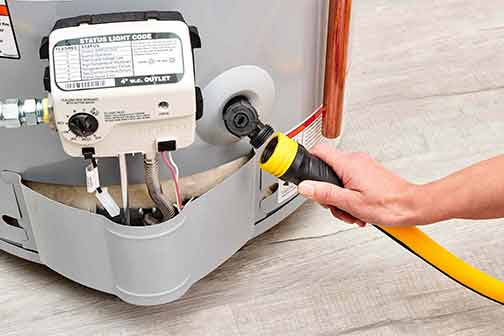
Regular maintenance like water heater flushing is essential to ensure your water heater is running properly. An experienced technician can flush your water heater by using a garden hose to remove any sediment build-up from the bottom of the heater. This is recommended every few years, or sooner if you notice sediment build-up inside your tank.

When it comes to more detailed repairs, like replacing the heater’s control panel, venting system, or anode rod, an experienced technician with the proper tools and know-how can help make sure these repairs are done correctly. An experienced local plumber will also know exactly how to adjust or replace the temperature and pressure relief valve to meet local code requirements.

DIY Water Heater Repair

Although it may be tempting to try to repair your water heater yourself, there are numerous reasons that a home-owner should leave it to the professionals.

Water heaters can be complicated to repair and if not done correctly, DIY repairs could make the problem worse or cause more damage. Not having the right tools or knowledge can result in costly repairs down the line or worse, injury or electrocution. Fixing the water heater on your own could also void the warranty and cost you more in the long run.

If you do decide to try repair it yourself, make sure you are well-informed before beginning any repair or maintenance. Check the manufacturer’s website and make sure you have the right tools and parts to make the repair. It’s always best to turn off the power to the heater before completing any repair and take all necessary safety precautions.

Water Heater Flushing

Water Heater flushing is an important water heater maintenance task that should be done regularly. If left unchecked, sediment and minerals can build-up in the tank and reduce its efficiency. It can also damage the heater over time and make repairs more costly.

Flushing a water heater is relatively simple and can be done with a garden hose. However, if you notice an increase in sediment or mineral build-up, then it’s best to call in a professional. An experienced plumber can flush the system and help diagnose any other maintenance issues you might be having.

Regular water heater maintenance, including flushing and cleaning, can help prevent costly repairs or replacements down the line and keep your water heater running optimally.

In conclusion, water heaters require regular maintenance and repairs to ensure they are running correctly and efficiently. Flushing and cleaning should be done regularly and any potential issues should be addressed right away to avoid more costly repairs. If you have questions or need professional help, it’s best to call a plumber as they are experienced with all aspects of water heater repair and maintenance.

Best Tips To Avoid Spring Plumbing Issues

Best Tips To Avoid Spring Plumbing Issues

Springtime is that time of year when everything in nature comes alive. After months of lying dormant because of winter, plants, animals, and humans are bustling with energy and raring to go. Everywhere you look, there are lovely colors and birdsongs. People everywhere are unfolding their tools, equipment and bodies to get back to the work and play they love. 

But the start of spring is also when you are most likely to find leaks in your water pipes. That is mostly the aftermath of winter when pipes burst due to exposure to cold. With the onset of spring rains, your home’s plumbing is also likely to be overwhelmed by surface runoff and flash floods, resulting in even more plumbing issues for your home.

We know sometimes it’s hard to manage your investments and keep track of this kind of issues, especially for property managers who manage multiple rental properties, but these spring plumbing issues can be avoided with a little insight into the causes of the problems and preemptive steps to stop them. Spring is here; which can mean bad news for many homeowners. However, with the spring plumbing tips listed below, you can make spring fun by avoiding potential issues with your property’s plumbing.

8 tips to avoid spring plumbing issues

Check your toilets

Hidden leaks in your toilet will waste water and interfere with the toilet’s function. Check for hidden leaks by adding six drops of food coloring to the toilet tank. Wait 30 minutes to see if the color shows up in the bowl. If it does, there is a leak. Does the toilet flush properly, and does the water stop running after each flush? If the answer is no, there are worn-out parts in the tank that need to be replaced.

a fancy bathtub.

Inspect the bathtub and shower

Cracks often appear in grout as a result of changes in temperature and humidity that happen during winter. Inspect your shower and bathtub trim molding. If there are cracks in the seams, they can cause leaks or mold. Seal them before the small issues become problems that cost thousands of dollars to fix.

Inspect floor drains and outdoor drains

Check floor drains for signs of slow draining. If more than one-floor drain is acting-up at the same time, that can be a sign of impending problems with your main sewer line. Also, check outside drains; they are likely to be clogged after the winter weather. If your home has French drains installed, this is the time to inspect and have it professional hydro jetting services.

Clean gutters and downspouts

Remove all winter debris from gutters and downspouts. Check for signs of damage, loose or missing fittings, and rust. Ensure the downspout is not discharging in the wrong place on your property. Check your vent pipes; they are a favorite location for birds to make their nest. Blocked vent pipes will cause the home’s plumbing to drain slowly.

Test the sump pump

The sump pump is your home’s last line of defense against flash floods; test it to ensure it is working. Testing a sump pump is as simple as pouring enough water into the basin to trigger the pump and then watching it to ensure the water is completely removed and the pump turns itself off afterwards. Also, clean the sump pump to prevent malfunctions due to clogging.

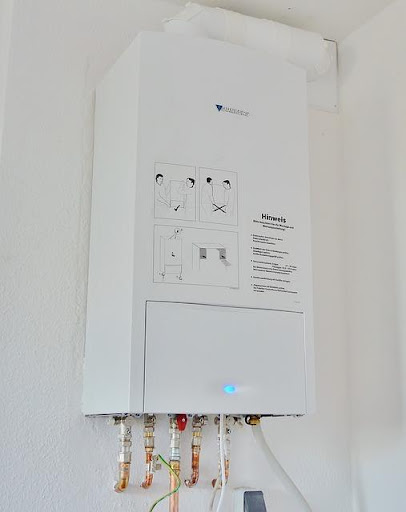
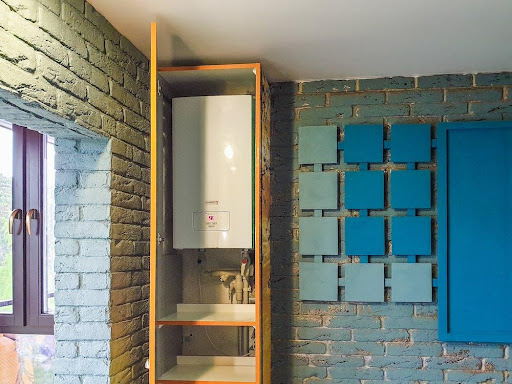
a tankless water heater.

Flush your water heater

To prevent scalding, the temperature setting on your water heater should not be above 120°F. A lower temperature setting will also help reduce your energy bills. Limescale and debris inside the potable water supply are left inside the water heater as the water is heated. This deposit can impair the efficiency of your water heater. Drain the water heater to get rid of sediment that has built up in the last year.

Check for leaks and drips

Faucets and supply hoses for the dishwasher, washing machine and ice maker may have minor leaks that are hard to detect. Inspect and test them carefully. To ensure there are no leaks in your home’s water pipes, take a meter reading when leaving for work and do it again when you return. If the number has changed, you have a leak in your plumbing.

Test your main water valve

Shutting off your home’s water supply is the first step when you have a burst plumbing pipe emergency or major leak at home. But for this to work, the main water valve must be functional. If the valve is stuck because of disuse, you won’t be able to turn off the water. Test the water main valve by turning it on and off several times.

Finally, a wholesale inspection of your home’s plumbing systems is the best way to detect and eliminate any potential plumbing issues. It is suggested that you do this at least twice a year, preferably at the start of the season. To ensure this is done correctly, you will need to call a nearby plumber.

A plumber will not only have an overview of how the home’s plumbing works, they know the likely issues that can happen and have a tested routine for inspecting the plumbing. This ensures that no aspect of the system is overlooked and no budding issues are missed.

How To Open a Water Heater Pressure Relief Valve

How To Open a Water Heater Pressure Relief Valve

The temperature & pressure relief valve (TPR valve) is a water heater’s most important safety feature. As the name suggests, the temperature & pressure relief valve keeps the pressure and temperature inside your water heater from getting too high.

Your water can explode if its temperature and pressure are too high. And Nest DC warns an exploding water heater will not only damage your home, but it could also cause serious injuries to you and your family. The TPR valve ensures that this does not happen.

When temperature and pressure start to climb to dangerous levels inside a water heater, the TPR valve opens to discharge some of the water and release the excess temperature and pressure. The valve closes automatically after the extra heat and pressure are discharged.

Because of its role in your safety and the function of your water heater, the TPR valve should be tested at least once a year. Testing the TPR valve will let you catch malfunctions before they become problems that lead to nasty emergencies.

To test the TPR valve, locate and open the device. If the valve is working, you should see hot water flowing from the pipe attached to the valve. Here is a simple explanation of how to find and open the temperature and pressure relief valve on your water heater.

pressure relief valves.

How to locate the TPR valve

Finding the temperature and pressure relief valve is accessible regardless of whether you have a gas or electric water heater. In most water heaters it is located near the top of the unit. Look for a downward-pointing small pipe attached to the side of the water heater.

This discharge pipe should run from the top of the water heater to its base. A lever that moves up and down is attached to the top of the pipe. If you have trouble locating your water heater’s temperature and pressure relief valve, please refer to the manual.

How to open the TPR valve

Opening the TPR valve is as simple as lifting the lever on the discharge pipe of the water heater. Raising this lever will cause hot water to flow from the open end of the discharge pipe or drain tube. Before you lift the lever, place a bucket beneath the discharge pipe.

If no water comes out of the discharge after you lift the lever, the TPR valve is not working. If the pipe discharges hot water as expected, push the lever down to close the valve. The water should stop flowing entirely.

If there is a trickle of water after you close the valve, this is a sign that the TPR valve is leaking. It is also not a good sign if the TPR valve is stiff. A leaky, jammed, or stiff TPR should be replaced immediately to protect your water heater and yourself.

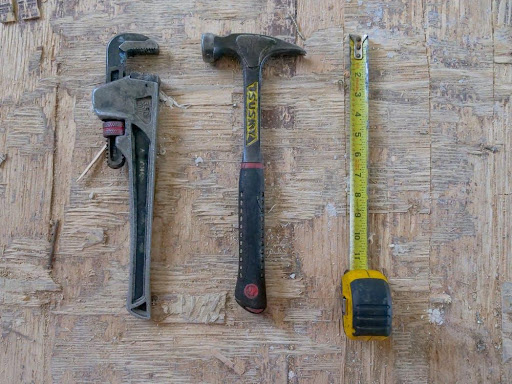
plumibng tools.

How to replace a faulty TPR valve

Replacing a faulty TPR valve is easy. If you are comfortable working with water heaters, you can do this replacement yourself. If not, please let a professional plumber handle any water heater repairs. Here is how to replace a TPR valve.

You will need a screwdriver, adjustable wrench, garden hose, Teflon tape, wire brush, and a new relief valve matching the old valve’s thread size and PSI ratings. You may also need a five-gallon plastic bucket to catch water from the discharge tube.

First, to replace the TPR valve shut the power supply at the breaker (for electric water heaters) or turn off the gas supply (make sure the lever is perpendicular to the gas supply pipe). Set the water heater to the pilot setting and turn off the cold water supply to the water heater.

Attach a garden hose to the drain valve at the bottom of the unit and open a hot water faucet to let air into the water heater. Open the drain valve and drain 10-15 gallons of water from the tank. The water inside the tank is low enough when water doesn’t come out of the discharge valve after you open the TPR valve.

Remove the drain tube attached to the TPR valve. Use the wrench to unscrew the relief valve. Clean the thread with a wire brush before inserting the new TPR valve. Apply Teflon tape on the valve before you screw it into its place.

Conclusion

How often should you open your TPR valve to test it? Pushing the TPR valve once a year should be enough for most homes. But you may want to try it more often if you recently had issues with the water heater.  Also, if the issues with your water heater persist even when the TPR valve is working or after you replace it, you should contact a professional plumber for assistance.

5 Types of Plumbing Pipes You’ll Find in Homes

5 Types of Plumbing Pipes You'll Find in Homes

The plumbing system in your home comprises a vast network of pipes crisscrossing the entire length and breadth of the house. This system can be divided into two major parts; pipes carrying freshwater to the plumbing fixtures or water-utilizing appliances and pipes transporting gray water and sewage from your home.

As a homeowner, you know the damage plumbing problems can do to your home and belongings. Likely, at one point, you have had to deal with hidden water leaks and burst pipe emergencies in your home. Anyone who has experienced the stress and financial losses that follow a plumbing issue in their home does not want a repeat of the events.

But Graf Property Management advises you will only minimize the incidence of plumbing problems in your home if you understand how your home’s plumbing works. Due to the size of the plumbing network and how often the system is used, it is almost impossible to eliminate plumbing issues. But you can minimize problems by learning more about how plumbing works.

5 types of plumbing pipes in homes

Pipes make up most of the plumbing in your home. Plumbing pipes are also where problems are most likely in your home’s plumbing. This is why it is important to know a bit about the different types of plumbing pipes that are already in your home, or that can be used in your home. This knowledge will come in handy when fixing plumbing issues.

Whether working with a plumber or fixing problems yourself, you get better results with this information. Being able to tell the difference between piping materials and what each is best used for will help you choose the right pipes for your home re-piping project. Choosing suitable pipes from the outset will lead to fewer plumbing problems.

plumbing pipes.

  • PEX (polyethylene cross-linked) pipes

This type of pipe is used for water supply lines; it doesn’t add traces of rust or corrosion to water. PEX pipes are rigid enough to withstand water pressure, yet they are flexible and easy to work on. 

Unlike rigid PVC pipes, PEX pipes can be maneuvered around corners, and you can use different connection methods with them. Another reason to use PEX pipes is that they are color-coded for easy organization; red (hot water), blue (cold water), and white (hot or cold).

  • PVC (polyvinyl chloride) pipes

This is the white plastic material many people visualize when considering plumbing pipes. PVC pipes are mainly used as the home’s main drain and main vent stack. Smaller PVC pipes (three inches) may also be used for sink drains and plumbing vents. 

PVC is best for installations with low-temperature and low-pressure needs. This makes them the ideal material for toilet drain lines. They are not suitable for high-pressure water supply lines or transporting hot water. PVC pipes are fairly inexpensive but harder to work with than PEX pipes.

  • ABS (acrylonitrile butadiene styrene) pipes

This material is made from thermoplastic resin and is similar to PVC. But ABS pipes come in black and are slightly softer than PVC. If you ever find a black pipe in your toilet drain or sink, it is probably an ABS pipe. 

They are slightly better than PVC in terms of their durability in high-impact environments. But they are not durable enough to withstand direct sun exposure; they will warp and degrade in direct sunlight. ABS pipes come in the same sizes as PVC pipes and are mostly used in vents and drain lines.

more plumbing pipes.

  • Copper pipes

Copper pipes have been used for decades, and you will likely find one around your sink, shower, or bathtub. Copper pipes – mostly made of pure copper – have a shiny reddish-brown color and are used primarily as water supply lines. 

The biggest reason for their continuing popularity is that they do not alter water quality. The main issue with copper pipes is that you need a propane torch to install them; this makes their installation unsuitable for DIY. Moreover, copper pipes are expensive.

  • Galvanized (steel or cast iron) pipes

These types of pipes are no longer used in new home construction but can still be found in older houses. The major advantage of galvanized pipes was that they offered a lead-free alternative. Galvanized pipes were used mainly for water supply and drain lines, but this practice has been discontinued due to their tendency to rust. 

You may still find galvanized steel being used as gas supply lines. Cast iron is still used as sewer and drainage pipes in commercial and high-rise buildings.

To conclude, another type of pipe often found in homes is the flexi or flexible pipe. This is a flexible tubing made of stainless steel. It is the final piping connection for appliances and plumbing fixtures, such as sinks and toilets. You cannot use them inside walls and floors.

What You Need to Know About Flood Control in Chicago

What You Need to Know About Flood Control in Chicago

The process of managing, regulating, and preventing the influx of water into an area is known as flood control. Snowmelt and prolonged periods of heavy rain can cause flooding. Large-scale property destruction and hazardous traffic conditions can also result from flooding. A sewer flood control system exists on the sewer line of private property. A flood control system is essential for Chicago, Illinois, and the surrounding suburbs, where the municipal sewer systems are susceptible to overload. 

In order to safeguard people and property from the harmful impacts of floods, flood controls are put in place. These flood control devices exist to divert water from your property or lessen its volume. Because of the city’s old sewer infrastructure in several sites, Chicago, Illinois, needs flood control. In addition, the old sewer design was for a much lower population in the past. In this article, we at Chicago Plumbing Experts would like to share everything you need to know about flood control in Chicago.

The stormwater management program is an important part of flood control in Chicago

The Chicago stormwater management program is an all-encompassing strategy for controlling stormwater runoff and lowering the risk of floods. The Chicago Department of Water Management (DWM) and the Chicago Department of Transportation (CDOT) run the program. The program involves a variety of stormwater management measures, including using green infrastructure to catch and filter runoff, such as rain gardens, green roofs, and permeable pavements. The initiative also entails maintaining and updating the city’s sewer system, which includes building new sewers and repairing and replacing existing ones. Public education and communication are crucial components of the stormwater management program. The city gives residents and businesses information on participating in stormwater management.

Flood control in Chicago is complex because the city needs it to function correctly. Many big cities have a lot of logistical issues that complicate our daily lives. That’s why many people are finding out that smaller cities are convenient. Moving companies are noticing that more people prefer to relocate from big cities to smaller towns. For example, many people from Chicago are looking to move to Englewood, CO, as it offers many lifestyle benefits. If you are considering a similar relocation, get expert help in the area for packing, moving furniture, etc. This will make moving a lot more convenient.

Tall buildings and three bridges that connect the two banks of the Chicago river.

The Tunnel and Reservoir Plan (TARP) is designed to reduce flooding and is one of the mechanisms for flood control in Chicago.

The combined sewer system is a problem for flood control in Chicago

Some older cities, like Chicago, have a sewer system called a combined sewer system. Stormwater runoff and wastewater convey in the same pipes in an integrated sewer system. As a result, during intense rainfall, the water running through the system may drastically rise, resulting in flooding and emergency sewage backups. Stormwater and wastewater were initially intended to be handled by combined sewage systems. However, as cities expanded and developed, more impervious surfaces, such as roads and buildings, were added, increasing runoff. The integrated sewer systems frequently cannot handle the increased water flow, resulting in overflows and flooding.

Many cities with combined sewer systems are investing in infrastructure improvements to segregate rainwater and wastewater to alleviate this problem. For example, the Deep Tunnel Project, commonly known as the Tunnel and Reservoir Plan (TARP), is being implemented in Chicago to address this problem. The TARP program entails building a network of tunnels and reservoirs to collect and hold extra rainfall and sewage during periods of heavy rain, lowering the likelihood of overflows and flooding. Overall, if combined sewer systems are not adequately maintained, they can severely threaten the environment and public health. To lower the risk of flooding and sewage backups, communities like Chicago are investing in infrastructure renovations and other strategies. Dealing with this+ issue is a big project for flood control in Chicago.

A man riding his bike in heavy rain.

Another way of regulating flood problems in Chicago is opening the sewers and dumping the water in lake Michigan during a torrential downpour.

You can take measures to reduce the risk of flooding

In Chicago, property owners can take precautions to lower the risk of flooding on their premises. Various flood-resistant building materials on the market can guard against flood damage to residences and commercial buildings. For instance, green boards, a type of water-resistant drywall, can be utilized in flood-prone areas. Elevating appliances like washing machines and water heaters above flood level can help shield them from flood damage. You can upgrade electrical components like circuit breakers and outlets. Finally, a sump pump is installed in a home’s basement or crawlspace to remove water that collects during prolonged periods of heavy rain.

Trees and other plants can help absorb water and prevent runoff. This can be especially useful in places with impervious surfaces, such as concrete and pavement. In general, there are many steps property owners can take to lessen the risk of flooding in their own homes. Property owners can help prevent flood damage to their homes and businesses by proactively managing stormwater. 

Chicago city with its city lights and busy streets.

A good idea for your home is to construct interior barriers to stop low level water from entering your basement.

Take safety precautions when flood control in Chicago fails

In regions like Chicago, prone to flooding, it is crucial to exercise caution. First, recognize whether your property is near a flood plain and watch for local weather patterns that can cause flooding. Then, make an emergency plan for a flood for you and your family. This needs an evacuation strategy, a planned meeting spot, and emergency contacts. If you need to leave immediately, prepare an emergency kit with the necessities, including food, water, first aid supplies, and critical papers. Before leaving, turn off the water, gas, and power to lower the possibility of harm or property damage. Because of the hidden debris and swiftly moving currents, floodwaters can be hazardous. Avoid driving or walking in floodwaters; if at all feasible, get to higher ground.

If local authorities issue an evacuation order, heed it right away. Early evacuation can save lives and aid in harm prevention. Following safety steps can lessen the chance of suffering harm or property loss during a flood. You can safeguard yourself and your family in the case of a flood by being ready and informed. So, when flood control systems in Chicago fails, take safety precautions.

Be Wary of Summer Sewer Line Backups

Be Wary of Summer Sewer Line Backups

The arrival of summer brings with it the promise of outdoor fun and relaxation. But the sun, warmth and humidity that come along with the season can have an unpleasant consequence on plumbing systems across the country. Homeowners must be aware of the potential summer sewer line backups that come as a result of extreme weather and lack of preventive maintenance.

Sewer line backups are a serious plumbing concern that can lead to thousands of dollars in repairs. Any damage to the sewer line will affect the entire plumbing system of a home, leading to costly replacements and repairs. During the summer months, hot weather contributes to the expansion of air pockets and pockets of moisture in the sewer line, creating a thick layer of slime that can damage pipes and block them completely.

The best way to prevent summer plumbing disasters is to stay vigilant and be aware of the signs of problems. Homeowners should inspect their plumbing regularly to identify any leaks or blockages in the system. Common signs of sewer line backup emergencies include a foul smell coming from the sink or toilet, slow draining pipes, and gurgling coming from the drains. If these signs are present, it is important to contact a plumber in your area right away to assess the issue and address it before the problem worsens.

Sewer Line Maintenance

To reduce the chances of experiencing a summer sewer line backup, there are preventive steps that homeowners can take. Regular sewer line maintenance is key to avoiding major plumbing issues. This includes using a sewer auger or drain snake to clear away any buildup in the line, as well as removing any debris or microorganisms present. Homeowners should also watch for tree roots infiltrating the sewer line, as these can back up the entire plumbing system.

If there is an existing blockage in the line, it is important to not use any chemical treatments to attempt to clear it. These treatments can cause further damage to the pipes. In the event of a major blockage, contact a professional plumber to assess the issue. Professional plumbers have the tools and experience necessary to effectively clean out the sewer line and reduce the chances of future issues.

a sewer line repair service in chicago.

Keeping Up with Sewer Line Maintenance Will Help You Avoid Sewer Line Repairs as Shown.

Sewer Line Repairs

For homeowners who experience regular sewer line backups, the issue may be more serious than a simple blockage. Sewer line repair is a large task that can cost thousands of dollars, so it is important to take preventive measures before the problem escalates. Professional plumbing companies can conduct a sewer line camera inspection to identify any further issues in the sewer line, such as breaks or cracks. If a major repair is necessary, the plumbers can recommend the best course of action to take.

In some cases, the homeowner may opt to have the main sewer line replaced completely. This is a lengthy and expensive process that often requires excavation of the landscaping, but it can be necessary in order to protect the integrity of the entire plumbing system. Professional plumbers can assess the situation and provide advice on whether a replacement or repair should be performed.

Summer is a time for fun and relaxation, but it is important for homeowners to be proactive in preventing plumbing problems during this season. Through regular maintenance and aware of potential warning signs, homeowners can reduce their chances of experiencing a summer sewer line backup. Taking these steps now can save thousands of dollars in repairs and replacements down the road.

Top Reasons to Hire a Local Plumber Over a Chain Company

Top Reasons to Hire a Local Plumber Over a Chain Company

When it comes time to hire a local plumber, many homeowners often feel overwhelmed by their choices. With so many different companies claiming to offer first-class service, it can be hard to know who to pick. With this in mind, many people opt for larger national chains in the hope of getting reliable work. However, often it’s the local plumbers that provide the best quality service and value for money. Here’s why you should consider choosing a local business when looking for a plumber:

Better Quality Plumbing Services

One of the main reasons why it makes sense to hire a local plumber is because they can provide top-notch plumbing services. It is well known that locally-owned firms take great pride in their work and they are even more motivated to make sure that they get the job done correctly the first time. This is because they have their own reputation to uphold and they don’t want to risk their business’s reputation by performing shoddy work.

Local plumbers also have the experience and skills needed to solve most problems with ease, meaning no job is too big nor too small. Many local plumbers have built up a loyal customer base over the years, which is why they continue to remain popular in their local communities.

Actual Professional Plumbers

Another great benefit of hiring a local plumber is that you can be sure that the individual you hire is a professional. Chain plumbers may not take the same care in their work as they do not have their own local businesses to protect. This means that they may use shortcuts and rush through the job, leaving you with a half-finished or shoddy repair job. On the other hand, local plumbers undertake their work with a great deal of attention and care so that your plumbing is back up and running in no time.

Local plumbers also understand the local area better and recognize any unique problems unique to that region that would otherwise be missed by other firms.

local plumbers in chicago illinois.

When it comes to hiring a local plumber, homeowners should be aware of the many benefits they can offer.

Local Plumbers Are Actually Licensed

Finally, a major advantage of hiring a plumber near you is the cost. Although the initial cost may seem more expensive than opting for a chain, you should consider that the local plumber may complete the job in a much shorter timeframe. This can save you a lot of money in the long run and may even result in a far better quality job.

Considering the plumber will also be familiar with the standards required by the local government and other local regulations, this also means that it is more likely you will have a job done to the highest possible standard. Because these businesses are locally owned and rely on repeat customers, they take pride in delivering quality results.

When it comes to hiring a local plumber, homeowners should be aware of the many benefits they can offer. Whether it’s quality workmanship or the fact that they are more in tune with the local area, there is no doubt choosing a local business can be the right decision. With this in mind, it’s worth taking the time to look around and do your research to find the best plumber to suit your needs.