Author Archives: Chicago Plumbing Experts

What to Do When Your Sewer Line Breaks

What to Do When Your Sewer Line Breaks

Dealing with a broken sewer line can be a daunting and messy task, but with the right knowledge and approach, you can navigate through this challenging situation effectively. Here we will walk you through the necessary steps to take when facing a sewer line break, ensuring a smooth resolution and minimal disruption to your daily life. Whether you are a homeowner, property manager, or simply someone interested in understanding the process, this article is for you.

Understanding Sewer Line Breaks

Before we delve into the actions to take when your sewer line breaks, let’s first understand what a sewer line break entails. Sewer lines are an essential component of any plumbing system, responsible for carrying wastewater and sewage away from your property to the main sewer system or septic tank. When a sewer line break occurs, it means that there is a rupture or damage to one or more sections of the pipe.

The causes of sewer line breaks can vary, ranging from age-related deterioration, intrusive tree roots, ground shifting, extreme temperatures, debris build-up, or even accidental damage during construction. Regardless of the cause, a broken sewer line can lead to significant issues such as foul odors, sewage backups, contamination, and potential health hazards.

Signs of a Broken Sewer Line

Identifying the signs of a broken sewer line early on is crucial in preventing further damage and minimizing the impact on your property. Here are some common indicators that your sewer line may have suffered a break:

  • Foul Odors: If you notice persistent, unpleasant odors in or around your property, it could be a sign of a sewer line break. Sewage gases escaping from the broken pipe can cause a distinctive smell.
  • Slow Drains: Slow drainage or recurring clogs in multiple fixtures, such as sinks, bathtubs, or toilets, may indicate a blockage or break in the sewer line.
  • Sewage Backup: The most obvious sign of a sewer line break is a sewage backup. If wastewater or sewage starts flooding into your sinks, toilets, or drains, it’s a clear indication that there is a problem.
  • Lush Patches of Grass: Unexpectedly lush and green patches of grass in your yard, especially near the sewer line, can suggest a leak or break underground.
  • Presence of Rodents or Insects: Sewage leaks can attract rodents and insects, so if you notice an increase in pest activity around your property, it could be linked to a broken sewer line.
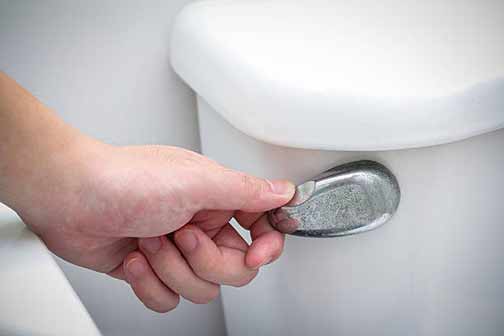
avoid flushing the toilet when you have a sewer line break.

Flushing toilets or using drains can exacerbate the problem, leading to more significant backups or additional damage to the plumbing system.

Immediate Actions to Take

When you suspect a sewer line break, it’s crucial to act promptly to prevent further damage and ensure the safety and well-being of yourself and your property. Here are the immediate actions to take:

  • Turn Off the Water Supply: The first step is to locate your main water shut-off valve and turn off the water supply to your property. This will help prevent any additional wastewater from flowing into the broken sewer line and potentially causing further damage or contamination.
  • Avoid Flushing or Using Drains: As tempting as it may be to use the toilets or drains in your home, it’s imperative to avoid doing so until the issue is resolved. Flushing toilets or using drains can exacerbate the problem, leading to more significant backups or additional damage to the plumbing system. It’s best to limit water usage until a plumber assesses and repairs the sewer line.
  • Stay Clear of Contaminated Areas: If you notice any sewage backups or overflows, it’s essential to keep yourself and your loved ones away from the contaminated areas. Sewage contains harmful bacteria and pathogens that can pose health risks. Minimize contact with the affected areas and avoid tracking any contaminated materials into other parts of your home or property.
  • Contact a Professional Plumber: Once you have taken the necessary immediate actions, it’s time to contact a professional plumber who specializes in sewer line repairs. A licensed and experienced plumber will have the expertise and equipment to assess the extent of the damage and recommend the most appropriate course of action.
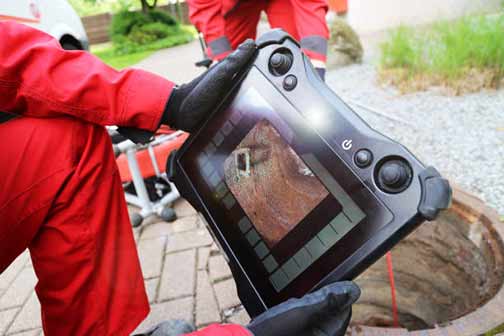
a plumber performing a sewer camera inspection to find a sewer line break.

A professional plumber will conduct a thorough camera inspection of your sewer line to determine the exact location and cause of the break.

Involving a Professional Plumber

Repairing a broken sewer line is a complex and specialized task that requires the expertise of a professional plumber. Here’s what you can expect when involving a plumber:

Assessment and Diagnosis

A professional plumber will conduct a thorough camera inspection of your sewer line to determine the exact location and cause of the break. This may involve using video inspection technology or other advanced diagnostic methods to identify the problem accurately.

Repair Options

Once the assessment is complete, the plumber will discuss the repair options with you. The appropriate solution will depend on the severity and nature of the break, as well as the condition of the existing sewer line. Common repair methods include:

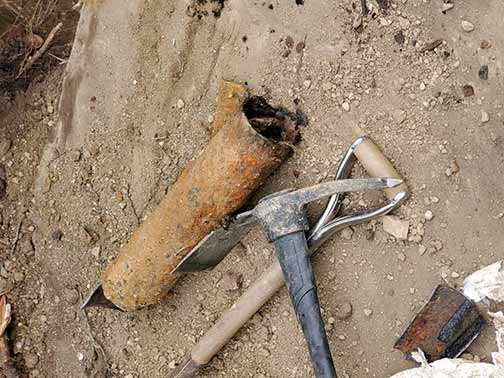
  • Spot Repairs: In cases where the break is limited to a specific section of the sewer line, the plumber may recommend a spot repair. This involves excavating and replacing the damaged portion of the pipe.
  • Pipe Lining: For less severe breaks or instances where access is limited, pipe lining or trenchless technology may be employed. This involves inserting a new liner into the existing pipe, creating a durable and seamless inner layer.
  • Full Replacement: If the sewer line is extensively damaged or compromised, a full replacement may be necessary. This will involve excavating and replacing the entire sewer line to ensure optimal functionality and longevity.

Cost Estimation

After discussing the repair options, the plumber will provide you with a detailed cost estimation for the recommended solution. This will typically include the cost of materials, labor, and any additional factors such as permits or restoration work.

Repairs and Restoration

Upon your approval, the plumber will proceed with the necessary repairs. This may involve excavating and repairing a section of sewer line, installing new liners, or carrying out a full replacement. Once the repairs are complete, the plumber will ensure that the affected areas are properly cleaned and restored.

a couple planting trees to avoid sewer lines.

When planting trees or shrubs near your sewer line, be cautious of their root systems.

Preventive Measures and Maintenance

While a sewer line break can occur unexpectedly, there are preventive measures and maintenance practices you can undertake to minimize the likelihood of future issues. Here are some tips to keep your sewer line in good condition:

  • Regular Inspections: Schedule periodic inspections of your sewer line by a professional plumber. This can help identify minor issues before they escalate into major breaks, saving you time, money, and hassle in the long run.
  • Watch Your Flushing and Draining Habits: Avoid flushing down items other than toilet paper, and be mindful of what you pour down your drains. Grease, oil, and other non-biodegradable substances can accumulate in your pipes, increasing the risk of clogs and breaks. Use drain screens or strainers to catch solid particles and prevent them from entering the sewer line.
  • Tree and Plant Placement: When planting trees or shrubs near your sewer line, be cautious of their root systems. Some tree varieties, such as willows, poplars, and cottonwoods, have aggressive root structures that can infiltrate and damage underground pipes. Consult with an arborist to ensure you choose tree species with shallower or less invasive root systems.
  • Temperature and Weather Considerations: Extreme temperatures, particularly freezing conditions, can cause the ground to shift and potentially damage your sewer line. Insulate exposed pipes and take precautions during winter months to avoid freezing and subsequent pipe bursts.

Dealing with a broken sewer line can be a demanding and challenging experience. However, by promptly addressing the issue and involving a professional plumber, you can navigate through the process with minimal disruption. Remember to stay clear of contaminated areas, limit water usage, and take preventive measures to reduce the chances of future sewer line breaks.

By following the steps outlined in this guide, you’ll be well-equipped to handle the situation effectively. Your sewer line plays a vital role in maintaining the hygiene and functionality of your property, so it’s crucial to address any issues promptly. If you suspect a sewer line break, don’t hesitate to take action and seek professional assistance. Your home’s plumbing system will thank you!
The Benefits of Professional Sewer Line Maintenance

The Benefits of Professional Sewer Line Maintenance

Maintaining the sewer lines of a home or business is an important part of keeping it functioning properly. The sewer line is responsible for carrying away the waste water and other substances from the property. Without regular maintenance, the sewer pipe can become clogged with tree roots and lead to other costly problems. Regular maintenance can help prevent these problems and keep the pipes running smoothly.

Benefits of Maintaining your Sewer Line

Regular maintenance of the sewer line has many benefits. Sewer line maintenance can help prevent clogs and backups, which can lead to costly repairs. Maintaining your home sewer line can also help extend the life of the line, as it can identify any potential problems before they become major issues. This can save homeowners and businesses money in the long run.

Prolonging the Lifespan of Your Sewer System

Regular maintenance of your sewer line can significantly extend its lifespan. Over time, debris, tree roots, and other materials can accumulate and cause blockages within the pipes, leading to reduced functionality. By scheduling routine inspections and cleanings, you can identify and address any issues before they worsen, avoiding costly repairs or even complete system failure.

Preventing Costly Repairs

Repairing a damaged or collapsed sewer line can be a major expense. In addition to the actual repair work, you may also encounter additional costs such as landscaping restoration or water damage remediation if a backup occurs. By investing in regular maintenance and promptly addressing any minor issues, you can prevent larger problems down the line and save yourself a significant amount of money.

Minimizing Blockages and Backups

A clogged sewer line can lead to unpleasant and unhygienic backups within your home. These backups can result in foul odors, water damage, and potential health hazards. Regular maintenance, including clearing out debris and removing tree roots, can help minimize the risk of blockages and backups, ensuring that your household plumbing operates smoothly and efficiently.

Preserving a Healthy and Clean Environment

A well maintained sewer line plays a vital role in preserving a healthy and clean environment within your home. Blockages and backups can lead to unsanitary conditions, attracting pests and promoting the growth of bacteria and mold. By taking proactive measures to maintain your sewer line, you can create a safe and hygienic living space for you and your family.

Sewer Line Maintenance Services

Sewer maintenance services can help keep the line clean and clear. These services can include pipe cleaning, line inspection, and pipe relining. Drain cleaning services, such as a professional hydro jetting service can help remove any debris that has built up in the line over time, while line inspection and pipe relining can help identify and repair any potential problems.

Sewer Line Cleaning

Sewer line cleaning is an important part of maintaining a sewer line. This process involves using a variety of tools to remove debris, such as roots, grease, and other materials, from the pipe. Pipe cleaning can help prevent clogs and reduce the risk of sewer backups. It can also help improve the efficiency of the sewer line.

Maintenance can help keep the sewer line running smoothly and prevent costly problems. Regular maintenance can extend the life of the sewer pipe, save money in the long run, and help keep the property safe and clean. You can also avoid having to go through the nightmare that is sewer line repair services. Whether it’s for a home or a business, professional maintenance services can provide many benefits.

5 Important Plumbing Services for Restaurants

Important Plumbing Services for Restaurants

Modern restaurants use massive amounts of water in their day-to-day operations. Water is essential for food preparation and sanitation. Restaurant plumbing systems should be robust to handle the high volume of freshwater entering the facility and the high amounts of wastewater flowing into the drains.

Not only must the plumbing be perfectly designed for the type of restaurant, but it should also be the right match for the particular stage of the business, says Alliance Management Company. A common mistake new restaurant owners make is to treat their plumbing as secondary to other aspects of the business, such as the menu, efficiency of appliances and ambience of the restaurant floor.

But like these other factors, the design of a restaurant’s plumbing system can help or hurt the business. Restaurants need drainage, water and gas supply systems that are purpose-built so the facility can operate at its optimum. At the most basic level, a restaurant’s plumbing should have the following services;

New installations  

Restaurants often expand to accommodate their expanding customer base and enhance existing services. They do this by increasing the seating area capacity and adding new equipment to the kitchen. But to take full advantage of growth opportunities and avoid legal issues (that may result from violating city guidelines), they need to expand the systems that support these two areas. Add heaters, water supplies and grease trap installations to cater to the growing demand. Ensure that you install these new features in a way that creates a seamless flow between the functions of the kitchen, the interior of the restaurant, its restrooms and the supporting plumbing systems. Safety, attractiveness, durability and flexibility (to accommodate further expansions) are factors to consider when doing these new installations.

Installing sewers and drains

Huge amounts of waste are generated by restaurants, particularly during the food preparation process. This waste is created hourly and must be constantly evacuated to keep the kitchen sanitary and safe. Invariably, some of that waste finds its way into the drainage system, where it can cause blockages. This hourly assault on a restaurant’s drain and sewer lines is why the system must be planned properly. Compliant drainage systems with proper ventilation that prevent backflow from trapped air and drains that permit wastewater removal without reductions in pressure are essential features of restaurant sewer systems. That should be in addition to weekly plumbing maintenance to install new parts to prevent potential blockages and ensure the system’s smooth operation.

Gas lines for the kitchen

Restaurants should be able to constantly expand their capacity to offer good food to customers. To do this, they should be able to build on their existing infrastructure easily and at the lowest cost. Given that food is the main product of a restaurant, the business must have a premium gas line system that serves its present needs but also includes capabilities for future expansions. From inception, its gas line design should make room for possible future gas line extensions to serve a new or expanded kitchen. If this is not done, the cost of correcting that error may be too much for the business, forcing it to operate at a smaller scale than its capacity.

Grease traps   

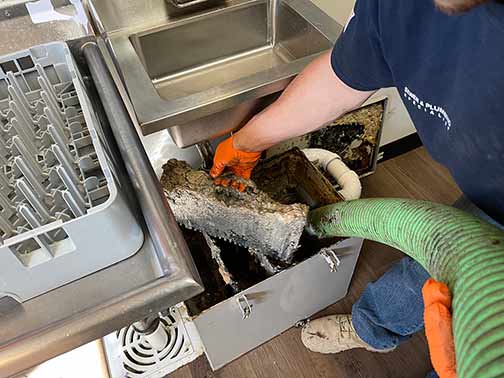
Grease trap services are a vital service for restaurants. Restaurants use an enormous amount of cooking oils, fats and grease in different stages of food preparation. By day’s end, huge amounts of that grease will find its way into the restaurant’s wastewater. If allowed to flow into the city sewers and waste treatment facilities, that grease can cause expensive damage. Grease traps keep the fats, oils and grease in restaurant wastewater from entering the sewers and becoming a problem to nature and the city. They help keep the business’ operating costs low by preventing problems that would have happened if a grease trap was missing from the restaurant’s plumbing setup. By catching grease from wastewater and storing it until it can be removed, grease traps help the restaurant’s drain systems operate more efficiently. A grease trap needs to be cleaned out on the regular and well maintained at all times.

Plumbing repairs

Breakdowns and malfunctions in a restaurant’s plumbing systems can result in expensive downtimes. Waiting until problems happen before making an effort to fix them is not a viable plumbing maintenance strategy for restaurants. In order to avoid disruptions in the restaurant’s operations, plumbing issues must be detected before they result in delays. That means creating a watertight plumbing maintenance program overseen by a licensed professional who understands the higher working standards required in commercial plumbing and the very narrow margins for error.

To conclude, the foundation for building restaurant plumbing systems that can meet the present and future needs of the business is good design. Hiring a regular plumber instead of a commercial plumber for restaurants, when designing and installing the plumbing, is the main reason restaurant plumbing systems often fail to meet the necessary standards.

Helpful Ways to Eliminate the Mold in Your Shower

Helpful Ways to Eliminate the Mold in Your Shower

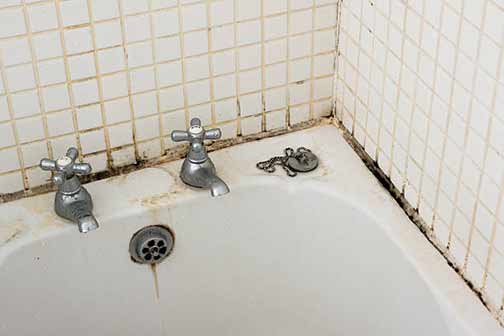
Showers are the one place in your home where you are almost guaranteed to find mold. Mold grows in environments with high humidity, low sunlight penetration, mild to warm temperatures and poor air circulation. These are the exact conditions found in most showers.

The most common type of mold found in showers is black mold which usually appears as dark stains in grout lines. Mold makes your bathroom look ugly, and no amount of scrubbing with ordinary wash soap and a hard bristle brush will successfully get rid of it.

Every time you use a moldy shower, you inhale mold spores. Mold spores and toxic gases (Volatile organic compounds (VOCs)) emitted by mold, especially black mold, can cause respiratory issues or worsen existing health challenges. That’s why you need to get rid of mold in your shower.

Below are some cheap and easy DIY methods for eliminating mold from your home’s shower.

3 methods to rid your shower of ugly mold

Use hydrogen peroxide

What you need

  • A spray bottle
  • Hydrogen peroxide
  • Hard bristle brush
  • Rubber gloves
  • Toothbrush
  • Clean rags or towels

Most mold-killing products in the market have hydrogen peroxide in them. Instead of spending money on these specialty cleaners, use hydrogen peroxide for better results. This method is for bathrooms where the mold problem is not very bad. Note that hydrogen peroxide turns to water when exposed to sunlight; if you are using a clear spray bottle, you may want to wrap it.

Steps: Spray bathroom walls with hydrogen peroxide. Focus on grout lines since this is where most of the mold is. You might hear a hissing sound and see some foaming. Let the liquid sit for ten to thirty minutes before you wipe it with a clean wet rag. If there is still some mold left in parts of the bathroom, repeat the steps or move on to the second method.

Bleach and baking soda

What you need

  • Mixing bowl
  • Bleach
  • Baking soda
  • Face mask or respirator
  • Paintbrush
  • Plastic wraps
  • Spray bottle
  • Rubber gloves
  • Old clothes

Steps: Scoop a few spoonfuls of baking soda into a bowl and add bleach. Stir the mix and add more baking soda until you get a moderately-thick paste. The mixture should be thick enough to spread easily. Spread the mix generously all over the areas where the mold is. Cover with plastic wraps to keep the bleach from evaporating (so your mixture doesn’t dry out).

Wait an hour; check to see if the mold is gone (you should be able to see this through the plastic wrap). If you see mold on shower walls, spray walls with bleach using a spray bottle. The bleach will get behind the plastic wrap and saturate the mix. Let it sit for another hour, and inspect the walls again. Remove the plastic and rinse the walls with water.

Use bleach

What you need

  • Bleach
  • Bowl
  • Face mask or respirator
  • Paper towels or cotton pads
  • Spray bottle
  • Rubber gloves
  • Old clothes
  • Plastic bucket
  • Clean rags or towels

Steps: Cut the cotton pad into strips; Use them for lining the grout lines on your shower walls. You may skip this step and use paper towels. Pour some bleach into the bowl and dip cotton pads or paper towels into it until it absorbs the liquid. You may want to roll your paper towel into long strips before you do this. Next, take a towel and wipe your shower walls dry.

Paste the paper towel on the moldy areas of the shower. Ensure the paper is thoroughly wet and makes firm contact with the surface. If the paper is wet enough, it should have no problems sticking to the walls. Do this for all affected areas in the shower. Leave on the walls overnight. When you peel them off the next morning, your shower walls should be as good as new.

Preventing mold in the shower

You don’t want the mold to come back after you have gotten rid of it. The key to making sure your shower stays mold-free is to always keep it dry. Here is how you can do that;

Fix leaking faucets and showerheads 

Leaks raise the humidity levels inside your shower; high humidity encourages mold growth. Fixing leaky faucets or dripping showerheads will help to solve the problem. You can also reach out to a local plumber if you need help.

Install an exhaust fan 

Use an exhaust fan to get steam out of your shower as quickly as possible. Run the fan throughout your bath time and for 30 minutes after. Another option is to install a bathroom fan.

Squeegee your walls 

Move all the water on the shower walls into the drain with a shower squeegee. Do this every time you finish showering. A good shower squeegee doesn’t cost more than $5 and takes less than two minutes to squeegee shower walls.

And those are our tips for getting rid of mold in your shower; you will love how your bathroom looks after you use them.

What Do Several Clogged Drains Indicate?

What Do Several Clogged Drains Indicate

A clogged drain is a common problem in the home and commercial building plumbing systems. A drain clog is when wastewater cannot move freely through the drainpipes, or the water moves very slowly. Why do drains get clogged?

There are several reasons why a drain might become clogged. It can be due to natural processes, such as when corrosion narrows old pipes, making it difficult for water to pass through. It could also be due to soil movements that change the position of underground drainpipes.

But the most common causes of clogged drains are artificial, avoidable outcomes of how the drains in a home are used. Toilet drains may clog if something other than human waste is flushed into them, warns Action Properties Management. Kitchen drains are often clogged by a variety of food waste.

In addition to clogs in any drain inside your home, clogs can also occur in different sections of the drain system outside your house. Clogs close to drain openings inside the home are less severe than clogs deep inside the system.

The first type of drain clog will only affect the plumbing fixtures attached to that drain. But when a clog happens in a location deep inside the drainage system, the effect of that blockage will often be seen in all the plumbing fixtures in your home.

Why multiple drains in your home are clogged at once

Clogs affecting multiple drains in your home simultaneously signify serious issues within the home’s drain systems. That is because although each drain opening in the house appears separate from the others, they are connected.

Home drain systems comprise a network of pipes with a central drainpipe – the main sewer line – which collects all the wastewater from the house and carries it to the city sewer. This main sewer line is linked to the various plumbing fixtures in your home via connecting drain pipes.

If one of the drainpipes that feed into the main sewer line becomes clogged, the effect is only felt in the plumbing fixture that uses the drain. But if the clog happens in the main sewer line of your home, all the smaller drainpipes that connect to it will not be able to drain effectively. A good way to prevent this is by having a plumber perform a sewer rodding service.

The clog in the main sewer line creates a bottleneck that keeps wastewater from the plumbing fixtures in your home from flowing through the main sewer line. Instead of flowing into the city sewers, the water collects inside the pipes and may flow backwards into the house.

In most cases, the problem first appears in floor drains inside the home and other ones close to the ground. These drains become slower such as when bathwater doesn’t drain quickly when you shower. You may also find that toilets flush very slowly.

Other signs of a clog in your main sewer line are gurgling sounds from your home’s drains every time you use them, movement in the water inside the toilet bowl when you use the kitchen sink or washing machine and foul odors from drain openings in the house.

Frequent problems with your home’s drains may also signify deeper issues with the main sewer line. If several drains in the house are slow or showing signs of blockage, you may assume that the cause of the problem is in your home’s main sewer line that needs repairing.

Why your main sewer line is blocked and what you can do about it

Here are common reasons why your home’s main sewer line may be clogged:

Pouring grease into the drain: 

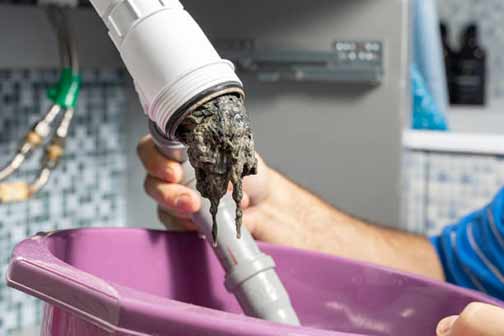
Fats, grease and oils (FOGs) are the number one cause of drain clogs. These materials stick to pipes and walls and debris attached to them.

Flushing forbidden items into your toilets:

Putting anything other than human waste and toilet paper into your toilet can result in a sewer line clog.

Sagging sewer lines: 

This is caused by movements in the soil surrounding the sewer line. Burrowing animals, sinkholes and soil movements due to house settling can cause these.

Aged sewer pipes 

This is a common issue with clay and metal drainpipes. As these pipes age, their channels become narrower due to corrosion and sedimentation.

Tree root infiltration 

Tree roots may find their way into sewer lines through hairline cracks in the pipe. Once inside the pipe, they can grow until they eventually block it.

What should you do if you are experiencing frequent drain issues in your home and multiple drains show signs of blockage?

The first step is verifying that the problem is with your main sewer line. Have a plumber perform a sewer camera inspection to pinpoint the exact location of the blockage in the sewer line. How you remove the clog depends on the location and what is causing it.

How to Temporarily Fix a Plumbing Leak

How to Temporarily Fix a Plumbing Leak

Plumbing leaks can be a frustrating and potentially costly problem for homeowners. While it is always recommended to call a professional plumber to repair any leaks, some temporary fixes can be done to minimize damage and prevent further leaks. Here we will discuss several methods to temporarily fix a plumbing leak. 

Shut off the water supply

The first step in addressing a plumbing leak is to shut off the water supply to the affected area. This can be done by turning off the main water valve for your home or by shutting off the valve for the area where the leak occurs. 

Identify the source of the leak

The next step is to identify the source of the leak. This can be done by visually inspecting the pipes or by using a leak detection tool. Once the source of the leak has been identified, you can determine the best method for temporarily fixing the problem. 

Use a pipe clamp

One of the easiest ways to temporarily fix a leak is by using a pipe clamp. Pipe clamps are available at most hardware stores and can be used to seal small leaks in pipes. Simply place the clamp over the leak area and tighten the screws to create a tight seal. 

Apply epoxy putty

Epoxy putty is another temporary fix for plumbing leaks. This putty can be molded into the shape of the leak and then allowed to dry. Once the putty is dry, it will create a seal that will prevent further leaks. 

Use duct tape

While duct tape should not be used as a long-term fix for plumbing leaks, it can be used as a temporary solution. Simply wrap the tape tightly around the area where the leak is occurring. Be sure to use enough tape to create a tight seal. 

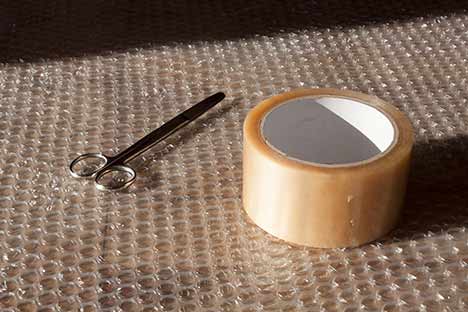
duct tape and scissors.

Duct tape is a good quick fix

Apply a rubber patch

If the leak occurs in a larger area, a rubber patch can be used to fix the problem temporarily. These patches are available at most hardware stores and can be applied over the leak to create a tight seal. 

Use a compression fitting

Compression fittings can be used to fix leaks in copper pipes. These fittings are available at most hardware stores and can be used to create a tight seal over the leak. 

Tighten loose connections

Sometimes, plumbing leaks are caused by loose connections. In these cases, simply tightening the connection may be enough to stop the leak. Use a wrench to tighten the connection, and be sure to check for leaks again after tightening. 

Use a hose clamp

Hose clamps can be used to fix leaks in hoses temporarily. Simply place the clamp over the area where the leak occurs and tighten it to create a tight seal. 

Replace damaged parts

If the leak is caused by a damaged or worn-out part, such as a washer or gasket, it may be necessary to replace the part. These parts can be purchased at most hardware stores and are relatively easy to replace. 

A quick tip before we continue 

If you are moving into a new home or apartment, experts at Here & Now Movers advise inspecting the plumbing for any potential leaks or issues. This can help you avoid costly repairs and ensure your move goes smoothly. During the inspection, check the pipes, faucets, and appliances for any signs of leaks or damage. This can include water stains, mold, or musty odors. 

It is also a good idea to ask the previous owner or landlord if they have experienced any plumbing issues in the past. By taking these steps, you can quickly catch any potential problems and avoid unexpected issues during your move. Additionally, if you notice any leaks or issues, be sure to address them before moving in to prevent further damage or issues down the line.

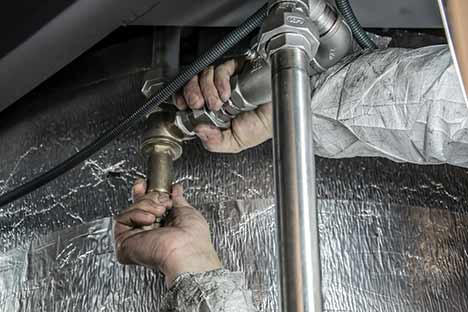
pipes being fixed.

Inspecting a house before buying it is important

Once you have successfully applied one of the temporary fixes listed above, it is important to closely monitor the affected area for any signs of further leaks. Keep an eye on the repaired area and check for any signs of water or moisture. If you notice any new leaks, you may need to apply another temporary fix or contact a professional plumber for a more permanent solution.

It is also important to remember that while these temporary fixes can provide a quick solution, they are not permanent. In some cases, the only way to completely fix a plumbing leak is by replacing the damaged pipe or fitting.

Keep in mind 

While temporary fixes can provide a quick solution for plumbing leaks, it is always recommended to contact a professional plumber for a more permanent fix. These temporary fixes can minimize damage and prevent further leaks but are not long-term solutions. By taking preventative measures and staying vigilant, you can avoid plumbing leaks and keep your pipes in good working condition.

plumber ready to fix a leak.

Professionals can provide a permanent fix

Avoid the leaks

In addition to temporary fixes, there are some preventative measures you can take to avoid plumbing leaks in the future. Regularly inspect your pipes and fittings for any signs of damage or wear, and replace any worn or damaged parts as soon as possible. Keep an eye on your water pressure, as high pressure can put extra strain on your pipes and increase the likelihood of leaks. 

Another important preventative measure is to be mindful of what you flush down your drains. Avoid putting grease, oil, or other materials down your drains that can clog your pipes and cause damage. Regularly clean your drains and use a drain screen to prevent debris from entering your pipes.

In conclusion

Plumbing leaks can be a frustrating problem for homeowners. While it is always recommended to call a professional plumber to detect and fix any leaks, some temporary fixes can be done to minimize damage and prevent further leaks. By following the tips outlined in this article, you can temporarily fix a plumbing leak until a plumber can address the problem. 

Common Plumbing Issues for Landlords to Watch For In a Rental

Common Plumbing Issues for Landlords to Watch for in a Rental

Unless you plan to keep them under control, plumbing issues in your rental property can quickly spiral out of control. How the plumbing in a rental is treated always changes because tenants constantly come and go from the property.

Although most renters are decent folks who do their best to look after a landlord’s property, many are not just equipped with the knowledge to do a good job. Moreover, it takes effort to care for the plumbing, and tenants don’t usually have the incentive to make that investment.

Furthermore, the property owner is away from it most of the time, limiting their supervisory oversight level. The result is that plumbing maintenance costs in a rental property can get very high. But what can you do to prevent this?

There are important processes every landlord should make an integral part of their rental property management strategy. A few of them include the following:

  1. Thorough tenant screening to reduce the risk of leasing to problem renters.
  2. Proper orientation of new tenants on how to treat the plumbing system in the rental.
  3. Detailed and easy steps for reporting plumbing issues and dealing with emergencies.
  4. Clear and promptly enforced penalties for tenants who fail to respect the lease terms.
  5. Preventative care of the plumbing via seasonal inspections and scheduled maintenance.

Doing the above will help you avoid major issues with your rental property’s plumbing. You can also reduce the cost and effort of maintaining the plumbing further if you know where problems are most likely to happen in the rental’s plumbing system.

Common plumbing issues in a rental property

Clogged drains

Clogged drains are the number one plumbing issue that happens in rental properties. This is because tenants are often not careful to watch what they flush into the home’s drains. When clogs occur in the kitchen drain, it is usually because a tenant has been washing fats, grease, oil, and starchy food into the drains. Shower drain clogs are often caused by hair and soap scum getting into the drain. Sanitary products, wipes, diapers, dental floss, etc., may block toilet drains. 

Educating your tenants on what not to flush into the drain can help limit the problems; only human waste and toilet paper should enter toilet drains. Also, tenants should never use chemical drain cleaners to unclog blocked drains. You should advise your landlord and let them know you need a drain cleaning service from a plumber.

Leaky faucets

Leaky faucets are a huge financial drain because they can inflate the rental’s water bill. But unless the constant dripping of a faucet is upsetting your tenant, most tenants will not pay attention to the seemingly insignificant drops of water coming from the faucet. That is unless the tenant is responsible for paying their own water bills. 

This is why seasonal inspections of the rental’s plumbing system are so important; they let you detect minor issues that would have gone unnoticed. A leaky faucet is not a hard problem to fix; you can resolve the issue in less than one hour.

Water pressure issues

For your tenants, low water pressure is a nuisance, but high water pressure is good because they get more water out of faucets and showerheads. But high water pressure is a huge problem for landlords because it can cause massive damage to the home’s plumbing pipes and water-utilizing appliances. 

The possibility of leaks in your rental’s plumbing system is greatly multiplied by water hammers from high water pressure. The moment the water pressure exceeds 50 psi, you should be worried. You can install a pressure regulator in the plumbing to prevent this problem.

Pipe leaks

Leaking pipes in a rental home are caused by various issues, but frozen pipes are the biggest. If the rental property is in a region where the winters get very cold, there is a huge chance that some pipes in the home may become exposed to cold air. If this happens, the water inside the pipes will freeze and exert enough pressure to cause a burst pipe emergency

Pipe leaks in a rental can also result from aging pipes, corrosion, or sedimentation from hard water. Educating tenants on protecting pipes during winter and preventative plumbing maintenance can help prevent this problem. 

Running toilets

Running toilets not only waste water, but they may interfere with the normal function of a toilet by making flushing less effective. This is another problem tenants are likely to ignore if they don’t pay the water bills and if the issue does not affect their use of the toilet. 

Running toilets are caused by old or damaged components inside the toilet tank, and the problem is quite easy to fix. Seasonal inspections of the rental’s plumbing will help you detect and solve this issue.

Once again, the plumbing systems in your rental benefit when there is a good understanding between the landlord, renters, and the plumber. Designing a system that allows all three parties to work harmoniously is the best way to prevent and solve plumbing issues in an investment property.

How Plumbing Works in an Apartment Building

How Plumbing Works in an Apartment Building

All buildings have plumbing systems that operate on the same basic principles. Yet there are important differences in the plumbing systems of various types of buildings that can affect how those systems work and how they should be managed, says Stonelink Property Management.

This is the case when comparing plumbing systems in a single-family home with those in apartment buildings. Both systems are identical in the way the occupants of the buildings use their respective plumbing fixtures.

But drill deeper, and you will find significant differences that dictate the unique maintenance needs of each system. Treating the plumbing system in an apartment building as if it were the same as the plumbing in a single-family dwelling can lead to problems.

Knowing how an apartment building’s plumbing system functions will let you deal with problems correctly. For owners of apartment buildings and those who live in them, this post offers a brief overview of how plumbing works in an apartment building.

How plumbing systems work in apartment buildings 

To understand how apartment building plumbing systems we should first learn how plumbing systems work in general. Plumbing systems, regardless of the building where they are installed, have a list of features that are common to all of them, namely:

  • Two-pipe systems: One set of pipes brings fresh water from the municipal supply into the building. A second set of pipes transport wastewater from the home’s plumbing fixtures out of the building.

  • One set of pipes: The freshwater system – uses pressure to move clean water to where it is needed inside the building. The other set of pipes – the wastewater system – uses gravity to move wastewater out of the building.

  • The freshwater system has a series of shutoff valves:  in specific areas and for the entire system – to turn off the water when there are problems. The wastewater system uses traps to seal the system and keep wastewater from moving backward.

  • The cold water comes out of faucets and other fixtures automatically. To get hot water, cold water must be heated by a water heater. The heated water follows its own dedicated pipe system with separate controls.

Basics of apartment building plumbing

As far as their plumbing systems are concerned, apartment buildings are categorized as multi-story dwellings or multiple dwellings.

Plumbing systems in multiple dwellings 

The plumbing systems in these types of apartment buildings work similarly to the procedures in single-family homes, with a few key differences. The pipes in this system branch out to serve the different units in the building, and they often have the following distinctive features:

  • There may be water hookups for dishwashers, ice makers, and other appliances for convenience and improved efficiency.
  • Each unit in the building will often have its drain-waste-vent (DWV) system to let it breathe and keep p-traps from drying out or sewer gases from backing into the home.

Plumbing systems in multi-story dwellings

Because they are too high, the water pressure from the municipal water supply is insufficient to move water into all the units in a multi-story dwelling. Because of this particular problem, the plumbing systems in these buildings have to be different in many ways:

Pressure

Multi-story dwellings use three different types of systems to solve the water pressure issues in the building:

  • Gravity-based roof tanks: A simple system where water is pumped from the ground floor or basement storage tanks to tanks on the roof of the building. Once inside the roof tank, gravity moves the water into the units inside the building.

  • A system of booster pumps: Some buildings use multiple booster pumps, which either move the water from a storage tank or directly boost the water pressure from the municipal supply.

  • Hydro-pneumatic storage tanks: Here, water from the municipal supply enters the hydro-pneumatic storage tanks before it is moved by air pressure into the different units in the building.

Drainage

The drainage systems in multi-story dwellings are more complicated. There are vertical stacks that run from the basement or ground floor to the roof. These can be waste stacks for transporting wastewater from showers and sinks, soil stacks for toilets, or vent stacks that take care of airflow. 

Each unit in the building is connected to these stacks via a branch line. It is common to find multi-story dwellings with two-pipe drainage systems, where wastewater and solid waste are separately handled by the two sets of pipes in the system. Having these drains cleaned out professionally is of utmost importance.

Control valves

These keep the plumbing inside one unit separate from the plumbing inside another unit. Control valves prevent cross-contamination in the event of problems. If there are issues in one of the units, they allow them to be isolated to the affected unit. They also ensure that if one unit’s water supply is shut off, it doesn’t affect the other units. 

Understanding how the plumbing system in your apartment building works will make you a better user or manager of the system. Hopefully, this post has answered some of your pressing questions about the plumbing system operation in an apartment building.

Savvy Plumbing Tips to Save You Money

Savvy Plumbing Tips to Save You Money

Plumbing problems are probably the most frequent issue homeowners face in their homes, says EPM Iowa Property Management. That is because of the massive plumbing network in a modern house and because we use water for several things in the home.

These two factors markedly increase the chances of issues with a home’s plumbing. Also, unlike the electrical system that is also vast, water reacts very strongly with anything it touches. So there is a high possibility of corrosion in the system.

That being said, there are lots of things you can do to cut down on the amount of money you spend on your plumbing. In this post, we talk about eight tips all savvy homeowners can use to make their plumbing more resilient while saving money.

8 ways to save money on your home’s plumbing

Know the location of your main shutoff valve

That is the most vital first step for solving any situation where a burst pipe or broken appliance is dumping water into your home. Knowing how to shut off the water can make the difference between a hundred dollars versus one thousand dollars in repair costs. Not only should you know how to turn the water off, everyone in your home, including the babysitter, should know how to do this.

Learn how to use a plunger and auger

Fixing a clogged sink or overflowing toilet may look daunting at first glance, but like most problems in life, it is not as tough as it first appears. Every home should have two types of plungers; one for the sink and the other for the toilet. Knowing the difference between the two and how to use each one will save you a lot of trouble and money.

Know how to stop a running toilet

A running toilet can inflate your water bill by hundreds of dollars if you don’t solve it fast. This problem can also interfere with the operation of your toilet and make it harder to flush. Solving this problem is not hard; it’s just about identifying the damaged components (usually the flapper, fill valve, or flush valve) inside the tank and replacing them.

Flush your water heater by yourself

This is another superficially intimidating task that you can easily do yourself. Flushing a water heater improves its performance and also prolongs its life. We recommend that you flush the water heater at least once in two years (once a year if you have hard water). You can save the money you would have paid to a plumber if you learn to do this yourself (it takes less than an hour).

Unclog and reset your garbage disposal yourself

You can easily reset a jammed garbage disposal unit by pushing the red button at the bottom. Inserting a 1/4” or 5/16” Allen wrench into the hole at the bottom of the unit and working it back and forth vigorously will dislodge food particles that keep the impeller from turning. Don’t replace the garbage disposal until you have tried these quick fixes.

Never go cheap with plumbing parts

“The bitterness of poor quality remains long after the sweetness of a low price is forgotten.” The worst thing about using cheap parts or inappropriate components is that they fail and cause other problems that cost you more. When you use cheap components or mismatched parts, you don’t solve your plumbing problems, but you only give them time to get worse.

Replace your anode rod to save your water heater

The anode rod is called a “sacrificial anode rod” for a good reason. This metal rod stays inside the tank of your water heater. Its job is to keep the tank and its metal components from rusting. It does this by bonding to the iron electrons released by water to keep them from attacking the tank. In the first year of owning your water heater, you should replace the anode rod, and maybe every two years afterward. If not, you run the risk of needing a water heater replacement earlier than expected.

Always use a plumber for plumbing problems

With the right tools and patience, you can solve minor issues with your plumbing. However, once in a while, you will have significant plumbing problems beyond your abilities. For those kinds of issues, never use a handyman. Always make sure you hire a professional plumber to repair your plumbing issues. Using a non-professional will save you money at the moment but cost you more in the long term.

And that’s it for our eight tips to save money on your plumbing. But before we go, remember it is essential to know the difference between plumbing issues you can DIY and those that need an expert. Never try to fix a plumbing problem if that issue requires a professional.

Basic Plumbing Tools Every Homeowner Should Have

Basic Plumbing Tools Every Homeowner Should Have

Issues with the plumbing system in your home happen all the time. Every month, you may find yourself dealing with one plumbing malfunction or the other in your home. Luckily, most of the time, these are minor issues you can fix yourself. That is if you have the right tools for the job.

As Westside Property Management explains, most homeowners don’t have the crucial tools to fix slight issues with their home’s plumbing. For some of them, it is because they don’t know which tools to buy. But for others, it is because they don’t want to spend money on tools they will only use occasionally.

However, most tools for tackling plumbing issues in the home can also fix other problems. The only thing is when buying tools, make sure you buy quality tools and ensure you only use the right tools for the job.

What are the most valuable tools to have in your home during a plumbing emergency? Apart from sink and toilet plungers –must-haves for every house – below is a list of those tools, plus explanations on why you need them.

Basic plumbing tools every homeowner should have

Hand auger and plumbing snake 

Snakes and hand augers are for clearing clogs. There are different types of snakes; mini snakes and larger ones. Hand augers do pretty much the same thing as snakes. When using snakes and augers have separate sets for the toilet and kitchen.

Flathead screwdriver 

The flathead screwdriver has a blade shaped like a minus sign. It is an essential tool for loosening/tightening screws. When dismantling plumbing fixtures, you will find at least one connection – mostly fasteners – that requires this tool.

Philips head screwdriver 

This is for tightening/loosening screws with an X-shaped slot on top. These screws are ubiquitous in plumbing systems and come in different sizes. When buying this screwdriver, buy one with interchangeable bits.

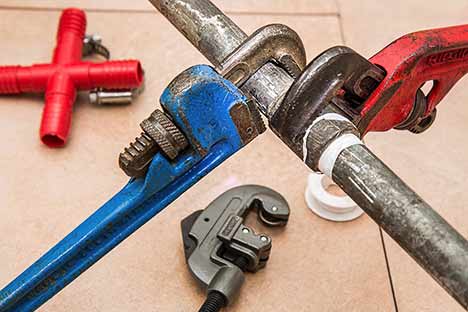
Pliers 

Pliers are indispensable for holding items steady while you work on them. You can use them to bend and twist stuff or even loosen/tighten them. Pliers are available in different sizes; a pair of medium and small-sized pliers should be enough for your plumbing problems.

Needle nose pliers 

These are useful for working with fittings that may be too small for a plier. Needle nose pliers are also helpful when you need to get into narrow openings, such as when holding a sink drain steady so you can remove the connecting pipes under the sink.

Channellock pliers 

Channellock pliers are for grabbing and holding fittings. Unlike standard pliers, channel lock pliers have a sliding jaw that locks in place and can be adjusted to fit any pipe. You can use them to turn or hold large pipes without straining.

Adjustable wrench 

These do almost the same thing as Channellock pliers; they are for grabbing and holding things, keeping them steady while you work, or turning them. The difference is that while Channellock pliers are mostly for round objects, wrenches also work with flat ones.

Allen wrench or Hex keys 

Allen wrench or Hex keys are for tightening or releasing hexagonal bolts and compatible fasteners, such as the one found at the bottom of your kitchen garbage disposal. These come as a complete set with different sizes to fit the head of the particular bolt.

Utility knife and hacksaw 

A utility knife with a removable razor blade is an essential item for your toolbox. You will often need to cut things when working with the plumbing. This tool makes it easy to do that. A hacksaw is for cutting larger and heavier items, such as PVC pipes.

Caulk gun and caulk 

Caulking helps you achieve permanent watertight connections. This is particularly important when working in the toilet. Having a caulk gun at hand will make short work of applying caulk to tiles and other surfaces. It would be best to have different types of caulk available in the home at all times.

Duct tape and plumbers putty 

A roll of duct tape is the one supply that should never be missing from your plumbing arsenal. You can use duct tape in a variety of situations. Along with duct tape, you need plumbers’ putty. This is handy for sealing joints when coupling plumbing fittings.

Gloves and safety goggles 

Always remember to stay safe when working on your home’s plumbing. Most plumbing jobs will require you to at least use gloves and safety goggles. Having these two items in your home is highly recommended.

This is just a short list of the plumbing tools we think you should have at home. For lack of space, a host of items have been left out. If you would like to learn more about these tools and how to use them, or for more plumbing tips visit Chicago Plumbing Experts.