Author Archives: Chicago Plumbing Experts

Common Causes of Water Leaks and How to Address Them

Common Causes of Water Leaks and How to Address Them

If left unattended, water leaks can be a homeowner’s worst nightmare, causing significant damage and costly repairs. From faulty plumbing systems to leaking fixtures and appliances, identifying and addressing these issues promptly is crucial. Below we’ll explore the most common causes of water leaks that homeowners face. By understanding these causes and learning how to address them effectively, you can protect your property, save money, and ensure a safe living environment for your family. Let’s delve into the world of water leaks and empower you to tackle them head-on.

Common Causes of Water Leaks

Faulty Plumbing Systems

One of the leading causes of water leaks in homes is a faulty plumbing system. Over time, pipes can deteriorate due to age, leading to cracks and leaks. Loose or damaged pipe connections can result in water seepage at the joints. Corrosion or rust buildup weakens the integrity of pipes, making them prone to leakage. Pipe joint failures can occur due to poor installation or wear and tear. Regularly inspecting your plumbing system is essential to detect any signs of aging, corrosion, or loose connections. If you notice persistent or worsening leaks, it’s advisable to choose a plumber to work with for professional expertise and reliable repairs.

Leaking Fixtures and Appliances

Leaking fixtures and appliances are another common cause of water leaks in homes. Dripping faucets waste water and can be a nuisance with the constant sound. Malfunctioning toilet flappers can result in continuous water running and unnecessary water usage. Faulty washing machine hoses are notorious for causing significant water damage if they rupture or leak. Additionally, leaking water heaters can not only result in water wastage but also affect the efficiency of your heating system. Promptly addressing these leaks by replacing faulty washers, seals, or components is crucial to prevent water wastage, reduce utility bills, and avoid potential damage to your home.
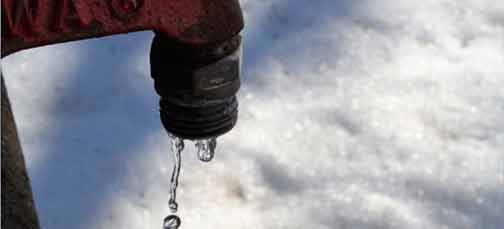
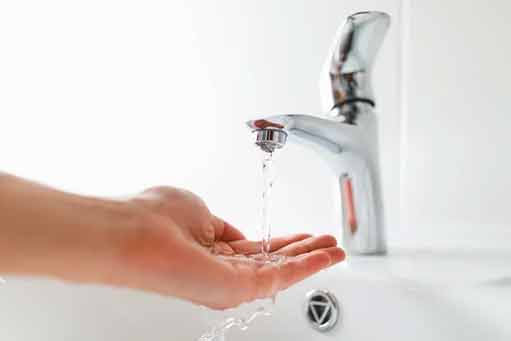
An outdoor faucet leaking in the winter.

A dripping faucet can be very dangerous, especially if it’s external.

Roofing Issues

When it comes to water leaks, roofing issues can’t be ignored. Damaged or missing shingles create openings for water to penetrate your home during rainfall. Improperly sealed roof vents can be another vulnerable spot for water intrusion. Cracked or damaged flashing around chimneys, skylights, or roof valleys can allow water to seep in. Clogged gutters and downspouts can lead to water overflow, causing potential leaks and water damage.

Foundation Problems

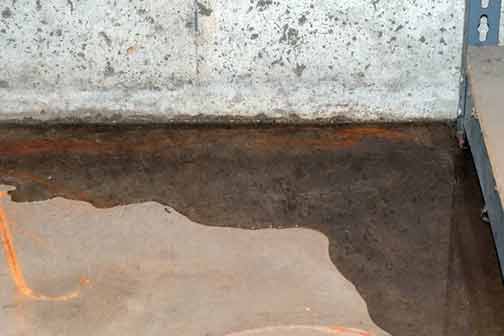
Foundation problems can contribute to water leaks and require immediate attention. A cracked or shifting foundation can create openings for water to seep into your home. Improper drainage around the foundation can result in water pooling near the base, increasing the likelihood of leaks. Plumbing leaks beneath the foundation can go unnoticed for extended periods, causing water damage and structural issues. Remember, leaks in the basement can be very dangerous, leading to mold growth and compromising the structural integrity of your home. It’s crucial to consult with foundation specialists to assess and address any foundation problems promptly.

How to Address Water Leaks

Early Detection and Monitoring

Early detection of water leaks and monitoring are crucial in preventing water leaks and minimizing potential damage. Regularly inspecting your plumbing system, fixtures, and appliances can help you identify leaks or signs of deterioration. Keep an eye out for water stains, dampness, or unusual odors. Monitoring your water bills for unexpected increases can also indicate hidden leaks. To enhance monitoring, consider using leak detection devices and other technology to detect leaks before they become major problems.
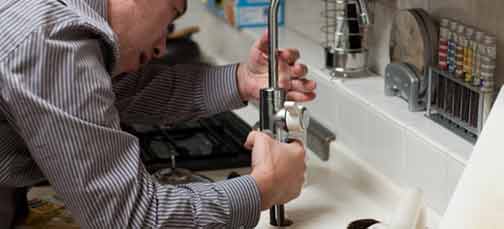
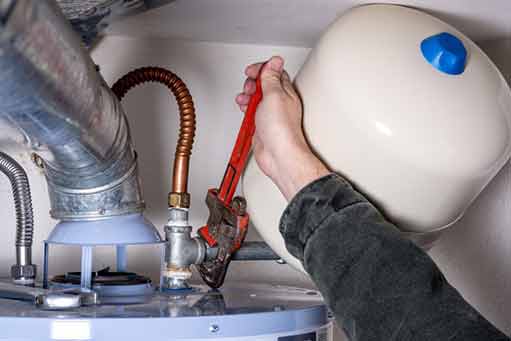
A plumber working on something that causes water leaks.

One of the smartest things you could do when handling common causes of water leaks is to call a professional for help.

Fixing Plumbing System Leaks

When it comes to addressing plumbing system leaks, swift action is key. If you notice a water leak, the first step is identifying its source. That may involve visually inspecting visible pipes, checking for water stains, or employing leak detection equipment. Once the source is determined, repair or replace the damaged pipes or fittings promptly. For complex repairs or if you’re unsure about the best course of action, it’s advisable to contact a nearby plumber.

Resolving Fixture and Appliance Leaks

Dripping faucets and faulty toilet flappers are common culprits that can often be fixed by replacing worn-out washers or seals. Similarly, addressing faulty components in appliances like water heaters and washing machines is essential to prevent leaks and ensure optimal efficiency. Upgrading to more efficient fixtures and appliances can also help prevent future leaks and conserve water.

Addressing Roofing Issues

As we’ve mentioned, unkempt roofing is one of the most common causes of water leaks. Regular roof inspections are essential to promptly identify and address issues that faulty roofing causes. Timely repairs or replacements of damaged roofing and ensuring proper roof ventilation can safeguard your home against water leaks. By implementing the following maintenance strategies, you can effectively safeguard your home against water leaks and protect its structural integrity:

  1. replacing damaged shingles, 
  2. resealing roof vents, 
  3. repairing flashing, 
  4. maintaining clean gutters and downspouts. 

Dealing with Foundation Problems

Plumbing leaks beneath the foundation can easily go undetected but cause substantial damage over time. To tackle these problems, contact foundation specialists who can assess and address the underlying issues. Fixing drainage problems, repairing foundation cracks, and locating and resolving plumbing leaks are crucial steps to prevent water intrusion and preserve the stability and safety of your home. Choose trusted professionals to ensure effective solutions and minimize the risk of future foundation-related leaks.
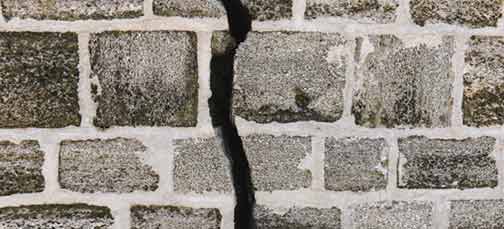
A crack in the foundation of a home.

Promptly fixing some of the more serious cracks and issues in your home’s foundation is important for addressing current and preventing future water leaks.

Preventive Measures for Future Leaks

Preventive measures are vital to minimize the risk of future water leaks in your home. Insulating exposed pipes is a simple yet effective way to protect them from freezing and potential burst pipe emergencies during cold weather. Installing water leak detection systems adds an extra layer of security by alerting you to potential leaks early on. Regular maintenance of fixtures, appliances, and plumbing systems helps identify and address issues before they escalate into major leaks.

Protect Your Items During Repairs

While addressing water leaks is essential, protecting your belongings during repairs or renovations is also crucial. If you need to temporarily store furniture, electronics, or other valuables during the process, consider renting a storage unit. A secure and climate-controlled storage unit can safeguard your items until your home is leak-free and fully restored. Experts from City Movers also recommend utilizing certain packing and inventory strategies while your items are in the unit. That way, you can more easily access them if needed.

Conclusion

Water leaks can wreak havoc on your home and finances if left unaddressed. By understanding the common causes of water leaks and taking proactive steps to resolve them, homeowners can prevent costly repairs and maintain a safe living environment. Remember, early detection and regular maintenance are key to preventing water leaks. When faced with plumbing issues, choose a nearby local plumber to work with for prompt and reliable service. By staying vigilant and taking preventive measures, you can protect your home from the damaging effects of water leaks and ensure peace of mind for years to come.

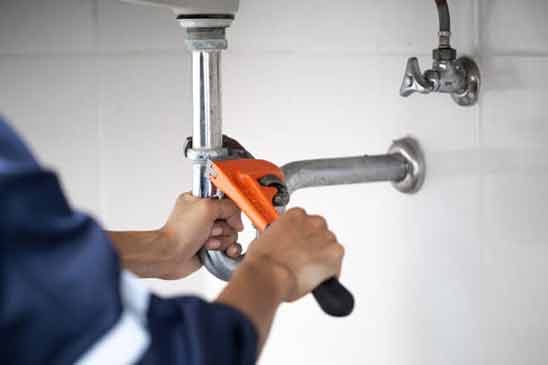
When is the Busiest Season for Plumbers in Chicago?

When is the Busiest Season for Plumbers in Chicago

Plumbing emergencies can occur at any time of the year, but there are certain seasons in Chicago when plumbers find themselves handling a significantly higher number of service calls. Understanding the busiest season for plumbers in Chicago can help homeowners and businesses prepare for potential plumbing issues and ensure timely repairs. In this article, we will explore the factors that contribute to the high demand for plumbers in Chicago, as well as provide tips for preventing plumbing emergencies.

Winter Woes

Chicago experiences long and cold winters with freezing temperatures, which can wreak havoc on the plumbing systems. When temperatures plummet, pipes can freeze and burst pipe emergencies result, ending in water damage and flooding. As a result, winter is one of the busiest seasons for plumbers in Chicago. Homeowners and businesses should take preventative measures, such as insulating exposed pipes and keeping the thermostat at a consistent temperature, to minimize the risk of frozen pipes during the winter months.

Spring Thaw and Heavy Rains

After enduring a harsh winter, Chicago transitions into spring, bringing relief from the freezing temperatures. However, this season also presents its own challenges when it comes to plumbing. As the snow melts and heavy rains occur, the ground becomes saturated with water, increasing the likelihood of sewer backups and basement flooding. Consequently, plumbers in Chicago receive a surge in service calls related to sump pump failures that require replacement, clogged drains, and sewer line issues. Homeowners should have their sump pumps inspected and ensure proper drainage systems are in place before the arrival of spring.

Summer Surges

Summers in Chicago can be hot and humid, causing an increased demand for water usage. As people turn on sprinklers to keep their lawns green and engage in water-intensive activities like filling swimming pools, the strain on plumbing systems can lead to various problems. Clogged toilets, broken outdoor water faucets, and overloaded sewage systems are common issues that plumbers tackle during the summer season in Chicago. It is important for homeowners to conserve water where possible and address any plumbing concerns promptly to prevent larger issues.

a plumbing repair in chicago being performed.

While understanding the busiest seasons for plumbers in Chicago is important, it is equally essential to know how to prevent plumbing emergencies.

Autumn Preparations

Autumn in Chicago serves as a transition period between the extreme weather conditions of summer and winter. During this time, plumbers are often busy with routine maintenance and inspections to ensure that plumbing systems are prepared for the upcoming winter. It is a good time for homeowners to check for leaks, replace worn-out parts, and schedule professional servicing of their water heaters. Taking proactive measures can help avoid plumbing emergencies in the colder months ahead.

Tips for Preventing Plumbing Emergencies

While understanding the busiest seasons for plumbers in Chicago is important, it is equally essential to know how to prevent plumbing emergencies. Here are some tips to keep your plumbing system in top shape:

  • Regularly inspect your pipes for leaks and signs of damage.
  • Insulate exposed pipes to prevent freezing during winter.
  • Avoid pouring grease and food scraps down the kitchen sink to prevent clogs.
  • Use drain covers to catch hair and debris in bathroom drains.
  • Do not flush anything aside from toilet paper down the toilet.
  • Keep an eye out for fluctuating water pressure, as it may indicate a problem.
  • Schedule routine inspections and maintenance with a licensed plumber.

In Conclusion

The busiest season for plumbers in Chicago varies throughout the year, with winter and spring being particularly demanding. By being aware of the potential plumbing issues that arise during different seasons and taking preventive measures, homeowners and businesses can minimize the risk of plumbing emergencies. Regular maintenance, prompt repairs, and professional inspections are essential for keeping your plumbing system in good working order and avoiding costly repairs in the long run.

Essential Maintenance Steps to Keep Your Sump Pump Running Smoothly

Essential Maintenance Steps to Keep Your Sump Pump Running Smoothly

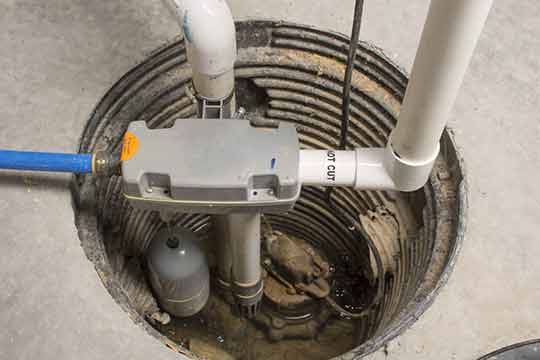
A sump pump is a vital piece of equipment that helps to protect your basement or crawl space from water damage caused by flooding or excessive moisture. It is designed to pump out water that collects in a sump pit, preventing it from causing damage to your home’s foundation or resulting in mold growth.

Regular maintenance of your sump pump is crucial to ensure it functions efficiently and reliably whenever it is needed. By following a few essential maintenance steps, you can keep your sump pump running smoothly and avoid costly repairs or water damage.

1. Test Your Sump Pump Regularly

One of the most important maintenance steps for your sump pump is to test it regularly. This ensures that it is in proper working condition and ready to handle any water accumulation. To test your sump pump, follow these steps:

  • Locate the sump pit and remove any debris or obstructions.
  • Pour water into the pit until the float switch activates the pump.
  • Observe the pump as it removes the water from the pit.
  • Ensure that water is being discharged properly from the outlet pipe.

If your pump fails the test, it may indicate a need for repair or a full replacement of your sump pump.

2. Clean and Maintain the Sump Pit

The sump pit is where water collects before being pumped out by the sump pump. Ensuring that the sump pit is clean and free from debris is essential to maintain the proper functioning of your sump pump. Follow these steps to clean and maintain the sump pump and the pit it lies in:

  • Regularly inspect the sump pit for any dirt, rocks, or debris.
  • Remove any accumulated debris using a small shovel or scoop.
  • Ensure that the sump pump’s intake screen is free from blockages.
  • Clean the pit walls and remove any slime or mold growth.

By keeping the sump pit clean, you allow the sump pump to work efficiently without any obstructions.

3. Check the Sump Pump Discharge Pipe

The discharge pipe is responsible for carrying the water pumped out by the sump pump away from your home’s foundation. It is essential to regularly inspect and maintain the discharge pipe to prevent any clogs or blockages. Follow these steps to check the sump pump discharge pipe:

  • Inspect the discharge pipe for any visible signs of damage.
  • Ensure that the discharge pipe is securely connected to the sump pump.
  • Verify that the pipe is free from any obstructions or clogs.
  • Consider adding a check valve to prevent water from flowing back into the pit.

Regular maintenance of the discharge pipe ensures that water is properly directed away from your home, preventing potential flooding or damage.

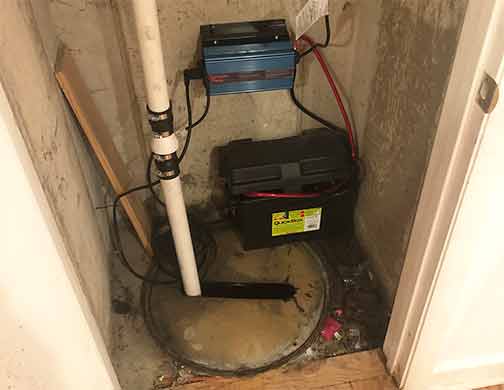
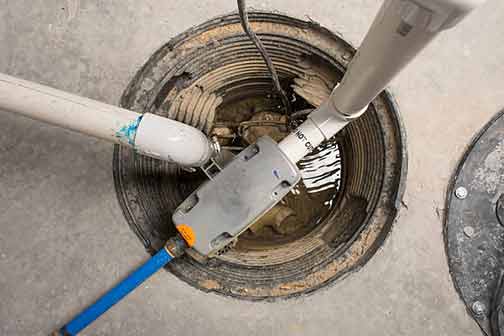
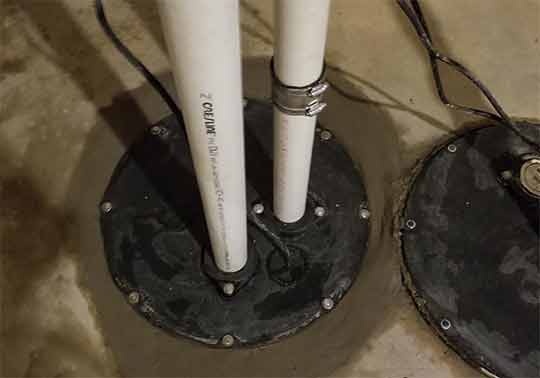
a newly installed sump pump battery backup.

Installing a backup battery power system for your sump pump is highly recommended to provide continuous protection.

4. Test the Backup Power System

In the event of a power outage, your sump pump may no longer be able to function, leaving your basement vulnerable to flooding. Having a sump pump backup battery installed is highly recommended to provide continuous protection. Test the backup power system by following these steps:

  • Locate the backup power system and make sure it is properly connected.
  • Simulate a power outage by disconnecting the main power supply.
  • Observe as the backup power system kicks in and powers the sump pump.
  • Ensure that the backup power system can sustain the pump for an extended period.

If the backup power system fails the test, contact a professional plumber to address any issues promptly.

5. Schedule Professional Maintenance

While basic maintenance can be performed by homeowners, it is also important to schedule regular professional maintenance for your sump pump. A professional can conduct a comprehensive inspection, ensure all components are functioning correctly, and identify any underlying issues. Professional maintenance includes:

  • Cleaning and lubricating the sump pump’s mechanical parts.
  • Inspecting the electrical connections and testing the pump’s motor.
  • Checking the float switch for proper operation.
  • Verifying that the backup power system is in good working condition.
  • Addressing any repairs or replacements as necessary.

Professional maintenance helps to extend the lifespan of your sump pump and ensures it is always prepared to handle any water accumulation.

In Conclusion

Maintaining your sump pump is crucial to protect your home from potential water damage. By regularly testing, cleaning, and maintaining your sump pump, you can ensure it is running smoothly and efficiently. Checking the sump pit, discharge pipe, and backup power system, along with scheduling professional maintenance, will provide you with the peace of mind that your sump pump is always ready to protect your basement or crawl space.

Investing time and effort into the essential maintenance steps outlined in this article will save you from the hassle and expense of dealing with a malfunctioning or ineffective sump pump in the future. Keep your sump pump in optimal condition, and it will continue to serve as a reliable defense against water damage for years to come.
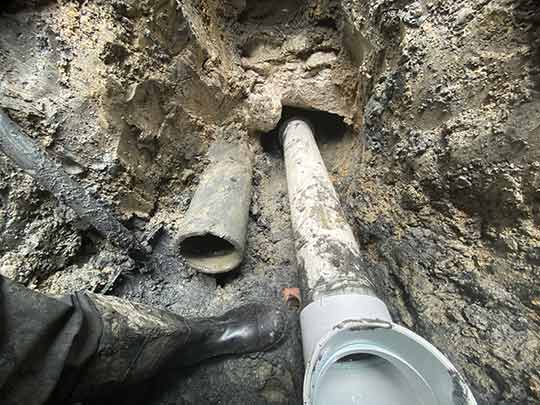
Protecting Your Home: An In-Depth Look at Basement Water Problems and the Importance of Sewage Ejector Pumps

the importance of sewage ejector pumps to prevent basement flooding.

Basements often serve as valuable living space or storage areas in our homes, providing us with a versatile and functional extension of our living areas. However, they are also susceptible to various water-related issues, posing a threat to our property and health. To combat these problems, it is crucial to understand the causes of basement water issues and the significance of sewage ejector pumps in safeguarding our homes.

Understanding Basement Water Problems

Basement water problems can arise due to an array of factors, ranging from external sources to internal plumbing issues. Common causes include:

  • Heavy rainfall or melting snow leading to water seepage through foundation walls or flooring.
  • Improper grading around the house, causing water to pool near the foundation.
  • Faulty gutters or downspouts that fail to direct water away from the house.
  • Burst or leaking pipes, resulting in indoor flooding.
  • Natural groundwater accumulation due to a high water table.

These water problems not only pose a risk to the structural integrity of your home but can also promote the growth of mold, mildew, and other harmful microorganisms. Therefore, it is essential to address these issues promptly to prevent further damage and ensure a safe living environment.

The Role of Sewage Ejector Pumps

One vital line of defense against basement water problems is the installation of a sewage ejector pump. While often overlooked, these pumps play a crucial role in efficiently removing wastewater from your home and preventing sewage backups.

Sewage ejector pumps are specifically designed to handle solid waste and wastewater from places below the main sewage line or at a lower elevation. They are typically found in basements, where bathrooms, laundry rooms, or other plumbing fixtures are located below the level of the local sewer lines.

These pumps are equipped with sealed basins or holding tanks where the wastewater collects. Once the liquid reaches a certain level, the pump activates and propels the waste through a discharge pipe, directing it towards a municipal sewer system or a septic tank.

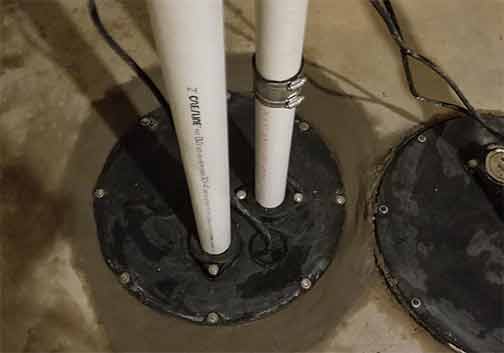
an ejector pump repair for a customer.

Sewage ejector pumps are essential in preventing these backups by expelling wastewater effectively, reducing the risk of sewage overflow.

The Importance of Sewage Ejector Pumps

1. Preventing Sewage Backups:

A sewage backup in your basement can be a catastrophic event, leading to extensive property damage and health hazards. Sewage ejector pumps are essential in preventing these backups by expelling wastewater effectively, reducing the risk of sewage overflow.

2. Protecting Your Property:

Basement water problems and subsequent flooding can cause severe damage to your home’s foundation, walls, flooring, and personal belongings. By installing a sewage ejector pump, you can minimize the risk of water-related destruction and preserve the structural integrity of your property.

3. Ensuring Health and Hygiene:

Wastewater contains numerous bacteria, viruses, and other pathogens that pose a significant health risk to you and your family. Sewage ejector pumps prevent the accumulation of wastewater, reducing the potential for harmful microorganisms to thrive in your basement, and maintaining a sanitary living environment.

Choosing the Right Sewage Ejector Pump

When considering the installation of a sewage ejector pump, it is crucial to select the appropriate pump for your specific needs. Factors to consider include:

  • The size and capacity of the pump, ensuring it can handle the anticipated wastewater volume.
  • The quality and durability of the materials used, promoting long-term reliability.
  • The pump’s power and efficiency, determining its ability to effectively handle solid waste.
  • The availability of backup power systems in case of electricity outages.
  • The level of noise produced by the pump during operation.

Speaking with a professional plumber nearby or a knowledgeable expert can provide invaluable guidance in selecting the most suitable sewage ejector pump for your specific requirements.

Maintaining Your Sewage Ejector Pump

To ensure the optimal functioning of your sewage ejector pump and avoid potential issues, regular maintenance is crucial:

  • Inspect the pump and the basin regularly for any signs of damage or deterioration.
  • Clean the basin to remove any dirt or debris that may hinder the pump’s operation.
  • Test the pump periodically to ensure it activates when the water level reaches the appropriate level.
  • Consider professional servicing at regular intervals to detect and address any potential problems.

Adhering to a maintenance routine will not only extend the lifespan of your sewage ejector pump but also provide peace of mind, knowing that your home is protected from basement flooding problems.

In Conclusion

Basement water problems can have dire consequences for both the structural integrity of your home and the health of its occupants. By understanding the causes of these issues and recognizing the importance of sewage ejector pumps, you can take the necessary steps to protect your home.

Sewage ejector pumps play a vital role in preventing basement water problems, such as sewage backups, by efficiently expelling wastewater from your home. Additionally, these pumps help preserve your property, maintain a healthy living environment, and safeguard against potential damage caused by flooding.

When considering the installation of a sewage ejector pump, it is crucial to select the appropriate pump for your specific needs and adhere to a regular maintenance routine to ensure its optimal performance. By doing so, you can effectively mitigate basement water problems and enjoy the full benefits of a safe and protected home.

What’s Wrong With My Water Heater?

a plumber fixing a broken water heater.

In every household, a water heater plays a crucial role in providing hot water for various needs such as showers, dishwashing, and laundry. However, when our water heater starts to malfunction, it can lead to inconveniences and disrupt our daily routines. Understanding the common problems that may arise with water heaters can help you diagnose the issue and determine the appropriate course of action. In this article, we will explore some of the most frequent issues encountered with water heaters and discuss possible solutions.

Lack of Hot Water

If you find yourself getting only cold water from your water heater, it indicates a problem that needs to be addressed. Several factors can lead to a lack of hot water:

  • The pilot light might be extinguished: Check if the pilot light is on. If it’s not, relight it following the manufacturer’s instructions.
  • A faulty thermocouple: The thermocouple is responsible for sensing if the pilot light is ignited. If it’s defective, it may shut off the gas supply. Consider replacing it.
  • A broken heating element or a malfunctioning thermostat: Electric water heaters use heating elements to warm the water. If they are damaged, they need to be replaced. Faulty thermostats can also prevent water from heating properly.

Strange Noises Coming from the Water Heater

If you hear unusual sounds coming from your water heater, it’s an indication that something is amiss:

  • Sediment buildup: Over time, minerals and sediments can accumulate inside the tank, causing rumbling or popping noises. Flushing the tank periodically can help prevent this issue.
  • A loose heating element: If you have an electric water heater, a loose heating element could create a humming or vibrating sound. Tightening or replacing the element may solve the problem.
  • A faulty expansion valve: The expansion valve is responsible for controlling the pressure inside the tank. A malfunctioning valve can result in a high-pitched whistling or hissing noise. Replacing the valve may be necessary.
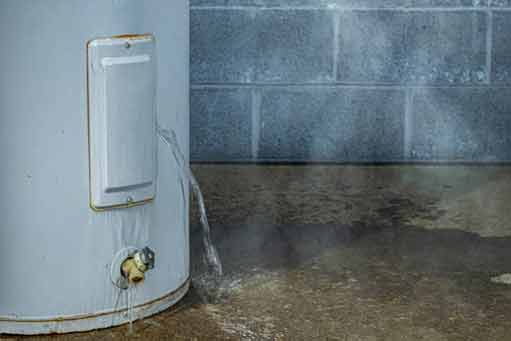
a leaking water heater.

he drain valve at the bottom of the tank is used for emptying or flushing. If it becomes loose or has a faulty seal, it can cause water to leak.

Water Leakage

Water leakage is a common issue in water heaters that requires prompt attention. The causes of leakage can include:

  • A faulty temperature and pressure relief valve: If this valve malfunctions, excess pressure can build up inside the tank, leading to leakage. Replacing the valve can resolve the problem.
  • A leaking drain valve: The drain valve at the bottom of the tank is used for emptying or flushing. If it becomes loose or has a faulty seal, it can cause water to leak. Tightening or replacing the valve may be necessary.
  • A crack or corrosion in the tank: In certain cases, the water heater tank itself may develop a crack or corrosion, resulting in leakage. Unfortunately, in such instances, replacing the entire water heater might be the only solution.

Discolored or Foul-Smelling Water

If you notice that the water coming from your water heater is discolored or has an unpleasant odor, you should address the issue immediately:

  • Sediment buildup: A high concentration of minerals and sediment in the water can cause discoloration. Flushing the tank can help resolve this problem.
  • Anode rod corrosion: The sacrificial anode rod in the water heater is designed to attract corrosive elements that would otherwise damage the tank. If the rod is fully depleted, the tank can begin to corrode, leading to foul-smelling water. Replacing the anode rod can fix this issue.
  • Bacterial growth: Sometimes, certain bacteria can thrive in the warm environment of a water heater, resulting in a musty or rotten egg smell. Flushing the tank with a hydrogen peroxide solution can help eliminate the bacteria.
a person experiencing low water pressure.

Accumulated sediment can clog the water lines, affecting the water pressure.

Inadequate Water Pressure

If your water heater isn’t providing sufficient water pressure, consider the following possibilities:

  • A restricting valve: Some water heaters have a valve that controls the flow of hot water. If it isn’t fully opened, it can affect the water pressure. Make sure the valve is completely open.
  • Sediment buildup: Accumulated sediment can clog the water lines, affecting the water pressure. Flushing the tank may help remove the sediment and improve the pressure.
  • A malfunctioning pressure regulator: If your home has a pressure regulator, it could be faulty, leading to low water pressure. Contact a plumber near you to inspect and replace the regulator if necessary.

Conclusion

Water heater problems can cause significant inconvenience, but many issues can be resolved with proper troubleshooting and maintenance. Regularly inspecting your water heater, performing maintenance tasks, such as flushing the tank, and promptly addressing any problems can help ensure the efficient and reliable operation of your water heater. However, if you are uncertain about the cause of the issue or feel uncomfortable performing repairs, it is always advisable to seek professional assistance from a local plumber.

Preventing Sump Pump Malfunctions: A Guide for Homeowners

a sump pump is a great form of a residential flood control system.

Sump pump malfunctions rank among the top ten causes of the worst flooding in homes. Any flooding in your home will cause severe emotional pain and financial loss. But the pain is worse when that flooding is from a sump pump failure. That is because the entire purpose of having a sump pump in your home is to prevent flooding.

Sump pumps are designed to keep protecting your home after other flood defenses have failed. Most of a home’s flood defenses are located outside; to keep water from entering the house. But the sump pump is located inside the building. If floodwaters elude the other flood defenses and enter the home, the sump pump removes the water.

But sometimes, this does not happen because the sump pump fails. Real Property Group Company says most sump pump failures will go undetected by the homeowner. Homeowners only become aware of the issues with the sump pump after their home has been flooded. What is the point of installing a sump pump in your home if you cannot sleep knowing that your home is protected from floods?

The good news is there are ways to prevent sump pump failure. You can prevent basement flood damage by early detection of problems in your sump pump. This post explains the simple steps to ensure your sump pump is always functional. These suggestions work best if you have a schedule for doing all the checks at predetermined times during the year.

a flooded home.

Sump pumps are designed to keep protecting your home after other flood defenses have failed.

Common sump pump problems and how to solve them

Power failure

Electrical problems cause more sump pump failures than mechanical issues. These electrical problems can be due to power outages during stormy weather. They can also be due to negligence, such as when someone unplugs the sump pump or accidentally shuts off the circuit breaker. Problems in a home’s electrical wiring may also cause sump pump failure. Routine checks to ensure the sump pump is plugged in and getting power will help you avoid this problem.

Float switch problems

A malfunctioning float switch is the second most common cause of sump pump failure. Float switch problems happen because the pump has shifted inside the pit, the float is stuck, or debris is interfering with it. To test the float switch, fill the pit with water and watch to see if the float switch will trigger the pump and switch it off at the right time. To avoid float issues, ensure the pit is clean and the pump is positioned properly.

Clogged or frozen discharge lines

If the discharge line is frozen or clogged, water will not flow to the designated discharge point. Instead, it will flow backwards, down the line and into the basement. That will make the sump pump overwork, which can burn the motor. Installing a grated covering on the end of the discharge line will keep debris out. To prevent freezing, use sturdy PVC pipes, make sure the discharge line has a good slope and install a pop-up drain in your yard.

Check valve failure

The check valve is a one-way valve that prevents discharged water from back-flowing into the sump pump. It is often located in the vertical portion of the discharge line, close to where it connects to the sump pump. A damaged check valve will keep your sump pump cycling on and off continuously. The check valve will make a noise or vibrate if it is broken. A damaged check valve should be replaced.

Undersized sump pit or sump pump

Your home will be vulnerable to flooding if the sump pit is inadequate for the amount of water that enters the basement or if the sump pump is too small. Make sure your sump pit and sump pump match the requirements of your home. If the sump pump is too small for your home, it will overwork. That will lead to your sump pump motor burning out. It will also make it prone to a lot of other issues.

a person checking their water alarm app for sump pump failure.

If the sump pump fails, a water alarm will emit a loud sound to alert you. An internet-enabled water alarm is better because it can alert you via email, SMS, or app notifications.

Failsafe methods to protect your home from flooding

Water alarms

If the sump pump fails, a water alarm will emit a loud sound to alert you. An internet-enabled water alarm is better because it can alert you via email, SMS, or app notifications.

Redundant sump pump

A redundant sump system uses two sump pumps in the same sump pit. If one of the sump pumps fails, you can rely on the other one to keep your home safe.

Battery-powered sump pump

A battery-powered sump pump will work even when there is a power outage. Since power outages typically coincide with heavy rainfall, a battery backup installation of your sump pump is highly recommended.

To conclude, one of the best ways to ensure that your sump pump performs as expected is to have an expert install the system. The risk of sump pump failure can be halved by proper installation. It is also a good practice to have a plumber do a thorough inspection of your sump pump system periodically.

Enhancing the Lifespan of Your Home’s Plumbing System Through Regular Drain Cleaning Practices

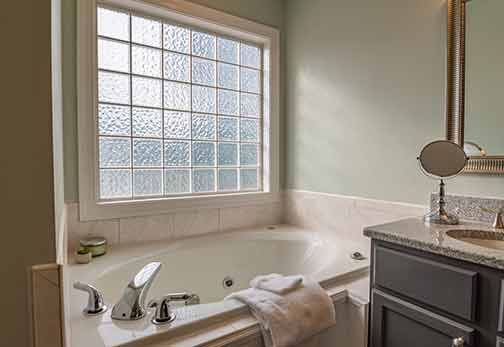
A tub filling with water.

There is no doubt that maintaining a healthy plumbing system is crucial for every homeowner. It ensures the smooth operation of water supply and drainage within the house. While many homeowners focus on visible plumbing issues, they often overlook the significance of regular drain cleaning. Neglecting drain maintenance can lead to many problems, from clogs, backups, and foul odors, disrupting daily activities and even causing costly damage. So, we will explore ways to enhance the lifespan of your home’s plumbing system through regular drain cleaning practices. We will delve into the benefits of proactive drain maintenance and different drain cleaning methods.

Additionally, we will discuss signs that indicate the need for cleaning and the advantages of hiring professionals. By implementing a proper drain cleaning routine, you can ensure the longevity and efficiency of your plumbing system. At the same time, you will save yourself from unnecessary headaches and expenses.

Benefits Of Regular Drain Cleaning Practices

Regular drain cleaning offers many benefits beyond just preventing clogs and backups. One of the key advantages is improved system performance. Over time, debris, grease, soap residue, and other substances accumulate inside them, hindering water flow. Regularly cleaning them can remove these obstructions and allow water to flow freely, ensuring efficient drainage and preventing potential plumbing issues. Another significant benefit is the prevention of clogs and backups. Clogged drains can cause inconvenience and disrupt daily routines. They can also lead to more severe problems, such as overflowing sinks or toilets, which can result in water damage to your home. 

Regular cleaning removes the buildup of debris and prevents clogs from forming, reducing the likelihood of backups and the associated risks. Foul odors emanating from them are a common problem that can make your living space unpleasant. Trapped food particles, grease, or decaying matter in them often cause these odors. Regularly cleaning them can eliminate the source of these unpleasant smells and maintain a fresh and hygienic environment in your home. Furthermore, regular cleaning can lead to long-term cost savings. When drains are neglected, clogs can cause increased pressure on the pipes, leading to leaks, bursts, or even pipe replacement. By investing in regular drain cleaning services, you can prevent such costly plumbing emergencies and extend the lifespan of your plumbing system. 

 A sink filling up with water.

The benefits of regular cleaning are plentiful.

Best Cleaning Methods 

There are several effective methods to choose from for drain cleaning. Two commonly used methods are chemical drain cleaners and mechanical drain cleaning techniques. Chemical cleaners are readily available in stores and are often used as a quick solution for minor clogs. These cleaners break down clog-causing substances like hair, grease, or soap scum. However, it’s important to note that chemical drain cleaners can be harsh and may damage older or more delicate plumbing systems. They pose an environmental risk and can be hazardous if not used properly. Following the instructions carefully and taking necessary safety precautions when using chemical drain cleaners is crucial.

On the other hand, mechanical drain cleaning practices and methods offer a more thorough and long-lasting solution. One popular mechanical method is sewer rodding. A rodding machine, or an auger, is inserted into the drain to break up or retrieve the clog. It clears clogs close to the drain opening, such as in sinks or shower drains. Another mechanical method is hydro jetting. This technique involves high-pressure water to scour the pipes inside and remove stubborn clogs and buildup. Hydro jetting is particularly effective for clearing larger and stubborn clogs and removing mineral deposits and other debris from the pipe walls. Both a sewer rodding service and hydro jetting have their advantages and limitations. Rodding is affordable, readily available, and suitable for minor clogs. On the other hand, a professional hydro jetting service provides a more comprehensive cleaning and is ideal for more severe or recurring clogs.

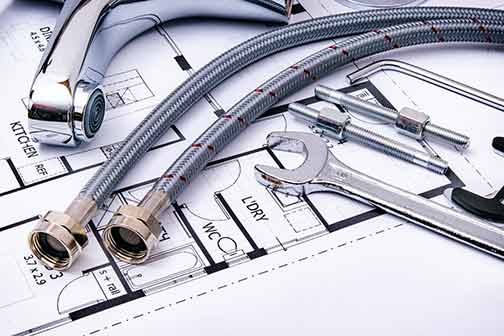
Close-up of tools and plumbing supplies.

Regular cleaning can avoid bigger problems in your home’s plumbing system.

Signs You Need To Clean The Drains 

These signs indicating the need for drain cleaning should never be ignored. They often serve as early warnings of potential plumbing problems. One of the most common signs you may notice is slow drainage. If you notice that water takes longer than usual to empty from sinks, showers, or tubs, it indicates a blockage in the pipes. Another noticeable sign is recurring clogs. When you find yourself dealing with frequent clogs despite your best efforts to clear them, it suggests a buildup of debris or residue in the drains that require professional attention. Unpleasant odors emanating from drains are not just a nuisance. Moreover, they can also indicate the presence of trapped food particles, grease, or other decaying matter. 

Detecting foul smells from your drains indicates that a thorough cleaning is necessary. Gurgling sounds coming from drains or toilets are also potential signs of clogs. These sounds occur when air is trapped in the pipes due to blockages, and they should not be ignored. By addressing these signs promptly, you can prevent more serious plumbing issues. These can include issues such as backups, leaks, or pipe bursts, which can lead to costly repairs and property damage. If you must do major repairs or upgrades to your plumbing systems, moving experts from Ample Moving NJ advise you to put your things into storage. This way, you minimize the chances of them getting damaged during the repairs and upgrades.  Regular drain cleaning is essential to keep your plumbing system running smoothly. Also, it can help you maintain a healthy and hygienic living environment.

A tub in a modern bathroom is kept clean with drain cleaning practices.

These drain cleaning practices can help you easily enhance your home’s plumbing system’s lifespan.

To Conclude 

You can prevent more significant plumbing issues by promptly addressing these signs. You will save yourself from costly repairs and potential property damage. Whether you choose chemical drain cleaners or opt for mechanical methods, it’s important to prioritize cleanliness and functionality. Additionally, seeking the expertise of professional drain cleaning service plumbers can ensure a thorough inspection, effective cleaning, and long-lasting results. By establishing a drain cleaning routine and incorporating proper maintenance practices, you can enhance the lifespan of your home’s plumbing system. In addition, you can enjoy a clean and efficient living environment. Remember, proactive drain cleaning practices save you time and money. Also, they can contribute to your overall comfort and peace of mind.

How Can You Repair Your Pipes While Saving Your Landscape?

How Can You Repair Your Pipes While Saving Your Landscape

Maintaining a healthy home landscape goes beyond having beautiful gardens and lush lawns; it also encompasses preserving the infrastructure that supports it. One of the key components of your landscape’s infrastructure is the piping system that supplies water and irrigation to the various areas of your property. However, over time, these pipes may experience leaks, cracks, or other damages that can lead to significant water loss and potential landscape damage.

To prevent further harm to your landscape and ensure the longevity of your piping system, proper pipe repair techniques are crucial. This article will explore some effective methods to repair your pipes while saving your precious landscape.

Detecting Pipe Issues

Before addressing pipe repairs, it is essential to identify and locate any issues within your piping system. Signs of pipe problems may include low water pressure, unexplained increases in water bills, damp areas on your lawn, or pooling water where it shouldn’t be. Additionally, if you notice an unusual decrease in the health or appearance of your landscape despite regular maintenance, there may be hidden pipe issues contributing to the problem.

To detect pipe issues, it is advisable to hire an underground leak detection service or use specialized equipment such as leak detection devices or thermal imaging cameras. These methods help locate potential leaks, cracks, or clogs within your piping system, enabling a targeted approach to repairs.

Non-Invasive Pipe Repair Techniques

When it comes to repairing your pipes while saving your landscape, non-invasive techniques are the most favorable option. Not only do they minimize disruption to your landscaping, but they also save you from incurring significant costs associated with digging up and replacing pipes.

One popular non-invasive pipe repair technique is trenchless pipe lining or relining. This process involves rehabilitating damaged pipes from within without the need for excavation. A durable lining material is inserted into the existing pipe, creating a new, structurally sound pipe within the old one. Trenchless pipe lining effectively seals cracks, prevents leaks, and improves the overall functionality of the piping system without disturbing your landscape.

Another non-invasive technique is pipe bursting. This method is commonly used to replace sewer lines that are damaged and beyond repair. With pipe bursting, a new pipe is pulled through the damaged one, causing it to burst and displace the remnants while simultaneously installing a brand new pipe. This approach eliminates the need for extensive digging and trenching, minimizing landscape disruption.

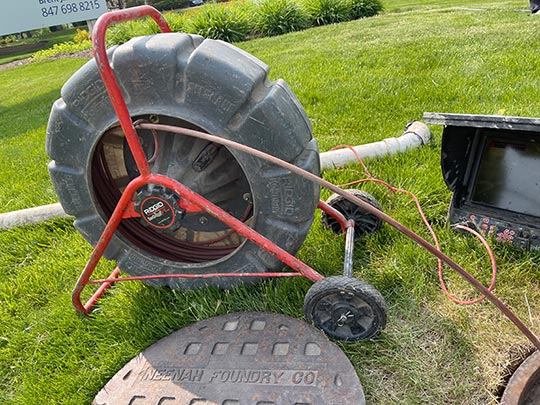
a sewer camera video inspection taking place.

Schedule periodic sewer camera inspections of system to identify and address any sewer line issues promptly.

Preventive Measures for Pipe Maintenance

To ensure the longevity of your pipes and reduce the likelihood of landscape damage, implementing preventive measures is essential. Here are some tips to maintain a healthy piping system and preserve your landscape:

Regular Inspections: Schedule periodic camera inspections of sewer system to identify and address any sewer line issues promptly. Timely identification can prevent minor problems from escalating into major ones, saving you time, money, and potential landscape damage.

Proper Planting Techniques: When landscaping your property, be mindful of the proximity of plants, trees, or shrubs to your piping system. Plant roots can pose a risk of intrusion, leading to cracks or blockages. Consult with a professional landscaper to ensure proper plant placement, especially near buried pipes.

Adequate Drainage: Proper drainage systems play a vital role in maintaining the health of your landscape and preventing water accumulation near pipes. Ensure proper grading, install drain covers, and regularly clear debris from gutters and downspouts to minimize the risk of water-related pipe damage.

Insulate Exposed Pipes: In colder climates, insulating exposed pipes is crucial to prevent freezing and potential burst pipe emergencies. Burst pipes not only impact your piping system but can also cause extensive damage to your landscape if left unaddressed.

Educate Household Members: Teach everyone in your household about the significance of water conservation and responsible water usage. By avoiding excessive water usage, you can reduce the strain on your piping system, minimizing the chances of leaks or damages that may affect your landscape.

The Importance of Professional Assistance

While some minor pipe repairs can be handled by homeowners, it is often recommended to seek professional assistance for significant or complex issues. Experienced plumbers have the knowledge, tools, and expertise necessary to diagnose and repair pipe problems efficiently without causing additional damage to your landscape. Hiring a professional plumber ensures that plumbing repairs are conducted accurately, providing long-lasting solutions and peace of mind.

In conclusion, protecting your landscape while repairing your pipes is not only possible but also essential for maintaining a healthy and visually appealing outdoor environment. By utilizing non-invasive repair techniques, implementing preventive measures, and seeking professional assistance when needed, you can repair your pipes without compromising the beauty and integrity of your landscape for years to come.

The Role of Sewage Ejector Pumps in Preventing Basement Flooding

Role of Sewage Ejector Pumps in Preventing Basement Flooding

Basements are a valuable space in any home, providing additional living or storage areas. However, one of the most common issues that homeowners face with their basements is flooding. Basement flooding can cause significant damage to property and pose health risks due to the presence of sewage. To address this problem, sewage ejector pumps play a crucial role in preventing basement flooding.

Understanding Sewage Ejector Pumps

Sewage ejector pumps are devices designed to remove wastewater and sewage from the lower levels of a building, such as basements, where gravity drainage is not possible. These pumps are typically installed in a dedicated pit or basin, below the level of the drainpipes. When wastewater from various sources, such as toilets, sinks, and showers, enters the pit, the pump is activated and pumps the waste up and out of the basement, connecting it to the main sewer line.

One of the primary reasons sewage ejector pumps are installed is to prevent basement flooding. These pumps ensure that wastewater is efficiently and safely removed from the basement, reducing the risk of water damage and contamination. Let’s explore some of the key roles sewage ejector pumps play in preventing basement flooding:

Efficient Water Removal

Sewage ejector pumps are specifically designed to handle the solid and liquid waste found in wastewater. These powerful pumps can effectively remove large volumes of wastewater from the basement, ensuring it is swiftly and efficiently transported away from the property. By promptly removing excess water, the risk of basement flooding is significantly reduced.

Prevention of Backflow

Backflow occurs when wastewater flows back into the basement due to issues in the sewage system, such as a blockage or overload. This can happen during heavy rainfall or when the sewer system becomes overwhelmed. Sewage ejector pumps help prevent backflow by actively pumping wastewater out of the basement and into the sewer system, ensuring that water flows in the intended direction and doesn’t reverse its course, leading to potential flooding.

Protection Against Sinkhole Formation

If excess groundwater enters your basement due to heavy rain or improperly drained landscaping, it can weaken the soil beneath your foundation and lead to sinkhole formation. Sewage ejector pumps help mitigate this risk by removing any excess water before it seeps into the soil. By removing the water promptly, the pumps prevent soil destabilization, ensuring the structural integrity of your foundation remains intact.

Overall Home Safety

In addition to preventing basement flooding, sewage ejector pumps contribute to the overall safety of your home. Flooded basements can pose electrical hazards and promote mold and bacterial growth. By efficiently removing wastewater and preventing basement flooding, sewage ejector pumps minimize the potential for these hazards, creating a safer and healthier living environment.

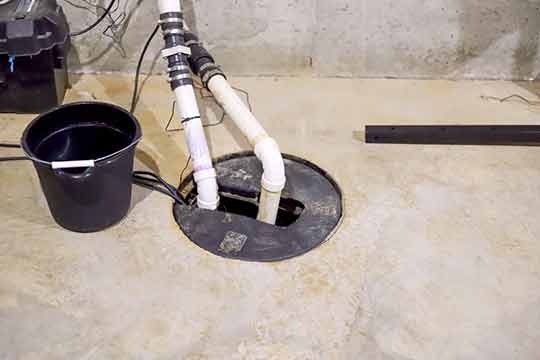
a sewage ejector pump being installed.

To ensure the proper functioning of sewage ejector pumps and prevent basement flooding, regular maintenance is essential.

Maintenance and Considerations

To ensure the proper functioning of sewage ejector pumps and prevent basement flooding, regular maintenance is essential. Here are a few considerations to keep in mind:

  • Schedule annual inspections and maintenance by a professional plumber to identify potential issues and ensure proper pump operation.
  • Test the pump regularly by pouring water into the pit to verify that it activates and pumps the wastewater out of the basement effectively.
  • Avoid flushing items like diapers, paper towels, or other non-biodegradable materials, as they can clog the pump and impede its performance.
  • Consider installing a high-water alarm system that alerts you if the water level in the pump pit rises above a safe threshold.

By following these maintenance tips and considering the necessary precautions, you can maximize the efficiency and lifespan of your sewage ejector pump, reducing the risk of basement flooding and ensuring its consistent performance over time.

Wrapping It Up

Sewage ejector pumps play a vital role in preventing basement flooding by efficiently removing wastewater from basements where gravity drainage is not possible. These pumps effectively prevent backflow and protect against sinkhole formation, contributing to the safety and integrity of the home. Regular maintenance and considerations are essential to ensure the proper functioning of sewage ejector pumps. By investing in the installation of a sewage ejector pump and taking appropriate precautions, homeowners can safeguard their basements against flooding, promoting a secure and healthy living environment for their families.

Does Homeowners Insurance Cover Sewer Line Repair?

Does Homeowners Insurance Cover Sewer Line Repair

As a homeowner, it is important to understand the extent of coverage provided by your homeowners insurance policy. Home maintenance and repairs can be expensive, and unexpected issues like a damaged sewer line can cause significant financial strain. Many homeowners wonder whether their insurance will cover the costs associated with sewer line repairs. In this article, we will explore the topic in-depth and provide you with the information you need.

Understanding Homeowners Insurance Coverage

Homeowners insurance typically covers a wide range of perils and damages, including fire, theft, and certain natural disasters. However, policies often have exclusions and limitations, which can vary depending on the insurance provider and the specific policy you have. It is crucial to carefully review your policy documents to understand the coverage you have and the scope of exclusions.

The Importance of Sewer Line Maintenance

Your home’s sewer line plays a crucial role in the proper functioning of your plumbing system. It transports wastewater from your home to the municipal sewer system or a septic tank. Over time, sewer lines can develop issues due to aging, tree root intrusion, ground settlement, or shifting soil. It is important to understand that maintenance and repairs of sewer lines are generally the homeowner’s responsibility.

a homeowners insurance policy.

If the sewer line becomes damaged due to a sudden and accidental event, such as a vehicle crashing into your property and damaging the line, your insurance policy might cover the repairs.

Does Homeowners Insurance Cover Sewer Line Repair?

The coverage for sewer line repairs can vary depending on the insurance provider and the specific policy. In general, standard homeowners insurance policies do not cover damage or repairs to the sewer line caused by wear and tear or aging. However, there are instances where coverage may be available:

  • If the damage to the sewer line is a direct result of a covered peril, such as a tree falling on the line during a storm, the cost of repair may be covered.
  • If the sewer line becomes damaged due to a sudden and accidental event, such as a vehicle crashing into your property and damaging the line, your insurance policy might cover the repairs.

Additional Coverage Options

While standard homeowners insurance policies may not cover sewer line repairs, some insurance companies offer optional coverage for service line protection. This coverage, often available as an endorsement or add-on to your existing policy, can provide coverage for repairs or replacement of damaged sewer lines or other service lines on your property.

It is essential to carefully review the terms, conditions, and coverage limits of any optional endorsements and add-ons for service line protection. These additional coverages may have exclusions, waiting periods, and deductible requirements, so it is important to understand the specifics.

sewer camera equipment in chicago.

Have regular camera inspections of your sewer line conducted by a professional to identify potential issues before they become major problems.

Taking Preventative Measures

While insurance coverage for sewer line repairs may have limitations, it is always a good idea to take preventative measures to reduce the likelihood of expensive repairs. Here are some steps you can take:

Have regular camera inspections of your sewer line conducted by a professional to identify potential issues before they become major problems.

Avoid planting large trees near the sewer lines to minimize the risk of root intrusion.

Be cautious of what goes down your drains and toilets. Dispose of grease, oil, and non-flushable items properly to prevent clogs and damage to the sewer line.

If you notice any signs of a potential sewer line issue, such as slow drains, foul odors, or sewage backup, promptly address them to prevent further damage.

In Conclusion

In most cases, homeowners insurance policies do not cover the repair costs associated with damaged sewer lines due to wear and tear or aging. However, coverage may be available if the damage is caused by a covered peril or a sudden and accidental event. Consider reviewing your policy documents and exploring optional coverage options, such as service line protection endorsements, to better protect yourself from unexpected expenses. Taking preventative measures and conducting regular inspections of your sewer line can help minimize the risk of costly repairs in the future.