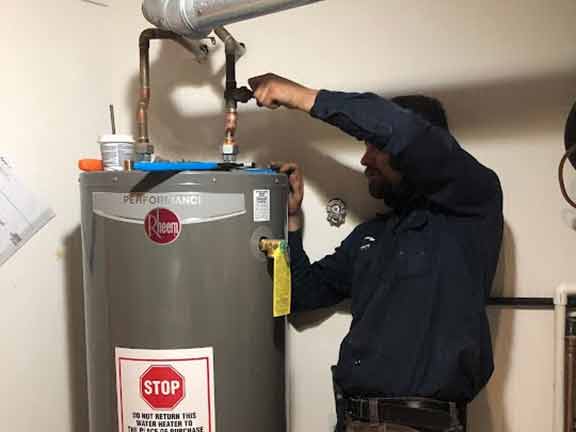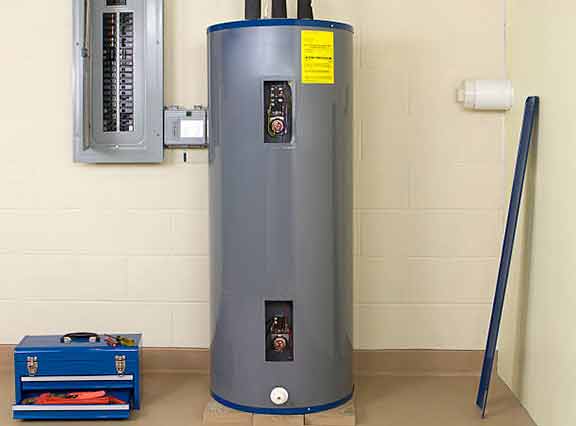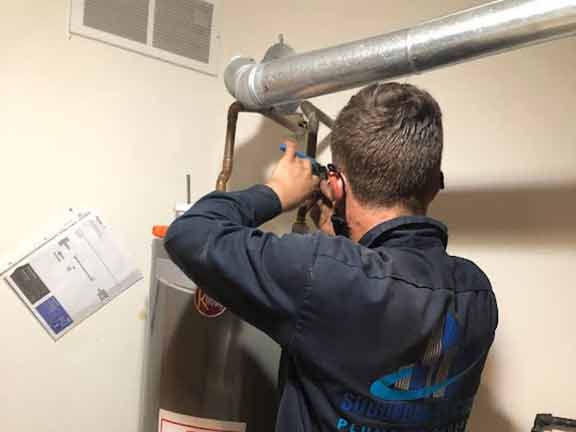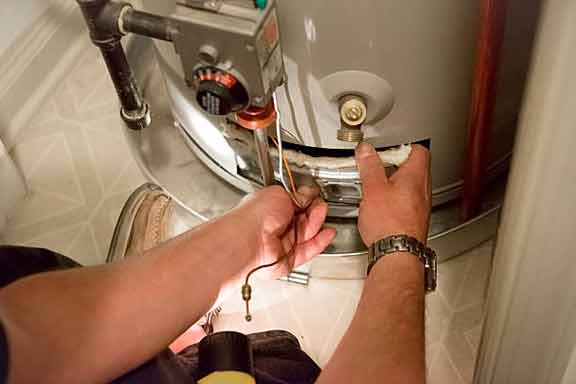
Yes, if your water heater is no longer doing the very thing it was designed to do (heat water), it may be time to replace it. Keyrenter West Seattle notes that every homeowner knows that the water heater in their basement (or wherever yours is) and indeed every home appliance has an expiration date.
But how do you know when your water heater reaches the end of its service life? The fact is, there is no specific “Use Before” date for your water heater. Instead, the manufacturer has a projected number of years that they expect the unit to function optimally.
As this time period approaches, your water heater may become less efficient. For traditional water heaters, this estimated lifespan is 8-12 years (for gas units) and 10-15 years (for electric units). For various reasons, tankless water heaters last slightly longer, 15-20 years.
Beyond aging, other factors play a role in how long a water heater lasts. The first is maintenance. How well a water heater is cared for is the biggest factor in its performance. The water quality in your area and the demand placed on the unit are two more critical factors.
What are the signs that your water heater is nearing the end of its useful life and due for retirement?
5 signs that it is time to replace your water heater
- Not enough hot water
If the water heater used to produce enough hot water for your family’s needs (showers, dishes, and laundry) but no longer does, it is a sign that the unit is failing. Basically, if your home’s water usage pattern has not changed (the size of your household has not increased), but you find yourself running out of hot water faster than you used to, you may need to replace the water heater.
- Strange noises
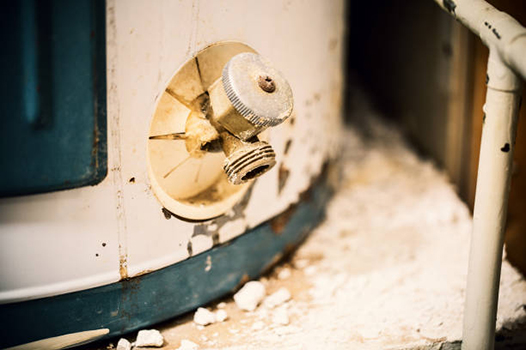
Strange noises from your water heater are a sign of bigger issues with the unit. It is normal for a water heater to make a humming sound when working. But if you hear whistling, popping, cracking, or hissing sounds from the unit or the sound of boiling water, there may be a lot of sediment buildup inside the tank. If you can’t remove the buildup by flushing the tank, you will need to replace the unit.
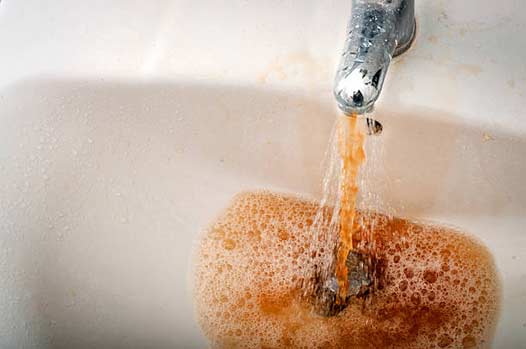
- Rusty or discolored water
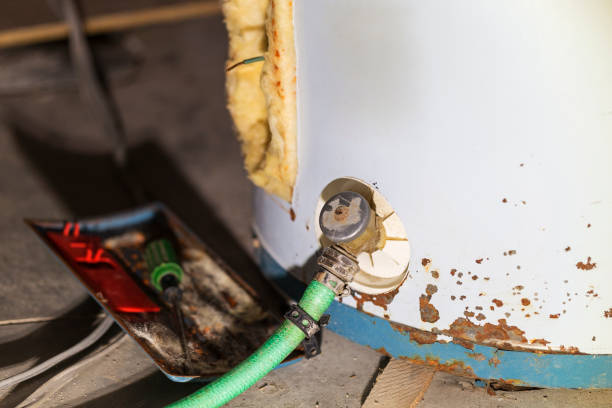
This means you have a lot of rust and corrosion going on inside the water heater tank or its connected water pipes. If your water heater tank is rusting from the inside, it will add a metallic taste and a brownish or yellowish color to your hot water. It is only a matter of time before that tank starts to leak. Meanwhile, the deteriorating tank may leak toxins into your hot water supply.
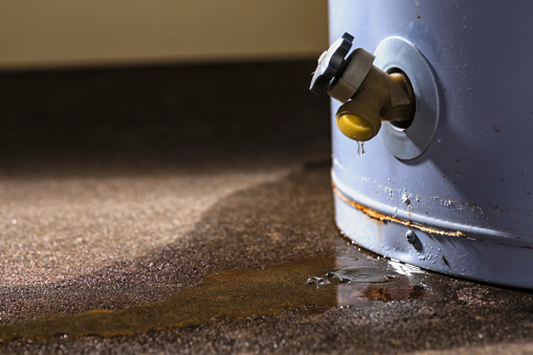
- Leaks around the base
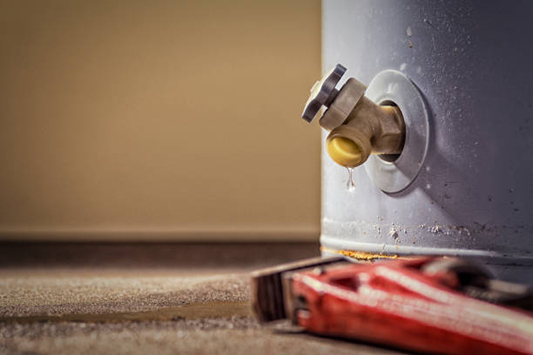
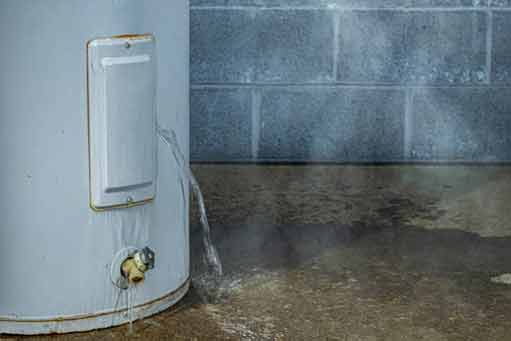
If you constantly find pools of water near your water heater, you should be worried. This often means there is a leak in the tank, connecting pipes, or TPR valve. Leaks in the TPR valve and the water heater’s connecting pipes can be fixed. But if the water heater tank is leaking, especially from its base, there is nothing you can do about it. The only solution is to replace the unit.
- High energy bills
An aging or failing water heater will use more energy, causing your bills to spiral out of control. That is because the unit must work harder to heat the same amount of water as before, with the result that it will use up more energy than it should. If you see strange spikes in your home’s energy bill, that could be a sign that it is time to replace your water heater.
How to prolong the life of your water heater
The following three maintenance steps will help to prolong the life and efficiency of your water heater if you do them periodically.
- Flush the tank
This should be done once every year, especially if the water quality in your area is poor. Flushing will remove any mineral buildup and debris inside the water heater tank. Buildup of debris in water heater tanks is a major contributor to rust and inefficiency.
- Replace the anode rod
Also known as the sacrificial anode rod, this feature helps protect the water heater by attracting corrosive elements that would have attacked the tank itself. This eventually leads to the anode rod corroding and needing to be replaced.
- Test the pressure relief valve
The temperature and pressure release (TPR) valve is found on the side of your water heater tank. It helps to balance water temperature and air pressure within the tank. If this valve stops working, there’s a risk of your water heater tank exploding.
If, after going through the above signs of a failing water heater, you decide that your water heater needs to be replaced, it is a good idea to work with a local plumber.
An experienced plumber will evaluate your home’s hot water needs and other essential factors to ensure you choose a water heater that will serve your household adequately.