Tag Archives: plumbing

How to Temporarily Fix a Plumbing Leak

How to Temporarily Fix a Plumbing Leak

Plumbing leaks can be a frustrating and potentially costly problem for homeowners. While it is always recommended to call a professional plumber to repair any leaks, some temporary fixes can be done to minimize damage and prevent further leaks. Here we will discuss several methods to temporarily fix a plumbing leak. 

Shut off the water supply

The first step in addressing a plumbing leak is to shut off the water supply to the affected area. This can be done by turning off the main water valve for your home or by shutting off the valve for the area where the leak occurs. 

Identify the source of the leak

The next step is to identify the source of the leak. This can be done by visually inspecting the pipes or by using a leak detection tool. Once the source of the leak has been identified, you can determine the best method for temporarily fixing the problem. 

Use a pipe clamp

One of the easiest ways to temporarily fix a leak is by using a pipe clamp. Pipe clamps are available at most hardware stores and can be used to seal small leaks in pipes. Simply place the clamp over the leak area and tighten the screws to create a tight seal. 

Apply epoxy putty

Epoxy putty is another temporary fix for plumbing leaks. This putty can be molded into the shape of the leak and then allowed to dry. Once the putty is dry, it will create a seal that will prevent further leaks. 

Use duct tape

While duct tape should not be used as a long-term fix for plumbing leaks, it can be used as a temporary solution. Simply wrap the tape tightly around the area where the leak is occurring. Be sure to use enough tape to create a tight seal. 
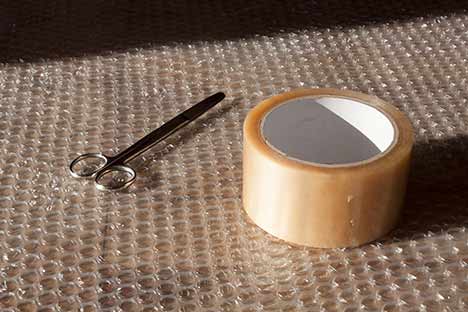
duct tape and scissors.

Duct tape is a good quick fix

Apply a rubber patch

If the leak occurs in a larger area, a rubber patch can be used to fix the problem temporarily. These patches are available at most hardware stores and can be applied over the leak to create a tight seal. 

Use a compression fitting

Compression fittings can be used to fix leaks in copper pipes. These fittings are available at most hardware stores and can be used to create a tight seal over the leak. 

Tighten loose connections

Sometimes, plumbing leaks are caused by loose connections. In these cases, simply tightening the connection may be enough to stop the leak. Use a wrench to tighten the connection, and be sure to check for leaks again after tightening. 

Use a hose clamp

Hose clamps can be used to fix leaks in hoses temporarily. Simply place the clamp over the area where the leak occurs and tighten it to create a tight seal. 

Replace damaged parts

If the leak is caused by a damaged or worn-out part, such as a washer or gasket, it may be necessary to replace the part. These parts can be purchased at most hardware stores and are relatively easy to replace. 

A quick tip before we continue 

If you are moving into a new home or apartment, experts at Here & Now Movers advise inspecting the plumbing for any potential leaks or issues. This can help you avoid costly repairs and ensure your move goes smoothly. During the inspection, check the pipes, faucets, and appliances for any signs of leaks or damage. This can include water stains, mold, or musty odors. 

It is also a good idea to ask the previous owner or landlord if they have experienced any plumbing issues in the past. By taking these steps, you can quickly catch any potential problems and avoid unexpected issues during your move. Additionally, if you notice any leaks or issues, be sure to address them before moving in to prevent further damage or issues down the line.
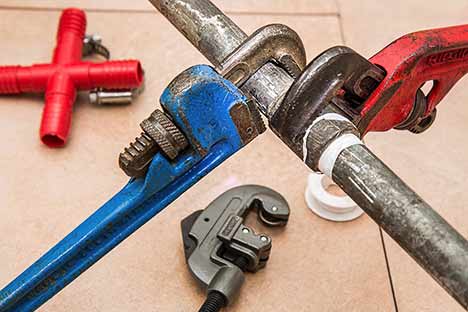
pipes being fixed.

Inspecting a house before buying it is important

Once you have successfully applied one of the temporary fixes listed above, it is important to closely monitor the affected area for any signs of further leaks. Keep an eye on the repaired area and check for any signs of water or moisture. If you notice any new leaks, you may need to apply another temporary fix or contact a professional plumber for a more permanent solution.

It is also important to remember that while these temporary fixes can provide a quick solution, they are not permanent. In some cases, the only way to completely fix a plumbing leak is by replacing the damaged pipe or fitting.

Keep in mind 

While temporary fixes can provide a quick solution for plumbing leaks, it is always recommended to contact a professional plumber for a more permanent fix. These temporary fixes can minimize damage and prevent further leaks but are not long-term solutions. By taking preventative measures and staying vigilant, you can avoid plumbing leaks and keep your pipes in good working condition.
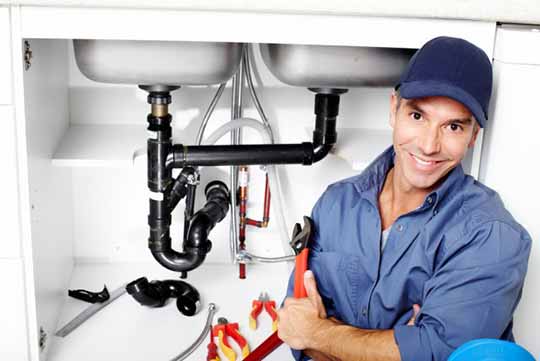
plumber ready to fix a leak.

Professionals can provide a permanent fix

Avoid the leaks

In addition to temporary fixes, there are some preventative measures you can take to avoid plumbing leaks in the future. Regularly inspect your pipes and fittings for any signs of damage or wear, and replace any worn or damaged parts as soon as possible. Keep an eye on your water pressure, as high pressure can put extra strain on your pipes and increase the likelihood of leaks. 

Another important preventative measure is to be mindful of what you flush down your drains. Avoid putting grease, oil, or other materials down your drains that can clog your pipes and cause damage. Regularly clean your drains and use a drain screen to prevent debris from entering your pipes.

In conclusion

Plumbing leaks can be a frustrating problem for homeowners. While it is always recommended to call a professional plumber to detect and fix any leaks, some temporary fixes can be done to minimize damage and prevent further leaks. By following the tips outlined in this article, you can temporarily fix a plumbing leak until a plumber can address the problem. 
Why You Should Always Opt for a Local Plumber in Chicago

Why You Should Always Opt for a Local Plumber in Chicago

Your home’s relationship with your plumber is like your relationship with your family physician. Although the relationship is professional, it has a personal dimension. Because the doctor has watched your body transition through various stages of life, they are intimately familiar with your body’s health needs.

In the same way, Abacus Avenue Management explains, you also want your plumber to have a familiar knowledge of your home’s plumbing system. When there is an issue with the water pipes or drains, you don’t want someone who will deal with those problems in isolation from other issues in the system. You want them to adopt a holistic approach that considers your home’s history.

How do you build that relationship between yourself, your home, and your plumber? A simple way to do this is to find a professional and experienced plumber who is local and stick with them. When looking for a plumber, you can choose between a national/regional company and a plumber who operates within your community.

Why you should always choose a local plumber

Here are six reasons you are better off working with a local plumber.

Reputation

A good reputation is probably the most important quality you want in your plumber. You will understand just how important this is if you have ever had a plumber make a problem worse than it was in the beginning. 

It is easier to verify the claims of a plumber if that person is local versus when they are not. Your neighbors may be able to share first-hand experiences of working with the plumber. 

It is also more accessible to follow up on the references a local plumber shares with you. When dealing with a non-local plumber, you often only have the company’s word regarding their reputation.

Personal touch

When working with a local plumbing company, you can put a face to the company’s operations. You know exactly whom you are dealing with because you meet the company’s owner and the staff. You can build a relationship with the organization. This is important when solving plumbing issues in your home since people are nicer to people they know. 

You cannot get this kind of treatment when you hire a non-local company. First, the chances that you will meet the owner or principal officers of the organization are very slim. Second, the company’s employees are constantly being rotated, and you never know whom you will get.

Flexibility

The employees of the non-local company who fix the plumbing issues in your home often don’t have the power to make crucial decisions. But a local company can make decisions on the fly; it is easy to agree with them on what needs to be done and how it should be done.

A local plumber does not have to wade through layers of red tape before acting. In a couple of minutes, you can decide with your plumber; this is very important when dealing with plumbing emergencies. A local plumber’s flexibility can save you tons of time and money. 

Availability

When dealing with plumbing issues in the home, it is vital to have a plumber who is available 24 hours. Because the plumber lives in your community and you have a personal relationship with them, it is easier to get your local plumber to come to your home at odd hours. 

Access to 24-hour service every day of the week can make all the difference when dealing with emergencies such as burst pipes, clogged drains, sewage backups, or plumbing issues with the potential to cause massive damage. Not having to wait hours for a plumber will save you money.

Affordability

Local plumbers are more affordable and more effective than non-local plumbers and chain companies such as Roto-Rooter and the like. Why is this? Local plumbers treat customers like friends and family. This is quite unlike non-local plumbers, where the customer is a number or faceless name. 

Additionally, non-local plumbing companies have considerable overheads to worry about, and their primary concern is the bottom line rather than maintaining the relationship with their customers. As a result of these differences, the local plumber charges less money for their services, even though they are better.

Informed

Finally, a local plumber will have an intimate knowledge of the area. They know the common plumbing problems and the solutions that have worked for them in the past. The local plumber is used to the water issues peculiar to your area and the piping systems used in homes. 

They do not have to look long and hard to understand the problems in your home, even if they are visiting for the first time. Overall, this can amplify the plumber’s efficiency and also help you cut costs.

When looking for a plumber to service your home, look no further than your friendly, local plumber.

Are you looking for a local plumber in Chicago? We can help! Contact us at 773-599-9181 or by form below:

Important Questions to Ask a Chicago Plumber Before Hiring

Important Questions to Ask a Chicago Plumber Before Hiring

Finding the right plumber when you have plumbing issues in your home is more than half the effort of solving the problem. A good plumber looks holistically at your plumbing systems, instead of simply focusing on the single issue you reported, as amateurs do. That plumber not only solves the plumbing problem but also helps you prevent future problems.

How do you find that kind of plumber?

Most homeowners wait until there is a pressing problem with their plumbing before they look for a plumber, says Envy Property Management. When you do this, chances are you won’t care much about the qualifications of the person you hire. You just want them to make the problem go away. This is one reason why plumbing problems in your home are never completely solved.

To find a qualified Chicago plumber, you should start the process long before there are issues with your home’s plumbing. This will help you avoid the anxieties that lead to hiring the wrong person. 

So, what criteria should you use when trying to find a plumber for your home? If you live in the Chicago area, the list below will answer that question for you.

Are they local or national?

A national chain may have all the right people but the two things they lack are flexibility and a personal touch. These are important when looking for a plumber. You want a local company that you can build a long-term relationship with. That plumber should come to know your home’s plumbing intimately so that they can diagnose and solve problems quickly and economically.

What kind of plumbing services do they provide?

When looking for a local plumber for your home, you do not want to hire a commercial plumber in Chicago. Commercial and residential plumbing systems are very different, and a commercial plumber may not give you the kind of service you need in your home. Only hire a commercial plumber if they also provide residential plumbing services.

Ask about licensing, qualifications, and memberships

Plumbers in Chicago are required to have up-to-date licenses to practice in the city. Check that the plumber is properly licensed by the city. You will also want to know if they are members of the local chapter of their professional organization. The training of the employees who will be doing the work matters, so make sure to ask about that.

How long have they been in business?

Experience counts: not everything is learned in training. The longer a plumber has been in business, the more time they have had to gain the needed expertise to solve the most difficult plumbing issues. The other reason to hire an experienced plumber is you can use them as your sounding board; they become a trusted adviser on all plumbing issues.

Are they bonded and insured?

What kind of insurance do they have? How much insurance do they carry? The plumber’s insurance policy should include worker compensation for any worker who is injured while on your property, liability insurance to protect you from lawsuits, and property insurance if your property is damaged by their workers.

What do others say about them?

The company should have an online footprint that you can follow. Check online review sources to see what people are saying about them. Look out for negative reviews and pay particular attention to how the company responds to those. Some online sources where you can look for reviews are BBB (Better Business Bureau) and Yelp.

Can they provide references?

Ask the plumber for a verifiable list of people who have used their services in the last year. These should be people who live in Chicago. Ask the plumber’s permission to contact these references. Make sure to call some of the people on the list to find out what their experience of working with the plumber was like.

Do they offer a warranty on their work?

What happens if there are issues with a job the company did for you? Will they fix the problems at no cost to you? Will there be a warranty on the parts they supply? If there are warranties, you will want to know the terms and conditions attached to them. Warranties should be gotten in writing.

How will they estimate the cost of the job?

Will they provide a free estimate? How do they arrive at that estimate? Will you get a quote over the phone, or should you expect them to do a home inspection? You want your plumber to have the right information about a problem before quoting on the job. Do not work with plumbers who attempt to give you a quote over the phone.

How do they charge?

Do they use hourly rates or flat rates? With flat rates, you know what you are paying for a job, but hourly rates can be unpredictable. You also want to see the contract and payment terms. Do they expect you to pay upfront, halfway through the job, or after the work is completed?

In need of the best plumbing services in Chicago? Contact us at 773-599-9181 or by form below!

How to Save Money and Water Using Plumbing Fixtures

How to Save Money and Water Using Plumbing Fixtures

An efficient building is not only sustainable but cost-efficient as well. One way of saving operational costs is through the strategic use of the water supply using various plumbing fixtures. To reduce water costs, you can use these fixtures and tips to ensure that you are using your water efficiently:  

Regular Maintenance  

The primary cause of water waste is leakage, and you might not see them until they necessitate a significant repair. Minor plumbing issues that you initially thought were irrelevant can cause considerable damage and inconvenience to the building occupants.  

A well-maintained plumbing system can help you reduce costs. A plumber will inspect for leaks in the faucets, drainage, and toilets during the inspection.  

Install access doors in critical locations to make things more convenient for the plumber during maintenance or repair. A stainless steel access door with a surface mount is an excellent way of providing access to plumbing components while protecting them from unauthorized access.  

Install a Quality Shower Head

Another standard fixture notorious for wasting water is broken or outdated shower heads. Experts suggest using high-quality shower heads since traditional models use up to two and a half gallons of water per minute. Newer models effectively reduce the volume of water that travels through the shower head. 

Invest in Valves That Reduce Pressure  

A skilled plumber must check the water pressure as routine maintenance. If the PSI is unusually high, they may advise you to install a pressure-reducing valve (PRV). It’s applicable in many settings, including apartments, where the average plumbing system can operate at 35 psi.  

The issue is that many people are unaware that they are using significantly more pressure than is necessary. You can reduce water pressure by installing these valves on your main supply line. It reduces the amount of waste and extends the life of your plumbing.  

a water saving showerhead.

Experts suggest using high-quality shower heads since traditional models use up to two and a half gallons of water per minute.

Switch to High-Efficiency Toilets   

Older toilets tend to use about 3.5 gallons every flush and are a significant source of water waste. Newer, highly efficient models can cut flush volume to as little as 1.3 gallons. These toilets can reduce flushes by incorporating gravity and air pressure into the design. The upgraded feature allows the removal of waste without consuming much water.  

The following are examples of variations that you can apply to your setting:  

  • Waterless urinals for commercial use  
  • Dual flush toilets  

 Install Water-Saving Faucets   

Decreasing the volume of water you utilize will help you save money and energy. According to the EPA, faucets account for 15% of indoor residential water use. Another study found that water-saving taps can keep your water consumption by 15%. As a result, it would be best to upgrade your faucet to one suitable for your plumbing fittings.  

Purchasing gaskets and aerators for your tap is also a wise decision. You can reduce water flow while keeping the pressure when you do so. The update will reduce your water consumption from 2.2 gallons to 1.5 gallons per minute.  

 Recirculate Your Hot Water Systems  

The distance between you and your heat source may cause some water waste. The farther it is from the outlet, the longer it takes for you to get your hot water. It can waste water if you wait for the correct temperature. Prevent this by recirculating the pump transporting water to the outlet.  

Check if your system sends hot water from your supply to your taps or showers to prevent waste from the cold water that drains as you wait. You can also conserve water by doing regular water heater maintenance to prolong the life of your water heater.  

The Takeaway  

Maximizing your potential to save water by making your plumbing more efficient is necessary for this day and age as many industries aim toward sustainability.

Knowing and understanding the benefits and how they impact your building over time would require professional help, so ensure that you work closely with an expert plumber to guarantee the best outcome for your setting.  

Problems with DIY Plumbing Repairs

local chicago plumber

Home plumbing issues are diverse and whenever something fails in one of the home plumbing facilities, the possibility that you will be shelling out money to have it fixed is high. The overall amount to fix small plumbing issues at home can sum up to a huge chunk of cash at the end of the year.

One of the best ways to minimize the cost of solving problems with your plumbing is to understand how the system works. As a homeowner or a landlord, says Vineyard Property Management, you should know how to prevent, diagnose, and fix certain plumbing issues in your home. It makes no sense to call a plumber for problems you can handle yourself.

Meanwhile, a do-it-yourself way of fixing plumbing issues in your home can also be a nightmare. DIY plumbers are in trouble once they start thinking of themselves as professional plumbers. What you can learn from a YouTube video is not the same as what a professional plumber has.

Not understanding the abilities of your own DIY skills will create more problems for you with the plumbing than you are trying to solve. Your house’s plumbing is gigantic, complicated, and made up of interconnected systems. A small issue in one part of the plumbing will cause bigger ones somewhere else.

The majority of the amateur plumbers are not aware of the real complexity of a home’s plumbing. Due to this, they will proceed with projects without knowing the whole picture of the system. What actually happens is they tend to amplify the existing problems and create bigger issues for themselves.

What are some of the DIY plumbing repairs that homeowners encounter?

Increased risk of flooding

The margin for error when fixing plumbing problems in the home is very narrow. Small things you overlook can result in consequences that are several times worse than the original problem. 

It is not uncommon for the home to get flooded as a result of mistakes during a DIY plumbing repair. This happens because amateur plumbers do not follow a systematic routine and they can also fail to turn the water off.

Superficial fixes

Most DIY fixes focus on the immediate rather than the remote causes of a problem. The concern of the homeowner is to eliminate urgent and distressing issues. As a result, DIYers do not do a proper diagnosis of the issue but only apply superficial fixes. 

The result of doing that is the underlying problem is left to persist and grow worse. When it is eventually discovered, it will cost a lot more money to solve than it would have if it was detected earlier.

Recurring problems

Without attention from a licensed plumber, your home’s plumbing systems will deteriorate at a faster rate. Firstly, the prevalence of shoddily done DIY fixes will combine to make the system more prone to damage. 

plumber in chicago

Secondly, the lack of attention by a professional plumber will increase the rate of natural wear and tear. The issues of a plumbing system will steadily become worse if that system does not get the professional care it requires.

Exposure to safety hazards

In addition to pipes and connections, the plumbing system in your home also has components that use gas and electricity. Fiddling with appliances like water heaters and washing machines when you don’t have the necessary training is a recipe for disaster. 

Moreover, some plumbing repairs require the use of power tools that can easily cause injuries. Lastly, slips and falls are common when doing plumbing repairs. Protect yourself by leaving the job to a professional.

Lost time and avoidable delays

There is nothing like a plumbing emergency to get you to rearrange your plans. The danger of flooding posed by the problem and the chance that you will be without water, makes solving the problem urgent. 

The frequency of disruptions to your work schedule and lifestyle increases with the number of plumbing issues in the home. A professional plumber can help you prevent plumbing problems that show up at the most inopportune times.

Higher system maintenance cost

DIY repairs are more impromptu than they are systematic. A DIY approach to solving your home’s plumbing issues prevents you from adopting a preventative maintenance schedule that is based on timely inspection of the plumbing. This narrow focus on solving short-term problems will cost you more money in the long run because it is easier and cheaper to manage your home’s problems when you can anticipate the issues.

diy plumbing

In conclusion, when maintaining the plumbing system in your home, it is important to make a distinction between what you can do and what you should not try to do. Minor repairs like changing faucet aerators or unclogging the toilet with a drain snake are things every homeowner should be able to DIY. More complex plumbing repairs are best left to a local plumber.

Hiring a local plumber when you need to will ensure your personal safety, protect your home’s plumbing system and also minimize your plumbing expenditure.