Tag Archives: plumber

A Proactive Approach to Residential Plumbing Maintenance: Identifying and Preventing Common Issues

Proactive Approach to Residential Plumbing Maintenance

Problems in your home’s plumbing don’t just happen overnight. Most times, they take weeks or months to unfold. The reason a lot of the plumbing issues in homes happen as emergencies is because the early signs of the problem are undetected or they were overlooked.

Because most plumbing issues in the home are preceded by warning signs, it is possible to prevent them. If you are keen to minimize your plumbing maintenance costs and prolong the life of your plumbing, Rockbridge Real Estate says you need a system for early detection and quick resolution of problems.

In this post, we identify four of the most common plumbing issues in homes and explain what you can do to prevent them.

4 common plumbing issues in homes and how to prevent and solve them

Clogged drains

Clogged drains happen when solid or semi-solid materials inside the drainpipes prevent wastewater from flowing freely through the drainage system.

Causes of drain clogs:

  • Hair inside shower drains
  • Dumping grease into the kitchen sink
  • Flushing materials other than toilet paper and human waste into the toilet
  • Too much soap scum mixing with grease inside the drains
  • Small items that fall into the toilet or other drains

Signs of a clogged drain include:

  • Slow draining sink or shower
  • Water collecting in toilet bowl instead of flushing
  • Gurgling sounds when you flush the toilet
  • Movement in nearby drains when you use the washer
  • Odor of sewage gases in the home

How to prevent the problem:

  • Install strainers over drain openings
  • Never pour grease into the drain
  • Only flush toilet paper into your toilet
  • Call a professional plumber if you see any of the above signs
  • Have the drainage system inspected and cleaned once a year
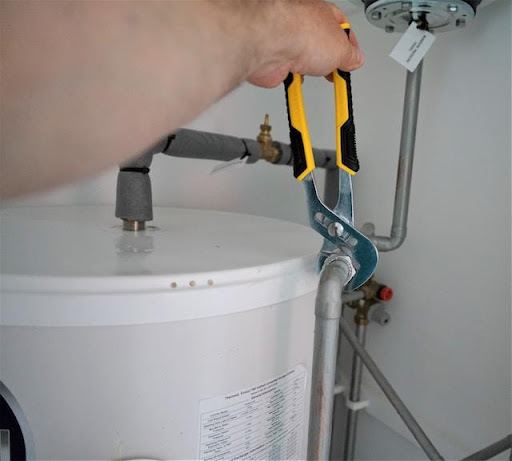
leaky pipes in a home.

The main problem with leaky pipes is the problem is notoriously hard to detect.

Leaky faucets and pipes

A leaky pipe won’t only waste water and increase your water bills but can cause massive damage to flooring, walls, cabinets and even the building foundation. The main problem with leaky pipes is the problem is notoriously hard to detect. That is because pipes are often found in inaccessible parts of the home. Leaky faucets, on their part, will also waste your water, but they are more of a nuisance due to the irritating sound of constant dripping.

Causes:

  • Excessive water pressure can cause pipes to leak
  • Extreme temperature changes will cause pipes to freeze and burst
  • Sediments inside pipes can also make them prone to leak
  • Weak pipe joints will cause leaks
  • In faucets, the main cause of leaks is a damaged washer

Signs of leaky pipes and faucets:

Preventing the problem:

  • Since leaks are mostly caused by wear and tear, a yearly pipe inspection is the best way to prevent the problem
  • Knowing how to prepare the plumbing for winter will help prevent frozen pipes

Water pressure issues

All water pressure issues in the home are bad. But it is low water pressure that usually gets the homeowner’s attention because it makes simple things like taking a shower, washing clothes or doing the dishes hard. High water pressure is worse than low water pressure because excessive water pressure will damage appliances and make the plumbing more likely to leak.

Causes:

  • The problem may be from the municipal water supply
  • Leaking pipes and faucets can divert water pressure
  • Overuse of water in the home; too many plumbing fixtures being used at once
  • Pipes diameter has been narrowed by sediments
  • Clogged faucet aerators and showerheads

How to prevent the problem:

  • Clean faucet aerator and showerhead with vinegar to remove sediments
  • Install a water filtration system to prevent sedimentation
  • Contact the utility company to report the problem
  • Check pipes on a schedule to detect leaks
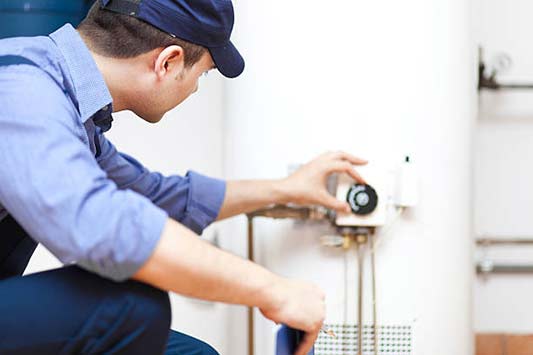
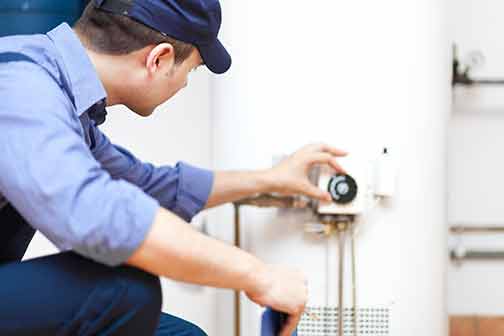
a plumber replacing a water heater in chicago.

The majority of the issues highlighted are caused by sedimentation inside the water heater tank.

Water heater issues

Water heater issues are particularly dangerous because of the risk of electric shocks, fires and explosions. Common water heater issues include;

  • Discolored water
  • Noises from the water heater
  • No or inadequate hot water
  • Puddles beneath the water heater tank
  • Excessively hot water from the water heater

The majority of the issues highlighted are caused by sedimentation inside the water heater tank. Sediments will not only discolor the water. It can prevent effective heating. Sediments will also cause your water heater to leak.

How to prevent water heater problems:

  • Tank water heaters should be drained at least once a year
  • Replace essential components like the anode rod when needed
  • Once a year, have the water heater checked for leaks and other problems
  • Install a water filtration system to prevent sedimentation inside the water heater

To conclude, the two most vital steps for spotting or preventing plumbing issues in your home are;

  • Regular inspections, and
  • Knowing the signs of different plumbing problems

If you can spot the signs of an impending issue and call a professional plumber to fix them, your plumbing will be just fine.
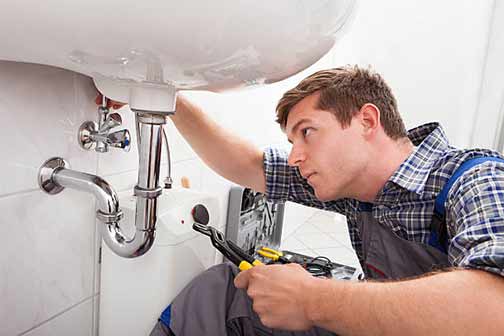

Choosing the Right Plumbing Professional: Factors to Consider for Reliable and Efficient Service

choosing the right plumbing professional is important

There are a lot of things that can go wrong with the plumbing in your home or office. Most of these are problems you don’t even know exist, speak less of how to prevent or fix them. But choosing the right professional plumber can ensure the longevity and efficiency of your plumbing.

As Crossroads Property Management says, a good plumber helps your plumbing work efficiently, improves your quality of life and saves you a lot of money. That is because issues in your plumbing can directly impact your comfort and the sanitation of your surroundings; they affect your health and well-being.

Plumbing problems can also result in massive damage to your building. Undetected or poorly-resolved plumbing issues will damage walls, ceilings and flooring. If those issues are allowed to go on long enough, they can weaken the building’s foundation and eventually hurt the property’s value.

The way to prevent these problems is to ensure that the plumber responsible for maintaining the function of your plumbing systems is top-notch. But with so many plumbers, how can you know that the plumber you intend to hire is the best for your building?

This post will help you answer that question.

Factors to consider when choosing a professional plumber

Company location

The first thing to check is whether this is a local plumbing company or a national chain. National chains have all the right experts and up-to-date equipment, but they often lack the personal touch that comes with a local plumber. Managing a building’s plumbing requires the plumber to develop an intimate knowledge of the system. That only happens if the same plumber is handling the plumbing for a long time. It is usually not possible with a national chain. Moreover, local plumbers are quicker to respond to emergencies, and they are more flexible.

licensing and insurance.

A reputable plumber should have no problems showing you their credentials. The right plumber should be adequately licensed to practice in your locality.

Licensing and insurance

A reputable plumber should have no problems showing you their credentials. The right plumber should be adequately licensed to practice in your locality. In addition to having the proper professional training and certifications, their affiliations also matter. It is best if they are a recognized member of the local chapter of their professional body. Having strategic partnerships with key suppliers and organizations in the building industry is a plus. You should expect the plumber to have adequate insurance and to be able to provide proof of this. They must have workers’ compensation, liability and property insurance. A plumber who is bonded is a big plus.

Reputation: reviews, references and referrals

One reason to hire a local plumber is because you can easily verify their information. Ask the plumber for a list of old and existing customers to serve as references. These people should live in your locality and must be genuine customers. You also want to see what the online community thinks of the plumber’s services. Look out for negative customer reviews and how the plumber handles them. 

Experience

The plumber’s experience counts more than their licenses and certifications. Experience matters because it takes time to understand the plumbing issues common to buildings in a specific locality. It is easier to verify the credentials and reputation of a plumber if they have been operating within the same locality for a long time. A new outfit should not be trusted unless this is an established plumber who has just started their own company.

Type of plumbing services offered

Only hire a plumber if they have expertise in plumbing systems similar to yours. If you are trying to solve problems in a residential plumbing system, do not hire a commercial plumber, and vice versa. What are the common issues that happen in your plumbing? If you need drain cleaning services, sewer line replacement, water heater replacement, or leak detection services, ensure they have expertise in that area.

emergency plumbing services.

Your preferred plumber should have clear answers about availability and average response times.

Emergency services

Can you call the plumber if you have a burst pipe emergency in the middle of the night? What plumbing emergencies will they not handle? The plumber should have expertise across the entire spectrum of plumbing emergencies. If they do offer emergency plumbing services, what is their average response time? Your preferred plumber should have clear answers about availability and average response times. There should be phone numbers where you can contact them quickly.

Cost and payment options

How do they charge for their services? How do their fees compare to those of other plumbers? What are their payment terms and the payment options available to you? Will you get a detailed written estimate binding on them before they commence a job? Will they accept credit card payments, or do they require cash payments? Avoid plumbers who want you to pay upfront or in cash.

Finally, when looking to hire a professional plumber, you want to talk to at least three plumbing companies. Evaluate all three companies using the criteria listed above and choose the one that best meets your needs.

Understanding the Distinction: Plumber vs. Plumbing Contractor

Plumber vs. Plumbing Contractor

In the world of plumbing services, two terms are often used interchangeably: plumber and plumbing contractor. While they both pertain to the field of plumbing, there are distinct differences between the two roles. Understanding these differences is crucial when seeking professional assistance for your plumbing needs. Here we get into the definitions and responsibilities of plumbers and plumbing contractors, shedding light on their unique roles within the industry.

Definition and Responsibilities of a Plumber

A plumber is an individual who specializes in the installation, repair, and maintenance of plumbing systems. These systems can include replacing main water lines, drainage systems, fixtures, pipes, and other related equipment. Plumbers are skilled in diagnosing plumbing issues, determining suitable solutions, and executing necessary repairs or installations.

Responsibilities of a plumber may include:

  • Repairing and replacing damaged or broken pipes
  • Fixing leakages and drips
  • Unclogging drains and toilets
  • Maintaining plumbing systems to ensure proper functionality

Plumbers often work on residential, commercial, and industrial properties, providing their expertise to clients with various plumbing needs. They typically possess a wide range of skills and knowledge related to plumbing, including an understanding of building codes and regulations.

Definition and Responsibilities of a Plumbing Contractor

A plumbing contractor, on the other hand, manages and oversees plumbing projects. They are responsible for coordinating the work of multiple plumbers and ensuring that the project is completed successfully and within the agreed-upon timeframe. While plumbing contractors often have extensive experience and expertise in plumbing, their primary role is project management rather than direct plumbing service provision.

Responsibilities of a plumbing contractor may include:

  • Estimating project costs and providing bids
  • Creating project timelines and schedules
  • Selecting and coordinating plumbers for specific tasks
  • Ensuring compliance with building codes and regulations
  • Overseeing quality control and workmanship
  • Client communication and satisfaction
a professional plumber.

While both plumbers and plumbing contractors operate within the realm of plumbing, there are several key distinctions between the two roles

Plumbing contractors work closely with clients, builders, architects, and other stakeholders to ensure that plumbing projects are executed efficiently and meet all necessary requirements. They may work on large-scale projects such as new construction, renovations, or commercial plumbing installations.

The Key Differences

While both plumbers and plumbing contractors operate within the realm of plumbing, there are several key distinctions between the two roles:

Focus: The primary focus of a plumber is hands-on plumbing work, including repairs, installations, and maintenance. In contrast, a plumbing contractor primarily focuses on project management and overseeing plumbing projects.

Responsibilities: Plumbers are directly involved in executing plumbing tasks, whereas plumbing contractors are responsible for managing multiple projects and ensuring their successful completion.

Scope of work: Plumbers typically work on individual assignments, attending to specific plumbing issues or needs. Plumbing contractors, on the other hand, handle larger projects that involve multiple plumbers and require project management skills.

Licensing: Plumbers are generally required to hold a plumbing license, which ensures their competence and adherence to plumbing standards. Plumbing contractors may also hold a plumbing license, but they additionally require a contractor’s license to operate as a contractor.

a plumbing contractor finalizing plans.

Deciding whether to hire a plumber or a plumbing contractor depends on the project scale and complexity.

When to Hire a Plumber or Plumbing Contractor?

Deciding whether to hire a plumber or a plumbing contractor depends on the project scale and complexity. Here are some general guidelines:

Hire a plumber when:

  • You need a specific plumbing repair or installation.
  • You have a small-scale plumbing issue or maintenance task.
  • You require immediate assistance for an urgent plumbing problem.

Hire a plumbing contractor when:

  • You need coordination and oversight of multiple plumbers.
  • You require assistance with project planning, estimating, and management.
  • You want to ensure compliance with building codes and regulations.

By considering the size, complexity, and specific requirements of your plumbing project, you can determine whether a plumber or plumbing contractor is best suited for the job.

In Conclusion

Understanding the distinction between a plumber and a plumbing contractor is essential to make informed decisions when seeking professional plumbing services. While plumbers are skilled tradespeople who specialize in direct plumbing work, plumbing contractors focus on managing and overseeing plumbing projects. By understanding their unique roles and responsibilities, you can choose the right professional for your specific plumbing needs, ensuring successful outcomes and reliable solutions.

How to Temporarily Fix a Plumbing Leak

How to Temporarily Fix a Plumbing Leak

Plumbing leaks can be a frustrating and potentially costly problem for homeowners. While it is always recommended to call a professional plumber to repair any leaks, some temporary fixes can be done to minimize damage and prevent further leaks. Here we will discuss several methods to temporarily fix a plumbing leak. 

Shut off the water supply

The first step in addressing a plumbing leak is to shut off the water supply to the affected area. This can be done by turning off the main water valve for your home or by shutting off the valve for the area where the leak occurs. 

Identify the source of the leak

The next step is to identify the source of the leak. This can be done by visually inspecting the pipes or by using a leak detection tool. Once the source of the leak has been identified, you can determine the best method for temporarily fixing the problem. 

Use a pipe clamp

One of the easiest ways to temporarily fix a leak is by using a pipe clamp. Pipe clamps are available at most hardware stores and can be used to seal small leaks in pipes. Simply place the clamp over the leak area and tighten the screws to create a tight seal. 

Apply epoxy putty

Epoxy putty is another temporary fix for plumbing leaks. This putty can be molded into the shape of the leak and then allowed to dry. Once the putty is dry, it will create a seal that will prevent further leaks. 

Use duct tape

While duct tape should not be used as a long-term fix for plumbing leaks, it can be used as a temporary solution. Simply wrap the tape tightly around the area where the leak is occurring. Be sure to use enough tape to create a tight seal. 

duct tape and scissors.

Duct tape is a good quick fix

Apply a rubber patch

If the leak occurs in a larger area, a rubber patch can be used to fix the problem temporarily. These patches are available at most hardware stores and can be applied over the leak to create a tight seal. 

Use a compression fitting

Compression fittings can be used to fix leaks in copper pipes. These fittings are available at most hardware stores and can be used to create a tight seal over the leak. 

Tighten loose connections

Sometimes, plumbing leaks are caused by loose connections. In these cases, simply tightening the connection may be enough to stop the leak. Use a wrench to tighten the connection, and be sure to check for leaks again after tightening. 

Use a hose clamp

Hose clamps can be used to fix leaks in hoses temporarily. Simply place the clamp over the area where the leak occurs and tighten it to create a tight seal. 

Replace damaged parts

If the leak is caused by a damaged or worn-out part, such as a washer or gasket, it may be necessary to replace the part. These parts can be purchased at most hardware stores and are relatively easy to replace. 

A quick tip before we continue 

If you are moving into a new home or apartment, experts at Here & Now Movers advise inspecting the plumbing for any potential leaks or issues. This can help you avoid costly repairs and ensure your move goes smoothly. During the inspection, check the pipes, faucets, and appliances for any signs of leaks or damage. This can include water stains, mold, or musty odors. 

It is also a good idea to ask the previous owner or landlord if they have experienced any plumbing issues in the past. By taking these steps, you can quickly catch any potential problems and avoid unexpected issues during your move. Additionally, if you notice any leaks or issues, be sure to address them before moving in to prevent further damage or issues down the line.

pipes being fixed.

Inspecting a house before buying it is important

Once you have successfully applied one of the temporary fixes listed above, it is important to closely monitor the affected area for any signs of further leaks. Keep an eye on the repaired area and check for any signs of water or moisture. If you notice any new leaks, you may need to apply another temporary fix or contact a professional plumber for a more permanent solution.

It is also important to remember that while these temporary fixes can provide a quick solution, they are not permanent. In some cases, the only way to completely fix a plumbing leak is by replacing the damaged pipe or fitting.

Keep in mind 

While temporary fixes can provide a quick solution for plumbing leaks, it is always recommended to contact a professional plumber for a more permanent fix. These temporary fixes can minimize damage and prevent further leaks but are not long-term solutions. By taking preventative measures and staying vigilant, you can avoid plumbing leaks and keep your pipes in good working condition.

plumber ready to fix a leak.

Professionals can provide a permanent fix

Avoid the leaks

In addition to temporary fixes, there are some preventative measures you can take to avoid plumbing leaks in the future. Regularly inspect your pipes and fittings for any signs of damage or wear, and replace any worn or damaged parts as soon as possible. Keep an eye on your water pressure, as high pressure can put extra strain on your pipes and increase the likelihood of leaks. 

Another important preventative measure is to be mindful of what you flush down your drains. Avoid putting grease, oil, or other materials down your drains that can clog your pipes and cause damage. Regularly clean your drains and use a drain screen to prevent debris from entering your pipes.

In conclusion

Plumbing leaks can be a frustrating problem for homeowners. While it is always recommended to call a professional plumber to detect and fix any leaks, some temporary fixes can be done to minimize damage and prevent further leaks. By following the tips outlined in this article, you can temporarily fix a plumbing leak until a plumber can address the problem. 

Why You Should Always Opt for a Local Plumber in Chicago

Why You Should Always Opt for a Local Plumber in Chicago

Your home’s relationship with your plumber is like your relationship with your family physician. Although the relationship is professional, it has a personal dimension. Because the doctor has watched your body transition through various stages of life, they are intimately familiar with your body’s health needs.

In the same way, Abacus Avenue Management explains, you also want your plumber to have a familiar knowledge of your home’s plumbing system. When there is an issue with the water pipes or drains, you don’t want someone who will deal with those problems in isolation from other issues in the system. You want them to adopt a holistic approach that considers your home’s history.

How do you build that relationship between yourself, your home, and your plumber? A simple way to do this is to find a professional and experienced plumber who is local and stick with them. When looking for a plumber, you can choose between a national/regional company and a plumber who operates within your community.

Why you should always choose a local plumber

Here are six reasons you are better off working with a local plumber.

Reputation

A good reputation is probably the most important quality you want in your plumber. You will understand just how important this is if you have ever had a plumber make a problem worse than it was in the beginning. 

It is easier to verify the claims of a plumber if that person is local versus when they are not. Your neighbors may be able to share first-hand experiences of working with the plumber. 

It is also more accessible to follow up on the references a local plumber shares with you. When dealing with a non-local plumber, you often only have the company’s word regarding their reputation.

Personal touch

When working with a local plumbing company, you can put a face to the company’s operations. You know exactly whom you are dealing with because you meet the company’s owner and the staff. You can build a relationship with the organization. This is important when solving plumbing issues in your home since people are nicer to people they know. 

You cannot get this kind of treatment when you hire a non-local company. First, the chances that you will meet the owner or principal officers of the organization are very slim. Second, the company’s employees are constantly being rotated, and you never know whom you will get.

Flexibility

The employees of the non-local company who fix the plumbing issues in your home often don’t have the power to make crucial decisions. But a local company can make decisions on the fly; it is easy to agree with them on what needs to be done and how it should be done.

A local plumber does not have to wade through layers of red tape before acting. In a couple of minutes, you can decide with your plumber; this is very important when dealing with plumbing emergencies. A local plumber’s flexibility can save you tons of time and money. 

Availability

When dealing with plumbing issues in the home, it is vital to have a plumber who is available 24 hours. Because the plumber lives in your community and you have a personal relationship with them, it is easier to get your local plumber to come to your home at odd hours. 

Access to 24-hour service every day of the week can make all the difference when dealing with emergencies such as burst pipes, clogged drains, sewage backups, or plumbing issues with the potential to cause massive damage. Not having to wait hours for a plumber will save you money.

Affordability

Local plumbers are more affordable and more effective than non-local plumbers and chain companies such as Roto-Rooter and the like. Why is this? Local plumbers treat customers like friends and family. This is quite unlike non-local plumbers, where the customer is a number or faceless name. 

Additionally, non-local plumbing companies have considerable overheads to worry about, and their primary concern is the bottom line rather than maintaining the relationship with their customers. As a result of these differences, the local plumber charges less money for their services, even though they are better.

Informed

Finally, a local plumber will have an intimate knowledge of the area. They know the common plumbing problems and the solutions that have worked for them in the past. The local plumber is used to the water issues peculiar to your area and the piping systems used in homes. 

They do not have to look long and hard to understand the problems in your home, even if they are visiting for the first time. Overall, this can amplify the plumber’s efficiency and also help you cut costs.

When looking for a plumber to service your home, look no further than your friendly, local plumber.

Are you looking for a local plumber in Chicago? We can help! Contact us at 773-599-9181 or by form below:

What to Look for in a Local Chicago Plumber?

What to Look for in a Local Chicago Plumber

Plumbing issues in the home are unavoidable – they happen every so often. When they do happen, these problems can disrupt the entire routine of your household and destroy your personal belongings. Plumbing issues will also cost you a lot of money if you do not detect them on time.

The difference between having constant plumbing emergencies in your home and staying ahead of problems is the plumber you hire and your plumbing maintenance plan. Your plumber is vital to the frequency of plumbing problems in your home and how much they cost.

A good plumber should reduce the number of emergencies to the barest minimum. They should take you to where you will get preventative maintenance and upgrades. That means a relative absence of plumbing crises because issues are dealt with before they get to that point.

How do you find a plumber who is competent and trustworthy? What are the qualities you should look for in plumbers before hiring them? The list below highlights the critical traits a professional plumber must have. Following them will help you better manage plumbing issues in your home or office.

Tips for choosing the right plumber in Chicago

Are they a local or national chain plumbing company? 

The first criterion is that you want a company near enough to respond to your needs. You want a long-term relationship with this company, and you expect that they will come to know your home’s plumbing intimately. It is hard to get these benefits when dealing with a national plumbing company such as Roto-Rooter and the like. That is why you should only talk to local plumbers in Chicago.

Licensing, accreditations, certifications, and memberships

They must be adequately trained and willing to share proof of that training. On your part, you should be able to verify any claims they make. In most municipalities, plumbers need licenses before working in the area. You want to ascertain this, their level of training and membership of the local chapter or their professional body.

Years of experience

The plumber must have experience; you only learn some things by doing. This experience is best if particularized to the kind of plumbing you have in your home or office. You don’t want a plumber who works mainly with single-family homes handling the plumbing in a multi-unit apartment complex.

Reviews and references 

If a plumber in Chicago has been in the industry for a long time, they should have a list of satisfied customers who are willing to vouch for them. Ask for a list of references in the area and contact them to hear what they can say about the company. Also, check reviews of the company online; pay attention to negative reviews or comments to see how the company responds to them.

a local chicago plumber performing a drain cleaning service.

The first criterion is that you want a company near enough to respond to your needs. You want a long-term relationship with this company, and you expect that they will come to know your home’s plumbing intimately.

The quality of their employees

What kind of training does the staff of the company have? Do they use trained and certified plumbers? How many of such workers are on the company’s payroll? Are the workers full-time or part-time, and how long have they been with the organization? Finally, do they conduct thorough background checks on the people they employ?

Are they insured? 

The company must have insurance up to a certain amount. They should be able to provide proof of that insurance. Moreover, you must verify their insurance from the insurance company. The company’s insurance should not only cover their employees in case of injury. It should shield you from liability and protect your property from loss or damage.

Tools and equipment

They should have up-to-date tools and equipment. Plumbing issues in the house require a diverse set of tools and equipment. If the plumber is not well equipped, it will affect the quality of work. That is crucial because you want a plumber to arrive when you have a plumbing emergency. A competent plumber should have a fully kitted van with everything they need to resolve plumbing emergencies in Chicago quickly and thoroughly.

Round-the-clock service 

Plumbing emergencies don’t announce themselves before they happen, and they can happen at any time of the day. You want to know if your plumber can send someone to handle issues if they need fixing at the oddest hour of the night or during the holidays. Additionally, the company should have stellar customer service available throughout the day. 

How much do they charge?

You should know the charges for any service the plumber in Chicago provides upfront. You want the plumber’s rates to compare favorably with what others charge. But more importantly, you want those rates to be transparent and predictable. You also want to know the kind of guarantees they offer on any work they do. You must, however, avoid the mistake of selecting the cheapest plumber.

Are you in need of local plumbing services in the Chicago area? Call us at 773-599-9181 or contact us below!