Author Archives: Chicago Plumbing Experts

Sewer Line Repair Service in Oak Park, IL

Sewer Line Repair Service in Oak Park, IL

Sewer line problems are a common issue that many homeowners in Oak Park, IL, face at some point. When these problems arise, it is essential to seek professional sewer line repair services to ensure a timely and effective solution. In this article, we will discuss the importance of sewer line repair service in Oak Park, IL, and the benefits of hiring professionals for this task.

The Importance of Sewer Line Repair Service

A well-functioning sewer line plays a vital role in maintaining the overall hygiene and functionality of your home’s plumbing system. When your sewer line starts to show signs of damage or blockage, it can lead to numerous problems that can disrupt your daily life.

One of the main issues that can arise from neglected sewer line problems is sewage backup. A blocked sewer line can cause wastewater to flow back into your home, leading to foul odors, unsanitary conditions, and potential health hazards. Additionally, a damaged sewer line can result in sewage leakage, which can contaminate the surrounding soil, causing further environmental damage.

Ignoring sewer line problems can also result in more extensive damage and costly repairs. Over time, small issues can escalate into major setbacks, requiring extensive excavation and replacement of sewer pipes. This can be both time-consuming and expensive, causing inconvenience and financial strain.

Gaining immediate access to professional sewer line repair service can prevent further damage, minimize the need for drastic repairs, and save you from the potential health risks associated with unresolved sewer line issues.

The Benefits of Hiring Professionals

When it comes to sewer line repair in Oak Park, IL, it is highly recommended to hire professionals such as Chicago Plumbing Experts who have the knowledge, experience, and equipment necessary to handle this complex task. Here are some of the key benefits of entrusting your sewer line repair to professionals:

Expertise and Experience: Professional sewer line repair technicians have extensive expertise in diagnosing and fixing a wide range of sewer line issues. They have likely encountered various problems in the past and are skilled in providing effective solutions.

Efficiency and Timeliness: Professionals understand the importance of timely repairs and will work efficiently to minimize disruption to your daily life. They have the tools and techniques to identify and address sewer line problems promptly, saving you time and hassle.

Advanced Equipment: Specialized equipment is often required for sewer line repair. Professionals have access to advanced tools that enable them to perform tasks accurately and efficiently. This equipment allows for precise diagnosis and repair, ensuring the longevity and effectiveness of the repairs.

Compliance with Building Codes: Sewer line repair must adhere to specific building codes and regulations. Professionals are well-versed in these requirements and will ensure that all repairs are up to code. This compliance is essential to avoid potential legal issues in the future.

Warranty and Guarantees: Reputable sewer line repair companies often provide warranties and guarantees for their work. This means that if any issues arise shortly after the repair, the company will address them at no additional cost. This gives you peace of mind and reassurance that the job will be done right.
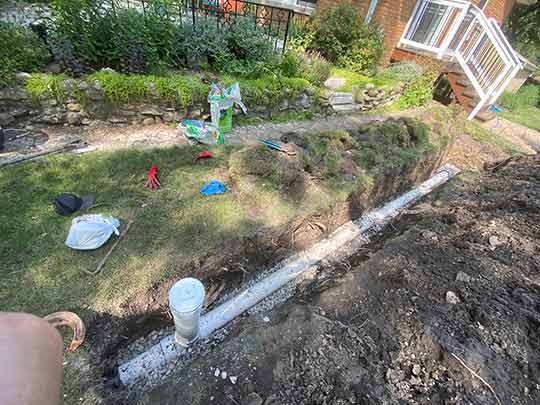
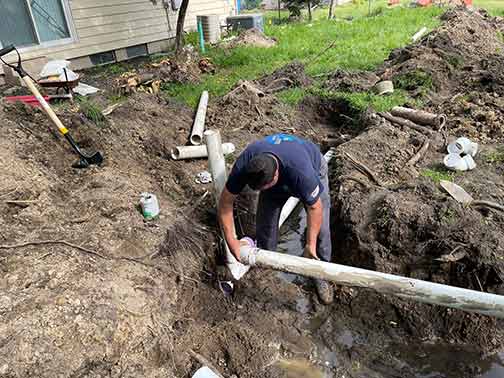
an oak lawn il sewer line repair.

Sewer Line Repair Service for a Customer in Oak Park, IL.

Choosing a Sewer Line Repair Service in Oak Park, IL

When selecting a sewer line repair service in Oak Park, IL, it is essential to choose a company that demonstrates professionalism, reliability, and expertise. Here are some factors to consider during your selection process:

Reputation: Research the company’s reputation by reading customer reviews, checking ratings on reputable platforms, and seeking recommendations from friends, family, or neighbors.

Experience: Look for a company that has been in the industry for several years. Experience indicates that they have encountered various sewer line issues and have honed their skills over time.

Licensing and Insurance: Ensure that the company holds the necessary licenses and permits to perform sewer line repairs. Also, verify that they have liability insurance to protect you and your property in case of any accidents or damages during the repair process.

Estimates and Pricing: Obtain estimates from multiple companies and compare their pricing. Be cautious of excessively low prices, as they may indicate subpar work or hidden costs. Choose a sewer service company that offers fair pricing without compromising on quality.

Customer Service: Assess the company’s customer service by reaching out with questions or concerns before hiring them. A responsive and helpful customer service team often reflects the company’s commitment to customer satisfaction.

Conclusion

When it comes to sewer line repair service, addressing issues promptly is crucial to prevent further damage and health hazards. Hiring professionals for sewer line repair ensures expertise, efficiency, and adherence to building codes. Take the time to research and choose a reputable sewer line repair service that meets your requirements. By investing in professional help, you can have peace of mind knowing that your sewer line will be repaired accurately and efficiently, restoring the functionality and hygiene of your home’s plumbing system.

If you are in need of sewer line repair service in Oak Park, IL or surrounding area, please reach out to us at 773-599-9181 or by form below.
Delving into the Science of Main Sewer Line Clogging: A Professional Perspective

Delving into the Science of Main Sewer Line Clogging

For most homeowners, plumbing intricacies often fall into the category of ‘out of sight, out of mind.’ It’s a network of pipes and drains that hum along quietly, carrying out crucial functions unseen and typically unnoticed. That is, until an issue arises, bringing the hidden system to the forefront. Main sewer line clogging is one such issue – a common yet highly disruptive plumbing problem. Unraveling this often mystifying and messy issue requires diving into its science, transforming complex plumbing jargon into digestible facts. Of course, that’s only half the battle; you must also know how to handle this issue properly.

What is a Main Sewer Line?

The main sewer line, often hidden underground, is the lifeblood of a home’s plumbing system. Serving as the primary channel, it funnels wastewater from your household to the city sewer or a septic tank in some cases. Whether water from your morning shower or waste flushed down the toilet, it all ends up in the main sewer line. Thus, this line essentially acts as the crucial bridge between your home’s internal plumbing and the municipal sewage system. When this key component fails due to a clog, it can disrupt the entire system. This can lead to inconvenient and potentially unsanitary issues.

The Basics of Clogging

When it comes to plumbing, clogs are a pervasive issue, often causing immense frustration to homeowners. But what exactly leads to these troublesome blockages? Essentially, clogs occur when various substances accumulate and solidify within the pipes, creating obstructions that block the flow of water. These substances can range from food scraps in your kitchen sink to hair strands in your bathroom drain. But it’s not just these minor areas; significant sections of your plumbing system, such as the main sewer line, can also fall prey to these nuisances. Each area is susceptible to different types of clogs, impacting the functionality of your plumbing system. Of course, seeing as your plumbing system is interconnected, a clog in one place can easily disrupt and even promote clogs in other parts of the system.

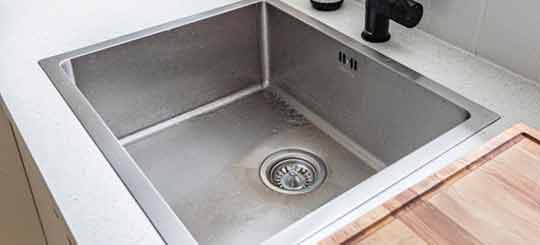
A kitchen sink.

It’s common for clogs to start in a poorly maintained fixture like a sink and progress to the main sewer line.

The Science Behind Main Sewer Line Clogging

Sewer line clogging is a complex issue rooted in physical and chemical reactions. Consider the wastewater that’s channeled through your sewer line. It contains various substances, such as fats and oils, that can stick to the inner surfaces of your pipes. Over time, these substances coalesce and harden, significantly reducing the pipe’s internal diameter and restricting the water flow. This process of accumulation and solidification is the essence of clogging. Furthermore, environmental factors like temperature and pressure play a role too. For instance, colder temperatures can cause fats to solidify faster, hastening the process.

How to Identify a Main Sewer Line Clog

The ability to recognize a main sewer line clog can save homeowners considerable hassle and expense. The signs, though subtle initially, can quickly escalate if ignored. They range from slow drains throughout the house to recurring sewage backups in multiple locations. Foul odors wafting from your drains or toilets are another warning signal, hinting at a blockage further down the line. A professional diagnosis is always recommended to confirm a clog. They employ specialized tools and techniques to identify the issue’s location and severity accurately. Remember, acting promptly at the first signs can prevent a minor clog from becoming a major problem.

Common Causes of Sewer Line Clogging

Main sewer line clogging can be triggered by various causes, each contributing to the obstruction in a unique way. Flushing inappropriate items down the toilet is one such common cause. Baby wipes, feminine hygiene products, and even excess amounts of toilet paper can easily create blockages. Another significant cause is tree root intrusion. Particularly during summer storms, roots can infiltrate sewer lines attracted by the water source. This can lead to serious clogs and damage. Lastly, don’t overlook the potential effects of pipe aging and breaks. Old, corroded pipes or those damaged by ground movement can collapse, causing severe clogs in the main sewer line.

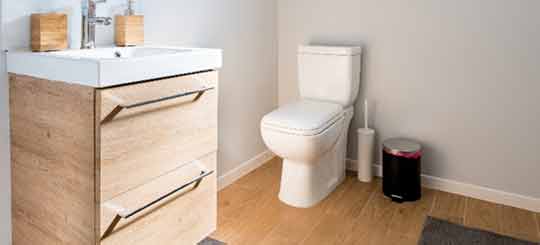
A white ceramic toilet in a bathroom.

Main sewer line clogging can occur due to various things.

Handling a Main Sewer Line Clog

Your Homeowner’s Insurance and Sewer Repairs

Repairing main sewer line clogs can often lead to substantial costs, adding financial strain to the already stressful experience. Hence, it’s wise to check whether your homeowner’s insurance covers sewer repairs. While some policies may include this, it’s often not a standard feature and can require additional coverage. Understand the details of your policy, or consult with your insurance agent to know exactly what’s covered. Having this knowledge beforehand can help you better navigate the repair process. In the best-case scenario, your policy can significantly mitigate the expenses of repairing or replacing a broken sewer line.

Professional Removal of Main Sewer Line Clogs

Professional plumbers have an arsenal of methods at their disposal to safely and effectively tackle main sewer line clogs. A professional hydro jetting service, for instance, uses high-pressure water to break apart and clear blockages. On the other hand, rodding involves a flexible, rod-like tool that physically dislodges the clog. When performed by experienced professionals, these techniques ensure the clog is not just partially but fully removed, preventing a quick recurrence. As tempting as it may be to attempt DIY methods, clogs in the main sewer line can be complex and best left to the professionals. Their expertise ensures a thorough and safe resolution of the issue.

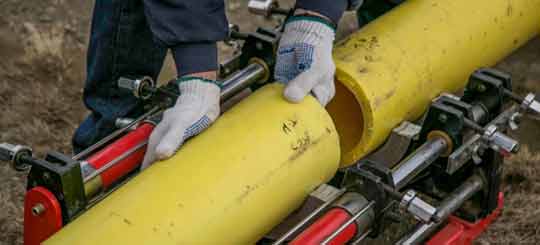
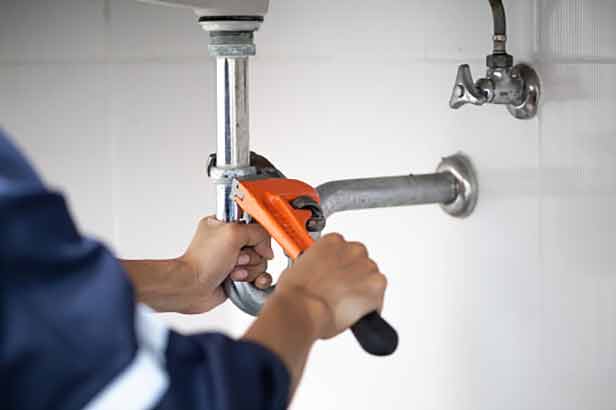
A plumber fixing a pipe.

Hiring professional help is the best way to ensure that a main sewer line clog is handled safely.

Keep in mind that fixing the main sewer line may require digging into the foundation of your home if some kind of damage is located right underneath it. In this case, you might have to move out of the home for a few days while repairs are done. Experts from Best Movers NYC also recommend finding a separate space, such as a short-term storage unit, to keep your possessions safe from damage in case something goes wrong during the repair job.

Protecting Your Home

In some homes, simple reliance on gravity isn’t enough to ensure efficient wastewater flow, especially if you have bathrooms or laundry facilities located below the level of the main sewer line. In these cases, a sewage ejector pump becomes essential to your plumbing system. This pump effectively propels wastewater upwards, aiding its movement toward the main sewer line, thus preventing potential backflows and clogs. By ensuring a smooth, unobstructed flow, a sewage ejector pump can protect your home from potentially messy and costly plumbing issues.

Prevention of Main Sewer Line Clogging

Prevention is an important strategy in maintaining a healthy and clog-free sewer system. Regular inspections by a professional plumber can detect early signs of clogging or potential issues. Adopting mindful flushing habits, like avoiding non-flushable items, can prevent unnecessary clogs. Similarly, proactive tree root management can keep those thirsty roots away from your sewer lines. Routine maintenance, including cleaning and servicing key plumbing components, can also help extend the lifespan of your pipes. Implementing these preventive measures can significantly reduce the risk of unexpected issues like main sewer line clogs, keeping your home’s plumbing system running smoothly.

To Wrap Up

Gaining a deeper understanding of the science behind main sewer line clogging can be a powerful tool for homeowners. It’s not just about dealing with the issue but about knowing how to prevent it, identify it, and address it effectively. This knowledge can empower you to maintain a healthy plumbing system and avoid unexpected and costly disruptions. But it’s equally crucial to remember that professional expertise is invaluable when dealing with these complex issues.

How to Choose the Right Sewer Rodding Service for Your Needs

choose the right sewer rodding service.

Sewer-rodding is a drain-cleaning method that is highly effective for dealing with stubborn clogs and removing debris from hard-to-reach areas of the home and commercial drains. Sewer-rodding utilizes sets of flexible rods that are guided into the drain to remove the clogs.

How does sewer rodding work?

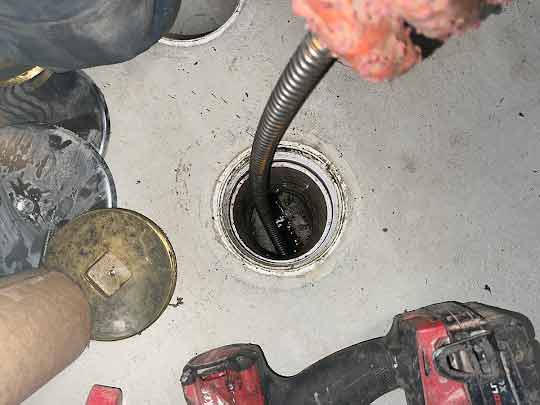
Sewer-rodding equipment comprises a sewer-rodding machine, a roll of flexible metal rods and a metal cutting head. The cutting head is attached to the end of the rod before it is inserted through a manhole, cleanout, sink opening and any opening from which the drains can be accessed.

The sewer-rodding machine feeds the rod into the drainpipe, while simultaneously spinning the cutting head to cut through any blockages inside the pipes.  The size and type of cutting head used depend on the diameter of the pipe being cleaned and the severity of the clog.

Sewer-rodding works for small and large pipes in residential, commercial and industrial drain systems. You can use this method for simple jobs like cleaning a sink or shower drain and for more-complex drain-cleaning operations like clearing blockages from your main sewer line.

What are the signs that you may need a sewer rodding service?

If you are seeing any of the following signs in your home, MTD Management experts advises you should hire a sewer-rodding service:

  • Several drains in the home are slow at the same time
  • Frequent backups in your toilets, showers, or tubs
  • Unexpected reactions in other drains when you use the toilet, shower or dishwasher.
  • Sewer odors inside or around the home

Given that sewer rodding involves inserting a metal rod into your drainpipes, is it safe? Sewer-rodding is a safe method for cleaning your drains, but a lot depends on the quality of the sewer rodding service you hire. What should you do when hiring a sewer rodding service?

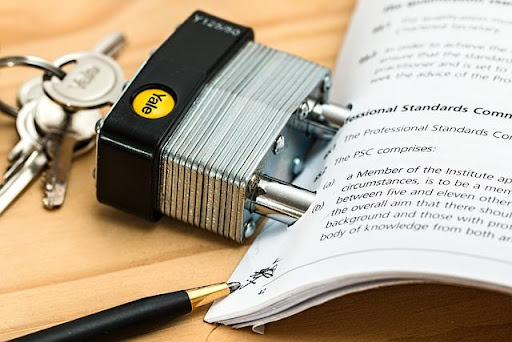
making an agreement.

Is the company licensed by the city? Is their license up-to-date? Are they recognized members of the local chapter of their professional body?

How to choose the appropriate sewer rodding service

How long have they been in business?

You only want to talk to plumbers that have been active in your locality for a long time. It is hard to remain in business in a locality where everyone knows you unless your services are good. Do your best to avoid new companies.

Licensing and certifications

Is the company licensed by the city? Is their license up-to-date? Are they recognized members of the local chapter of their professional body? What is their relationship with local suppliers and contractors?

References and reviews

One reason to limit yourself to a local service is it is easier to get information about the company. Ask the plumber for a list of recent customers; these should be people who live within the area. Also, check online reviews and ratings. Look out for negative reviews and how the company responds.

Their team and equipment

Who are the owners of the company, and what are their qualifications? How many employees do they have? Do they have more full-time staff than part-time workers, or vice-versa? Do they do background checks for their staff?

Ask about their methods

Will they physically inspect your drains before giving you an estimate for the job, or will they give you an estimate over the phone? When they visit your home, will they sewer camera inspection service as part of their processes for assessing the problem?

Ask for a transparent estimate

Getting estimates from several companies will give you a basis for comparing different sewer-rodding services. If they are a reputable company, they should have no problems with providing an estimate. Study the estimate to see if it is comprehensive and transparent.

Are they insured and bonded?

A reputable sewer-rodding company will have enough insurance to shield you from personal liability if one of their workers is injured while working in your home. They should also have adequate property insurance to cover possible damage to your home.

Do they offer a Guarantee?

How long can you expect your drains to stay clean after sewer rodding? If there is a problem soon after the drain is cleaned, what will the company do? Will you be required to pay a second time to have the drain cleaned again? How long does the guarantee last?

a signed contract.

Pay close attention to how a sewer-rodding service responds to your questions. Are they abrupt with their answers or unwilling to provide details?

Request a sample of the contract

Ask if they are willing to give you a written contract. A reputable sewer-rodding service will not have problems with this. They should also be willing to provide a sample of the contract. When you get the sample contract, look for the exit clause and what happens if something goes wrong during the job.

How responsive are they?

Pay close attention to how a sewer-rodding service responds to your questions. Are they abrupt with their answers or unwilling to provide details? Do they reply to emails and chats promptly? Do you feel comfortable talking with them?

Finally, to make it easier to hire the best sewer rodding service, do the above steps simultaneously with at least three companies.

Rainfall and its Influence on Plumbing: Examining Common Issues and Solutions

Rainfall and its Influence on Plumbing

Modern plumbing systems are designed to efficiently and inconspicuously move water in and out of our homes. One part of the system carries potable water from the city supply into the home, while the other part collects wastewater from the different fixtures in the house and moves it to the city sewers. In this article we will explain rainfall influence on plumbing.

The system does this morning, day and night, every single day of the week and throughout the year. Plumbing systems are one of the most hardworking and undervalued components of the home. And as Nelson Property Management says , the only time most homeowners pay attention to their plumbing is when the system breaks down.

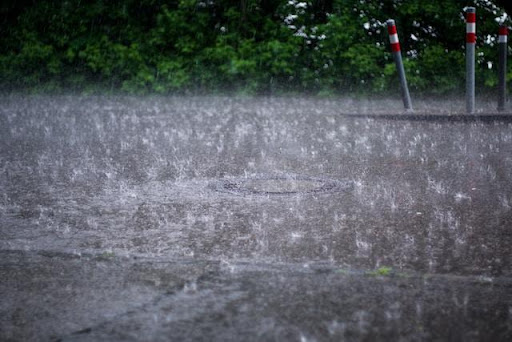
Such breakdowns are common during periods of heavy rainfall. That is because, although the plumbing is designed to carry water, it is not equipped to handle the large volumes that can enter the system or surrounding areas within a relatively short time, as is the case when it rains heavily.

If you live in an area with a lot of rainfall during the wet season, you may be dealing with many plumbing issues at this time of the year. Why do these issues occur, and what can you do to protect your home? This post will answer your questions.

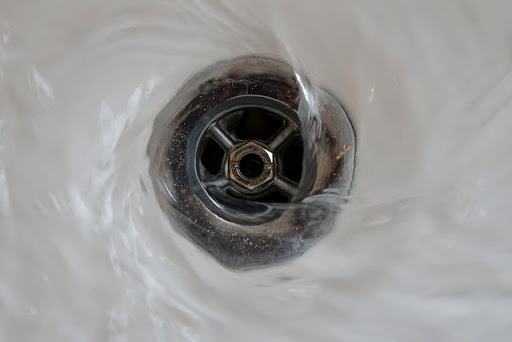
a clogged drain.

One of the signs that the sewer line is clogged with debris is when water starts to pool in the home’s drains.

Common rain-related plumbing issues in the home

Clogged drains 

Heavy rains can pick up all kinds of debris and sweep them into sewer lines and pipes. The result is that your drains will become slow, make gurgling sounds and emit foul odors. In severe cases, the debris can even block the pipes completely. One of the signs that the sewer line is clogged with debris is when water starts to pool in the home’s drains.

Septic tank backups

If your home uses a septic system, heavy rains can interfere with the system. The leach field may become saturated with water, making it hard for effluents to drain into the soil. Instead of wastewater flowing from your home into the septic tank, water can penetrate the septic tank from the leach field, overwhelming it. That can cause sewage to back up into your home.

Shifting pipes

During heavy rains, the soil around underground pipes can soak up water until they become soft and unstable. If this soft earth moves even slightly, it can deprive those pipes of support. The result is that water pipes and sewer lines may burst or become bellied. Common signs of displaced water pipes or sewer lines are dirt in your home’s drinking water supply and frequent issues with slow or clogged drains in the home.

Troubles in your toilets

Toilets drains are very close to the ground (toilets that are on the first floor), and as such, they are very sensitive to changes in the home’s drainage system. The first place that sewer line clogs and blockages show up is in the toilet. After or during heavy rains, you may find that ground floor toilets in your home will start to gurgle. That is a sign of blockages and clogs inside the drain line. If the rains continue, the sewer line may eventually back up into your toilet.

Problems with outdoor drains

Rainwater can wash debris into storm drains and block them. If this happens, your yard or the area in front of your house will be flooded. Because of the blocked drain, rainwater can pool in the yard and affect your driveway or deck. By encouraging runoff to remain on your property, a clogged storm drain can cause some of the problems highlighted above.

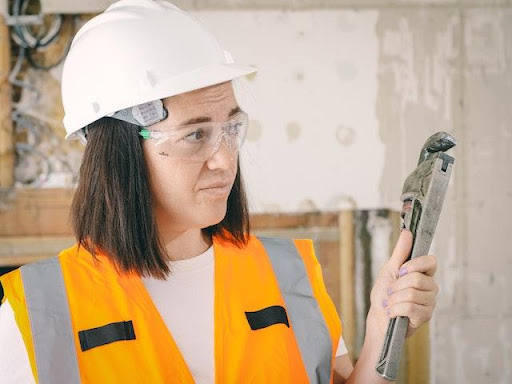
a female plumber ready to do repairs.

Schedule a plumbing inspection before the wet season to spot all issues with the plumbing and resolve them before the rains begin.

How to limit the effects of heavy rain on your plumbing

To be completely honest, there is no way you can eliminate the impact of heavy rainfall on your home’s plumbing. However, you can take steps to limit the effects and learn to detect the problems quickly, so you can move fast to stop them from getting worse.

The following measures will help to reduce the impact of heavy rains on your home’s plumbing:

  • Schedule a plumbing inspection before the wet season to spot all issues with the plumbing and resolve them before the rains begin

  • Hydro-jet sewer lines to clean them and get rid of the buildup that may encourage clogs

  • Install drain guards on outside drains to keep debris out of them. Note that debris may still accumulate on top of the guards, but it will be easier to remove them

  • After a storm, check your plumbing for leaks, low water pressure and other problems

  • If you have a septic system divert as much runoff as you can from the drain field

  • If your yard gets flooded whenever it rains, install additional drainage to help channel rainwater away

  • Replace old water pipes and sewer lines as they are more vulnerable to soil shifts

Finally, have a professional plumber thoroughly assess your property to identify issues that may be contributing to your problems and advise on steps to solve them holistically.

The Expert Guide: Proven Techniques for Preventing Sump Pump Failures

Proven Techniques for Preventing Sump Pump Failures

Sump pumps systems serve as reliable protection against basement flooding in your home. Sump pumps stand as the last line of defense in a home’s flood protection systems. If floodwaters somehow make it past the home’s other flood defenses and into the basement, the sump pump will remove the water.

The best thing about sump pumps is they do their work without supervision. The float helps the sump pump detect the presence of water inside the sump pit. It will automatically switch on the motor to pump the water out and turn it off after the sump pit is emptied. This automatic feature is what makes sump pumps so effective.

But this feature is also why a sump pump may fail without notifying you. Because the sump pump runs itself, you will typically assume it will take care of any flooding that happens during a storm. If the sump pump has failed, you will have no way of knowing. What often happens is you will wake up to a flood in your basement.

As Dawson Property Management team says sump pump that fails in this manner defeats the entire purpose of having a sump in your home. But thankfully, there are steps you can take to make sure this never happens to your home. In this post, we cover the different things you can do to keep your sump pump from failing and how you can keep your home safe even when your sump pump fails.

Techniques for preventing sump pump failure

These tips are divided into two categories; preventative steps that rely on proper maintenance and preventative steps that rely on a backup system. Both of these strategies are necessary because they complement one another.

a professional plumber making repairs.

Part one: Prevent sump pump failure with proper maintenance

The way to prevent sump pump failure is by regular inspection and proper maintenance of the system. Since sump pump failures happen without warning, scheduled inspection and testing can help to uncover hidden problems. Below are the common issues to look for when inspecting and maintaining your sump pump.

Stuck float

If there is a lot of water or debris inside the pit, the float switch can get stuck. Depending on whether the pump is off or on when this happens, the motor will either not power on at all or it will run continuously. To prevent this problem, keep the pit clean and keep the float clear of all potential obstructions.

The sump pump loses power

This mostly happens as a result of power outages, faulty wiring or human carelessness. Checking the sump pump regularly is the only way to detect electrical problems. Later in this post, we discuss steps you can take to keep your home safe during a power outage.

Faulty check valve

The check valve ensures that discharged water does not re-enter the sump pit. If this happens, your sump pump motor will overwork and burn. A bad check valve will make strange noises which can be detected during inspection. If it is damaged, the check valve should be replaced at once.

Clogged discharged line

The sump pump will be unable to pump water to the discharge point if the discharge line is clogged. Things that may clog the discharge pipe are debris and rodents. Installing a mesh on the end of the discharge line and cleaning the sump pit will help to prevent this problem.

Clogged sump pump

Sump pits accumulate a lot of debris because surface runoff often picks up a lot of dirt before it enters the sump pit. This debris can get into the sump pump and keep it from working. To protect your sump pump, install a cover over the pit, and clean it regularly.

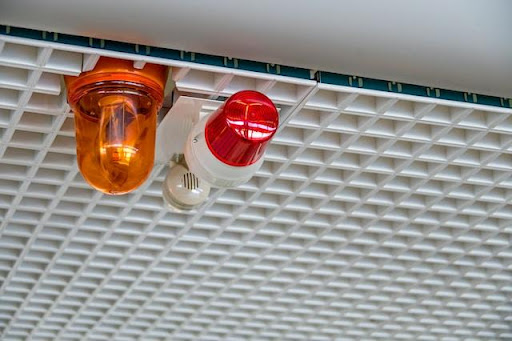
an alarm installation.

Install an alarm

A sump pump failure alarm will alert you if the water inside your sump pit gets too high. If, despite your best efforts, any of the above problems happen, this early-warning system will save you.  

Part two: Prevent sump pump failure with a backup system

A backup system adds a second layer of protection to your primary sump pump. There are two types of backup systems.

Redundant sump pump

You can install a secondary sump pump. The likelihood of the two sump pumps failing at the same time is very low. With this system, your home is protected even when your primary sump pump fails. The only limitation with this option is both sump pumps will fail if your home suffers a power outage.

Battery-powered sump pump

This is a secondary sump pump system that runs on battery power. It will power up if the electricity supply to your home is interrupted. If the power goes out during a storm, your home will be safe from flooding. 

Finally, at least once a year, you should get a local plumber to do a thorough inspection of your sump pump system. Experts can detect budding issues that you are not aware of, make repairs on your sump pump, and also give you advice that will save you a lot of money.

Summer Storms Are Here: Can Your Plumbing Handle It?

summer storms and plumbing

The Impact of Summer Storms on Plumbing

1. Increased Rainfall: Summer storms often bring torrential downpours, which can lead to excessive water accumulation in your area. This sudden surge in rainfall can overload storm drainage systems and result in water backups.

2. Overburdened Sewer Systems: Heavy rain can put a strain on your home sewer system. Municipalities typically have combined sewer systems that handle both stormwater and sewage. When the volume of stormwater exceeds the system’s capacity, it can lead to backups, causing sewage to enter your home and potentially damaging your plumbing.

3. Flooding: Intense summer storms can cause flash flooding, especially in low-lying areas. Floodwaters can enter your basement or crawl space, leading to water damage and subsequent plumbing issues.

4. Burst Pipes and Leaks: Drastic temperature changes during storms can cause the ground to shift, putting pressure on your pipes. Additionally, heavy rainfall can saturate the soil around your plumbing lines, leading to movement and potential damage.

5. Sump Pump Failure: Your sump pump plays a crucial role in preventing water accumulation in your basement. However, if your pump is not properly maintained or fails during a storm, it can result in basement flooding and a costly sump pump replacement.

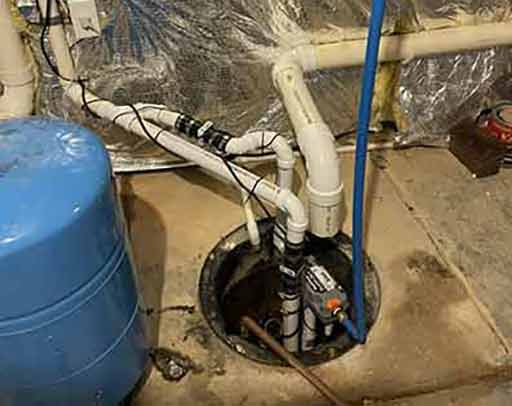
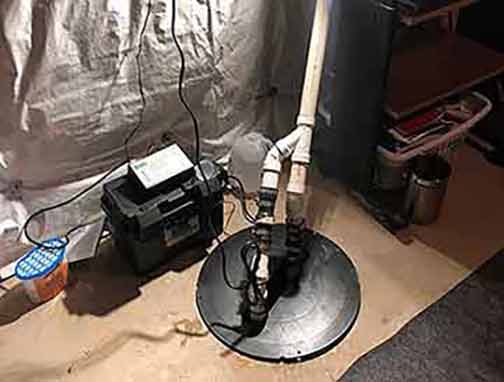
a completed sump pump installation.

Regularly test your sump pump to ensure it is in proper working condition.

Preparing Your Plumbing for Summer Storms

To ensure that your plumbing system can withstand the challenges brought by summer storms, consider taking the following preventative measures:

1. Inspect and Repair: Before the storm season begins, thoroughly inspect your plumbing system for leaks, cracks, or any other signs of damage. Addressing these issues proactively can help prevent more significant problems during heavy rainfall.

2. Clear Gutters and Downspouts: Ensure that your gutters and downspouts are free from debris and properly connected. This will allow rainwater to flow away from your home and prevent water from seeping into the foundation.

3. Test Your Sump Pump: Regularly test your sump pump to ensure it is in proper working condition. Pour water into the sump pit and verify that the pump activates and efficiently removes the water from the pit.

4. Install a Backwater Valve: Consider installing a backflow valve on your main sewer line. This device prevents sewage from flowing back into your home during periods of heavy rainfall and sewer system overload.

5. Elevate Appliances and Valuables: If you live in a flood-prone area, elevate your HVAC systems, water heaters, and other appliances to protect them from potential water damage. Consider storing valuables in higher areas or moving them to temporary storage during stormy weather.

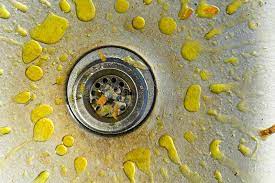
grease in a drain.

To prevent clogs, refrain from disposing of grease, oils, and food waste down the drain, especially during a storm.

During a Summer Storm

While a storm is in progress, it’s important to stay vigilant and take necessary precautions to minimize the risk of plumbing issues:

1. Minimize Water Usage: During heavy rainfall, reduce water usage as much as possible. This can prevent additional stress on your plumbing system and reduce the chances of backups.

2. Avoid Disposing of Grease and Food Waste: To prevent clogs, refrain from disposing of grease, oils, and food waste down the drain, especially during a storm. These substances can solidify and create blockages in your pipes.

3. Monitor Your Sump Pump: Regularly check on your sump pump during a storm to ensure it is functioning correctly. If you notice any signs of malfunction, contact a professional immediately.

detect water leaks.

Inspect your plumbing system for leaks, burst pipes, or any signs of water damage.

After the Storm

Once the storm has passed, take the following actions to assess any potential damage and prevent future plumbing problems:

1. Check for Leaks or Burst Pipes: Inspect your plumbing system for leaks, burst pipes, or any signs of water damage. If you notice any issues, contact a licensed plumber to assess the damage and make necessary repairs.

2. Remove Standing Water: If your basement or other areas have flooded, make sure to remove the standing water promptly. This can help prevent further damage and discourage the growth of mold and mildew.

3. Dry Out Affected Areas: Thoroughly dry out any areas affected by water damage. Utilize dehumidifiers and fans to prevent mold growth and further deterioration of materials.

4. Schedule Regular Maintenance: Consider scheduling routine plumbing inspections and maintenance to identify and address potential issues before they become major problems. A professional plumber can perform checks on valve functionality, pipe integrity, and overall system performance.

Wrapping It Up

While summer storms can bring pleasant relief from the heat, they also pose challenges to your plumbing system. By understanding the potential impact of summer storms and taking proactive measures to prepare and protect your plumbing, you can minimize the risk of costly repairs and damage to your home. Remember to inspect your plumbing system, maintain your sump pump, and address any issues promptly. With proper care and precautions, you can ensure that your plumbing is ready to handle the rigors of summer storms, keeping your home safe and functional.

Ask a Chicago Plumber: Should I Book Drain Cleaning?

Should I Book Drain Cleaning

As a homeowner in Chicago, you may have experienced clogged drains at some point. Whether it’s a slow-draining sink or a completely blocked toilet, dealing with such plumbing issues can be frustrating. Many homeowners wonder if booking a drain cleaning service is necessary or if they can solve the problem on their own. Here we will answer the question – should you book a professional drain cleaning service? Let’s find out.

Understanding the Importance of Drain Cleaning

Before deciding whether to book drain cleaning, it’s essential to understand the importance of maintaining clean drains. Over time, various factors can lead to clogged drains, including grease, food particles, hair, soap scum, and even tree roots in outdoor drains. Neglecting regular drain cleaning can result in the following problems:

  • Slow or blocked drains
  • Foul odors
  • Overflowing sinks or toilets
  • Backups and water damage
  • Potential health hazards

Regular drain cleaning helps prevent these issues and ensures the proper functioning of your household plumbing.

When to Consider Booking Drain Cleaning

While some minor drain issues can be resolved with DIY methods, there are situations where booking professional drain cleaning becomes necessary. Consider the following scenarios:

  • Frequent clogs: If you experience recurring clogs in the same drain, it indicates a deeper problem that might require professional intervention.
  • Slow drainage: If your sinks, showers, or tubs are draining slower than usual, it may indicate a partial blockage that needs to be addressed before it worsens.
  • Foul smells: Persistent odors coming from your drains suggest a buildup of debris or bacteria, which requires thorough cleaning.
  • Multiple affected drains: If more than one drain is showing signs of clogging or slow drainage, it could indicate a larger issue in your plumbing system that needs professional assessment.
  • Older plumbing: If you have an older house with aging plumbing, regular drain cleaning can help mitigate potential problems caused by deteriorating pipes.
  • Preventive maintenance: Even if you haven’t encountered any noticeable issues, scheduling periodic drain clearing service as part of your preventive maintenance routine can help catch potential problems early.
a plumber performing a drain cleaning for a customer.

A professional plumber can identify potential plumbing problems before they escalate, allowing you to address them proactively and avoid costly repairs in the future.

Benefits of Professional Drain Cleaning

Booking a professional drain cleaning service offers several advantages over DIY approaches. Here are some benefits worth considering:

  • Thorough cleaning: Plumbers have specialized tools and expertise with hydro jetting service to provide a more comprehensive and effective cleaning compared to home remedies.
  • Identifying underlying issues: A professional plumber can identify potential plumbing problems before they escalate, allowing you to address them proactively and avoid costly repairs in the future.
  • Preventing damage: Improper DIY techniques or using harsh chemicals can damage your plumbing system. Professional drain clearing ensures the longevity of your pipes and fixtures.
  • Time-saving: By hiring a professional plumber, you can save time and effort spent on attempting to fix the issue yourself.
  • Long-term savings: Regular drain cleaning, such as a sewer rodding service, helps prolong the lifespan of your plumbing system, reducing the likelihood of major breakdowns and expensive repairs.

DIY vs. Professional Drain Cleaning

While there are DIY methods for clearing minor drain clogs, it’s important to understand the limitations and risks involved. Chemical drain cleaners, for example, may provide temporary relief, but they can also harm your pipes and the environment. Snaking or using a plunger can help with simple clogs, but if the problem persists or recurs, it’s advisable to consult a local plumber for a more sustainable solution.

Choosing a Reliable Plumbing Service

When it comes to booking professional drain cleaning, it’s crucial to choose a reliable plumbing service in Chicago. Here are some factors to consider:

  • Experience and expertise: Look for a plumber with extensive experience in drain cleaning who can handle a variety of issues and plumbing systems.
  • Licensing and insurance: Ensure the plumbing service is properly licensed and has adequate insurance coverage to protect you and your property in case of any unforeseen incidents.
  • Reputation and reviews: Read customer reviews and testimonials to gauge the plumber’s reputation for professionalism, reliability, and customer satisfaction.
  • Pricing and warranty: Obtain multiple quotes to compare prices while ensuring that the plumber offers warranties or guarantees on their services.
  • Availability and response time: Choose a plumbing service that offers 24 hour emergency plumbing services and can promptly respond to your cleaning needs.

In Summary

In conclusion, booking drain cleaning is highly recommended under certain circumstances, such as frequent clogs, slow drainage, foul odors, or multiple affected drains. Professional drain cleaning offers thorough cleaning, early detection of underlying issues, and long-term savings. While DIY methods can be effective for minor clogs, professional plumbers bring expertise, specialized tools, and preventive maintenance to ensure the proper functioning of your drains and plumbing system. Choosing a reliable local plumbing service is crucial to ensure quality service and customer satisfaction.

How to Detect Water Leaks Behind a Wall

How to Detect Water Leaks Behind a Wall

Water leaks behind walls can go unnoticed for weeks or even months, causing significant damage and leading to costly repairs. Detecting these hidden leaks early is crucial to avoid structural damage and unsightly mold growth. Below we will explore various methods and techniques to detect water leaks behind a wall, enabling prompt action and minimizing potential damage.

Signs of Water Leaks Behind a Wall

Detecting water leaks early requires keen observation and attentiveness to potential signs. Keep an eye out for the following indicators that might point to a hidden water leak behind a wall:

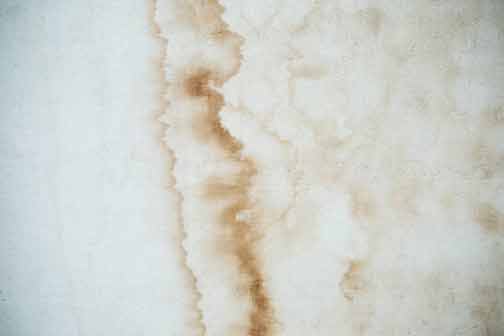
  • Damp or discolored patches: Look for damp spots or discoloration on walls, particularly near plumbing fixtures or in areas prone to water exposure, such as bathrooms and kitchens.
  • Musty odors: A persistent musty smell can indicate mold growth, which often thrives in areas with excessive moisture.
  • Peeling or bubbling paint: Water trapped behind a wall can cause paint to peel or bubble as it loses adhesion to the surface.
  • Warped or stained baseboards or flooring: Water leaks can lead to damage not only to the walls but also to the baseboards and flooring. Look for signs of warping, staining, or buckling.
  • Unexplained increase in water bills: A sudden increase in water consumption without a logical explanation could suggest an unseen water leak.

Prevention and Maintenance

Preventive measures can go a long way in minimizing the risk of water leaks behind walls. Here are some essential tips for prevention and regular maintenance:

  • Routine inspections: Regularly inspect your plumbing fixtures, including faucets, showerheads, and pipes, for any signs of leakage or wear. Take immediate action if you notice any issues.
  • Proper installation: Ensure that plumbing fixtures are installed correctly by professionals to avoid potential leaks caused by faulty connections or poor workmanship.
  • Monitor water pressure: High water pressure can strain pipes and increase the chances of leaks. Consider installing a pressure regulator to maintain an optimal pressure level.
  • Seal gaps and cracks: Inspect the walls for any gaps or cracks that could allow water to seep through. Seal them with appropriate caulking or sealant to prevent leaks.
  • Insulate pipes: In colder climates, insulate exposed pipes to protect them from freezing, which can cause leaks once the pipes thaw.

Methods to Detect Water Leaks Behind a Wall

  • Visual inspection: Start by visually examining the walls for any visible signs of water damage, such as stains, discoloration, or peeling paint. Pay close attention to areas near plumbing fixtures or where water pipes are located.
  • Infrared thermography: This method involves using an infrared camera to detect temperature differences behind the wall. Water leaks can create cooler areas due to evaporation, which can be identified with thermographic imaging.
  • Moisture meters: These handheld devices can measure the moisture content of materials, including drywall. By comparing moisture levels in different areas, you can pinpoint potential water leaks.
  • Dye testing: Dye testing involves adding a colored dye to the water supply. If there is a leak, the dyed water will seep into the walls and become visible on the drywall, helping to locate the source of the leak.
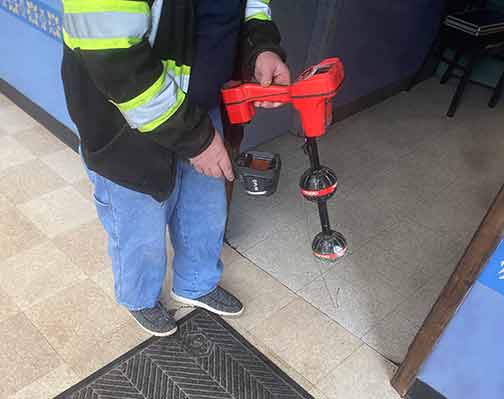
  • Acoustic listening devices: Specialized listening devices can detect the sound of water movement behind walls. By identifying the sound of a leaking pipe or running water, you can narrow down the area of the leak.
  • Pipe inspection cameras: Utilizing a small camera attached to a flexible cable, these devices allow for visual inspection of pipes inside walls. By inserting the camera into the pipe, you can identify any leaks or blockages.
  • Water pressure testing: A pressure test involves temporarily shutting off the water supply and monitoring the system’s pressure. A drop in pressure could indicate a hidden leak.
  • Professionals: If all else fails, it may be necessary to seek the assistance of a professional leak detection service. These professionals have specialized equipment and expertise to locate and repair hidden water leaks.

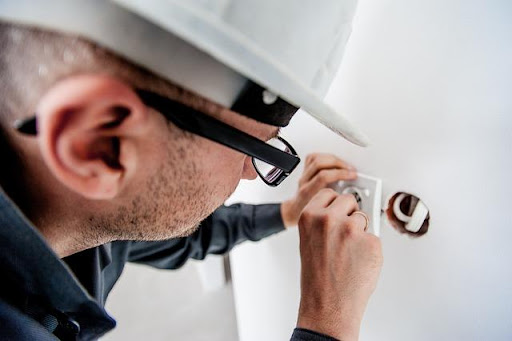
water leak detection.

Taking Action

Once you have successfully detected a water leak behind a wall, it is crucial to take prompt action to mitigate the damage. Here are the steps you should follow:

  • Shut off the water supply: Locate the main water shut-off valve and turn it off to stop the flow of water. This will prevent further damage until the leak is repaired.
  • Assess the extent of the damage: Carefully evaluate the affected area to determine the severity of the damage. Keep in mind that water can cause structural issues, mold growth, and affect electrical systems.
  • Contact a professional plumber: Unless you have the necessary expertise, it is advisable to call a plumber near you to repair the water leak. They will identify the source of the leak and take appropriate action to fix it.
  • Dry out the affected area: Use dehumidifiers and fans to dry out the affected walls and prevent the growth of mold and mildew.
  • Repair and restore: Once the leak is repaired and the affected area is dry, repair any damage to walls, flooring, or baseboards. Repaint or refinish as needed to restore the appearance of the space.

To Sum It Up

Detecting water leaks behind walls requires vigilance and the use of appropriate detection methods. By paying attention to signs of water damage, conducting regular maintenance, and utilizing various detection techniques, you can identify leaks early and prevent extensive damage to your property. Remember, if you are unsure or unable to locate a water leak, it is always advisable to seek professional water leak detection service help to ensure an accurate diagnosis and efficient repair.

Why We Don’t Recommend Trenchless Sewer Line Repair in Chicago

Trenchless Sewer Line Repair in Chicago

Risks and Limitations of Trenchless Sewer Line Repair

Trenchless sewer line repair is a modern technique that offers few benefits compared to traditional methods. It is essential to understand the associated risks and limitations before considering this option.

One significant risk of trenchless sewer line repair is the potential for unforeseen complications. While the process involves minimal digging, it still requires a thorough inspection of the sewer system. Without accurate diagnostics and assessments, there can be underlying issues that may go unnoticed. These problems can cause further damage and lead to more expensive repairs down the line.

Another limitation of trenchless sewer line repair is its suitability for specific pipe materials. While it is widely compatible with various materials, such as PVC, HDPE, and clay, older or more fragile pipes may not be suitable for this technique. In such cases, traditional repair methods, which involve excavation, may be the only viable solution.

Furthermore, trenchless sewer line repair requires precise equipment and specialized knowledge. Not all plumbing contractors are adequately trained or equipped to handle this technology. Improper installation or inexperienced technicians can result in subpar repairs, leading to recurring issues and additional repair costs.

In some cases this method is considered as more of a temporary band-aid rather than a long term solution to your broken or damaged sewer lines.

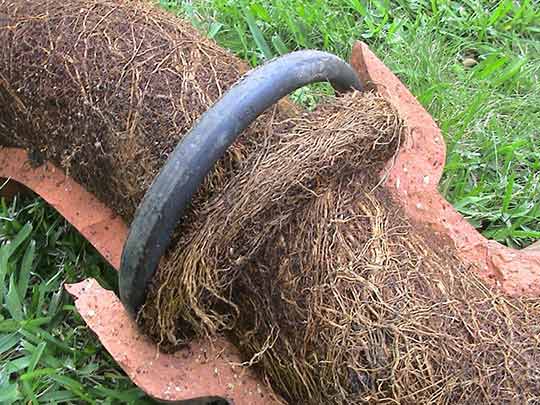
a sewer main like blockage caused by tree root infestation.

Neglecting routine maintenance can lead to severe consequences, including backups, leaks, and potential health hazards.

Importance of Regular Sewer Line Maintenance in Chicago

Regular sewer line maintenance is crucial in Chicago to prevent costly repairs and maintain the overall functionality of the sewage system. Neglecting routine maintenance can lead to severe consequences, including backups, leaks, and potential health hazards.

One primary benefit of regular sewer line maintenance is the early detection of problems. Through camera inspections on your sewer line, potential issues can be identified before they escalate into major emergencies. This proactive approach saves homeowners from unexpected damage, inconvenience, and significant repair expenses.

Maintenance also involves hiring a professional drain cleaning service to remove blockages. Over time, debris, grease, and other materials can accumulate in sewer lines, causing clogs and restricting the flow of wastewater. By regularly cleaning the pipes, the risk of backups and pipe bursts is significantly reduced, ensuring efficient wastewater disposal.

Moreover, routine maintenance allows for the identification and mitigation of root intrusion. Tree roots are a common cause of sewer line damage in Chicago. By employing professional maintenance services, including root removal and preventive treatments, homeowners can prevent root intrusion and the subsequent havoc it can wreak on the sewage system.

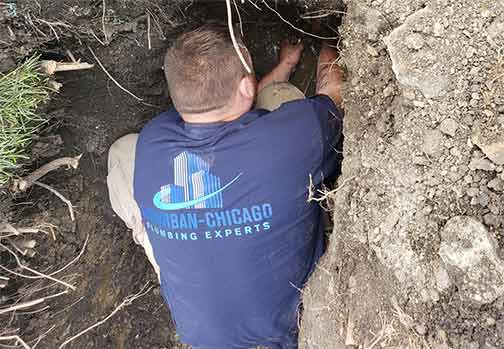
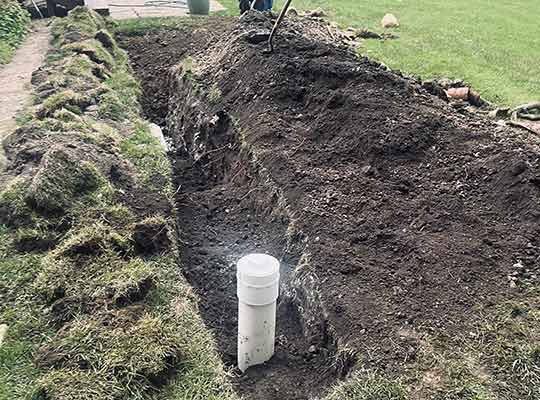
traditional sewer line repair in chicago.

The lack of durability and longevity of trenchless repairs can maximize the need for future repairs, thereby costing homeowners more down the road.

Cost of Trenchless Sewer Line Repair

The cost of trenchless sewer line repair in Chicago can vary depending on several factors. While this method has gained popularity due to its efficiency, it is essential to understand its financial implications.

One of the advantages of trenchless sewer line repair is the potential for cost savings. Compared to traditional excavation methods, this technique minimizes the need for extensive digging, reducing labor and equipment costs significantly. Additionally, trenchless repairs typically require less time, allowing homeowners to return to their normal routines sooner.

However, it is important to note that trenchless sewer line repair may not always be the most cost-effective solution. Factors such as the extent of damage, pipe material, and accessibility can influence the overall cost. In some cases, traditional repairs may be more suitable and affordable.

Furthermore, while the initial cost of trenchless repairs may be lower than traditional methods, the long-term savings can outweigh the upfront investment. The lack of durability and longevity of trenchless repairs can maximize the need for future repairs, thereby costing homeowners more down the road.

Summing it Up

In conclusion, while trenchless sewer line repair offers several benefits, it is crucial to consider the associated risks and limitations. Regular sewer line maintenance remains essential in Chicago to prevent major problems. The cost of trenchless repairs should be evaluated based on individual circumstances to determine the most suitable and cost-effective solution for each homeowner. It is advisable to consult professional plumbers who are experienced in both traditional underground sewer line repair and trenchless repair methods to receive accurate assessments and make informed decisions about sewer line repairs in Chicago.

Preventive Measures to Safeguard Your Plumbing System

Preventive Measures to Safeguard Your Plumbing System

Proper maintenance and preventive measures play a critical role in safeguarding your plumbing system. Whether it’s a residential or commercial property, a well-maintained plumbing system ensures the efficient flow of water and minimizes the risk of costly repairs in the future.

Regular Inspections

Performing regular inspections of your plumbing system is essential to identify potential issues before they become major problems. Hire professional plumbers to inspect the system thoroughly, including pipes, valves, fixtures, and drains. They will look for signs of leaks, corrosion, blockages, or any other damage that may compromise the integrity of your plumbing system.

Pipe Maintenance

Pipes are the lifeline of any plumbing system. To ensure their longevity and functionality, the following preventive measures should be taken:

  • Flush drains regularly with hot water to prevent build-up of debris and grease.
  • Avoid using chemical drain cleaners as they can corrode pipes over time.
  • Insulate exposed pipes during colder months to prevent freezing and potential bursts.
  • Address any cracks or leaks promptly to prevent water damage.
  • Limit or avoid pouring grease, oil, or coffee grounds down the drain to prevent clogs.
a plumbing doing some plumbing maintenance.

Proper maintenance of plumbing fixtures not only ensures their longevity but also prevents issues such as leaks and low water pressure.

Fixture Maintenance

Proper maintenance of plumbing fixtures not only ensures their longevity but also prevents issues such as leaks and low water pressure. Here are some preventive measures for fixture maintenance:

  • Regularly inspect and replace worn-out washers and gaskets in faucets and showerheads.
  • Ensure there are no loose connections in the fixtures, as they can cause leaks.
  • Install water-efficient fixtures such as low-flow toilets and aerators to conserve water and reduce strain on the plumbing system.
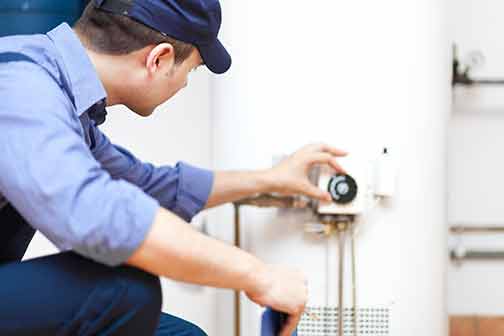
a plumber performing a water heater repair.

Inspect the temperature and pressure relief valve to ensure it is functioning correctly.

Hot Water System Maintenance

The hot water system is an integral part of any property. To ensure its efficiency and longevity:

  • Inspect the temperature and pressure relief valve to ensure it is functioning correctly.
  • Check for any signs of corrosion or leaks in the tank and plumbing connections.
  • Set the water heater temperature to a safe but energy-efficient level.
  • Consider installing insulation blankets on older water heaters to improve their efficiency.

Preventing Frozen Pipes

Frozen pipes can lead to costly repairs and water damage. To prevent pipe freezing and burst pipe emergencies:

  • Ensure proper insulation around pipes in unheated areas such as basements, crawlspaces, and attics.
  • Open cabinet doors under sinks to allow warm air to circulate around pipes.
  • Drip faucets during extremely cold weather to release pressure and prevent freezing.
  • Disconnect and drain outdoor hoses, and close outdoor water valves before winter.
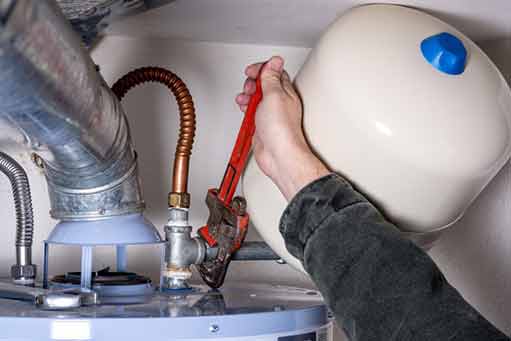
a plumber fixing a broken water heater.

Checking for hidden leaks using advanced detection techniques.

Professional Maintenance

Hiring professional plumbers for routine maintenance will help identify potential problems and ensure the longevity of your plumbing system. Some tasks that professionals can handle include:

  • Water pressure testing to ensure optimal flow without any excessive strain on the pipes.
  • Checking for hidden leaks using advanced detection techniques.
  • Inspecting and having your sewer lines cleaned out by way of a hydro jetting service to prevent blockages and potential backups.
  • Performing sewer camera inspections of the pipes to identify any damage or buildup.

In Summary

Implementing preventive measures and regular maintenance is crucial in safeguarding your plumbing system. By staying proactive and addressing issues promptly, you can avoid expensive repairs, extend the life of your plumbing system, and ensure a continuous supply of clean water throughout your property.