Author Archives: Chicago Plumbing Experts

Chicago Burst Pipe? Minimize Water Damage With These Useful Tips

Chicago Burst Pipe Tips

Water pipes burst in Chicago for several reasons, many of which are avoidable. But when you have a burst water pipe discharging water into your home, you really don’t care about the cause of the problem. You want to know how you can save your home and belongings.

In these situations, Francis Taylor Properties say prompt and decisive action is required. In the first few minutes of the event, the speed and preciseness of your actions will make a world of difference to how much you eventually spend on fixing the water damage to your home.

This post explains the crucial steps to minimize the impact of a ruptured water pipe in your home.

Shut the water from the mains

Stop the burst pipe from releasing more water into your home. Shut the supply of water by closing the water main shut-off valve for your house. This is usually located outside the home, and every member of your household must know the location of the water main shut-off valve and how to use it.

Drain faucets

To stop more water from being released onto the floor of your home, drain all remaining water out of the faucets. But before you do this, ensure that the water heater has been turned off. Open the cold water faucets first, followed by the hot water faucets, and lastly, flush your toilets several times to get rid of all the water. 

Remove your belongings from the path of the water

To minimize damage, remove all items vulnerable to water, such as carpets, furniture, clothes and other absorbent materials. Take them outside the house or place them on platforms. If there are electrical appliances in the region of the flood, avoid the risk of electric shock by turning off the water supply to your home.
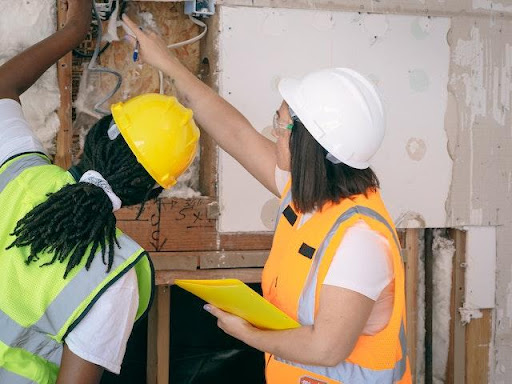
plumber taking stock of water damage caused by a burst pipe in chicago.

Now that you have taken steps to prevent further damage to your home, it is time to assess the situation.

Take stock of the damage

Now that you have taken steps to prevent further damage to your home, it is time to assess the situation. Slowly do a walkthrough of the affected areas with a camera. Record and take pictures of the scene, shooting from different angles for a clear perspective of the damage. The insurance claims adjuster will need this information.

Call a professional plumber

A good plumber will not only repair your burst pipe, they will explain why it happened and what you can do to prevent a recurrence. Using a plumber who is insured and who will guarantee their work is vital. The quality of the plumbing work will not only keep your home safe by preventing future problems but it can also influence your insurance claims.

Contact your insurance agent

You must inform the insurance company as soon as possible. This will not only fast-track the process of making your insurance claims, but your insurance agent can provide vital information that will make the process of water damage restoration quicker and easier. If the agent asks you any questions, do not answer them if you are unsure.

Mop up the water

The next step is to remove the water from your home. You want to start this as soon as possible. Quick action will reduce the amount of damage to your flooring, walls or ceilings and minimize the risk of mold and mildew. Mop up the water as quickly as you can and dry the area thoroughly.

Keep your doors open

To facilitate the drying process, you should improve airflow within your home. Do this by opening all the doors and windows. Improved ventilation will accelerate the rate of evaporation and further reduce the risk of mold and mildew. Do not forget to open the cupboard, cabinet, and vanity doors. Do this even if they were not touched by the water.

heat youe home to prevent burst pipes in wintertime in chicago.

Raise the indoor temperature of your home to help the water dry faster and reduce your water damage repair costs.

Heat your home

Raise the indoor temperature of your home to help the water dry faster and reduce your water damage repair costs. If the problem was caused by a frozen pipe, you will need to thaw it by applying heat directly to it or by warming the room where the pipe is. Do this with a hair dryer, an electric heating pad or a space heater (you can hire one).

Prevent it from happening again

Now it is time to find out the immediate and remote reasons why the pipe burst. Water pipes burst for several reasons, but the most common one is extremely low winter temperatures. Taking the proper steps to maintain your water pipes and protect them from cold will help you avoid this problem in the future.

Finally, consider the value of retaining the services of an emergency plumber nearby. This kind of relationship means you get preferential treatment from your plumber during times of emergency. Your home’s plumbing will also be maintained in a consistent manner that greatly limits the risk of damage.
Exploring Best Practices for Smooth Water Heater Replacement in Chicago: Tips from the Experts

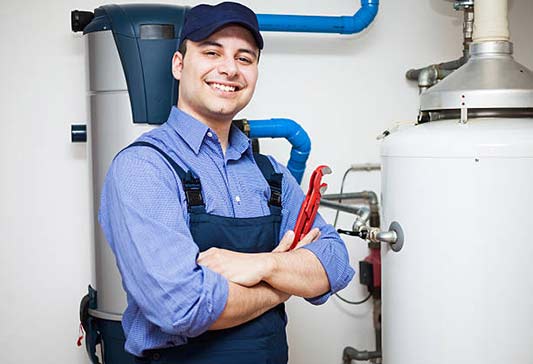
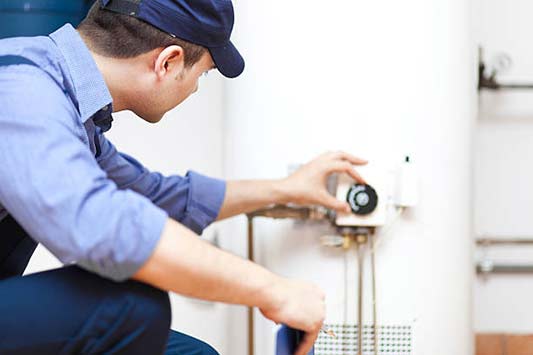
a plumber showing off his smooth water heater replacement in chicago.

Replacing a water heater can be a daunting task for homeowners, but with the right knowledge and expert guidance, the process can be smooth and efficient. In a city like Chicago, where extreme winters demand a reliable and efficient water heating system, it is essential to understand the best practices for water heater replacement. With the help of industry experts, we have compiled a comprehensive guide to navigate through the process seamlessly and ensure a long-lasting and trouble-free water heating system in your Chicago home.

Understanding the Importance of Water Heater Replacement

A water heater is a crucial component of any household, providing hot water for various tasks such as bathing, washing dishes, and laundry. Over time, water heaters experience wear and tear, leading to decreased efficiency and potential malfunctions. Additionally, older water heaters may not meet the latest energy efficiency standards, causing increased energy consumption and higher utility bills.

Replacing a water heater at the right time not only guarantees a reliable supply of hot water but also provides several benefits:

  • Improved Energy Efficiency: Newer models of water heaters are designed to meet higher energy efficiency standards, ultimately reducing energy consumption and saving money on utility bills.
  • Enhanced Performance: A new water heater ensures optimal performance, meaning faster heating and a more consistent supply of hot water for your daily needs.
  • Lower Maintenance Costs: Older water heaters may require frequent repairs, resulting in higher maintenance costs. By replacing it with a newer model, you can reduce the need for repairs and associated expenses.
  • Extended Lifespan: Timely replacement of a water heater can prevent major breakdowns and significantly extend the overall lifespan of the system.

Determining When to Replace Your Water Heater

While knowing when to replace your water heater is important, it can be challenging for homeowners to identify the right time. However, there are some key indicators that can help you make an informed decision:

  • Age of the Water Heater: The typical lifespan of a water heater is around 8-12 years. If your water heater is nearing or surpassing this age range, it is advisable to start exploring replacement options.
  • Frequent Repairs: If you find yourself frequently calling a plumber to repair your water heater, it might be an indication that the system is nearing the end of its life expectancy.
  • Inefficient Performance: Decreased performance, such as longer heating times or insufficient hot water supply, could indicate that your water heater is no longer operating at its optimal capacity.
  • Rust or Corrosion: The presence of rust or corrosion on the tank or water pipes is a sign of underlying damage. This could lead to leaks or complete failure of the system if not addressed promptly.
  • Loud Noises: Strange noises coming from your water heater, such as rumbling or popping sounds, can indicate sediment buildup or a malfunctioning heating element.
  • Increased Energy Bills: If you notice a sudden spike in your energy bills without a significant change in your usage patterns, it could be a sign that your water heater is losing efficiency and consuming more energy than before.
a plumber replacing a water heater in chicago.

Once you have decided to replace your water heater, the next crucial step is selecting the right type and size of water heater for your Chicago home.

Choosing the Right Water Heater

Once you have decided to replace your water heater, the next crucial step is selecting the right type and size of water heater for your Chicago home. There are several options available in the market, each with its advantages and considerations. Here are the most common types of water heaters:

  • Conventional Storage Tank Water Heaters: These are the traditional water heaters that store and heat a large volume of water in a tank. They are relatively affordable but occupy significant space. They are available in various sizes to accommodate different household needs.
  • Tankless Water Heaters: Unlike storage tank water heaters, tankless models heat water directly as it flows through the unit. They are space-saving, energy-efficient, and provide a continuous supply of hot water. However, they can be more expensive upfront.
  • Heat Pump Water Heaters: Heat pump water heaters extract heat from the surrounding air or ground and use it to heat the water. They are highly energy-efficient but require a suitable installation location and operate best in moderate climates.
  • Solar Water Heaters: Solar water heaters use energy from the sun to heat the water. They are environmentally friendly and have low operating costs in the long run. However, their effectiveness depends on the availability of sunlight in your area.

When selecting the right water heater for your Chicago home, it is essential to consider factors such as:

  • The size and needs of your household
  • The space available for installation
  • Your budget and energy efficiency preferences
  • The availability of energy sources

Hiring a Professional Water Heater Replacement Service

Replacing a water heater involves complex installation, electrical connections, and plumbing work. Therefore, it is highly recommended to hire a licensed Chicago plumber to ensure the job is done safely and efficiently. The following are some reasons why hiring experts is a wise decision:

  • Expertise and Experience: Professional plumbers have the necessary knowledge, skills, and experience to handle water heater replacements, ensuring proper installation and minimizing the risk of any issues.
  • Licensing and Certification: Reputable water heater replacement services hold the required licenses and certifications, demonstrating their adherence to industry standards and regulations.
  • Advanced Equipment and Tools: Professionals use specialized equipment and tools to perform the installation accurately and efficiently.
  • Assistance with Permits and Codes: A reliable water heater replacement service will assist you with obtaining any necessary permits and ensure compliance with local building codes.
  • Warranty and Guarantees: Reputable companies offer warranties and guarantees on their work, providing you with peace of mind knowing that the job is backed by their commitment to customer satisfaction.
a person disconnecting the power to their water heater tank.

If your water heater operates on electricity, turn off the power supply from the circuit breaker. For gas-powered heaters, shut off the gas valve leading to the unit.

Preparing for Water Heater Replacement

Before the replacement process begins, there are a few essential steps to follow:

  • Disconnect the Power: If your water heater operates on electricity, turn off the power supply from the circuit breaker. For gas-powered heaters, shut off the gas valve leading to the unit.
  • Shut Off the Water Supply: Locate the water shut-off valve connected to the water heater and close it to stop the water flow.
  • Drain the Tank: Connect a hose to the drain valve on the tank and direct the other end to a suitable drainage location. Open the valve to allow the water to drain completely. Once drained, open a nearby hot water faucet to relieve any residual pressure.
  • Clear the Surrounding Area: Remove any obstacles or belongings near the water heater to provide ample space for installation and easy access for the technicians.

The Water Heater Replacement Process

Once the necessary preparations are complete, the water heater replacement process can begin. Here is an overview of the typical steps involved:

  • Removal of the Old Water Heater: Technicians will disconnect the plumbing and electrical connections, drain the remaining water, and safely remove the old water heater from its current location.
  • Installation of the New Water Heater: The new water heater will be carefully positioned and secured in place. Plumbers will reconnect the plumbing and electrical connections to ensure proper functioning.
  • Testing and Verification: The technicians will test the newly installed water heater thoroughly to ensure it is working correctly and there are no leaks or other issues.
  • Clean-Up and Debris Disposal: Any debris or packaging material resulting from the replacement process will be cleaned up and disposed of responsibly.
  • Instruction and Explanation: The technicians will provide you with instructions on operating and maintaining the new water heater, as well as answer any questions you may have.

Maintaining Your New Water Heater

Once your new water heater is installed, it is important to maintain it properly for optimal performance and longevity. Here are some key maintenance practices:

  • Regular Inspection: Periodically check for any signs of leaks, rust, or unusual noises. If you notice any issues, contact a professional promptly.
  • Drain Flushing: Regularly flushing the tank helps remove sediment buildup and maintains the efficiency of your water heater. Consult the manufacturer’s guidelines or seek professional assistance for the proper procedure.
  • Temperature and Pressure Relief Valve Testing: Test the temperature and pressure relief valve annually to ensure it is functioning correctly. Follow the manufacturer’s instructions or consult a professional if needed.
  • Insulation: Consider insulating the water heater and the hot water pipes to reduce heat loss and increase energy efficiency. Use appropriate insulation materials recommended for water heaters.
  • Professional Maintenance: Schedule regular professional maintenance at least once a year to keep your water heater in optimal condition. This includes inspection, cleaning, and any necessary adjustments.

Conclusion

Water heater replacement in Chicago requires careful consideration of various factors, including the right time to replace, selecting the appropriate type and size of water heater, hiring professional services, and proper maintenance. By following the best practices outlined in this guide and seeking advice from industry experts, homeowners can ensure a smooth and successful water heater replacement process. Enjoy the benefits of a reliable and energy-efficient water heating system in your Chicago home, providing you with hot water all year round.

Are you in need of a water heater replacement in the Chicagoland area? Contact us at 773-599-9181 or by form below:

Maintaining a Smooth Plumbing System in Apartment Complexes: The Hydro Jetting Solution

Maintaining a Smooth Plumbing System in Apartment Complexes

As a property manager or owner of an apartment complex, maintaining a smooth plumbing system is paramount to the satisfaction and well-being of your tenants. A properly functioning plumbing system ensures that water flow is consistent and uninterrupted, preventing inconvenience and potential damage to the property. One effective solution that has gained popularity in recent years is hydro jetting. Below we will explore the pro’s and con’s of hydro jetting and why it is an ideal solution for maintaining a smooth plumbing system in apartment complexes.

Understanding Hydro Jetting

Hydro jetting is a highly efficient method of cleaning and unclogging pipes that utilizes high-pressure water to remove debris, scale, and various obstructions. It involves the use of a specialized nozzle that releases water at pressures ranging from 1,500 to 4,000 pounds per square inch (PSI), effectively scouring the interior surfaces of the pipes and restoring them to their optimal condition.

The process involves inserting a flexible hose with the specialized nozzle into the plumbing system. Once in position, water is introduced at high pressure, propelling the nozzle forward through the pipe while breaking down any buildup or obstructions in its path. The debris is effectively removed and flushed out of the system, leaving the pipes clean and free-flowing.

The Benefits of Hydro Jetting

Hydro jetting offers several advantages over traditional methods of pipe cleaning. Let’s explore some of the key benefits:

Efficient and Thorough Cleaning

Unlike a sewer rodding service or chemical cleaning methods, hydro jetting provides a comprehensive cleaning solution that effectively removes all types of blockages, including grease, mineral deposits, tree roots, and more. The high-pressure water effectively scours the interior surfaces of the pipes, leaving them clean and free from obstructions.

Preventative Maintenance

Regular hydro jetting helps prevent future plumbing issues by removing the buildup that can lead to blockages and clogs. By proactively maintaining the plumbing system, you can minimize the risk of costly and disruptive repairs down the line.

Environmentally Friendly

Hydro jetting utilizes only water and does not require the use of any harsh chemicals. It is a safe and environmentally friendly method of pipe cleaning, ensuring that no harmful substances are introduced into the plumbing system or the surrounding environment.

Cost-Effective

While hydro jetting may have a higher upfront cost compared to traditional methods, it offers long-term cost savings. By maintaining a smooth plumbing system and preventing major blockages, you can avoid the costs associated with emergency repairs and extensive sewer line replacement.

Improved Water Flow

One of the most noticeable benefits of hydro jetting is the immediate improvement in water flow. By removing obstructions and buildup, water can flow freely through the pipes, minimizing the risk of low water pressure and ensuring a consistent supply to all units within the apartment complex.

hydro jet plumbing.

Develop a regular maintenance schedule for hydro jetting the plumbing system in your apartment complex.

Implementing Hydro Jetting in Apartment Complexes

Now that we understand the benefits of hydro jetting, let’s explore how it can be effectively implemented in apartment complexes:

Regular Maintenance Schedule

Develop a regular maintenance schedule for hydro jetting the plumbing system in your apartment complex. This ensures that the pipes are consistently cleaned and prevents the buildup of debris and obstructions.

Partner with Professional Plumbing Services

It is essential to partner with a reputable plumbing service that specializes in hydro jetting service. Experienced professionals have the expertise and equipment necessary to perform the procedure safely and effectively.

Communication with Tenants

Inform your tenants of the benefits and necessity of hydro jetting for maintaining a smooth plumbing system. Encourage them to report any plumbing issues promptly to prevent further damage and schedule hydro jetting as required.

Combine Hydro Jetting with Other Plumbing Solutions

Hydro jetting can be combined with other plumbing solutions, such as sewer camera inspections, to identify any underlying issues within the plumbing system. This proactive approach allows for targeted maintenance and prevents future problems.

To Sum It Up

Maintaining a smooth plumbing system in apartment complexes is crucial for the satisfaction and comfort of tenants. Hydro jetting offers an efficient, cost-effective, and environmentally friendly solution to ensure optimal water flow and prevent plumbing issues. By implementing a regular maintenance schedule and partnering with professionals, you can proactively maintain your apartment complex’s plumbing system and provide a hassle-free living experience for your tenants.

Avoiding Costly Water Damage: How to Safeguard Your Home from Burst Pipes

How to Safeguard Your Home from Burst Pipes

Water damage caused by burst pipes can be a costly and devastating problem for homeowners. From ruined furniture and flooring to extensive repairs, the consequences of water damage can be overwhelming. However, with some simple precautions and preventative measures, you can safeguard your home from burst pipes and avoid the headache of dealing with water damage. In this article, we will provide you with valuable tips and guidance on how to protect your home and mitigate the risk of burst pipes.

Understanding the Causes of Burst Pipes

Before we dive into preventative measures, it is crucial to understand the common causes of burst pipes. By identifying and addressing these potential issues, you can significantly reduce the risk of water damage from burst pipe emergencies in your home.

Extreme Temperatures: One of the main causes of burst pipes is freezing temperatures. When water freezes inside the pipes, it expands, putting immense pressure on the pipes. This pressure can cause weak points in the pipes to burst, leading to significant water damage.

Poor Insulation: Inadequate insulation is another factor that contributes to burst pipes. Uninsulated or poorly insulated pipes are more susceptible to freezing and bursting during cold weather.

Age and Wear: Over time, pipes can become weakened due to corrosion, rust, or general wear and tear. Older pipes are more likely to develop cracks or burst under pressure.

Now that we have identified the primary causes of burst pipes let us discuss some effective measures you can take to safeguard your home.

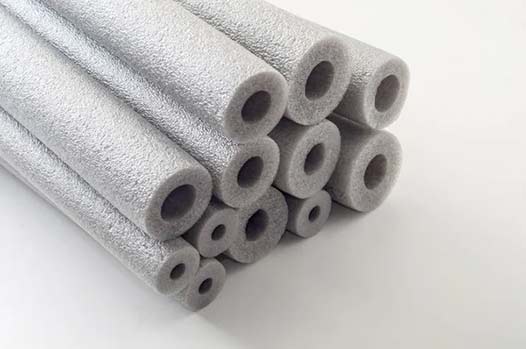
pipe insulation to prevent burst pipes in wintertime.

To protect your pipes from freezing temperatures, make sure they are adequately insulated.

Preventative Measures: How to Safeguard Your Home from Burst Pipes

1. Insulate Your Pipes:

To protect your pipes from freezing temperatures, make sure they are adequately insulated. Insulation sleeves or foam pipe covers can be easily installed to keep the heat contained within the pipes. Focus on areas with exposed pipes, such as basements, attics, and crawl spaces.

2. Seal Air Leaks:

Air leaks around pipes can lead to a drop in temperature and increase the chances of freezing. Inspect your home for any gaps or cracks near pipes and use caulk or insulation to seal them. This will help maintain a stable temperature and reduce the risk of burst pipes.

The Importance of Proper Maintenance

Besides taking preventative measures, regular maintenance plays a vital role in preventing burst pipes and mitigating water damage. Here are some essential maintenance tasks to prioritize:

Visual Inspections:

Regularly inspect your pipes for any signs of damage, such as cracks, leaks, or corrosion. Pay close attention to areas prone to moisture, such as under sinks, around appliances, and near the water heater. If you notice any issues, address them promptly to prevent further damage.

Drain and Insulate Outdoor Faucets:

Before the winter season arrives, make sure to drain and disconnect any garden hoses. Shut off the outdoor water supply and insulate any outdoor faucets or pipes. This will prevent water from freezing and causing damage to the pipes.

Schedule Professional Inspections:

Consider scheduling regular inspections with a qualified plumber. A professional can assess the condition of your pipes and identify potential vulnerabilities that may lead to burst pipes. They can also provide guidance on the best course of action to mitigate any risks.

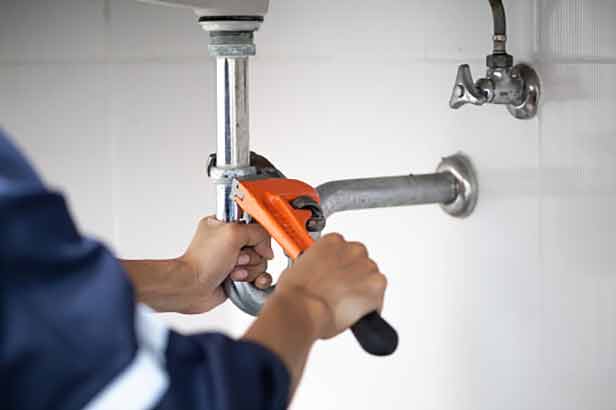
call an emergency plumber for burst pipe repair.

Contact an emergency plumber or emergency water damage restoration service as soon as possible.

Take Action in Case of a Burst Pipe

Despite our best efforts, emergencies can still occur. If you experience a burst pipe, it is crucial to act quickly to minimize water damage and protect your home. Here are the immediate steps you should take:

Shut Off the Water:

Locate your main water shut-off valve and turn it off immediately to stop the flow of water. It is essential to familiarize yourself with the location of this valve before an emergency occurs.

Open Faucets:

Next, open all faucets in your home to drain the remaining water from the pipes. This will relieve pressure and help prevent further damage.

Call a Professional:

Contact an emergency plumber or 24 hour plumbing service as soon as possible. They have the expertise and equipment to assess the situation, repair the burst pipe for you, and minimize water damage.

Conclusion

Water damage caused by burst pipes can be a nightmare for homeowners. However, by understanding the causes of burst pipes and implementing preventive measures, you can significantly reduce the risk of water damage. Insulating pipes, sealing air leaks, conducting regular maintenance, and knowing how to react in case of a burst pipe are all essential steps towards safeguarding your home. Remember, your proactive actions today can save you from costly repairs and the stress of dealing with water damage in the future.

Sump Pump Installation Made Simple: Step-by-Step Guide to Safeguarding Your Basement from Water Damage

Sump Pump Installation Made Simple

Welcome to our comprehensive guide on sump pump installation! Your basement is a valuable space that provides numerous benefits, from extra living area to storage space. However, water damage can quickly turn your basement into a nightmare. It is crucial to safeguard your basement from potential water damage, and one of the most effective ways to do so is by installing a sump pump.

In this step-by-step guide, we will walk you through the process of installing a sump pump in your basement, ensuring that you have all the information you need to protect your home and belongings from water damage.

Understanding the Importance of a Sump Pump

Before we dive into the installation process, let’s first understand why a sump pump is crucial for your basement’s protection. A sump pump is a device that helps prevent water from infiltrating your basement by collecting excessive groundwater and directing it away from your home’s foundation.

During heavy rainfalls or when the water table rises, groundwater can seep into your basement through cracks in the foundation or basement walls. If left unchecked, this water can lead to a host of problems, including mold growth, structural damage, and damage to your belongings.

A sump pump is installed in a specially constructed pit, known as a sump pit, in your basement. It collects water that enters the pit and pumps it away from your home, typically to a drainage system or a storm sewer.

Gathering the Necessary Tools and Materials

Before you begin the installation process, it is important to gather all the necessary tools and materials. Here is a list of items you will need:

  • Sump pump
  • Sump pit
  • Check valve
  • PVC pipes (with appropriate diameter)
  • PVC cement
  • Tape measure
  • Hacksaw or PVC pipe cutter
  • Screwdriver
  • Adjustable wrench
  • Teflon tape
  • Bucket
  • Gloves
  • Safety goggles
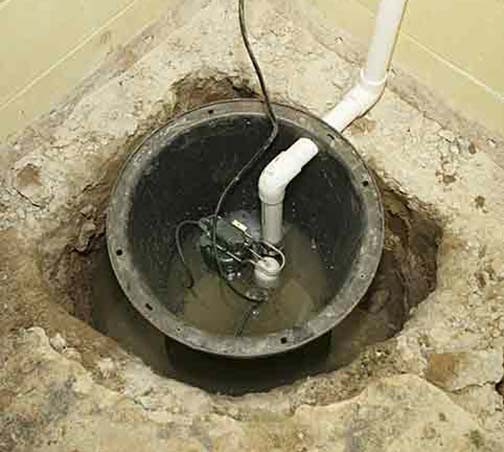
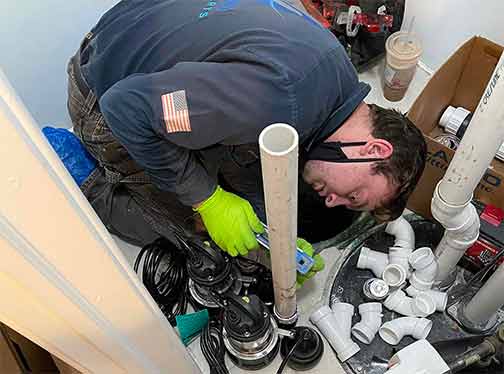
installation of a sump pit.

The first step in the installation process is to choose the right location for the sump pit.

Step 1: Choosing the Right Location for the Sump Pit

The first step in the installation process is to choose the right location for the sump pit. Here are some factors to consider when selecting the location:

  • Identify the lowest point in your basement: The sump pit should be placed in the lowest point of your basement where water is most likely to accumulate.
  • Keep the sump pit away from obstacles: Ensure that the location you choose is free from any obstacles, such as utility lines or water pipes.
  • Accessibility: It is important to choose a location that allows easy access for maintenance and repairs.

Step 2: Digging the Sump Pit

Once you have determined the location for your sump pit, it’s time to start digging. Follow these steps to dig the pit:

  • Using the tape measure, mark the dimensions of the sump pit on the basement floor.
  • Put on your gloves and safety goggles for protection.
  • Using a shovel or a digging tool, carefully dig the pit according to the marked dimensions. The depth of the pit should be approximately two feet.
  • Remove any debris or loose dirt from the pit using a bucket.

Step 3: Installing the Sump Pit

Once the pit is dug, it’s time to install the sump pit. Follow these steps:

  • Place the sump pit in the center of the hole you dug.
  • Ensure that the pit is level and stable.

Step 4: Installing the Sump Pump

Now that the sump pit is in place, it’s time to install the sump pump. Here’s how:

  • Remove the cover from the sump pit.
  • Place the sump pump inside the pit.
  • Position the pump in a way that the float switch is unobstructed and can move freely.
  • Attach the check valve to the pump’s discharge pipe, ensuring that it is securely tightened.
  • Connect the PVC pipe to the check valve and extend it to the desired location for water discharge.
  • Secure the PVC pipe using PVC cement.
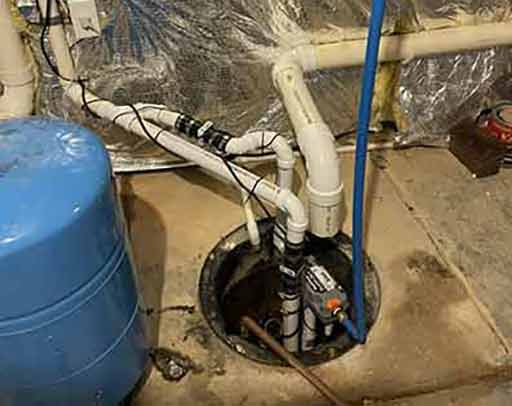
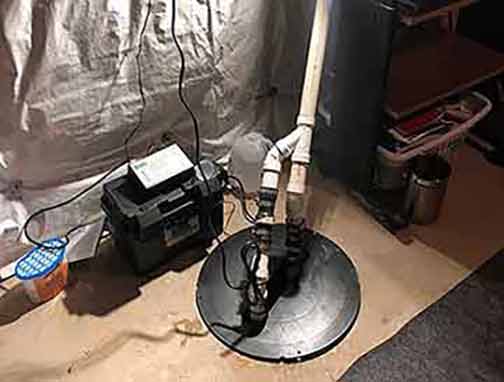
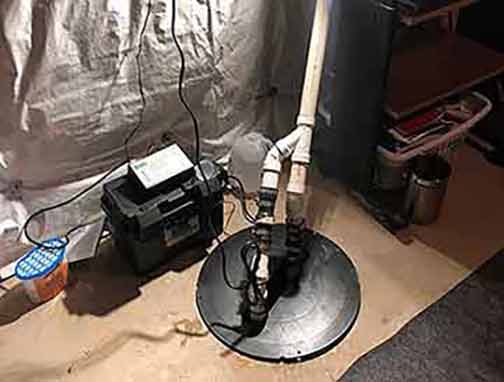
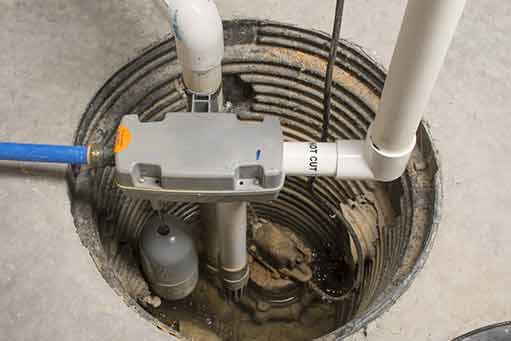
a newly installed sump pump.

With the sump pump successfully installed, it is important to test its functionality and perform regular maintenance to ensure it continues to operate effectively.

Step 5: Testing and Maintenance

With the sump pump successfully installed, it is important to test its functionality and perform regular maintenance to ensure it continues to operate effectively. Here are some essential steps:

  • Fill the sump pit with water until the float switch is activated.
  • Observe the pump as it starts pumping water out of the pit.
  • Check for any leaks in the discharge pipe or the connections.
  • Remove any debris or sediment that may accumulate in the pit.
  • Test the sump pump periodically to ensure it is in proper working condition.

Conclusion

Congratulations! You have successfully installed a sump pump in your basement, providing an essential layer of protection against flooding and water damage. By following this step-by-step guide, you have taken a significant step towards safeguarding your basement and preserving the value of your home.

Remember, proper installation and regular maintenance are key to ensuring your sump pump operates effectively. If you encounter any issues or feel unsure at any point during the installation process, it is always recommended to seek assistance from a local plumber.

Now that you have the knowledge and tools, take action to protect your basement from water damage and enjoy peace of mind, knowing that your valuable space is safe and secure.

How to Fix a Leaking Toilet Base: A Complete Guide

How to Fix a Leaking Toilet Base

Toilets are an essential part of every household, providing convenience and hygiene. However, a leaking toilet base can be a frustrating and potentially costly problem. Ignoring a leaking toilet can lead to water damage, mold growth, and increased water bills. In this comprehensive guide, we will walk you through step-by-step on how to fix a leaking toilet base.

Identify the Source of the Leak

The first step in fixing a leaking toilet base is to identify the source of the leak. There are several potential causes, including:

  • Wax ring deterioration
  • Loose or damaged toilet bolts
  • Cracked toilet base
  • Incorrect toilet installation

To determine the cause, carefully inspect the area around the toilet base for any signs of water pooling or dampness. Additionally, check for any cracks or looseness in the toilet itself.

Turn Off the Water Supply

Before attempting any repairs, it is crucial to turn off the water supply to the toilet. Locate the shut-off valve, usually located near the base of the toilet or on the wall behind it, and turn it clockwise until it is fully closed. Flush the toilet to drain any remaining water from the tank and bowl.

Remove the Toilet

In order to access and repair the leaking toilet base, you will need to remove the toilet. Follow these steps:

  • Disconnect the water supply line from the bottom of the toilet tank.
  • Remove the nuts from the toilet bolts securing the toilet base to the floor.
  • Gently rock the toilet back and forth to break the wax seal and lift it off the floor.
  • Place the toilet on a towel or old newspaper to prevent any water or debris from spreading.
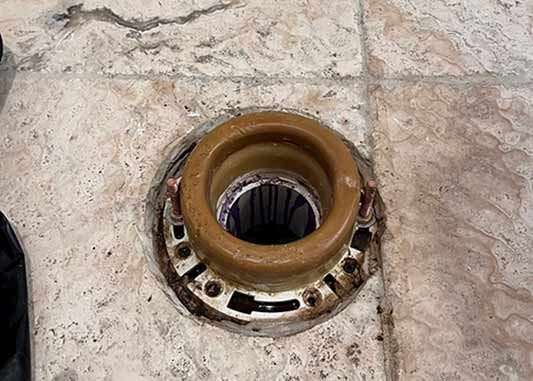
a toilet wax ring replacement.

A common cause of a leaking toilet base is a deteriorated wax ring. The wax ring creates a watertight seal between the toilet base and the floor.

Replace the Wax Ring

A common cause of a leaking toilet base is a deteriorated wax ring. The wax ring creates a watertight seal between the toilet base and the floor. To replace the wax ring:

  • Remove the old wax ring from both the toilet base and the flange on the floor.
  • Clean the flange and the toilet base thoroughly.
  • Place the new wax ring onto the flange, ensuring a snug fit.
  • Carefully lower the toilet onto the wax ring, aligning the toilet bolts with the mounting holes.
  • Press down firmly to compress the wax ring and create a proper seal.
  • Tighten the toilet bolts, being careful not to overtighten and crack the toilet.

Inspect and Repair Toilet Bolts and Base

Examine the toilet bolts and the base itself for any signs of damage or looseness. If the bolts are loose or damaged, replace them with new ones. If the toilet base is cracked or damaged, it may need to be replaced. Contact a nearby plumber if necessary.

Reinstall the Toilet

Once you have replaced the wax ring and addressed any issues with the toilet bolts or base, it is time to reinstall the toilet.

  • Lower the toilet back onto the flange, aligning the bolts with the mounting holes.
  • Apply downward pressure to compress the wax ring and create a tight seal.
  • Replace the nuts onto the toilet bolts and tighten them until snug.
  • Reconnect the water supply line to the bottom of the toilet tank.
  • Turn on the water supply and allow the tank to refill.
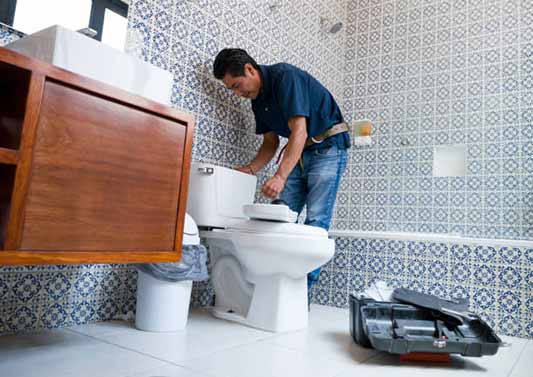
a plumber testing for any toilet leaks.

Once you have replaced the wax ring and addressed any issues with the toilet bolts or base, it is time to reinstall the toilet.

Test for Leaks

After reinstalling the toilet, it is essential to test for any remaining leaks. Flush the toilet and carefully inspect the area around the base for any signs of water seeping out. If you notice any leaks, repeat the necessary steps to ensure a proper seal.

Wrapping It Up

Fixing a leaking toilet base is a manageable task with the right tools and guidance. By following the steps outlined in this complete guide, you can successfully repair a leaking toilet base, preventing further damage and ensuring the continued functionality of your bathroom. However, if you encounter any difficulties or are unsure about any step, it is recommended to seek the assistance of a local residential plumber for expert advice and assistance.

All About Leak Detection in Chicago

All About Leak Detection in Chicago

When it comes to leak detection in Chicago, it is essential to address the widespread problem of leaks that can occur in residential, commercial, and industrial buildings. Detecting leaks early can save property owners from major headaches and costly repairs. Here we will explore the importance of leak detection, the common types of leaks, and the methods used for leak detection in Chicago.

The Importance of Leak Detection

Leak detection plays a crucial role in maintaining the integrity of structures and preventing potential damage. Water leaks can lead to structural damage, mold growth, and increased water bills. Gas leaks, on the other hand, can be hazardous, posing a threat to the safety of occupants. Therefore, early detection of leaks is paramount to ensure the safety, well-being, and financial stability of property owners.

Common Types of Leaks

Before diving into the methods of leak detection, it is important to understand the different types of leaks that can occur in buildings:

1. Water Leaks: Water leaks are one of the most common types of leaks and can occur in various forms, such as pipe leaks, faucet leaks, toilet leaks, or roof leaks. These leaks can lead to visible water damage, dampness, and mold growth if not addressed promptly.

2. Gas Leaks: Gas leaks can occur in buildings that use natural gas for heating, cooking, or other purposes. Gas leaks are extremely dangerous and can result in explosions, fires, or health hazards. The presence of a rotten egg smell or hissing sound near gas appliances or gas lines can be indicators of a gas leak.

3. Sewer Leaks: Sewer leaks can lead to foul odors, slow drainage, and sewer backup emergencies. These leaks can be caused by damaged sewer pipes, tree root intrusion, or blockages, and require immediate attention to prevent significant damage and health hazards.

Methods of Leak Detection

There are several methods used for leak detection in Chicago, each with its own advantages and applications:

1. Visual Inspection: Visual inspection involves a thorough examination of the property for any visible signs of leaks. This can include looking for water stains, damp spots, mold growth, or signs of gas leaks like a rotten egg smell. While visual inspection is a good starting point, it may not detect hidden or underground leaks.

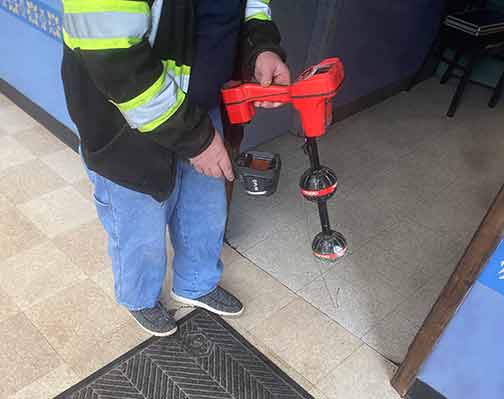
2. Acoustic Detection: Acoustic leak detection utilizes specialized equipment to detect the sound of leaks. This method is particularly useful for detecting hidden water leaks underground, behind walls, or under flooring. By analyzing the sound patterns, professionals can pinpoint the exact location of the leak.

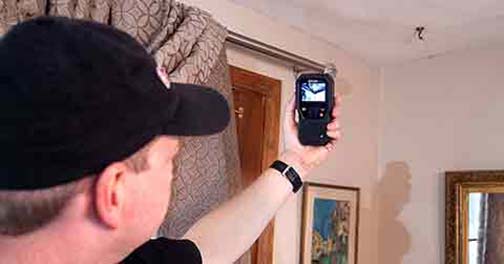
3. Thermal Imaging: Thermal imaging technology is highly effective in identifying water leaks and areas of moisture. This method uses infrared cameras to detect temperature variations caused by water leaks. By detecting these temperature differences, professionals can identify hidden leaks within the structure.

4. Gas Detection: Gas leak detection involves the use of gas detectors or sensors to identify the presence of dangerous gases, such as natural gas or propane. These detectors can detect gas leaks before they become a safety hazard, allowing for immediate action to prevent accidents.

5. Pressure Testing: Pressure testing involves pressurizing the plumbing system with air or water to check for leaks. This method is commonly used for identifying hidden water pipe leaks or verifying the integrity of newly installed pipes. Pressure testing can help detect leaks that are not visible to the naked eye.

a water leak detection plumber in chicago,

Considering the importance of early leak detection, it is highly recommended to hire a professional leak detection service in Chicago.

Choosing a Professional Leak Detection Service in Chicago

Considering the importance of early leak detection, it is highly recommended to hire a professional leak detection service in Chicago. Here are some key factors to consider when choosing a service:

1. Experience and Expertise: Look for companies with extensive experience in leak detection. Experienced professionals are more likely to accurately identify and resolve leaks efficiently.

2. Licensed and Insured: Ensure that the leak detection company is licensed and insured to protect yourself from liability in case of any accidents or damages during the detection process.

3. Advanced Technology: Choose a company that utilizes advanced leak detection technologies and equipment to ensure accurate results and efficient diagnosis.

4. Prompt Response: In case of an emergency, it is crucial to select a plumber that offers emergency services.

5. Customer Reviews and References: Read customer reviews and ask for references to gauge the quality of service provided by the leak detection company. Positive reviews and testimonials can give you confidence in your decision.

The Cost of Leak Detection in Chicago

The cost of leak detection in Chicago can vary depending on several factors such as the type of leak, the extent of the problem, and the specific detection method used. It is recommended to obtain multiple quotes from different leak detection services to compare prices and services offered. While it may be tempting to choose the cheapest option, it is important to prioritize reliable and reputable companies that provide accurate detection and effective solutions.

In Summary

Leak detection in Chicago is a critical aspect of maintaining the safety, integrity, and value of residential, commercial, and industrial properties. Swift detection of leaks can prevent further damage, costly repairs, and potential health hazards. By understanding the importance of leak detection, the common types of leaks, and the methods used for detection, property owners can take proactive measures to ensure the early identification and resolution of leaks. Investing in professional leak detection services is a wise decision that can potentially save property owners from significant financial and safety risks in the long run.

The Importance of Regular Sump Pump Replacement for Homeowners

The Importance of Regular Sump Pump Replacement for Homeowners

As a homeowner, you understand the importance of maintaining your property and ensuring that all systems are in good working order. One such system that is often overlooked but plays a crucial role in protecting your home is the sump pump. This device is designed to prevent basement flooding by removing excess water from the foundation of your home. However, like any mechanical device, sump pumps have a limited lifespan and require regular replacement to ensure they continue to function effectively. Here we will explore the importance of regular sump pump replacement and how it can benefit homeowners in the long run.

The Role of a Sump Pump

Before delving into the importance of regular sump pump replacement, it is essential to understand the role that these devices play in safeguarding your home. A sump pump is typically installed in the basement or crawl space of a house and is responsible for pumping out excess water that accumulates around the foundation. This can happen due to various reasons, such as heavy rain, melting snow, or a high water table.

By removing this excess water, a sump pump prevents basement flooding and the subsequent damage it can cause to the structure of your home. In addition to protecting your property, it also safeguards your belongings, electrical systems, and plumbing from water damage. Without a properly functioning sump pump, your basement becomes vulnerable to water infiltration, which can lead to costly repairs and potential health hazards caused by mold and mildew.

The Lifespan of a Sump Pump

Now that we understand the important role sump pumps play in protecting our homes, it is crucial to recognize that these devices have a limited lifespan. On average, a sump pump can last anywhere between 10 to 15 years, depending on factors such as its make, model, usage, and maintenance. However, it is vital to note that these estimates are not absolute, and certain conditions may shorten the lifespan of a sump pump.

Factors that can affect the longevity of a sump pump include power outages, excessive use, poor maintenance, and exposure to debris and sediment. If your sump pump is nearing the end of its lifespan or is showing signs of wear and tear, it is crucial to replace it promptly to ensure uninterrupted protection against basement flooding.

a completed sump pump installation.

The primary function of a sump pump is to protect your basement from flooding.

The Benefits of Regular Sump Pump Replacement

Regular sump pump replacement offers several benefits to homeowners. By proactively replacing your sump pump before it fails, you can mitigate the risk of basement flooding and the associated damage. Here are some key advantages of regular sump pump replacement:

Protection Against Basement Flooding

The primary function of a sump pump is to protect your basement from flooding. By replacing your sump pump regularly, you can ensure that it is in optimal working condition and ready to tackle any excess water that may accumulate around your foundation. This proactive approach provides peace of mind and minimizes the risk of costly water damage.

Avoid Costly Repairs

Basement flooding can lead to significant damage, such as compromised foundation walls, warped flooring, and damaged electrical systems. By regularly having your sump pump replaced, you reduce the chances of experiencing such issues, ultimately saving you from expensive repairs in the long run.

Prevent Mold and Mildew Growth

Excess moisture in the basement can create an ideal environment for mold and mildew growth. These fungal organisms not only damage your belongings but also pose a significant risk to your health. By replacing your sump pump regularly and keeping your basement dry, you can effectively prevent the growth of mold and mildew, creating a safer living environment for you and your family.

Enhanced Energy Efficiency

Older sump pumps tend to be less energy-efficient, leading to higher utility bills. By installing a new, energy-efficient sump pump, you can reduce your energy consumption and potentially save on your monthly expenses. Newer models often come with advanced features such as variable speed motors, which only operate at full capacity when necessary, further optimizing energy usage.

Increased Home Value

Regularly replacing your sump pump is an essential aspect of home maintenance. When it comes time to sell your property, potential buyers are often keen on knowing the condition of the sump pump and whether it has been regularly replaced. By having a well-maintained, up-to-date sump pump, you not only increase the overall value of your home but also make it more attractive to potential buyers.

troubleshooting sump pump system issues.

If your sump pump is approaching or has exceeded its estimated lifespan, it is wise to replace it proactively rather than waiting for it to fail.

When to Replace Your Sump Pump

Now that you understand the importance of regular sump pump replacement, the next question is, when should you replace your existing sump pump? While the average lifespan of a sump pump is around 10 to 15 years, there are several indicators that may suggest it is time for a replacement:

  • Age: If your sump pump is approaching or has exceeded its estimated lifespan, it is wise to replace it proactively rather than waiting for it to fail.
  • Frequent cycling: If you notice that your sump pump is turning on and off more frequently than usual, it may be an indication of a worn-out motor or internal components.
  • Strange noises: Unusual grinding or rattling sounds coming from your sump pump could suggest mechanical issues that warrant a replacement.
  • Lack of regular maintenance: If your sump pump has not been properly maintained over the years, it may be prone to failure and replacement would be recommended.
  • Visible damage: Physical damage such as cracks, rust, or corrosion on your sump pump is a clear indication that a replacement is necessary.
  • Flooding incidents: If your basement has experienced flooding or water seepage, it is crucial to have your sump pump inspected and replaced if necessary to prevent future occurrences.

It is important to regularly inspect your sump pump for these signs and call a local plumber if you suspect any issues. A qualified plumber can assess the condition of your sump pump and advise you on the best course of action.

Summing It Up

Regular sump pump replacement is a vital aspect of home maintenance that should not be overlooked. By ensuring that your sump pump is regularly replaced, you protect your home from basement flooding, mitigate the risk of costly repairs, and maintain a safe and healthy living environment. The benefits of regular sump pump replacement include protection against water damage, prevention of mold and mildew growth, enhanced energy efficiency, increased home value, and peace of mind. If your sump pump is nearing the end of its lifespan or exhibiting signs of wear and tear, it is crucial to replace it promptly to continue enjoying the full protection it offers. By staying proactive and attentive to the needs of your sump pump, you can safeguard your home and investments for years to come.

Pest Control Tips: Effective Methods to Eliminate Fruit Flies in Your Drain

Effective Methods to Eliminate Fruit Flies in Your Drain

Fruit flies can be an irritating and persistent problem in many households. These tiny, winged pests seem to appear out of nowhere, swarming around fruit bowls and hovering near drains. Often, the source of a fruit fly infestation is the drain, where organic matter builds up and provides an ideal breeding ground for these pesky insects. Below we will explore several effective methods to eliminate fruit flies in your drain and keep your home pest-free.

Understanding Fruit Flies

Before we delve into the specific eradication methods, it is essential to have a basic understanding of fruit flies and their behavior. Fruit flies, scientifically known as Drosophila melanogaster, are attracted to overripe or decaying fruits and vegetables, as well as moist areas rich in organic matter. Their life cycle is incredibly short, from egg to adult fly in just 8-10 days, allowing them to multiply rapidly.

Fruit flies are excellent at finding food sources, thanks to their keen sense of smell. They can detect the aroma of ripe fruits from a great distance, leading them to infest fruit bowls or trash bins. However, their preferred breeding ground often remains unnoticed – the drain. Kitchen drains provide a combination of organic matter, moisture, and darkness, creating an ideal environment for fruit fly larvae to thrive.

Effective Methods to Eliminate Fruit Flies in Your Drain

Here are some proven methods to eliminate fruit flies in your drain:

Cleaning and Sanitizing the Drain

The first step in eliminating fruit flies in your drain is to thoroughly clean and sanitize it. Start by removing any visible debris or pieces of food that may have accumulated in the drain. Use a pipe brush or a long, flexible tool to reach deep into the drain and dislodge any trapped organic matter. Once you have cleared the drain, flush it with hot water to wash away any remaining particles.

Next, prepare a mixture of equal parts vinegar and boiling water. Slowly pour the solution down the drain, ensuring that it reaches the hidden corners and crevices. Vinegar acts as a powerful natural cleanser that can break down organic matter and discourage fruit flies from breeding. Follow this with another round of hot water to flush out any remaining residue.

Regularly repeating this cleaning process will help keep your drain free from organic build-up and reduce the risk of fruit fly infestations.

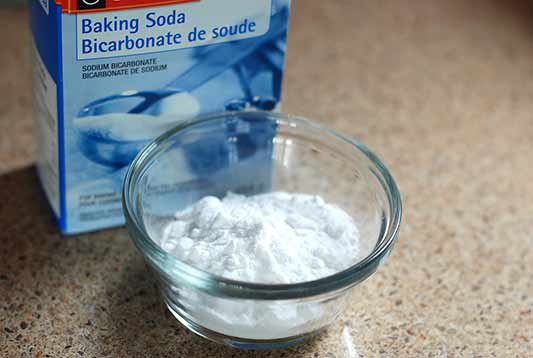
baking soda.

Baking soda and vinegar are two common household ingredients that can also help eliminate fruit flies in your drain.

Using Baking Soda and Vinegar

Baking soda and vinegar are two common household ingredients that can also help eliminate fruit flies in your drain. Start by pouring a cup of baking soda down the drain. Follow this with a cup of vinegar, which will create a fizzy reaction. Allow the mixture to sit in the drain for about 15 minutes before flushing it with hot water.

The combination of baking soda and vinegar helps break down organic matter, unclog drains, and eliminate foul odors. This method can be repeated once or twice a week to maintain a clean and pest-free drain.

Boiling Water and Salt

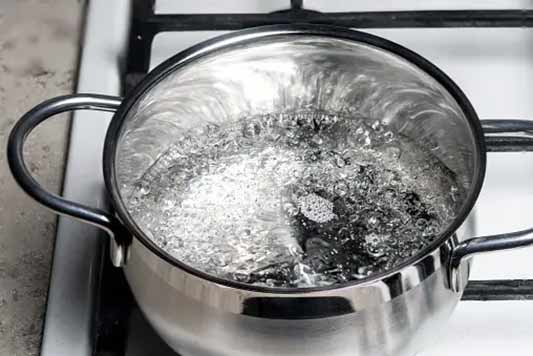
If you prefer a more straightforward approach, boiling water combined with salt can also be effective in eliminating fruit flies. Boil a pot of water and add a generous amount of salt. Stir until the salt is dissolved. Carefully pour the hot saltwater down the drain, making sure to cover all areas.

The hot water will kill any fruit fly larvae present in the drain, while the salt acts as a natural repellent. This method is best used as a preventive measure, discouraging fruit flies from laying their eggs in the drain.

Preventive Measures

While the above methods will help eliminate existing fruit fly infestations in your drain, it is crucial to take preventive measures to ensure they do not return. Here are some tips to help keep fruit flies at bay:

– Regularly remove ripe or overripe fruits and vegetables from your kitchen countertops and dispose of them properly. Store fruits in the refrigerator to minimize fruit fly attraction.

– Keep your kitchen clean and free from spills or food debris, as even the tiniest amount can attract fruit flies.

– Empty and clean your trash bins regularly, ensuring they have tightly sealed lids to prevent fruit fly access.

– Fix any leaking pipes or faucets to eliminate a potential moisture source for fruit flies.

– Install drain covers or screens to prevent fruit flies from entering the drain and laying eggs.

– Avoid leaving dirty dishes in the sink overnight, as they provide additional food sources for fruit flies.

– Maintain good overall hygiene in your kitchen, including proper food storage and cleaning practices.

a pot of boiling water to be poured down the drain.

If you prefer a more straightforward approach, boiling water combined with salt can also be effective in eliminating fruit flies.

To Sum It Up

Fruit flies can be a persistent nuisance, particularly when they infest your drains. However, with proper cleaning, sanitization, and regular maintenance, you can eliminate fruit flies and prevent future infestations. By understanding the behaviors of fruit flies and implementing these effective methods, you can ensure a pest-free environment, free from the annoyance of these tiny winged insects.

Ask Chicago Plumbing Experts: Why Do My Drains Back Up During a Rainstorm?

Why Do My Drains Back Up During a Rainstorm

As homeowners, we rely on our plumbing systems to adequately remove wastewater from our homes. However, during a heavy rainstorm, some homeowners in Chicago may experience the frustrating issue of drains backing up. This can lead to water damage, foul odors, and inconvenience. Here we explain the reasons behind drain backups during rainstorms and discuss possible solutions.

Understanding Drain Backups

Before delving into the reasons for drain backups during rainstorms, it is important to have a basic understanding of how the plumbing system works. The plumbing system in a house relies on gravity to direct wastewater away from the house and into the city sewer system or a septic tank.

When you flush a toilet or use a sink, the wastewater travels through a network of pipes into larger main sewer lines. These main lines then transport the wastewater to a treatment facility or a septic tank. However, when drains back up during a rainstorm, it indicates that there is a disruption in this normal flow.

Common Causes of Drain Backups During Rainstorms

There are several reasons why drains may back up during rainstorms. The most common causes include:

  • Excessive rainwater: Heavy rainstorms can overwhelm the capacity of the drainage system, especially if it is outdated or poorly designed. When the volume of rainwater exceeds the system’s capacity, water can flow backward through pipes and cause backups in lower-lying drains.
  • Sewer line obstructions: Over time, debris, roots, sediment, and other materials can accumulate in sewer lines, narrowing the passage for wastewater flow. During a rainstorm, when water tries to exit the home but encounters an obstruction in the sewer line, it can cause the drains to back up.
  • Inadequate venting: Every plumbing system requires proper venting to allow air to enter the pipes and prevent vacuum conditions. Without adequate venting, the negative pressure created during heavy rain can cause a siphoning effect, leading to drain backups.
  • Issues with the drainage slope: Drainage systems are designed with a slope to ensure that wastewater flows freely. However, over time, settlement or shifting of the ground can alter the slope, hindering proper drainage. This can result in backups during rainstorms.
  • Combined sewer system overflow: In some areas, including parts of Chicago, homes are connected to a combined sewer system. This means that stormwater and wastewater share the same set of pipes. During heavy rainstorms, when the system becomes overloaded, excess water can back up into drains and cause backups.
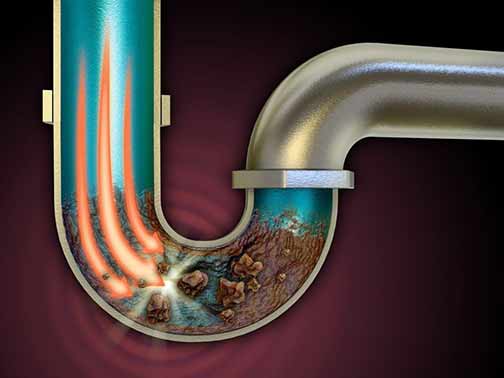
A drain in a kitchen sink.

When faced with drain backups during rainstorms, it is crucial to take immediate action to prevent further damage and address the underlying issues.

Solutions and Preventative Measures

When faced with drain backups during rainstorms, it is crucial to take immediate action to prevent further damage and address the underlying issues. Here are some solutions and preventative measures that Chicago Plumbing Experts recommend:

Regular maintenance: Regular maintenance of your plumbing system, including a sewer line camera inspection and cleaning, can help prevent future drain backups. A professional plumber can identify potential issues and rectify them before they turn into costly problems.

Upgrading drainage systems: If you live in an older home with outdated drainage systems, consider upgrading to a more efficient system. A new system will have a better capacity to handle heavy rainstorms, reducing the likelihood of backups.

Installation of backflow valves: A backflow valve is installed in your sewer line to prevent wastewater from flowing back into your drains. These valves automatically close when water begins to flow in the wrong direction, effectively preventing backups during rainstorms.

Proper venting: Ensuring that your plumbing system has adequate venting is crucial to prevent negative pressure and siphoning effects. A qualified plumber can evaluate your venting system and make any necessary adjustments or additions.

Landscape management: If your property has trees or shrubs near your sewer lines, their roots can intrude and cause blockages. Regularly maintaining and trimming these plants can help prevent root intrusion and subsequent drain backups.

Limit water usage during rainstorms: During heavy rainstorms, it is advisable to limit water usage in your household. Reduce showers, laundry, and running faucets to alleviate any additional strain on the drainage system.

In Summary

Drains backing up during rainstorms can be a frustrating and inconvenient problem for homeowners in Chicago. Understanding the reasons behind these backups and taking preventative measures can help mitigate the risk of future incidents. Speaking with professional plumbing experts and implementing appropriate solutions can ensure a properly functioning plumbing system, even during heavy rainstorms.

Remember, if you experience persistent drain backups during rainstorms, it is always best to seek the advice of a professional drain cleaning provider who can identify the exact cause and provide tailored solutions for your specific situation.