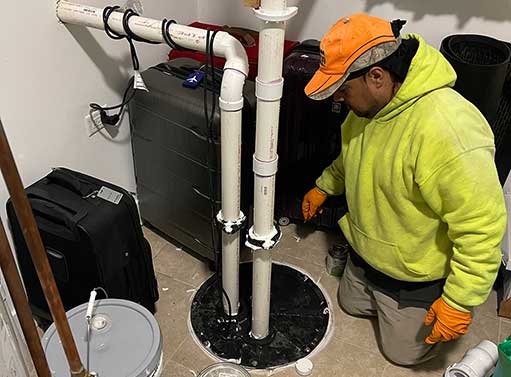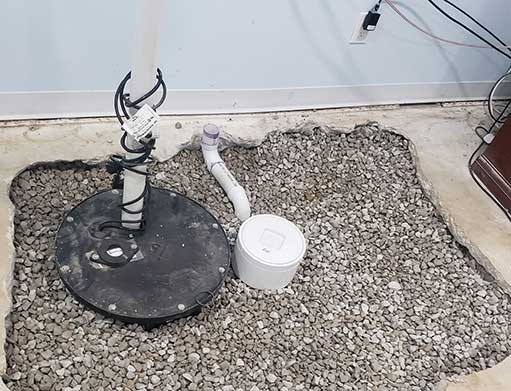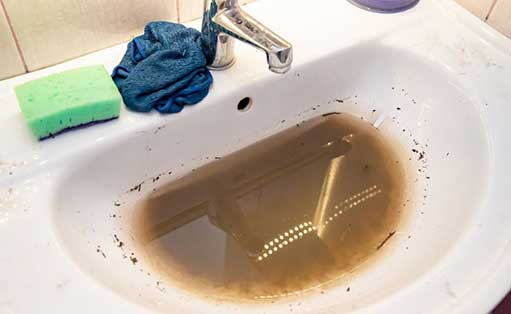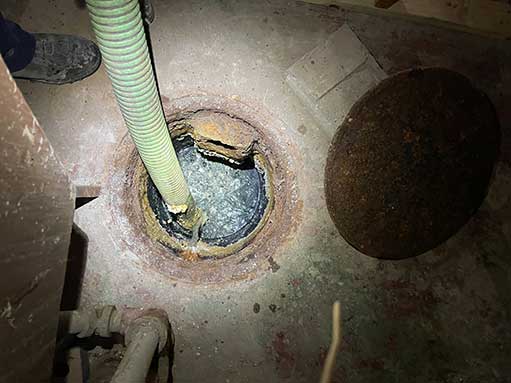
Author Archives: Chicago Plumbing Experts

The Importance of Investing in a Reliable Sump Pump Battery Backup

The Importance of Investing in a Reliable Sump Pump Battery Backup

Why Investing in a Reliable Sump Pump Battery Backup is Crucial

When it comes to protecting your home from potential flooding and water damage, a reliable sump pump is an essential component. However, relying solely on your main sump pump may not always be enough, especially during power outages or when the primary pump fails. This is where investing in a reliable sump pump battery backup becomes crucial. Below we get into the importance of having a backup system in place and why it is worth considering for every homeowner.

The Dangers of Flooding

Before discussing the importance of a sump pump battery backup, let’s first address the potential dangers of flooding. Flooding can occur due to heavy rain, melting snow, or even plumbing failures. The consequences of a flooded basement or crawl space can be devastating, leading to structural damage, mold growth, and a loss of personal belongings. It’s not just the immediate damage that poses a threat; floodwaters can also compromise the structural integrity of your home over time.

With these risks in mind, it is vital to have a reliable sump pump system installed to keep your home dry and protected. While a main sump pump plays a significant role in preventing flooding, it can be rendered useless during power outages or mechanical failures. This is where a battery backup system comes into play.

The Role of a Sump Pump Battery Backup

A sump pump battery backup acts as a fail-safe when your main pump is unable to operate. It serves as a second line of defense, ensuring that water is continuously pumped out of your basement or crawl space, even during power outages. By investing in a reliable battery backup system, you can have peace of mind knowing that your home is protected, regardless of the circumstances.

It is important to note that not all battery backup systems are created equal. When choosing a sump pump battery backup, it is crucial to consider factors such as battery life, pumping capacity, and ease of installation. Opting for a high-quality, durable backup system ensures that it will perform reliably when you need it most.

The Benefits of Investing in a Reliable Sump Pump Battery Backup

Protection during Power Outages

One of the main advantages of a sump pump battery backup is its ability to operate during power outages. Storms or other events can cause electrical outages, leaving your main sump pump without power. Without a reliable backup in place, your basement or crawl space becomes vulnerable to flooding. A battery backup system ensures that water is continuously removed, providing protection regardless of the power situation.

Reliability in Mechanical Failure

In addition to power outages, mechanical failures can also leave your main sump pump incapacitated. Like any mechanical system, sump pumps can experience malfunctions or breakdowns. By investing in a battery backup system, you have a failsafe in place to pick up the slack when your primary pump fails. This redundancy significantly reduces the risk of flooding and the associated costs of water damage.

Reduced Insurance Premiums

Homeowner’s insurance typically covers water damage caused by unforeseen events, such as a burst pipe. However, insurance providers may increase premiums or exclude coverage for damage resulting from negligence or lack of maintenance. By investing in a reliable sump pump battery backup installation, you are demonstrating proactive measures to protect your home from flooding. This commitment to safeguarding your property can lead to reduced insurance premiums, saving you money in the long run.

Peace of Mind

Perhaps one of the most valuable benefits of investing in a reliable sump pump battery backup is the peace of mind it provides. Knowing that your home is protected against potential floods can alleviate stress and anxiety, especially during severe weather events. Instead of worrying about the possibility of water damage, you can focus on other aspects of your life, confident that your property is well-prepared.
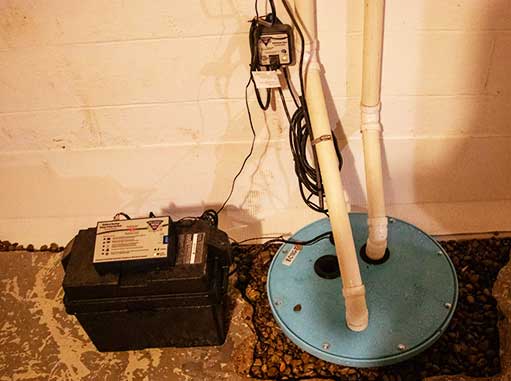
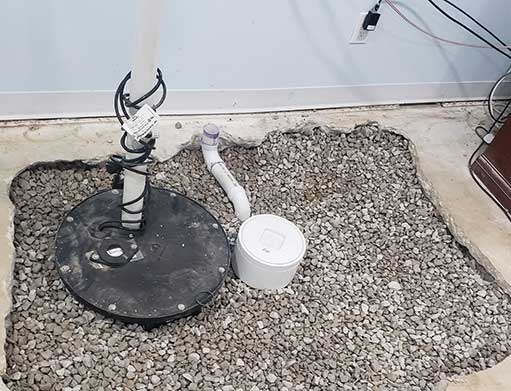
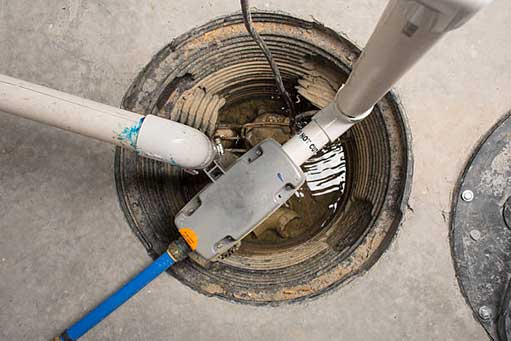
battery backup sump pump.

Photo Courtesy of @Mountain Valley Foundation Service

Considerations When Choosing a Sump Pump Battery Backup

When selecting a sump pump battery backup, it is essential to consider a few key factors:

Battery Life

Look for a backup system with a long battery life. The longer the battery can power the pump, the more effective it will be in preventing flooding during extended power outages.

Pumping Capacity

Consider the pumping capacity of the backup system. It should be able to handle the maximum water flow your primary pump is capable of handling to ensure adequate protection.

Easy Installation

Choose a battery backup system that is easy to install and maintain. Some systems may require professional installation, while others are designed for easy DIY setup.

Battery Health Monitoring

Opt for a battery backup system that includes battery health monitoring features. This allows you to keep track of the battery’s condition and ensures that it is ready to perform when needed.

Investing in a reliable sump pump battery backup is crucial for every homeowner. The potential risks and costs associated with basement flooding make it essential to have a fail-safe system in place. Whether it’s protecting your home during power outages or mechanical failures, a battery backup ensures that water is continuously pumped out, providing the peace of mind you deserve. Choose a backup system that suits your specific needs and enjoy the benefits of a dry and protected home.
DIY Tips for Water Heater Replacement

DIY Tips for Water Heater Replacement

Water Heater Replacement Tips

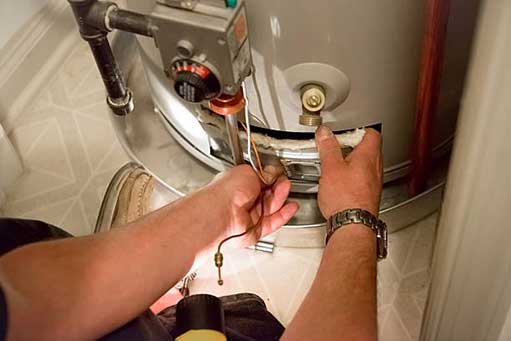
Replacing a water heater can be a daunting task for many homeowners. However, with the right knowledge and tools, it is possible to perform this task yourself and save a significant amount of money on professional installation. Here we will provide you with some valuable DIY tips for water heater replacement, ensuring a successful and cost-effective project.

Understanding Your Water Heater

Before you embark on the process of replacing your water heater, it is essential to have a good understanding of the different types and models available in the market. The most common types include tankless, storage tank, heat pump, and solar water heaters. Each type has its own pros and cons, and it is crucial to choose the one that best suits your needs.

Additionally, you should also determine the capacity and energy efficiency requirements of your household. This will help you select the right size and model of water heater, ensuring optimal performance and energy savings.

Gathering the Necessary Tools and Materials

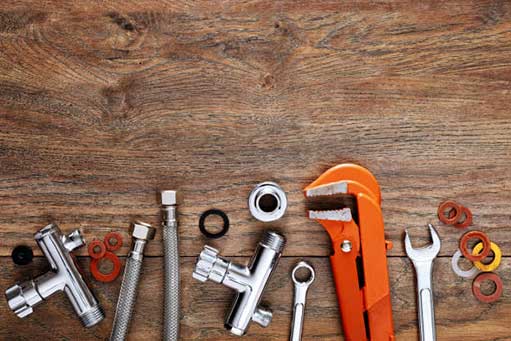
Once you have chosen the right water heater for your needs, it’s time to gather the necessary tools and materials for the replacement process. Here are some essential items you will need:

  • Adjustable wrench
  • Pipe wrench
  • Screwdrivers (both flathead and Phillips)
  • Teflon tape
  • Pipe cutter
  • Flexible hoses
  • Pipe fittings
  • Plumber’s putty
  • Voltage tester

Having all the required tools and materials ready beforehand will make the replacement process smoother and more efficient.

diy plumbing tools.

Once you have chosen the right water heater for your needs, it’s time to gather the necessary tools and materials for the replacement process.

Ensuring Safety First

Before you begin replacing your water heater, it is crucial to prioritize your safety. Here are some important safety precautions to keep in mind:

  • Turn off the power supply to the water heater at the circuit breaker.
  • Shut off the gas supply if you have a gas-powered water heater.
  • Allow the water heater to cool down completely before starting the replacement process.
  • Wear safety gloves and goggles to protect yourself from any potential hazards.

By following these safety measures, you can ensure a secure and accident-free water heater replacement.

Step-by-Step Water Heater Replacement Guide

Now that you have gathered the necessary tools, materials, and taken the required safety precautions, it’s time to begin the water heater replacement process. Follow these step-by-step instructions:

Step 1: Drain and Disconnect the Old Water Heater

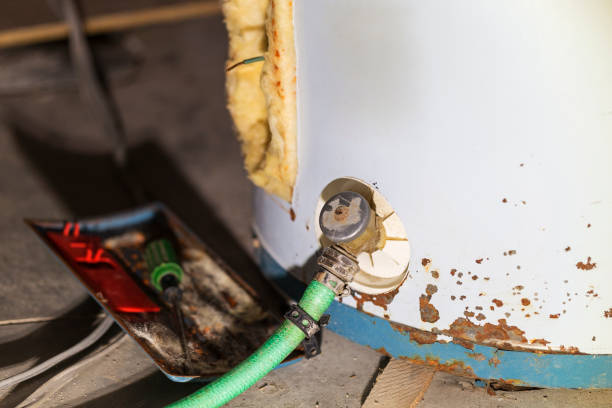
Start by turning off the cold water supply to the water heater. Next, connect a garden hose to the drain valve located at the bottom of the tank. Run the other end of the hose to a suitable draining location, such as a floor drain or outside your home. Open the drain valve and allow all the water to completely drain from the tank.

Once the tank is empty, disconnect the water supply line and the gas line (if applicable) from the water heater. Use an adjustable wrench or a pipe wrench for this task.

Step 2: Remove the Old Water Heater

After disconnecting all the necessary connections, it’s time to remove the old water heater. Enlist the help of a friend or family member to assist with the lifting. Carefully maneuver the old water heater out of its location and dispose of it properly according to your local regulations.

Step 3: Install the New Water Heater

Position the new water heater in the desired location. Ensure that it is level and stable. If necessary, use shims or a platform to achieve the right positioning. Connect the water supply line to the cold water inlet on the new water heater using a flexible hose and appropriate fittings. Use Teflon tape to ensure a tight and leak-free connection.

If you have a gas-powered water heater, reconnect the gas line using a pipe wrench and apply a coat of plumber’s putty on the fittings for a secure seal. Make sure to follow gas supplier guidelines and regulations when handling gas connections.

For electric water heaters, make sure to connect the wiring properly according to the manufacturer’s instructions. Use a voltage tester to ensure the power supply is off before making any electrical connections.

Step 4: Fill and Test the New Water Heater

With all the connections in place, open a hot water faucet in your home to allow air to escape from the system. Once a steady stream of water flows from the faucet, close it. Turn on the cold water supply to the new water heater and allow it to fill completely. Check all the connections for any leaks and tighten them if necessary.

Finally, turn on the power supply to the water heater (if applicable) and follow the manufacturer’s instructions to set the desired temperature. Your new water heater is now ready for use!

flushing a water heater annually is a good maintenance practice.

Flush the water heater annually to remove sediment buildup.

Maintaining Your New Water Heater

Now that you have successfully replaced your water heater, it’s important to perform regular maintenance to ensure its longevity and efficiency. Here are some tips to keep in mind:

  • Check the pressure relief valve periodically and replace if necessary.
  • Insulate the hot water pipes to reduce heat loss.
  • Monitor the temperature settings to prevent scalding or excessive energy consumption.

By following these maintenance tips, you can prolong the lifespan of your new water heater and maintain its optimal performance over the years.

Replacing a water heater may seem like a daunting task, but with the right knowledge and DIY tips, you can accomplish it successfully and save money in the process. By understanding the different types of water heaters, gathering the necessary tools and materials, ensuring safety precautions, and following a step-by-step guide, you can confidently replace your old water heater with a new one.

Remember to prioritize safety, take your time, and seek help from a local plumber if needed. With proper maintenance, your new water heater will provide you with reliable hot water for many years to come.

The Importance of Regular Drain Cleaning for Every Homeowner

The Importance of Regular Drain Cleaning for Every Homeowner

How often should you clean the drainpipes in your home?

There are two ways homeowners can answer this question:

  • Homeowners can clean their drainpipes whenever one of the drains in the home becomes clogged.
  • Homeowners can have a schedule for cleaning their drains regularly.

Which of these two options is better?

To answer the question, you must know why your drains need cleaning in the first place, advises Specialized Houston Property Management. Simply put, drains need cleaning because of the debris collecting inside them. But where does this debris come from, and why does it build up inside the system?

Why do drains get clogged?

Drains become clogged when some of the waste that enters them is left behind inside the pipes. That is because wastewater often contains a lot of semi-solid and solid materials. This non-liquid content – such as human waste, soap scum or food particles – can stick inside the pipes.

It mostly happens when the semi-solid/solid waste is too much for the water inside the pipes to move. Or there may be insufficient water inside the pipes. But whatever the case, the effect is that water flows out of pipes while the non-liquid materials are left behind.

At first, only small amounts of materials are deposited inside the pipe. But as the process repeats and more debris is deposited in the pipe, the buildup rate gradually increases. That will continue until the point is reached where even water cannot flow through the pipe freely.

When this happens, you experience it as a clog in your home’s drains.

This natural process does not happen suddenly; it is gradual. Furthermore, it does not have to result in a clogged drain. The process only causes a clogged drain when homeowners are unaware of what is happening inside their drains.

How to clean your home’s drains

The majority of homeowners wait until the tail-end of the above process to clean their drains. They wait until a clog has already formed in the drains. There are many reasons why this plan is not the best one for your pocket or the function and longevity of your drains.

Clogs in your home’s drainage system subject the pipes to unnecessary stresses. Also, the trapped debris in the pipe contains toxins that can weaken pipe materials and compromise the structural integrity of your entire drainage system.

Additionally, it is economically inappropriate to wait until clogs form before attempting to clear them. There is an increased risk of damage to the pipes. In addition to the higher cost of clearing the clog, you may have to pay to repair your damaged pipes.

A routine cleaning program is a better plan for dealing with drain clogs. Why is that?

Regular drain cleaning and why it is important

Regular drain cleaning is a process of ongoing maintenance of your home’s drains. Instead of waiting until there is a problem before you clean your drains, you clean them regularly to prevent issues in the drainage system.

This process is proactive rather than reactive.

In other words, you are steps ahead of the problems in your drains and constantly taking measures to prevent them from worsening. This drain cleaning program actively looks for problems to solve them quickly and affordably.

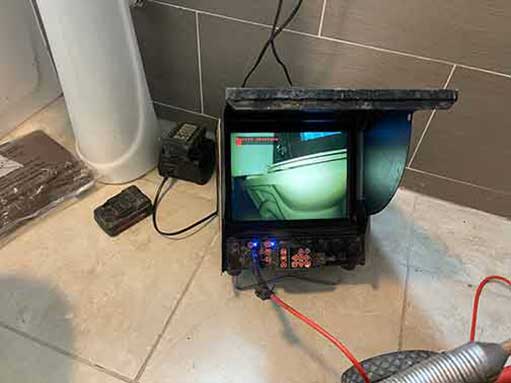
a sewer camera inspection being performed on a drain line.

Usually, the entire drainage system of the home is inspected using a sewer camera inspection.

What is involved in a program of regular drain cleaning?

Typically, the entire process is done once a year and involves two essential steps:

  • Professional inspection of the drain: Usually, the entire drainage system of the home is inspected using a sewer camera inspection
  • Professional drain-cleaning service: The drain is cleaned by rodding or hydro jetting the drain pipes. The two cleaning methods can also be deployed.

Benefits of regular drain cleaning

Prevent clogs and blockages

Instead of constantly striving to remove clogs from your pipes, regular cleaning helps prevent them. You will be treating the root cause of the problems and not just the symptoms.

Eliminate bad odors from your home

Clogged drains are a major source of bad odors. Regular cleaning will help remove the bacteria and decayed materials that cause bad odors.

Improve the efficiency of your drainage

Improved water flow, one of the natural outcomes of regular drain cleaning, helps to maximize the efficiency of your drainage system.

Extend the service life of your plumbing

Efficient drainage systems with proper water flow are less likely to have problems and more likely to exceed their projected lifespan.

You save money in the short- and long-term

Regular drain cleaning helps to lower the overall cost of maintaining your drainage systems. You also save money in the long run since you will avoid premature plumbing replacement.

To sum up: how often should you clean your home’s drains? Cleaning the drains should be done regularly. That is the only way to effectively combat the never-ending processes that cause clogs and blockages inside your drains. Any other method will be inefficient and costly.

Troubleshooting Guide: What to Do When Your Toilet is Leaking From the Base

What to Do When Your Toilet is Leaking From the Base

Is your toilet leaking from its base, and are you trying to figure out why? This short guide will show you how to troubleshoot and solve the issue.

Why is your toilet leaking from the base, and what can you do about it?

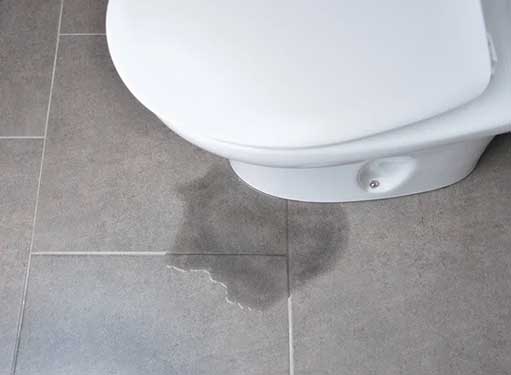
If you see a puddle of water on the floor near the toilet seat, your toilet is probably leaking. This problem may be accompanied by a bad odor. If the water is from your toilet, note that it could be contaminated, warns C&C Campbell Management.

Here are 6 possible reasons your toilet is leaking from its base:

Condensation

It is possible to find water on your toilet floor even when the toilet is not leaking. This happens when the temperature of the water entering the toilet tank is a lot lower than the surface temperature on the outside of the tank. This temperature difference can cause condensation on the outside of the tank.

Water that has collected on the tank surface can trickle down to form a puddle at the bottom of the toilet. If this is the cause of your problem, the surface of the toilet tank will feel wet. To stop condensation, install an exhaust fan in the toilet or run a heater to equalize the temperature inside the toilet. You can also add a condensation liner to the tank.

Leaky shut-off valve

The shut-off valve is a small control that lets you turn off the water supply to your toilet. You can usually find it on the bottom left side, behind the toilet. The shut-off valve is a common site for toilet leaks because the device is prone to leak from wear.

To check if the leak is from the shut-off valve, do this:

  • Place a small bowl or cup under the shut-off valve.
  • Flush the toilet and turn off the water supply to the toilet.
  • Wait a few minutes and check for water inside the cup or around the area.

If there is evidence of trickling water, replace the seal or the entire valve.

A leaky pipe

To check for leaks in the pipe connections in your toilet, follow these steps. A dry environment makes it easier to spot leaks;

  • Use a dry cloth to thoroughly wipe down the toilet and all nearby surfaces.
  • Use your hand to feel along the pipes (pay special attention to joints).
  • If you find any wet area, dry it out, wait a bit and feel it again.

Repeat this step across the length of the pipe to be sure there are no other leaks. Unlike other leaks, a leaky pipe will not stop leaking when you flush the toilet. The steps for fixing the leak depend on the location of the damage and how the pipe is installed.

plumber in rosemont.

After tightening the bolts, try to move the toilet seat once again. If the seat doesn’t move, replace the cap. Contact a professional plumber if it moves even after tightening the bolt.

Loose bolts

The toilet seat should be held firmly to the floor by two bolts hidden under dome-shaped caps on the toilet base. If the bolts are loose, your toilet will leak. To check if the bolts are loose, try moving the toilet seat with your hands. If it moves even slightly, the bolts are loose.

To tighten the bolts, remove the dome-shaped caps on the base of the toilet and use a pair of pliers to turn each bolt clockwise. After tightening the bolts, try to move the toilet seat once again. If the seat doesn’t move, replace the cap. Contact a local plumber if it moves even after tightening the bolt.

A worn toilet seal

A damaged toilet seal or wax ring can cause your toilet to leak from the base. This seal can be found underneath the toilet. Its job is to provide a watertight connection between the toilet and the sewer pipe. Over time, toilet seals can harden and become brittle or they can loosen. Some toilet cleaners will also cause the seal to deteriorate.

To check for leaks around the seal, dry the area thoroughly with a cloth and leave it alone for a few minutes or hours. If the area is wet when you return, it means you have to replace your toilet seal ring. This is not a complicated or expensive repair.

Leaky toilet seat

Your toilet seat may have tiny holes in it without showing any outward signs of damage. This problem is hard to detect. But if your toilet leaks every time you flush it and the issue is not due to any of the above causes, you may consider this as a probable cause. The only solution for a bad toilet seat is to replace it.

In conclusion, the above are the most common reasons your toilet would leak from its base. If you have taken the recommended steps for troubleshooting the leak and it persists, you may want a professional bathroom plumber to look at your toilet.

How Leak Detection Services Can Save You Money and Prevent Damage

a plumber performing leak detection services.

Plumbing leaks are one of the most challenging issues in your home. Even when a leak does not damage your building, it can still cost you more money. For instance, a leaking toilet may not cause water damage to your home, but it will inflate your water bill.

In addition to their potential impact on your cost of living, water leaks pose a serious threat to the structures of your building. If a leaky feature discharges water into the structure of your home, it can cause massive damage to your flooring, walls, ceilings, and foundation, notes Granite Foundation Repair company.

This problem is more catastrophic when you are unaware of the leak in your home. Hidden leaks are the worst kinds of plumbing leaks in the house. They can cause tens of thousands of dollars worth of water damage before they are eventually discovered.

Why are hidden plumbing leaks so dangerous?

The reason is that the typical homeowner expects that when a leak happens in their plumbing, it should occur in a highly visible manner. In other words, they want to see evidence of the leak in the form of water cascading down their walls or pooling on their floors.

While this happens sometimes, there is no guarantee that water leaks in your home will always occur this way. That is because a large section of your home’s plumbing is hidden inside your walls or floors and behind cabinets.

Since these pipes are hidden, it is hard to know their actual condition. As a result, when they suffer a leak, it can take a while for the signs of the problem to become obvious. The leaks can go on for months without the homeowner’s knowledge.

That is why it is vital to have a system for checking for undetected leaks in your home. Since undetected leaks do not leave a trail, these routine checks must be done on the plumbing, even when there are no visible signs of leaks in the home.

The importance of leak detection services

To find and solve the hidden leaks in your plumbing, you need a way to assess the condition and function of those plumbing parts you usually don’t interact with every day.

This process is possible through the expertise of a leak detection service. A leak detection service is a licensed plumber with the capability to find hidden leaks within those sections of the plumbing that are embedded in your walls and flooring or buried underground.

To find these insidious leaks that may be doing secret harm to the features of your building, the leak detection service will do the following:

  • A walkthrough of your property to visually inspect the visible parts of the plumbing.
  • Review your home’s water meter data to detect anomalies in the water usage pattern.
  • Use acoustic detectors, thermal imaging, etc., to find leaks behind drywalls and cabinets.
  • Do soil probes or other tests to detect leaks that are outside the home or underground.
  • Pinpoint the location of existing leaks to facilitate prompt and effective repair.
  • Recommend various leak-detection systems to help avert future problems.
  • Conduct yearly inspections to prevent water damage due to an undetected leak.
a professional leak detection service.

A leak detection service will uncover the hidden inefficiencies that impair the function and longevity of your plumbing system. You will see massive improvements in the quality of your home’s water supply.

5 benefits of hiring a leak detection service

What are the benefits of hiring a leak detection service today instead of waiting until an undetected leak causes avoidable damage to your home?

Early detection of problems saves money

Early detection of leaks helps to prevent extensive water damage to your home, along with the high cost of fixing the problem. The small step of hiring a leak detection service can have a tremendous impact on your home maintenance costs.

Improved efficiency of plumbing systems

A leak detection service will uncover the hidden inefficiencies that impair the function and longevity of your plumbing system. You will see massive improvements in the quality of your home’s water supply.

Improved energy efficiency and lower environmental impact

Dealing with hidden leaks in your plumbing eliminates energy inefficiencies in the system. You will be minimizing the environmental impact of your plumbing.

Prolong the service life of your plumbing

Leak detection services help you avoid premature plumbing replacement. A leak detection service will uncover trouble spots that can affect the longevity of the system.

Get accurate data about your plumbing

Leak detection services help to create the basis for data-driven plumbing maintenance. This plumbing inspection will provide accurate information to deal with current issues and predict future problems.

Finally, leak detection services help you avoid unpleasant surprises in your home. Whether you are away on a vacation, sleeping in your bed or busy at work, you will have the peace of mind from knowing that your home is safe from water damage.

Do I Need an Ejector Pump If I Have a Sump Pump?

Do I Need an Ejector Pump If I Have a Sump Pump

Understanding the Role of Ejector Pumps in Addition to Sump Pumps

When it comes to maintaining a dry and secure basement, having a reliable system in place is essential. Sump pumps are commonly used to remove excess water from basements and prevent flooding. However, some homeowners may wonder if the addition of an ejector pump is necessary to enhance the effectiveness of their sump pump. Below we will get into the benefits and functions of both sump pumps and ejector pumps, clarifying whether or not you need an ejector pump if you already have a sump pump installed in your home.

Understanding Sump Pumps

Sump pumps are typically installed in the lowest part of a basement or crawl space. Their main purpose is to collect excess water from the surrounding area and pump it away from the building, preventing water damage and the formation of mold and mildew. Sump pumps are activated by a float switch that senses the water level in the sump pit and activates the pump when it rises above a certain threshold.

These pumps are generally effective in handling moderate water influxes from rainwater, plumbing leaks, or groundwater seepage. However, they may have limitations when it comes to handling other types of wastewater, such as sewage or gray water.

The Role of Ejector Pumps

Ejector pumps, also known as sewage ejector pumps, are specifically designed to handle the disposal of wastewater containing solids or semi-solids. Unlike sump pumps, which are primarily designed for clean water, ejector pumps can safely and efficiently handle the discharge of sewage from toilets, sinks, washing machines, and other household fixtures.

Ejector pumps are typically installed in basements or lower levels of a building to receive wastewater from below-grade plumbing fixtures. They operate by grinding solid waste into smaller particles and then pumping it into the main sewage line or septic tank.

While sump pumps are not equipped to handle solid waste, ejector pumps are specifically designed for this purpose, making them indispensable in homes with basements that house below-grade bathrooms or laundry rooms.

a sump pump along side of an ejector pump.

Having both pumps in place provides comprehensive protection against various types of water issues, ensuring that clean water and wastewater are handled appropriately.

Do You Need an Ejector Pump If You Already Have a Sump Pump?

The need for an ejector pump alongside a sump pump largely depends on the specific plumbing setup and the presence of below-grade fixtures that generate sewage or wastewater containing solids. If your basement does not house any below-grade plumbing fixtures, such as a bathroom or laundry room, and the water influx is primarily clean water, a sump pump should be sufficient to handle the situation.

However, if you do have below-grade plumbing fixtures and there is a possibility of sewage or wastewater containing solids entering the basement, it is highly recommended to install an ejector pump in addition to your sump pump. This will ensure the safe and efficient removal of sewage and other wastewater, reducing the risk of backups, clogs, and potential health hazards associated with improper waste disposal.

The Benefits of Having Both Sump Pumps and Ejector Pumps

By choosing to install both a sump pump and an ejector pump, homeowners can enjoy several key benefits:

  • Comprehensive Protection: Having both pumps in place provides comprehensive protection against various types of water issues, ensuring that clean water and wastewater are handled appropriately.
  • Preventing Basement Flooding: A sump pump is excellent at keeping the basement dry during heavy rainfall or plumbing leaks, while an ejector pump can handle sewage and wastewater, reducing the risk of backups and subsequent flooding.
  • Enhanced Property Value: Homes with functional and reliable basement waterproofing systems, including both sump pumps and ejector pumps, generally have higher market value and can attract potential buyers.
  • Health and Safety: Proper waste disposal is crucial for maintaining a healthy living environment. By having an ejector pump in place, you can ensure the safe removal of sewage and wastewater, preventing the spread of bacteria and potential health hazards.

Speak with Professionals for the Best Solution

While this article provides general guidance on the need for an ejector pump alongside a sump pump, it is always advisable to speak with professionals who specialize in basement flood control systems. They can assess your specific needs, evaluate the plumbing setup in your basement, and recommend the most suitable solution for ensuring the efficient removal of both clean water and wastewater.

Remember, every home is unique, and the plumbing requirements may vary. By seeking expert advice, you can make informed decisions and invest in the right systems to maintain a dry and secure basement environment.

In conclusion, while sump pumps are ideal for handling clean water and moderate water influxes, ejector pumps are specifically designed to handle sewage and wastewater containing solids.

If your basement only has below-grade fixtures that generate clean water, a sump pump should suffice. However, if there is a need to dispose of sewage or wastewater with solids, installing an ejector pump alongside a sump pump becomes imperative. This ensures comprehensive protection, prevents basement flooding, enhances property value, and maintains a healthy living environment. Speak with professionals to determine the optimal solution for your specific needs and plumbing setup.

Bathroom Plumbing Service in Chicago: A Comprehensive Guide

Bathroom Plumbing Service in Chicago

Ensuring the smooth operation of your bathroom plumbing is essential for maintaining a comfortable and functional living space. Whether faced with leaking faucets, clogged drains, or the need for installations, finding the right plumbing service is crucial. Here we aim to assist residents in selecting a reputable plumbing service in Chicago to address their plumbing needs. From assessing requirements to researching companies, obtaining quotes, and verifying credentials, each step is essential in ensuring quality service and peace of mind. Following the outlined steps and considerations, you can confidently make informed decisions and secure the expertise of experienced professionals to maintain the integrity and efficiency of your bathroom plumbing systems.

Assessing Your Plumbing Needs is Important to Secure the Best Plumbing Service in Chicago

Before seeking a plumbing service in Chicago, it’s essential to assess your bathroom plumbing requirements thoroughly. Start by identifying any issues you’re experiencing, such as leaks, clogs, or malfunctioning fixtures. Take note of any signs of water damage or unusual noises that could indicate sewer line problems. Consider the age and condition of your plumbing fixtures and pipes, as older systems may require maintenance or upgrades to improve efficiency and prevent future problems. Also, evaluate your long-term goals for your bathroom, such as remodeling projects or upgrades to enhance functionality and aesthetics. By carefully assessing your plumbing needs, you can provide the plumbing service with valuable information to accurately diagnose issues and recommend appropriate solutions, ensuring efficient and effective repairs or installations tailored to your specific requirements.

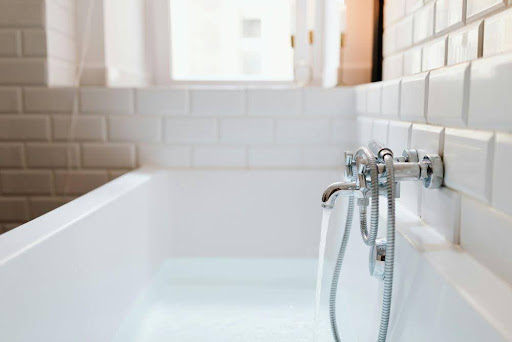
a white bathroom.

Always act swiftly because water leaks can damage your bathroom.

Inquiring About Experience Is a Good Strategy

When selecting a plumbing service, it’s crucial to inquire about the company’s experience and expertise. Begin by asking how long they have been in business and whether they specialize in residential or commercial plumbing. You should also request information about the qualifications and training of their technicians, including any certifications or licenses they hold. In addition, inquire about their familiarity with common and major bathroom plumbing issues and their track record of successfully resolving similar problems. Discuss any specialized services or techniques they offer, such as trenchless sewer repair or if hydro-jetting your sewer line is an option. By asking about their experience, you can gain confidence in their ability to handle your plumbing needs competently and efficiently. Moreover, understanding their level of expertise enables you to make an informed decision and ensures that you receive high-quality service from skilled professionals adept at addressing your plumbing concerns.

Reading Reviews is Smart

It’s crucial to thoroughly examine customer reviews before engaging a service provider, whether for plumbing needs or any other requirement. These testimonials offer valuable insights into the quality of service offered, aiding in the decision-making process. When perusing reviews, focus on responsiveness, professionalism, and problem-solving abilities. Pay attention to recurring themes in both positive and negative feedback to gauge the overall reputation of the service provider. Validating reviews across multiple platforms enhances credibility and provides a more comprehensive understanding.

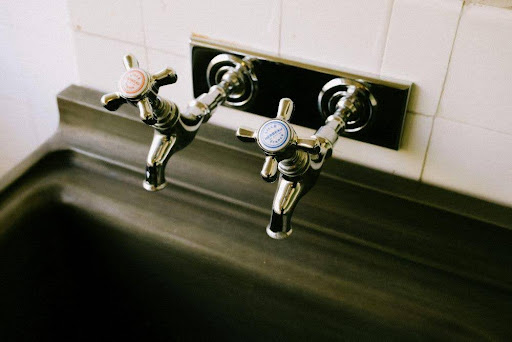
A gray kitchen sink.

When seeking Bathroom Plumbing Service in Chicago, prioritize companies with a proven track record of reliability, expertise, and customer satisfaction.

Emergency Services

When selecting a plumbing service, you must inquire about their emergency services. Make sure the company offers prompt assistance for urgent plumbing issues, such as a burst pipe emergency or severe leaks. Ask about their availability outside regular business hours, including evenings, weekends, and holidays. Inquire about their response time and procedures for handling emergency calls to assess their reliability in critical situations. Also, verify whether there are any extra charges associated with emergency services and clarify the billing process beforehand. By choosing a plumbing company that provides reliable emergency plumbing services, you can have peace of mind knowing that help is readily available when unexpected plumbing problems arise, minimizing potential damage to your property and ensuring the safety and comfort of your household.

Unfortunately, even with expert emergency services a phone call away, if the plumbing issue is severe, you might have to find temporary housing until the problem is solved or at least move your belongings into storage to prevent water damage. Therefore, you should prepare for such situations as well. Namely, you should find top movers in Chicago offering last-minute moving and storage services so you can call them in case of an emergency. To ease this task, you can use the Verified Movers database of licensed movers and carefully read customer reviews before making a choice.

Scheduling a Consultation

Before finalizing your decision, it’s prudent to schedule a consultation. Contact the company to arrange a meeting where you can discuss your bathroom plumbing needs in detail. Use this opportunity to ask questions about their services, expertise, and pricing. Provide relevant information about your plumbing issues or projects, such as the type of repairs needed or the scope of a renovation. During the consultation, assess the professionalism and communication skills of the company’s representatives. Take note of how well they listen to your concerns and whether they provide clear and informative responses. 

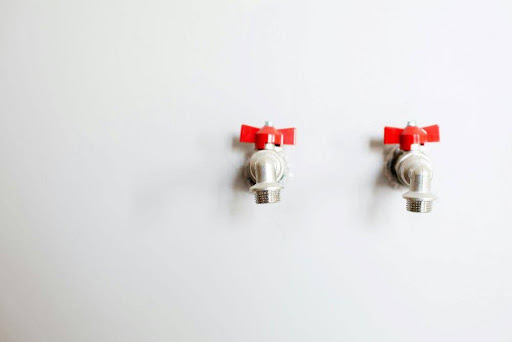
Two valves on the white wall.

Don’t ignore minor plumbing issues in your bathroom. Promptly addressing them can prevent them from escalating into larger, more expensive problems.

Guarantees and Warranties

When selecting a plumbing company, you must inquire about the guarantees and warranties they offer. These things provide peace of mind and protect you in the event of any issues with the plumbing services provided. Ask the plumbing company about their guarantee for workmanship, ensuring that they stand behind their services and will address any problems that arise after completion. In addition, inquire about warranties for parts or fixtures installed during the service, verifying the duration and coverage provided. Understanding the terms and conditions of guarantees and warranties allows you to make an informed decision and protects you against unexpected expenses or repairs. By choosing a plumbing company that offers comprehensive guarantees and warranties, you can trust in the quality of their work and have confidence in the longevity of your plumbing solutions.

Conclusion

In conclusion, ensuring the efficiency and reliability of your bathroom plumbing service in Chicago is essential for maintaining a comfortable and functional living environment. By following the comprehensive guide outlined above, you can confidently navigate the process of selecting a reputable plumbing service. Whether you’re facing minor repairs or major installations or require emergency assistance, choosing the right plumbing service is paramount. After all, it will contribute to your home’s overall comfort and well-being.

Your Guide to Sewage Ejector Pumps in Chicago

Your Guide to Sewage Ejector Pumps in Chicago

Whether you are a homeowner, business owner, or simply interested in understanding how sewage systems work, this article will provide you with all the information you need. From what a sewage ejector pump is to how it operates and the importance of regular maintenance, we’ve got you covered.

What is a Sewage Ejector Pump?

Before we get into the specifics, let’s start with the basics. A sewage ejector pump, also known as a sewage grinder pump, is a crucial component of many sewage systems in Chicago. Its primary purpose is to remove wastewater from lower levels of a building and pump it uphill to the main sewer line.

Unlike a regular sump pump that deals with just water, a sewage ejector pump is designed to handle solid waste, including toilet paper, human waste, and other debris that enters the sewage system. With powerful grinding blades, these pumps macerate the waste, ensuring smooth flow through the sewer pipes.

Now that we have a basic understanding of what a sewage ejector pump is, let’s explore its operation and why it’s essential for many properties in the Chicago area.

How Does a Sewage Ejector Pump Work?

A sewage ejector pump is typically installed in the basement or lower levels of a building. It is connected to a basin, also known as a sewage pit or a sump pit, where wastewater collects. When the wastewater reaches a certain level, the pump’s sensors are triggered, activating the pump.

The pump’s impeller, a rotating device with blades, starts spinning rapidly, creating a powerful centrifugal force. This force enables the pump to macerate the solid waste into smaller pieces, making it easier to pump through the sewer pipes.

As the waste is macerated, the sewage ejector pump forces it through a discharge pipe connected to the main sewer line. The pump continues to operate until the water level in the sewage pit lowers, at which point it shuts off automatically.

The Importance of Sewage Ejector Pumps in Chicago

Chicago is home to countless residential and commercial properties. Many of these properties are equipped with sewage ejector pumps to overcome challenges posed by the city’s unique topography.

Due to its flat geography, Chicago relies on sewage ejector pumps to transport wastewater from lower-lying areas to the city’s sewer system, which lies at a higher elevation. Without these pumps, it would be impossible to efficiently drain wastewater from basements and lower-floor bathrooms or kitchens.

By effectively macerating and pumping solid waste, sewage ejector pumps minimize the risk of sewer backups, sewage overflows, and related issues that can cause significant damage to properties and pose health hazards.

Additionally, sewage ejector pumps are essential in areas where septic systems are in use. These pumps help lift effluent from septic tanks to sewer lines, ensuring proper disposal and preventing contamination of groundwater sources.

sump pit cleaning is important for sewage ejector pump maintenance.

Periodically clean the sump pit to remove any debris or sediment that may accumulate. This will prevent clogs and promote smooth pump operation.

Sewage Ejector Pump Maintenance

Regular maintenance is key to ensuring the optimal performance and longevity of your sewage ejector pump. By following these maintenance tips, you can prevent potential issues and avoid costly repairs in the future:

Ejector Pit Cleaning

Periodically clean the sump pit to remove any debris or sediment that may accumulate. This will prevent clogs and promote smooth pump operation.

Check the Float Switch

Make sure the float switch is free of obstructions and moves freely. The float switch is responsible for activating the pump when the water level rises.

Test the Pump

Regularly test the pump by pouring water into the sump pit until the float switch activates. This will help identify any issues before they escalate.

Inspect the Discharge Pipe

Check the discharge pipe for any signs of leaks, cracks, or blockages. A damaged pipe can lead to reduced pump performance and potential sewage backups.

Professional Inspections

Consider scheduling professional inspections of your sewage ejector pump system annually. A qualified Chicago plumber can identify and address any underlying issues.

a sewage ejector pump installation in chicago.

Decide whether you prefer an electric-powered pump or one that operates on a backup battery system. Electric pumps are reliable but may need a generator during power outages.

Choosing the Right Sewage Ejector Pump

When it comes to selecting a sewage ejector pump for your property in Chicago, there are a few factors to consider:

Pump Capacity

Determine the average daily wastewater flow rate in your property to choose a sewage ejector pump with sufficient capacity. A pump with inadequate capacity can lead to pump failure and backups.

Power Source

Decide whether you prefer an electric-powered pump or one that operates on a backup battery system. Electric pumps are reliable but may need a generator during power outages.

Brand Reputation

Research different brands and models to find reliable and reputable manufacturers. Look for models with positive reviews and a proven track record.

Qualified Installation

Ensure your sewage ejector pump is installed by a qualified professional to guarantee proper functioning and compliance with local building codes.

Sewage ejector pumps play a vital role in Chicago’s sewage systems, allowing properties to efficiently remove wastewater from lower levels and preventing backups and overflows. By understanding how sewage ejector pumps work, the importance of maintenance, and the factors to consider when choosing a pump, you can ensure the optimal performance of your system.

If you are in Chicago and require assistance with your sewage ejector pump, don’t hesitate to contact a professional plumber specializing in flood control systems. With their expertise, you can keep your sewage system in top condition and enjoy a clean and functional property.

Remember, regular maintenance and prompt repairs are critical to avoiding costly damage and maintaining a safe environment for you and your community.

Having issues with your ejector pump in the Chicagoland area? We can help! Contact us at 773-599-9181 or by form below:

The Importance of Immediate Action: Dealing with Sewage Backup in Albany Park, Chicago

Dealing with Sewage Backup in Albany Park, Chicago

Understanding the Potential Consequences

Sewage backup is an unfortunate and unpleasant situation that can occur in any residential or commercial property, including Albany Park. The consequences of sewage backup can be severe, ranging from property damage to health risks. It is crucial to take immediate action when faced with this issue to mitigate the damage and protect the well-being of those residing or working in the affected premises.

The Health Risks of Sewage Backup

Sewage backup is not only a messy inconvenience but also poses significant health risks. The sewage contains various pathogens, bacteria, and viruses that can cause illnesses and infections. These health hazards include but are not limited to gastroenteritis, Hepatitis A, and E. coli infections. Additionally, prolonged exposure to sewage backup can lead to respiratory issues, skin irritations, and allergic reactions. Therefore, prompt action is necessary to avoid exposing individuals to these health risks.

Property Damage and Financial Implications

Apart from the health risks, sewage backup can cause extensive property damage and result in significant financial implications. The sewage water, if left unattended, can seep into walls, floors, and furniture, causing structural damage and decay. This may lead to mold growth, which further exacerbates the situation and poses health risks of its own. Additionally, valuable items such as electronics, furniture, and personal belongings can be irreversibly damaged by the contaminated sewage water. Taking immediate action can minimize property damage and help mitigate financial losses.

The Importance of Professional Assistance

Dealing with sewage backup requires professional expertise due to the complexity of the situation and the potential health hazards involved. It is crucial to contact a reputable sewage cleanup company in Albany Park to ensure the proper handling and remediation of the issue. Professionals have the necessary equipment, experience, and training to handle sewage backup emergencies effectively and safely. Attempting a DIY approach without the appropriate knowledge and equipment can lead to further property damage, health risks, and inadequate cleanup.

Immediate Actions to Take

When faced with sewage backup in the Albany Park area it is important to take immediate action to minimize the damage and health risks. Here are the essential steps to follow:

Evaluate the Situation

Assess the extent of the sewage backup and identify the areas affected. Make note of any valuable items that may have come into contact with the sewage water.

Ensure Personal Safety

Put on protective gear, such as gloves, masks, and rubber boots, to minimize the risk of exposure to harmful bacteria and pathogens in the sewage water.

Turn Off Electrical Power

In situations where sewage water has entered electrical outlets or appliances, it is crucial to turn off the electrical power to prevent the risk of electric shock. Do not handle electrical switches or outlets if you are standing on wet surfaces.

professional plumbers in albany park cleaning up sewage backup.

Once the professional sewer cleaning team arrives, they will assess the extent of the damage and begin the necessary cleanup and restoration procedures. This typically involves extracting the sewage water, drying the affected areas, sanitizing surfaces, and removing any damaged materials.

Contact a Professional Plumber in Albany Park

Immediately get in touch with an Albany Park plumber to assess the situation and initiate the cleanup process. Do not attempt to handle the sewage backup on your own, as it requires professional expertise and equipment.

Document the Damage

Take photographs or videos of the affected areas and damaged personal belongings for insurance purposes. Documenting the damage will assist with the claims process and ensure accurate reimbursement.

Begin the Cleanup Process

Once the professional sewer cleaning team arrives, they will assess the extent of the damage and begin the necessary cleanup and restoration procedures. This typically involves extracting the sewage water, drying the affected areas, sanitizing surfaces, and removing any damaged materials.

Prevent Future Incidents

After the cleanup and restoration process is complete, take proactive measures to prevent future sewage backup incidents. This may include regular inspections of plumbing systems, proper disposal of waste, and installing backflow prevention devices.

Insurance Coverage

It is important to review your insurance policy to determine the extent of coverage for sewage backup incidents. Some homeowner’s insurance policies may include coverage for sewage backup damage, while others may require additional endorsements or separate policies. Contact your insurance provider to understand your coverage and file a claim as necessary.

The importance of immediate action when dealing with sewage backup in Albany Park cannot be overstated. The health risks, property damage, and financial implications associated with sewage backup necessitate prompt and professional intervention. By understanding the potential consequences, taking the necessary steps, and seeking professional assistance, individuals can minimize the damages and protect the well-being of themselves and their property.

Dealing with sewage backup in the Albany Park area of Chicago and need assistance? Contact us at 773-599-9181 or by form below!

Restoring the Value of Properties for Sale with Professional Drain Cleaning

Restoring the Value of Properties for Sale with Professional Drain Cleaning

The Importance of Professional Drain Cleaning in Restoring Property Value

When it comes to selling a property, there are many factors that can influence its perceived value. From the overall aesthetics to the functionality of various systems, potential buyers take into account every detail before making a decision. One often overlooked aspect is the condition of the drainage system. A clogged or inefficient drain not only creates inconvenience for the occupants but also reflects poorly on the overall condition of the property. Here we will discuss the importance of professional drain cleaning in restoring the value of properties for sale.

Why Drainage Matters

Drainage is an essential component of any property’s plumbing system. It is responsible for the removal of waste water from sinks, showers, toilets, and other plumbing fixtures. A properly functioning drainage system ensures that water flows freely and exits the property efficiently. However, over time, drains can become clogged with debris, soap scum, hair, grease, and other substances, leading to a range of issues.

Firstly, clogged drains can cause water to back up, which can result in leaks and water damage. This can lead to costly repairs and renovations for the new property owner. Moreover, water damage can also affect the structural integrity of the property, posing safety risks for the occupants.

Secondly, slow or inefficient drainage can lead to unpleasant odors. Accumulated debris and stagnant water can emit foul smells that are not only off putting for potential buyers but also indicate poor hygiene and maintenance standards. The presence of unpleasant smells can give the impression that the property has not been properly cared for, leading to a decrease in its perceived value.

Lastly, clogged drains can also attract pests. Standing water and the debris trapped in the drains can serve as breeding grounds for drain flies and other insects. The presence of pests can make potential buyers hesitant about purchasing the property and may require additional pest control measures, further decreasing its value.

The Benefits of Professional Drain Cleaning

While some property owners may attempt to unclog drains themselves using store-bought drain cleaners or DIY methods, these solutions often provide only temporary relief. Professional drain cleaning, on the other hand, offers long-term benefits that can significantly impact the value of a property.

1. Thorough Removal of Clogs: Professional plumbers utilize specialized hydro-jetting services to effectively remove clogs and debris from the drainage system. They have the expertise to identify the root cause of blockages and address them properly, ensuring that drains are completely cleared.

2. Improved Drainage Performance: By completely clearing the drains, professional cleaning restores the drainage system to its optimal performance. Water will flow freely and efficiently, reducing the risk of backups, leaks, and potential water damage.

3. Elimination of Unpleasant Odors: Professional drain cleaning not only removes clogs but also eliminates the source of foul odors. By thoroughly cleaning the drains and removing trapped debris, any unpleasant smells associated with clogged drains will be eliminated, creating a more pleasant environment for potential buyers.

4. Prevention of Future Issues: Regular professional drain cleaning can help prevent future drain clogs and backups. By scheduling routine maintenance, property owners can ensure that their drainage system remains in top condition, reducing the risk of costly repairs or emergencies in the future.

a plumber performing a professional drain cleaning.

By scheduling routine maintenance, property owners can ensure that their drainage system remains in top condition, reducing the risk of costly repairs or emergencies in the future.

Choosing the Right Professional Drain Cleaning Service

When it comes to restoring the value of a property through drain cleaning, it is crucial to choose the right professionals for the job. Here are a few factors to consider:

1. Experience and Expertise: Look for a drain cleaning service with extensive experience in the industry. Experienced professionals will be familiar with a wide range of drainage systems and can effectively address various issues.

2. Reputation: Do some research and check reviews and testimonials from previous clients. A reputable drain cleaning service should have a track record of providing high quality service and customer satisfaction.

3. Range of Services: In addition to drain cleaning, consider a service provider that offers a comprehensive range of plumbing services. This ensures that all your plumbing needs can be addressed by a single provider, saving you time and effort in the long run.

4. Emergency Availability: Plumbing emergencies can occur at any time, so it is important to choose a plumber that offers emergency services. This ensures prompt response and resolution of any urgent drainage issues.

5. Pricing: While cost should not be the sole determining factor, it is important to obtain quotes from different service providers and compare them. Consider the overall value offered by each provider, including their reputation and range of services, before making a decision.

When it comes to selling a property, every detail matters. By ensuring that the drainage system is in optimal condition through professional drain cleaning, property owners can restore the value of their properties and attract potential buyers. With the benefits of improved drainage performance, elimination of unpleasant odors, and prevention of future issues, professional drain cleaning is an investment that pays off both in terms of property value and peace of mind.