Author Archives: Chicago Plumbing Experts

How to Lower Your Water Bill in Chicago

How to Lower Your Water Bill in Chicago

Resident water rates in Chicago used to be very low because the city had one of the lowest prices for water among America’s largest cities. Under previous administrations, Mayor Rahm Emanuel’s administration included, former administrations saw it fit to raise water rates and fund improvements in the city’s waterworks.

But even with the huge increase in rates, a gallon of Chicago water is still relatively inexpensive compared to what other cities’ customers pay. Most of the city’s residents have never struggled to pay their water bills, at least not until recent times. A lot has changed since COVID-19’s appearance that has hurt Chicago.

Increasing rates of unemployment suggest that what used to be accessible to people is now out of reach. It is hard for the majority of Chicagoans to afford water bills, and water is something you do not expect people to do without. Adequate clean water is a human right. There is a violation of that right if people cannot access it.

The issues causing the current water affordability problem in Chicago are as follows:

  • The city’s aging water infrastructure requires steady funding for repairs, replacements, and upgrades. The bulk of this money comes from the pockets of the city’s resident.
  • The fact that most people’s income is not growing at the same rate as water costs are rising. The effect is lower-income families now face significant struggles paying their water bills; many have backlogs running into thousands of dollars.
  • The pandemic worsened an already bad situation. Before this, incomes were insufficient, but now several people don’t even have an income anymore. That is due to the lockdowns and social distancing rules that have forced many businesses to shut down.

What is the city doing about the issue?

How the city is tackling the issue

The city is taking steps to handle the problem through a “Water for All” ordinance. The regulation will let some city residents pay a discounted water bill or give others free water. That is just one of the steps the city is taking. Here are some of the details of the City Council’s effort to make water more accessible for Chicagoans.

Moratorium on shut-offs

The city has temporarily suspended water shut-offs due to non-payment of water bills. This program was initiated last year when Mayor Lori Lightfoot took office. The community now has a team to restart water service to homeowners whose water was shut-off before shut-offs were suspended.

The Utility Billing Relief Program (UBR)

This program will subsidize water bill payments by as much as 75% for some homeowners and make water free for some other residents. There are about 168,000 homeowners with past due payments that may qualify for the UBR program. But to qualify, applicants have to earn 200% less than the federal poverty level. Homeowners who participate will be required to pay their monthly bills for one year, while the old charge is set aside. If they complete the one-year payments, the backlogs will be waived. This program is for homeowners who own single-family homes and duplexes.

Senior citizen sewer exemption

For elderly homeowners not eligible for the UBR program, they can apply for the city’s Senior Citizen Sewer Exemption program. Since the sewer bill is 100% the cost of what people pay for water bills, this program can help homeowners reduce their water bills by 50%.

Relieving tenants of their water bill burdens

The city is also looking into protecting renters from landlords who pass the water bill to their tenants. As Bigham & Associates LLC explains, the logic behind this move is that water bills are sent to buildings and not to renters.

Others

Financial help is also expected from the state and federal government, particularly for the city’s water systems. These will help the city improve its waterworks without charging the consumers for it.

The city of Chicago is taking steps to make sure water does not stop flowing in the homes of Chicagoans. But you can also take steps to reduce your water usage and make it easier to pay your water bills. Simple things you can do that don’t involve spending money include:

  • Taking shorter showers; every minute in the shower uses 5-10 gallons of water.
  • Not using the toilet for dumping tissue and other things. Every time you flush the toilet, you use 5-7 gallons.
  • Take a bath instead of a shower. Baths use less water than the shortest shower.
  • Turn off the water while shaving or brushing your teeth.
  • Only use the automatic dishwasher when you have a full load; your dishwasher uses 30-45 gallons of water per cycle.

  • Fill a plastic bottle with sand, pebble, and stone. Put it inside the tank. This step will save you more than 5 gallons of water daily without affecting the toilet’s efficiency.

You should also consider having a reputable Chicago plumber replace some of the bathroom fixtures to a more eco-friendly ones, which help with water saving.

7 Summer Plumbing Tips

7 Summer Plumbing Tips

The plumbing in your home will typically get more use during the summer. People are at home more, the kids aren’t in school, house guests are more frequent, and there is an increase in water use. To keep the water in your home running properly, we’ve put together a list of 7 summer plumbing tips. It’s pretty easy to prevent most of the significant issues, and all it takes is a routine checkup. You can perform some of these tasks yourself, but we recommend getting professional plumbers to help you if you run into any serious problems.

Summer Plumbing Tips

1. Inspect your home for leaks

Water leaks can cause a lot of damage to your home if they are left untreated, which is why you should constantly be on the lookout for any leaks. An excellent way to do this is to turn off all the water in your home and see if the water meter is still running. Once everything is off, there should be no activity on the meter. Unfortunately, hidden water leaks can be hard to deal with. If you suspect that there is a leak in your home’s plumbing that you can’t find, you should hire Chicago Plumbing Experts to perform a water leak detection service on your home.

Afterward, you can go from valve to valve and make sure they are all working and that you aren’t losing excess water due to dripping from faulty valves. Inspect the appliances in your home that use water and ensure they are all connected properly. An important summer plumbing tip is paying special attention to rubber hoses, like your washing machine. Rubber tends to deteriorate over time, and dry, warm weather can be incredibly taxing on hoses and rubber pipes.

If you are moving into a new home, you should be especially careful. First of all, you’ll have to deal with the stress of the move. Thankfully, local Chicago moving experts can assist you with moving in. After you have settled into your new home, you should do an inspection of the plumbing while it’s still summer. Your top priority should be finding any leaks. Remember that some condensation on the pipes is normal during the summer. This is due to the difference in the temperature of the cold water and the warm air. 

2. Inspect your sprinkler system

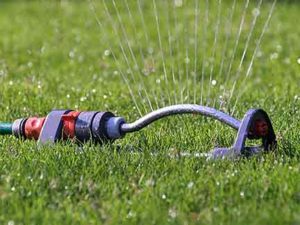
After long periods without use, you should inspect the hoses and valves in your sprinkler system. We suggest doing this before the summer heat sets in, and you need to water your plants regularly. Chicago has a water conservation plan with the goal of limiting excessive outdoor water use. If you want to help your community adopt sustainable practices, you should ensure that your sprinkler system is functioning properly this summer.

sprinkler

Make sure your lawn sprinklers are in good shape for the summer.

3.  Drain your water heater

Chicago often has pretty cold winters, and that’s the time when you need your home’s water heater the most. Unfortunately, that’s also the time when repairing it is the hardest. Summer is the perfect time to drain the water heater because if you turn off the heater during the winter, it can freeze while you are draining the water. Scale buildup will naturally happen over time, and you will occasionally need to drain and flush the water heater. It’s much easier to schedule a water heater repair during the summer since most people wait until the winter before realizing the water heater needs to be repaired.

4. Check the water pressure in your home

Summer is the time of year when people use more water for showering, washing the car, and watering the yard. Due to these factors, it’s vital to have good water pressure in your home. If the pressure is too high, it can cause a lot of stress to your faucets and appliances, which use water. Extremely high water pressure can also lead to pipes bursting.

On the other hand, low water pressure means that you will only have a slight trickle instead of getting a steady stream of water. Low water pressure can also indicate that you are facing other plumbing issues like scale buildup. This should be dealt with before your plumbing gets blocked.

5. Clean your garbage disposal unit

Don’t wait for the disposal to break down before you give it an inspection and clean it up. Even if your garbage disposal is still working, there may be small food buildups in the system. This kind of problem might be negligible during the winter, but once the temperatures rise, you will be in trouble.

Foul odors can come from your pipes and make living in your house unbearable. What’s worse is that small pieces of food which get stuck in your disposal unit can lead to your system getting completely backed up. Excess food also represents an attractive lure for insects and rodents. For these reasons, we suggest that you clean and repair your garbage disposal unit before it causes any significant issues. A persistent odor may indicate that the drains need to be cleaned professionally

wooden-doll-resting-on-toilet

People sometimes put large pieces of food down the garbage disposal or toilet.

6. Check how the toilet is flushing

Most people know that you shouldn’t flush just anything down the toilet. Yet somehow, it seems like folks get especially creative during the summer. This is probably due to the larger number of barbecues and house parties that happen when the weather is better. Although it may seem obvious, a good summer plumbing tip is to put up a sign near your toilet reminding guests of which items shouldn’t be flushed. If it does get backed up, you can hire plumbers to unclog your toilet. Keep in mind that prevention is better than the cure, and have a talk with your guests and kids. Ask them to put any larger items in the bin instead of down the toilet.

7. Install a water saving showerhead

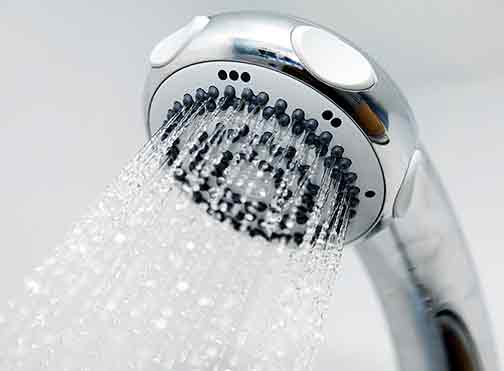
Installing any water-saving features in your home can help you cut down on the utility bill. Most of the water in your home is spent on showering. Therefore, having a water-saving showerhead will help you reduce the amount of water you use. The new showerhead will pay for itself within a matter of months, and after that, it will make you money through savings.

shower-head

Install a showerhead that is efficient and saves water.

In summary

These 7 summer plumbing tips can help prepare your house for the warmer months. Once you know that your plumbing is working well, you will be able to enjoy many lazy summer afternoons without having to worry about what could go wrong with the water in your home.

How Long Do Water Heaters Last?

How many years should your home water heater last? This is all dependent on a lot of factors. There is a certain amount of years that everything in your house is meant to last. This is the period of time that you are able to get the maximum from the product. This is what the product company determines in terms of how many years the material in the product will last.

How Long Do Water Heaters Last

But the producer’s date of expiration on their item is at best an estimate. Actual performance of the item relies on numerous variables out of the producer’s hands. A few of these are the environment that the item is utilized in, the amount of use that the item is put under, and the quality of the maintenance the item receives.

All these play a role in extending or shortening the lifespan of a product. For water heaters, a traditional appliance lasts 8-12 years, while a modern one can serve you for 20 years. But as Phoenix Property Management explains, your water heater can last a few years longer than anticipated or it can fail many years before the end of its projected lifespan. How long the water heater lasts depends on the following…

Factors affecting the lifespan of your water heater

The type of water heater

The two main categories of water heaters are tank water heaters and tankless water heaters. In terms of longevity, tankless water heaters are better. A professionally installed tankless water heater can last anywhere from 20 years to 30 years. 

This is double the life of a tank or storage water heater. The reason for the longer life of a tankless water heater is partly due to the fact that it does not need to store water and is, therefore, less susceptible to some of the factors affecting tank water as discussed below.

The quality of your water heater 

Cheap water heaters have a shorter life because manufacturers use lower-quality materials in those products. Conversely, water heaters with porcelain casing or larger anodes are costlier because they are less likely to rust. 

Models with a self-cleaning function will also last longer and therefore cost more. One way to determine the quality of a water heater is the warranty, a longer warranty indicates quality construction.

Incorrect installation

Water heaters need to be installed in a specific way and in the right environment for them to function properly and last a long time. Typically, the water heater should be installed upright in a well-ventilated part of the home. 

It should not be in proximity to areas prone to flooding or high humidity. The competence of the installer and the location of the water heater plays a big role in its lifespan.

Water quality

If the water in your area is hard, the incidence of limescale inside the water heater increases. Limescale is a residue left behind when hard water evaporates; it is mostly made of calcium and magnesium. 

Limescale interferes with the ability of a water heater to heat cold water and accelerates its expiration. Another issue related to water quality that can harm a water heater is clogging due to sedimentation.

Water pressure

Water pressure can be too high or too low, but most people are only familiar with low water pressure. That’s because we can see when water pressure is low, it does not let you get water out of the shower or faucet at the rate you want. But as annoying as it is, low water pressure is mostly harmless. 

The real issue is when water pressure is too high. High water pressure will destroy the water-using appliances in your home, including the water heater tank.

Rate of water heater usage

Quite naturally, a water heater that is subject to a lot of use is likely to reach the end of its lifespan faster than one that’s used minimally. The volume of hot water the water heater produces determines the level of stress its components are subjected to. More water also increases the probability that your water heater will rust.

Signs that it is time to replace your water heater

replace-water-heater-chicago

If you notice the following problems with your water heater, it is time to replace it.

Strange sounds

If the tank makes strange gurgling sounds when you use it, it means there is sediment in the tank. A water heater that behaves this way is a danger. It is likely to overheat and explode.

Persistent dampness 

If your water heater is always damp, there is moisture build-up around the device. Problems like this could indicate a leak.

Insufficient hot water

If the water heater is not producing enough hot water or any hot water at all, it may be time to replace the water heater.

Discolored water

If the water coming from the tank is colored, your water heater has a serious problem of rust.

Water pooling

Puddles of water on the floor below the water heater mean you have a badly leaking appliance that needs to be replaced ASAP.

Signs You Have Issues in Your Commercial Plumbing System

Signs You Have Issues in Your Commercial Plumbing System

The plumbing system in a residential building and that of a commercial building do the exact same thing. They transport drinking water into the building while carrying wastewater away without polluting the clean water supply. But this is almost where the similarities end. Due to their sheer size, commercial plumbing systems are a lot more complicated than residential systems.

Unlike, residential plumbing systems where homeowners can easily resort to DIY, RealEvate Specialists says, commercial plumbing systems don’t lend themselves very well to that kind of approach. Commercial plumbing systems are what you find in office complexes, multipurpose buildings, retail centers, or apartment complexes. 

They are distinct from residential plumbing systems in the following ways:

The complexity of the building

Commercial buildings often have many floors with several of the sinks and toilets in the facility being used at the same time throughout the day. Due to the daily level of use, managing a commercial plumbing system is complicated. 

The size of the plumbing system

The size of commercial buildings means their plumbing systems are extensive. Problems in one part easily spread to other parts. However, although finding the cause of problems is harder, issues must be fixed quickly because of the number of people they can affect.

The risk of damage is higher

The potential costs of problems in a commercial plumbing system are higher. In addition to inconveniencing the users of the building, there is a risk that the productivity of the various businesses in the building will be impeded.

This is why it is vital to be able to tell when there are problems in a commercial plumbing system. Speedy detection and resolution of issues are critical. Even if there is a designated commercial plumbing company to deal with problems, it pays for the manager to be able to identify early signs of trouble. 

What are the signs of problems in a commercial plumbing system?

Clogged drains 

Clogged drains are a huge nuisance because they don’t allow the free flow of wastewater. If the problem is not attended to at once, it can get progressively worse until the drain is completely blocked.

Falling water pressure

This often indicates a leak or blockage in the system. Knowing which sections of the building have this issue can help you pinpoint the location of the problem. In any case, this is something you need to notify your plumber of immediately.

Spikes in your water bill

If, for no apparent reason, the water bill increases above what you are accustomed to paying, contact a licensed commercial plumber. Nine out of ten, inexplicably high water bills are due to leaks in the system. 

Dripping faucets

This problem will also escalate your monthly spending on water. Dripping faucets are easy to fix; all that is required is to replace the faucet’s internal washer. But the problem is also very easy to overlook due to the number of faucets in the building. 

Running toilets 

This is yet another one of the main causes of spikes in the water bill. Drip by drip, given the number of toilets in a commercial building, this problem can push your water bill through the roof.

Tinted or discolored water

Corrosion in pipes, especially metal pipes, is usually the prime culprit in this situation. Somewhere in the system, there is rust that is responsible for the strange color of the water.

Damaged pipe or tubing

Pipes need to be constantly monitored for signs of wear and tear. Dents, dimples, flaking, and discoloration are some of the signs of damage to look for on your pipes.

Bad odors

Unpleasant odors emanating from the drains could be the result of sewer gas leaks, clogged toilets, or the proliferation of bacteria. A commercial plumber will help you find the cause of the problem.

Changes in the appearance of your landscaping

Uncharacteristically green patches of grass, strange spurts of plant growth, or erosion on the building foundation are all signs that a sewer line or an underground water line may need repair.

Wet floors 

If a sink or toilet is leaking, water can find its way to the floor around the area of the sink or toilet. If you find that the floor around a sink or toilet is perpetually wet, you may have a leak.

Strange noises from the plumbing

Gurgling sounds and other strange noises from the plumbing are often a sign of failing or failed pipes or valves. Unusual sounds from the plumbing system should be investigated by a commercial plumber.

Broken water heater

There are several things that can go wrong with the water heater; a pilot light that is not working, the buildup of sediment in the tank, malfunctioning thermostat, and leaking water pipes.

Water damage 

This is easily the most expensive problem you can have in your commercial building. Water damage is hard to detect because it often happens in out-of-the-way places like under the sink and inside walls. To detect water damage before it becomes a major problem you should have your building inspected for water leaks for early signs of any problem.

Replacing Your Lead Water Service Line in Chicago

water-service-line-replacement-chicago

In 2021, the city of Chicago has initiated a program called the Lead Service Line Replacement (LSLR) plan designed to fast track the replacement of the city’s nearly 400,000 lead service lines. If you are a homeowner in Chicago, you need to know what this program is about and how to take advantage of incentives being offered by the city to replace your lead service line. Same goes for landlords and property owners, says Bill Koonce, owner of Chicago Plumbing Experts.

What is the Lead Service Line Replacement (LSLR) plan?

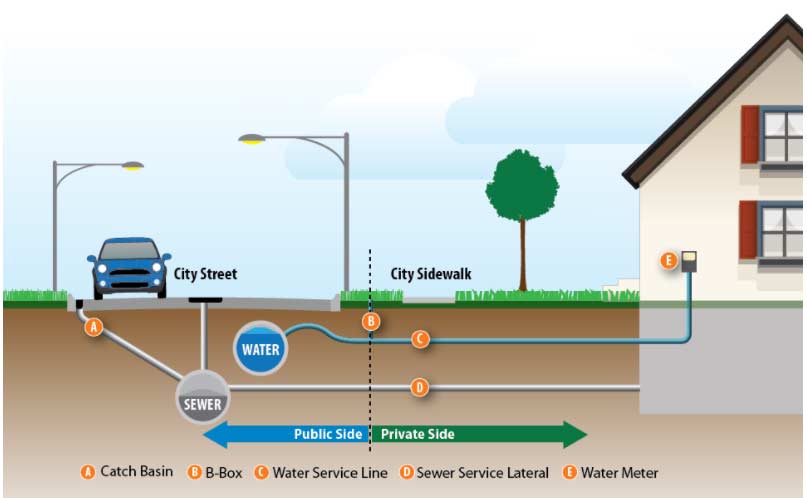
A service line is a pipe that carries water from the city’s main water supply in the street to your home. The pipe runs underground from your home, across the lawn, and underneath the city sidewalk until it reaches the water main below the street.

Why does the city want you to replace your service line?

Only service lines made of lead are being replaced. This is because of the health hazard posed by exposure to the lead in these pipes. Even the lowest level of lead exposure has been shown to adversely affect the IQ of children and their attention spans.

Although most lead poisoning happens via contact with lead-based paint or lead-contaminated dust, lead may also leach into drinking water from the lead service line. Since there is no identified safe level for lead exposure, the best way to prevent this issue is to replace the lead water lines on your Chicago property.

How will you know if you have a lead service line?

If your house or two-flat building was built before 1986 and the water service has never been replaced during renovation, there is a big chance the water service line is made of lead. If you are not sure, here is a simple test to identify the material in your water service line.

  • Step one: Locate the water meter or shutoff valve in your home. The service line typically enters through the basement before it connects to the meter. If you can’t find the meter, use the shutoff valve.
  • Step two: Hold a magnet to the pipe to check if it is magnetic.
  • Step three: Scratch the pipe with a coin or key to see the color of the material.

The pipe should be made of one of these materials:

  • Copper: Copper is not magnetic. It has a shiny orange appearance and is quite common in Chicago.
  • Galvanized steel: Steel is magnetic. It is silver-gray and is no longer used in new construction.
  • Lead: Lead is not magnetic. It has a shiny silver-gray color and is not used in new construction.
  • PVC: PVC plastic is not magnetic. It is typically white and is rarely used in Chicago.

What does replacing a water service line entail?

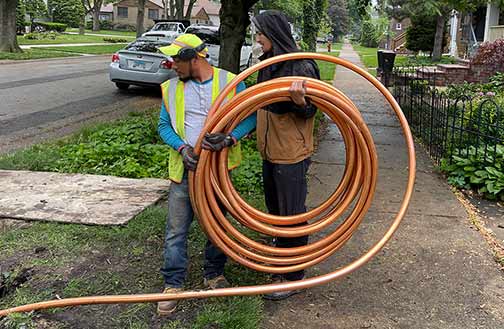
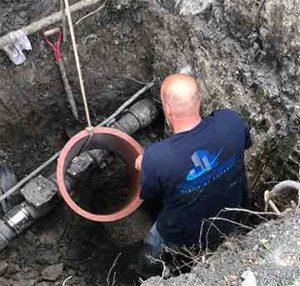
Replacing the water service line is a labor-intensive process that involves digging a trench from your home to the street, up to the point where the service line connects to the water main. After the trench is dug, the old lead line is replaced with a new copper service line. A water meter is also installed to help you save money on any spiking water bills.

a water lead line replacement taking place in chicago.

Replacing the water service line is a labor-intensive process that involves digging a trench from your home to the street, up to the point where the service line connects to the water main.

Will the City of Chicago help with your lead service line replacement?

To assist as many homeowners as possible with their lead service line replacement, the city of Chicago is accepting applications for the Equity Lead Service Line Replacement Program. Under the program, homeowners are eligible for free lead service line replacement plus a free water meter, if:

  • They live in a home they own.
  • Have a child under 18 years old living in the home, or
  • Their water has elevated lead level as shown by a free test by the Department of Water Management, and
  • The household income is 80% below the area median income, which is $74,550 for a family of 4.

But for homeowners who do not meet the criteria, the city still offers incentives. These are for homeowners who hire a private contractor to replace their lead service line and the incentives are available in the form of waivers and freebies. Commercial and mixed-use residential/commercial properties are not eligible for this. Here is how it works.

  • The homeowner will pay for the lead service line replacement (LSLR).
  • The city will subsidize the standard permits, allowing homeowners to save as much as $3,100.
  • The city will attach the new service line to the water main free of charge and provide a free water meter for the home (if there is none).

But to qualify, this must be a standalone project, and not part of a home renovation or expansion. Additionally, the contractor must be licensed.

When selecting a contractor for LSLR, homeowners are encouraged to follow the below process:

  • Contact three licensed Chicago plumbers to request quotes and qualifications information.
  • The plumber should visit the home to confirm service line material and other details.
  • The plumber should have an Illinois Department of Public Health (IDPH) Plumbing Contractor License Number and must be on the list of City of Chicago-Licensed Plumbing Contractors.
  • The plumber should be able to provide a list of 3-5 addresses where they have acquired a City of Chicago Department of Buildings permit for residential LSLR (with details of those projects).

Interested in replacing your lead water lines in the City of Chicago? Contact us at 773-599-9181 or by form below for a free estimate!

Rental Property Plumbing Maintenance Checklist

Are you looking to maintain your rental property’s plumbing?

Many common rental plumbing problems can be avoided by simple maintenance. Following through with regular upkeep tasks can cut the costs of plumbing repairs down the road.

Even though many landlords focus on the HVAC system and landscaping maintenance, SGI Property Management Dallas says it pays to put in the effort for plumbing as well. This is the only way to ensure that your property’s plumbing operates in peak condition at all times.

Now, we are going to take a closer look at the practical plumbing maintenance procedures. Regular observation and routine upkeep carries the potential to prevent most of the serious plumbing issues that you could face as a landlord. 

Here are the things that a landlord should do regularly:

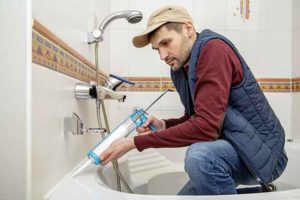
Examine the caulking

Rental Property Plumbing Maintenance Checklist

Include areas around the shower doors, sinks, tub, toilet base, and shower. Don’t forget to check the kitchen caulking situations as well. When you find dry, seriously cracked, or missing caulking, remove them and replace it with a fresh caulk.

Conduct a complete corrosion check 

The typical signs of corrosion show around copper or brass fittings in the form of blue or green staining. Sometimes these stains appear around your rental’s shutoff valves as well. Fix any corrosion issues because these could cause leaks or flooding.

Check the flushing mechanisms

Flush each toilet in the rental property to see if the flushing mechanism works as it should. Make sure that there aren’t any corroded, broken, or completely missing components inside the toilet. Before heading out, make sure that the water doesn’t run endlessly after flushing.

Test the water pressure in your rental property

The safe level is usually between 40-65 psi. You can use a water pressure gauge to determine the correct readings.

Clean the showerheads and faucet aerators

You should remove and thoroughly clean the faucet aerators. These components are notorious for building up calcium. These unwanted calcium deposits decrease the water pressure and functionality of the faucet.

Listen for water sounds

Listen attentively to the sounds coming from the drains in the tubs, sinks, and showers. All of the draining should be smooth without noticeable gurgling or other sounds that raise concern. Clear out any slow drains or major blockages.

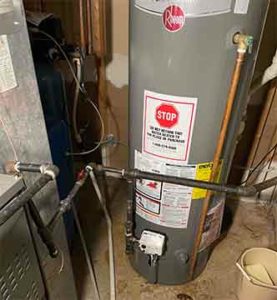
Flush out the water heater tank

Without regular flushing of the tank, rust and sediment will start to build up at the bottom of the tank. As a result, both the efficiency and useful lifetime of your water heater tank will be reduced.

water-heater-repair-service

Without regular flushing, rust and sediment will start to build up at the bottom of the tank.

Get a sewer line inspection

A backed up sewer mains pose a huge potential issue in your rental property. Video sewer line inspections allow qualified professionals to easily see inside the sewer lines. In this way, you can address any warning signs before these need expensive sewer line repair works done.

Washing machine inspection

Inspect the washing machine hoses for brittle spots, cracks, or leaks. Since the washing machine hose material tends to be reinforced rubber, the integrity of this material can be compromised over time. Without regular inspections, these processes could lead to hose failure and concurrent flooding.

See if your garbage disposer’s drain connections work properly

 The typical problem areas include the following:

  • The point of connection between the disposer and the dishwasher discharge
  • The connection between the sink drain and the disposer discharge

Check the septic tank

Your septic system demands maintenance as well. Some homes have septic systems with a drain field. If your rental has one, make sure it receives professional septic tank pumpings every few years. Plus, clearly communicate to your tenants that it’s best not to flush any food in when utilizing this type of system.

Check the sump pump

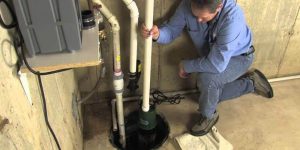
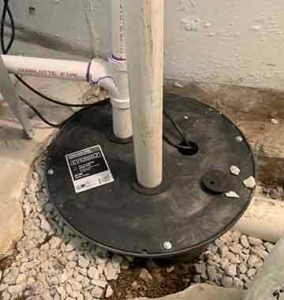
Does your rental property have a sump pump? Check that this component works as it should. For instance, you can add water to the sump pit and then see whether the pump is automatically activated.

sump-pump-repair-chicago

Does your rental property have a sump pump? Check that this component works as it should.

Check the irrigation system

The maintenance of the irrigation system is both a task of landscaping and plumbing. Before the watering season starts, ensure that every single spray head works efficiently. On the closing day of the watering season, winterize the system to prevent serious problems resulting from freezing and thawing.

Check all of your plumbing and surrounding areas for signs of mold and mildew

Any unwanted growth could indicate further issues such as leaky pipes or inadequate ventilation. Take the mold problem seriously because the spores pose a health risk for some people.

In a nutshell: Rental Property Plumbing Maintenance Checklist

Do you take care of your rental property plumbing on a regular basis? It’s important to inspect and evaluate all the plumbing components and areas of your rental property. Proper upkeep and timely fixes prevent expensive repairs in the long run.

How to Install Drain Tiles in the Back Yard

How to Install Drain Tiles in the Back Yard

Despite their name, drain tiles are actually not tiles. Drain tiles, also known as a French drain, are pipes that are buried in the ground around the entire perimeter of a house and surrounded with gravel. They protect the foundation of the house from surface runoff by collecting the water before it can reach the base of the house and discharging it in a safe place.

As Paramount Management & Realty explains, they are essential for homes on soil with poor drainage or if the characteristics of land make it easy for water to collect around a building’s foundation. A drain tile system consists of perforated pipes inside a trench dug around the home and surrounded with gravel. The setup is further surrounded by landscape fabric and sand to keep debris out of the pipes.

Installing a French drain in your backyard

Here are a few things to think about before you install a French drain tile system in your backyard:

  • Think of where the water from the drain tile system will go. You want the water to be able to flow away from the house – under the force of gravity – to a natural waterway or similar location. The water should not go toward another property or a septic leach field.
  • If the slope of your land or the area around the house does not permit water to flow away naturally, you will need a sump pit or dry well to hold the water temporarily. Dry wells should be dug in the lowest area on the land and should be large enough to hold water until it can soak into the ground.
  • If this is not an option, a sump pit can also serve the same purpose. Water from the drain tile system is channeled into the pit, from where it is pumped out and discharged in a safe location on your property or into your municipality’s systems for removing stormwater.
  • Lastly, before you lay a drain tile system in your backyard, think of what you will do with the dirt left after you have backfilled the trench. A good way to utilize dirt is to make raised flowerbeds or use it to level a part of your land.

Steps for installing a drain tile system in the backyard

What you will need:

  • A trencher or shovel
  • 4-inch perforated drainpipes
  • ¾ inch drain rock (gravel) or polystyrene
  • Sand
  • Landscape fabric or filter cloth

Step one: Digging the trench

Two important things to keep in mind when digging the trench are maintain a constant slope toward the point where you want the water to be discharged and keep the surface of the trench level to avoid dips where water can collect. 

The trench should be around 12” wide and 8-24” deep. It should slope at the rate of ¼ per foot. This means it will be deeper at the runoff point than it is at the drainage point. The easy way to make your trench is with a trencher, but you may have to do it by hand (with a shovel) if the land is soft and muddy.

Step two: Fill the bottom of the trench

If you used a trencher to make your trench, you may still need to shovel some of the dirt out along the entire length of the trench to make the surface level. After the trench is completed fill it with gravel to a height of about 2” and then lay landscape fabric or filter cloth over the gravel to prevent weeds.

Step three: Lay the drainpipes

You will need corrugated flexible plastic drainpipes. These have a diameter between 4-12” but you will typically use 4” pipes. Drainpipes are also available as 10-foot rigid PVC pipes with holes on one side. Corrugated pipes will often have slits across their entire surface. If there are concerns that the pipes may get crushed after the trench is backfilled, use PVC pipes.

The pipes are typically laid with the perforations facing down, especially if you use pipes with perforations on only one side of them. If there are curved points along the pipe, make sure the connections are secured with elbows and couplings. After the pipes are laid, backfill with gravel to around 2” below grade and then cover with dirt. 

Step four: Install cleanouts

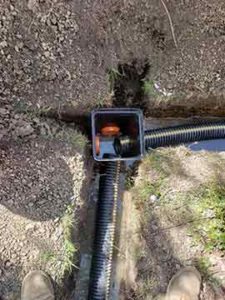
Ideally, you should have two cleanouts: one at each end of the drain. Cleanouts make it easy to clear your drain tile system off debris without having to dig up pipes. A cleanout fitting is a tee that is installed slightly above grade, with a cap for easy access to the drain. 

If the drain tile system starts to get blocked with debris, you can easily insert a garden hose through the cleanout port to flush the system. For blockages which are a bit harder to remove, you can use an auger.

Why the Sewage Ejector Pump Is Important for a Newly Built House

A sewage ejector pump is installed in a home when the bathroom, laundry room, and any of the home’s plumbing fixtures are located below the level of the main sewer line. Plumbing fixtures are often installed in this way because of space constraints.

Why the Sewage Ejector Pump Is Important for a Newly Built House

In the typical installation, the home’s plumbing fixtures are located at a higher level than the level of the main sewer line in the street. This allows the wastewater to flow easily from the home to the sewer line. With this kind of installation, all that’s needed is the force of gravity. This is the case in most of the properties Bighorn Rentals manage.

However, when plumbing fixtures lie at a point below the level of the main sewer line, wastewater cannot flow out of the home under the force of gravity. You need a way to elevate the water to the level of the sewer line, so it can flow into the system. This is where an ejector pump comes in.

What is an ejector pump and how does it work?

The sewage ejector pump works with the same principle as the groundwater sump pump system in your home. The main difference is that while the sump pump prevents rainwater seepage, the  ejector pump lifts wastewater or sewage out of the home into a septic field or main sewer line.

This is how the system works:

  • A sump basin is cut into the ground below grade. This basin is typically able to hold up to 30 gallons of wastewater if it is for a moderately sized home. Larger homes require a bigger basin.

  • The drain lines from the various plumbing fixtures in the home open up into the sides of the sump drain basin. These drain lines are usually sloped for easy movement of their content.

  • Wastewater collects inside the sump drain basin, raising the moveable float inside it until the float gets high enough to trigger the sewage ejector pump.

  • The wastewater is pumped out of the sump drain basin to the level of the main sewer system or a septic line within the property.

  • Once the level of wastewater in the basin falls sufficiently, the pump powers off, until when there is enough wastewater in the basin again. 

As already stated, ejector pumps are mostly installed in homes where the plumbing fixtures are located in the basement or the main sewer line is at or near ground level. Homes with a septic drainage field or holding tank that is higher than the basement plumbing fixtures will also need one.

But even when your home does not meet the above criteria, an ejector pump is still an important system to have in the home. This is because sump pump drains are also essential for protecting your home from sewer backups.

Sewage ejector pumps not only ensure the health and efficiency of your home’s plumbing systems, they help to protect all the valuable belongings that are stored in the basement. Ejector pumps also reduce the incidence of costly and annoying pipe blockages.

An ejector pump will help to prevent:

  • Flooding from burst pipes and overflowing drains
  • Pipes clogs and blockage
  • Sewage water inside the sink
  • The health risks that come with sewage backup or sewage water accumulation
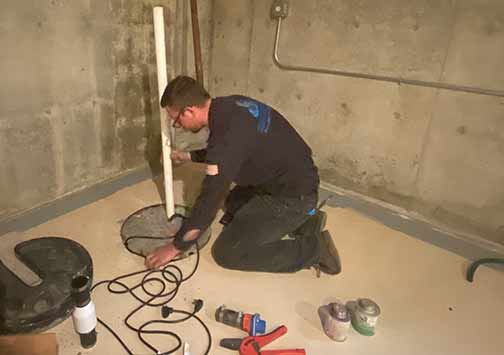
a plumber installing a sewage ejector pump in a newly built home.

Sewage ejector pumps not only ensure the health and efficiency of your home’s plumbing systems, they help to protect all the valuable belongings that are stored in the basement.

What you need to install a sewage ejector pump in your newly built house

  • Plumbing permit

Many municipalities will require that you obtain a permit for the sewage ejector pump. This is because improper installation of a sewage ejector pump can lead to flooding, seepage, and damage to the city’s main sewer line.

  • The right pump

The size of the ejector pump depends on the size of the home. Ejector pumps come in sizes of ½ to ¾ HP and the right pump for the home depends on the holding capacity of the sump drain basin. Most basins hold 30 to 40 gallons.

  • A vent

The system needs a vent outlet to equalize the pressure inside the basin and admit air when water is being pumped out of the basin. It also provides a route for sewer gasses to exit the home, without leaving an unpleasant odor inside the home.

  • The sump drain basin

This is where the sewage is stored before it is moved to the main sewer line. It is usually positioned a little lower than the basement floor. The size of the basin is important for the operation of the entire system.

  • Outlet pipe

The outlet pipe is what conveys the water inside the sump drain basin out of the home into the main sewer line. The pipe diameter must be large enough to permit easy passage of water. It must be strong enough to handle high pressure.

  • Check valve

This is located between the sump drain basin and the sewage inlet. It ensures that sewage does not flow from the basin back into the house.

How to Install a Flood Control System

A flood control system is a failsafe system that protects your home from sewer backups. It is often installed as a replacement for the standard backwater valve flood control system after that system fails. The way a flood control system is built gives it the ability to withstand conditions that would typically result in the failure of a standard backwater valve flood control system.

How to Install a Flood Control System

The regular backflow valve installed in most homes consists of:

  • An in-line check valve opens to allow sewage flow from the house to the city sewer line. This valve closes when there is a storm and pressure builds in the city sewer system.  The closed valve keeps sewage that is from the stormwater from flowing backward into the house.

  • A pumping system consisting of an ejector basin and pump. When the in-line valve is closed, sewage can still flow from the house into the city sewer system because of the pumping system. Sewage from the home is diverted into the ejector basin and then pumped over and beyond the in-line check valve, to be pushed into the city sewer.

But sometimes this entire system can fail. This happens when there is so much pressure built up against the in-line check valve that it fails. Sewage under pressure from stormwater can blow off the lid on the in-line check valve and dislodge the check valve. Once this happens, sewage is free to flow unimpeded into the home.

What is a flood control system?

The flood control system is also referred to as a double-guard system because it consists of two check valves positioned in series. Also, instead of PVC, it has cast iron housing and brass check valves, with a lid that is bolted in place rather than screwed down. This system offers a more reliable way to protect your home from sewer backups during a storm.

Because the flood control system is made of cast iron and brass, it can withstand more pressure than a PVC system so, the likelihood of system failure is almost zero. Additionally, the presence of two check valves means if the first valve fails, the second one can still protect your home. Thirdly, the possibility of the check valve lid blowing off is nil because the lid is bolted down, instead of being screwed down.

install-flood-control-system

How to install a flood control system

To install a flood control system, you have to remove the entire backwater valve flood control system in your home (except for the pumping system, ejector basin, and pump) and replace it with the flood control system. Note that this is not a project you should try to do yourself, it should be left to a flood control installation specialist or professional plumber.

Here are the steps for doing that:

Step #1

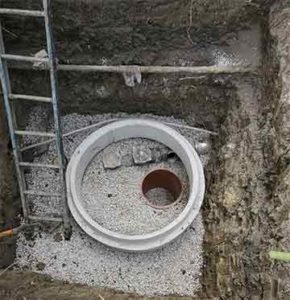
Excavate the area around the existing backwater-valve flood control system so you can go in and take out the entire system. This requires some demolition work to remove the circular blocks that make up the sides of the pit. The floor of the pit must also be removed to expose the pipes installed underneath.

Step #2

Move the incoming water line out of the way to keep it from getting damaged. Now remove the failed PVC system from the pit after you have loosened the flexible rubber couplings that hold it in place. This is the part of the system you want to replace.

Step #3

After this, install the new cast-iron twin-check-valve system and secure the connections at each end with flexible rubber couplings.

Step #4

Once the valve is securely in place, pour bags of ready-mix concrete around the valve with emphasis on both ends of the valve. Pay particular attention to the front connection and make sure it has enough concrete. This is the most important joint since it is the part that will take the direct pressure of the city sewer system.

Step #5

After this is done, pour a layer of gravel aggregate over the entire assembly and spread it over the concrete. This will help to strengthen the base around your newly installed system. Add water to the aggregate until it is soaked.

Step #6

Next, cover everything with a thick layer of sand to create the bottom of the pit. Once this step is done you are now ready to start laying the curved blocks that will form the circular walls of the pit. Keep laying the blocks until the walls is up to the surrounding grade and then top it off with an access cover.

Why do you need a flood control system?

If the region where you live is prone to natural floods, a flood control system can save you from anxiety, plus the cost of fixing flood-inflicted damage to your home, says Avalon Property Management. You may also need a flood control system to serve as a backup in case of sump pump failure. Regardless of where you live, a flood control system can add a second layer of protection to shield your home from flooding. 

Reasons Your Hot Water Heater is Not Working and How to Fix

Water heaters are some of the most used household appliances. They are the reason you can turn the faucet and expect a steady stream of hot water. Water heaters make everyday household activities like bathing, doing dishes, or laundry so much easier.

This is why water heater failures can be so totally disruptive to your lifestyle. Your water heater works behind the scenes in a remote area of the home, unobserved most of the time, until it doesn’t work. The only water heater that anyone pays attention to is one that does not work.

But why do water heater breakdowns happen? How do you catch small issues with the water heater before they become big problems? What are the most common water heater breakdowns and how do you prevent or fix them? Find the answer to these questions in this article.

5 common water heater problems and what to do about them

Insufficient or extremely hot water

Sometimes a water heater will not produce enough hot water or the water is too hot. This is a fairly common problem. To fix it, go to the water heater tank and adjust the thermostat. You may have turned the thermostat down during the summer (to save energy) but forgot to turn it up in winter. Thermostat settings may also change if the water heater is bumped accidentally. If the water temperature doesn’t change after you do this, you may need to replace the thermostat.

A water heater will also have water temperature issues if the tank is leaking, the temperature relief valve has stopped working, the gas control or burner assembly is damaged, or there are mineral deposits in the tank. Temperature-pressure relief valves are easily replaced. You can flush the tank to get rid of deposits. But if the tank is leaking, it is probably time to get a new water heater.

Discolored water

Water discoloration is often caused by a high iron and copper content in the water. If the water in your area has a high mineral content, it will cause problems in the components of the plumbing system and the water heater. You may have issues with lime deposits in pipes, showerheads, and taps. This will show up as scaling inside the water heater, washing machine, and dishwasher. If scale builds up long enough inside a water heater, the appliance will start producing discolored water.

Water discoloration is mostly caused by rust (which is accelerated by scale deposits) or anode rod issues. Depending on how soon you detect the problem, it can easily be fixed, that is if the issue is from the anode rod. If the water from the municipality has high mineral content, you can solve it by installing a whole house water filter or water softener.

Smelly water

Water coming from the water heater may have a bad odor, smell of rotten eggs, sewage, or garlic. If this issue is not noticed with all the faucets in the entire home, it may not be from the water heater. Sometimes water will become smelly if it has not been used for a long time. Running the taps in your home for a while will solve the problem.

If this doesn’t resolve the situation, the water heater could be the cause. Rotten egg and sewage smells are caused by heavy bacteria growth inside the tank. This can be fixed by flushing the tank. A garlic-like smell means you need to relight the pilot light. Gas line damage will also cause a strong smell. If the problem persists, get an expert to inspect the appliance.

Strange noises from the water heater

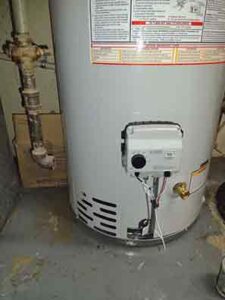
water-heater-repair-chicago

A noisy water heater may be suffering from excessive mineral buildup and sedimentation. Mineral buildup comes from the water and, as already explained, is worse in areas with hard water. Sedimentation may also happen as a result of issues with the heating element. If you hear the sound of boiling water from the water heater, the system is dangerously overheating due to extreme pressures inside the tank. You need a professional plumber to fix these kinds of problems.

Leaking water heater

Leaks can happen in different parts of the water heater.  Leaks caused by a loose in-line valve are easily fixed. This is the valve that controls the flow of water in and out of the tank. To fix the problem, simply tighten the nut that holds the valve in place. If the leak gets worse, you may need another in-line valve. Pressure relief valves can also leak, but they are also easy to replace.

In addition to the above, the water heater may leak because of age, bad plumbing connections, poor maintenance, corrosion, and too much pressure inside the tank. If you find that water pools near the water heater or there is dripping water from the unit, you have a leak. Most of the time, leaks from the water heater tank means your water heater needs to be replaced.