Author Archives: Chicago Plumbing Experts

What To Do When Your Basement Floods

What To Do When Your Basement Floods

Accidents such as basement flooding happen. It doesn’t need to be your fault, but, at the end of the day, it is your responsibility to take care of your home. The crucial factor in dealing with the flood damage is the immediate reaction. The sooner you start handling the situation, the sooner you’ll have a clean and healthy basement. Still, many people are confused about what they should do after a flood happens, so they wait too long to start fixing their homes. We figured we’d share the best course of action if your basement floods, so you don’t make the same mistake as the majority. 

Act quickly 

We can’t stress this enough – it’s crucial to act quickly if your basement floods. If you start removing the water immediately, you can prevent further problems such as mold. Also, if any of the objects can be saved, it’s best to remove them to a dry place as soon as possible. This is also an excellent time to contact a basement flooding service who can help you locate and rectify the problem. 

Don’t touch anything before disconnecting the electricity

Depending on the size of the flood, your electrical system might be in danger. That’s why it’s essential to contact a professional electrician or your power supplier and consult them about turning off the electricity before dealing with anything else. Just to be safe, make sure you shut power off all around the basement, even before contacting someone to help you out.
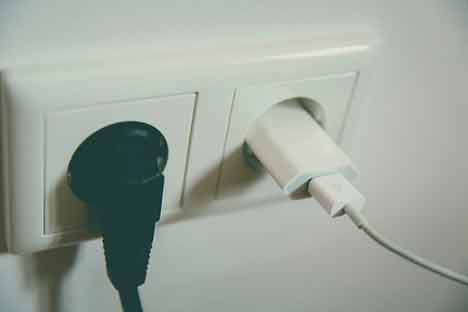
Two power sockets.

Keep an eye on your electrical system when your basement floods.

Locate the source 

Before entering the basement, put on gloves and boots to stay clean and safe. And once you’re all geared up, try to locate the source of all the water, and turn off the valve connected to the leaking pipe. Likewise, finding the drain and ensuring it’s not clogged will help the water go out much faster. If the flood occurred because of rain and storm, make sure it stops before you start dealing with all the water. Other sources of flooding can be foundation cracks, snowmelt, or a malfunctioning sump pump that needs replacement.

Removing the water 

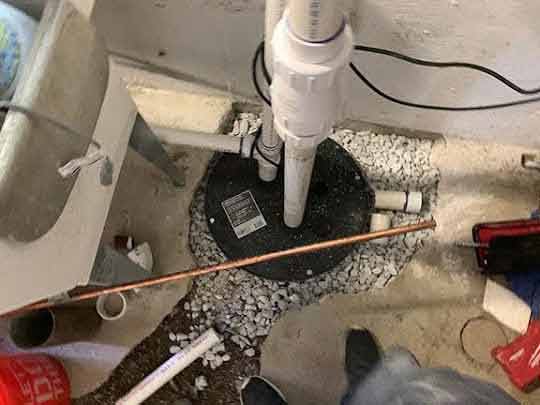
Depending on the size of the flood, removing the water can be a more or less complicated thing to do. You can use a mop and a bucket for smaller amounts of water and a sump pump to remove it. Sump pumps are crucial for every home because they drive the water away from the house. In case there is no sump pump, the water may go up to the house. 

Another way to remove water is by using a wet/dry shop vacuum. Make sure you set it to the suction mode and use a wide attachment at the end of the hose. After sucking up all the water, deposit it away from your home, especially away from the foundation. Finally, use cloth or sponges to remove small amounts of water left on the floor.
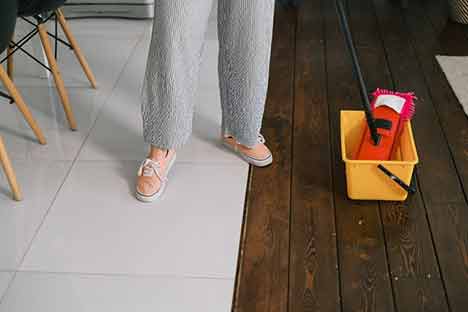
A person using a mop and a bucket to clean.

Mops can be helpful when you need to clean a smaller amount of water.

A dehumidifier is a must when your basement floods

Another essential step is removing all the water and moisture using a dehumidifier. Immediately after removing the water, set a dehumidifier to remove all the excess moisture from the air and prevent musty odors and mildew. 

Estimate the damage after the water is gone 

Removing all the water is just a part of dealing with a basement flood. Assessing the damage is the second part of the work, and it has to be taken seriously. Water damage doesn’t need to be too obvious, so a thorough check-up will be necessary. In general, the most significant problems happen with wooden objects. These soak up water and need to be replaced. Carpets also don’t survive floods most of the time. You can try drying them as much as you can with your vac pump, but you’d probably still need to replace them. 

Examine all the appliances

Very often, people keep their washers and dryers in the basement. So, when your basement floods, you can expect your appliances won’t work afterward. However, some of these may still be usable – microwaves, washers, and dryers. However, appliances with insulation, such as ovens and fridges, rarely survive floods. Either way, make sure you ask a professional to check the appliances for you.

Cleaning 

Even though it’s ‘just’ water, you should know that floodwater is probably filthy. Therefore, anything that this water touched should be cleaned properly.

Taking care of the serious damage 

Powerful floods can seriously damage your home’s foundation, drywall, windows, doors, etc. They can mess up the whole structure of the house, soak up the insulation, and more. This is why you should always take these kinds of repairs seriously and make sure your home is in perfect condition after the accident.

If there’s a lot to do in the house, removing your furniture and other items for a while would be a great idea. You’d keep them away from dust, moisture, and further damage and protect them until all the hard work is complete. Just be sure to take your time to explore all options when it comes to renting a storage unit in Chicago. There are units of different sizes and prices, and they offer various conditions for the items in storage. Make sure you know your needs in terms of size and conditions before comparing the offers and choosing the best option.
Water in a sink.

Water is essential for our existence, yet it can do a lot of damage.

Don’t stress

Undoubtedly, it is challenging to stay calm when your basement floods. However, this is not something you should stress so much about that you end up putting your health at risk without even solving the problem. Instead, this is the time to be practical, fast, and efficient and do everything to repair the damage and move on. And maybe it’s time to reconsider flood insurance rates!

5 Most Common Plumbing Problems in Chicago

5 Most Common Plumbing Problems in ChicagoEvery home needs water. We need water for cooking, cleaning, and personal sanitation. It would be impossible to live in a modern home without water running inside its structures. But to have access to that water, you need a system to deliver clean water to the house and take away the dirty water. That is what the plumbing system in your home does.

A home’s plumbing system consists of hundreds of feet of pipes with valves, connections, and other components. It is one of the most complicated and most used systems in the home. As a result, problems with the plumbing system are among the most common issues homeowners in Chicago encounter. 

Plumbing problems are one of Chicago homeowners’ biggest issues because:

  • They are hard to detect: The typical way homeowners discover an issue with their plumbing is when the water supply stops or water goes where it is not supposed to. But before the problem goes that far, it will show subtle signs that go undetected.
  • They cost a lot of money to fix: Plumbing issues often cost a lot of money to repair. That is not because of the cost of fixing the damaged components. Instead, it is due to the cost of repairing the damage the issue has done to the surrounding areas.

That is why plumbing problems are best discovered early and solved on time. Finding a problem before it causes damage to the structures of your home can save you hundreds of thousands of dollars, says Income Realty Corporation. To do this, you need to know the common plumbing problems you are likely to face in your Chicago home and what you can do to solve them.

Five most common plumbing problems in Chicago homes

These five problems top the list of plumbing issues occurring in Chicago homes.

Drain clogs

A drain clog is a common occurrence in the home, and it can happen in different parts of the plumbing system. Drains get clogged when an item or material obstructs drain pipes. That occurs in the kitchen sink or bathroom drain. Drain clogs can be minor issues requiring a few minutes to solve, or they can be leading problems that require special equipment and lots of time. You can clear most clogs by using a plunger, drain snake, or running the disposal unit. If these DIY solutions don’t work, it will be necessary to contact your local Chicago plumber.

Frozen pipes

Water has the odd behavior of expanding when it freezes. That can be a problem for your plumbing system. Frozen water inside pipes will not only cut off your water supply, but it can also cause the pipes to rupture. It takes only a few hours of below-freezing temperatures for pipes to freeze. The best way to keep pipes from freezing is to install PEX pipes in the home or take precautionary steps to keep water flowing through the pipes. If you find that the pipes in your home are frozen, the best solution is to call a plumber who specializes in repairing burst pipes.

Water leaks

Leaks are another major issue. This problem results from the highly mobile nature of water and its corrosive powers. Over time water will erode any material it is flowing. Water also carries particles and chemical substances that get deposited inside pipes. These two effects can result in pipes bursting or wearing out, causing leaks. Water leaks also happen when water pressure is too high or frozen pipes thaw out. Leaks are a crucial problem because they often occur inside the walls and damage your property. The best way to prevent leaks is to inspect the plumbing system regularly and install a leak-detection system.

Water heater issues

Water heater malfunctions are among the most annoying plumbing problems; think what it feels like to get cold water dumped on you when trying to take a warm shower in the morning. Water heater issues will also deny you access to warm water for washing dishes and clothes. Several issues can cause water heater malfunctions, leaks, water hardness issues, and faulty components. The best way to prevent issues with the water heater is to be aware of its life expectancy and know the telltale signs of problems with the equipment. Water heater issues should never be DIYed; always call your plumber if you are in need of a water heater replacement.

Sewer line problems

Sewer lines carry wastewater out of your home into the municipal sewers. Problems with the sewer line are not only frustrating and disgusting, but they are also potential health hazards. They will expose you to unsanitary materials that can harm your health. The most common sewer line problems you are likely to face are clogs and leaks. These are due to several issues: flushing prohibited items down the drains, old and worn pipes, or damage from tree roots. If you think you need a sewer line repair service, contact a professional plumber at once.

How to Maintain an Older Water Heater

How to Maintain an Older Water HeaterOld household appliances are more susceptible to breakdowns than new ones; all the years of use start to take their toll. The wear and tear on your equipment often mean you can’t get as much work from an old appliance as you can from a new one. Usually, the only way to deal with this loss of reliability is to replace the old water heater tank with a new one.

Along with your refrigerator, the water heater is one of the most used appliances in your home. Water heaters are indispensable for making simple things like taking a shower or washing dishes convenient. Without a reliable source of hot water in the house, it would be almost impossible to live in it. Water heater malfunctions are therefore one of the most distressing issues in the home.

Since an older water heater can mean more home maintenance issues, how can you reduce incidences of breakdowns with the older water heater in your home?

There are only two ways to deal with that old appliance. You can replace it with a new one or look for ways to extend its life. Is there any way to keep getting value out of your water heater even when it is old? The answer is yes. All water heaters have their expected lifespan, but you can extend the equipment’s life through proper maintenance, says Rollingwood Management Inc.

The steps for prolonging the life of a water heater are easy to do and affordable. They do not require special knowledge, and you can do them with the tools you already have in your home. All that is needed is to be timely in applying the steps and enlist the help of an expert when it is necessary. Here are the steps to keep your old water heater running smoothly.

Six steps for maintaining an older water heater

Test the TPR Valve

The TPR valve (temperature & pressure relief valve) keeps the water heater safe. It releases water and pressure if these get too high inside the tank. If the thermostat inside your appliance fails and the temperature gets too high, the valve lets the excess steam escape to prevent an explosion. The TPR valve should be tested twice a year by simply carrying it up and down several times. A gurgling sound should follow this action as water flows into the drain tube.

Insulate the pipes

By reducing the rate of condensation, insulated hot water pipes cut heat loss by as much as 45% and reduce your heating costs by 9% or more. To insulate the pipes, you need self-sticking 3/8-inch foam pipe insulation. The foam should match the diameter of your pipes. Slide the foam over the hot/cold water pipes as far as it will go. Then squeeze the end of the foam and tape it. Ensure at least 6 inches of space between the insulated pipe and the flue.

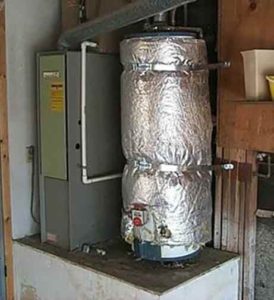
water-heater-insulation

Insulate the water heater tank

Insulating your water heater will improve its efficiency, reduce heat loss and shave dollars off your heating bill. Insulating the water heater is as simple as wrapping the tank with an insulating blanket. Buy an insulating blanket that matches the size of your water heater tank. Turn the power off on the appliance and wrap the blanket tightly around the tank. Cut off those parts of the blanket that cover the valves and panels. Turn the power back on.

Setting the temperature

The optimal temperature setting for your water heater will let you maximize the appliance and prolong your water heater’s life. For the best results, set the temperature between 130F° and 140F°. Higher temperature settings can result in burns. Lower settings may encourage bacteria to grow inside the tank. To set the temperature, look for the temperature dial on the side of the tank. Unscrew the cover. Using a flathead screwdriver, adjust the dial to the required settings.

Flush the tank

All the mineral content and particles in the water entering your water heater can end up inside the tank. As the water gets heated and evaporates, it leaves sediments that can impair the performance of your appliance. Sediments also increase the risk of rust and explosions. To get rid of deposits, you should flush the water heater tank twice a year. That is as simple as opening the drain cock and cold water supply valve. Let the water run for five minutes or until all sediment at the bottom of the tank washes out.

Check the anode rod

The anode rod protects your water heater from corrosion. It is the first thing the chemicals inside the water entering your home will attack. That is why the anode rod in your water heater gets eaten up. Without the anode rod, the corrosive elements in water will start attacking your water heater. Replacing the anode rod can save you the cost of buying a new water heater. Inspect the rod every year to ensure it is still in good shape.

Importance of Drain Cleaning

Importance of Drain Cleaning

Drains are among the most neglected parts of the home’s plumbing systems. The drains in your home are often out of sight – buried deep inside the ground. As a result, they don’t typically feature in most homeowners’ maintenance plans. Moreover, drains are not the most pleasant home features. They harbor smelly bacteria-laden water, so it is typical to avoid them.

But those smelly drains in your home serve a vital purpose. Issues with the drains can disrupt your lifestyle or even damage your property, warns SCUDOre.com. Everyday household activities, such as taking a refreshing shower in the morning or washing the dishes, can come to a screeching halt when the drains in the home malfunction. Furthermore, issues with the drains can result in damage to your home’s interior and landscaping.

Every single day, the following materials go down the drains in your home:

  • Different kinds of food particles and grease when you wash the dishes.
  • Soap, hair, and all kinds of dirt; when you take a shower or wash your hands at the sink.
  • Human waste from every time you use the toilet.

These go into the drains and cause build-ups. It eventually gets to the point when the collection prevents the proper functioning of the drain, such as when you have a blockage. But build-ups are not the only problems your drains can have. Several other artificial and natural issues can interfere with the drain’s performance.

But all these issues can be solved or prevented by cleaning your drains on a schedule. How often should you clean your drains, and what are the benefits of doing so?

Five good reasons to clean your drains

Reduce the risk of blockages

Blockages in the drains can be very costly in terms of how much damage they do to your home and the inconvenience they cause. Some of the possible outcomes of blocked drains are flooding from the bathroom drain or overflowing toilet, disgusting sewer backups, the possibility of damage to your lawn, and costly pipe replacements. The only way to take control and prevent these issues is to clean your drains regularly.

Reduce the risk of terrible odors in your home

The horrible smell emanating from the drains is typical because the drain carries wastewater. But these odors do not have to get into your home. Horrible odors from the drain find their way into your home when components of the drain stop working or are damaged. Regular cleaning of your drains not only gives you the chance to address the build-up that causes terrible odors but also lets you discover problems early and deal with them before they become plumbing emergencies.

Reduced risk of costly repairs

The tiniest issues can become big problems if you allow them to go on long enough. One thing you do not want in your home is an emergency due to problems with the drain. There is no telling how much such problems will eventually cost. It is easier to remove sludge from your pipes than to pay the financial consequences of a blockage, especially when it results in property damage. It is cheaper to remove harmful tree roots than replace the sewer line after roots destroy them.

Improve indoor air quality and health

By cleaning your drains regularly, you eliminate the risk of your family exposure to toxic bacteria-laden gases from the drains. These gases have a negative impact on your indoor air quality. Drain cleaning also eliminates the possibility of releasing disease-causing wastewater into your home. Cleaning the drains will keep your home sanitary and safe for everyone who lives in it. The cost of keeping the drains open does not compare to the financial and emotional toll ill health can take on you.

Prolong the lifespan of your drain

You can prevent most of the issues that shorten your drain’s lifespan by cleaning it on a schedule. Leaks and other problems become common when build-up inside the pipes is unchecked. The result is that the pipes will fail before the end of their estimated lifespan. Conversely, you can stretch the usefulness of your drain pipes beyond their lifespan by keeping them free of build-up.

How often should you clean your drains?

As a rule, clean the drains once every year. Do this whether there are issues with the drain or not. Cleaning your drain every year is a preventive step to help you avoid problems. You may need to clean the drains more than once a year or less than once a year. It all depends on the size of your household. Bigger households often need to have their drains professionally cleaned more than once a year. Small families can afford to clean their drains less regularly.

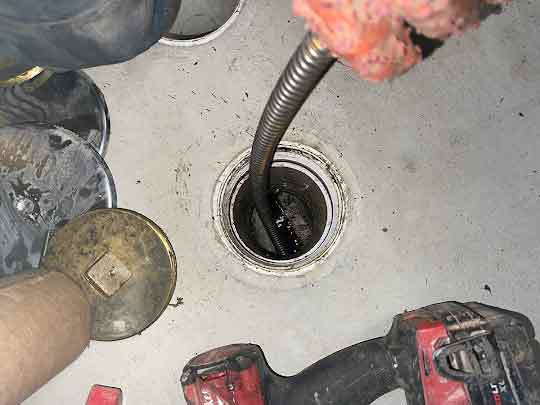
hydro-jetting-drain-cleaning

The Absolute Best Drain Cleaning Method is Known as Hydro-Jetting

Sewer Tree Root Removal Tips in Chicago

Sewer Tree Root Removal Tips in Chicago

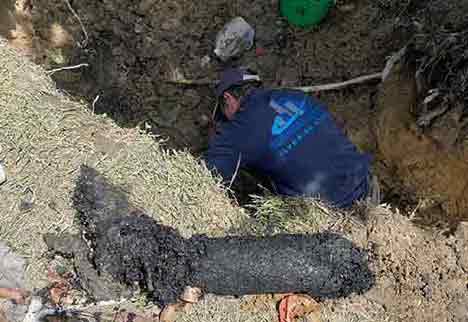
Tree roots are among the largest threats to your home’s sewer lines. Every pipe you dig in your yard is an open invitation for tree roots to undermine it. Sewer lines underground carry nutrient-laden wastewater, and tree roots love nothing better than to have a nutrient source within reach.

Tree roots and sewer pipes are a “match made-in-heaven.” But it gets you into major hot water with your pipes when the two meet.

Tree roots send out extensions into spaces for accessible nutrients. If they find a spot on your lawn where the nutrients can be accessed easily, they will try to take advantage of that source of sustenance. Your sewer pipes can be that easily accessible source of nutrients.

It only happens if sewer pipes leak. That is due to the fact that plant roots will be unable to access water in sewer pipes if they are not leaking. Even a minute crack in a pipe will, however, be utilized by plants. The instant the root gets into the break, it is only a matter of time before it clogs up the whole pipe.

Tree roots extending into sewer lines is the most common reason for damage to sewer lines. One of the first indications that your sewer line contains tree roots is slow moving water and gurgling sounds from the toilet after every flush.

The chances of this problem happening in your home increase with the age of the house. Older homes with old pipes prone to corrosion are more exposed to this problem, explains Keyrenter Premier Property Management. Tree roots intrusion in sewer pipes is also more likely if there are trees within 20 meters of your sewer lines.

Is there a way to remove tree roots if they find their way into your sewer lines? What can you do to prevent the problem? There are two aspects to dealing with the issue of tree root intrusion into sewer lines. You must get rid of the roots and repair the damage to your pipes.

This post deals with tree root removal only.

How to remove tree roots from your sewer line pipes

Below are three DIY options for removing tree roots from a sewer line. These options only work for removing small tree roots. If you try them and the problem does not go away, you will have to go for the fourth solution; getting a professional to solve the issue.

Use rock salt

Rock salt is not coarse sea salt or table salt. It is that stuff you throw on icy sidewalks. Rock salt helps remove tree roots because it draws the water from them. If you deprive them of moisture, tree roots become dehydrated and die. Rock salt can be bought online or at a local store; you need 2 pounds of it.

To do this, follow these steps;

  • Pour ½ a pound of rock salt into your toilet. 
  • Flush the toilet as many times as necessary to push the salt into the lines. 
  • Once the salt is gone, let it sit inside the pipes for at least 12 hours. 
  • During this time, do not flush your toilets. It will give the salt enough time to do its work.

Note that rock salt will kill tree roots, the tree, and surrounding vegetation. Rock salt can also corrode and weaken pipes. 

Use copper sulfate

Copper sulfate, also known as bluestone, will kill the tree roots inside your sewer line pipes. You can buy this cheap herbicide/algaecide at your local hardware or garden supply store. You only need a half cup of copper sulfate.

To use it, follow these steps;

  • Pour half a cup of copper sulfate into the toilet.
  • Flush until all the crystals get into the lines. 
  • Open the windows in your home and leave the house for a few hours, taking your kids and pets with you. 
  • Flush the toilet when you return.

Warning: copper sulfate is toxic to pets; it can kill them on contact. It is banned in certain places; before you use it, check the local legislation.

Use foaming root killers

Foaming root killers kill tree roots and keep them from growing back. This powder foams when it comes in contact with water. Tree roots hate the active agent in the powder – dichlobenil – and will stay away if they detect the substance. 

To use the powder, pour it into your toilet and flush. It will locate the tree roots and kill them. It also leaves a residue that prevents future tree root intrusion. You can repeat this every month to avoid future problems with tree roots.

Cut the tree roots

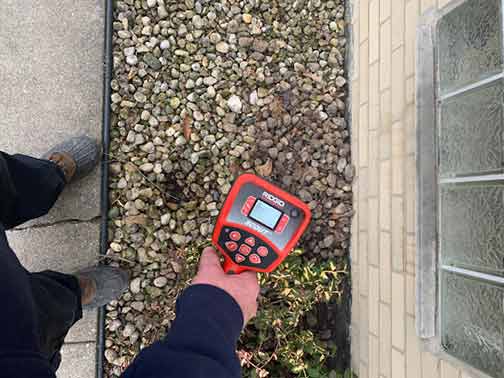
This solution requires you to call a local plumber, and it works for both small and large tree roots. The plumber will first do a camera inspection of your sewer lines to know the exact location of the tree roots. Afterward, plumbers can get rid of the tree roots using a process known as hydro jetting service.

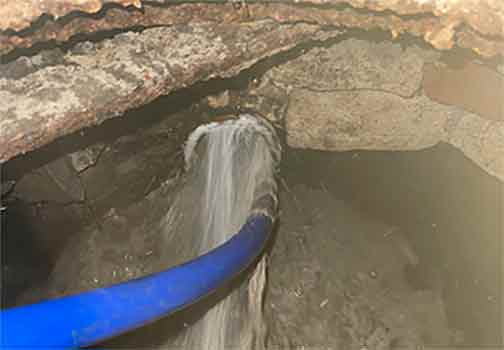
hydro-jetting-service

High Pressure Water Streaming Known as Hydro-Jetting is the Best Way to Cut Through Tree Root Infiltration in your Sewer Line.

Have tree roots growing into your sewer line that you need removed in Chicagoland? We can help! Contact us at 773-599-9181 or by form below:

Signs You Need to Replace Your Sump Pump

Signs You Need to Replace Your Sump Pump

As a rule, sump pumps don’t get a lot of attention. They are part of the forgotten components of your home’s plumbing system. We only pay any attention to sump pumps when they stop working. In other words, most homeowners will wait until they have a flood in the basement before they realize their sump pump is no longer functioning.

That defeats the whole purpose of having a sump pump in your basement. Sump pumps are installed in the home for the unique reason that you do not want to wake up to a flooded basement. But as T-Square Properties warns, that is what you will get if the sump pump fails without your knowledge. To avoid this situation, always keep the sump pump ready.

Even if a sump pump has kept your home dry in the past, it is no reason to believe it will continue to do so into the future. Sump pumps may fail without warning. At times, you may have to replace a sump pump that is functional. That becomes necessary when the pump begins to show signs of failure, and you are afraid it might fail at the worst possible time.

How long do sump pumps last?

Sump pumps last between 7 and 10 years, depending on several factors. Some of the things that influence the performance and lifespan of a sump pump include; the frequency of usage, how long it works during each cycle, and the volume of water it displaces. Sumps pumps that see a lot of use will naturally wear out faster than those you use infrequently.

However, this is not the only factor that determines the lifespan of your sump pump. The quality of care the sump pump receives is a tremendous factor in its longevity. A sump pump that sees heavy use will outlast one you use less often if the heavily used one gets more attention than the other one. How do you know your sump pump is malfunctioning, and it is time to replace your sump pump?

There are five things you should look at to make this decision. If more than one of these problems applies to your sump pump, it is time to replace it. Even if you can fix a problematic sump pump, the cost of those repairs will often be enough to get you a new sump pump. Moreover, a sump pump you recently fixed may still fail you when you need it most.

Five signs it is time to replace your sump pump.

The sump pump is old

Although you would like your sump pump to last a decade, the truth is it might not. More sump pump failures are due to aging than from any other cause. That is because if a sump pump has worked well in the past, homeowners tend to expect it to keep working in the future. As a result, they do not pay enough attention to the sump pump until they deal with costly flood damage in their basement.

The sump pump runs constantly

Sump pumps automatically power up when the sump pit fills with water and goes off after discharging the water. You have a serious problem if your sump pump comes on but doesn’t go off. A sump pump that is running without water will overheat very fast. Sump pumps may act this way if there is a fault with the float switch, check valve, or the pump is too small for the basin.

The sump pump is clogged

Sump pumps handle a certain amount of debris in the water that flows through them. But a sump pump can be overwhelmed if there is too much sediment in the water. If this happens, the sump pump’s impeller fan blades can jam. The pump inlet and discharge line may also get clogged. Iron ochre in water will also clog the sump pump. All these interfere with the performance of your sump pump and damage it.

The sump pump works erratically

If a sump pump works for too long and then in short sporadic bursts, you have a problem. A constant eruption of activity from your sump pump means water isn’t making it to the discharge line. The pump is simply cycling the same water over and over again. A sump pump will do this if the float valve has failed, there is loose wiring, or the pump doesn’t have enough horsepower to do its job.

The sump pump is noisy 

A certain amount of noise is usual when your sump pump is working. But if the sump pump roars when it works, makes rattling noises, or you can hear the sound of metal against metal and gurgling noises from the equipment, you have a problem. Excessive noise from a sump pump could be due to a damaged impeller, malfunctioning backflow valves, or improper installation.

Water Leak Detection 101: How to Detect Leaks in Your Home

How to Detect Leaks in Your Home

The plumbing system is one of the most extensive and most used systems in the home. Almost every room in the house has water running through it, and a wide range of activities done in modern homes require water.

On average, one person in the home uses 80 – 100 gallons of water a day; that’s just one person. When you work out the amount of water used by the entire family, you can start to see just how much work the plumbing in your home does.

That is why plumbing leaks are easily the biggest maintenance issue in the home. The fact that water is very mobile and present in every part of the home means plumbing leaks can happen in any area on the property, warns McCaw Property Management. Moreover, these leaks can be incredibly complicated to detect.

Why are plumbing leaks so hard to find?

The reason is that most of the plumbing system’s parts are concealed in the walls, floors, basement, and ceiling. It protects them from damage and preserves the home’s beauty.

The second reason is that plumbing leaks never happen in the way that we expect them to. Instead of having water running down the wall of the house, most leaks are slow steady drips from damaged pipes or fixtures. These can go unnoticed for a long time.

But the combined impact of those little leaks can be catastrophic on your wallet and your building’s physical structures. The most costly plumbing leaks in your home are not those that occasionally flood your home, but rather those that secretly damage your building.

How do you detect those types of plumbing leaks early? 

The following are the different ways to detect plumbing leaks in your home even before the effects of the problem become apparent. A leak detection system built on these strategies will save you thousands of dollars.

Monitor your water bill for changes

You should know the average amount you pay for water every month. If you notice large and sudden spikes in your water bill without any significant changes in your family’s use of water, you may suspect a leak. That will not tell you where the leak is, but it will help you be aware of the problem.

Measure your water usage

A family of four will not use more than 12,000 gallons of water a month. That is according to statistics from the Environmental Protection Agency. If you check your water usage and it exceeds this average by a wide margin, you can be sure there is a leak somewhere in your plumbing.

Watch your water meter

The dial of your water meter should stop moving when all the water in your home shuts off. With all the faucets in the house turned off, the reading on your water meter will only change if there is a leak in the system. Turn the faucets off, note the reading on the meter, wait one hour and observe the reading again.

Check the toilet for leaks

Toilets are notorious for hard-to-detect leaks. The tank may be leaking water into the bowl for years without any indications of the problems. To check if the tank is leaking, put a few drops of food coloring in the tank. Wait ten minutes and check to see if the color has appeared in the toilet bowl.

Inspect problem areas

Some parts of the home are notorious for hiding plumbing leaks. These include toilets, under the sink, and dripping faucets. Along with checking these areas, you may also look for signs of mold and moisture. Another sign to look for is a musty smell.

Check water sources outside the home

Exterior faucets and water spigots are also a crucial source of leaks. Since they are outside the home, they don’t get enough attention when homeowners look for plumbing leaks. If there is an area outside the house that is constantly wet, there might be a leak in the area.

Look for patches of green grass

If an area of lawn grass is greener than surrounding areas, it could indicate that that part of your lawn is getting more water than other parts. That is not always an indication of a water leak; it could also happen if your home’s sewer line is leaking and requires a sewer line repair.

Check appliance and fixtures

Water-utilizing appliances may also contribute to your high water bills. Dishwashers, washing machines, and refrigerators can all leak. Check the connecting hoses for these appliances to ensure they are not leaking.

Look for clues of leaks around the house

Leaks will often leave behind a range of signs. Stains on the wall show that water is leaking behind the drywall. These stains can show on ceilings and walls. Bubbly and bulging paint also shows the surface behind the paint is wet. The musty smell around the home is another indication of leaks.

Understanding Your Home Sewer System

Understanding Your Home Sewer System

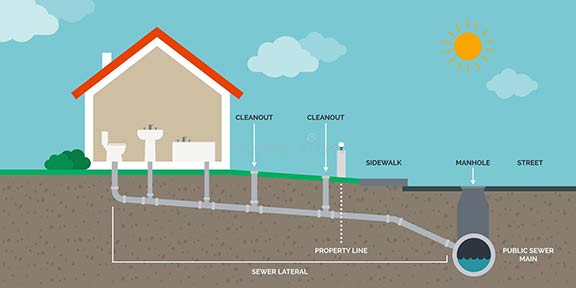
You know your home has connections to a sewer system. The wastewater that comes from your home has to be going somewhere, and that place is not within your yard. But beyond this and the fact that there is an underground sewer line running from your home to the public sewer system, what else do you know about your home’s sewer system.

Most property owners know surprisingly little about how the various systems in their homes work, says East Bay Property Management. When they take the time to learn about the function of one of the building’s systems, the sewer system is often the last one they choose to educate themselves. Yet the sewer system is easily the most important in a house for keeping the home sanitary.

Knowing how your sewer system works will help you understand your home better and improve your ability to maintain and have your sewer line rodded out when needed. It will make it easier to understand some of the obscure terms your plumber uses when explaining plumbing issues to you. Knowing how the sewer system works will also satisfy your curiosity about what happens after you flush the toilet.

Types of Wastewater Systems

Every time you wash your hand in the sink or flush your toilet, you create wastewater (known more correctly as sewage). Instead of the ground around your home or a nearby stream, this wastewater is channeled away from your property. There are three main reasons for this:

  • Unpleasant odors: Sewage has a strong foul odor that people find highly repulsive. Releasing sewage into the soil around the home or streams would make it hard to live on the property. Also, it would destroy the water in that stream.
  • Presence of harmful bacteria: Sewage contains harmful bacteria which can cause diseases if people come into contact with them. Releasing sewage into the ground around the home or nearby streams will let these harmful organisms find their way into the communal drinking water.
  • Dangerous chemicals and solids: Wastewater contains nitrogen and phosphates. These elements encourage algal bloom that disrupts marine ecosystems. The bacteria in wastewater will also deprive fish of oxygen. Furthermore, the solid materials in wastewater will pollute streams and make them murky.

Septic Tanks

Houses in rural areas have what is called a septic tank. These are large concrete or steel tanks buried near the home. Wastewater is channeled into the septic tank, where it is held until its contents decompose naturally. Septic tanks can hold up to 1,000 gallons of water. They are the preferred method for treating wastewater in these regions. That is because homes are so widely dispersed that a central sewer system would be too costly to install.

Urban wastewater systems

Urban areas use a centralized sewer system; wastewater from all the homes in the community is collected and channeled to a municipal wastewater treatment facility. Most homes have two separate sewer lines: a sanitary sewer and a storm sewer.

  • The sanitary sewer carries wastewater from the home to the city wastewater treatment.
  • The storm sewer takes the water (rain and snow) outside your house, bypasses the wastewater treatment to a stream, river, or lake.
  • The storm sewer may also connect to the sanitary sewer to create what is known as a combined sewer system.

Here is how the three systems work:

       Sanitary sewers

Here is how sanitary sewers work:

  • When the toilet in your home is flushed, or you wash dishes in the kitchen sink, the wastewater flows through small pipes into your home’s sewer line.
  • The sewer lines in your home are only large enough to carry human waste and toilet paper. They transport the wastewater out of your property into the sewer main in the street.
  • The sewer main moves this content until it reaches the wastewater treatment plant, where it is stripped of pollutants.
  • The treated water is then returned to the environment.
  • This system operates under the force of gravity, but in low-lying areas, pumps may be helpful.

    Storm sewers

These carry rainwater or melting snow from roads and roofs and transport the water to nearby water bodies. Here is how they work:

  • When it rains or when the snow melts, the water flows over the ground until it enters a storm sewer through a ditch, manhole, pipe, or storm drain inlet.
  • This wastewater bypasses the wastewater treatment plant. It is not treated but is carried directly to a stream or river.

    Combined sewers

Here, a single pipe transports wastewater and storm runoff water. In combined sewer systems, all the contents of the sewer pipes go to the wastewater treatment plant. In the dry season, when the volume of stormwater is low, this does not pose a problem. But in the wet season, water quantity in the systems may be so much that some will flow into rivers and streams. Combined sewer systems are not very efficient.

The Benefits of Catch Basin Cleaning in Chicago

The Benefits of Catch Basin Cleaning in Chicago

A catch basin is a drain that collects rainwater from your yard or the street and channels it into the city’s stormwater management systems. It is a concrete-lined pit with a metal grate at the top. The basin can have a circular, rectangular, or square opening. Inside the catch basin receptacle, there are two openings: an inlet and an outlet.

Catch basins are often present on streets, parking lots, and private properties. Catch basins may be part of a home’s plumbing system. Catch basins that belong to the city may also be on your property. Both private-owned and public-owned catch basins serve the same purpose.

Catch basins may also carry wastewater from the kitchen sink and laundry. All catch basins should trap debris and keep them from flowing into the city’s drainage system. As a result, catch basins become damaged and need a repair.

Common issues you may find with the catch basins in your property are:

  • Clogs resulting from sedimentation, grease buildup, and debris. Grease from the kitchen and laundry, sediment in the water, and litter from the street or yard can collect inside the basin and block it.

  • Foul odors from the catch basin. The materials trapped inside the catch basin may decay and start emitting foul odors. That is an enormous problem if the catch basin is close to your home. Many Chicago homes have catch basins in the backyard and struggle with this issue.

  • Plants’ roots may overgrow the catch basin. It prevents water from reaching the catch basin and could eventually damage it.

To prevent these issues, clean the catch basin at least twice a year.

Who is responsible for cleaning a catch basin?

Catch basins located on private property are the property owner’s responsibility, says Onsite Property Management Services, even if the catch basin belongs to the city. You are responsible for cleaning your privately owned catch basin and the city’s catch basin if it is within your property limits. Failing to do this can leave you open to legal liabilities.

a catch basin cleaning service in chicago.

Enlisting the help of a professional is recommended if you have a problem with foul odors coming from the catch basin.

Why it is vital to clean catch basin

Keeping the catch basin clean is a service to yourself, your family, your property, and the entire community. Regular cleaning of the catch basin helps to preserve your wealth and health. Here are some benefits of cleaning a catch basin regularly:

Prevent flooding

You protect your home from possible flooding. If a catch basin is clogged, the water that should go into it will find another place to go. The closest place for that water to go is usually your basement or crawl space. A clogged catch basin can cost you tens of thousands of dollars worth of property damage.

Protect the road and your home’s value

Water will flood the street if it cannot flow into the catch basin. Stagnant water on the surfaces of the tarred streets is one of the top causes of damage to public roads. A damaged roadside will diminish the curb appeal of your property and hurt the value of homes in the neighborhood.

Preserve your family’s health

The water that goes into a catch basin carries all kinds of harmful chemicals. As long as those chemicals flow underground in the drainage system, they are harmless. But once they are allowed to collect on street surfaces and lawns, they pose a threat to humans and pets. Stagnant water also provides a breeding ground for mosquitoes and other pests.

Avoid hazards on the road

Melted snow that fails to flow into a catch basin will remain on the street and constitute a hazard to pedestrians and motorists. There is a high risk of car accidents, slips, or falls following stagnant water on the road.

Prevent foul odors inside your home

Cleaning the catch basin in your backyard or anywhere on your property will prevent foul odors from building up and finding their way into the home. An unpleasant smell from a catch basin is a sign of heavy bacterial growth. That also poses a threat to your family’s health.

How to clean a catch basin

Depending on how dirty your catch basin is, cleaning it can be moderately hard or very tough. The process involves the following steps:

  • Removing the debris on top of the grate or around it.
  • Extracting all visible trash from the hole with a rake, pitchfork, or gloved hand.
  • And lastly, remove the sediment at the bottom of the pit with a shovel.

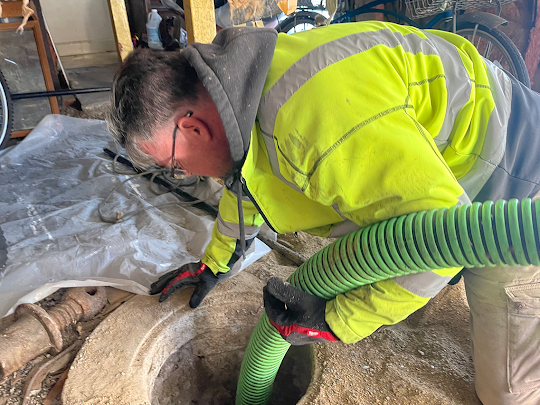
An easier way to do this is to hire a company specializing in catch basin cleaning. Their vacuum pumping trucks will clean the basin thoroughly in a few minutes. Enlisting the help of a professional is recommended if you have a problem with foul odors coming from the catch basin.

Are you in need of catch basin cleaning services in the Greater Chicago area? We can help! Contact us at 773-599-9181 or by form below:

What to Look for in a Local Chicago Plumber?

What to Look for in a Local Chicago Plumber

Plumbing issues in the home are unavoidable – they happen every so often. When they do happen, these problems can disrupt the entire routine of your household and destroy your personal belongings. Plumbing issues will also cost you a lot of money if you do not detect them on time.

The difference between having constant plumbing emergencies in your home and staying ahead of problems is the plumber you hire and your plumbing maintenance plan. Your plumber is vital to the frequency of plumbing problems in your home and how much they cost.

A good plumber should reduce the number of emergencies to the barest minimum. They should take you to where you will get preventative maintenance and upgrades. That means a relative absence of plumbing crises because issues are dealt with before they get to that point.

How do you find a plumber who is competent and trustworthy? What are the qualities you should look for in plumbers before hiring them? The list below highlights the critical traits a professional plumber must have. Following them will help you better manage plumbing issues in your home or office.

Tips for choosing the right plumber in Chicago

Are they a local or national chain plumbing company? 

The first criterion is that you want a company near enough to respond to your needs. You want a long-term relationship with this company, and you expect that they will come to know your home’s plumbing intimately. It is hard to get these benefits when dealing with a national plumbing company such as Roto-Rooter and the like. That is why you should only talk to local plumbers in Chicago.

Licensing, accreditations, certifications, and memberships

They must be adequately trained and willing to share proof of that training. On your part, you should be able to verify any claims they make. In most municipalities, plumbers need licenses before working in the area. You want to ascertain this, their level of training and membership of the local chapter or their professional body.

Years of experience

The plumber must have experience; you only learn some things by doing. This experience is best if particularized to the kind of plumbing you have in your home or office. You don’t want a plumber who works mainly with single-family homes handling the plumbing in a multi-unit apartment complex.

Reviews and references 

If a plumber in Chicago has been in the industry for a long time, they should have a list of satisfied customers who are willing to vouch for them. Ask for a list of references in the area and contact them to hear what they can say about the company. Also, check reviews of the company online; pay attention to negative reviews or comments to see how the company responds to them.

a local chicago plumber performing a drain cleaning service.

The first criterion is that you want a company near enough to respond to your needs. You want a long-term relationship with this company, and you expect that they will come to know your home’s plumbing intimately.

The quality of their employees

What kind of training does the staff of the company have? Do they use trained and certified plumbers? How many of such workers are on the company’s payroll? Are the workers full-time or part-time, and how long have they been with the organization? Finally, do they conduct thorough background checks on the people they employ?

Are they insured? 

The company must have insurance up to a certain amount. They should be able to provide proof of that insurance. Moreover, you must verify their insurance from the insurance company. The company’s insurance should not only cover their employees in case of injury. It should shield you from liability and protect your property from loss or damage.

Tools and equipment

They should have up-to-date tools and equipment. Plumbing issues in the house require a diverse set of tools and equipment. If the plumber is not well equipped, it will affect the quality of work. That is crucial because you want a plumber to arrive when you have a plumbing emergency. A competent plumber should have a fully kitted van with everything they need to resolve plumbing emergencies in Chicago quickly and thoroughly.

Round-the-clock service 

Plumbing emergencies don’t announce themselves before they happen, and they can happen at any time of the day. You want to know if your plumber can send someone to handle issues if they need fixing at the oddest hour of the night or during the holidays. Additionally, the company should have stellar customer service available throughout the day. 

How much do they charge?

You should know the charges for any service the plumber in Chicago provides upfront. You want the plumber’s rates to compare favorably with what others charge. But more importantly, you want those rates to be transparent and predictable. You also want to know the kind of guarantees they offer on any work they do. You must, however, avoid the mistake of selecting the cheapest plumber.

Are you in need of local plumbing services in the Chicago area? Call us at 773-599-9181 or contact us below!