Tag Archives: water heater installation

Tips for Finding the Ideal Water Heater for Your Home

Tips for Finding the Ideal Water Heater for Your Home

Choosing the right water heater for your home is the most essential step for ensuring the efficiency and longevity of this indispensable household appliance. Most of the issues homeowners have with their water heaters come from mistakes when buying the unit, notes Schambs Property Management team .

Unlike other water heater problems – most of which can be fixed – there is nothing you can do to correct the mistake of buying the wrong water heater for your home. The only two ways to deal with the problem are to keep living with the consequences of your error or buy another water heater.

That is why it is vital to research before buying and installing a new water heater for your home. Your home has unique hot water needs, and not every water heater can meet those needs. That is why, before you pull out your card to pay for a water heater, you must ensure it is the right one for your home.

5 tips to help you find the ideal water heater for your home

Water heater capacity or size

This is the most vital factor when selecting a water heater. A low-capacity water heater will see you running out of hot water, while one with excess capacity will increase energy costs. How do you determine the right size of water heater for your home? The US Department of Energy recommends a 50-60-gallon storage tank for a property of 2-3 people. For larger homes of 3-4 persons, a medium 80-gallon storage tank should be enough. A large tank is the best option if you have more than 4 people in your home. For tankless water heaters, look at the gallons-per-minute ratings and how many gallons of hot water the water heater can deliver within a minute.

The type of water heater

The second most important factor is the type of water heater. There are five types of water heaters, but only two are relevant for this post: conventional storage water heaters and tankless (or on-demand water) heaters. Tankless water heaters don’t have storage tanks but deliver hot water at a steady rate whenever needed. Storage water heaters have a large tank where they store heated water. From an energy-efficiency standpoint, the installation of a tankless water heater is a better option. However, they cost more. Storage water heaters are cheaper but have a shorter lifespan of 10-15 years compared to 20 years for tankless water heaters.

Type, availability and cost of fuel

The type of fuel your water heater runs on affects its size, operating cost and efficiency. Electricity is the most common way water heaters are powered. Electricity is widely available and works with every kind of water heater. Propane and natural gas are other popular options; they are available in most parts of the USA and are less expensive than electricity. Propane and natural gas are also very efficient. Depending on where you live, solar energy is an option worth exploring. Homeowners in the Southwest USA should seriously consider switching to a solar-powered water heater.

Water heater cost

This is not just the cost of purchasing the water heater but the cost of owning it. Storage water heaters have the lowest upfront costs, but maintenance cost rises as the reservoir ages. It costs more to buy a tankless water heater, but the operating cost is lower. Solar water heaters have the highest upfront cost, but this cost is easily recouped since you will not be spending money on electricity or gas. The type of fuel your water heater uses also plays a part in its operating costs. Gas water heaters are more affordable than electric water heaters. Solar water heaters have the overall lowest operating cost.

Water heater maintenance

Storage water heaters suffer from leaks/corrosion and need occasional descaling. If the water in your area is hard, the rate of scaling will be higher, and you will have to drain and flush the tank more often. Scaling affects the efficiency and longevity of your water heater. In addition to flushing the tank yearly, you need to replace the anode rod and relief valves in a storage water heater. But despite how much work it is to maintain a storage water heater, it is easier than maintaining a tankless water heater. Unlike storage water heaters, caring for a tankless water heater is complex.

To conclude, unless you are an expert, it is hard to make the right decision on the best water heater for your home all by yourself. That is why you should consider speaking with a professional plumber as you make these decisions. Remember that if you get it wrong, you will have to live with the consequences of your choices for a very long time.
Choosing the Right Capacity for Your New Water Heater Installation

on demand water heater installation service in chicago.

Are you about to replace the old water heater in your home? If yes, do you plan to install a new unit similar to the old one, or do you plan to upgrade the water heater? There is no better time to review your home’s hot water needs than when you are about to buy a new water heater.

The two things you want to consider when buying a new water heater are how much hot water your home uses and the water heater’s energy efficiency. As Pentwell Properties say you want to buy the right size water heater that meets the family’s hot water needs and also helps you save energy.

How do you do that? The steps for sizing a new water heater for your home depend on the type of water heater you want to install: a tankless water heater or a storage-type water heart. Below are the explanations on how to size these two water heaters.

Sizing a new water heater

How to size a storage water heater

Use the unit’s First Hour Rating (FHR) to size a storage water heater. That is the number of gallons of hot water the water heater can supply per hour when it starts with a full tank. The FHR depends on the tank capacity, the source of heat, and the size of the burner.

You can usually find the FHR for the unit in the top left corner of the EnergyGuide label listed as capacity (first-hour rating). Information about the FHR can also be found in the product literature. Look for a water heater with FHR above your home’s peak hour demand.

The second thing you must know to correctly size a storage water heater is your home’s Peak Hour Demand. That is the number of gallons of hot water the home uses during the peak hour of use. That depends on the number of people in the house. How do you calculate peak hour demand?

On average, each member of your household uses around 12 gallons of water in the shower. Multiply the number of people in the home by 12 (the number of gallons used per person). That is the number of gallons of hot water the water heater must supply during peak hours.

If there are five people in your home, the water heater must be able to supply 60 gallons of hot water during peak hours. That means the water heater must have a first-hour rating above 60 gallons. The peak hour demand must always be lower than the water heater’s FHR.

The water heater’s FHR also helps you determine its yearly cost of operation and estimated yearly energy consumption. This information can be obtained from the EnergyGuide Label, and it is different for gas and oil-powered water heaters versus electricity-powered units.

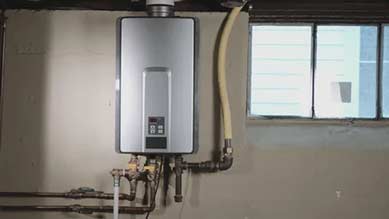
a new water heater installation that is tankless.

Tankless water heaters do not store water but supply hot water on demand. Sizing these types of water heaters is a bit more complicated.

How to size a tankless water heater

Tankless water heaters do not store water but supply hot water on demand. Sizing these types of water heaters is a bit more complicated. Tankless water heaters are rated according to the maximum temperature rise possible at a given flow rate.

To size a tankless water heater, you must know the flow rate for the different water devices in the home. Depending on whether you are installing a whole-house water heater or the unit is for a specific fixture, you may now determine the required temperature rise at that flow rate.

As a first step, list all the water devices in the home. Add up the flow rates for all the water-utilizing appliances and plumbing fixtures in the house, or add up the flow rates for all water devices you expect to use simultaneously, such as a faucet and showerhead.

If you do not know the flow rate for a device, you can calculate it by holding a pan or bucket under that device. Run the water for a minute and calculate how much water has flowed into the pan or bucket. Typically, this will be between 0.75 gallons and 2.5 gallons per minute.

To calculate the desired temperature rise for the unit, deduct the incoming water temperature from the required output temperature for the water heater. You may assume an incoming water temperature of 50ºF (10ºC) can hold a thermometer under a cold-water faucet to get the temperature reading.

With these details – the flow rate for your home and the required temperature rise for your new water heater – you now have an objective measure for deciding if a tankless water heater is suitable for your home.

In Conclusion

Remember that buying a new water heater is not just about choosing the proper unit. There are other essential considerations, as well as the process of installing the water heater. To get the most out of your new water heater, you may want to talk to a professional before you make any decisions.

Common Mistakes to Avoid When Installing a Water Heater: Expert Insights and Recommendations

Common Mistakes to Avoid When Installing a Water Heater

Installing a water heater can be a complex process that requires careful planning and execution. Whether you are replacing an old unit or installing a brand new water heater, there are several common mistakes that homeowners often make during the installation process. Below we will discuss these mistakes and provide expert insights and recommendations to help you avoid them.

Importance of Proper Water Heater Installation

Before diving into the common mistakes, it is crucial to understand why proper water heater installation is important. A properly installed water heater ensures efficient and reliable operation, reduces the risk of malfunctions and accidents, and can even prolong the lifespan of the unit. By following the correct installation guidelines, you can optimize your water heater’s performance and minimize the need for repairs in the future.

Expert Insights and Recommendations

Neglecting to Properly Size the Water Heater

One of the most common mistakes during water heater installation is selecting the wrong size for your needs. Many homeowners make the mistake of choosing a water heater that is either too small or too large for their household. This can lead to inefficient operation and even higher energy bills.

To avoid this mistake, it is essential to consider the size and occupancy of your household when selecting a water heater. Speak with a professional or refer to the manufacturer’s guidelines to determine the appropriate size for your specific needs. Taking into account factors such as the number of occupants, peak hot water demand, and usage patterns can ensure that you choose a water heater that provides sufficient hot water without wasting energy or money.

Incorrect Placement and Venting

Another common mistake during water heater installation is improper placement and venting. Water heaters require adequate ventilation to ensure proper combustion and safe operation. Vent pipes should be correctly sized, properly sealed, and installed according to the manufacturer’s instructions.

Additionally, water heaters should be placed in an accessible area that allows for easy maintenance and repairs. Avoid installing the unit in a confined space or a location that is difficult to access. Proper clearance around the water heater is also crucial to prevent potential fire hazards and to ensure proper air circulation.

Failure to Install a Pressure Relief Valve

A pressure relief valve is a vital component of a water heater as it helps regulate the pressure inside the tank and prevents excessive buildup. Unfortunately, some homeowners neglect to install or properly maintain this essential safety feature.

During water heater installation, it is imperative to install a pressure relief valve and ensure it is in good working condition. Regular inspection and testing of the valve should be part of your maintenance routine to guarantee its proper functionality. This simple step can prevent the risk of a dangerous pressure buildup and potential damage to the water heater.

Improper Connection of Plumbing and Electrical Components

When installing a water heater, it is necessary to properly connect the plumbing and electrical components. This includes correctly attaching the inlet and outlet pipes, as well as the electrical connections.

Improper plumbing connections can result in leaks and water damage, while incorrect electrical connections can lead to electrical hazards or malfunctions. It is crucial to carefully follow the manufacturer’s instructions and ensure that all connections are secure and properly sealed. If you are unsure about the correct installation process, it is advisable to seek assistance from a licensed plumber or electrician.

Failure to Flush the Tank

A common mistake that homeowners make during water heater installation is neglecting to flush the tank before initiating regular use. New water heaters often contain sediment and debris that can accumulate inside the tank during manufacturing and transportation.

Flushing the tank helps remove these impurities and ensures the longevity and efficiency of the water heater. Failure to flush the tank can lead to reduced performance, decreased energy efficiency, and potential damage to the heating elements. Therefore, it is crucial to follow the manufacturer’s instructions and flush the tank properly before using the water heater.

In Summary

Proper installation of a water heater is crucial for ensuring its optimal performance, efficiency, and longevity. By avoiding common installation mistakes such as improper sizing, incorrect placement and venting, failure to install a pressure relief valve, improper connection of plumbing and electrical components, and neglecting to flush the tank, homeowners can enjoy a reliable and efficient hot water supply while minimizing the risk of malfunctions and accidents.

If you are unsure about any aspect of water heater installation, it is always recommended to speak with a professional plumber or electrician. Their expertise and experience can help ensure a smooth and successful installation process, providing you with peace of mind and the benefits of a properly functioning water heater for years to come.

Recognizing the Red Flags of a Deteriorating Water Heater

Recognizing the Red Flags of a Deteriorating Water Heater

The Importance of Recognizing the Red Flags of a Deteriorating Water Heater

A water heater is an essential appliance in any household, providing hot water for various activities such as bathing, cooking, and cleaning. However, like any other mechanical device, water heaters have a limited lifespan and can deteriorate over time. It is crucial for homeowners to recognize the warning signs of a deteriorating water heater to prevent potential disasters, such as leaks or complete system failure.

Understanding How Water Heaters Work

Before we get into the red flags, let’s take a moment to understand the basic functioning of a water heater. Most residential water heaters rely on a storage tank system, where cold water enters the tank through a supply line. The water is then heated using an electric or gas-powered heating element, depending on the type of water heater. Once the desired temperature is reached, the hot water is ready for use and is delivered to the various taps and fixtures in the house.

Now that we have a basic understanding of how a water heater works, let’s explore the common red flags that may indicate a deteriorating unit.

Inconsistent Water Temperature

One of the earliest signs of a deteriorating water heater is inconsistent water temperature. If you notice that your showers are starting off too hot or too cold, even if you haven’t made any adjustments to the temperature settings, it could be a warning sign. A failing heating element or a malfunctioning thermostat can result in fluctuating water temperatures, making it uncomfortable and inconvenient for daily activities.

Unusual Noises

If your water heater starts making strange sounds, it is definitely a cause for concern. Banging, popping, or rumbling noises coming from the unit can indicate sediment buildup inside the tank. As water heaters age, sediments can accumulate at the bottom of the tank, causing efficiency issues and potentially damaging the heating element. Regular maintenance, such as flushing the tank to remove sediments, can help prevent further deterioration.

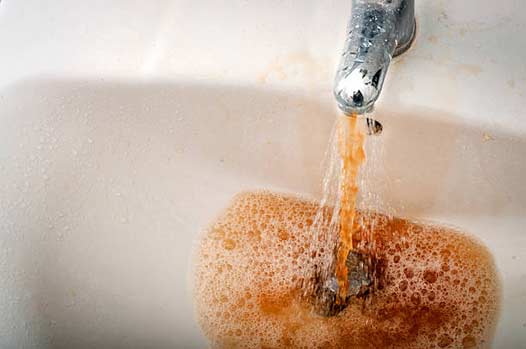
a sink shooting out rust colored water.

If you notice a brownish or reddish tint to your hot water, it could indicate corrosion inside the tank.

Discolored or Rusty Water

Another red flag to watch out for is discolored or rusty water coming out of your taps. If you notice a brownish or reddish tint to your hot water, it could indicate corrosion inside the tank. Over time, constant exposure to water can cause the tank to deteriorate, leading to leaks and other issues. Discolored water can also be a sign of a failing anode rod, which is responsible for protecting the tank from corrosion. If you encounter this issue, it is crucial to have your water heater inspected by a professional.

Water Leaks

Water leaks are a clear indication that something is wrong with your water heater. Even a small leak around the unit should not be ignored, as it could be a warning sign of a larger problem. Leaks can occur due to a variety of reasons, such as a faulty pressure valve, a cracked tank, or loose connections. Ignoring leaks can lead to extensive water damage and even pose a safety risk. If you notice any signs of leakage, it is vital to shut off the water supply to the heater immediately and contact a professional plumber.

Age of the Water Heater

While not a direct red flag, the age of your water heater can be a good indicator of its condition. On average, a water heater has a lifespan of around 8 to 12 years. If your unit is approaching or has exceeded this age range, it is more susceptible to deterioration and issues. Regular maintenance becomes even more crucial for older water heaters to ensure their longevity and efficient operation.

Conclusion

Recognizing the red flags of a deteriorating water heater is essential for every homeowner. By staying vigilant and addressing these warning signs promptly, you can prevent costly repairs, damage to your property, and the inconvenience of having no hot water. Remember to speak with a professional plumber for proper diagnosis and possibility of replacing your water heater entirely, as they have the knowledge and expertise to handle water heater issues effectively.

Investing in regular maintenance and periodic inspections can significantly extend the lifespan of your water heater, ensuring a continuous supply of hot water for your everyday needs. Don’t wait for a complete system failure – be proactive in monitoring your water heater and take necessary actions to keep it in optimal condition.

Which Water Heater is Best for Chicago Residents? A Comprehensive Comparison of Gas and Electric Variants

Which Water Heater is Best for Chicago Residents

Are you a resident of Chicago in search of the perfect water heater for your home? With the wide array of options available, it can be challenging to determine which type of water heater is best suited for your needs. Two popular choices among homeowners are gas and electric water heaters. In this comprehensive comparison, we will delve into the advantages and disadvantages of each variant, considering factors such as cost, efficiency, and environmental impact. By the end of this article, you will have a clearer understanding of which water heater is the best fit for Chicago residents.

Cost Comparison

When it comes to purchasing a water heater, cost is often one of the most significant factors to consider. Both gas and electric water heaters differ in terms of their upfront costs, operating expenses, and long-term savings.

Gas Water Heaters

Gas water heaters generally have a higher upfront cost compared to their electric counterparts. This is primarily due to the cost of the unit itself and the installation requirements, which may include additional venting and connections.

However, gas water heaters tend to be more cost-effective in the long run, as natural gas is typically less expensive than electricity. Additionally, gas heaters have shorter recovery times, meaning they can heat larger quantities of water more quickly. This can be advantageous for homeowners who require large amounts of hot water, such as those with multiple bathrooms or larger families.

It is important to note that the cost of natural gas can fluctuate over time, so it is wise to consider the long-term trends and availability in your area before making a decision.

Electric Water Heaters

Electric water heaters generally have a lower upfront cost compared to gas water heaters. They are generally less expensive to purchase and install since they do not require additional venting or gas lines.

However, electric water heaters tend to be more expensive to operate, as electricity rates are typically higher than the cost of natural gas. The recovery time for electric water heaters is also longer, meaning they may take longer to heat larger quantities of water.

Despite the higher operational costs, electric water heaters are often favored by homeowners who prioritize energy efficiency or have limited access to natural gas lines.

a newly installed water heater.

Considering the environmental impact of your water heater is crucial in an era focused on sustainability and reducing carbon footprints.

Energy Efficiency

With the increasing focus on sustainability and reducing energy consumption, energy efficiency has become an important aspect to consider when choosing a water heater. Both gas and electric water heaters have their own energy efficiency profiles.

Gas Water Heaters

Gas water heaters are generally considered to be more energy-efficient than their electric counterparts. This is because gas heaters have a higher energy factor (EF) rating, which reflects the amount of hot water produced per unit of fuel consumed.

Gas water heaters have minimal standby heat loss, meaning they retain heat more effectively and are less prone to losing energy between heating cycles. This efficiency advantage can result in lower energy bills and reduced environmental impact.

Electric Water Heaters

Electric water heaters have made significant strides in recent years, with improved energy efficiency compared to older models. However, they still tend to be less energy-efficient compared to gas water heaters.

Electric water heaters have a higher standby heat loss compared to gas heaters. This is because electric units rely on a constant power supply to maintain water temperature, which can result in energy losses when the heating element is not actively engaged.

Despite the lower energy efficiency, electric water heaters have their own advantages, such as the absence of greenhouse gas emissions, making them a greener option in terms of air quality.

Environmental Impact

Considering the environmental impact of your water heater is crucial in an era focused on sustainability and reducing carbon footprints. Let’s explore how gas and electric water heaters perform in this aspect.

Gas Water Heaters

Gas water heaters indirectly contribute to greenhouse gas emissions through the combustion of natural gas. The burning of natural gas releases carbon dioxide (CO2), nitrogen oxides (NOx), and sulfur oxides (SOx), which are known contributors to climate change and air pollution.

However, advancements in gas water heater technology have led to the development of more efficient burners and improved ventilation systems, reducing emissions compared to older models. Furthermore, natural gas is a cleaner-burning fuel compared to other fossil fuels, such as coal or oil.

Electric Water Heaters

Electric water heaters have an advantage when it comes to environmental impact since they do not produce direct emissions during operation. While this makes electric water heaters a greener option in terms of air quality, it is important to consider the environmental impact of electricity generation.

In many regions, electricity production relies on fossil fuels, such as coal or natural gas, which still contribute to greenhouse gas emissions. However, the use of renewable energy sources, such as solar or wind power, can significantly reduce the carbon footprint of electric water heaters.

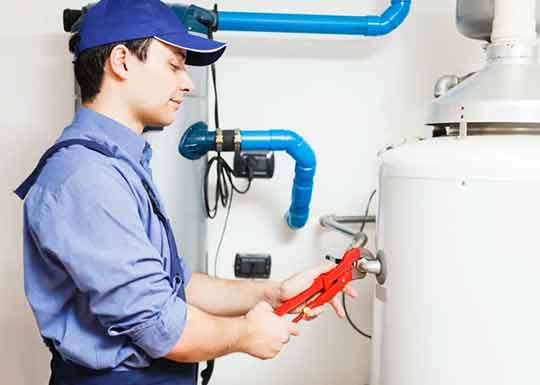
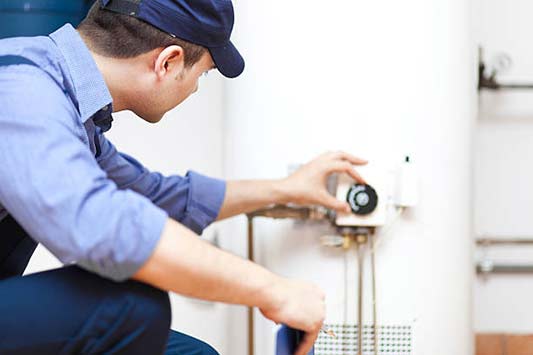
a plumber getting ready to flush out a water heater tank.

Analyze your household’s water heating needs, including the number of bathrooms, family size, and daily hot water usage.

Additional Factors to Consider

While cost, energy efficiency, and environmental impact are key considerations, there are a few additional factors you should keep in mind when selecting a water heater:

Availability of Energy Sources

Before deciding on a water heater, it is important to consider the availability of energy sources in your area. If natural gas lines are limited or unreliable, it may be more practical to opt for an electric water heater.

Upfront Cost and Budget

Consider your budget and the upfront costs associated with purchasing and installing a water heater. This will help you determine the most suitable option without exceeding your financial limitations.

Water Heating Needs

Analyze your household’s water heating needs, including the number of bathrooms, family size, and daily hot water usage. This will help you select a water heater that can adequately meet your requirements without running into issues of insufficient hot water supply.

Maintenance and Longevity

Research the maintenance requirements and expected longevity of the water heater models you are considering. Understanding how often the unit needs maintenance and potential repair costs will assist you in making an informed decision.

Conclusion

When choosing the ideal water heater for your Chicago home, various factors must be taken into account. Gas water heaters often come with higher upfront costs but prove more cost-effective in the long term, particularly for homeowners in need of large quantities of hot water. Electric water heaters, while cheaper to install, tend to have higher operational costs. Energy efficiency favors gas water heaters, whereas electric models contribute less to air pollution. Ultimately, determining the best water heater for your needs involves weighing the pros and cons of both gas and electric variants, considering your energy sources, budget, and specific requirements. By making an informed decision, you can enjoy the comfort of reliable hot water while prioritizing cost-effectiveness and environmental sustainability.

Exploring Best Practices for Smooth Water Heater Replacement in Chicago: Tips from the Experts

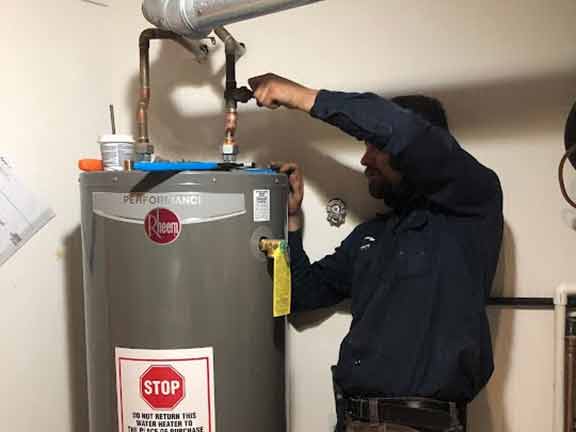
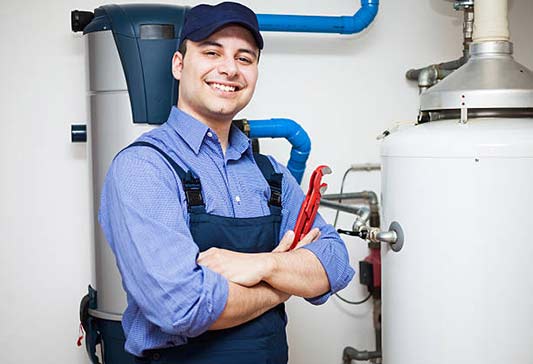
a plumber showing off his smooth water heater replacement in chicago.

Replacing a water heater can be a daunting task for homeowners, but with the right knowledge and expert guidance, the process can be smooth and efficient. In a city like Chicago, where extreme winters demand a reliable and efficient water heating system, it is essential to understand the best practices for water heater replacement. With the help of industry experts, we have compiled a comprehensive guide to navigate through the process seamlessly and ensure a long-lasting and trouble-free water heating system in your Chicago home.

Understanding the Importance of Water Heater Replacement

A water heater is a crucial component of any household, providing hot water for various tasks such as bathing, washing dishes, and laundry. Over time, water heaters experience wear and tear, leading to decreased efficiency and potential malfunctions. Additionally, older water heaters may not meet the latest energy efficiency standards, causing increased energy consumption and higher utility bills.

Replacing a water heater at the right time not only guarantees a reliable supply of hot water but also provides several benefits:

  • Improved Energy Efficiency: Newer models of water heaters are designed to meet higher energy efficiency standards, ultimately reducing energy consumption and saving money on utility bills.
  • Enhanced Performance: A new water heater ensures optimal performance, meaning faster heating and a more consistent supply of hot water for your daily needs.
  • Lower Maintenance Costs: Older water heaters may require frequent repairs, resulting in higher maintenance costs. By replacing it with a newer model, you can reduce the need for repairs and associated expenses.
  • Extended Lifespan: Timely replacement of a water heater can prevent major breakdowns and significantly extend the overall lifespan of the system.

Determining When to Replace Your Water Heater

While knowing when to replace your water heater is important, it can be challenging for homeowners to identify the right time. However, there are some key indicators that can help you make an informed decision:

  • Age of the Water Heater: The typical lifespan of a water heater is around 8-12 years. If your water heater is nearing or surpassing this age range, it is advisable to start exploring replacement options.
  • Frequent Repairs: If you find yourself frequently calling a plumber to repair your water heater, it might be an indication that the system is nearing the end of its life expectancy.
  • Inefficient Performance: Decreased performance, such as longer heating times or insufficient hot water supply, could indicate that your water heater is no longer operating at its optimal capacity.
  • Rust or Corrosion: The presence of rust or corrosion on the tank or water pipes is a sign of underlying damage. This could lead to leaks or complete failure of the system if not addressed promptly.
  • Loud Noises: Strange noises coming from your water heater, such as rumbling or popping sounds, can indicate sediment buildup or a malfunctioning heating element.
  • Increased Energy Bills: If you notice a sudden spike in your energy bills without a significant change in your usage patterns, it could be a sign that your water heater is losing efficiency and consuming more energy than before.
a plumber replacing a water heater in chicago.

Once you have decided to replace your water heater, the next crucial step is selecting the right type and size of water heater for your Chicago home.

Choosing the Right Water Heater

Once you have decided to replace your water heater, the next crucial step is selecting the right type and size of water heater for your Chicago home. There are several options available in the market, each with its advantages and considerations. Here are the most common types of water heaters:

  • Conventional Storage Tank Water Heaters: These are the traditional water heaters that store and heat a large volume of water in a tank. They are relatively affordable but occupy significant space. They are available in various sizes to accommodate different household needs.
  • Tankless Water Heaters: Unlike storage tank water heaters, tankless models heat water directly as it flows through the unit. They are space-saving, energy-efficient, and provide a continuous supply of hot water. However, they can be more expensive upfront.
  • Heat Pump Water Heaters: Heat pump water heaters extract heat from the surrounding air or ground and use it to heat the water. They are highly energy-efficient but require a suitable installation location and operate best in moderate climates.
  • Solar Water Heaters: Solar water heaters use energy from the sun to heat the water. They are environmentally friendly and have low operating costs in the long run. However, their effectiveness depends on the availability of sunlight in your area.

When selecting the right water heater for your Chicago home, it is essential to consider factors such as:

  • The size and needs of your household
  • The space available for installation
  • Your budget and energy efficiency preferences
  • The availability of energy sources

Hiring a Professional Water Heater Replacement Service

Replacing a water heater involves complex installation, electrical connections, and plumbing work. Therefore, it is highly recommended to hire a licensed Chicago plumber to ensure the job is done safely and efficiently. The following are some reasons why hiring experts is a wise decision:

  • Expertise and Experience: Professional plumbers have the necessary knowledge, skills, and experience to handle water heater replacements, ensuring proper installation and minimizing the risk of any issues.
  • Licensing and Certification: Reputable water heater replacement services hold the required licenses and certifications, demonstrating their adherence to industry standards and regulations.
  • Advanced Equipment and Tools: Professionals use specialized equipment and tools to perform the installation accurately and efficiently.
  • Assistance with Permits and Codes: A reliable water heater replacement service will assist you with obtaining any necessary permits and ensure compliance with local building codes.
  • Warranty and Guarantees: Reputable companies offer warranties and guarantees on their work, providing you with peace of mind knowing that the job is backed by their commitment to customer satisfaction.
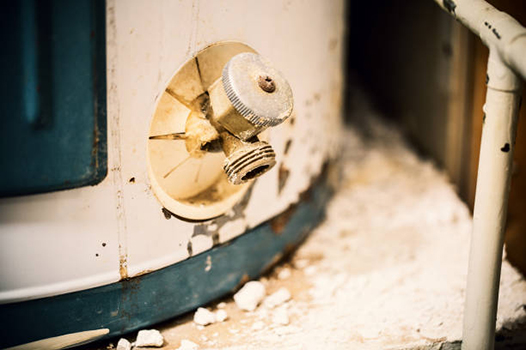
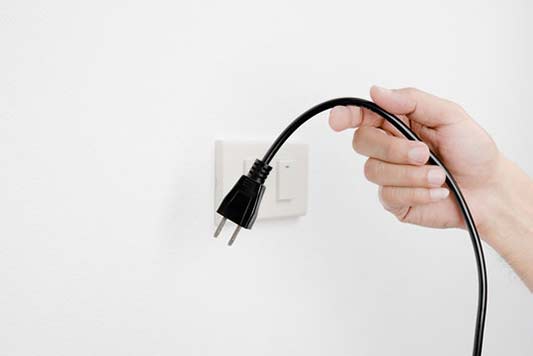
a person disconnecting the power to their water heater tank.

If your water heater operates on electricity, turn off the power supply from the circuit breaker. For gas-powered heaters, shut off the gas valve leading to the unit.

Preparing for Water Heater Replacement

Before the replacement process begins, there are a few essential steps to follow:

  • Disconnect the Power: If your water heater operates on electricity, turn off the power supply from the circuit breaker. For gas-powered heaters, shut off the gas valve leading to the unit.
  • Shut Off the Water Supply: Locate the water shut-off valve connected to the water heater and close it to stop the water flow.
  • Drain the Tank: Connect a hose to the drain valve on the tank and direct the other end to a suitable drainage location. Open the valve to allow the water to drain completely. Once drained, open a nearby hot water faucet to relieve any residual pressure.
  • Clear the Surrounding Area: Remove any obstacles or belongings near the water heater to provide ample space for installation and easy access for the technicians.

The Water Heater Replacement Process

Once the necessary preparations are complete, the water heater replacement process can begin. Here is an overview of the typical steps involved:

  • Removal of the Old Water Heater: Technicians will disconnect the plumbing and electrical connections, drain the remaining water, and safely remove the old water heater from its current location.
  • Installation of the New Water Heater: The new water heater will be carefully positioned and secured in place. Plumbers will reconnect the plumbing and electrical connections to ensure proper functioning.
  • Testing and Verification: The technicians will test the newly installed water heater thoroughly to ensure it is working correctly and there are no leaks or other issues.
  • Clean-Up and Debris Disposal: Any debris or packaging material resulting from the replacement process will be cleaned up and disposed of responsibly.
  • Instruction and Explanation: The technicians will provide you with instructions on operating and maintaining the new water heater, as well as answer any questions you may have.

Maintaining Your New Water Heater

Once your new water heater is installed, it is important to maintain it properly for optimal performance and longevity. Here are some key maintenance practices:

  • Regular Inspection: Periodically check for any signs of leaks, rust, or unusual noises. If you notice any issues, contact a professional promptly.
  • Drain Flushing: Regularly flushing the tank helps remove sediment buildup and maintains the efficiency of your water heater. Consult the manufacturer’s guidelines or seek professional assistance for the proper procedure.
  • Temperature and Pressure Relief Valve Testing: Test the temperature and pressure relief valve annually to ensure it is functioning correctly. Follow the manufacturer’s instructions or consult a professional if needed.
  • Insulation: Consider insulating the water heater and the hot water pipes to reduce heat loss and increase energy efficiency. Use appropriate insulation materials recommended for water heaters.
  • Professional Maintenance: Schedule regular professional maintenance at least once a year to keep your water heater in optimal condition. This includes inspection, cleaning, and any necessary adjustments.

Conclusion

Water heater replacement in Chicago requires careful consideration of various factors, including the right time to replace, selecting the appropriate type and size of water heater, hiring professional services, and proper maintenance. By following the best practices outlined in this guide and seeking advice from industry experts, homeowners can ensure a smooth and successful water heater replacement process. Enjoy the benefits of a reliable and energy-efficient water heating system in your Chicago home, providing you with hot water all year round.

Are you in need of a water heater replacement in the Chicagoland area? Contact us at 773-599-9181 or by form below: