Tag Archives: sewer line cleaning

The Benefits of Professional Sewer Line Maintenance

The Benefits of Professional Sewer Line Maintenance

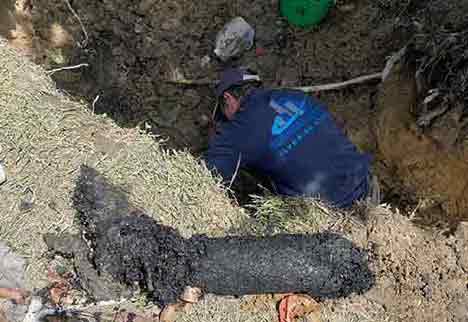
Maintaining the sewer lines of a home or business is an important part of keeping it functioning properly. The sewer line is responsible for carrying away the waste water and other substances from the property. Without regular maintenance, the sewer pipe can become clogged with tree roots and lead to other costly problems. Regular maintenance can help prevent these problems and keep the pipes running smoothly.

Benefits of Maintaining your Sewer Line

Regular maintenance of the sewer line has many benefits. Sewer line maintenance can help prevent clogs and backups, which can lead to costly repairs. Maintaining your home sewer line can also help extend the life of the line, as it can identify any potential problems before they become major issues. This can save homeowners and businesses money in the long run.

Prolonging the Lifespan of Your Sewer System

Regular maintenance of your sewer line can significantly extend its lifespan. Over time, debris, tree roots, and other materials can accumulate and cause blockages within the pipes, leading to reduced functionality. By scheduling routine inspections and cleanings, you can identify and address any issues before they worsen, avoiding costly repairs or even complete system failure.

Preventing Costly Repairs

Repairing a damaged or collapsed sewer line can be a major expense. In addition to the actual repair work, you may also encounter additional costs such as landscaping restoration or water damage remediation if a backup occurs. By investing in regular maintenance and promptly addressing any minor issues, you can prevent larger problems down the line and save yourself a significant amount of money.

Minimizing Blockages and Backups

A clogged sewer line can lead to unpleasant and unhygienic backups within your home. These backups can result in foul odors, water damage, and potential health hazards. Regular maintenance, including clearing out debris and removing tree roots, can help minimize the risk of blockages and backups, ensuring that your household plumbing operates smoothly and efficiently.

Preserving a Healthy and Clean Environment

A well maintained sewer line plays a vital role in preserving a healthy and clean environment within your home. Blockages and backups can lead to unsanitary conditions, attracting pests and promoting the growth of bacteria and mold. By taking proactive measures to maintain your sewer line, you can create a safe and hygienic living space for you and your family.

Sewer Line Maintenance Services

Sewer maintenance services can help keep the line clean and clear. These services can include pipe cleaning, line inspection, and pipe relining. Drain cleaning services, such as a professional hydro jetting service can help remove any debris that has built up in the line over time, while line inspection and pipe relining can help identify and repair any potential problems.

Sewer Line Cleaning

Sewer line cleaning is an important part of maintaining a sewer line. This process involves using a variety of tools to remove debris, such as roots, grease, and other materials, from the pipe. Pipe cleaning can help prevent clogs and reduce the risk of sewer backups. It can also help improve the efficiency of the sewer line.

Maintenance can help keep the sewer line running smoothly and prevent costly problems. Regular maintenance can extend the life of the sewer pipe, save money in the long run, and help keep the property safe and clean. You can also avoid having to go through the nightmare that is sewer line repair services. Whether it’s for a home or a business, professional maintenance services can provide many benefits.
What Do Several Clogged Drains Indicate?

What Do Several Clogged Drains Indicate

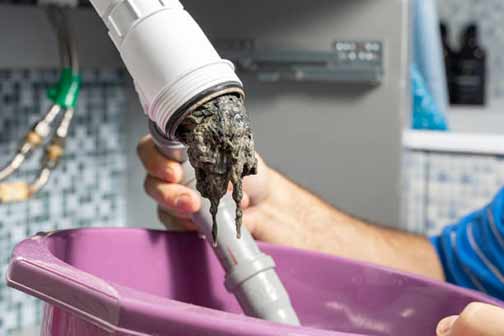
A clogged drain is a common problem in the home and commercial building plumbing systems. A drain clog is when wastewater cannot move freely through the drainpipes, or the water moves very slowly. Why do drains get clogged?

There are several reasons why a drain might become clogged. It can be due to natural processes, such as when corrosion narrows old pipes, making it difficult for water to pass through. It could also be due to soil movements that change the position of underground drainpipes.

But the most common causes of clogged drains are artificial, avoidable outcomes of how the drains in a home are used. Toilet drains may clog if something other than human waste is flushed into them, warns Action Properties Management. Kitchen drains are often clogged by a variety of food waste.

In addition to clogs in any drain inside your home, clogs can also occur in different sections of the drain system outside your house. Clogs close to drain openings inside the home are less severe than clogs deep inside the system.

The first type of drain clog will only affect the plumbing fixtures attached to that drain. But when a clog happens in a location deep inside the drainage system, the effect of that blockage will often be seen in all the plumbing fixtures in your home.

Why multiple drains in your home are clogged at once

Clogs affecting multiple drains in your home simultaneously signify serious issues within the home’s drain systems. That is because although each drain opening in the house appears separate from the others, they are connected.

Home drain systems comprise a network of pipes with a central drainpipe – the main sewer line – which collects all the wastewater from the house and carries it to the city sewer. This main sewer line is linked to the various plumbing fixtures in your home via connecting drain pipes.

If one of the drainpipes that feed into the main sewer line becomes clogged, the effect is only felt in the plumbing fixture that uses the drain. But if the clog happens in the main sewer line of your home, all the smaller drainpipes that connect to it will not be able to drain effectively. A good way to prevent this is by having a plumber perform a sewer rodding service.

The clog in the main sewer line creates a bottleneck that keeps wastewater from the plumbing fixtures in your home from flowing through the main sewer line. Instead of flowing into the city sewers, the water collects inside the pipes and may flow backwards into the house.

In most cases, the problem first appears in floor drains inside the home and other ones close to the ground. These drains become slower such as when bathwater doesn’t drain quickly when you shower. You may also find that toilets flush very slowly.

Other signs of a clog in your main sewer line are gurgling sounds from your home’s drains every time you use them, movement in the water inside the toilet bowl when you use the kitchen sink or washing machine and foul odors from drain openings in the house.

Frequent problems with your home’s drains may also signify deeper issues with the main sewer line. If several drains in the house are slow or showing signs of blockage, you may assume that the cause of the problem is in your home’s main sewer line that needs repairing.

Why your main sewer line is blocked and what you can do about it

Here are common reasons why your home’s main sewer line may be clogged:

Pouring grease into the drain: 

Fats, grease and oils (FOGs) are the number one cause of drain clogs. These materials stick to pipes and walls and debris attached to them.

Flushing forbidden items into your toilets:

Putting anything other than human waste and toilet paper into your toilet can result in a sewer line clog.

Sagging sewer lines: 

This is caused by movements in the soil surrounding the sewer line. Burrowing animals, sinkholes and soil movements due to house settling can cause these.

Aged sewer pipes 

This is a common issue with clay and metal drainpipes. As these pipes age, their channels become narrower due to corrosion and sedimentation.

Tree root infiltration 

Tree roots may find their way into sewer lines through hairline cracks in the pipe. Once inside the pipe, they can grow until they eventually block it.

What should you do if you are experiencing frequent drain issues in your home and multiple drains show signs of blockage?

The first step is verifying that the problem is with your main sewer line. Have a plumber perform a sewer camera inspection to pinpoint the exact location of the blockage in the sewer line. How you remove the clog depends on the location and what is causing it.

Sewer Back Up Causes and Quick Fixes

Sewer Back Up Causes and Quick Fixes

The sewer system is necessary for urban infrastructure because it helps maintain a healthy and safe environment. Carrying away wastewater helps keep the environment secure from flooding and helps stop the spread of water-borne diseases. Therefore, it could be troublesome if a sewer backup is in your home.   

The sewage system is a vital component of your commercial building since it is responsible for adequately disposing of wastewater away from the property. By strategically discarding waste, it is crucial to keep it well-maintained to avoid issues affecting its functionality. 

Although the primary function of a sewer is to circulate wastewater, a commercial system is complex and requires maintenance and professional services. Installing plastic access doors and panels will allow convenient access to these critical fixtures whenever there is a need for repairs and maintenance. 

But what are the common causes of backed-up sewers, and what can we do to fix and prevent it from happening again? Keep on reading to find out more!  

Cause #1 Clogs or Blockages  

Does your sink drain water slowly? Are there unfamiliar gurgling noises when you flush the toilet? These common signs could indicate clogged drains. Clogs mainly develop over time and are a product of a blockage that restricts the water flow from your drainpipes, impacting the plumbing throughout your entire home or establishment.   

Clogged drains can affect multiple fixtures such as sinks, toilets, showers, bathtubs, and sprinkler systems. Raw sewage could travel back into your drainpipes and your plumbing fixtures from the septic tank or the main sewer lines if the clogs become severe. The situation can get messy, and you would want to contact a plumber right away for professional hydro jetting service.

Drain clogs are usually a long process of material buildup in your drains. Here are some of the common materials that can clog your pipes: 

  • Hair  
  • Solidified grease  
  • Baby wipes and feminine hygiene products  
  • Extra-thick toilet paper, facial tissues, towels, and other wiping products.   
  • Dental floss and cotton swabs  
  • Products labeled non-flushable 

You can place a drain strainer in your bathroom drains or sinks to prevent materials from falling into your drainpipes to prevent clogs from occurring. Also, make sure to dispose of hygienic products properly and, as much as possible, minimize the amount of toilet paper that you flush down your toilet.  

Cause #2 Tree Roots  

Tree root invasion happens when trees roots penetrate your sewage lines, growing through your plumbing pipes or crawling around and crushing the lines, searching for the water that flows inside.  

The tree root invasion process is usually slow, but it could speed up if your lines are in bad condition, with holes or cracks that conveniently allow the roots to enter the drain. 

To prevent yourself from dealing with this situation, you should estimate the suitable area if you’re planning to plant a tree within your property. It will vary depending on the type of plant and its growth rate. Ensure that the site you choose will not interfere with your plumbing pipes.  

Cause #3 Main Sewer Line Blockage 

A blockage in your sewer system usually occurs in the main sewer line owned and maintained by your city. The sudden backup caused by a clog is similar to what you experience during a household blockage. It can also be due to insufficient design capacity if your area encounters serious growth.  

The problem becomes prominent if a community has difficulties with the sewers after heavy rainfall. The main sewer blockage will continuously affect your plumbing in the entire house or establishment, rather than affecting just one drain.   

To decrease the damage, once there is a block in your main sewer line, shut off all water supplies in your home or establishment and shield drain openings with material that can absorb the liquid.  

Final Thoughts 

Although these valuable tips are practical and helpful, you should immediately contact a professional sewer line cleaning service if nothing changes. There could potentially be a more severe cause for the blockage, which would require a possible sewer line repair or replacement. 

Sewer Tree Root Removal Tips in Chicago

Sewer Tree Root Removal Tips in Chicago

Tree roots are among the largest threats to your home’s sewer lines. Every pipe you dig in your yard is an open invitation for tree roots to undermine it. Sewer lines underground carry nutrient-laden wastewater, and tree roots love nothing better than to have a nutrient source within reach.

Tree roots and sewer pipes are a “match made-in-heaven.” But it gets you into major hot water with your pipes when the two meet.

Tree roots send out extensions into spaces for accessible nutrients. If they find a spot on your lawn where the nutrients can be accessed easily, they will try to take advantage of that source of sustenance. Your sewer pipes can be that easily accessible source of nutrients.

It only happens if sewer pipes leak. That is due to the fact that plant roots will be unable to access water in sewer pipes if they are not leaking. Even a minute crack in a pipe will, however, be utilized by plants. The instant the root gets into the break, it is only a matter of time before it clogs up the whole pipe.

Tree roots extending into sewer lines is the most common reason for damage to sewer lines. One of the first indications that your sewer line contains tree roots is slow moving water and gurgling sounds from the toilet after every flush.

The chances of this problem happening in your home increase with the age of the house. Older homes with old pipes prone to corrosion are more exposed to this problem, explains Keyrenter Premier Property Management. Tree roots intrusion in sewer pipes is also more likely if there are trees within 20 meters of your sewer lines.

Is there a way to remove tree roots if they find their way into your sewer lines? What can you do to prevent the problem? There are two aspects to dealing with the issue of tree root intrusion into sewer lines. You must get rid of the roots and repair the damage to your pipes.

This post deals with tree root removal only.

How to remove tree roots from your sewer line pipes

Below are three DIY options for removing tree roots from a sewer line. These options only work for removing small tree roots. If you try them and the problem does not go away, you will have to go for the fourth solution; getting a professional to solve the issue.

Use rock salt

Rock salt is not coarse sea salt or table salt. It is that stuff you throw on icy sidewalks. Rock salt helps remove tree roots because it draws the water from them. If you deprive them of moisture, tree roots become dehydrated and die. Rock salt can be bought online or at a local store; you need 2 pounds of it.

To do this, follow these steps;

  • Pour ½ a pound of rock salt into your toilet. 
  • Flush the toilet as many times as necessary to push the salt into the lines. 
  • Once the salt is gone, let it sit inside the pipes for at least 12 hours. 
  • During this time, do not flush your toilets. It will give the salt enough time to do its work.

Note that rock salt will kill tree roots, the tree, and surrounding vegetation. Rock salt can also corrode and weaken pipes. 

Use copper sulfate

Copper sulfate, also known as bluestone, will kill the tree roots inside your sewer line pipes. You can buy this cheap herbicide/algaecide at your local hardware or garden supply store. You only need a half cup of copper sulfate.

To use it, follow these steps;

  • Pour half a cup of copper sulfate into the toilet.
  • Flush until all the crystals get into the lines. 
  • Open the windows in your home and leave the house for a few hours, taking your kids and pets with you. 
  • Flush the toilet when you return.

Warning: copper sulfate is toxic to pets; it can kill them on contact. It is banned in certain places; before you use it, check the local legislation.

Use foaming root killers

Foaming root killers kill tree roots and keep them from growing back. This powder foams when it comes in contact with water. Tree roots hate the active agent in the powder – dichlobenil – and will stay away if they detect the substance. 

To use the powder, pour it into your toilet and flush. It will locate the tree roots and kill them. It also leaves a residue that prevents future tree root intrusion. You can repeat this every month to avoid future problems with tree roots.

Cut the tree roots

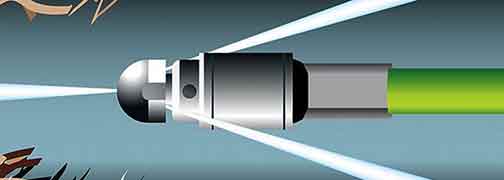
This solution requires you to call a local plumber, and it works for both small and large tree roots. The plumber will first do a camera inspection of your sewer lines to know the exact location of the tree roots. Afterward, plumbers can get rid of the tree roots using a process known as hydro jetting service.

hydro-jetting-service

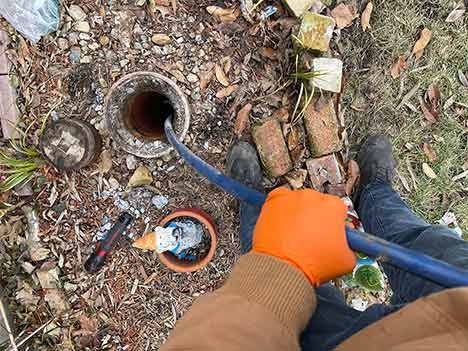
High Pressure Water Streaming Known as Hydro-Jetting is the Best Way to Cut Through Tree Root Infiltration in your Sewer Line.

Have tree roots growing into your sewer line that you need removed in Chicagoland? We can help! Contact us at 773-599-9181 or by form below: