Tag Archives: plumbing tips

Plumbing Peace of Mind: Expert Tips for Future Homeowners

plumbing tips for new homeowners

As a future homeowner, one of the most crucial aspects to consider is the plumbing system of your prospective residence. Plumbing is often overlooked during the excitement of purchasing a new home, but understanding it can save you from potential headaches down the road. A well-maintained plumbing system ensures the smooth operation of water flow, waste management, and heating systems, contributing significantly to your comfort and peace of mind. Knowing the layout of your plumbing system, including the location of pipes, valves, and fixtures, is essential. This knowledge not only helps in routine maintenance but also prepares you for any unforeseen issues that may arise.

Identifying Common Plumbing Issues Before Buying

Before finalizing your home purchase, it is essential to identify any existing plumbing issues. Common problems include leaks, outdated pipes, and inefficient fixtures. Leaks can lead to costly repairs and water damage, while outdated pipes may require replacement to meet modern standards. Inefficient fixtures can increase water bills and reduce the overall efficiency of your home’s water system. A thorough inspection by a professional plumber can help uncover these hidden issues. Look for signs of water damage, such as stains on ceilings or walls, which might indicate leaks. Check the water pressure in showers and faucets, as low pressure could suggest underlying problems with the plumbing.

Choosing the Right Plumbing Materials for Longevity

The choice of plumbing materials is pivotal for the durability and longevity of your plumbing system. Copper, PVC, and PEX are popular choices, each with its advantages. Copper is known for its durability and resistance to corrosion, making it ideal for long-term use. PVC is cost-effective and easy to install, while PEX offers flexibility and resistance to freezing temperatures. Understanding the benefits of each material can guide you in making informed decisions about any necessary plumbing upgrades or repairs. Consider the climate in your area when choosing materials; for instance, PEX might be preferable in colder regions due to its ability to withstand freezing temperatures without bursting.

Investing in Energy-Efficient Fixtures

Energy-efficient fixtures are not only environmentally friendly but also cost-effective in the long run. Low-flow toilets, showerheads, and faucets reduce water usage without compromising performance. These fixtures can significantly lower your water bills and contribute to sustainable living. As a future homeowner, investing in such fixtures is a wise decision that aligns with modern eco-conscious living standards. Additionally, consider installing water-saving appliances, such as dishwashers and washing machines, which use less water and energy. These investments not only benefit the environment but also enhance the overall value of your home.
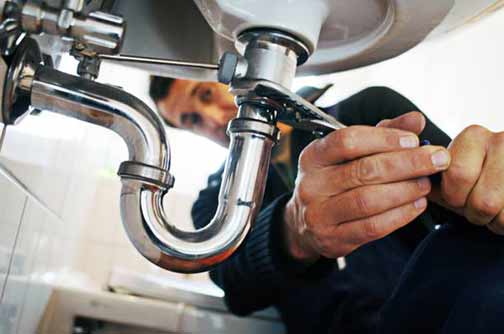
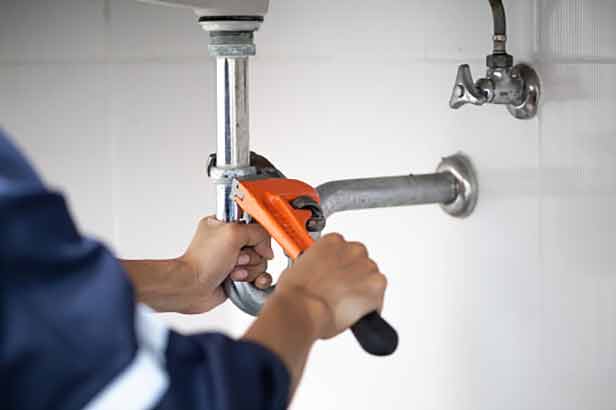
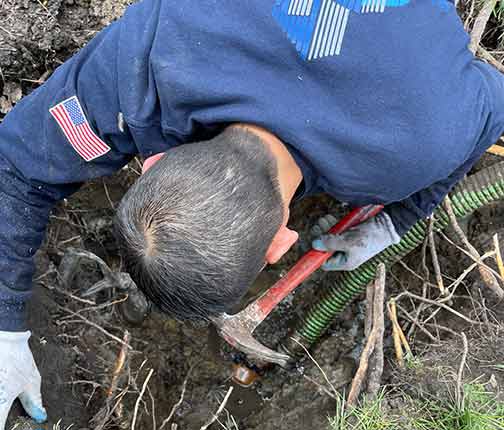
a man performing plumbing maintenance
Understanding basic maintenance tasks like unclogging drains and checking water pressure can empower you to handle minor issues independently.

Maintaining Your Plumbing System: Regular Checks and Upkeep

Regular maintenance is key to ensuring the longevity and efficiency of your plumbing system. Periodic checks for leaks, corrosion, and blockages can prevent minor issues from escalating into major problems. It is advisable to schedule professional inspections annually to keep your plumbing system in optimal condition. Additionally, understanding basic maintenance tasks like unclogging drains and checking water pressure can empower you to handle minor issues independently. Familiarize yourself with the signs of potential plumbing problems, such as unusual noises in pipes or slow drainage, and address them promptly to avoid costly repairs.

Understanding Plumbing Regulations and Codes

Familiarizing yourself with local plumbing regulations and codes is essential for compliance and safety. These codes dictate the standards for installation, repair, and maintenance of plumbing systems. Ensuring that your plumbing system adheres to these regulations can prevent legal issues and ensure the safety of your home. Speaking with a professional plumber can help you understand and navigate these regulations effectively. Additionally, staying informed about any updates or changes in local codes can help you maintain compliance and avoid potential penalties.

Preparing for Plumbing Emergencies: A Homeowner’s Guide

Despite the best efforts in maintenance, plumbing emergencies can still occur. Being prepared for such situations is crucial for minimizing damage and stress. Keep a list of emergency contacts, including local plumbers and utility companies, readily accessible. Familiarize yourself with the location of shut-off valves and understand how to use them in case of leaks or bursts. Having these preparations in place can make a significant difference in how you handle unexpected plumbing issues. Consider creating an emergency plan that includes steps to take in various scenarios, such as a burst pipe or a severe leak that needs to be detected, to ensure a swift and effective response.

Budgeting for Plumbing Costs: Financial Planning for Homeowners

Budgeting for plumbing costs is an essential aspect of financial planning for homeowners. Understanding the potential costs associated with repairs, upgrades, and maintenance can help you allocate resources effectively. It is advisable to set aside a contingency fund for unexpected plumbing issues, ensuring that you are financially prepared for any eventualities. Consulting with a financial advisor can provide insights into effective budgeting strategies for homeownership. Additionally, consider obtaining a home warranty that covers plumbing repairs, which can provide peace of mind and financial protection against unforeseen expenses.
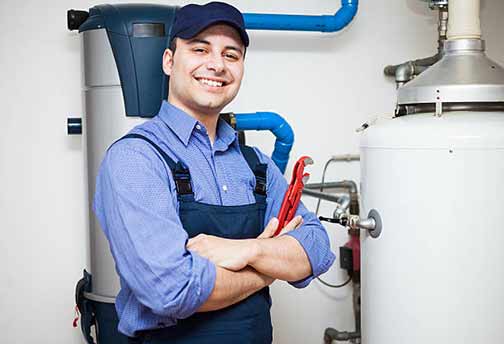
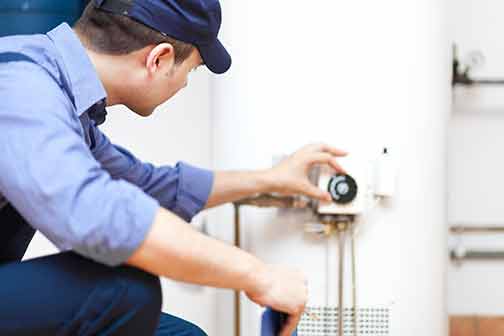
a professional plumber
Consider scheduling regular consultations with your plumber to discuss any concerns or potential improvements to your plumbing system.

Leveraging Technology for Smart Plumbing Solutions

Advancements in technology have introduced smart plumbing solutions that enhance efficiency and convenience. Smart water heaters, leak detectors, and automated irrigation systems offer innovative ways to manage your plumbing system. These technologies provide real-time data and alerts, allowing you to monitor and control your water usage effectively. Embracing these solutions can lead to improved efficiency and peace of mind as a homeowner. Explore the integration of smart home systems that connect your plumbing devices to a central hub, enabling remote monitoring and control through your smartphone or tablet.

Building a Relationship with Professional Plumbers

Establishing a relationship with professional plumbers is invaluable for future homeowners. Reliable plumbers can provide expert advice, timely repairs, and regular maintenance services. Building trust with a professional ensures that you have access to skilled assistance whenever needed, contributing to the overall peace of mind in homeownership. Networking within your community or seeking recommendations can help you find reputable plumbers in your area. Consider scheduling regular consultations with your plumber to discuss any concerns or potential improvements to your plumbing system, fostering a proactive approach to maintenance and repair.

Conclusion: Ensuring Plumbing Peace of Mind in Your New Home

Achieving peace of mind as a future homeowner involves understanding and managing your plumbing system effectively. By identifying common issues, choosing the right materials, investing in energy-efficient fixtures, and maintaining regular upkeep, you can ensure the longevity and efficiency of your plumbing system. Being prepared for emergencies, budgeting for costs, leveraging technology, and building relationships with professionals further contribute to a hassle-free homeownership experience. With these expert tips, you can confidently navigate the complexities of plumbing and enjoy the comfort and security of your new home. Embrace the journey of homeownership with the assurance that your plumbing system is well-equipped to support your lifestyle and provide a safe, comfortable environment for years to come.
Plumbing Problems vs. Plumbing Emergencies: What Every Homeowner Should Know

Plumbing Problems vs. Plumbing Emergencies

Problems in your home’s plumbing system are unavoidable, but emergencies in your plumbing system are not. Plumbing emergencies do not have to happen. Homeowners often conflate plumbing problems with plumbing emergencies, but they are not the same according to AIM Real Estate, Inc.

While plumbing emergencies should not ever have to happen in your home, there is nothing you can do to stop plumbing problems from occurring. Problems in your plumbing WILL happen, but if you ignore those problems, they WILL become plumbing emergencies.

Today, we discuss the difference between plumbing problems and plumbing emergencies.

This post will show you the link between plumbing problems and plumbing emergencies. When you finish reading this article, you will see why having plumbing problems in your home should not mean that you will also have plumbing emergencies.

Plumbing problems

These are routine issues that happen in the plumbing system. They are the natural consequences of using the plumbing in the prescribed manner. Plumbing problems stem from wear and tear or aging. They will typically not stop you from using your home’s plumbing fixtures.

Most plumbing problems are not urgent. So you can DIY the problems. Because they are not disruptive, plumbing problems are typically detected during routine use of the plumbing fixtures, and they are solved as part of the home’s regular plumbing maintenance.

Examples of plumbing problems include:

A dripping faucet

The sound of a dripping faucet may be annoying enough to keep you up at night, and the problem can inflate your home’s water bills. But you will still be able to use your faucet despite the issue.

Slow drains

Slow drains are a huge inconvenience and a massive waste of your time (especially if you have to wait for a sink or shower to empty), but they don’t bring your life to an abrupt stop.

Running toilet

Similar to a dripping faucet, a runny toilet is a huge annoyance and a massive waste of money. But this problem will not make your toilet unusable or expose your home to the risk of damage.

Low water pressure

This is another highly frustrating plumbing issue that will waste your time and impair your shower time enjoyment. But you can still live with a low water pressure in your home.

Pipe leaks

Depending on how it happens, pipe leaks are not necessarily an emergency. Leaking pipes that do not damage your flooring, walls, foundation, or landscaping are not an urgent problem.

From the above, you can see that plumbing problems are not pressing. They don’t endanger the structures of your building or prevent the use of your home’s plumbing fixtures.

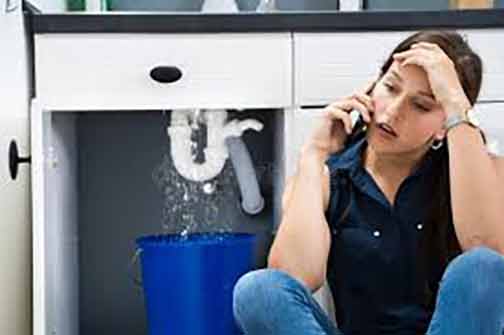
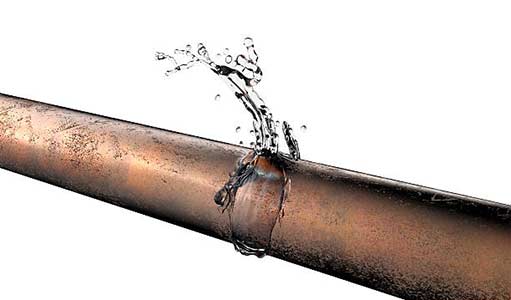
a burst pipe is considered a plumbing emergency.

It is hard to go to sleep when there is a gaping hole in your water pipe, discharging gallons of water into your home. This problem can result in structural damage to your home and massive property loss.

Plumbing emergencies

Emergencies in the home are generally described as those problems that make your home unlivable, and plumbing emergencies fit this description. Plumbing emergencies typically announce themselves by the amount of damage they can do in a short time.

Plumbing emergencies cannot be ignored or solved with DIY methods because speed is vital when dealing with plumbing emergencies. A plumbing emergency’s highly disruptive nature means that it only worsens the longer it takes to solve the issue.

Examples of plumbing emergencies include:

A burst pipe

It is hard to go to sleep when there is a gaping hole in your water pipe, discharging gallons of water into your home. This problem can result in structural damage to your home and massive property loss.

Sewage backup

If raw sewage is oozing from your toilet and floor drains, that is a plumbing emergency. This issue will make your home unlivable and expose you to the risk of ill health. It must be solved immediately.

Gas leaks

A gas leak carries the threat of house fires and death by suffocation. That is not a problem you can afford to ignore. Nor is it one you should attempt to DIY.

Flooding

Whether caused by damage to your home’s plumbing or extreme weather events, a flood inside your home qualifies as an emergency because it is disruptive and very destructive.

No water in your home

A sudden break in your home’s water supply line qualifies as an emergency because the presence of potable water is one of the key things that make a home livable. A qualified plumber should be able to repair your main water line in a timely manner.

Relationship between plumbing problems and plumbing emergencies

Most plumbing emergencies begin as plumbing problems.

When those plumbing problems are undiscovered, ignored or poorly solved, they degenerate to a point where they cause a disaster in the home. That is why the best way to prevent plumbing emergencies in your home is to deal with plumbing problems as soon as you find them.

To stop plumbing emergencies in your home, follow these steps:

  • Have a professional inspect your home’s plumbing on a schedule every year
  • Have your drains professionally cleaned at least once a year
  • Make sure plumbing issues are properly fixed as soon as they are detected

Lastly, you want to ensure that you have a certified and experienced emergency plumber whom you can trust to find and fix the plumbing problems in your home before those issues grow into highly damaging and costly plumbing emergencies.

Preventive Measures to Safeguard Your Plumbing System

Preventive Measures to Safeguard Your Plumbing System

Proper maintenance and preventive measures play a critical role in safeguarding your plumbing system. Whether it’s a residential or commercial property, a well-maintained plumbing system ensures the efficient flow of water and minimizes the risk of costly repairs in the future.

Regular Inspections

Performing regular inspections of your plumbing system is essential to identify potential issues before they become major problems. Hire professional plumbers to inspect the system thoroughly, including pipes, valves, fixtures, and drains. They will look for signs of leaks, corrosion, blockages, or any other damage that may compromise the integrity of your plumbing system.

Pipe Maintenance

Pipes are the lifeline of any plumbing system. To ensure their longevity and functionality, the following preventive measures should be taken:

  • Flush drains regularly with hot water to prevent build-up of debris and grease.
  • Avoid using chemical drain cleaners as they can corrode pipes over time.
  • Insulate exposed pipes during colder months to prevent freezing and potential bursts.
  • Address any cracks or leaks promptly to prevent water damage.
  • Limit or avoid pouring grease, oil, or coffee grounds down the drain to prevent clogs.

a plumbing doing some plumbing maintenance.

Proper maintenance of plumbing fixtures not only ensures their longevity but also prevents issues such as leaks and low water pressure.

Fixture Maintenance

Proper maintenance of plumbing fixtures not only ensures their longevity but also prevents issues such as leaks and low water pressure. Here are some preventive measures for fixture maintenance:

  • Regularly inspect and replace worn-out washers and gaskets in faucets and showerheads.
  • Ensure there are no loose connections in the fixtures, as they can cause leaks.
  • Install water-efficient fixtures such as low-flow toilets and aerators to conserve water and reduce strain on the plumbing system.

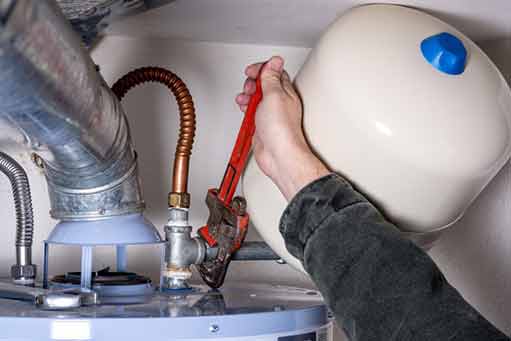
a plumber performing a water heater repair.

Inspect the temperature and pressure relief valve to ensure it is functioning correctly.

Hot Water System Maintenance

The hot water system is an integral part of any property. To ensure its efficiency and longevity:

  • Inspect the temperature and pressure relief valve to ensure it is functioning correctly.
  • Check for any signs of corrosion or leaks in the tank and plumbing connections.
  • Set the water heater temperature to a safe but energy-efficient level.
  • Consider installing insulation blankets on older water heaters to improve their efficiency.

Preventing Frozen Pipes

Frozen pipes can lead to costly repairs and water damage. To prevent pipe freezing and burst pipe emergencies:

  • Ensure proper insulation around pipes in unheated areas such as basements, crawlspaces, and attics.
  • Open cabinet doors under sinks to allow warm air to circulate around pipes.
  • Drip faucets during extremely cold weather to release pressure and prevent freezing.
  • Disconnect and drain outdoor hoses, and close outdoor water valves before winter.

a plumber fixing a broken water heater.

Checking for hidden leaks using advanced detection techniques.

Professional Maintenance

Hiring professional plumbers for routine maintenance will help identify potential problems and ensure the longevity of your plumbing system. Some tasks that professionals can handle include:

  • Water pressure testing to ensure optimal flow without any excessive strain on the pipes.
  • Checking for hidden leaks using advanced detection techniques.
  • Inspecting and having your sewer lines cleaned out by way of a hydro jetting service to prevent blockages and potential backups.
  • Performing sewer camera inspections of the pipes to identify any damage or buildup.

In Summary

Implementing preventive measures and regular maintenance is crucial in safeguarding your plumbing system. By staying proactive and addressing issues promptly, you can avoid expensive repairs, extend the life of your plumbing system, and ensure a continuous supply of clean water throughout your property.

What to Do When Your Plumbing Goes Wrong? Tips From Chicago’s Top Emergency Plumbers!

What to Do When Your Plumbing Goes Wrong

Plumbing emergencies are something that no homeowner wants to deal with. The sudden flooding, leaking pipes, or sewage backups can be not only frustrating but also cause significant damage to your property if not addressed immediately. When faced with a plumbing emergency, it is crucial to act swiftly and efficiently to minimize the damage and get the situation under control. Below we will share valuable tips from the city of Chicago’s best emergency plumbers on what to do when your plumbing goes wrong.

Shut off the Water

One of the first things you should do when you encounter a plumbing emergency is to shut off the water supply. This will help prevent any further water damage to your property. Locate the main water shut-off valve in your home and turn it off immediately. It is essential to familiarize yourself with the location of this valve before an emergency occurs to save time in such situations.

Assess the Situation

After turning off the water supply, take a moment to assess the severity of the plumbing emergency. Consider the extent of the damage, the potential causes, and whether it is something you can handle on your own or if professional assistance is necessary. Minor issues like a clogged drain or a small leak might be manageable with some simple troubleshooting, but more significant problems such as burst pipe emergencies or sewer backups require the expertise of an emergency plumber.

Call a Professional Emergency Plumber

If you are dealing with a severe plumbing emergency, it is best to call a professional emergency plumber right away. Chicago’s top emergency plumbers are experienced professionals who specialize in handling urgent plumbing issues. They have the necessary tools, knowledge, and expertise to quickly diagnose and resolve the problem, saving you time, effort, and further damage to your property.

Take Immediate Steps to Minimize Damage

While waiting for the emergency plumber to arrive, there are several immediate steps you can take to minimize damage to your home:

  • Turn off electrical power: If there is standing water near electrical outlets or appliances, turn off the power at the main electrical panel to avoid the risk of electrocution.
  • Clear the area: Move any furniture, belongings, or valuables away from the affected area to prevent them from getting damaged.
  • Use buckets or towels: If there is excessive water or leaks, use buckets or towels to soak up the water and prevent it from spreading further.
  • Open windows and doors: Ventilate the area by opening windows and doors to allow fresh air to circulate and aid in drying out the affected area.

Avoid DIY Fixes

While it may be tempting to try and fix the plumbing issue yourself, especially if it seems minor, it is generally advisable to avoid DIY fixes during a plumbing emergency. Incorrect repairs or temporary solutions can lead to more significant problems down the line and cost you more in repairs. Professional emergency plumbers possess the necessary expertise to efficiently diagnose the problem and offer a reliable and long-lasting solution.

Take Preventive Measures

Plumbing emergencies can be unpredictable, but there are preventive measures you can take to minimize the risk of encountering such situations in the future:

  • Maintain regular plumbing inspections: Schedule regular inspections with a reputable plumber to identify and address any potential plumbing issues before they escalate into emergencies.
  • Avoid flushing non-flushable items: Educate yourself and your family members on what can and cannot be flushed down the toilet. Flushing non-flushable items can lead to clogs and backups.
  • Properly maintain your plumbing fixtures: Regularly clean and maintain your plumbing fixtures, such as faucets, showerheads, and drains, to prevent clogs and other plumbing problems.
  • Winterize your plumbing: In colder climates, take necessary precautions to prevent frozen pipes, such as insulating exposed pipes and letting faucets drip during freezing temperatures.

Learn from the Experience

Experiencing a plumbing emergency can be stressful and inconvenient, but it also presents an opportunity to learn and be better prepared for future situations. Reflect on the experience and take note of what you could have done differently to prevent or minimize the damage. This knowledge will help you respond more effectively in case of any future plumbing emergencies.

In Summary

Dealing with a plumbing emergency can be overwhelming, but following these tips from Chicago’s top emergency plumbers will help you handle the situation with efficiency and minimize damage to your property. Remember to shut off the water supply, assess the severity of the issue, and call an emergency plumber if necessary. Take immediate steps to minimize damage and avoid DIY fixes that may worsen the problem. By taking preventive measures and learning from the experience, you can reduce the risk of future plumbing emergencies and keep your home safe and secure.

Are you in need of an emergency plumber in Chicago? We offer free estimates and can be reached at 773-599-9181 or you can fill out the form below.

Best Tips To Avoid Spring Plumbing Issues

Best Tips To Avoid Spring Plumbing Issues

Springtime is that time of year when everything in nature comes alive. After months of lying dormant because of winter, plants, animals, and humans are bustling with energy and raring to go. Everywhere you look, there are lovely colors and birdsongs. People everywhere are unfolding their tools, equipment and bodies to get back to the work and play they love. 

But the start of spring is also when you are most likely to find leaks in your water pipes. That is mostly the aftermath of winter when pipes burst due to exposure to cold. With the onset of spring rains, your home’s plumbing is also likely to be overwhelmed by surface runoff and flash floods, resulting in even more plumbing issues for your home.

We know sometimes it’s hard to manage your investments and keep track of this kind of issues, especially for property managers who manage multiple rental properties, but these spring plumbing issues can be avoided with a little insight into the causes of the problems and preemptive steps to stop them. Spring is here; which can mean bad news for many homeowners. However, with the spring plumbing tips listed below, you can make spring fun by avoiding potential issues with your property’s plumbing.

8 tips to avoid spring plumbing issues

Check your toilets

Hidden leaks in your toilet will waste water and interfere with the toilet’s function. Check for hidden leaks by adding six drops of food coloring to the toilet tank. Wait 30 minutes to see if the color shows up in the bowl. If it does, there is a leak. Does the toilet flush properly, and does the water stop running after each flush? If the answer is no, there are worn-out parts in the tank that need to be replaced.

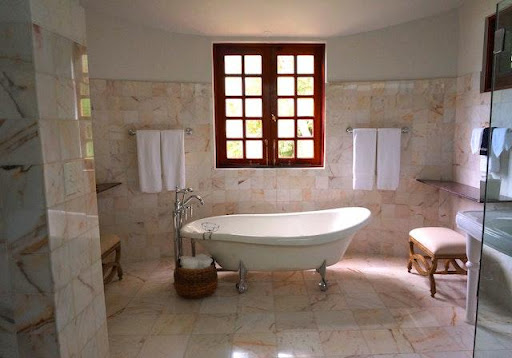
a fancy bathtub.

Inspect the bathtub and shower

Cracks often appear in grout as a result of changes in temperature and humidity that happen during winter. Inspect your shower and bathtub trim molding. If there are cracks in the seams, they can cause leaks or mold. Seal them before the small issues become problems that cost thousands of dollars to fix.

Inspect floor drains and outdoor drains

Check floor drains for signs of slow draining. If more than one-floor drain is acting-up at the same time, that can be a sign of impending problems with your main sewer line. Also, check outside drains; they are likely to be clogged after the winter weather. If your home has French drains installed, this is the time to inspect and have it professional hydro jetting services.

Clean gutters and downspouts

Remove all winter debris from gutters and downspouts. Check for signs of damage, loose or missing fittings, and rust. Ensure the downspout is not discharging in the wrong place on your property. Check your vent pipes; they are a favorite location for birds to make their nest. Blocked vent pipes will cause the home’s plumbing to drain slowly.

Test the sump pump

The sump pump is your home’s last line of defense against flash floods; test it to ensure it is working. Testing a sump pump is as simple as pouring enough water into the basin to trigger the pump and then watching it to ensure the water is completely removed and the pump turns itself off afterwards. Also, clean the sump pump to prevent malfunctions due to clogging.

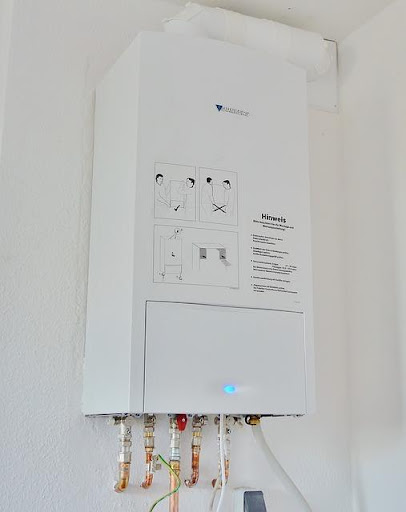
a tankless water heater.

Flush your water heater

To prevent scalding, the temperature setting on your water heater should not be above 120°F. A lower temperature setting will also help reduce your energy bills. Limescale and debris inside the potable water supply are left inside the water heater as the water is heated. This deposit can impair the efficiency of your water heater. Drain the water heater to get rid of sediment that has built up in the last year.

Check for leaks and drips

Faucets and supply hoses for the dishwasher, washing machine and ice maker may have minor leaks that are hard to detect. Inspect and test them carefully. To ensure there are no leaks in your home’s water pipes, take a meter reading when leaving for work and do it again when you return. If the number has changed, you have a leak in your plumbing.

Test your main water valve

Shutting off your home’s water supply is the first step when you have a burst plumbing pipe emergency or major leak at home. But for this to work, the main water valve must be functional. If the valve is stuck because of disuse, you won’t be able to turn off the water. Test the water main valve by turning it on and off several times.

Finally, a wholesale inspection of your home’s plumbing systems is the best way to detect and eliminate any potential plumbing issues. It is suggested that you do this at least twice a year, preferably at the start of the season. To ensure this is done correctly, you will need to call a nearby plumber.

A plumber will not only have an overview of how the home’s plumbing works, they know the likely issues that can happen and have a tested routine for inspecting the plumbing. This ensures that no aspect of the system is overlooked and no budding issues are missed.

Savvy Plumbing Tips to Save You Money

Savvy Plumbing Tips to Save You Money

Plumbing problems are probably the most frequent issue homeowners face in their homes, says EPM Iowa Property Management. That is because of the massive plumbing network in a modern house and because we use water for several things in the home.

These two factors markedly increase the chances of issues with a home’s plumbing. Also, unlike the electrical system that is also vast, water reacts very strongly with anything it touches. So there is a high possibility of corrosion in the system.

That being said, there are lots of things you can do to cut down on the amount of money you spend on your plumbing. In this post, we talk about eight tips all savvy homeowners can use to make their plumbing more resilient while saving money.

8 ways to save money on your home’s plumbing

Know the location of your main shutoff valve

That is the most vital first step for solving any situation where a burst pipe or broken appliance is dumping water into your home. Knowing how to shut off the water can make the difference between a hundred dollars versus one thousand dollars in repair costs. Not only should you know how to turn the water off, everyone in your home, including the babysitter, should know how to do this.

Learn how to use a plunger and auger

Fixing a clogged sink or overflowing toilet may look daunting at first glance, but like most problems in life, it is not as tough as it first appears. Every home should have two types of plungers; one for the sink and the other for the toilet. Knowing the difference between the two and how to use each one will save you a lot of trouble and money.

Know how to stop a running toilet

A running toilet can inflate your water bill by hundreds of dollars if you don’t solve it fast. This problem can also interfere with the operation of your toilet and make it harder to flush. Solving this problem is not hard; it’s just about identifying the damaged components (usually the flapper, fill valve, or flush valve) inside the tank and replacing them.

Flush your water heater by yourself

This is another superficially intimidating task that you can easily do yourself. Flushing a water heater improves its performance and also prolongs its life. We recommend that you flush the water heater at least once in two years (once a year if you have hard water). You can save the money you would have paid to a plumber if you learn to do this yourself (it takes less than an hour).

Unclog and reset your garbage disposal yourself

You can easily reset a jammed garbage disposal unit by pushing the red button at the bottom. Inserting a 1/4” or 5/16” Allen wrench into the hole at the bottom of the unit and working it back and forth vigorously will dislodge food particles that keep the impeller from turning. Don’t replace the garbage disposal until you have tried these quick fixes.

Never go cheap with plumbing parts

“The bitterness of poor quality remains long after the sweetness of a low price is forgotten.” The worst thing about using cheap parts or inappropriate components is that they fail and cause other problems that cost you more. When you use cheap components or mismatched parts, you don’t solve your plumbing problems, but you only give them time to get worse.

Replace your anode rod to save your water heater

The anode rod is called a “sacrificial anode rod” for a good reason. This metal rod stays inside the tank of your water heater. Its job is to keep the tank and its metal components from rusting. It does this by bonding to the iron electrons released by water to keep them from attacking the tank. In the first year of owning your water heater, you should replace the anode rod, and maybe every two years afterward. If not, you run the risk of needing a water heater replacement earlier than expected.

Always use a plumber for plumbing problems

With the right tools and patience, you can solve minor issues with your plumbing. However, once in a while, you will have significant plumbing problems beyond your abilities. For those kinds of issues, never use a handyman. Always make sure you hire a professional plumber to repair your plumbing issues. Using a non-professional will save you money at the moment but cost you more in the long term.

And that’s it for our eight tips to save money on your plumbing. But before we go, remember it is essential to know the difference between plumbing issues you can DIY and those that need an expert. Never try to fix a plumbing problem if that issue requires a professional.

7 Summer Plumbing Tips

7 Summer Plumbing Tips

The plumbing in your home will typically get more use during the summer. People are at home more, the kids aren’t in school, house guests are more frequent, and there is an increase in water use. To keep the water in your home running properly, we’ve put together a list of 7 summer plumbing tips. It’s pretty easy to prevent most of the significant issues, and all it takes is a routine checkup. You can perform some of these tasks yourself, but we recommend getting professional plumbers to help you if you run into any serious problems.

Summer Plumbing Tips

1. Inspect your home for leaks

Water leaks can cause a lot of damage to your home if they are left untreated, which is why you should constantly be on the lookout for any leaks. An excellent way to do this is to turn off all the water in your home and see if the water meter is still running. Once everything is off, there should be no activity on the meter. Unfortunately, hidden water leaks can be hard to deal with. If you suspect that there is a leak in your home’s plumbing that you can’t find, you should hire Chicago Plumbing Experts to perform a water leak detection service on your home.

Afterward, you can go from valve to valve and make sure they are all working and that you aren’t losing excess water due to dripping from faulty valves. Inspect the appliances in your home that use water and ensure they are all connected properly. An important summer plumbing tip is paying special attention to rubber hoses, like your washing machine. Rubber tends to deteriorate over time, and dry, warm weather can be incredibly taxing on hoses and rubber pipes.

If you are moving into a new home, you should be especially careful. First of all, you’ll have to deal with the stress of the move. Thankfully, local Chicago moving experts can assist you with moving in. After you have settled into your new home, you should do an inspection of the plumbing while it’s still summer. Your top priority should be finding any leaks. Remember that some condensation on the pipes is normal during the summer. This is due to the difference in the temperature of the cold water and the warm air. 

2. Inspect your sprinkler system

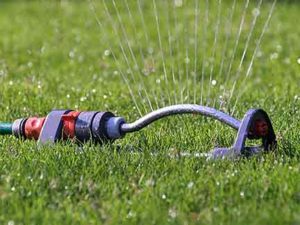
After long periods without use, you should inspect the hoses and valves in your sprinkler system. We suggest doing this before the summer heat sets in, and you need to water your plants regularly. Chicago has a water conservation plan with the goal of limiting excessive outdoor water use. If you want to help your community adopt sustainable practices, you should ensure that your sprinkler system is functioning properly this summer.

sprinkler

Make sure your lawn sprinklers are in good shape for the summer.

3.  Drain your water heater

Chicago often has pretty cold winters, and that’s the time when you need your home’s water heater the most. Unfortunately, that’s also the time when repairing it is the hardest. Summer is the perfect time to drain the water heater because if you turn off the heater during the winter, it can freeze while you are draining the water. Scale buildup will naturally happen over time, and you will occasionally need to drain and flush the water heater. It’s much easier to schedule a water heater repair during the summer since most people wait until the winter before realizing the water heater needs to be repaired.

4. Check the water pressure in your home

Summer is the time of year when people use more water for showering, washing the car, and watering the yard. Due to these factors, it’s vital to have good water pressure in your home. If the pressure is too high, it can cause a lot of stress to your faucets and appliances, which use water. Extremely high water pressure can also lead to pipes bursting.

On the other hand, low water pressure means that you will only have a slight trickle instead of getting a steady stream of water. Low water pressure can also indicate that you are facing other plumbing issues like scale buildup. This should be dealt with before your plumbing gets blocked.

5. Clean your garbage disposal unit

Don’t wait for the disposal to break down before you give it an inspection and clean it up. Even if your garbage disposal is still working, there may be small food buildups in the system. This kind of problem might be negligible during the winter, but once the temperatures rise, you will be in trouble.

Foul odors can come from your pipes and make living in your house unbearable. What’s worse is that small pieces of food which get stuck in your disposal unit can lead to your system getting completely backed up. Excess food also represents an attractive lure for insects and rodents. For these reasons, we suggest that you clean and repair your garbage disposal unit before it causes any significant issues. A persistent odor may indicate that the drains need to be cleaned professionally

wooden-doll-resting-on-toilet

People sometimes put large pieces of food down the garbage disposal or toilet.

6. Check how the toilet is flushing

Most people know that you shouldn’t flush just anything down the toilet. Yet somehow, it seems like folks get especially creative during the summer. This is probably due to the larger number of barbecues and house parties that happen when the weather is better. Although it may seem obvious, a good summer plumbing tip is to put up a sign near your toilet reminding guests of which items shouldn’t be flushed. If it does get backed up, you can hire plumbers to unclog your toilet. Keep in mind that prevention is better than the cure, and have a talk with your guests and kids. Ask them to put any larger items in the bin instead of down the toilet.

7. Install a water saving showerhead

Installing any water-saving features in your home can help you cut down on the utility bill. Most of the water in your home is spent on showering. Therefore, having a water-saving showerhead will help you reduce the amount of water you use. The new showerhead will pay for itself within a matter of months, and after that, it will make you money through savings.

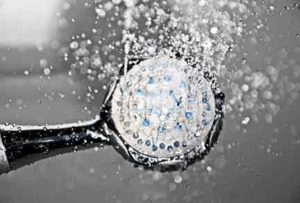
shower-head

Install a showerhead that is efficient and saves water.

In summary

These 7 summer plumbing tips can help prepare your house for the warmer months. Once you know that your plumbing is working well, you will be able to enjoy many lazy summer afternoons without having to worry about what could go wrong with the water in your home.