Tag Archives: how to unclog a drain

Mastering Drain Clogs: Expert Advice from Chicago’s Top Plumbers

mastering drain clogs in chicago

Drain clogs are a frequent issue faced by homeowners, and understanding their causes is the first step towards effective management. In Chicago, where plumbing systems can range from historic to modern, clogs can arise from a multitude of sources. Common causes include the accumulation of grease, hair, soap scum, and foreign objects that inadvertently find their way into drains. In older homes, outdated plumbing systems can exacerbate these issues, leading to frequent clogs. It’s crucial for homeowners to recognize these causes to prevent future occurrences and maintain efficient drainage systems. By identifying the specific factors that contribute to clogs, homeowners can take proactive steps to mitigate these problems and ensure smooth operation of their plumbing systems.

Preventive Measures: Keeping Drains Clear and Functional

Prevention is key when it comes to managing drain clogs. Chicago’s top plumbers recommend regular maintenance and mindful usage as effective strategies. Simple practices such as using drain guards to catch hair and debris, avoiding the disposal of grease down the sink, and running hot water periodically can significantly reduce the risk of clogs. Additionally, educating family members about what should and shouldn’t go down the drain can prevent accidental blockages. Regular inspections by professional plumbers can also help identify potential issues before they become major problems. By incorporating these preventive measures into daily routines, homeowners can maintain clear and functional drains, reducing the likelihood of inconvenient and costly plumbing issues.

DIY Solutions for Minor Drain Clogs: Simple and Effective Techniques

While some clogs may require professional intervention, minor blockages can often be resolved with DIY solutions. Chicago Plumbing Experts suggest using a plunger or a plumber’s snake as effective tools for unclogging drains. For sinks and bathtubs, a mixture of baking soda and vinegar can serve as a natural cleaning solution, helping to break down buildup and clear minor clogs. It’s important for homeowners to understand the limitations of these methods and to avoid using harsh chemicals that can damage pipes and plumbing systems. By employing these simple and effective techniques, homeowners can address minor clogs quickly and efficiently, maintaining the integrity of their plumbing systems.

When to Call in the Professionals: Recognizing the Signs

Knowing when to call in our professional plumbers is vital for preventing further damage to your plumbing system. Persistent clogs, foul odors, or slow drainage are signs that a professional assessment is needed. Chicago Plumbing Experts have the expertise and equipment to diagnose and resolve complex drain blockage issues, ensuring long-term solutions. Homeowners should not hesitate to seek our professional help when DIY methods prove ineffective or when dealing with recurring clogs, as timely intervention can prevent costly repairs down the line. Recognizing the signs that indicate the need for professional assistance can help homeowners protect their plumbing systems and avoid unnecessary damage.

Advanced Techniques Used by Chicago’s Top Plumbers: Cutting-Edge Solutions

Chicago Plumbing Experts employ advanced techniques to tackle stubborn drain clogs. These include hydro jetting, which uses high-pressure water jets to clear blockages and clean pipes thoroughly. Sewer camera inspections are another innovative method, allowing our plumbers to visually assess the condition of pipes and identify the exact location of clogs. These techniques ensure efficient and effective solutions, minimizing the risk of future clogs and extending the lifespan of plumbing systems. By utilizing cutting-edge solutions, Chicago Plumbing Experts can address even the most challenging plumbing issues with precision and expertise, providing homeowners with peace of mind and reliable results.
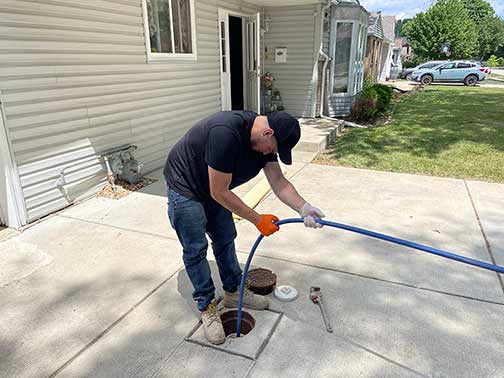
a professional hydro jetting service in chicago
Chicago Plumbing Experts employ advanced techniques to tackle stubborn drain clogs. These include hydro jetting, which uses high-pressure water jets to clear blockages and clean pipes thoroughly.

Maintaining Your Plumbing System: Expert Tips for Longevity

Regular maintenance is essential for keeping your plumbing system in top condition. Chicago Plumbing Experts advise scheduling routine check-ups to ensure all components are functioning correctly. This includes inspecting pipes for leaks, checking water pressure, and ensuring drains are clear. Additionally, homeowners should be aware of the signs of plumbing issues, such as unusual noises or water discoloration, and address them promptly. By maintaining your plumbing system, you can prevent clogs and ensure efficient water flow throughout your home. Following expert tips for longevity can help homeowners extend the lifespan of their plumbing systems and avoid unexpected disruptions.

Understanding the Impact of Chicago’s Climate on Plumbing: Seasonal Challenges

Chicago’s climate can have a significant impact on plumbing systems, particularly during extreme weather conditions. Cold temperatures can lead to frozen pipes, which can burst and cause severe damage. Homeowners should take preventive measures, such as insulating pipes and allowing faucets to drip during freezing weather, to avoid these issues. Additionally, heavy rainfall can overwhelm drainage systems, leading to backups and clogs. Understanding these climate-related challenges can help homeowners prepare and protect their plumbing systems effectively. By anticipating seasonal challenges and implementing appropriate measures, homeowners can safeguard their plumbing systems against weather-related disruptions.

Choosing the Right Plumber: What Homeowners Need to Know

Selecting the right plumber is crucial for ensuring quality service and effective solutions. Homeowners in Chicago should look for plumbers with a solid reputation, verified credentials, and experience in handling a variety of plumbing issues. It’s important to read reviews, ask for recommendations, and verify licenses before hiring a plumber. Building a relationship with a trusted professional can provide peace of mind and ensure that you have reliable support when plumbing issues arise. By choosing the right plumber, homeowners can ensure that their plumbing needs are met with expertise and professionalism, resulting in long-lasting solutions and satisfaction.

Conclusion: Mastering Drain Clogs for a Hassle-Free Home

Mastering drain clogs involves a combination of preventive measures, DIY solutions, and professional expertise. By understanding the causes of clogs, implementing regular maintenance, and knowing when to call in the experts, homeowners can effectively manage their plumbing systems and prevent disruptions. With insights from Chicago’s top plumbers, homeowners are equipped to tackle clogs head-on, ensuring a hassle-free and efficient home environment. By taking proactive steps and seeking professional guidance when needed, homeowners can achieve a well-functioning plumbing system that supports their daily needs and enhances their quality of life.

Need help unclogging your drains in the Chicagoland area? We can help! Contact us today at 708-775-2566 or by form below:
Contact Us

Contact Us

Name
Name
First Name
Last Name

How to Safely Unclog Your Drain without Risking Pipe Damage

How to Safely Unclog Your Drain without Risking Pipe Damage

Clogged drains are a common problem in homes; they happen following the day-to-day use of your plumbing system. Ordinarily, Safe House Management company notes that clogs in your drain lines should not be a cause of concern since most drain clogs are avoidable and easy to solve.

Yet, at the same time, drain clogs can cause massive damage to your plumbing and building. Fixing them can also take a huge toll on your finances. But a clogged drain will only cause you big problems if you make the following three mistakes in your home:

  • Improper maintenance of the drainage system.
  • There are longstanding drainage issues that have been ignored.
  • Choose the wrong solution for your clogged drains.

If drain lines are not maintained to make it easy to spot and solve problems quickly, the system will be more vulnerable to severe clogs. Minor drain issues will have more time to grow into major plumbing emergencies.

As a result, your home’s drain issues will not only cost more money to fix, but the risk of pipe damage will be higher. This problem can get worse if you choose the wrong drain cleaning solutions. What are ways to safely clear a clogged drain line in your home?

DIY methods to unclog your home’s drain safely

Use a plunger

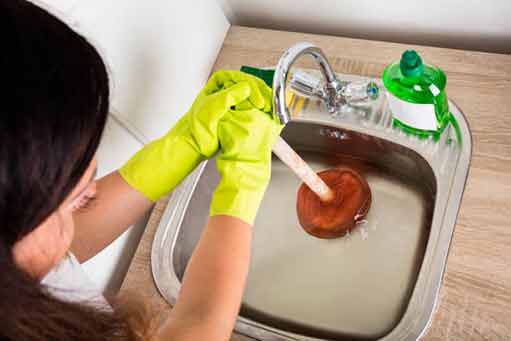
A plunger is a simple tool that all homeowners should learn how to use. Plungers use suction force to suck debris out of a blocked drain. Place the plunger over the drain opening in a way that ensures a tight seal between the two surfaces.

The handle is then pumped up and down with quick movements. The vacuum created by this action allows the debris inside the pipe to be pulled out. There are two kinds of plungers – sink and toilet plungers. Never interchange them.

Use a handheld drain snake

This is a handheld device which can be manual or automatic. The snake is inserted into the drain opening until it reaches the location of the clog to clear the affected drain. Twist it gently to push through the blockage or snag the debris.

When pulled from the drain, the wire will pull the attached debris with it. You may repeat this process several times to clear the pipe completely. Manual drain snakes and plungers are only effective if the clog is close to the drain opening.

Use baking soda, vinegar and hot water

To unclog a blocked drain with vinegar and baking soda, pour a half cup of vinegar into the drain, followed by a cup of vinegar. Cover the drain opening and let the mixture fizz for 30 minutes. Flush the drain with hot water.

You can do this with hot water alone. Slowly pour hot water into the drain. Give it time to work its way through the pipes. Repeat this process until the grease and debris inside the pipes melt away. Do not pour boiling water into PVC pipes.

Use borax

Use this natural drain cleaner instead of chemical drain cleaners that can damage your pipes. To clear a clogged drain with this method, pour a solution of one part borax to four parts boiling water down the drain and let it sit for 15 minutes. Flush with hot water.

To unclog a toilet, scoop out as much water from the toilet as you can. Pour a half cup of borax powder into the toilet and let it sit for 15 minutes. Follow this with boiling water. You may need to do this a couple of times to get the desired result.

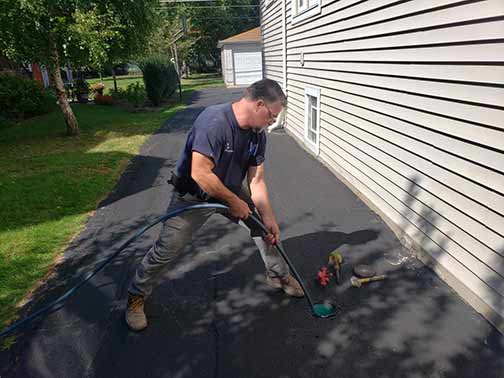
a plumber performing a hydro jetting service to unclog drains.

Hydro jetting uses high-pressure water to blast away the clogs inside the drain line.

Professional drain cleaning methods that will not damage your pipes

The above methods only work for minor drain clogs. For chronic drain clogs or clogs that are deep inside the drainage system, you need a more powerful method. The recommended solutions for these drain clogs are sewer rodding and hydro jetting services.

Sewer rodding

This is a motorized version of the traditional drain snake. Also known as an auger, drain snake, or plumbing snake, rodding machines are several times larger than handheld drain snakes and can remove difficult clogs like sludge and tree roots.

Hydro-jetting

This uses high-pressure water to blast away the clogs inside the drain line. Like a plumber’s snake, hydro jetting will remove sludge and tree roots. But it has the added advantage of washing the debris out of your pipes.

Finally, note that you will not get the best results from any of the above drain cleaning methods if you don’t have an effective drain maintenance strategy. Ideally, this should be a program of preventive maintenance. Preventive maintenance is the best way to care for drains.

That entails a plan for inspecting and cleaning the pipes periodically, whether there are problems or not. That will let you catch problems in their early stages or even eliminate drain clogs. Would you like to know more about preventive drain maintenance for your home?

How To Maintain And Prevent Your Drains From Getting Clogged

How To Maintain And Prevent Your Drains From Getting Clogged

Clogged drains are a common household problem that can be frustrating to deal with, especially when they happen unexpectedly. They can cause water to back up, unpleasant odors, and even damage to your plumbing system. Fortunately, there are simple ways to maintain and prevent clogs in your drains.

Understanding What Causes Clogged Drains

Before we get into how to prevent and maintain your drains, it’s important to understand what causes clogs in the first place. Some common causes of clogged drains include:

  • Excess hair, soap scum, and dirt buildup in bathroom drains
  • Food particles, grease, and oil buildup in kitchen drains
  • Foreign objects such as cotton swabs, dental floss, and small toys
  • Tree roots in outdoor drains

How To Maintain Your Drains

Regular maintenance is the key to preventing clogs from forming in the first place. Here are some simple ways to keep your drains in good condition:

Use A Drain Strainer

One of the best ways to prevent clogs in your kitchen sink is to use a drain strainer. This will catch food particles, grease, and oil before they have a chance to go down your drain. Similarly, using a strainer in your shower and bathtub can catch hair and soap scum.

Flush Your Drains Regularly

Flushing your drains with hot water on a regular basis can help prevent buildup and keep them flowing smoothly. Simply boil a kettle or pot of water and pour it down your drain. Do this once a week to keep your drains in good condition.

Keep Your Drains Clean

Regular cleaning can go a long way in preventing clogs. In the bathroom, use a natural cleaner to scrub the inside of your drains and remove any buildup. In the kitchen, avoid pouring grease and other oils down your sink and clean the drain stopper regularly.

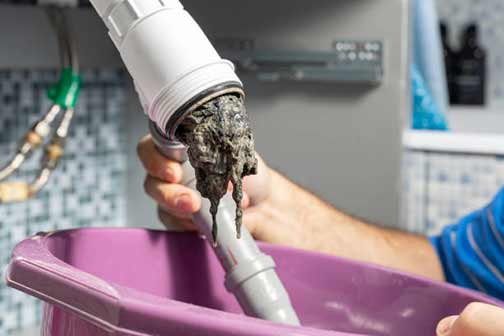
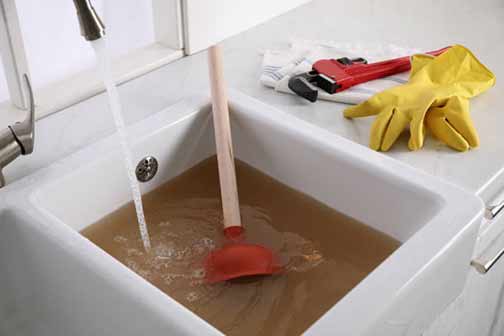
a clogged kitchen drain cleaning attempt.

How To Prevent Clogged Drains

In addition to regular maintenance, there are other steps you can take to prevent clogs from forming in the first place.

In The Kitchen

The kitchen sink is one of the most common places for clogs to occur. Here are some tips to keep it flowing smoothly:

  • Scrape your plates and dishes into the trash before washing them
  • Avoid putting grease, oil, and other fats down the drain
  • Use a strainer to catch food particles
  • Flush your drain with hot water regularly

In The Bathroom

The bathroom is another area where clogs commonly occur. Here are some tips to prevent them:

  • Use a drain strainer to catch hair and soap scum
  • Avoid flushing anything other than toilet paper down the toilet
  • Don’t pour chemicals down the drain, as they can damage your pipes and the environment
  • Flush your drain with hot water regularly

Outdoors

Outdoor drains, such as those in your yard or driveway, can also become clogged. Here are some tips to prevent this:

  • Avoid pouring chemicals down outdoor drains, such as fertilizers or pesticides
  • Use a drain strainer or cover to catch leaves and other debris that can fall into outdoor drains
  • Flush your drains with hot water regularly

When To Call A Professional

If you’ve tried the above methods and your drain is still clogged, it may be time to call a plumber for a sewer rodding service. Plumbers have rodding machines and expertise to diagnose and fix the problem quickly and effectively.

How Much Will A Plumber Cost For A Clogged Drain?

The cost of hiring a plumber to clear a clogged drain varies depending on the severity of the problem and where you live. On average, you can expect to pay anywhere from $150 to $500 for a clogged drain. However, this cost can vary depending on the time of day, the day of the week, and the complexity of the job.

Conclusion

By following these simple tips, you can maintain and prevent clogs in your drains. Regular maintenance is critical to keeping your pipes flowing smoothly and avoiding costly repairs. Remember to use a strainer, flush your drain with hot water regularly, and keep your drains clean to prevent clogs from forming. If all else fails, don’t hesitate to call a local drain cleaning service.