Tag Archives: diy plumbing tips

Mastering Plumbing: Essential Hacks for Every Chicago Homeowner

mastering plumbing

A “hack” is a clever trick or workaround to help you quickly solve something that should have been a difficult problem, says 1907 Management company. There are hacks for dealing with all kinds of situations, and today, we present a list of hacks for resolving the plumbing issues in your Chicago home.

Before we jump in, note that these hacks are not a replacement for the proper care of the plumbing by a licensed plumber. They are mostly steps that let you solve or diagnose your home’s plumbing issues using everyday items and simple methods.

Some of these hacks help you avoid an unnecessary visit by your plumber, letting you save time and money. Others only serve as a stopgap until you can get professional help. All of the hacks are effective, affordable, and easy to use.

10 essential plumbing hacks all homeowners should know

  1. Know the location of your main water shut-off valve

If you have a burst pipe emergency or major leak in your home, knowing where the main water shut-off valve is and how to use it can save your life. This valve controls the water supply to your entire home. Shutting it off will cut the water supply, helping you prevent excessive water damage during a plumbing emergency.

  1. Unclog your drains without using toxic drain cleaners

Avoid using harsh chemical cleaners to unclog your drains; they harm your drainpipes and poison the soil. Instead, use baking soda and vinegar. Pour a half cup of baking soda into the drain, followed by a half cup of vinegar. Let it sit for 15 minutes before flushing with warm water.

  1. Detect hidden leaks in your plumbing

If your water bill is higher than normal and you suspect a hidden leak in your home, you can find it by following these steps. When no water is used in the house, check the reading on your water meter. Wait one hour and check again. If the reading has changed, you have a hidden leak.

  1. Toilet tank dye test

If you think your toilet is leaking but are unsure, put a few drops of food coloring in the toilet tank. Do not flush the toilet. Wait 15-30 minutes. Check to see if the color has found its way into the toilet bowl. If it has, you have a leaky toilet.

  1. Fix a leaky faucet with rubber bands

If your faucet is leaking from the handle, you can fix it temporarily by using a rubber band. Tightly wrap a thick rubber band around the connection, where the water is coming from. You may have to remove the handle to do this. The tension should stop the leak.

  1. Use a nylon stocking as a drain screen

To stop hair, food scraps, and other debris from getting into the bathroom or sink drain, wrap a piece of old nylon stocking around the end of a drain plug. Remember to clean or replace the stockings every week. Install a proper drain screen as a permanent fix.

  1. Clear stubborn clogs with a wet/dry vacuum

If you tried to clear a clogged drain with a plunger and it didn’t work, you may want to use a wet/dry vacuum. Select the liquid setting, insert the hose on the drain opening, and ensure a tight seal before firing the vacuum. This method works for clogs that are deep inside your drainpipe.

  1. Use a wet/dry vacuum for minor floods

If you have a minor flood in your home, minimize its impact by removing the water with a wet/dry vacuum. Before trying this hack, make sure the water inside your home is not in contact with electricity. Ensure everyone’s safety, including your own, above all else.

  1. Clean faucet aerators to fix low water pressure

Low water pressure problems that affect only your faucets but not the other plumbing fixtures in your home may be due to clogged faucet aerators. Open the faucet, unscrew the aerator, and soak it in vinegar for 30 minutes. Scrub it to get rid of any debris and put it back into the faucet.

  1. Keep plumbing tools handy

Get yourself a plumbing toolkit; this should include a pipe wrench, plunger (one for each toilet and sink), plumber’s tape, and a set of screwdrivers. These tools make it easy to handle most of the common plumbing problems in homes. Learn how to use the tools and keep them within easy reach.

Finally, know when to call a plumber. One of the hallmarks of seasoned DIYers is they know the kind of problems they should and should not tackle. These homeowners understand that the reason they DIY some of their home’s plumbing problems is not to replace their plumber.

Sometimes, the safe and smart option is to have a plumber handle the problems. Do not hesitate to call a plumber when the plumbing issues in your home get out of hand. A good plumber in Chicago can help you save money.
Solutions to Strange Plumbing Problems

Solutions to Strange Plumbing Problems

Plumbing problems are a common occurrence in households, but sometimes these issues can be truly strange and perplexing. From mysterious noises coming from the pipes to odd smells emanating from the drains, these strange plumbing problems can leave homeowners scratching their heads. Fortunately, there are solutions available for these peculiar problems that can help restore normalcy to your plumbing system. Here we will explore some of the most common strange plumbing problems and discuss effective solutions to mitigate them.

Identifying Strange Plumbing Problems

Before delving into solutions, it is crucial to be able to identify strange plumbing problems accurately. Some plumbing issues may seem odd, but they can actually be symptoms of underlying problems that require professional attention. Here are a few signs that your plumbing problem may fall into the “strange” category:

  • Gurgling sounds coming from the pipes
  • Unexplained leaks
  • Fluctuating water pressure
  • Foul odors from the drains
  • Discolored or murky water
  • Water hammer (loud banging noises from the pipes)

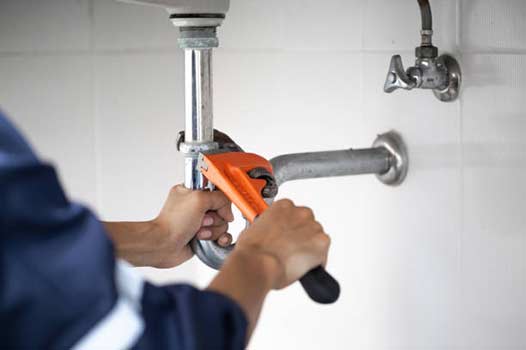
a plumber repairing gurgling pipes.

Water hammer refers to the loud banging noises that occur when a faucet or valve is abruptly closed. It can be both strange and disruptive.

Strange Plumbing Problem #1: Gurgling Noises

Gurgling noises coming from your pipes can be both strange and disconcerting. They often occur when air is trapped in the plumbing system, causing vibrations and noises. Here are a few potential solutions:

  • Check for clogged vents: A clogged vent can lead to a build-up of air pressure within the pipes. Clear any debris or obstructions found in the vents to alleviate the problem.
  • Inspect the drain traps: A dry drain trap can also cause gurgling noises. Run water down all drains to refill the traps and create an adequate barrier against the movement of air.
  • Consider professional help: If the gurgling noises persist despite your efforts, it is advisable to contact a local plumber who can identify and resolve the underlying issue.

Strange Plumbing Problem #2: Mysterious Leaks

Unexplained leaks can be a homeowner’s nightmare. Detecting the source of the leak can be challenging, especially if it is not visible. To tackle this strange plumbing problem, follow these steps:

  • Inspect the water meter: Turn off all faucets and appliances that use water and observe the water meter. If it continues to run, you likely have a hidden leak that requires professional assistance.
  • Check for moisture: Look out for water stains on walls, ceilings, or floors. Moisture detection devices or infrared cameras can also aid in identifying hidden leaks.
  • Perform a dye test: Add a few drops of food coloring to the toilet tank and wait for around 30 minutes without flushing. If the color appears in the toilet bowl, you have a leak in the flapper valve that needs replacement.
  • Contact a plumber: If you are unable to locate the source of the leak, it is recommended to hire a qualified plumber who possesses the expertise and necessary tools to identify and mend hidden water leaks.

Strange Plumbing Problem #3: Fluctuating Water Pressure

Fluctuating water pressure can be a frustrating and strange plumbing problem. It can lead to weak showers, inconsistent flow, and other inconveniences. Here are a few solutions to address this issue:

  • Check the pressure regulator: The pressure regulator is responsible for maintaining consistent water pressure. If it malfunctions, it can cause pressure fluctuations. Call a professional plumber to inspect and replace the regulator if necessary.
  • Inspect for leaks: Hidden leaks in the plumbing system can impact water pressure. Perform a thorough check for leaks as mentioned in the previous section and repair them promptly.
  • Consider water-saving fixtures: Upgrading to water-saving fixtures, such as low-flow showerheads and faucets, can help regulate water pressure while reducing water consumption.

foul odors coming from your plumbing are troublesome.

Persistent foul odors may indicate a more significant issue with the plumbing system, such as a sewer line problem.

Strange Plumbing Problem #4: Foul Odors

Foul odors emanating from drains can make your home an unpleasant place to be. These smells are often caused by bacterial growth or trapped debris. Here are a few ways to tackle this strange plumbing problem:

  • Run water in unused drains: Smells can arise from drains that are not frequently used. To prevent this, run water down these drains periodically to fill the traps and prevent odors from escaping into your home.
  • Clean the garbage disposal: Food particles trapped in the garbage disposal can cause unpleasant smells. Regularly clean the disposal by grinding ice cubes and citrus peels to remove debris and neutralize odors.
  • Use natural deodorizers: Pouring a mixture of baking soda and vinegar down the drain can help eliminate odors naturally. You can also use commercial drain cleaners, but exercise caution and follow the instructions carefully.
  • Seek professional assistance: Persistent foul odors may indicate a more significant issue with the plumbing system, such as a sewer line problem. In such cases, it is best to consult a professional for an accurate diagnosis and effective solution.

Strange Plumbing Problem #5: Water Discoloration

Discovering discolored or murky water flowing from your taps can be both strange and alarming. Discoloration can occur due to various reasons, such as rust, sediment, or pipe corrosion. Here’s what you can do:

  • Run cold water: Before using any appliances or fixtures, run cold water for a few minutes to flush out any accumulated sediment or rust in the pipes.
  • Check the water heater: Sediments and rust can accumulate in the water heater, leading to discolored water. Flush the water heater or consult a professional to perform maintenance if necessary.
  • Replace old pipes: If your plumbing system has outdated or corroded pipes, it may be time to consider repiping your home. Contact a licensed plumber to assess the condition of your pipes and recommend the best course of action.

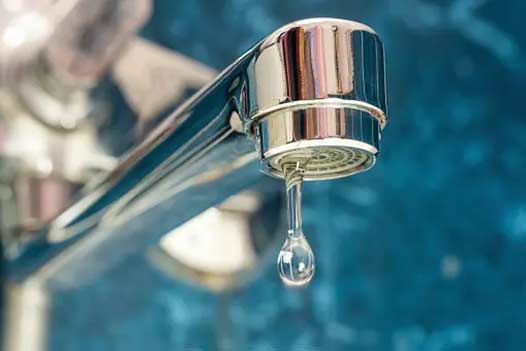
a dripping faucet that could use fixing.

Fluctuating water pressure can be a frustrating and strange plumbing problem. It can lead to weak showers, inconsistent flow, and other inconveniences.

Strange Plumbing Problem #6: Water Hammer

Water hammer refers to the loud banging noises that occur when a faucet or valve is abruptly closed. It can be both strange and disruptive. To address this problem, consider the following solutions:

  • Install water hammer arrestors: Water hammer arrestors are devices that absorb the shockwaves caused by the sudden stoppage of water flow. Adding these devices to the affected fixtures can help eliminate the banging noises.
  • Adjust water pressure: High water pressure can exacerbate water hammer. Check the water pressure using a pressure gauge and employ a pressure-reducing valve if necessary.
  • Secure loose pipes: Loose pipes can vibrate and create water hammer. Inspect your plumbing system for loose pipes and secure them with clips or straps to reduce the likelihood of water hammer.

In Conclusion

Strange plumbing problems may seem overwhelming at first, but with the right knowledge and troubleshooting techniques, you can effectively solve them. It is essential to identify the root cause of the issue and determine whether it can be resolved through DIY methods or requires professional assistance. By addressing strange plumbing problems promptly, you can prevent further damage to your plumbing system and maintain a comfortable and functional home.

Savvy Plumbing Tips to Save You Money

Savvy Plumbing Tips to Save You Money

Plumbing problems are probably the most frequent issue homeowners face in their homes, says EPM Iowa Property Management. That is because of the massive plumbing network in a modern house and because we use water for several things in the home.

These two factors markedly increase the chances of issues with a home’s plumbing. Also, unlike the electrical system that is also vast, water reacts very strongly with anything it touches. So there is a high possibility of corrosion in the system.

That being said, there are lots of things you can do to cut down on the amount of money you spend on your plumbing. In this post, we talk about eight tips all savvy homeowners can use to make their plumbing more resilient while saving money.

8 ways to save money on your home’s plumbing

Know the location of your main shutoff valve

That is the most vital first step for solving any situation where a burst pipe or broken appliance is dumping water into your home. Knowing how to shut off the water can make the difference between a hundred dollars versus one thousand dollars in repair costs. Not only should you know how to turn the water off, everyone in your home, including the babysitter, should know how to do this.

Learn how to use a plunger and auger

Fixing a clogged sink or overflowing toilet may look daunting at first glance, but like most problems in life, it is not as tough as it first appears. Every home should have two types of plungers; one for the sink and the other for the toilet. Knowing the difference between the two and how to use each one will save you a lot of trouble and money.

Know how to stop a running toilet

A running toilet can inflate your water bill by hundreds of dollars if you don’t solve it fast. This problem can also interfere with the operation of your toilet and make it harder to flush. Solving this problem is not hard; it’s just about identifying the damaged components (usually the flapper, fill valve, or flush valve) inside the tank and replacing them.

Flush your water heater by yourself

This is another superficially intimidating task that you can easily do yourself. Flushing a water heater improves its performance and also prolongs its life. We recommend that you flush the water heater at least once in two years (once a year if you have hard water). You can save the money you would have paid to a plumber if you learn to do this yourself (it takes less than an hour).

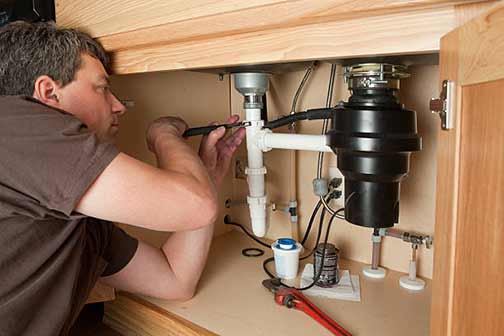
Unclog and reset your garbage disposal yourself

You can easily reset a jammed garbage disposal unit by pushing the red button at the bottom. Inserting a 1/4” or 5/16” Allen wrench into the hole at the bottom of the unit and working it back and forth vigorously will dislodge food particles that keep the impeller from turning. Don’t replace the garbage disposal until you have tried these quick fixes.

Never go cheap with plumbing parts

“The bitterness of poor quality remains long after the sweetness of a low price is forgotten.” The worst thing about using cheap parts or inappropriate components is that they fail and cause other problems that cost you more. When you use cheap components or mismatched parts, you don’t solve your plumbing problems, but you only give them time to get worse.

Replace your anode rod to save your water heater

The anode rod is called a “sacrificial anode rod” for a good reason. This metal rod stays inside the tank of your water heater. Its job is to keep the tank and its metal components from rusting. It does this by bonding to the iron electrons released by water to keep them from attacking the tank. In the first year of owning your water heater, you should replace the anode rod, and maybe every two years afterward. If not, you run the risk of needing a water heater replacement earlier than expected.

Always use a plumber for plumbing problems

With the right tools and patience, you can solve minor issues with your plumbing. However, once in a while, you will have significant plumbing problems beyond your abilities. For those kinds of issues, never use a handyman. Always make sure you hire a professional plumber to repair your plumbing issues. Using a non-professional will save you money at the moment but cost you more in the long term.

And that’s it for our eight tips to save money on your plumbing. But before we go, remember it is essential to know the difference between plumbing issues you can DIY and those that need an expert. Never try to fix a plumbing problem if that issue requires a professional.