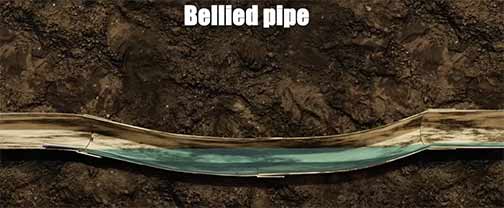
Here we will explain what sewer line bellies are, why they occur, and most importantly, how to effectively resolve them. Whether you are a homeowner experiencing issues with your sewer line or a curious individual looking to expand your knowledge, this article will provide you with valuable insights and practical solutions.
Understanding Sewer Line Bellies
Before we delve into the causes and solutions, let’s first establish what sewer line bellies are. A sewer line belly, also known as a sag or a dip, refers to a section of the underground sewer pipe that sags or forms a low spot. This deviation from the normal slope of the sewer line can trap wastewater and debris, leading to blocked drains, sewer backups, and potentially costly repairs.
The Common Causes
Now that we know what sewer line bellies are, let’s explore the factors that contribute to their occurrence. Understanding the root causes will not only help you prevent future issues but also aid in devising effective solutions. Here are some of the common culprits behind sewer line bellies:
Soil Shifting and Settlement
Over time, soil around and beneath the sewer line can shift or settle due to various factors, such as erosion, natural ground movement, or improper compaction during construction. This shifting or settlement can cause the sewer line to sink in certain areas, leading to bellies.
Aging Infrastructure
In many cases, sewer line bellies occur in older homes with aging infrastructure. As the sewer pipes age, they may deteriorate or weaken, making them more susceptible to forming bellies. Additionally, the materials used in older sewer systems, such as clay or cast iron pipes, can be less resistant to sagging than modern materials like PVC.
Heavy Weight or Pressure
If heavy objects or vehicles consistently pass over a particular section of the sewer line, it can apply significant pressure on the pipe. This excessive weight or pressure can cause the pipe to sag, leading to a belly formation. This is especially common in areas with heavy traffic or construction activities.

If you detect persistent unpleasant smells, it’s essential to investigate the cause, as it may be related to a belly in the sewer line.
Identifying Sewer Line Bellies
Recognizing the presence of a sewer line belly is crucial for timely intervention and prevention of further damage. Here are some signs that can indicate the presence of a belly in your sewer line:
Slow Draining Fixtures
If you notice that multiple drains in your home, such as sinks, toilets, or showers, are draining slower than usual, it could be an indication of a sewer line belly. The sag in the sewer pipe can impede the flow of wastewater, resulting in slow drainage throughout the house.
Unpleasant Odors
A belly in the sewer line can create a stagnant pool of wastewater, which can lead to foul odors emanating from drains or even outside your property. If you detect persistent unpleasant smells, it’s essential to investigate the cause, as it may be related to a belly in the sewer line.
Sewage Backups
One of the most severe consequences of a sewer line belly is sewage backups. When the flow of wastewater is hindered due to a sag in the sewer line, it can cause sewage to back up into your home or property. If you notice sewage coming up through drains or toilets, it’s crucial to address the issue promptly to prevent further damage and health hazards.
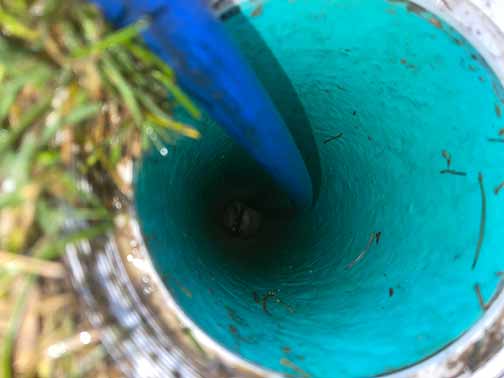
Hydro jetting can help restore the proper flow and efficiency of your sewer line, mitigating the effects of a belly.
Resolving Sewer Line Bellies
Now that we have a solid understanding of sewer line bellies and how to identify them, let’s explore the various methods to resolve this common plumbing issue. It’s worth noting that some solutions may be more suitable for minor bellies, while others may be necessary for more significant deformations. Here are some effective approaches:
Traditional Digging and Repair
In cases where the belly in the sewer line is severe or extends over a considerable length, traditional digging and repair may be the most appropriate solution. This method involves excavating the affected area, removing the sagging pipe, and replacing it with a new one. While this approach can be effective, it is often costly, time-consuming, and disruptive to your property.
Trenchless Pipe Lining
Trenchless pipe lining, also known as cured-in-place pipe lining (CIPP), is a popular and less invasive alternative to traditional digging. This method involves inserting a flexible liner coated with epoxy resin into the existing sewer pipe. The liner is then inflated and cured, forming a new, structurally sound pipe within the old one without the need for extensive excavation. Trenchless pipe lining is often a cost-effective and efficient solution for resolving sewer line bellies.
Hydro Jetting
Hydro jetting is a method used to clear blockages and buildup in sewer pipes, including those caused by bellies. It involves using high pressure water to blast away debris, sludge, and sediment from the interior of the pipe. Hydro jetting can help restore the proper flow and efficiency of your sewer line, mitigating the effects of a belly. It is important to hire a professional plumbing service to ensure the safe and effective execution of hydro jetting service.
Regular Maintenance and Inspections
Prevention is key when it comes to bellies within your sewer line. Regular maintenance and inspections of your sewer system can help detect potential issues early on, allowing you to take proactive measures to prevent belly formation. Professional plumbers can perform camera inspections of your sewer line, using specialized cameras to identify bellies, blockages, or other abnormalities.
In summary, sewer line bellies are a common plumbing issue that can lead to significant problems if left unresolved. By understanding the causes and signs of bellies in sewer lines, you can take timely action to address the issue and prevent further damage. Whether you opt for traditional digging and repair, trenchless pipe lining, hydro jetting, or regular maintenance, it’s essential to consult with a professional plumber to determine the most suitable solution for your specific situation. Remember, an ounce of prevention is worth a pound of cure when it comes to maintaining the integrity and functionality of your home sewer system.