Author Archives: Chicago Plumbing Experts

How To Avoid Plumbing Scams in Chicago

How To Avoid Plumbing Scams in Chicago

Every homeowner in Chicago needs to know how to avoid plumbing scams. There are, unfortunately, many plumbing scams in Chicago, and if you’re not careful, you could end up paying for unnecessary or inadequate services. To help you protect yourself and your wallet, here is an overview of some of the most common plumbing scams in the Chicago area, how to recognize them, and how to protect yourself from becoming a victim.

Plumbing Scams in Chicago

The most common type of plumbing scam in Chicago is when an unlicensed plumber claims to have the right qualifications and then charges significantly more than the job should have cost. Additionally, unlicensed plumbers often don’t provide the best quality of workmanship, which has the potential to cause more problems down the line. It is important to make sure that you are only dealing with a reputable, licensed plumber in Chicago.

Another option often used by scammers is to offer an estimate that is too low, and then when the work is completed, they will charge significantly more. This is called bait and switch. Researching companies before you hire them and getting detailed estimates in writing from any plumber you’re considering hiring can help protect you from being scammed in this way.

Irish Plumbers in Chicago

The Irish plumber is a stereotype in Chicago that is based in reality. Fake Irish plumbers often target elderly and vulnerable people in the Chicago area. They claim to be Irish, or from an Irish owned plumbing business, and may wear clothing that looks like an Irish uniform. Often, bogus Irish plumbers will try to get the job done quickly, without doing the necessary preparatory work, and will try to overcharge for any additional parts or labor.

To protect yourself from fake Irish plumbers, you must always make sure you check out any plumber you’re considering hiring before they start any work. Take the time to research them online and check if they are actually licensed, registered, and insured. Knowing the plumber’s company name and phone number can also go a long way towards protecting you, as you can look them up online and find more information that way.
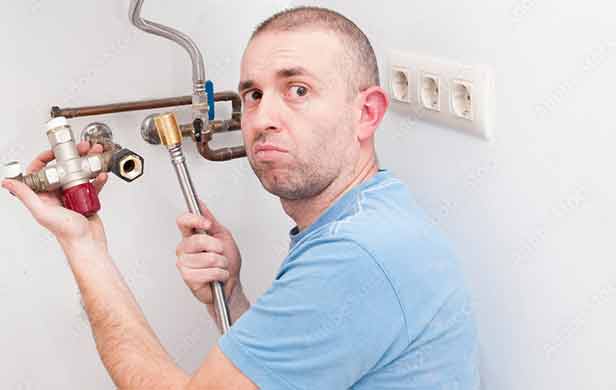
a man posing as an irish plumber in chicago.

It is essential to get a written estimate from your chosen plumber and agree on the work and cost before they begin.

Chicago Plumbing Fraud

Another type of plumbing fraud in the Chicago area is when a plumber charges a fee for services that were never provided. This can take the form of an inflated bill for an incomplete job, or for parts that were never purchased. It is essential to get a written estimate from your chosen plumber and agree on the work and cost before they begin. The same goes for any materials that need to be purchased.

If you suspect that you’ve been the victim of plumbing fraud, make sure to report it to the Illinois Department of Labor, as well as to the police department in your area. You should also contact the Better Business Bureau in your area and file a complaint with them.

In Summary

Protecting yourself from plumbing scams in Chicago doesn’t have to be difficult. The key is to do your due diligence and take the time to research any plumbers you’re considering hiring. Make sure they’re licensed and insured, and always get a detailed estimate in writing. Be suspicious of any plumbers who give you an offer that seems too good to be true. By taking the right precautions, you can protect yourself from plumbing scams and save yourself time and money and in turn help you find a legit licensed plumber in the Windy City.
Water Line Replacement in Chicago: Who is Responsible?

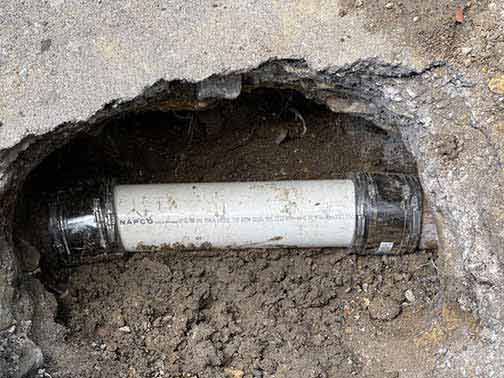
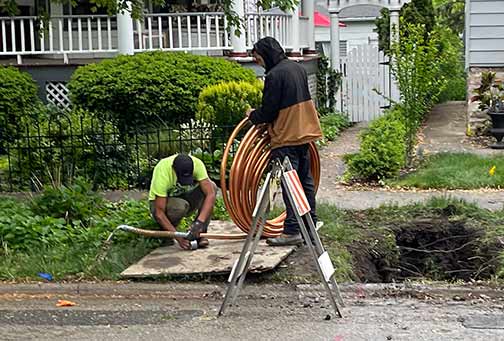
water line replacement in chicago.

Water Line Maintenance Chicago

Living in the city Chicago can be a struggle—literally and financially. Dealing with water line maintenance and repair can seem like an overwhelming task. After all, you don’t want to make mistakes that will cost you time and money. Understanding who is responsible for water line maintenance and repair can make the process much easier and less expensive.

When it comes to water line maintenance and repair in Chicago, it’s important to know who is responsible for the bill. In most cases, the homeowner is responsible for the cost of any water line maintenance and repair. This includes installation, repairs, or emergency visits by a water line repair company. The City of Chicago typically owns up to the street curb in front of a home, but the homeowner assumes responsibility for the total care of the water line.

It’s important to know that household piping—from the meter to the tap—is also the responsibility of the homeowner. This includes your main line, supply lines, flex lines, and occasionally even the meter. It pays to make sure your plumbing system is running efficiently and that you’re doing everything you can to prevent future problems from arising.

Chicago Water Line Installation

If the time has come for a full replacement of your water line, you’re likely asking who is responsible for replacing it and how you should go about it. The answer to this question depends on the situation. If your water main is broken, aged, has been damaged due to weather conditions, or is connected to an old lead line, the City of Chicago is responsible for its replacement. But, if your water line is being disconnected for cosmetic reasons or other reasons on the homeowner’s part, then the cost of water line replacement is the responsibility of the homeowner.

Water line installation is a job best left to a professional. A professional plumber can safely and efficiently install a new water line and make sure it’s up to code. If you want to avoid costly mistakes, it’s important to use a licensed, experienced plumber. Not to mention, it’s important to hire a licensed Chicago plumber because many municipalities require a permit for any underground excavation work.

Water Line Replacement Responsibility

Knowing who is responsible for lead water line replacement is the first step in getting the job done. But, it’s also important to be aware of the potential problems you may run into when replacing a water line. First and foremost, it’s important to understand that there is potential for future repairs. Any water line connection, regardless of whether it is newly installed or replacement, could potentially leak due to soil or ground movement. If this happens, the homeowner will be responsible for footing the bill for the repair.

Also, if you’re not doing the work yourself, you will need to find a qualified, insured contractor and obtain any required permits. Lastly, as a homeowner it’s important to ensure that your water line is replaced to code and up to the City of Chicago’s standards.

Replacing a water line in Chicago can be a costly and complex job. Be sure to understand the rules and regulations and know who is responsible for the cost of the project. Make sure to understand the potential for future repairs and potential permits that might be necessary. When it comes to water line replacement, knowledge is power and can save money and time.

Looking for the best water line repair or replacement service in Chicago? Call us at 773-599-9181 or contact us below!

How Does Hard Water Effect Residential Plumbing?

How Does Hard Water Effect Residential Plumbing

Hard Water Plumbing

For homeowners, hard water can present a unique set of plumbing-related problems. What is hard water? Hard water is water that contains higher-than-usual levels of minerals such as calcium and magnesium. This is usually caused by water being naturally exposed to certain rocks, sediment, and soils.

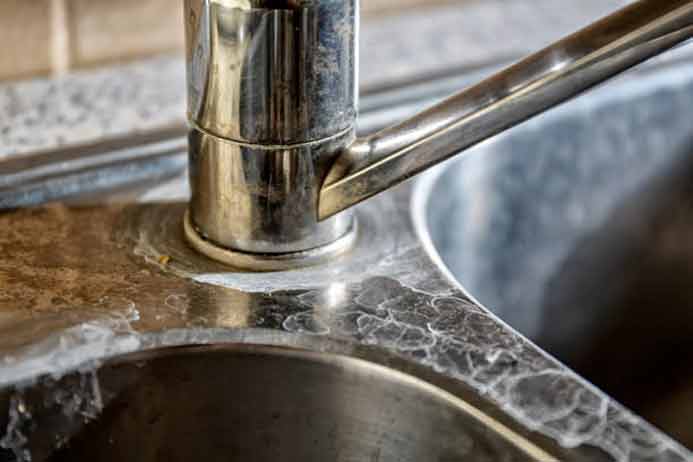
Hard water affects your plumbing system mainly in two ways. One, it can corrode pipes and fixtures, and two, it leaves soap scum and other mineral deposits that can build up and interfere with the proper functioning of the plumbing system or home appliances that utilize water.

The most common problem with hard water is its effect on pipe systems throughout the home. Generally, hard water does not cause major damage, but it certainly takes its toll on pipe systems over time, especially for pipes made of non-coated metals. Without protection from a chemical agent, the minerals in hard water can wear away and corrode the piping, causing eventual leaks and weakened pipes.

Plumbing Troubleshooting Tips

If you suspect you’re having problems with hard water, there are several steps homeowners can take to help safeguard their plumbing and appliances.

First and foremost, it’s important to act fast when it comes to potential problems. If you notice anything suspicious, look into it right away. Be sure to check the pipes in the entire home and don’t just concentrate on the ones that appear to be in good condition. Corrosion and mineral deposits can build up inside the walls of a pipe and be hard to detect.

It’s also important to have a local plumber take a look at the water supply and assess the situation. Not only can a plumber help to determine if you’re having problems with hard water in your home, but they can also provide suggestions for ways to minimize the risk of problems in the future.

One suggestion a plumber may make is to install a water softener. A water softener is a device that removes minerals from the water before it reaches the faucets, curtailing the harmful effects that hard water can have on your plumbing system.

Soap Scum Buildup

Another popular problem homeowners with hard water experience is the build-up of soap scum in fixtures and sinks. Soap scum is a sticky residue that forms when the minerals in hard water bind with the soap being used in the home.

The same minerals that form soap scum can also interfere with the soap itself, making it hard to form lather and further complicating the labor already needed to clean fixtures.

To help combat soap scum buildup, homeowners can use mild, acidic cleaners on bathrooms and kitchen fixtures to help dissolve the buildup. Additionally, switching out traditional soaps for body wash or detergents specifically designed for hard water can help.

Homeowners may also be able to lessen their hard water woes by investing in a water softener. As mentioned before, a water softener can help to reduce mineral content in the water, alleviating some of the common issues associated with hard water.

Hard water can be a challenge for homeowners, but it doesn’t have to be an impossibility to deal with. With a bit of troubleshooting and perhaps an investment in a water softener, homeowners can put their hard water woes behind them.

Water Pipes Knocking: Everything Homeowners Should Know

Water Pipes Knocking

Most times, the water pipes in your home will do their work without making any noise. Even if the pipes vibrate slightly as water flows through them, the sounds they make are often not loud enough to be heard. But sometimes, your water pipes will make clanging or knocking sounds that are both abnormal and annoying.

Why do the water pipes in a house knock? 

McCourt Real Estate Management says there are several reasons why the pipes in your home might sound like a mischievous ghost is playing with them. But thankfully, all of those reasons are due to everyday plumbing issues that can be resolved fairly quickly. Below you will find six reasons why water pipes knock and what to do about the problem.

6 reasons why your water pipes knock and how to solve them

Loose pipes fittings

This is the most common reason why pipes knock and also the one that is easiest to fix. The pipes in your home, especially pipes that carry hot water, can detach from their holding straps. When this happens, the pressure of the water traveling through the pipes can cause them to move and knock against a wall or other pipes in their vicinity. To solve this problem, simply attach the pipes to a nearby stable object like a beam or support it with insulated pipe clips. If the pipe is inside a wall where you cannot reach it, pack the space around its exit and entry points with foam or a soft pad.

Air inside the pipes

Pipes will also knock if there are pockets of air locked inside them. Due to variations in the water pressure, the air inside these pipes will cause them to shake and clang. To solve this problem, turn off the water supply to your home from the mains. Open all the faucets in the house, including external faucets and water hoses. Leave them open until all the water in them drains out. After the trickle of water stops completely, close all the faucets and hoses, and turn the water on slowly. That should get rid of any air inside the pipes. 

pipes banging against masonry.

Pipes knocking against the masonry

Pipes will knock if they are too close to the masonry. That can happen even if the pipe fittings are in place. To solve this problem, here is what you should do. Wedge a piece of hardwood between the pipe and masonry. The wood should fit tightly to keep it from falling. You can ensure this by bolting the pipe to the wood with a u-strap. Another way to solve the problem is to encase the pipe with rubber or cotton batting to muffle the knocking sounds. You can also slit a piece of hose and use it to wrap the pipe.

Water hammers

A water hammer is a loud hammering noise caused by a sudden change in the direction or rate of flow of water. Water hammering mostly happens when the water supply is shut off suddenly, such as when a toilet valve is turned off swiftly. The solenoid switches in your dishwasher, washing machines, and ice maker can also cause water hammers when they turn off the water suddenly instead of gradually. You can solve this problem by installing a water hammer arrestor in your home. But since this is a more complicated issue than the ones mentioned above, it is a good idea to talk to your plumber.

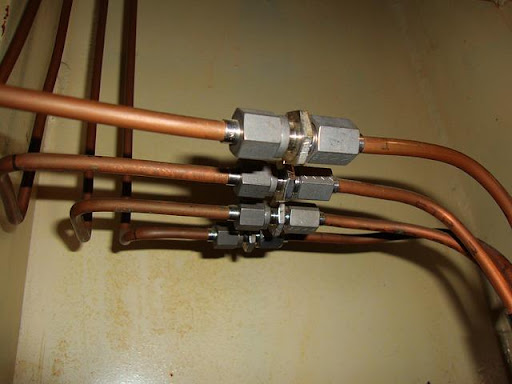
copper water lines.

Copper pipes

As a rule, hot water pipes are more likely to knock than cold water pipes. But metal pipes are also more inclined to knock. The knocking tendency of copper pipes increases when hot water passes through them. The heat causes the pipes to expand and rub against anything near them. One way to solve this problem or reduce its severity is to lower the temperature setting on your water heater. It will keep the pipes from heating up and expanding too much. However, if this is not an acceptable solution, your next option is to talk to your plumber about the issue.

Sediment buildup inside the water heater

This is the most unexpected cause of knocking pipes. This type of knocking can happen when water is not even running in the pipes; typically in the morning or evening. The culprit here is sediment that has built up inside your water heater. Steam bubbles that are trapped under this sediment will force your plumbing to make a knocking sound as they escape. The simple way to get rid of the problem is to flush the water heater. Water heaters should be flushed once or twice a year.

Getting the pipes in your home to stop knocking is easy if you can identify the origin of the problem. But if after doing the steps above, the problem persists, there may be a deeper issue with your home’s plumbing. In that case, your next best step is to get a professional plumber to do a thorough sewer camera inspection of your home.

Signs of a Problem With Your Sewer Lines

Signs of a Problem With Your Sewer Lines

Every single day, you and everyone in your home interact with the home’s drainage systems. When you wash something in the sink, shower, use the toilet or run a water-utilizing appliance, you are relying on your home’s drainage system to do its work.

As long as water flows out of the shower or sink and the toilet flushes after you finish “your business”, you may not care about how the system you just used works. We usually don’t pay attention to our home’s drain system until it stops working.

But drain problems are one of the worst problems to have in your home; J. Butler Management warns they can disrupt the entire home and cost you thousands of dollars to fix. That is why it is essential to know how your drains work, what can go wrong with them, and how to detect those problems early.

Your home’s drain system comprises a vast network of pipes with hundreds of components. Based on their function, this system can be divided into two major parts. On one hand, you have drains that catch wastewater before conveying it to the home’s main sewer line.

On the other hand, there is your home’s main sewer line. That is the link between the many drains in your home and the municipal sewer line in the street. Your main sewer line is the last leg of your home’s drainage system. If it fails, the entire drainage system will fail with it.

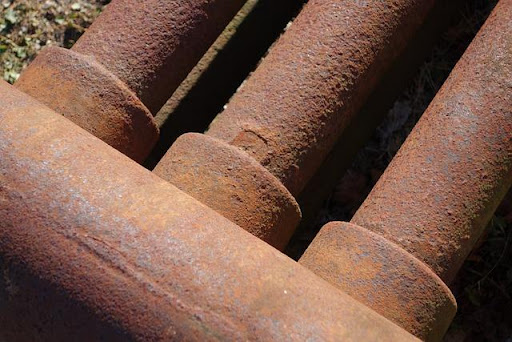
rusted out sewer lines.

What can go wrong with your main sewer line?

The main sewer line for your home does not fail easily. It is built with sturdy materials that last a long time. But it can still have problems, such as:

  • Rusty or corroded pipes
  • Tree root infiltration
  • Sewer line backup
  • Clogs caused by grease inside the sewer line
  • Pipe displacement due to soil-shifts

Is there a problem with my main sewer line?

Given that the main sewer line is buried in the ground, how can you tell when there are issues with it? The best way is to know the telltale signs that something is going wrong with your sewer line. What are the signs you should look out for?

Multiple drains are showing problems

If only one drain in your home is experiencing problems – say, a shower drain or toilet – it is alright to assume that the problem is from that specific drain and not the main sewer line. But if more than one drain is experiencing problems at the same time – typically a floor drain and the toilet – the issue is, in all probability, from the main sewer line.

Gurgling sounds from your drains

Drains make a gurgling sound when the air inside drain pipes is displaced by incoming water, but that air has nowhere to go. This trapped air then forces its way out of the pipe in the same direction as the water is coming from. Drains make gurgling sounds when there is a blockage inside the main sewer line.

Water moves inside the toilet bowl

If the water inside a toilet bowl moves when a nearby drain is used, you may want to check your sewer line for problems. That mostly happens when a large volume of water is discharged into the drainage system: such as when you use the washing machine or release water from a bathtub.

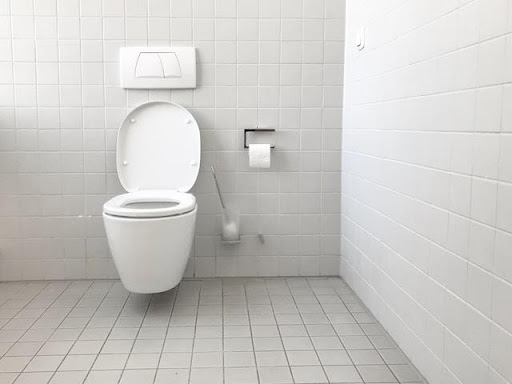
a bathroom toilet.

Foul odors in the home

The smell of sewer gases in or around your home is a sure sign of problems with your main sewer line. Sewer lines convey bad-smelling materials, but those odors cannot find their way into the home if the sewer line is clear. Sewer gas odors mean a blockage or leak in the sewer line.

Strangely-lush patches of grass

Lawn grass will have the same level of greenness if all parts of the lawn get the same amount of water and fertilizer. But if one part of the lawn is greener than the others, it is usually because it is getting nutrients from somewhere else. In most cases, it is accessing nutrient-rich sewage from the house through a leak in your main sewer line.

Sudden trouble with pests

A sewer leak serves as a source of rich food for insects and worms. Other creatures that want to feed on those worms and insects, such as rodents and reptiles will also be drawn to your home. If there is a sudden spike in the number of cockroaches and other insects around your property, it could be because your main sewer line is broken and needs repair.

The health of your main sewer line is essential to the function of your home’s drainage system. Keeping this system in good condition is vital to the well-being of your family. The best way to do this is to avoid any of the signs mentioned above.

How do you do that? Annual camera inspection of your sewer line, along with routine maintenance of the system is the best way to avoid sewer line problems and save yourself the high cost of fixing a broken or clogged sewer line and its attendant damage.

How to Diagnose and Repair a Sewage Ejector Pump

How to Diagnose and Repair a Sewage Ejector Pump

Sewage pumps are essential in many homes, as they are responsible for removing wastewater from the home. When these pumps are not working correctly, it can lead to a lot of problems in the home. In order to diagnose and repair a sewage ejector pump, there are a few steps that need to be taken in order to ensure that the pump is functioning correctly.

Common Sewage Ejector Pump Problems

When it comes to sewage ejector pumps, there are a few common issues that homeowners may experience. One of the most common issues is clogging. Clogging can occur when there is an issue with the pump’s impeller or when debris has become lodged in the pump. This can lead to the pump not being able to move the wastewater out of the home, resulting in sewage backups and flooding. Another common issue is a broken motor, which can be caused by overworking the pump or a buildup of debris in the motor.

Tips on Sewage Pump Repairs

  • In order to repair a sewage ejector pump, the first step is to check the impeller. The impeller is the part of the pump that moves the wastewater out of the home. If the impeller is clogged or broken, it will need to be replaced. To do this, the pump will need to be removed from the sewage line. Once the pump is removed, the impeller can be checked and replaced if necessary.
  • The next step is to check the motor. If the motor is broken, it will need to be replaced. To do this, the pump will need to be removed from the sewage line and the motor will need to be taken apart and replaced. It is important to remember to check the wiring and connections for any damage as well.
  • If the pump is still not working correctly, it may be time to inspect the sewage line for any blockages or debris. If there are any blockages or debris, it will need to be removed in order to ensure that the pump is able to function correctly.

Repairing a Sewage Ejector Pump

Once the pump is repaired, it is important to remember to regularly maintain it in order to ensure that it is functioning correctly. Regular maintenance should include checking the impeller and motor as well as cleaning the pump and the sewage line. This will help to ensure that the pump is working properly and will help to prevent any future issues.

It is also important to remember to replace the ejector pump when necessary. These pumps are designed to last for a certain amount of time and if they are not replaced when necessary, it can lead to further damage and malfunctioning of the pump.

In Conclusion

In conclusion, diagnosing and repairing a sewage ejector pump can be a complicated process. However, with the right steps, it is possible to ensure that the pump is functioning correctly and that any problems are addressed quickly and efficiently. By regularly maintaining the pump and replacing it when necessary, homeowners can ensure that their pump is working properly and that wastewater is being removed from the home safely and efficiently.

Why Are Spring Floods So Dangerous and How to Prevent Them?

Why are Spring Floods so Dangerous and How to Prevent Them

How to prevent spring floods you ask? Flooding from natural events is currently rated as the most dangerous natural disaster in the USA. Although most people tend to associate flooding with events like hurricanes, most floods result from everyday things like rain and snowmelt.

Even in the absence of extreme weather, there’s a flooding event in one part of the USA at least 8 out of 10 days every year. Many of these are flash floods, most of which happen in Spring. A third of US states face an increased risk of flooding with the onset of Spring.

Why is there a higher rate of flooding during Spring?

It is due to the following reasons: rapid snowmelt caused by quickly rising spring temperatures, saturated soils that are unable to absorb the amount of runoff from spring rains, and increasing volumes of rainfall across the entire USA over the last century.

Keyrenter Boise warns, these factors multiply the possibility that most American homes will suffer the ravages of flooding at least once a decade. How do Spring floods affect your home, why are they so dangerous, and how can you protect yourself?

Why Spring floods are so dangerous

Most Spring flooding falls under the category of flash floods. This is flooding that happens unexpectedly as a result of heavy precipitation, usually a short spell of intense rainfall. The average timeframe it takes a flash flood to develop is less than six hours.

Each year, Spring floods cause billions of dollars worth of damage. More than 40% of businesses and 20% of homes affected by them never fully recover. That is why they are viewed as the most destructive natural disaster and the number one cause of death due to weather events.

The primary danger of Spring floods lies in their sudden and violent nature. Also:

  • They are highly unpredictable, and the water current is unusually strong.
  • They are very deceptive; often faster flowing and deeper than they appear.
  • They carry tons of debris that exponentially increase their power to do damage.
  • They can wash away topsoil, heavy vehicles, roads, train tracks or even bridges.
  • Flash floods will easily expose your home’s foundation, as well as damage its interior.

Is there a way to protect yourself and your home from Spring flooding?

How to prevent Spring flooding

Make your home ready before Spring arrives

Don’t wait until the first rains before you remove the debris lying in your yard or hiding in gutters. As soon as temperatures start to go up, it is time to start taking steps to make sure your home is not vulnerable to Spring floods.

landscaping on a home that is on a slope.

Grading the landscaping around your home can help keep floodwaters away from the house.

Grade your landscaping

Water always flows from high to low ground; even flash floods follow this simple law of physics. Grading the landscaping around your home can help keep floodwaters away from the house.

Install sump pumps and maintain them

Sump pumps protect your home and below-grade portions of the house from flooding. They do this even when you are asleep. Test your sump pump at the beginning of Spring and install a battery backup sump pump system, just in case there is a power outage.

Grow a lush lawn that can absorb water

A lawn populated by plants with deep and robust root systems will help to protect your home from flooding. That is because the soil acts like a sponge, quickly soaking up water that falls on it and transporting it away from the surface.

Install a rain garden

Rain gardens are surface systems for holding water. They collect runoff from heavy rainfall and give the soil time to slowly soak up the excess water. They not only save your home from flooding but also beautify the property.

planting tress helps flooding.

Homeowner’s insurance typically does not include damage by Spring floods. Several homeowners don’t know this until after their home is devastated by a flood.

Grow trees to stop flooding

By catching raindrops on their leaves and branches, trees reduce the amount of rainwater that gets to the soil. In the event of flooding, tree trunks also help to slow floodwaters and reduce the damage they cause. Tree roots also increase the rate at which soils absorb water.

Give the water somewhere to go

It can be as simple as removing debris from the yard, so it doesn’t end up inside the drains. It can mean not doing things that cause blockages inside storm water drains and your home’s main sewer line.

Get the right insurance coverage 

Homeowner’s insurance typically does not include damage by Spring floods. Several homeowners don’t know this until after their home is devastated by a flood. Buying flood insurance will protect your home and give you peace of mind. 

It is a good idea to thoroughly assess the building and determine its vulnerabilities if you want to make your home completely safe from flooding. A plumber with experience in flood control systems can reduce your home’s exposure to spring flooding by identifying the building’s weaknesses and recommending the right solutions for the problem. 

If you live in an area where the homes are at a higher risk of flooding or your house has been flooded in the past, a French drain installation can help you avert future flooding incidents by designing a comprehensive flood-protection solution for your property.

Stop Yard Flooding in Its Tracks with a French Drain

Stop Yard Flooding in Its Tracks with a French Drain

Stop Yard Flooding in Its Tracks with a French Drain 

Damaged landscaping, increased risk of lawn disease, mosquitoes in the yard or water draining from your yard into your neighbor’s property; are just a few of the problems you get from having standing water in your yard. This flooding doesn’t have to be massive to cause major issues. Just one inch of water in the yard can cause you more than $25,000 worth of damage.

What causes yard flooding?

To prevent flooding caused by rainfall, Sage Property Management explains most homes are built in a way that allows runoff to be directed toward the front of your house, so it can be channeled safely to the city’s stormwater management system. For most homes, this design works perfectly. But, if the slope in your yard is not sufficient to let rainwater runoff, there will be flooding around the house.

If your home regularly experiences incidences of yard flooding, what can you do about it?

French drains: the best way to protect your yard from flooding

There are many ways to prevent or minimize floods in your yard. But the most effective solution is to have a French drain installed on your property.

French drains are preferred to any other method because:

  • French drains are the most versatile solution for the long-term management of yard flooding.
  • The practical, highly affordable and reliable, whether used for flood response or yard drainage.
  • French drains can last 30-40 years, and they won’t alter the aesthetics of your property.

What is a French drain? How do they work, and how can you install one in your yard?

Installing a French drain

In simple terms, a French drain uses gravel and perforated/corrugated pipes to direct water from higher to lower ground. It is a trench dug in the area of your yard with the most flooding issues. This trench contains a perforated pipe, wrapped in water-permeable fabric and encased with a layer of stone or gravel before being covered with soil.

After heavy rainfall, excess water that collects in the yard will find its way into the French drain before being moved to a location where it won’t cause problems. This water percolates downward through the soil under the pull of gravity until it is drawn into the French drain, flowing through spaces in the layer of gravel and the pores of the water-permeable fabric.

To install a French drain in your yard, you need the following:

  • Landscape fabric: For the best results, use non-woven geotextile fabric that weighs 4 ounces per square yard (minimum). Make sure the fabric is designed for drainage and not for separation.

  • Stones or gravel: Avoid rounded stones; angular stone or gravel with particle size ranging from 3/4 – 2 1/2 inches is best. Base gravel #3 will work for most installations.

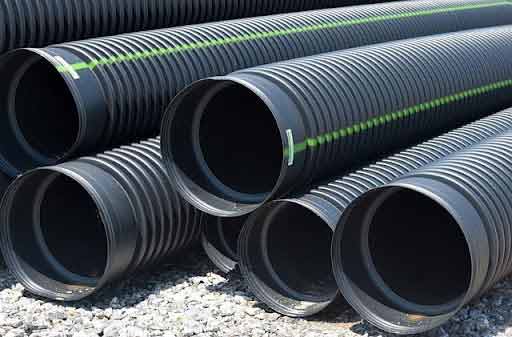
  • Drainage Pipe: 4-inch perforated PVC or 4-inch perforated corrugated plastic are the two most-used materials. If you need to go around corners, use a corrugated pipe.

  • Catch basins: These make it easy to clean the French drain.

To install the French drain, follow these steps:

  • Decide where you want the water to go. Remove about 3 inches of sod from the area where the trench will be. Lay this aside to be reused when you complete the trench.

  • Dig the trench using a shovel or mini excavator with a 12-inch bucket. The trench should be around 10-18 inches deep (shallow at its beginning and deeper as the slope increases).

  • The trench should slope at 1 inch for every 8 feet to ensure it directs water downhill. You can verify this by measuring the trench with a hand level or a rotary level.

  • Flatten the bottom of your trench with a hand tamper. Lay the fabric over your trench with the edges falling over the sides of the trench. 

french drainage tile before being installed.

  • Place the pipe inside the trench, on top of the fabric. If there are more than 100 feet of trench, join the pipe sections with pipe connectors and waterproof tape.

  • Install your catch basin to serve as easy-to-reach cleanouts for the French drain at every 100 feet interval or shorter.

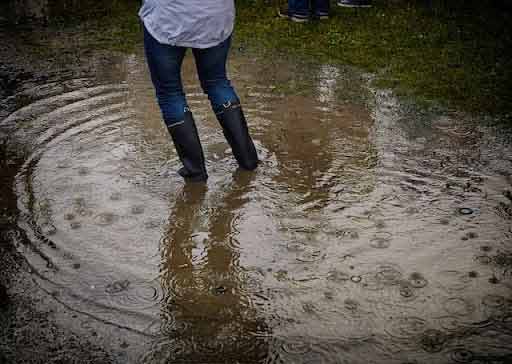
a puddle from flooding.

  • Backfill the trench with gravel, and ensure there is gravel around the sides of the pipe and 4-6 inches of gravel on top. The more gravel you have in the trench, the better.

  • Wrap everything by pulling the edges of your fabric so they overlap on top of the gravel. You may use duct tape to secure those edges.

  • Lastly, backfill the trench with soil and replace the sod you removed at the beginning.

Finally, is this a project you can do on your own? The answer is YES and NO. Yes, because you should not have any difficulties following the instructions above. No, because you can damage utility lines when digging the trench or expose your home to foundation issues. That is why it’s always a good idea to talk to an expert before you install a French drain on your property.

Frequently Asked Questions About Ejector Pumps

Frequently Asked Questions About Ejector Pumps

What is an ejector pump? Is it the same thing as a sump pump? If I already have a sump pump in my home, do I need to install an ejector pump too? These are a few of the questions homeowners ask about ejector pumps, and in this post, we answer all of them.

What is an ejector pump?

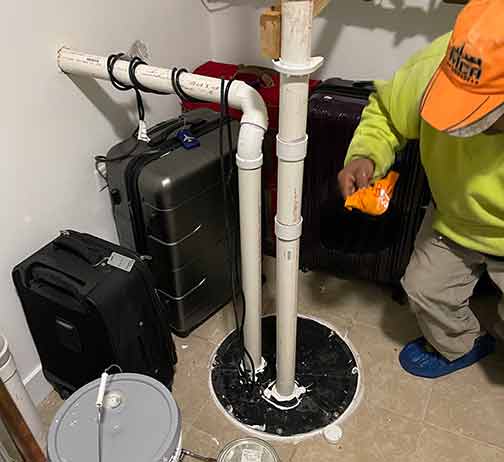
An ejector pump is a compact appliance used to pump wastewater from a home’s drains into the main sewer line. Keyrenter Oklahoma City team explains, it is a sewage pump system designed to collect wastewater from below-grade drains and lift it to where it easily flows into the sewer. Ejector pumps can collect wastewater only or a combination of wastewater and sewer water.

How does an ejector pump Work?

The operation of an ejector pump is simple. Firstly, water from below-grade plumbing fixtures in the home drains into a sealed underground pit in the basement. Discharge pipes from the fixtures slope into the sides of the basin, allowing their content to easily slide into the pit. This waste is then moved to a higher elevation by an automatic pump installed inside the pit.

When is an ejector pump needed?

Plumbing systems, from inception, have always relied on gravity to move wastewater from the home to the municipal sewer lines or a septic tank system. But this system only works when wastewater is moving from a high elevation to a low one. In homes where the plumbing fixtures are below-grade level, this system will not work. In such cases, the plumbing needs help to move wastewater from below-grade parts of the home into the sewer line. That is what an ejector pump does.

What’s the Difference between a sump pump and an ejector pump?

weighing out some questions.

Sump pumps and ejector pumps have a lot of things in common but serve completely different functions. Similarities between the two include; both systems being housed in a pit located in the basement or crawlspace; they both help move water from inside the home to the outside, and they do this with the help of automatic pumps. But there are also a lot of vital differences between sump pumps and ejector pumps.

  • Sump pumps: Sump pumps help to prevent flooding. They handle water coming into the home from the outside. It can be groundwater that infiltrates the basement or runoff that ends up in the basement after flowing over the ground. Water removed by a sump pump is discharged at a point outside the home, in the yard or into a storm sewer.

  • Ejector pumps: Ejector pumps handle water from plumbing fixtures or water-utilizing appliances inside the home. Unlike sump pumps which are designed to only work during emergencies, ejector pumps are expected to work at intermittent periods throughout the day. Unlike the sump pump where the pit is often open, the lid of the ejector pump is completely sealed.

What are the different types of ejector pumps?

Although there are many different types of ejector pumps, most residential and light commercial pumps can be divided into two major categories: sewage ejector pumps and sewage grinder pumps.

Sewage ejector pumps: These are high-volume/low-pressure submersible pumps that do not have grinding blades. They are designed to handle solids of no more than 2’’ in diameter. They draw sewage into the system through the bottom via a spinning mechanism. Their motors range in size from 4/10 – 2 HP.

Use this type of ejector pump if:

  • Pumping sewage to a short distance of 750 feet or less.
  • You have a short vertical distance – under 70 feet – to lift sewage to.
  • You are pumping to a gravity sewer main.
  • You are pumping sewage to a septic tank system.

Sewage grinder pumps: These low-volume/high-pressure submersible pumps are designed to handle solids. They have cutting blades that grind raw sewage and reduce it to a slurry. Sewage grinder pumps can pump at pressures of up to 60 P.S.I. Their motors range from 2 HP and over.

Use this type of ejector pump if:

  • You are pumping to a very long distance of 750 feet or more.
  • You want to lift sewage to a high vertical distance (20-30 feet minimum).
  • You are pumping to a pressurized sewer main.
  • You are only pumping to the city sewer.

How do I keep my ejector pump in good shape?

To protect your ejector pumps, please observe the following rules:

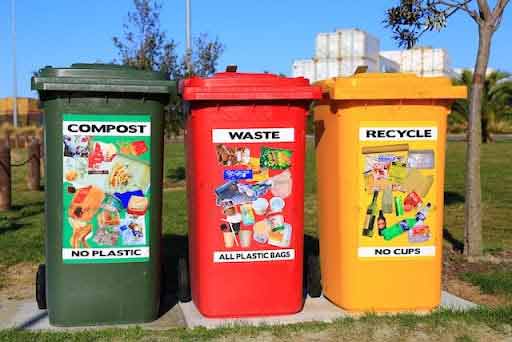
a row of garbage bins.

  • Do not dump metal, plastic, baby wipes, sanitary napkins, rubber gloves, dental floss, condoms or cotton into the system.

  • Keep grease, oils and fat out of the system.

  • Schedule periodic inspections and maintenance for your ejector pump.

Finally, does your home need a sewage ejector pump? The groundwork you do before you add an ejector pump determines the effectiveness and longevity of the system. Before you decide to install an ejector pump in your home, talk to us for a thorough needs assessment of your home.

This step will help ensure you get the most value for every dollar you spend on your ejector pump.

How Often Should a Septic Tank Be Pumped Out

How Often Should a Septic Tank Be Pumped Out

Septic tanks are a major component of any home’s wastewater system. Proper maintenance and cleaning of your septic tank is essential to ensure optimal performance and a long life. Knowing when and how often to have your septic tank pumped out is a key part of keeping your system working properly.

Septic Tank Cleaning Intervals

The frequency of septic tank cleaning depends on several factors, such as the size of the tank, the number of people in the home, and the amount of wastewater the tank is receiving. Generally, septic tanks should be cleaned every three to five years. However, if your home produces a high volume of wastewater or has a larger tank, it may need to be cleaned more often.

It’s also important to remember that, even if you don’t pump out your tank on the regular schedule, you should still check it regularly for signs of sludge buildup or other problems. A qualified septic service can help you determine if your tank needs to be pumped or serviced in any way.

Septic Tank Emptying Schedule

When it’s time to pump out your septic tank, you’ll need to find a qualified septic service to do the job. It’s important to hire a professional, as the pumping process can be dangerous if not done correctly.

Once the septic tank is pumped out, the service should provide you with a detailed report detailing the levels of sludge and scum in the tank and any other problems they may have encountered. This report can help you determine if your tank needs to be serviced more frequently.

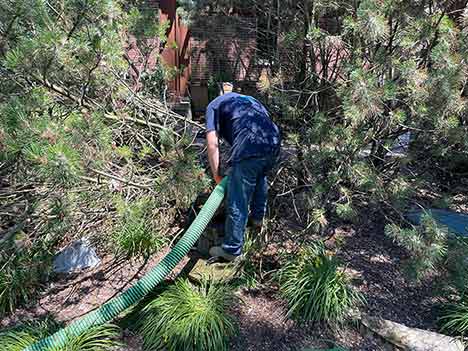
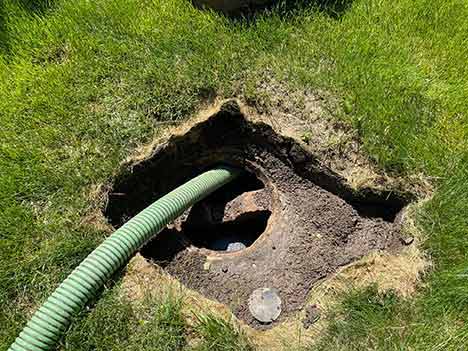
a septic tank pumping in homer glen il.

Proper maintenance and cleaning of your septic tank is essential to ensuring its long life and optimal performance.

Septic Tank Maintenance Timing

In addition to regular septic tank cleaning and pumping, there are a few other things you can do to ensure your tank stays in good shape. First, you should avoid putting harsh chemicals, such as bleach, into your septic system. These chemicals can kill off the beneficial bacteria in the tank and cause a clog.

You should also be sure to spread out your usage of water, as this can help reduce the amount of wastewater flowing into the tank. Lastly, you should watch out for signs of a clog or other problems, such as foul odors or slow drainage.

Proper maintenance and cleaning of your septic tank is essential to ensuring its long life and optimal performance. Knowing when and how often to pump out your septic tank is a key part of keeping your system working properly.

Generally, septic tanks should be cleaned every three to five years, although this may vary depending on the size of your tank and the amount of wastewater it is receiving. In addition to regular cleaning and pumping, it’s also important to avoid putting harsh chemicals into your septic system, spread out your water usage, and watch out for signs of a clog or other problems. By taking these steps, you can help ensure your septic tank is working properly for years to come.