Author Archives: Chicago Plumbing Experts

Does My Homeowner’s Insurance Cover Sewer Line Repairs?

Does My Homeowner’s Insurance Cover Sewer Line Repairs

As a homeowner, it’s important to understand what your insurance policy covers and what it doesn’t. One concern many homeowners have is whether their insurance covers sewer line repairs. Sewer line problems can be costly and inconvenient, so it’s essential to know what to expect when it comes to filing an insurance claim for sewer line repairs.

What Causes Sewer Line Problems?

Sewer line problems can be caused by a variety of issues, including tree root intrusion, pipe corrosion, and blockages caused by foreign objects. Unfortunately, many homeowners are not aware of the problem until it becomes a major issue, such as sewage backup in their home, slow drainage, and foul odors.

Does Homeowner’s Insurance Cover Sewer Line Repairs?

The answer to whether or not your homeowner’s insurance covers sewer line repairs can vary depending on the type of policy you have and the cause of the sewer line problem. Generally, standard homeowner’s insurance policies do not cover sewer line repairs.

However, some insurance companies offer additional coverage specifically for sewer line repairs. This coverage is often called “service line coverage” or “sewer backup coverage.” If you have this type of coverage, you may be able to file a claim for sewer line repairs.

Service Line Coverage

Service line coverage typically covers repairs for your home’s service lines, including water, sewer, and gas lines. This coverage can be added as an endorsement to your homeowner’s insurance policy for an additional premium.

While service line coverage is not included in most homeowner’s insurance policies, it can be a valuable addition to your insurance policy. Without this coverage, residential sewer line repairs can cost homeowners thousands of dollars.

Sewer Backup Coverage

Sewer backup coverage, also known as sewage and drain backup, typically covers water damage caused by a backup in your home’s sewer system. This coverage can help pay for the cleanup, repair, and replacement of damaged property caused by the backup.

However, it’s important to note that some insurance companies may not offer sewer backup coverage as a stand-alone policy and may require you to purchase it as an endorsement on your homeowner’s insurance policy.
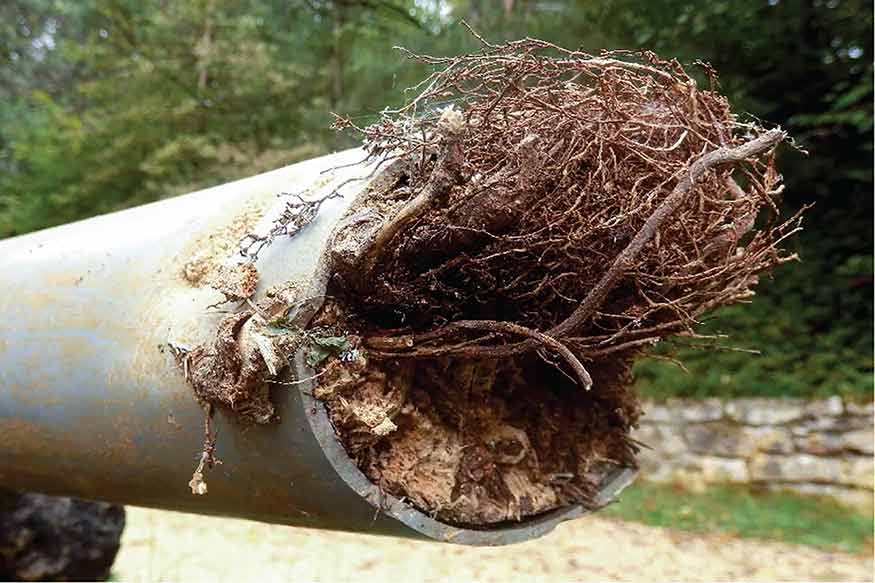
tree root intrusion.

What Does Service Line Coverage Typically Cover?

Service line coverage typically covers repairs to your home’s service lines caused by the following issues:

  • Normal wear and tear
  • Corrosion
  • Tree root intrusion
  • Freezing
  • Mechanical breakdowns

It’s important to note that service line coverage usually does not cover repairs caused by neglect, intentional damage, or war and terrorism.

What Does Sewer Backup Coverage Typically Cover?

Sewer backup coverage typically covers water damage caused by a backup in your home’s sewer system. This can include the following:

  • Damage to floors, walls, and ceilings
  • Damage to personal property
  • Costs associated with cleanup and restoration

However, it’s important to note that sewer backup coverage may have limits and exclusions, so it’s important to review your policy carefully to understand what is covered and what is not.

In conclusion, homeowner’s insurance policies typically do not cover sewer line repairs. However, if you have service line coverage or sewer backup coverage, you may be able to file a claim for repairs. It’s important to review your policy carefully to understand what is covered and what is not. If you are unsure, you should contact your insurance company for clarification and to discuss your coverage options.
Why You Should Install a Water Filtration System in Your Home

Why You Should Install a Water Filtration System in Your Home

As a homeowner, it is important to ensure that the water that you consume is clean and safe. You may rely on your local water supplier to provide you with safe drinking water, but are you aware of the contaminants that may still be present in your tap water? Installing a water filtration system in your home can help to ensure that the water you consume is of the highest quality.

What is a Water Filtration System?

A water filtration system is a device that is installed in your home to filter out impurities from your tap water. These impurities can include chemicals, minerals, sediment, and microorganisms. A water filtration system can be installed at the point of entry, where the water enters your home, or at the point of use, where the water is consumed.

Why You Should Install a Water Filtration System

There are several key reasons why you should install a water filtration system in your home:

1. Improved Taste and Odor

One of the most noticeable benefits of a water filtration system is improved taste and odor. Tap water can often have a musty or metallic taste, which can be improved through filtration. A water filtration system can also remove odors and improve the taste of your drinking water, making it more enjoyable to consume.

2. Healthier Drinking Water

While tap water is generally safe to drink, it can still contain contaminants that can affect your health. A water filtration system can remove these contaminants, ensuring that the water you consume is healthier for you and your family. Some of the contaminants that can be removed through filtration include chlorine, lead, pesticides, bacteria, and viruses.

3. Cost Savings

While a water filtration system may seem like an additional expense, it can actually save you money in the long run. Buying bottled water can be expensive, and using a water filtration system can help to reduce your reliance on bottled water. Additionally, a water filtration system can help to prolong the life of your appliances and plumbing by reducing the buildup of minerals and sediment.

4. Environmental Benefits

Bottled water consumption has a significant impact on the environment, with millions of plastic bottles ending up in landfills each year. By installing a water filtration system in your home, you can reduce your reliance on bottled water, contributing to a more sustainable future.

Types of Water Filtration Systems

There are several types of water filtration systems available, each with its own unique benefits:

Activated Carbon Filters

Activated carbon filters are the most common types of water filtration systems. They work by adsorbing impurities from the water, trapping them in the filter. Activated carbon filters can remove chemicals, such as chlorine and pesticides, as well as improve the taste and odor of your drinking water.

Reverse Osmosis Systems

Reverse osmosis systems are more complex than activated carbon filters. They use a combination of carbon filters and a semi-permeable membrane to remove impurities from the water. Reverse osmosis systems can remove a wide range of contaminants, including minerals, bacteria, viruses, and heavy metals.

Ultraviolet Systems

Ultraviolet systems use UV light to kill bacteria, viruses, and other microorganisms in your water. They are often used in combination with other filtration systems, such as activated carbon filters, to provide comprehensive water treatment.

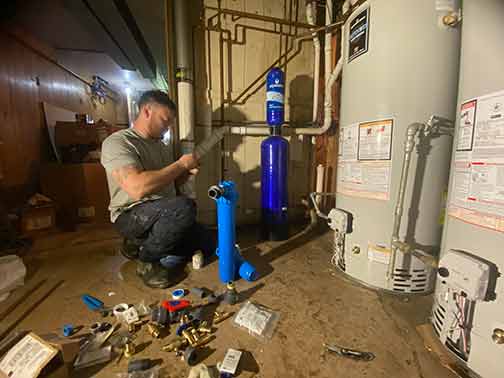
a water filtration system.

Installing a water filtration system in your home can provide numerous benefits, including improved taste and odor, healthier drinking water, cost savings, and environmental benefits.

Choosing the Right Water Filtration System

When choosing a water filtration system for your home, it is important to consider your specific needs and budget. Some factors to consider include:

  • Contaminants in your water: Knowing what contaminants are present in your water can help you choose the right filtration system.
  • Certifications: Look for filters that have been certified by the National Sanitation Foundation (NSF) to ensure that they meet certain quality standards.
  • Cost: Water filtration systems can vary in cost, from simple carbon filters to complex reverse osmosis systems.

Installing a water filtration system in your home can provide numerous benefits, including improved taste and odor, healthier drinking water, cost savings, and environmental benefits. With so many types of water filtration systems available, it is important to consider your specific needs and budget when choosing the right system for your home. By investing in a water filtration system, you can ensure that the water you consume is clean, safe, and of the highest quality.

Let Your Home Showers Flow Freely Again With Regular Drain Cleaning Services

A white ceramic sink.

Picture this: you step into the shower, expecting a refreshing flow of water, only to find it pooling around your feet. Or perhaps it’s the kitchen sink that takes ages to drain, turning a simple task into a frustrating waiting game. Slow or blocked drains are a common annoyance that can quickly escalate into serious plumbing issues. That’s where regular drain cleaning services come in. You can enjoy uninterrupted showers and efficient kitchen cleanup by ensuring your drains are clean and clear. This article will explore the importance of maintaining your drains and how professional services can make a significant difference in your daily life.

Understanding The Importance of a Healthy Drain System

A healthy drain system is the backbone of a well-functioning home plumbing system. It plays a crucial role in efficiently removing wastewater and preventing clogs. But why is it important to maintain a healthy drain system?

When drains become slow or blocked, it can lead to a range of problems. First and foremost, it hampers your daily activities. Showers become less enjoyable, and kitchen sinks become a chore as they struggle to drain properly. These inconveniences can disrupt your routine and cause unnecessary frustration.

However, the impacts of neglecting to drain health go beyond inconvenience. Over time, clogs can cause serious damage to your plumbing system, leading to leaks, burst pipes, or water backups. These issues not only require costly repairs but can also result in water damage to your home and property.

Furthermore, blocked drains can pose health risks. Stagnant water provides an ideal breeding ground for bacteria and other harmful microorganisms. The foul odors and gurgling sounds emitted by clogged drains can also impact the air quality in your home, affecting your overall well-being.

Given these repercussions, it’s clear that regular drain cleaning services are essential for maintaining a healthy and functional home. By addressing drain issues proactively, you can prevent major blockages, save yourself from unnecessary expenses, and ensure the longevity of your plumbing system.

A bath drain that is too blocked to let the water drain properly.

One of the reasons why it is important to hire regular drain cleaning services is to avoid frustration and disruption of your daily routines.

Common Causes of Drain Blockages 

When it comes to drain blockages, several common culprits can wreak havoc on your plumbing system. Being aware of these causes can help you take preventive measures to avoid clogs. Here are some of the most prevalent causes:

  • Hair: Strands of hair tend to accumulate in shower drains, intertwining with soap residue and other debris over time.
  • Food Waste: Grease, oil, and leftover food particles can build up in kitchen drains, creating sticky blockages that require professional drain cleaning services.
  • Improper Flushing: Flushing items like baby wipes, feminine hygiene products, or excessive toilet paper can lead to toilet drain blockages.
  • Mineral Buildup: Over time, minerals present in water can accumulate, narrowing the diameter of the pipes and impeding water flow.
  • Tree Roots: Underground pipes can be infiltrated by tree roots, causing blockages and pipe damage.
  • Aging or Improperly Installed Plumbing Systems: Older or improperly installed plumbing systems may have structural issues contributing to drain blockages.

By understanding these common causes, you can take proactive steps to prevent drain blockages. These important services can help remove accumulated debris and keep your drains free-flowing, ensuring the optimal performance of your plumbing system. 

A woman washing her hair with soap.

Hair and soap buildup in your drains is one of the common causes of drain blockage.

Regular Drain Cleaning Services: Your Best Defense Against Drain Issues

Regular drain cleaning services are your best defense against potential drain issues. By actively maintaining your drains, you can avoid headaches and costly repairs in the future. Professional drain cleaning services bring expertise and experience to handle various drain problems effectively.

A reputable database of moving advice Master Moving Guide suggests that it’s important to rely on the expertise of professionals when it comes to big undertakings like maintaining your drains—just as you would rely on the experience of others and seek advice on a relocation. Their guidance and recommendations can help you avoid common pitfalls and ensure the longevity of your plumbing system.

Improperly cleaning drains can cause damage and complications. Harsh chemicals and incorrect methods corrode pipes, leading to leaks or bursts. Aggressive plunging or makeshift tools can worsen blockages and damage fittings. DIY attempts may not address the root cause, resulting in recurring issues. Rely on professionals who understand drain systems and use safe methods for effective cleaning without harm.

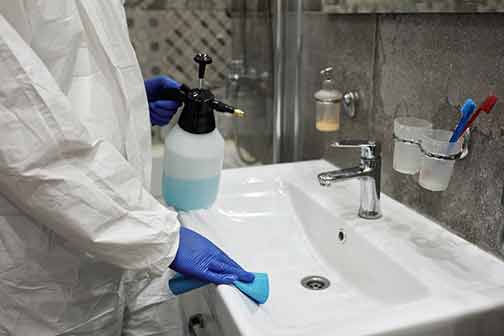
A professional cleaning the bathroom sink.

When it comes to problems with drain blockage, it is best to have the professionals handle it to avoid making things worse.

What To Expect from Quality Drain Cleaning Services

When you invest in quality drain cleaning services, you can expect a comprehensive approach that goes beyond just unclogging drains. These services offer a range of benefits and ensure the optimal performance of your plumbing system.

First and foremost, a reputable drain cleaning service will conduct a thorough camera inspection of your main sewer line. This allows them to identify any underlying issues or potential problems that may require attention. By detecting these issues early on, they can be addressed proactively, preventing major disruptions down the line.

The cleaning process itself involves the use of specialized equipment and techniques to remove accumulated debris and blockages. A high-pressure hydro jetting service, drain snakes, and other advanced tools are employed to ensure a thorough and effective cleaning.

In addition to cleaning, quality drain services may offer maintenance options. This includes applying preventive treatments to reduce the buildup of substances that can cause future clogs, ensuring a longer-lasting clean.

Statistics Highlighting the Importance of Cleaning Drains

Statistics reinforce the significance of regular drain cleaning for the health and functionality of your plumbing system. According to studies, 80% of all plumbing issues are caused by clogged drains. Moreover, it is estimated that neglecting drain maintenance can increase water bills by up to 25% due to inefficient water flow. Blocked drains also contribute to costly water damage, with an average insurance claim for water-related incidents exceeding $10,000. These statistics demonstrate the financial and practical implications of failing to address drain blockages promptly. Therefore, don’t underestimate the impact of clean drains on the overall well-being and functionality of your home.

In conclusion, regular drain cleaning services are a vital investment to maintain a healthy and functional plumbing system. You can prevent costly disruptions by dealing with these common causes of drain blockages. Embrace the freedom of flowing showers and efficient drains by prioritizing getting your drains cleaned regularly. Trust the expertise of professionals to keep your drains clear, ensuring optimal water flow and peace of mind.

How to Handle a Plumbing Emergency Before it Gets Out of Hand

How to Handle a Plumbing Emergency

A plumbing emergency is any plumbing problem that has the potential to harm your health and your property warns, Leenan Management. Plumbing emergencies have the distinct quality of completely disrupting a home’s day-to-day activities. They make it impossible to live your life normally.

Most plumbing emergencies happen suddenly, resulting from issues that were either missed or neglected. Because of their highly destructive nature, plumbing emergencies can cause much damage in a very short time. Plumbing emergencies have to be addressed at once.

The most common plumbing emergencies in homes are:

  • Overflowing toilets

This is when a toilet refuses to flush. Instead of emptying into the drain, the toilet bowl fills with human waste and water. An overflowing may even spill its contents on the toilet floor.

  • Sewer backup

This is the grossest kind of plumbing emergency to have in your home. A sewer backs up when its content flows backward and enters the house through the floor and toilet drains. A sewer backup will cause massive damage.

  • Water heater problems

Plumbing emergencies include a leaky water heater or one not producing hot water. When temperatures are very low and hot water is essential in winter, this problem can devastate a household.

  • Burst pipes

A burst pipe emergency can spill hundreds of gallons of water into your home in minutes. Pipes can burst from old age, poor maintenance, or extreme temperature changes.

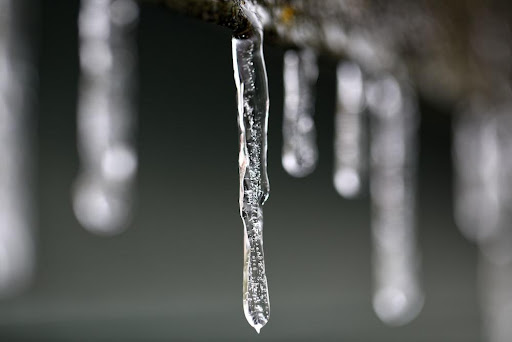
frozen pipes.

If the water inside the home’s main water supply line freezes, the water supply to the entire home will be cut off.

  • Frozen pipes

If the water inside the home’s main water supply line freezes, the water supply to the entire home will be cut off. This problem mostly happens in winter, especially in areas where winter is freezing.

  • Gas leaks

This plumbing emergency is the most dangerous because of its high fire risk and loss of life or property. Gas leaks are a special plumbing emergency and must be treated with the utmost urgency they deserve.

What is the best way to deal with a plumbing emergency? The best way to deal with plumbing emergencies in the home is not to have them at all. But if the plumbing emergency is already underway, there are steps you can take to reduce the impact of the problem on your home.

How to keep plumbing emergencies from getting out of hand

a man turning off the hot water.

Everyone in your home should know the location of the main shutoff valve and how to use it.

  • Turn off the water supply

Depending on the plumbing emergency, you can stop the water supply by turning the valve at the base of the affected fixture or your home’s main water shutoff valve. Everyone in your home should know the location of the main shutoff valve and how to use it (well before a plumbing emergency arises).

  • Don’t add more water to the drain

If you have an overflowing toilet, do not attempt to solve the problem by flushing it again; it could result in your toilet floor getting flooded. If sewage in your home is backing up, ensure that no drain in the house is discharging more water into the overflowing sewer line.

  • Turn off the hot water system

To avoid damage to your water heater after you shut off the water supply, make sure the water heater is turned off. Your water heater could quickly overheat and burst if you turn off the water but leave the hot water system on. Also, remember to turn off the gas if you have a gas system.

  • Open external drains and spigots

Even after turning off the water at the main shutoff valve, some water will still be inside your pipes. This water can find its way to your home’s damaged pipe or plumbing fixture and worsen the problem. To prevent this, open any spigots that are outside the house.

  • Remove your belongings from the area

Remember to remove your personal belongings from the emergency area to limit the cost of repairs. All items that can be damaged by water should be moved. Even if an item is waterproof, you should consider removing it if the plumbing emergency is a sewer backup.

  • Call your plumber

Do not try to solve the issue yourself; call an emergency plumber. A DIY solution will only give the problem time to do more damage. If the plumbing emergency is a gas leak, immediately turn off the gas supply, go outside your home, and then call your plumber. If you don’t know how to turn off the gas, call the plumber, and they will tell you how, or contact the gas supply company.

Finally, the best time to find a good plumber to deal with plumbing emergencies in your home is not when the emergency happens but long before the problem occurs. A good local plumber can even help you avoid the plumbing emergency altogether.

Building an ongoing relationship with a reputable plumber is the best way to prevent and solve plumbing emergencies. Doing this before the problem happens ensures you are not left at the mercy of unscrupulous plumbers when disaster strikes.

What You Need to Know About Sewer Line Replacement in Chicago

a sewer line replacement being performed in chicago

What You Need to Know About Sewer Line Replacement in Chicago

Many things can go wrong with your home’s plumbing, but a damaged sewer line is probably the worst. 

If a sewer line is broken, cracked, or corroded, the only solution to the problem may be to replace it.

But Keyrenter Merrimack Valley Management warns that replacing a sewer line is daunting due to the amount of work and money involved.

If you’re having trouble with the sewer line in your Chicago home and planning to replace it, this post will guide you through everything you need to know before you make that decision.

When is sewer line replacement necessary?

There is no need to replace a sewer line if something such as a hydro jet drain cleaning service will solve the issues. Typically, you only need to replace a sewer line if there are broken, cracked or corroded sections.

What are the signs that your Chicago home sewer line is due for replacement?

Slow drains

A single slow drain in the home is not a sign that your sewer line is in trouble. Multiple slow drains, on the other hand, means sewer line blockage or damage.

Gurgling sounds from drains

Gurgling sounds from the drains in your home mean that there are air pockets inside the sewer line due to a blocked or damaged pipe section.

Wet areas in the yard

A broken sewer line will leak its contents into the surrounding soil. This can show up as patches of exceptionally-green grass or soggy patches of lawn.

Smell of raw sewage

A damaged or blocked sewer line can cause sewer gases to escape into the air inside or around your home.

a pest invasion in a home.

A broken sewer line will draw pests to your home because of the raw sewage and nutrient-rich water the pipe spills into the soil.

Pest invasion of the home

A broken sewer line will draw pests to your home because of the raw sewage and nutrient-rich water the pipe spills into the soil.

Note that the presence of these signs is not definitive proof that you need sewer line replacement. Before you decide that you need sewer line replacement, talk to at least three plumbers and follow the steps below.

Preliminary steps for sewer line replacement

Assess the damage

The best way to do this is through a sewer camera inspection. During the inspection, the plumber will send a video camera into your sewer line to get visual confirmation of the condition of the pipes. The result of this inspection will help you determine if you need sewer line replacement.

Think about local building codes

Before doing a sewer line replacement, make sure you understand the regulations relating to your sewage system. Responsibility for fixing the problem may lie with the city. If your sewer line does not comply with the codes, this is the right time to make the necessary changes.

Consider all your options

You will be faced with different options when replacing your sewer line. In addition to deciding the type of sewer replacement method to use, you must decide if you want to replace a portion of the sewer line or the entire length of the pipe.

Types of sewer line repair methods

There are several types of sewer line repair methods, but we will talk about four of them:

Traditional sewer line replacement

This is the old way of replacing sewer lines. It involves heavy machinery with a lot of digging. The advantage of this method is each new pipe can be inspected to ensure the sewer line has been properly installed.

Trenchless sewer repair

These are a variety of sewer line replacement methods which do not involve digging a trench. Three of the most common trenchless methods are:

  • Pipe repair clamps: This method is best for fixing small cracks and slow leaks in the sewer line.

  • Cured-in-place pipe (CIPP): This is the best method for repairing older pipe systems. A polyester or fiberglass liner is pulled into the damaged pipe to reinforce it or create a new pipe.

  • Pipe bursting: With this method, a special drill is pulled through the old pipe to break it apart. At the same time, a new pipe is pulled in to replace the old pipe.

Which sewer line replacement method is best for your home? The proper technique for your home depends on the details of the problem you are trying to solve.

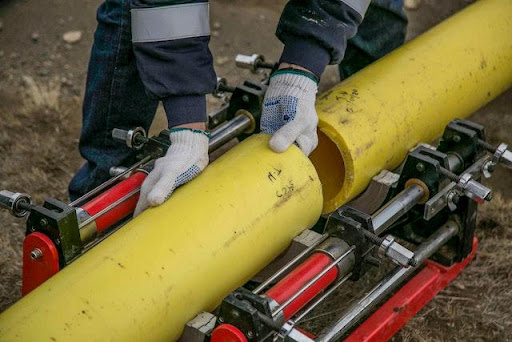
brand new sewer lines being installed.

You will be faced with different options when replacing your sewer line.

Avoiding future sewer line damage

Unless the sewer line in your Chicago home is damaged because it has passed its projected lifespan, you may want to find out what caused the problem. This will help you protect the sewer line from future issues. The following steps will help you protect your sewer lines.

  • Do not flush the wrong items/materials into the sewer line (ask your plumber about this).
  • If possible, avoid chemical drain cleaners: they will damage your sewer line.
  • If there are trees near the sewer line, you may need to protect the line from tree roots.
  • Have the sewer line inspected and cleaned at least once a year.

Lastly, if you would like more help with making the right decisions on how to solve the sewer line issues in your Chicago home, talk to us at 773-599-9181 or fill out the form below. We would be most happy to chat with you.

5 Questions to Ask a Prospective Plumber

Questions to Ask a Prospective Plumber

Choosing the right plumber can seem like a daunting task, especially when you’re facing a serious leak or a backed-up drain. It’s not just about who can get there the fastest or cheapest—it’s about who will do the best job. Ask a prospective plumber some vital questions to ensure you’re hiring the right professional.

Are You Licensed, Bonded, and Insured?

Firstly, ask a prospective plumber if they have a license. That is crucial. Consequently, licensed plumbers have undergone rigorous training and meet specific government-set standards, meaning they’re well-equipped to handle any plumbing issue. Furthermore, they adhere to local codes and regulations, eliminating legal worries.

Similarly, the plumber should be bonded and insured. That offers you protection if something goes wrong during the project. Thus, you need not bear any unexpected costs or damage to your property. Indeed, knowing you’re covered during the plumbing project provides peace of mind.

Ask a Prospective Plumber if They Can Provide References and Reviews?

Secondly, ask for references. Reviews and references from previous clients offer insight into a plumber’s work ethic, professionalism, and quality of work. Additionally, these testimonials often reveal how the plumber interacts with clients, which can be very telling.

Moreover, don’t overlook online reviews. Websites like Yelp, Google, and the Better Business Bureau often provide unbiased opinions about various services. However, exercise discernment when evaluating these reviews. Look for patterns in behavior, both positive and negative.

What Is Your Experience With My Specific Plumbing Issue?

Thirdly, inquire about their experience regarding your specific problem. For instance, if you need a drain cleaning service, you’ll want a plumber experienced with unclogging drains. Similarly, if you have trouble with your main water line, hiring someone with the right skills and equipment is crucial.

Further, ask about their expertise in residential vs. commercial plumbing. There are often differences in the systems and potential problems encountered. Also, consider any additional certifications or training the plumber may have, such as those related to green plumbing or high-efficiency appliances.

Do You Provide Written Estimates and Warranties?

Next, ask for a written estimate. That should include a breakdown of labor, materials, and other costs. Such transparency lets you compare different plumbers effectively and helps prevent surprise charges. Our consultants from a2bmovingandstorage.com will tell you how important written estimates are. Be sure to have proof on paper in such cases.

Equally important is asking about warranties. A plumber should stand by their work; a warranty offers protection if something fails after the repair. Understand the warranty terms, including its duration and what it specifically covers.

How Do You Handle Emergency Services and After-Hours Calls?

Lastly, plumbing issues often occur at the most inconvenient times. Therefore, it’s essential to understand how a prospective plumber handles emergency calls. Do they provide 24/7 service? How quickly can they typically arrive?

In addition, clarify their pricing structure for after-hour calls. While you may be willing to pay extra for an emergency, understanding these costs upfront can save you from a nasty surprise when the bill arrives.

The Differences Between Residential vs. Commercial Plumbing

Understanding the difference between residential and commercial plumbing is crucial. Residential plumbing often involves more fixtures and fittings than commercial plumbing, which tends to be more straightforward but on a larger scale. Commercial plumbers may also specialize in fire suppression systems or large boiler installations, which are less common in residential settings. When you ask prospective plumbers about their experience, consider whether their skills and background align with the plumbing work you need.

Moving & Plumbing

The above questions are crucial when you’re moving into a new home. Undoubtedly, you’ll want to ensure that the plumbing system is sound. Thus, one of the biggest challenges of moving to another state is finding a reliable plumber. While there are always some obstacles to overcome, especially when relocating, having a professional and trustworthy plumber can significantly ease your worries.

Preventive Measures for Plumbing

Prevention is better than cure, especially when it comes to plumbing issues. Regular inspections and timely maintenance can prevent a lot of common problems. For example, scheduling regular inspections can help avoid trouble with your main water line. It helps detect issues like root intrusion or pipe corrosion before they become major problems. The plumber you choose should be able to offer advice on preventive measures and maintenance schedules.

The Importance of Eco-friendly Plumbing

Eco-friendly plumbing is popular due to its environmental benefits and potential cost savings. Ask the plumber about their knowledge and practice of eco-friendly plumbing. It could include installing low-flow faucets and showerheads, high-efficiency appliances, or recommending energy-saving practices.

Dealing with Plumbing in Older Homes

If you live in an older home, plumbing can present unique challenges. Older homes often have outdated plumbing systems that may not comply with current codes. There could be trouble lurking behind the walls, like old, corroded pipes, or trouble with your main water line. Hiring a plumber with experience working with older plumbing systems is important and can handle potential issues without damaging the home’s structure.

The Role of Technology in Plumbing

The plumbing industry has not been left behind in embracing technology. Modern plumbers utilize technology to diagnose and repair plumbing problems more effectively. They can use cameras to inspect your main sewer line or hydro jetting for drain cleaning. Ask your prospective plumber about their technologies and how they can benefit your situation.

To Sum It Up

In conclusion, hiring the right plumber involves more than just picking the first name you come across. Always ask a prospective plumber the above questions to ensure you make an informed decision. Remember, a professional, experienced plumber can save you time, money, and a lot of hassle in the long run. By doing your homework, you can ensure a positive and stress-free plumbing experience.

Why You Can’t Ignore Drainage Issues in Your Restaurant Kitchen

Why You Can't Ignore Drainage Issues in Your Restaurant Kitchen

As a restaurant owner or manager, there are many things you need to consider to ensure the success of your business. One crucial aspect that is often overlooked is kitchen drainage. However, you can’t ignore drainage issues in your restaurant kitchen since they can cause significant expenses due to the associated legal and health regulations. This article will discuss the risks of ignoring drainage issues, common drainage issues in restaurant kitchens, and how to prevent them.

The Risks of Ignoring Drainage Issues

Ignoring drainage issues in your restaurant kitchen can lead to several health, legal, and financial risks. The exact health codes and regulations may vary from state to state. However, you should be mindful of the following risks.

Health Risks

If your restaurant kitchen has drainage issues, it can lead to significant health code violations. Here are a few examples of the associated health risks:

  • Bacteria and mold growth – Standing water and moisture caused by drainage issues can create an ideal environment for bacteria and mold growth. These microorganisms can contaminate food, leading to food poisoning and other illnesses.

  • Food contamination – If water from a clogged or slow drain backs up into the kitchen sink, it can contaminate the sink and surrounding areas. The contaminated areas can then contaminate food, utensils, and dishes, posing a significant health risk to customers.

  • Slip and fall accidents – Water on the kitchen floor due to drainage issues can create a slip and fall hazard for your employees, which can cause injuries and lawsuits.
Wet floor in need of cleaning due to draining issues in your restaurant kitchen.

Drainage issues in your restaurant kitchen can lead to slips and falls.

Legal Risks

The health dangers posed by drainage issues can lead to legal complications. Ignoring these issues can also lead to the following legal risks:

  • Fines and penalties – Local health and safety codes require restaurants to maintain proper drainage. Failure to comply with these regulations can result in fines and penalties.

  • Lawsuits – If a customer or employee gets sick or injured due to drainage issues in your restaurant, they may file a lawsuit against you.

Financial Risks

When caught on time, most drainage issues can be solved without too much hassle or expense. However, ignoring drainage issues in your restaurant kitchen can also lead to financial risks, such as:

  • Cost of repairs – If drainage issues are not addressed promptly, they can cause significant damage to your kitchen’s plumbing system. The cost of repairs can be substantial, which can hurt your bottom line.

  • Loss of revenue – If your restaurant is shut down due to health or safety violations caused by drainage issues, it can result in a loss of revenue and damage to your restaurant’s reputation.
Chef in restaurant making burgers.

Grease buildup is one of the most common causes of clogged drains in restaurant kitchens.

Common Drainage Issues in Restaurant Kitchens

Now that we’ve discussed the risks of ignoring drainage issues, let’s explore some of the most common drainage issues in restaurant kitchens and their solutions.

Clogged Drains

Clogged drains are one of the most common issues restaurant kitchens face. They can be caused by food debris, grease, and other materials that accumulate in the drainpipe. Signs of a clogged drain include slow-draining sinks, foul odors, and gurgling sounds. To address clogged drains, you can use a plunger or a drain snake. You can also use a mixture of baking soda and vinegar to break up the clog. For severe clogs, you may need to call a professional plumber to clean the blockage in the drains.

Slow Drains

Slow drains are another common drainage issue. They are often caused by a buildup of grease and food particles in the drainpipe. Signs of slow drains include standing water in the sink and foul odors. The experts from Spyder Moving, who have experience with commercial moves, say that most of their clients opted to install grease traps to prevent these issues. If you are dealing with slow drains, use a drain cleaner or a mixture of baking soda and vinegar to break up the buildup. You can also hire a professional plumber to clean your drain pipes.

Foul Odors

Foul odors are a common drainage issue in restaurant kitchens. Due to the volume of food restaurants make and serve, foul odors are commonly caused by food debris, grease, and other materials accumulating in the drainpipe. Signs of foul odors include unpleasant smells coming from the sink or drain. To eliminate the odors, pour a baking soda and vinegar mixture down the drain. Regular cleaning and maintenance of the grease trap can also help prevent foul odors.

Clean kitchen in a commercial restaurant.

Clean your kitchen regularly to prevent drainage issues.

Preventing Drainage Issues in Restaurant Kitchens

Preventing drainage issues is key to avoiding the risks we discussed earlier. Here are some tips to help you prevent drainage issues in your restaurant kitchen:

  • Train your staff – get your staff up to speed on the proper disposal of food waste and grease. Encourage them to scrape plates and pans before washing them.

  • Install a grease trap – to prevent grease from entering the drainpipe. A grease trap should be installed and the grease trap cleaned regularly to prevent clogs and foul odors.

  • Use drain covers –covers can catch food debris and prevent them from entering the drainpipe.

  • Regular cleaning and maintenance – keeping your kitchen’s plumbing system in top shape can help prevent clogs, slow drains, and foul odors.

  • Schedule regular plumbing inspections – these inspections can detect any potential drainage issues before they become major problems.

Remodeling Your Restaurant’s Kitchen

Remodeling a restaurant’s kitchen is a significant investment that can increase efficiency, productivity, and profitability. However, planning your kitchen remodel carefully is crucial to ensure that it meets your needs and budget. Remodeling your kitchen is an excellent opportunity to upgrade your plumbing and drainage systems and prevent future drainage problems. Consider hiring a professional plumber to inspect your drainage system and identify potential issues. By addressing drainage issues during your kitchen remodel, you can create a safe and hygienic environment for your staff and customers while improving the overall functionality of your kitchen.

Organizing a Commercial Move

Renovating your restaurant’s kitchen can be a stressful and overwhelming process. Perhaps you decided to renovate before moving in, or you might want to move your appliances and kitchen furniture out while the current renovations are ongoing. Either way, it’s essential to have a well-planned moving strategy to minimize downtime and avoid any potential damage to your equipment. When planning a commercial move for your restaurant, it’s crucial to explore budget-friendly options if you want to reduce commercial moving expenses. Consider hiring a professional moving company specializing in commercial moves and offering cost-effective moving solutions. By doing so, you can ensure a seamless move while keeping your costs under control.

The Bottom Line

In conclusion, drainage issues in your restaurant kitchen cannot be ignored. They can lead to health, legal, and financial risks and can harm your restaurant’s reputation. Common drainage issues in restaurant kitchens include clogged drains, slow drains, and foul odors. To prevent drainage issues, train your staff, have a grease trap installed if there isn’t one already, use drain covers, regularly clean and maintain your plumbing system, and schedule regular plumbing inspections. By following these tips, you can ensure the proper functioning of your restaurant’s plumbing system and the safety of your customers and employees.

Residential vs. Commercial Plumbing: What’s The Difference?

Residential vs. Commercial Plumbing

The plumbing systems in residential and commercial buildings do the same things; they supply fresh water to the building and remove wastewater from the premises. Visitors who use the plumbing fixtures in a commercial building may not see any differences between them and the plumbing fixtures in their homes.

Yet there are lots of differences between these two types of plumbing systems. Although they look the same on the surface, their underlying structures are very different. For one thing, commercial plumbing systems serve several people. As a result, they are larger and more complex than the plumbing systems in homes.

But the difference between the two systems is not limited to size; they also influence how these different plumbing systems should be managed. For property managers and real estate investors who own or operate commercial and residential buildings, understanding the differences between residential and commercial plumbing systems is crucial.  

Important differences between residential and commercial plumbing

Firstly, residential plumbing refers to the plumbing systems found in homes, along with their related sub-systems, such as drain and sewer lines. These systems have relatively simple construction because they only serve the needs of a limited number of people.

Commercial plumbing, on the other hand, is a plumbing system for a wide range of business facilities. These have to be more robust than residential plumbing systems because of the number of people who use them and the different ways those people use them.

What are the major differences between residential plumbing systems and commercial plumbing systems?

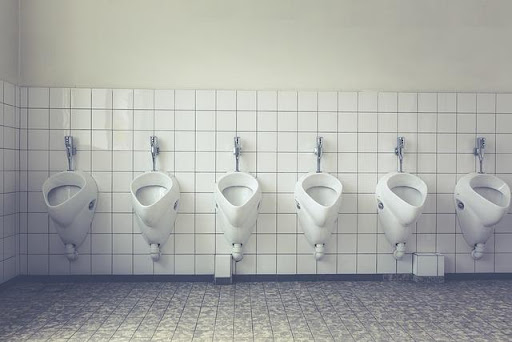
a business restroom.

Commercial plumbing systems are used by more people.

Amount and type of usage

Commercial plumbing systems are used by more people. Unlike residential plumbing, which is used mostly at specific times during the day, commercial plumbing is used heavily throughout the day. The types of materials people flush into the drains of commercial plumbing systems also vary a lot.

Durability of the plumbing

As a result of the amount of use they see, the fixtures in commercial systems are more robust; they use higher-grade materials. Residential plumbing is subject to less wear. Lower-grade pipes may be acceptable in residential plumbing because they don’t experience heavy usage.

Differences in complexity

Compared to commercial systems, residential plumbing systems are straightforward; comprising a few sinks, toilets and showers. Commercial plumbing often has multiple sinks, toilets and urinals on each floor of a multi-story building. A good number of these fixtures may be under use at the same time.

Risk of damage

Because of the sheer number of people using them, commercial plumbing has a higher risk of being damaged. This is partly because the people who use commercial plumbing are not likely to treat them with as much care as they show the plumbing system in their homes.

System efficiency 

If there are problems in a home’s plumbing, the impact is limited to the people living in the home. Problems in a commercial plumbing system not only affect more people but can also hurt the operation of the businesses in that building. That is why these systems have to be very efficient.

Water heaters

The water heaters used in residential plumbing will not work in a commercial building because more people require hot water at the same time. To meet this huge demand, commercial buildings use water heaters with large tanks that can take up to 250 gallons of water.

Sanitation and health

Due to the number of people who use plumbing fixtures in commercial buildings, there are bigger health challenges with these systems. To keep them from becoming a health hazard to those who use them, there are stricter health and sanitary standards for commercial plumbing systems.

Frequency of leaks

Keeping tabs on all potential leak locations in a commercial plumbing system is hard. Due to the scale and complexity of the system, it is easier for leaks and other kinds of problems to be missed or overlooked. Managing commercial plumbing systems is more difficult.

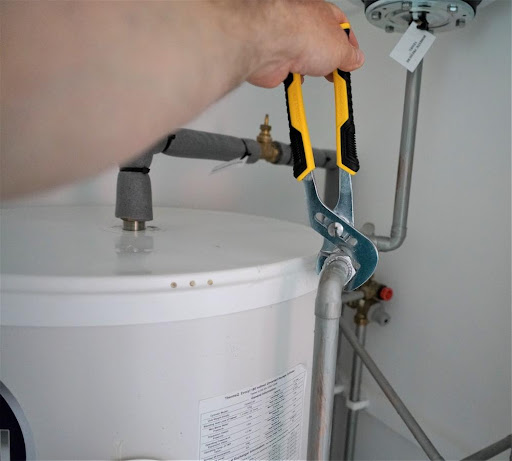
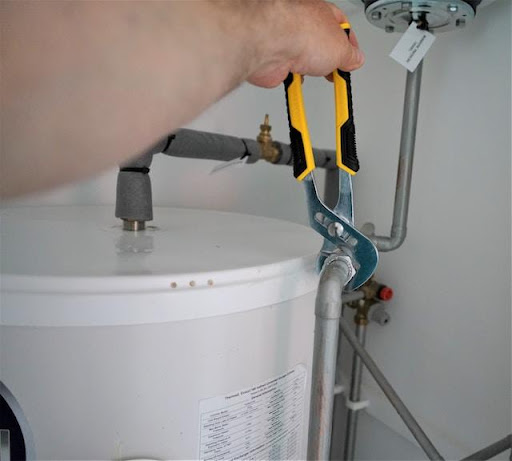
fixing a leak with a wrench.

Due to the number of people who use plumbing fixtures in commercial buildings, there are bigger health challenges with these systems.

Drainage services

The issue of solving drainage problems in a business is hard. Issues with the drainage system on one of the floors can easily affect the drains on other floors. Sometimes, the drain issues can show up on a floor that is many levels away from the floor where the problem originated.

Plumbing maintenance in residential and commercial buildings

Given this information, how should you maintain the plumbing system in a commercial building? When hiring a plumber for your commercial building, keep in mind the vastly-different training commercial plumbers receive in comparison to how residential plumbers are trained.

The differences in their training can be seen in:

  • The scope of work they are trained to handle.
  • The stricter job requirements for commercial plumbers.
  • The time-sensitive nature of commercial plumbing issues.

Taking these differences into consideration is essential when hiring a commercial plumber. Never hire a commercial plumber until you are sure they have adequate training and experience to handle the plumbing repairs in your business.

A Guide to Catch Basin Repair in Chicago

A Guide to Catch Basin Repair in Chicago

What Is A Catch Basin?

A catch basin is a drainage structure that captures surface runoff and debris and allows it to be collected, filtered, and dispersed into the ground or other drainage system. It works by catching rainwater that runs off rooftops and other surfaces and taking it down to a below-grade catch basin, from which it can be drained into a drainage pipe or other drainage system. The catch basin is usually made of concrete, with a few grates for the water to pass through and a few ports for overflow. The purpose of a catch basin is to protect the water supply from pollution, sedimentation, and other contaminants.

Identifying A Problem With Your Catch Basin

If your catch basin is not functioning properly, it’s important to identify the cause before you attempt to repair it. Common catch basin problems include:

  • Cracks and gaps in the foundation or walls of the basin
  • Leaking of water through the ports or grates
  • Blocked pipes or buildup of sediment and debris
  • Clogged filters preventing water from draining properly

Depending on the severity of the issue, you may be able to address the problem on your own or you may need to enlist the help of a catch basin repair service in Chicago. If the problem requires extensive repairs or replacement, it is best to call in an experienced plumber in the area.

repair of a catch basin in the city of chicago.

Preparing for the Catch Basin Repair

Before you begin the repair, you need to make sure that all the necessary tools and materials are on-hand. This includes a bucket, garden hose, trowel, drill, clean cloths, and repair mortar. You may also need to buy additional tools and materials, depending on the scope of the repair. It is important to know what type of catch basin you have and understand the local regulations for catch basin repair.

In order to protect yourself, you should wear protective gear such as gloves and safety glasses during the repair process. You will also need to turn off the water supply to the catch basin.

Repairing the Catch Basin

Once you have gathered the necessary tools and materials and turned off the water supply, you can begin the repair process. The first step is to clear the area around the catch basin of any leaves, dirt, and debris. You will then inspect the catch basin and identify any cracks, gaps, or other damage. If the damage is minor, you can often fill the cracks and gaps with repair mortar. For more serious damage, the entire catch basin may need to be replaced.

Cleaning the Catch Basin

Once the repair is complete, you will need to have the catch basin hydro jetted by a professional. This is an important step to ensure that the basin continues to function properly, as dirt and debris can clog the filters and pipes and impede the flow of water. Start by spraying the catch basin with a garden hose to remove any debris, then use a brush to scrub the inside of the basin and rinse with the hose again if you wish to do this step yourself.

catch basin cleanout in chicago.

Testing the Catch Basin

Once the cleaning is complete, the next step is to test the catch basin to make sure that it is functioning properly. Start by turning the water supply back on and pouring a bucket of water into the catch basin. Once the water has gone through the basin, inspect the pipes and filters to make sure that the water is draining properly without any leakage. If the catch basin is still not functioning properly, you may need to enlist the help of a professional plumber.

Summing It Up

Catch basin repair is not a complicated process and can often be completed in just a few steps. However, it is important to inspect the catch basin before attempting to carry out a repair and ensure that all the necessary tools and materials are on-hand. If the damage is severe or the repair process is not going as expected, it may be best to call in the Chicago Plumbing Experts so that the repair is completed correctly and the catch basin is functioning properly.

In need of a catch basin repair or rebuilding services in the Chicago area? Contact us at 773-599-9181 or by form below:

How to Detect and Prevent Tree Roots in Your Sewer Line

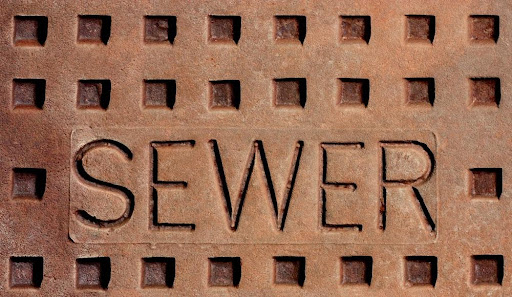
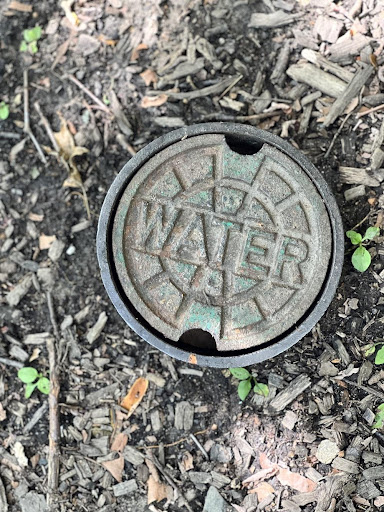
a sewer cover.

Tree root intrusion into a home’s sewer line is a leading cause of sewer line damage. Keyrenter Knoxville explains this issue happens when tree roots contact the nutrient-dense wastewater inside sewer lines. In a bid to access as much of the water as possible, tree roots can pierce the sewer pipe, causing it to leak and sometimes blocking it completely.

How do you detect, solve and prevent this problem?

How to detect tree root intrusion in your sewer line

The signs accompanying a blocked sewer line are the same signs you can expect when tree roots are growing into your sewer line. These include:

  • Slow drains

Slow drains in your home are not a sign that tree roots have blocked your sewer line unless multiple drains on the ground floor are slow simultaneously. Usually, this problem is more severe with floor drains and drains closer to the floor level, such as toilets. In addition, to slow draining, you may also notice water movement in drains when other drains in the home are being used.

  • Backed-up drains

If drains are slow and the problem is not addressed, it can eventually cause the sewer line to back up. When tree roots initially penetrate a sewer line, they don’t block the pipe; wastewater is still able to pass through. But as time passes and the roots grow larger, they can stop the sewer pipe, leaving wastewater with nowhere to go except back into the home.

  • Sewer odors from your drains

Sewer lines have features that prevent sewer gases from flowing backward into the home. But those features will not work if tree roots block a sewer line. The trapped sewer gases may find an outlet by escaping through one of the home’s drains. One sign that this is happening is hearing gurgling sounds every time you use your drains.

  • Sinkholes in the yard

Sinkholes happen when water soaks into the ground directly beneath the surface. Eventually, the spot above the area will cave in, leaving a cavity or small depression. Tree roots may cause sinkholes if they penetrate a sewer line and force it to release its contents into the soil. Also, if areas of your yard are greener than usual, you may have tree roots with your sewer line.

a sewer cleanout.

The trapped sewer gases may find an outlet by escaping through one of the home’s drains.


What to do if you suspect tree root intrusion in your sewer line

If you see any of the above signs in your home, how can you tell if tree roots are in your sewer line? The best way is to have a sewer camera inspection. A sewer camera inspection is the most efficient, non-invasive, and affordable method for accurately assessing the true condition of a sewer line.

It involves a professional plumber running a video line into your sewer line and monitoring the live feed on a small screen. A sewer camera inspection is the best diagnostic tool for exploring the cause of sewer line issues. It not only helps the plumber detect the location of the blockage, but it can assess the seriousness of the problem.

This method will save you money because it doesn’t take time and does not involve expensive digging in the yard. Once the blockage has been detected via a sewer camera inspection, the next step is clearing the tree roots. This is usually done by hydro jetting the sewer line. Hydro jetting uses high-pressure water to remove obstacles inside a sewer line.

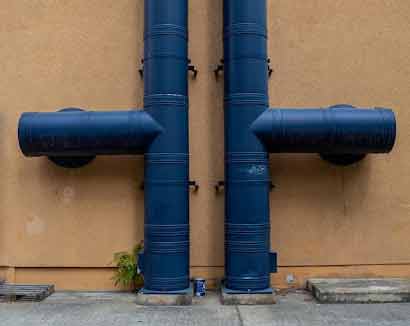
a series of sewer pipes.

If you are unhappy with having only grass in the area, you may plant shrubs and small trees with less invasive roots.

How to prevent tree root intrusion in a sewer line

  • Do not plant trees near your sewer line

Planting trees where their roots can reach the sewer line is asking for trouble. If you are unhappy with having only grass in the area, you may plant shrubs and small trees with less invasive roots.

  • Install a sewer barrier

If you don’t want to cut down the trees in your yard, you can install an impenetrable barrier around your sewer lines. Although this approach is somewhat more invasive, it can give you peace of mind.

  • Use chemicals

Periodically spreading chemicals like potassium hydroxide and copper sulfate around the sewer line will protect them from damage by tree roots. Note that these chemicals may also kill your trees.

  • Replace your sewer line

PVC pipes are less vulnerable to tree root intrusion than metal or clay pipes. Another option is replacing your current sewer line using a non-invasive technique like pipe bursting.

Maintaining your sewer line free of intruding tree roots and other hazards is an ongoing process. The single best method to prevent expensive sewer line damage is to identify issues before they happen. Regular inspection and cleaning of the sewer line – sewer camera inspection and hydro-jetting – are the best measures to maintain your home’s sewer line in good health.