Author Archives: Chicago Plumbing Experts

How Much Does a Sump Pump Installation Cost in Chicago?

How Much Does a Sump Pump Installation Cost in Chicago

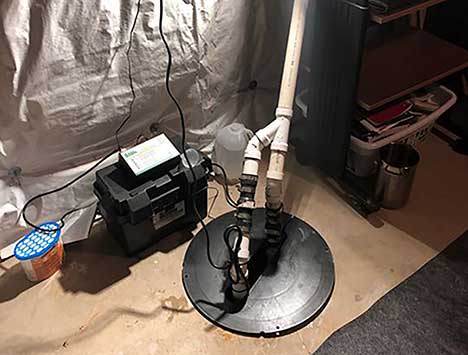
When it comes to protecting your basement from water damage, a sump pump is an essential piece of equipment. A sump pump is a specifically designed pump that is installed in a basement or crawl space to prevent flooding and water damage to your home. Located in a pit, the sump pump will automatically turn on and pump water from the pit and away from your home.

If you live in Chicago, you might be wondering how much it will cost to install a sump pump. While there is no one-size-fits-all answer, this article will provide you with an estimation of the installation cost, factors that impact the cost, and things to consider before you install a sump pump.

Factors Affecting the Installation Cost of a Sump Pump in Chicago

The cost of a sump pump installation in Chicago is determined by several factors. Here are some of these factors:

The Type of Sump Pump

There are several types of sump pumps available in the market, and each type has its price range. For instance, a submersible sump pump, which is installed underground in a sump pit, is more expensive than a pedestal pump that sits above the sump pit. The type of pump you choose, therefore, plays a significant role in the installation cost.

The Size of Your Basement

The larger the basement, the more expensive it will be to install a sump pump. The reason is that larger basements require bigger sump pumps to pump the water out.

The Depth of the Sump Pit

The depth of the sump pit also affects the installation cost. A deeper sump pit will require a more expensive pump and more labor hours to install.

The Type of Discharge System

The discharge system is an essential part of the sump pump installation. It ensures that the water is pumped away from your home and into the storm drain or a designated drainage area. If you opt for a more complex discharge system, the installation cost will be higher.

The Complexity of Installation

If the installation requires cutting through concrete floors, the cost of installation will be higher. An experienced plumber will charge you more if they have to remove obstacles like pipes, HVAC equipment, storage units, or electrical work to install the sump pump.

cost of sump pump installation in chicago.

How Much Does a Sump Pump Installation Cost in Chicago?

The cost of installing a sump pump in Chicago ranges from $800 to $3,000, with the average cost being $1,500. The cost of installation is determined by the factors listed above.

The Type of Sump Pump

A pedestal pump is cheaper than a submersible sump pump. On average, a pedestal pump costs between $100 and $200, while a submersible sump pump costs between $200 and $600.

The Size of Your Basement

The larger your basement, the larger the sump pump will be. On average, a sump pump for a small basement costs between $150 and $400, while a sump pump for a larger basement costs between $400 and $600.

The Depth of the Sump Pit

The deeper the sump pit, the more expensive the sump pump will be. A sump pump for a shallow pit costs between $200 and $400, while a sump pump for a deep basement pit costs $400 or more.

The Type of Discharge System

The discharge system consists of a pipe that directs water to a designated drainage area or the storm drain. Simple discharge systems cost between $50 and $200, while more complex systems that require digging or additional piping can cost between $500 and $2,000.

The Complexity of Installation

The cost of installation depends on how complex the installation is. If the installation requires cutting through concrete, the cost will be higher. On average, sump pump installation costs between $300 and $1,000.

Should You Install a Sump Pump?

If you live in Chicago, where heavy rains and snowmelt can cause frequent basement flooding, installing a sump pump is a great idea. A sump pump can save you thousands of dollars in water damage, as well as prevent mold and mildew growth.

Before you install a sump pump, there are a few things to consider:

Your Home Insurance Policy

Some homeowners’ insurance policies cover flooding, while others do not. Before having a sump pump professionally installed, check your existing insurance policy to see if you are covered for water damage.

The Condition of Your Foundation

If there are any cracks or damages to your foundation, installing a sump pump may not be enough to prevent flooding. Before you install a sump pump, make sure your foundation is in good shape.

The Cost of Maintenance

Like any other mechanical device, a sump pump requires maintenance, such as periodic cleaning and replacing worn-out parts. Before you install a sump pump, factor in the cost of maintenance.

Conclusion

A sump pump is an invaluable tool in preventing basement flooding and water damage. While the installation cost for a sump pump in Chicago varies, it is necessary to determine the type of sump pump, the size of your basement, the depth of the sump pit, the type of discharge system, and the complexity of installation. Before installing a sump pump, check your home insurance policy, inspect your foundation, and factor in the cost of maintenance.

Interested in having a new sump pump installed or your current sump pump replaced in Chicagoland? We offer free estimates and can be reached at 773-599-9181 or you can fill out the form below.
Choosing the Right Drain Cleaning Method for Your Chicago Home

Choosing the Right Drain Cleaning Method for Your Chicago Home

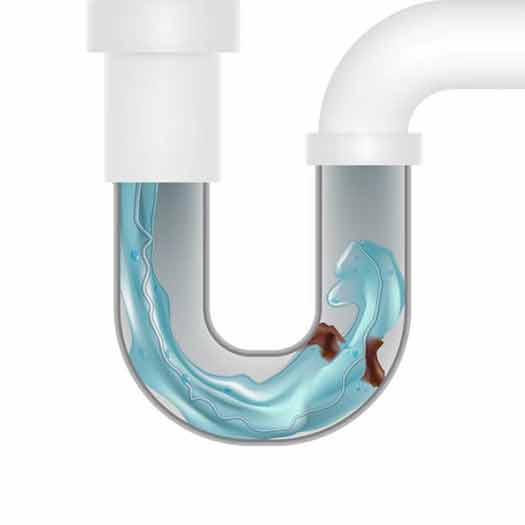
Dealing with clogged drains can be a messy and frustrating experience for homeowners. Whether it is the kitchen sink, bathroom shower, or toilet, a clog can disrupt your daily routine and cause unpleasant odors in your home. Fortunately, various drain cleaning methods can help you unclog your drains and prevent future blockages. However, choosing the right drain cleaning method for your Chicago home can be overwhelming. Here we will explore some of the common drain cleaning methods and factors to consider when selecting the appropriate method.

Types of Drain Cleaning Methods

Before choosing a drain cleaning method, you need to understand the different techniques available. Here are some of the common options:

Chemical Drain Cleaners

Chemical drain cleaners are readily available in most stores, making them a popular choice for homeowners. These cleaners work by dissolving the clog through a chemical reaction. However, chemical drain cleaners can be harmful to your pipes and the environment if not used correctly. Moreover, they may not be effective for severe blockages.

chemical drain cleaners.

Chemical drain cleaners can be harmful to your pipes and the environment if not used correctly.

Plungers

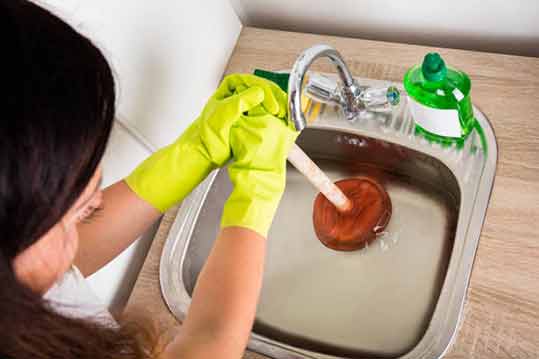
The plunger is a simple tool that can unclog your drains by creating suction. Plungers work well for small to medium blockages and are also safe for your pipes. You can buy a plunger at most hardware stores or use a bathroom plunger for your sinks and shower drains.

Augers and Snakes

Augers and snakes are long, flexible tools that can reach deep into your pipes and break up stubborn clogs. There are manual and powered augers available, depending on the severity of the blockage. However, if not used correctly, these tools can cause pipe damage. Speak with a professional Chicago plumber if you are unsure how to use them.

Hydro Jetting Service

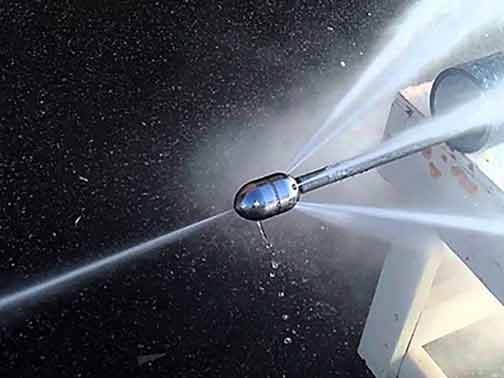
Hydro jetting is a high water pressure drain cleaning method that can help remove the toughest clogs. This technique is ideal for commercial buildings and residential homes with severe blockages. Hydro jetting can be costly up front, but it is a long term solution that can prevent future clogs.

Hydro jetting is a high water pressure drain cleaning method that can help remove the toughest clogs.

Hydro jetting is a high water pressure drain cleaning method that can help remove the toughest clogs.

Factors to Consider When Choosing a Drain Cleaning Service

Now that you know the different drain cleaning methods available, here are some factors to consider when choosing the right one to use:

The Severity of the Clog

The severity of the clog will determine the appropriate drain cleaning method to use. If it’s a minor blockage, a plunger or chemical drain cleaner may work. However, a severe clog may require an auger or hydro jetting to remove it.

Pipe Material

The type of pipe in your home can also affect the drain cleaning method. Older homes may have corroded pipes, which are prone to damage with certain cleaning methods. Contact a local drain cleaning service to determine the best cleaning method for your specific pipes.

Environmental Impact

If you care about the environment, you should consider using drain cleaning methods that won’t harm it. Chemical drain cleaners, for example, can be dangerous to aquatic life. Opt for eco-friendly options such as hydro jetting or plunger use instead.

Cost

The cost of drain cleaning services varies depending on the method used. Chemical drain cleaners are the cheapest option but may not be effective or long-lasting. Hydro jetting is more expensive but a one-time solution that can prevent future clogs. Consider your budget and the longevity of the solution when choosing a drain cleaning method.

Hiring a Professional Drain Cleaning Service

If you are not familiar with the available drain cleaning methods or are unsure which one to use, consider hiring a professional drain cleaning service. A local plumber will assess the severity of the blockage by way of a sewer camera inspection service and determine the most effective method to use. Moreover, they have the expertise and tools needed to minimize potential pipe damage and ensure your drains are thoroughly cleaned. With a professional service, you can have peace of mind knowing that your home’s plumbing system is in good condition.

To Sum It Up

Clogged drains can be a nuisance for homeowners, but knowing the right drain cleaning method to use can make all the difference. Chemical drain cleaners, plungers, augers, and hydro jetting are all effective methods, but the severity of the clog, pipe material, environmental impact, and cost should guide your choice. If you are unsure which method to choose, consider hiring a professional drain cleaning service for expert advice and service.

How to Fix Your ‘Garbage’ Disposal

how to fix your garbage disposal

Garbage disposals help to ease the stress of tidying up after meals. They let you wash small pieces of food waste into the sink drain without fear that the particles will clog your drains, explains Ridgewood Property Management. Since their introduction in 1927, garbage disposals have become a required appliance in most kitchens.

But the trouble with garbage disposal units is they can stop working without warning. Sometimes you will hear the unit humming even though it is not working. Other times your garbage disposal will leak or simply fail to come on. What do you do when your garbage disposal acts up?

How to fix your garbage disposal

There are several reasons why your garbage disposal would stop working. Below we explain the steps for fixing different kinds of garbage disposal problems.

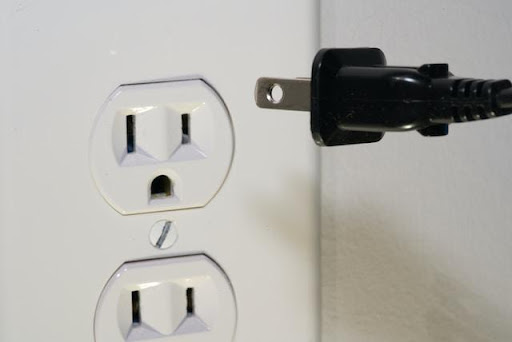
a plug and socket.

If the unit does not emit a humming sound after you flip the switch, it probably has an electrical fault.

The garbage disposal doesn’t power on

If the unit does not emit a humming sound after you flip the switch, it probably has an electrical fault. There are a few things that can keep the appliance from getting power. To solve this problem, do the following:

  • Check if the appliance is firmly plugged-in.

  • If it is plugged in, push the reset button on the bottom of the appliance. If the unit’s circuit breaker has tripped, this step will reset the garbage disposal.

  • If that doesn’t work, check the main service panel to see if the circuit breaker has tripped. If the breaker has tripped, reset the lever.

  • If this doesn’t work, it could be a wiring problem at the switch, or your garbage disposal is faulty.

  • Disassemble the switch to inspect the connections. If there are any loose connections, secure them or replace the entire switch if the problem is very bad.

  • Turn on the power, and if the unit still doesn’t power on, you may need a new garbage disposal.

The garbage disposal hums but doesn’t grind

If it makes a humming sound when you flip the switch but doesn’t grind, the flywheel of your garbage disposal is jammed. A jammed flywheel will force the circuit breaker to trip or make the appliance’s reset button pop out. To solve the problem:

  • Shut the power supply to the unit by switching it off and shutting off the breaker at the electrical service panel.

  • Take the offset wrench for the disposal unit and insert it into the flywheel hole at the bottom of the appliance.

  • Turn the wrench clockwise to dislodge any food particles impeding the impeller. Do this until you feel the flywheel turn freely.

  • Alternatively, insert a wooden spoon handle or similar wooden object into the disposal through the drain opening. Use this as a lever to free the stuck flywheel.

  • Sometimes, the best option is to remove the object jamming the appliance. Point a flashlight into the disposal to find the object; remove it with a pair of pliers.

  • Press the reset button and run some water into the unit. Turn the unit on and off several times while you are doing this.

Garbage disposal drains slowly

A slow-draining garbage disposal is mostly caused by clogs inside the drainpipes. The simple fix for this problem is to disassemble the drain trap and discharge pipe to get rid of any food waste inside them.

  • Disconnect the discharge pipe from the disposal by removing the bolts.

  • Disconnect and remove the drain trap with the discharge drain pipe.

  • Inspect the disposal for clogs and clean the appliance (ensure the power is turned off).

  • Check the branch drain line for clogs and clear it with an auger.

  • Reassemble the drain trap and couple the discharge tube to the garbage disposal.

  • Run the water and turn on the disposal unit to ensure the water is flowing freely.

To prevent future occurrences of this problem, don’t allow starchy foods – like mashed potatoes or cooked rice – to get into your garbage disposal. At least once a month, clean the appliance by throwing some lemon peel and ice cubes into the unit and grinding them up.

starchy foods

To prevent future occurrences of this problem, don’t allow starchy foods – like mashed potatoes or cooked rice – to get into your garbage disposal.

The garbage disposal is leaking

There are several places where you can have leaks in a garbage disposal. The common leak sites are at the sink flange, the hose that connects the disposal to the dishwasher and the discharge hose for the appliance.

  • A leak at the sink flange, where the disposal connects to the sink, is fairly easy to fix. All that is needed is to disassemble the connections between the sink and the disposal unit before forcing some plumber’s putty into the space between the flange and the sink.

  • If the leak is at the dishwasher connection, you may only need to tighten the hose or, if that doesn’t work, replace the hose completely.

  • Fixing a leak at the discharge drainpipe entails checking the connections to see if they are tight and replacing the gasket seal between the disposal unit and the pipe. 

Finally, not all garbage disposal problems can be solved. Sometimes the only fix is to get a new appliance. If you still can’t figure out the problem after troubleshooting your garbage disposal, it may be time to let a professional kitchen plumber take a look at the disposal unit.

Bathtub Parts You Should Keep Handy for Emergencies

Bathtub Parts You Should Keep Handy for Emergencies

Bathtubs are one of those pieces of plumbing in your home you never expect to disappoint you. What could go wrong with a bathtub? As long as you keep it clean and rust-free, your bathtub should not have any problems, right? Mostly true but not entirely true.

While they may not damage easily, RCPM team warns bathtubs do have accompanying fixtures that are not so resilient. These oft-ignored features contribute to the safety, convenience and usefulness of the bathtub. You would not enjoy your bathtub if these fixtures were broken.

That’s why in this post, we talk about nine essential bathtub parts that you should keep handy in case of emergencies.

9 bathtub parts to have at home in case of emergencies

The spout

The spout is a prominent part of the bathtub’s design. Its purpose is aesthetic – contributes to the overall appeal of the bathtub, and functional – helps direct water into the tub. The bathtub spout can get worn or damaged with time and this can affect its function. Having a replacement spout on hand can help you avoid inconveniences while maintaining the appearance of your bathtub.

Handles 

Handles let you enter and exit the bathtub safely. They also enhance the appearance of your bathtub. Due to how often they are used, handles are easily damaged. They are also vulnerable to corrosion. Loose or broken bathtub handles are easily replaced. Installing new handles is also an easy way to update the look of your bathtub.

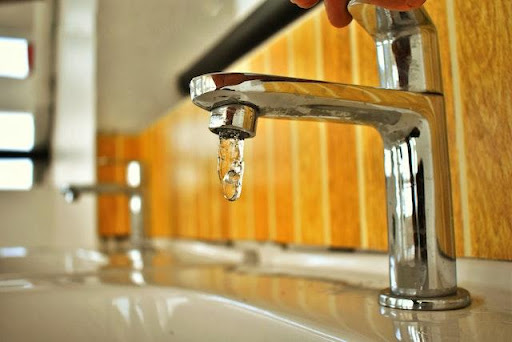
a running faucet in bathroom.

Having replacement faucets on hand ensures you never have to endure problems with this essential bathtub fixture.

Faucets

Faucets provide water and also help to control the temperature of the water. You can use them to add soap and other products to bath water. Having replacement faucets on hand ensures you never have to endure problems with this essential bathtub fixture. Even if they are still in good condition, you may want to replace your faucets to improve the appearance of your bathtub.

Washers and O-Rings

Rubber washers and O-rings fit between the internal pieces of the tub and its fixtures. These small components help the bathtub and bathtub fixtures maintain their tightness; loose parts accelerate wear and tear on plumbing fixtures. Washers and O-rings help to improve the overall performance of your bathtub by preventing leaks and other problems. Washers and O-rings come in various sizes; make sure you have the proper sizes for the various fixtures of the bathtub.

Faceplate

The faceplate prevents the bathtub from overflowing. An overflowing bathtub will easily flood your home and damage your flooring, appliances and the bathtub itself. The faceplate not only prevents this but it contributes to the overall finish of your bathtub. The bathtub’s faceplate can lose its effectiveness and its appeal. Having a spare faceplate at home is essential, and you don’t need advanced plumbing skills to replace this fixture.

Gasket

This is a small rubber ring similar to a washer. Instead of being found in the faucet or spout, the gasket sits inside the bathtub drain. Gaskets help drains retain their function; if they dry out or crack, the drain will leak. A leaky drain is often fixed by simply replacing a damaged gasket. Keeping a replacement gasket at home means you can easily swap out a damaged gasket, saving your family from several inconveniences.

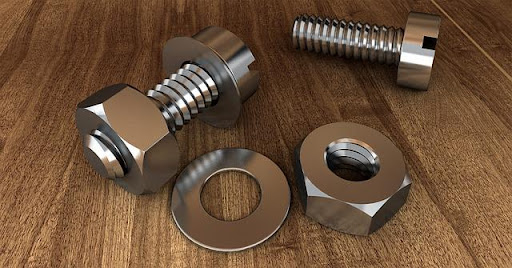
nuts and bolts.

Screws, nuts and bolts can break, wear out, become stripped or come loose and drop into a drain opening. Having these tiny parts on hand means you can reattach any loose bits quickly.

Nuts, Bolts, and Screws

These are an assortment of tiny parts found inside virtually all fixtures of your bathtub. The right screw, nut or bolt is essential for keeping the parts of each fixture in place. Screws, nuts and bolts can break, wear out, become stripped or come loose and drop into a drain opening. Having these tiny parts on hand means you can reattach any loose bits quickly.

Drain kit

Although your bathtub is designed to last for years, the bathtub’s drain may stop working long before the tub reaches its end date. Clogs, leaks and corrosion are common problems that affect bathtub drains. A spare bathtub drain kit is something to have in your home, in case the existing drain fails. Adding a new and better type of drain kit is another way to improve the performance of an existing bathtub. 

Valves

Sometimes you only need to replace the damaged gasket inside a valve assembly. Other times you need to replace the entire valve assembly. Most bathtubs have two kinds of valves; shut-off valves and diverter valves. These are used to either turn off the water or redirect its flow. Although valves don’t fail as easily as some other components, having a spare valve assembly in your home is recommended. Note that replacing an entire valve is a job best left to a local plumber. 

To conclude, before buying any of the above parts, take the time to note your bathtub’s specifics, so you can avoid buying the wrong parts. If you are having a hard time deciding the right parts for your bathtub, you may want to ask a nearby plumber for help.

How to Find a Water Leak Inside a Wall

How to Find a Water Leak Inside a Wall

Hidden leaks in your home are one of the most difficult plumbing issues. Although you can see the signs of the leak within your house – may be due to the home’s higher water bills – you do not know the location.

If you can’t pinpoint the location of a leak, it is impossible to fix it. Meanwhile, as you are trying to figure out the problem, the damage to your home just continues. In this post, Central Florida Property Management explains a step-by-step process for finding leaks inside the walls of your home.

Signs of water leak inside a wall

These are the signs you should expect to see if there is a water leak inside one of the walls of the house:

Puddles near a wall

Leaks can appear as small puddles at the base of a wall (be sure the water is not from an open or leaky window). You may also find that an area of carpet is always damp for no reason. You may notice wet flooring behind a water-utilizing appliance or near a bathroom sink. 

Discolored walls

If water is being discharged into a wall section, it will have a different color from the rest of the walls in your home. The area may have a washed-out look or appear lighter than its surroundings. Leaks may also leave dark watermarks on walls.

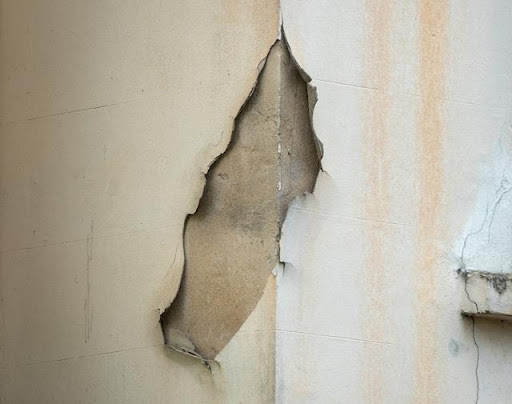
wallpaper damaged from a water leak.

Water from a leak will alter the texture of wall paint and wallpaper. Bubbles will appear under the layer of paint and sections of the wallpaper can start to droop.

Damaged paint or wallpaper

Water from a leak will alter the texture of wall paint and wallpaper. Bubbles will appear under the layer of paint and sections of the wallpaper can start to droop. You may also expect the drywall in that area to sag.

Mold and mildew

Clusters of mold and mildew will grow on any wall where there is a hidden leak. Even if none of the other signs is present, if mold is growing on a wall, you may suspect a leak. Mold will only grow in places where it has access to water.

Musty odors

If there is a leak behind your walls, chances are that the water will not dry out. Walls that are always wet will have a musty, humid odor. If mold is growing in the area, it can also contribute to bad odors.

Dripping sounds

In the first few seconds of turning off a shower or faucet and flushing a toilet, you may hear faint dripping inside a nearby wall. This sound is often louder if the home has PVC pipes. Metal pipes, on the other hand, may deaden the sound.

Pinpointing the leak location

There are three possible causes of water leaks inside the walls of a house. The most common one is damaged plumbing.

Finding defective plumbing inside a wall

To determine if the leak inside the wall is caused by a broken pipe, turn off all faucets and water-utilizing appliances in the home. Check your water meter to note its reading. Wait 3 hours and check the water meter again. If the reading has changed, your plumbing is leaking. To pinpoint the exact location of the leak, you have three options:

Use a moisture meter

This tool measures the moisture content of materials. For drywall, concrete, and masonry, the reading should be less than 1%. Scan the walls in your home to find any place where the reading is higher than normal.

Use an infrared camera

An infrared camera will detect the heat coming from your walls. You can use the temperature variations for different sections of the walls to pinpoint the location of a leak.

Cut into the drywall:

This method is invasive and should only be used as a last resort. Before you cut into your drywall, remember that the signs of a leak often occur far away from the location of the leak.

a man on a roof.

If the home’s plumbing is not leaking, you may want to ensure that water is not seeping into the walls of your home from the roof.

Inspect your gutters, eaves and downspouts

Clogged eaves and downspouts or damaged roof gutters can leak water into the walls of your home. If the home’s plumbing is not leaking, you may want to ensure that water is not seeping into the walls of your home from the roof. If the eaves, gutters and downspout are clogged, cleaning them should take care of the leak.

Check your home’s foundation 

Water can seep into the walls of your home through the foundation walls. If rainwater is allowed to pool at the base of the house because the soil around the home does not slope away from the building, you may have this problem. Solving this drainage issue will usually stop the leak inside your home. 

To conclude, a leak inside the walls of your home is not something you should ignore. Given enough time, this problem can do massive damage to the structures of your home. Finding the source of the leak and dealing with it is of utmost importance.

If you have trouble finding the leak yourself, do not hesitate to talk to a professional leak detection service. Also, if the leak is caused by a damaged pipe, do not try to fix it yourself; you could make the problem worse. Talk to a local plumber.

Sewer Scoping Inspections and Buying a Home: What You Need to Know

Sewer Scoping Inspections and Buying a Home

If you’re in the process of buying a home, there are a lot of things to consider. You want to ensure that the home you’re purchasing is in good condition and that there are no major issues that will end up costing you a fortune in repairs down the line. One area that you don’t want to overlook is the sewer system. That’s where sewer scoping inspections come in.

What is a Sewer Scope Inspection?

A sewer scope inspection is a process in which a specialized camera is inserted into the home’s plumbing system to inspect the condition of the sewer pipes. The camera is attached to a long, flexible cable and is inserted through a drain, typically the main sewer line cleanout.

The camera is able to provide a detailed view of the condition of the sewer pipes, including any obstructions, cracks, or other issues that could be present. The inspection will typically take about an hour to complete, and the results will be provided to you in a detailed report and/or can be recorded on a USB drive.

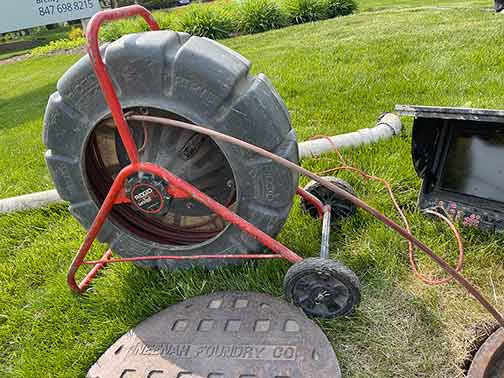
a sewer scoping inspection taking place.

A sewer scope inspection is a process in which a specialized camera is inserted into the home’s plumbing system to inspect the condition of the sewer pipes.

Why is a Sewer Scope Inspection Important?

There are a few reasons why a sewer scope inspection is important when buying a home. First, it allows you to identify any issues that might be present in the sewer pipes. If there are cracks, breaks, or obstructions, these can end up causing major issues down the line. By identifying these issues before you purchase the home, you can work with the seller to address them, or you can make an informed decision about whether to move forward with the purchase.

Second, if you do end up purchasing a home with sewer issues, you could be on the hook for costly repairs. Sewer repairs can be extremely expensive, and if you don’t catch these issues before you buy the home, you could be looking at a significant amount of unexpected costs.

How to Get a Sewer Scope Inspection

If you’re interested in getting a sewer scope inspection, you’ll need to contact a qualified local plumber or sewer inspection company. They will be able to schedule the inspection, perform the assessment, and provide you with a detailed report of their findings.

It’s important to note that not all homes will require a sewer scope inspection. If you’re purchasing a newly-constructed home, for example, the sewer pipes may still be in excellent condition and not require inspection. However, if you’re purchasing an older home, or a home that has a history of sewer issues, a sewer scope inspection is likely a good idea.

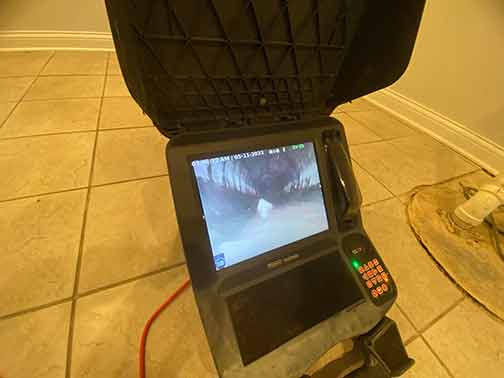
a sewer line camera inspection taking place.

The technician will be looking for various issues, such as cracks or breaks in the pipes, tree roots that may be growing into the pipes, and any other obstructions that may be preventing water from flowing freely through the system.

What to Expect During the Sewer Scope Inspection

During the inspection, a qualified technician will insert the camera into the home’s plumbing system. They will typically begin by inspecting the main sewer line, which is the largest and most important sewer pipe in the home. From there, they will inspect any other relevant pipes, such as those leading from bathrooms or sinks.

The technician will be looking for various issues, such as cracks or breaks in the pipes, tree roots that may be growing into the pipes, and any other obstructions that may be preventing water from flowing freely through the system.

After the inspection is complete, the technician will provide you with a report that details their findings. The report will typically include information about the condition of the pipes, any issues that were identified, and recommendations for repair or replacement of the sewer line or further inspections if necessary.

What Happens If Issues Are Identified?

If the sewer scope inspection identifies issues with the home’s sewer system, you’ll want to work with the seller and your real estate agent to address them. Depending on the severity of the issues, it may be necessary to negotiate repairs or a reduction in the home’s sale price to cover the cost of repairs.

It’s important to keep in mind that not all issues with a sewer system will be deal breakers. However, it’s important to have all of the information available to you so that you can make an informed decision about the home purchase.

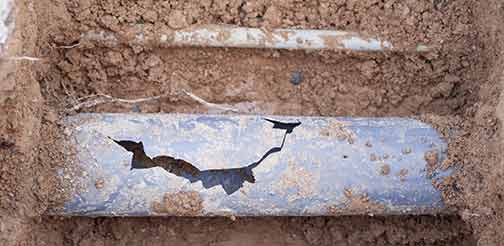
a broken sewer line.

After the inspection is complete, the technician will provide you with a report that details their findings.

To Sum it Up

When buying a home, it’s important to have as much information as possible about the condition of the property. This includes the condition of the home’s sewer system. By getting a sewer scope inspection, you can identify any issues that might be present in the sewer pipes and make an informed decision about whether to move forward with the home purchase.

Remember, not all homes will require a sewer scope inspection, but if you’re purchasing an older home or a home with a history of sewer issues, it’s likely a good idea. Contact a qualified plumber or sewer inspection company to schedule an camera inspection of your sewer line and get the information you need to make an informed decision about the home purchase.

Why Is My Chicago Water Utility Bill Skyrocketing All of the Sudden?

Chicago Water Utility Bill Skyrocketing

If you live in the Windy City, you may have just noticed a sudden spike in your water bill. It will not be unusual for you to be puzzled and ask yourself why there would be such a skyrocketing figure. You may even be using the same volume of water as ever, but the bill continues to spiral upward until you address the underlying issue. Here we will explain some of the reasons why your Chicago water utility bill could be skyrocketing suddenly.

Water Rates Increase

One of the obvious reasons why your water utility bill may have dramatically increased is due to water rates increase in Chicago. In 2021, the City of Chicago adopted a new water rate hike, with the aim of increasing water and sewer rates by an average of 6.2%. As a result, households that consume well over 7,500 gallons of water per billing cycle will notice an average increase of $4.34 in their water bill. However, this doesn’t explain why your bill is getting higher so quickly.

Leaking or Dripping Faucets

If you have leaking or dripping faucets in your home, you will definitely see a significant increase in your water utility bill. Leaking faucets may seem insignificant at first, but when left unattended for long periods, they can quickly become a source of water wastage. Not only do you lose gallons of water, but the leakage also increases your bill.

Running Toilets

Running toilets are another major cause of higher than usual water bills. In many cases, a running toilet can waste up to two full gallons of water per minute, leading to thousands of gallons every day. This can lead to a considerable increase in your water bill, despite having the same water consumption habits. It is advisable to have running toilets fixed as soon as possible to avoid further wastage.

Change in Water Usage Habits

Another possible reason why your water bill has suddenly increased is due to a change in water consumption habits. Perhaps you have added new household members, are doing more laundry or dishes, taking showers more often or watering the garden. A few small changes in your usage habits can quickly add up and lead to an increase in your water bill.

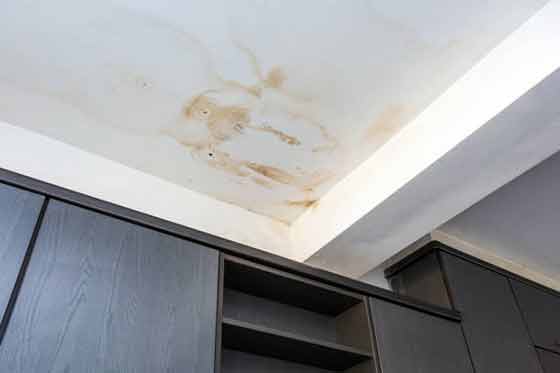
a hidden leak in a ceiling.

Hidden leaks may be happening behind walls or underground where it’s difficult to access, but you may notice a sudden change in your water bill.

Hidden Leaks

Apart from the apparent leaks and drips that you can easily notice, broken pipes and hidden leaks can cause an unexpected surge in your water utility bill. Hidden leaks may be happening behind walls or underground where it’s difficult to access, but you may notice a sudden change in your water bill. Therefore, if you’ve investigated other potential causes such as running toilets and dripping faucets, and haven’t found a solution, it’s recommended to contact a professional plumber to identify and repair any hidden water leaks.

Water Softener or Water Filtration System Malfunctions

If you have a water softener or water filtration system installed in your home, a malfunction in the system can also lead to an abrupt increase in your water bills. For instance, if the system runs continuously or isn’t programmed with the correct settings, it can cause a considerable spike in your water usage and your water utility bill.

In Conclusion

In conclusion, a sudden increase in your water utility bill can be frustrating and stressful. However, understanding the underlying causes and addressing them promptly can go a long way in decreasing your water consumption and your bill. It is essential to take action as soon as you suspect any of the above causes in order to save your hard-earned cash. Nonetheless, if you’ve investigated all of the potential causes and are unable to determine what’s causing the sudden increase in your bills, do not hesitate to get in touch with your water utility company and get a professional assessment, so issues can be identified and resolved as soon as possible.

The Do’s and Dont’s of Tending to Your Sewer Line

The Do's and Dont's of Tending to Your Sewer Line

The sewer line is an essential component of any plumbing system that connects your house’s drains to the municipal sewer system. It is often overlooked until it starts to malfunction, causing massive inconvenience, costly repairs, and health hazards. Sewer line maintenance is vital to ensure your plumbing system functions efficiently, minimizing the possibility of nasty and costly sewer backups. In this article, we will outline the do’s and don’ts of tending to your sewer line and how to prevent potential damage.

The Do’s of Tending to Your Sewer Line

1. Schedule Regular Inspection and Maintenance

Regular inspection and maintenance of your sewer line are crucial for identifying potential problems before they escalate. A licensed plumber should camera inspect your main sewer line annually or bi-annually. During the inspection, they can identify blockages, cracks, corrosion, and tree root intrusion that could potentially damage your sewer line.

The plumber can also conduct a hydro jetting service, which involves the use of high-pressure water and special equipment to clear any debris or tree roots that may have infiltrated your sewer line, causing clogs or slow drainage.

2. Use Sewer-Friendly Products

The products you use in your home can affect your sewer line’s health. Using toilet paper that dissolves quickly, for example, can prevent clogging of the sewer line. Also, avoid throwing non-biodegradable items like sanitary pads, tampons, and baby wipes down the toilet as they can cause blockages and damage your sewer line.

When it comes to drain-cleaning products, avoid harsh chemicals that can damage your pipes. Instead, use natural agents like vinegar and baking soda to clean your drains and prevent clogs.

3. Locate and Mark Your Sewer Line

Knowing where your sewer line is buried can help prevent damage during landscaping and other outdoor activities. It would be best to locate and mark your sewer line to avoid accidental damage from digging, planting trees or shrubs, or installing new structures in your yard.

4. Dispose of Fats, Oils, and Grease (FOG) Properly

When it comes to FOG, it is essential to dispose of them properly. FOG can solidify in your pipes, causing clogs and eventually damaging your sewer line. Instead, allow grease to solidify in a container and dispose of it in the trash.

5. Consider Hiring a Professional Plumber

While there are DIY methods for unclogging your sewer line, it is more advisable to hire a professional plumber. An experienced plumber has specialized tools, training, and expertise to identify problems and fix them correctly. DIY methods can cause further damage and expensive repairs down the line.

a man planting tress away from his sewer line.

Tree roots are drawn to the moisture and nutrients found in sewer lines, causing cracks and blockages that lead to sewer backups.

The Don’ts of Tending to Your Sewer Line

1. Do Not Plant Trees or Shrubs Near Your Sewer Line

Tree roots are one of the most common causes of sewer backups and line damage. Tree roots are drawn to the moisture and nutrients found in sewer lines, causing cracks and blockages that lead to sewer backups. When planting trees or shrubs, ensure that they are at least ten feet away from the sewer line.

2. Do Not Use Chemical Drain Cleaners

Chemical drain cleaners can cause more harm than good to your sewer line. The harsh chemicals can corrode the pipes over time, causing leaks and cracks. Additionally, these chemicals do not always remove the entire clog, resulting in stubborn blockages that require professional attention.

3. Do Not Use Your Toilet as a Garbage Disposal

As mentioned earlier, avoid throwing non-biodegradable items down the toilet. Your toilet is designed to handle human waste and toilet paper, nothing else. Other items like feminine hygiene products, baby wipes, dental floss, and even cotton swabs can cause blockages, leading to sewer backups and costly repairs.

4. Do Not Pour FOG Down the Drain

FOG should not be poured down the drain as it can cause clogs and damage your sewer line. Instead, allow grease to solidify and dispose of it in the trash.

5. Do Not Ignore the Signs of Sewer Line Damage

Ignoring the signs of sewer line damage can lead to significant and expensive repairs. Signs of a damaged sewer line include slow drainage, gurgling noises, sewage odors, and sewer backups. If you notice any of these signs, call a licensed plumber immediately to assess the damage and prevent further complications.

In conclusion, tending to your sewer line is vital to ensure your plumbing system functions efficiently and lasts longer. The do’s and don’ts of sewer line maintenance can prevent blockages, leaks, clogs, and other potential damages that could lead to costly and messy repairs. By adhering to these guidelines, you can keep your sewer line healthy and free-flowing for many years.

How to Safely Dispose of Cooking Grease

How to Safely Dispose of Cooking Grease

Cooking grease or cooking oil is a standard product that can easily be located in most households. It’s used for food frying like fries, chicken, and fish. Disposing of cooking grease is something that intimidates many homeowners. It clogs the drain lines and destroys the plumbing system when poured down the toilet or sink. Here, we will consider safe and eco-friendly ways of disposing of cooking grease.

Why Proper Disposal of Cooking Grease is Important

Cooking grease is a natural byproduct of cooking, and disposing of it properly is essential for several reasons. Firstly, it clogs the pipes and causes blockage in the plumbing system. This blockage leads to slow-draining sinks and toilets and can also cause sewage backup in homes.

Moreover, when dumped in a landfill, cooking grease can create an environmental hazard. It is an organic material and can attract rodents and other pests, leading to unsanitary conditions. Furthermore, if the grease is not disposed of properly, it can also contaminate the groundwater and soil, creating an environmental concern.

The Right Ways to Dispose of Cooking Grease

There are many ways to dispose of cooking grease safely and responsibly. Here are some tips to help you with the safe disposal of cooking grease:

1. Reuse the Grease

One of the easiest ways to dispose of cooking grease is to save it and reuse it. After using it for frying, allow it to cool down and strain it through a cheesecloth or coffee filter to remove any impurities. Store it in a clean container and use it again for cooking.

recycle kitchen grease.

Some recycling centers accept cooking grease for recycling. Collect the grease in a clean container and dispose of it at the recycling center.

2. Use Paper Towels and Napkins to Soak up the Grease

If you have small amounts of cooking grease, soak it up with paper towels or napkins and throw them in the trash after use. However, do not flush the used towels or napkins down the toilet as they can clog the sewage system and could require a professional hydro jetting service to clean the lines out.

3. Solidify the Grease

Another safe and simple method is to let the grease cool down and solidify. Once solid, scrape it off with a spatula and dispose of it in the trash. You can also use a plastic bag to collect the hardened grease and dispose of it in the trash.

4. Use Composting

If you have an outdoor composting bin, you can use it to dispose of small amounts of cooking grease. Mix the grease with compostable items like grass clippings, leaves, and fruits. This method helps the compost break down faster and adds nutrients to the soil.

5. Recycling Centers

Some recycling centers accept cooking grease for recycling. Collect the grease in a clean container and dispose of it at the recycling center. These centers recycle the used grease into biodiesel, a renewable energy source.

What Not to Do When Disposing of Cooking Grease

Here are some things that you should avoid when disposing of cooking grease:

1. Don’t Pour Grease Down the Drain

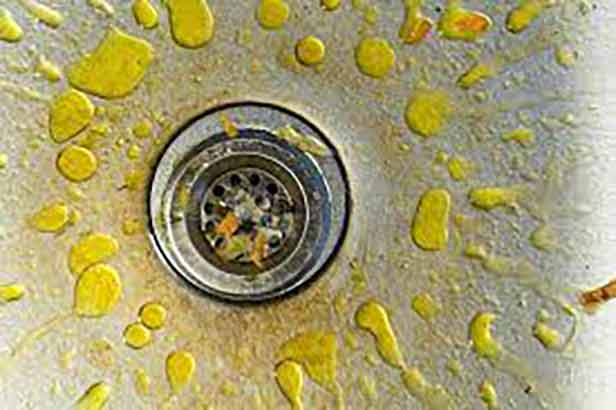
Never pour cooking grease down the drain or toilet, as it can clog the pipes and cause damage to the plumbing system. It can also affect the sewer system, leading to sewage backup and unsanitary conditions.

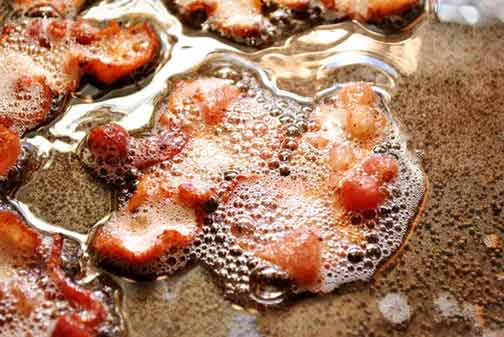
grease poured down a drain.

Do not dispose of cooking grease in the trash without solidifying it first. Liquid grease can leak out of the trash bag and create a mess.

2. Don’t Dispose of Grease in the Trash Without Solidifying

Do not dispose of cooking grease in the trash without solidifying it first. Liquid grease can leak out of the trash bag and create a mess. It can also attract pests and create unpleasant smells.

3. Don’t Dispose of Grease Using a Garbage Disposal

Never dispose of cooking grease using a garbage disposal. The grease can create a thick layer on the inner walls of the drain and cause blockages.

To Sum It Up

In conclusion, disposing of cooking grease is a necessary task for every homeowner. It is essential to dispose of it safely and responsibly to prevent damage to the plumbing system and the environment. Following the tips mentioned above can help you dispose of cooking grease in an eco-friendly and safe manner. Remember to avoid pouring it down the drain, dispose of it in the trash only after solidifying, and consider reusing it or recycling it if possible.

How Much Does Hydro Jetting Cost in Chicagoland?

How Much Does Hydro Jetting Cost in Chicagoland

When it comes to taking care of your plumbing at home, there are a multitude of possibilities open to you. But some are better than others. Hydro jetting, for instance, is a great tool for getting rid of annoying clogs and keeping blockages from ever forming in the first place. But just how much does hydro jetting cost in Chicagoland? Here we will have a closer look at what determines the cost of hydro jetting, and some ranges on price that you can expect.

Understanding the Importance of Hydro Jetting for Chicago Homeowners

Before we proceed to the cost of hydro jetting, we need to understand what hydro jetting is all about. Hydro jetting is a process that uses a strong water stream to clear out your pipes.

It works most effectively in loosening intractable clogs that cannot be easily removed through other means, such as snaking or chemically treating them. Hydro jetting can also remove mineral and rust buildup from inside your pipes, making them work better and last longer.

Factors Influencing Hydro Jetting Costs in Chicago: A Detailed Breakdown

Several factors can affect the cost of hydro jetting services in Chicago. Understanding these factors is crucial for homeowners to make informed decisions when seeking this service.

Pipe Condition and Accessibility: Key Cost Determinants

The condition and accessibility of the pipes significantly influence hydro jetting costs. Older pipes or those with severe blockages may require more time and effort to clean, thereby increasing the overall cost. Additionally, if the pipes are difficult to access, such as those located underground or behind walls, the service may be more expensive due to the complexity involved.

Severity of the Blockage: Impact on Pricing

The severity of the blockage is another critical factor affecting costs. Simple clogs caused by hair or soap residue may be easier and less expensive to remove compared to complex blockages involving tree roots or mineral deposits. The more severe the blockage, the more time and resources are needed to clear it, resulting in higher costs.

Service Provider and Experience: Influence on Cost

The experience and reputation of the service provider can also impact pricing. Established plumbing companies with a proven track record in hydro jetting services may charge higher rates due to their expertise and reliability. However, choosing an experienced provider can offer peace of mind, ensuring the job is done correctly and efficiently.

Time of Service: A Cost Consideration

The timing of the service can affect costs as well. Emergency services or those performed outside regular business hours may incur additional charges. Homeowners should consider scheduling hydro jetting during normal operating hours to avoid extra fees and ensure cost-effectiveness.

Average Cost Ranges for Hydro Jetting in Greater Chicago

So, how much can you expect to pay for hydro jetting in Chicagoland? The cost will vary depending on the factors listed above, as well as the specific plumbing company you choose to work with. However, here are some rough price ranges you can use as a starting point:

– For a standard one-time hydro jetting session, expect to pay between $600 and $1500. This will cover a simple clog removal for a standard-sized home.

– If you have a more complex plumbing system, such as a larger home or multiple levels, the cost will likely be higher. You may also need to pay for additional services, such as sewer camera inspections, so the plumber can assess the state of your sewer line via a camera.

– Some plumbing companies offer hydro jetting as part of a preventative maintenance package. This can be a good option if you’re looking to proactively avoid clogs and keep your plumbing running smoothly. These packages typically cost between $600 and $1500, and can include multiple hydro jetting sessions per year.

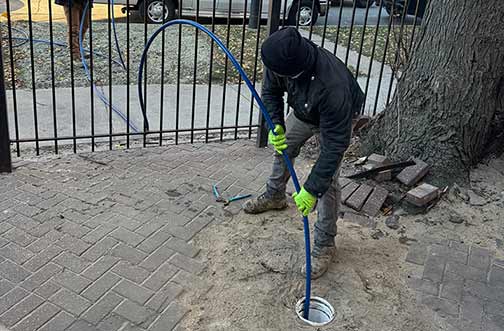
professional hydro jetting in chicago illinois

It may be tempting to opt for a cheaper plumbing company to save money on hydro jetting. However, this can often lead to subpar service or even damage to your pipes.

Tips for Saving Money on Hydro Jetting

While hydro jetting can be a more expensive plumbing service, there are a few ways you can save money on the process:

Schedule hydro jetting proactively: Don’t wait until you have a major clog to opt for hydro jetting. Instead, schedule regular preventative drain cleanings to keep your plumbing in good shape and prevent major blockages.

Look for discounts and specials: Some plumbing companies offer discounts or coupons on their plumbing services. Keep an eye out for these deals to save money.

Choose a reputable plumbing company: It may be tempting to opt for a cheaper plumbing company to save money on hydro jetting. However, this can often lead to subpar service or even damage to your pipes. Instead, choose a reputable drain cleaning service in Chicago with a history of quality work to ensure that your hydro jetting is done right the first time.

Conclusion: Making Informed Decisions About Hydro Jetting Services

Understanding the costs and benefits of hydro jetting is crucial for homeowners in Chicago seeking to maintain their plumbing systems. By considering the factors that influence pricing and choosing a reputable service provider, homeowners can ensure their pipes are clean and functional, preventing costly plumbing issues in the future.

Interested in Hydro Jetting Service in the Chicagoland area? Contact us via the form below or call us at 708-775-2566!