Author Archives: Chicago Plumbing Experts

What is a Sewer Line Cleanout?

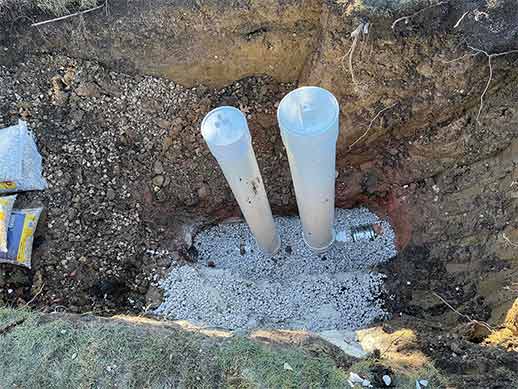
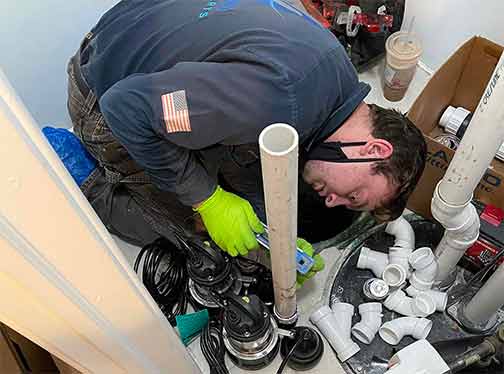
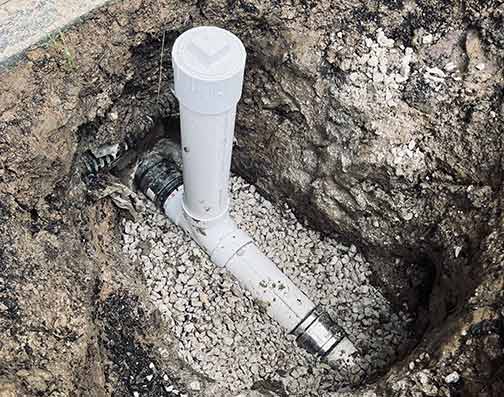
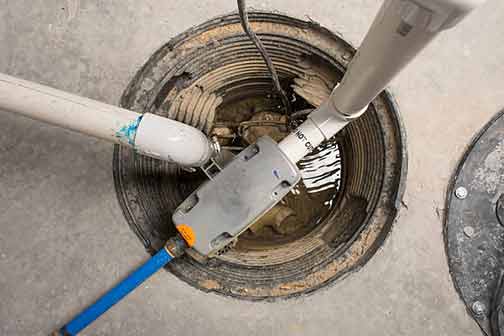
a freshly installed sewer line cleanout.

When it comes to the plumbing system in your home or commercial property, there are various components that work together to ensure proper wastewater disposal. One crucial aspect of this system is the sewer line cleanout. Here we aim to explain what a sewer line cleanout is, its purpose, and its importance in maintaining a well-functioning plumbing system.

What is a Sewer Line Cleanout?

A sewer line cleanout is an access point designed to provide easy access to your property’s main sewer line. It is typically a PVC pipe with a removable cap placed at strategic locations along the sewer line. These cleanouts allow professional plumbers to gain direct access to the main line for sewer camera inspections, maintenance, and sewer line cleaning purposes.

Purpose of a Sewer Cleanout

The primary purpose of a sewer cleanout is to provide a point of entry to the main sewer line. This access point enables plumbers to diagnose any issues within the system and perform necessary repairs or maintenance. Cleanouts are especially beneficial in cases of clogged or blocked sewer lines, as they simplify the process of locating and resolving the problem.

Key Components of a Sewer Line Cleanout

A typical sewer line cleanout consists of several elements that work together to form an effective access point. These components include:

Cleanout Pipe:

The cleanout pipe is a section of PVC pipe that connects to the main sewer line. It has a larger diameter than other pipes in the system to accommodate the insertion of plumbing equipment and tools.

Cleanout Cap:

The cleanout cap is a removable lid placed on top of the cleanout pipe. It provides an airtight seal when in place and prevents sewer gases and odors from escaping into the surroundings.

Cleanout Plug:

The cleanout plug is an alternative to the cap and is commonly found in older plumbing systems. It serves the same purpose as the cap but is screw-mounted instead.

Cleanout Tee:

The cleanout tee is a pipe fitting that connects the cleanout pipe and the main sewer line. It allows access to the sewer line without interfering with the normal flow of wastewater.

Access Rod:

An access rod, also known as a cleanout rod, is a long metal rod with a hook or loop at one end. It is used to remove the cleanout cap or plug when accessing the sewer line.

Importance of Sewer Cleanouts

Sewer line cleanouts play a crucial role in maintaining the functionality and efficiency of your plumbing system. Here are a few reasons why they are important:

Easy Inspection and Maintenance:

A properly installed sewer line cleanout provides easy access for local plumbers to inspect the condition of the sewer line, identify potential issues, and perform routine maintenance. This allows for proactive measures to be taken before major problems arise, saving time and money in the long run.

Efficient Troubleshooting:

In case of a sewer line blockage or clog, cleanouts simplify the troubleshooting process. By accessing the line through the cleanout, plumbers can locate the exact point of obstruction and resolve it more efficiently. This reduces the need for extensive digging or invasive measures to identify the problem.

Minimizes Health Risks:

Sewer line issues can lead to sewage backups, causing the release of foul odors and potentially harmful bacteria into your property. Regular cleanout accessibility ensures prompt and proper repairs, preventing health hazards associated with sewage leaks and minimizing the risk of contamination.

Prevents Costly Repairs:

A well-maintained sewer line with accessible cleanouts helps prevent major plumbing emergencies. Timely detection and resolution of issues such as leaks, blockages, or deterioration can significantly reduce the risk of major pipe damage, thereby saving you from costly sewer line repairs or replacements.
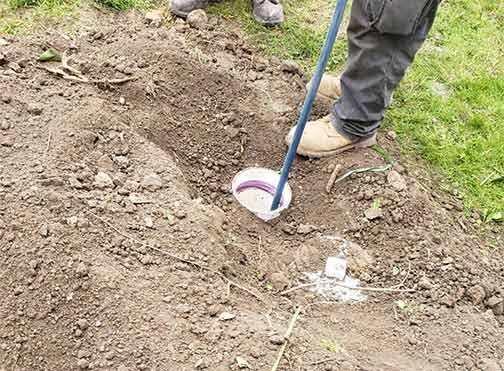
a plumber using hydro jetting via a sewer line cleanout.

If you encounter any sewer line issues or suspect a problem, it is advisable to seek professional help from licensed plumbers.

Maintaining and Using a Sewer Cleanout

To make the most of your sewer line cleanout, it is essential to follow certain maintenance practices and procedures. Here are some key points to keep in mind:

Regular Inspection:

Periodically inspect your cleanout to ensure it is free from blockages, debris, or damage. This will maintain its functionality and ease of access for future needs.

Professional Assistance:

If you encounter any sewer line issues or suspect a problem, it is advisable to seek professional help from licensed plumbers. They have the expertise and tools to effectively use the cleanout and resolve the underlying problems.

Avoid DIY Attempts:

Due to the complex nature of sewer lines and potential health risks associated with sewage, it is crucial to avoid DIY repair attempts. Incorrect handling, such as using excessive force or improper tools, can lead to further damage or injury. Always rely on trained professionals for sewer line maintenance or repairs.

Protection and Security:

Ensure the cleanout cap or plug is properly secured after inspections or maintenance. This prevents unauthorized access, keeps pests and debris away, and maintains the airtight seal to prevent sewer gases from being released into the environment.

In Summary

A sewer cleanout is an essential component of your plumbing system, providing access to the main sewer line for inspections, maintenance, and troubleshooting. By understanding the purpose and importance of cleanouts, you can ensure the smooth operation of your plumbing system, minimize risks, and prevent costly repairs. Regular maintenance and professional assistance will help you make the most of this crucial feature, ensuring the efficient and reliable disposal of wastewater from your property.
What is a Residential Flood Control System?

What is a Residential Flood Control System

A residential flood control system is an essential infrastructure designed to protect homeowners from the devastating effects of floods. It is a comprehensive set of measures put in place to prevent water from entering residential properties during heavy rainfall, melting snow, or other sources of excessive water. These systems are designed to divert, contain, or mitigate the flow of water to minimize damages to the property and ensure the safety of its occupants.

Types of Residential Flood Control Systems

There are various types of residential flood control systems available, depending on the specific needs and geographical location of the property. Here are some common types:

Drainage Systems: These systems focus on managing water flow and preventing water buildup around the property. They typically include surface drains, French drain installation, catch basins, and downspout extensions to efficiently redirect water away from the home.

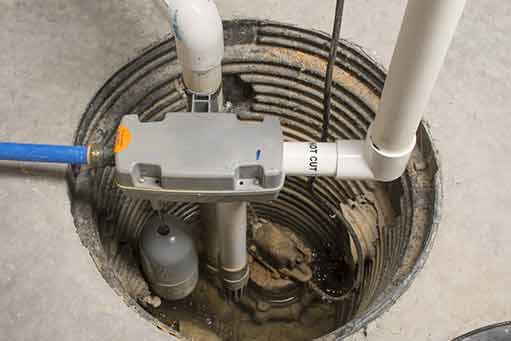
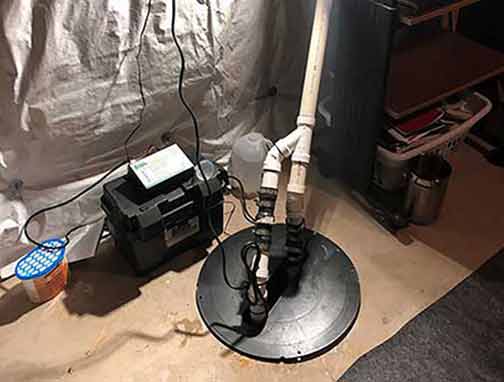
Sump Pump Systems: A sump pump is installed in the basement or lowest level of a property to remove water that has already infiltrated. They are designed to pump excess water out of the building to prevent basement flooding and structural damage.

Grading and Landscaping: Proper grading of the property ensures that water flows away from the structure, preventing water accumulation. Additionally, the strategic landscaping and use of features like rain gardens can naturally absorb and filter rainwater, further reducing flood risks.

Retaining Walls and Berms: These structures are built to hold back water and prevent it from reaching or pooling around the property. Retaining walls and berms are particularly useful in areas prone to soil erosion or when properties are situated on slopes or near water bodies.

Flood Barriers and Shields: Flood barriers come in various forms, including permanent concrete walls or temporary deployable barriers. They are typically placed around vulnerable areas, such as windows, doors, and low-lying entry points, to prevent water from entering the building.

Floodproofing Measures: Floodproofing involves modifying the property’s structure or installing specific features to make it more resistant to flood damage. This may include elevating the building, sealing walls and floors, using flood-resistant materials, and installing backflow prevention devices.

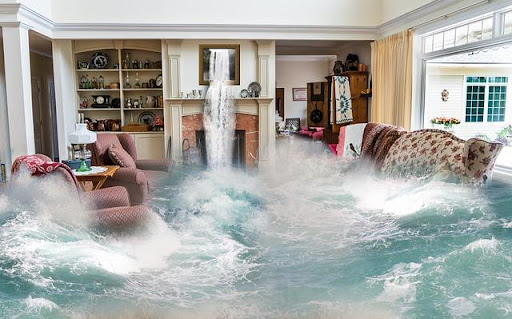
a flooded home.

By effectively diverting or containing floodwater, these systems reduce the risk of costly damage to the structure, foundation, possessions, and electrical systems within the property.

Benefits of a Residential Flood Control System

Investing in a residential flood control system offers numerous benefits, including:

Minimized Property Damage: By effectively diverting or containing floodwater, these systems reduce the risk of costly damage to the structure, foundation, possessions, and electrical systems within the property.

Enhanced Safety: Flood control systems can prevent potential hazards caused by flooding, including basement flooding, electrical malfunctions, mold growth, and even structural collapse. They help ensure the safety and well-being of the occupants by minimizing risks associated with flooding.

Insurance Premium Reduction: Many insurance companies offer lower premiums to homeowners who have implemented flood mitigation measures. A residential flood control system can significantly reduce the likelihood of flooding, making the property less risky to insure.

Increased Property Value: Having a functional and efficient flood control system in place adds value to the property. Prospective buyers prefer homes with adequate flood protection, providing a competitive advantage in the real estate market.

Peace of Mind: With a residential flood control system, homeowners can have peace of mind knowing that their property is well-equipped to resist floodwaters, reducing anxiety during periods of heavy rainfall or potential flood events.

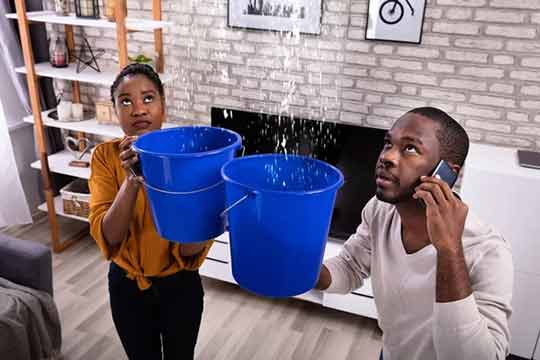
a couple in need of water leak detection service.

Flood control systems can prevent potential hazards caused by flooding, including basement flooding, electrical malfunctions, mold growth, and even structural collapse.

Considerations for Installing a Residential Flood Control System

Before installing a residential flood control system, several factors should be taken into consideration:

Property Assessment: A professional assessment of the property is crucial to determine the most effective flood control measures. Factors such as the property’s elevation, location, and proximity to water sources play a significant role in determining the appropriate flood control system to implement.

Local Regulations: Familiarize yourself with local building codes and regulations regarding flood control systems. Some areas have specific requirements for flood-resistant construction or may offer incentives for implementing certain flood mitigation measures.

Expert Consultation: Speaking with experienced flood control experts or engineers can provide valuable insights into the most suitable system for your property. They can also ensure compliance with local regulations and optimize the efficiency of the system.

Maintenance: Regular maintenance of the flood control system is crucial to ensure its effectiveness. Implementing proper maintenance practices will help identify any issues or potential vulnerabilities and allow for timely repairs or adjustments.

Conclusion

A residential flood control system is a vital investment for homeowners, offering protection against the destructive consequences of flooding. By implementing appropriate flood control measures, homeowners can safeguard their properties, enhance safety, reduce property damage, potentially lower insurance premiums, and increase the value of their homes. Proper assessment, compliance with local regulations, and regular maintenance are key to ensuring the effectiveness and longevity of the flood control system. With a well-planned system in place, homeowners can enjoy peace of mind and mitigate the risks associated with flooding.

How To Repair Your Plumbing After a Heavy Rain and Flooding

How To Repair Your Plumbing After a Heavy Rain and Flooding

Heavy rain and flooding can cause significant damage to our homes, including our plumbing systems. Water accumulation, high groundwater levels, and sewer backups can all lead to plumbing issues that require immediate attention and repair. Below we will guide you through the steps to effectively repair your plumbing after a heavy rain and flooding event.

Assessing the Damage

The first step in repairing your plumbing after heavy rain and flooding is to assess the damage thoroughly. Look for signs of water damage or leaks in the following areas:

  • Pipes and fittings
  • Water fixtures
  • Water heaters
  • Drainage systems
  • Sewer lines
  • Sump pumps

Inspect the visible pipes and fixtures for any cracks, bends, or signs of corrosion. Check around your home for standing water or damp areas that might indicate a leaking pipe.

Tackle Immediate Concerns

If you discover any serious plumbing issues during your assessment, it’s crucial to address them immediately to prevent further damage. Consider taking the following actions:

  • Shut off the main water supply to prevent additional water from flowing into your home.
  • If you notice any sewage backups, avoid using any plumbing fixtures and call a plumber to address the issue.
  • Inspect the sump pump for proper functioning. Clear any debris and test its operation to ensure it can handle future flooding.
  • Remove any debris or leaves that might have accumulated around drainage areas to prevent clogs.
  • In case of severe damage or if you’re unsure of how to proceed, contact a professional plumber for assistance.
upgrading older homes.

In case of severe damage or if you’re unsure of how to proceed, contact a professional plumber for assistance.

Repairing Leaking Pipes and Fittings

In many cases, heavy rain and flooding can cause pipes to crack or fittings to become loose, leading to leaks. To repair leaking pipes and fittings:

First, shut off the water supply to the affected area. Then, follow these steps:

  • Inspect the damaged pipe or fitting and determine the extent of the damage.
  • If the pipe is damaged, measure the affected section and obtain a replacement pipe of the same material and diameter.
  • Cut out the damaged section of the pipe carefully using a pipe cutter or hacksaw.
  • Prepare the new pipe section by cleaning the ends and applying plumber’s tape or joint compound.
  • Attach the new pipe section to the existing plumbing using suitable connectors or fittings.
  • Tighten the connections securely, ensuring there are no leaks.
  • If the fitting is loose, tighten it using a wrench or plumbing pliers. Apply plumber’s tape for added sealing if necessary.
  • Turn the water supply back on and check for any leaks. If none are present, the repair is successful.

Addressing Water Fixture Issues

Heavy rain and flooding can also impact water fixtures, such as faucets, showers, and toilets. To repair water fixture issues:

Follow these steps:

  • Turn off the water supply to the affected fixture.
  • Remove the fixture by unscrewing the connections or detaching it from its mount.
  • Inspect the fixture for any damage or clogs. Clean or replace any parts as necessary.
  • Apply plumber’s tape to the threaded connections and reattach the fixture.
  • Tighten the connections securely, ensuring there are no leaks.
  • Turn the water supply back on and test the fixture for proper functioning.
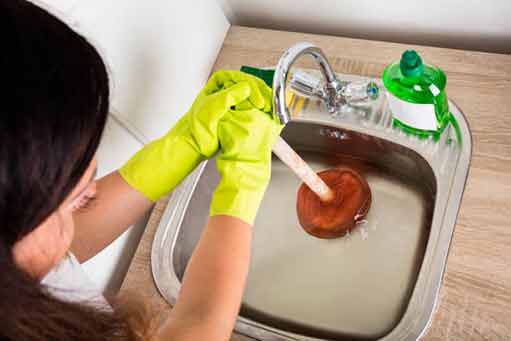
a clogged kitchen drain cleaning attempt.

Clear any debris, leaves, or sediment that might be obstructing the flow. Use appropriate tools, such as plumbers, drain snakes or pressure washers, with caution.

Restoring Functionality to Drainage Systems and Sewer Lines

During heavy rain and flooding, drainage systems and sewer lines can become overwhelmed, causing backups and inefficiencies. To restore functionality:

Take the following steps:

  • Inspect the area around your home for clogs or blockages in the drainage and sewer lines.
  • Clear any debris, leaves, or sediment that might be obstructing the flow. Use appropriate tools, such as plumbers, drain snakes or pressure washers, with caution.
  • Consider installing backwater valves or other preventive measures to minimize the risk of future sewer backups.

Conclusion

Repairing your plumbing after heavy rain and flooding requires careful assessment, immediate action, and proper repair techniques. By taking the necessary steps to address leaks, restore water fixtures, and ensure the functionality of drainage systems and sewer lines, you can effectively repair and prevent plumbing issues caused by extreme weather conditions. However, if you are unsure of how to proceed or encounter significant damage, contacting a professional plumber is always recommended to ensure the safety and integrity of your plumbing system.

What to Do When Your Plumbing Goes Wrong? Tips From Chicago’s Top Emergency Plumbers!

What to Do When Your Plumbing Goes Wrong

Plumbing emergencies are something that no homeowner wants to deal with. The sudden flooding, leaking pipes, or sewage backups can be not only frustrating but also cause significant damage to your property if not addressed immediately. When faced with a plumbing emergency, it is crucial to act swiftly and efficiently to minimize the damage and get the situation under control. Below we will share valuable tips from the city of Chicago’s best emergency plumbers on what to do when your plumbing goes wrong.

Shut off the Water

One of the first things you should do when you encounter a plumbing emergency is to shut off the water supply. This will help prevent any further water damage to your property. Locate the main water shut-off valve in your home and turn it off immediately. It is essential to familiarize yourself with the location of this valve before an emergency occurs to save time in such situations.

Assess the Situation

After turning off the water supply, take a moment to assess the severity of the plumbing emergency. Consider the extent of the damage, the potential causes, and whether it is something you can handle on your own or if professional assistance is necessary. Minor issues like a clogged drain or a small leak might be manageable with some simple troubleshooting, but more significant problems such as burst pipe emergencies or sewer backups require the expertise of an emergency plumber.

Call a Professional Emergency Plumber

If you are dealing with a severe plumbing emergency, it is best to call a professional emergency plumber right away. Chicago’s top emergency plumbers are experienced professionals who specialize in handling urgent plumbing issues. They have the necessary tools, knowledge, and expertise to quickly diagnose and resolve the problem, saving you time, effort, and further damage to your property.

Take Immediate Steps to Minimize Damage

While waiting for the emergency plumber to arrive, there are several immediate steps you can take to minimize damage to your home:

  • Turn off electrical power: If there is standing water near electrical outlets or appliances, turn off the power at the main electrical panel to avoid the risk of electrocution.
  • Clear the area: Move any furniture, belongings, or valuables away from the affected area to prevent them from getting damaged.
  • Use buckets or towels: If there is excessive water or leaks, use buckets or towels to soak up the water and prevent it from spreading further.
  • Open windows and doors: Ventilate the area by opening windows and doors to allow fresh air to circulate and aid in drying out the affected area.

Avoid DIY Fixes

While it may be tempting to try and fix the plumbing issue yourself, especially if it seems minor, it is generally advisable to avoid DIY fixes during a plumbing emergency. Incorrect repairs or temporary solutions can lead to more significant problems down the line and cost you more in repairs. Professional emergency plumbers possess the necessary expertise to efficiently diagnose the problem and offer a reliable and long-lasting solution.

Take Preventive Measures

Plumbing emergencies can be unpredictable, but there are preventive measures you can take to minimize the risk of encountering such situations in the future:

  • Maintain regular plumbing inspections: Schedule regular inspections with a reputable plumber to identify and address any potential plumbing issues before they escalate into emergencies.
  • Avoid flushing non-flushable items: Educate yourself and your family members on what can and cannot be flushed down the toilet. Flushing non-flushable items can lead to clogs and backups.
  • Properly maintain your plumbing fixtures: Regularly clean and maintain your plumbing fixtures, such as faucets, showerheads, and drains, to prevent clogs and other plumbing problems.
  • Winterize your plumbing: In colder climates, take necessary precautions to prevent frozen pipes, such as insulating exposed pipes and letting faucets drip during freezing temperatures.

Learn from the Experience

Experiencing a plumbing emergency can be stressful and inconvenient, but it also presents an opportunity to learn and be better prepared for future situations. Reflect on the experience and take note of what you could have done differently to prevent or minimize the damage. This knowledge will help you respond more effectively in case of any future plumbing emergencies.

In Summary

Dealing with a plumbing emergency can be overwhelming, but following these tips from Chicago’s top emergency plumbers will help you handle the situation with efficiency and minimize damage to your property. Remember to shut off the water supply, assess the severity of the issue, and call an emergency plumber if necessary. Take immediate steps to minimize damage and avoid DIY fixes that may worsen the problem. By taking preventive measures and learning from the experience, you can reduce the risk of future plumbing emergencies and keep your home safe and secure.

Are you in need of an emergency plumber in Chicago? We offer free estimates and can be reached at 773-599-9181 or you can fill out the form below.

Say Goodbye to Plumbing Nightmares: Easy Steps for Homeowners to Avoid Drain Clogs

Easy Steps for Homeowners to Avoid Drain Clogs

We all know that dealing with drain clogs can be a real nightmare. The gurgling sounds, foul odors, and water backing up in unexpected places are enough to ruin anyone’s day. But fear not! In this article, we’ll dive into some easy steps you can take to avoid drain clogs and bid farewell to those plumbing nightmares. We will also explain how these issues form in the first place and how to act if you notice any signs of backed-up drains.

Understanding Common Causes of Drain Clogs

If your sewer drain is acting up, you might be dealing with a clog. However, before you proceed, it would be best if you knew exactly what you are dealing with. Look for signs that your main sewer drain is clogged, or call a plumber to inspect your home’s plumbing. Avoiding drain clogs begins with understanding what causes them in the first place. Let’s take a closer look at the culprits:

Food Waste

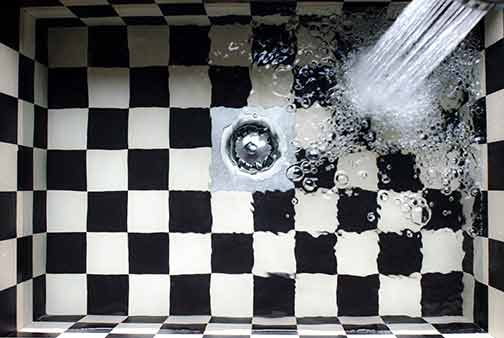
We’re all guilty of rinsing off that greasy pan or pouring cooking oil down the drain, but these actions can lead to stubborn clogs. To avoid drain clogs, steer clear of disposing of grease and oil down the drain. Instead, collect them in a container and toss them in the trash when cooled. Additionally, be mindful when using a garbage disposal. It doesn’t give you a free pass to dump everything down the drain. Be conscious of what you’re putting in there, and handle food scraps and leftovers responsibly. If your kitchen plumbing gets backed up, you should contact professionals instead of trying to repair the issue yourself.

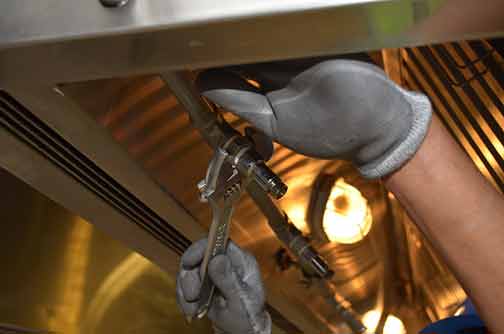
Professional plumber working on home plumbing.

If you feel out of your league, speak with professional plumbers.

Hair and Personal Care Products

Hair products can wreak havoc on our drains. Invest in drain catchers or screens to catch those pesky hair strands before they cause clogs. Regularly cleaning and maintaining drains is also essential, especially in the bathroom, where personal care products like shampoos and conditioners can leave a residue. Proper disposal of hair and personal care products is a must to keep those drains flowing freely.

Soap Scum and Mineral Buildup

Soap scum and mineral buildup are sneaky culprits that gradually narrow your drain’s pathway. Opt for drain-friendly soap products and give your drains some TLC with routine cleaning to prevent soap scum buildup. Additionally, if you have hard water, consider addressing the issue to reduce mineral buildup, which can lead to clogs over time.

Foreign Objects

Our little ones can be quite mischievous, and sometimes toys or other small objects accidentally find their way into drains. To avoid potential clogs, keep small objects away from drains and educate children about drain safety. Also, exercise caution when using gutters for cleaning purposes to prevent inadvertently pushing debris further into the plumbing system.

Home Renovation

Home renovations often involve extensive work on your home, and with that comes the risk of debris, construction materials, or even accidental damage finding its way into your drains. The relocation experts from the Royal Moving Company suggest putting your items in storage to allow easier access to all areas of your home while the work is ongoing. To avoid plumbing nightmares during your renovation, it’s also a good idea to take preventive measures.

Implementing Preventive Measures to Avoid Drain Clogs

Now that we’ve identified the causes, it’s time to take action and prevent those drain clogs from happening:

Regular Drain Cleaning

Regular maintenance is key to avoiding plumbing nightmares. Incorporate DIY drain cleaning methods into your routine, such as using a mixture of boiling water and natural solutions like baking soda and vinegar. If you prefer leaving it to the pros, consider professional drain cleaning services to ensure a thorough and effective clean. Experts will be able to remove even the toughest clogs, which can save you money and time.

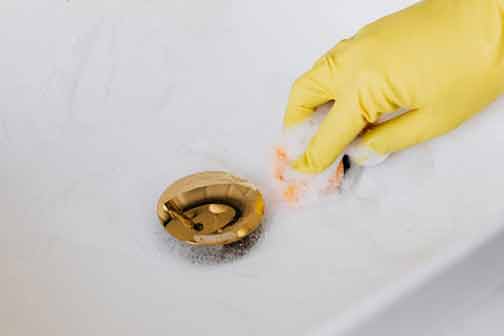
Person in yellow gloves cleaning bathroom fixture.

Regularly cleaning the fixtures and drains can prevent buildups.

Maintenance of Plumbing Fixtures

Your plumbing fixtures need some love too! Properly using and cleaning toilets, sinks, showers, and bathtubs can go a long way in preventing clogs. Be mindful of what you flush down the toilet and avoid using it as a trash can. Regularly clean your bathroom and kitchen sinks to remove any residue that might accumulate. And when it comes to showers and bathtubs, keep an eye out for hair buildup and clear it out to maintain optimal drainage.

Grease Traps and Strainers

Grease traps in your kitchen sink can help catch grease and prevent it from entering your drain. If your kitchen gets a lot of use, you should consider installing a grease trap. However, keep in mind that grease traps also require regular cleaning and maintenance. Sink strainers are also fantastic tools for keeping food particles and other debris from clogging up your pipes. Remember to use the strainers regularly for optimal performance.

Long-Term Strategies for Drain Health

Preventing drain clogs requires a holistic approach. Consider these long-term strategies to keep your drains flowing smoothly:

Proper Landscaping and Yard Maintenance

Believe it or not, the state of your yard can impact your drain health. Ensure proper drainage by diverting water away from drains through appropriate landscaping techniques—regularly clean outdoor drains and gutters, removing any debris that might obstruct the water flow. And, of course, avoid letting plant debris accumulate near your drains.

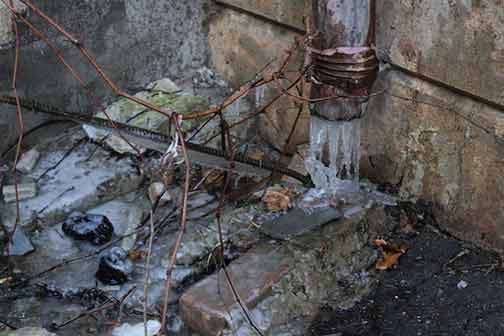
Frozen pipe in backyard.

Pay attention to your outdoors exposed pipes.

Preventing Frozen Pipes

Frozen pipes can lead to disastrous clogs and costly repairs. Take preventive measures during the winter months by insulating your pipes to keep them warm. Techniques like opening cabinet doors to allow warm air circulation and letting faucets drip can also help prevent freezing and burst pipe emergencies. Be vigilant for signs of frozen pipes, such as reduced water flow or unusual sounds, and address them promptly.

Professional Inspection and Maintenance

While DIY efforts are commendable, professional plumbing inspections are invaluable for preventing drain clogs. Schedule regular camera inspections of your drains to identify and address minor issues before they become major problems. By investing in professional maintenance, you’ll save yourself from future plumbing nightmares and keep your drains in tip-top shape.

In Conclusion

You’ve now armed yourself with knowledge and easy steps to avoid drain clogs and bid farewell to plumbing nightmares. You can enjoy a clog-free home by understanding the common causes of clogs, implementing preventive measures like regular drain cleaning and proper fixture maintenance, and incorporating long-term strategies for drain health. Remember, preventing drain clogs is a proactive endeavor that requires consistency and attention. So, make it a habit to avoid drain clogs by practicing these tips and tricks. Your plumbing will thank you, and you’ll save yourself from costly repairs down the line.

How to Choose the Right Sewer Main Line Repair Contractor

How to Choose the Right Sewer Main Line Repair Contractor

Your home’s main sewer line is the large pipe that collects wastewater from the various drains inside the house and transports that wastewater to the municipal sewer line in the streets. Hidden below ground, the main sewer line ensures that wastewater does not remain in your shower, sink, garbage disposal or toilet every time you use these plumbing fixtures.

The main sewer line is the vital link between your home’s drain system and the city’s wastewater management system. It runs through your yard to connect to the city sewer line or the home’s septic system (if your home doesn’t have or is not connected to a central sewer system). According to Reside Rentals the main sewer line is essential for the function, comfort and safety of your home.

Problems in the main sewer line can upset the daily routine of your entire household. They can also subject your property to the risk of severe physical damage. The most common problems with a home’s main sewer line are clogs and blockages. Sewer line clogs and blockages happen for several reasons, and the typical way to deal with them is to clean the sewer line via a professional sewer rodding or hydro jetting service.

But sometimes sewer line problems can get so bad that cleaning the pipes does not get rid of the issues. In these situations, the sewer line must be repaired or replaced. Fixing a damaged sewer line is a complex job that needs expertise. The cost and complications that will ensue if you hire the wrong person to do this job can be massive.

If your home’s main sewer line is damaged and you are in the process of hiring a sewer line repair contractor to fix it, what are the qualities you should look for in that contractor? This list of ten questions will help you screen each sewer main line repair contractor you talk to. Use them to find a contractor who is the right fit for your sewer repair job.

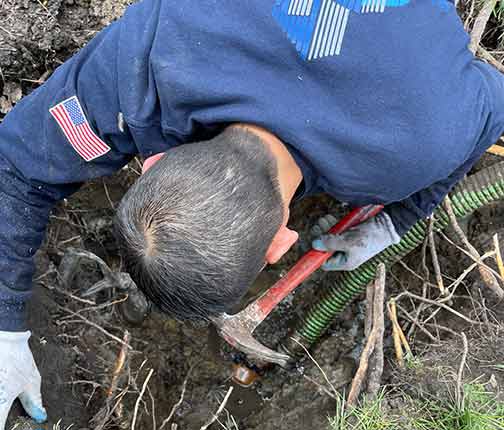
a sewer main line repair technician.

Fixing a damaged sewer line is a complex job that needs expertise. The cost and complications that will ensue if you hire the wrong person to do this job can be massive.

10 questions to ask before you hire a sewer main line repair contractor

Are you a licensed sewer contractor? 

Most states require sewer contractors operating within their jurisdiction to be licensed. This licensing process involves checks by the authorities to make sure the company is properly certified. Only work with licensed companies and make sure their licenses are up-to-date.

What is your experience and expertise?

Experience matters because things can easily go wrong when repairing a damaged sewer line. These complications may not manifest until long after the sewer repair is completed. An inexperienced contractor can make your sewer line more susceptible to damage.

Can you provide references?

A reputable contractor should not have any problems with allowing you to talk to their past customers. To be sure that the contacts they give you are actual customers, ensure you speak with every person on the list.

What kind of sewer replacement technology do you use? 

Do they specialize in residential or commercial sewer line repair? What kind of sewer repair methods do they use? Do they recommend trenchless repair, and is this method suitable for your home? What kind of equipment do they have?

Are you adequately insured and bonded? 

What happens if a worker is injured or your property is damaged during the project? Do they have the right insurance; worker compensation, liability and property insurance? What happens if the company is unable to complete the project? Are they bonded?

Do you offer any guarantees? 

If there is a problem after the project is completed, will they fix the issues at no cost to you? Or are you required to pay for such repairs? If there is a warranty, how long is it, and what does it include?

expenses for sewer main line repair.

Ensure the quote is binding and takes into account everything that can unexpectedly cause the project cost to increase.

How will you cost the project?

Will the plumber conduct a sewer camera inspection of the line before they cost the project or give you an estimate? Ensure the quote is binding and takes into account everything that can unexpectedly cause the project cost to increase.

Will you get the required permits and inspections? 

You may need to get a permit from the city for your sewer repair job. You may also be required to have the sewer line inspected afterwards to make sure it is up-to-code. Will the company take care of these arrangements?

Do you do post-project cleanup and restoration? 

Depending on the type of sewer repair method, post-project cleanup and restoration can be a lot of work and cost a lot of money. Some of the work may include backfilling of dug-up materials and compaction after backfilling.

What are your payment terms? 

How would they like to receive their payment? Do they expect to be paid on the same day that the work is completed or a few days after? Do they accept multiple payment options? Never pay cash to a contractor. Never pay a contractor on the site.

Finally, check for verified reviews of the contractor on various online platforms. Also, get and compare quotes from at least three shortlisted contractors before you make your decision.

Troubleshooting Guide: Common Issues with Sump Pump Systems

Troubleshooting Common Issues with Sump Pump Systems

Sump pumps protect your home from basement flooding. They make it possible to travel or sleep without worrying that a basement flood will damage your home. A functioning sump pump means that basement floods will never take you by surprise.

But the value of your sump pump lies in its ability to do its work without the need for your direct involvement. Sump pumps automatically power on when water enters your basement and turn themselves off after that water is removed.

If the sump pump fails to do this, it will not provide any protection against flooding. However, since you are oblivious to the failure of the sump pump, you will continue to rely on it for protection. Prime Realty Property Management warns that is one of the biggest issues homeowners have with their sump pumps.

This kind of sump pump issue is usually not discovered until after a flood has damaged your home. But you can avoid problems like this if you know how to troubleshoot a sump pump to ensure it works. Troubleshooting your sump pump will give you peace of mind.

In this short guide, we explain the common issues with sump pump systems and how you can troubleshoot these problems to avoid a flooding emergency in your home.

sump pump troubleshooting.

Power outages during storms can cause your sump pump to stop working.

How to troubleshoot some common sump pump issues

Do these checks at the approach of flood season and during flood season.

Sump pump doesn’t have power

Power outages during storms can cause your sump pump to stop working. The sump pump may also lose power if someone forgets to plug it in or accidentally flips the circuit breaker. There are two things you can do to protect yourself in these situations. You can install a water alarm to let you know when the sump pump is not working. You may also install a battery-powered backup sump pump in case the main pump stops working.

Sump pump float is jammed

The float switch is responsible for switching on the sump pump when the water level in the sump pit rises and turning it off when the water level is low. If the float switch is stuck, it cannot perform this function. Pour water into the pit until you hear the pump power on to check if the float switch is functioning. Wait until the water is pumped out to see if the pump turns off automatically.

Sump pump is clogged

Before water enters your sump pit, it may have flowed over the ground and picked up debris. The debris inside the water can get inside your sump pump and clog it. A clogged sump pump will not only overwork but will not pump water adequately. Elevate your sump pump above the sump pit floor by placing it on a pedestal to prevent clogs. Create a schedule for cleaning your sump pit and sump pump.

The check valve is damaged

There is a check valve inside the discharge pipe of your sump pump. This valve prevents discharged water from flowing back into the pit. If the valve is faulty, the sump pump will run continuously because discharged water will circle back into the sump pit. If your sump pump runs continuously and the problem is not due to a jammed float switch, you may need to replace the check valve. A damaged check valve will overwork and damage your sump pump.

Discharge line is clogged

The sump pump discharge line can get clogged at its exit or freeze during winter. If either of these happens, discharged water will flow back into the sump pit instead of flowing to the discharge point. Install grates at the end of the discharge pipe to keep debris and small animals out of the discharge line. A special grated discharge line attachment will allow your discharge pipe to continue to work even when the discharge pipe is frozen.

a plumber performing sump pump maintenance.

Frequent sump pump failure could be a sign that you need a bigger and more durable sump pump.

The sump pit is too small

If the sump pit is not big enough to handle the volume of water that enters it, the sump pump will run more often than it should. That will make the sump pump more vulnerable to failure because the motor will burn out. If your sump pump runs continuously and you have determined that the problem is not due to a stuck float switch or damaged check valve, it could be that the sump pit is too small.

The sump pump is wrong for your home

You will have frequent sump pump issues if the sump pump’s capacity does not match the needs of your home. The right size of the sump pump depends on how much water you expect the sump pump to handle. The amount of rainfall your area receives and proximity to large water bodies are factors that influence sump pump size. Frequent sump pump failure could be a sign that you need a bigger and more durable sump pump.

Lastly, to make sure your sump pump system does not disappoint you when you need it most, make a plan to have the sump pump inspected on a schedule by a professional plumber.

How to Avoid Sump Pump Failures and Flooding in Your Home

How to Avoid Sump Pump Failures and Flooding in Your Home

A sump pump system is one of the most effective defenses against basement flooding in your home. Sump pumps also help to prevent sewage backups. They reduce humidity levels in the house and will reduce the risk of mold in your basement.

The best thing about sump pumps is they virtually run themselves. You don’t have to manually switch them on and off. The sump pump will automatically power on to remove water from your basement and switch off after the water is pumped out of your home.

But to fully enjoy the peace of mind afforded by a sump pump, you must maintain it to prevent failure. Fall River Property Management warns that sump pump failure is a major problem for homeowners. If the sump pump fails without the owner’s knowledge, the home will be exposed to the risk of flooding.

There are many reasons sump pumps fail. Most of them can go undetected for a long time. In many cases, the homeowner only learns of the problem after the damage is done. If your home is flooded despite your sump pump, the entire purpose of the system is defeated.

How do you ensure your home is fully protected from basement flooding by avoiding sump pump failure?

a basement.

If your home is flooded despite your sump pump, the entire purpose of the system is defeated.

How to avoid sump pump failure

To prevent sump pump failure, you must know the common causes of the problem. Below are the reasons your sump pump may fail and what you can do about them. Note that to detect these problems before they create an emergency in your home, you must inspect your sump pump regularly.

Stuck float switch

The float switch is the device that turns the sump pump on and off. It is a buoyant switch that monitors the water level in the sump pit to determine when to trigger the sump pump. Debris around the float switch can jam it. It can also be displaced by the vibration of the motor. Clean, adjust and test the float switch every time you inspect the sump pump. To test the float switch, pour some water into the sump pit until the water level is high enough for the sump pump to power up. Wait until the pit is empty to see if the motor powers off.

Clogged lines

Clogs interfere with or even prevent the proper function of your sump pump. Clogs can happen in various areas of the system, and they are mostly caused by debris. If one of the following lines/pipes is clogged, the pump will not be able to move water out:

  • Clogged discharge line: If the discharge line is blocked, discharged water will back up into the pump and cause it to fail.

  • Clogged intake screen: The intake screen may be blocked by debris. It will force the pump to work harder, ultimately leading to failure.

  • Frozen discharge line: This mostly happens in winter. It has the same effect as a clogged discharge line. Adding insulation to the pipe can prevent this issue.

The way to solve some of these problems is to inspect and clean your sump pump regularly.

Loss of power

The sump pump will lose power if there is a power outage during a storm. Another common reason a sump pump may be disconnected from power is if someone in the home unplugs it and fails to plug it back or the circuit breaker is accidentally turned off. Problems with the home’s wiring can also cause this problem. A high water alarm system will alert you if your sump pump is not working. You may also add a second layer of protection with a battery-powered backup pump.

a modern basement.

In the same way that the sump pit can be inadequate for your home, the sump pump can be too small for your house.

Undersized sump pit

If your sump pit is too small for the volume of water that enters your home, the sump pump will be overwhelmed and ultimately fail. The size of your sump pit should be determined by the average rainfall amount in your area and whether your home is close to a large water body. Soil drainage is another factor that can influence how much water enters your sump pit. If you have had sump pump failures in the past, you may want to have an expert check the sump pit to see if it is adequate for your home’s needs.

Wrong size pump

In the same way that the sump pit can be inadequate for your home, the sump pump can be too small for your house. Sump pumps come in various sizes. The right size depends on the volume of water you expect to enter the basement. As a rule, it is always better to have a sump pump with excess capacity than one that perfectly suits the needs of your home.

To conclude, the best way to avoid sump pump failure is to have a plumber thoroughly inspect or repair your sump pump system and make recommendations on how you can improve the system. Regular sump pump inspections will also let you catch problems before they become emergencies.

Water Leak Detection And Plumbing Repair In Chicago

Water Leak Detection And Plumbing Repair In Chicago

Water leaks can often go unnoticed, causing potential damage to your property and leading to higher water bills. In a bustling city like Chicago, where pipes and plumbing systems age over time, it becomes crucial to stay vigilant and address any leaks promptly. This article aims to provide an overview of water leak detection and plumbing repair services available in Chicago.

Importance of Water Leak Detection

Water leaks can result from various factors such as deteriorating pipes, clogged drains, faulty fixtures, or even poor installation. Detecting and repairing leaks promptly is essential to avoid costly damages and improve water efficiency in your home or commercial space.

Some of the key reasons to prioritize water leak detection include:

  • Preventing property damage: Unaddressed leaks can cause structural damage to your property, compromising its integrity.
  • Reducing water wastage: Leaks can lead to significant water wastage, impacting both the environment and your utility bills.
  • Promoting health and safety: Moisture from leaks can contribute to the growth of mold and mildew, potentially causing respiratory issues.

Water Leak Detection Services

Many professional plumbing companies in Chicago specialize in leak detection service. These services employ advanced technology and skilled personnel to identify and resolve leaks efficiently. Some commonly used methods for water leak detection include:

Visual Inspection

Experienced plumbers often perform a visual inspection to look for any visible signs of leaks. This involves examining faucets, pipes, fixtures, and water-stained areas in your property.

Pressure Testing

Pressure testing is conducted by professional plumbers to evaluate the integrity of your plumbing system. By applying specific pressure to the pipes, leaks can be detected through changes in pressure readings.

Infrared Thermography

Infrared thermography utilizes thermal imaging cameras to identify leaks behind walls or in concealed areas. Temperature variations caused by leaks are captured in the images, allowing plumbers to pinpoint the source accurately.

Acoustic Leak Detection

This method involves using specialized listening devices to detect the sounds of water leaks. Using advanced technology, plumbers can identify leaks by listening for hissing, dripping, or running water sounds.

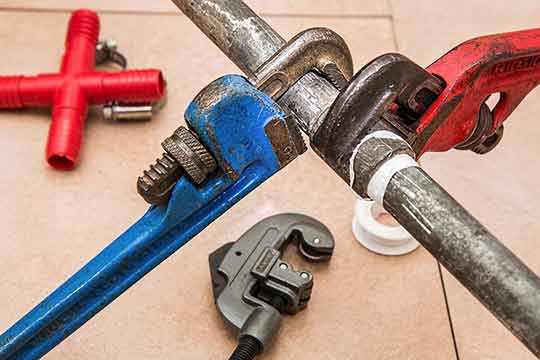
a plumbing repair in chicago being performed.

Professional plumbers possess the expertise to repair or replace damaged pipes, ensuring the integrity of your plumbing system is maintained.

Plumbing Repair Services

Once a water leak is detected, it is imperative to opt for professional plumbers to fix the issue promptly. Chicago offers a range of reliable plumbing companies that provide repair services for various plumbing concerns, including:

Pipe Repair and Replacement

Professional plumbers possess the expertise to repair or replace damaged pipes, ensuring the integrity of your plumbing system is maintained. Whether it’s a burst pipe emergency or a small leak, they can provide suitable solutions.

Faucet and Fixture Repair

Dripping faucets or faulty fixtures contribute to water wastage. Skilled plumbers can repair or replace these fixtures to eliminate leaks and enhance water efficiency in your property.

Drain Cleaning

Clogged drains can lead to leaks or water backups, causing inconvenience and potential damage. Professional plumbing services offer comprehensive drain cleaning services to remove any blockages and prevent further issues.

Toilet Repair

A constantly running or malfunctioning toilet not only wastes water but can also indicate underlying plumbing problems. Expert plumbers can diagnose and repair toilet leaks, restoring its proper function.

finding the right plumber for you in chicago.

Water leaks can occur at any time, and having access to immediate assistance can prevent further damage to your property.

Choosing the Right Plumbing Company

When seeking water leak detection and plumbing repair services, it’s essential to choose a reputable and reliable company. Consider the following factors:

Experience and Expertise

Look for companies with a proven track record in the industry. Experienced plumbers possess the necessary knowledge and skills to address various plumbing issues efficiently.

Licensing and Insurance

Ensure the plumbing company is licensed and insured. This ensures that the work performed meets industry standards and protects you from liability in case of any unforeseen accidents or damages.

Emergency Services

Choose a company that provides reliable emergency plumbing services. Water leaks can occur at any time, and having access to immediate assistance can prevent further damage to your property.

Customer Reviews and Recommendations

Read customer reviews and seek recommendations from friends or family to gauge the reputation and reliability of different plumbing companies. Positive feedback indicates a company’s commitment to customer satisfaction.

To Sum It Up

Water leak detection and plumbing repair services play a crucial role in maintaining the integrity of your property and conserving water resources. In Chicago, various professional plumbing companies offer specialized services to detect and repair leaks efficiently. By addressing leaks promptly, you can prevent property damage, reduce water wastage, and ensure a safe and sustainable environment for yourself and future generations.

Understanding Sewer Main Line Blockages and How to Prevent Them

Understanding Sewer Main Line Blockages and How to Prevent Them

Sewer main line blockages can be one of the most frustrating problems a homeowner can face. They can cause significant damage to the property, and if left unaddressed, they can lead to costly repairs. It’s essential to understand what sewer main line blockages are, what causes them, and how to prevent them.

What are Sewer Main Line Blockages?

Sewer line blockages occur when something obstructs the flow of sewage through the main sewer line that transfers the wastewater from your home to a treatment plant or septic system. The sewer main line is typically buried deep underground and is responsible for transporting all the sewage from your home to the treatment plant.

A blockage in the main sewer line can cause sewage backups into your home, resulting in costly damage. If left untreated, it can also cause damage to the main line, leading to expensive sewer line repairs.

What Causes Sewer Main Line Blockages?

There are various reasons for sewer line blockages. One of the most common causes of blockages is the accumulation of material within the pipes. This accumulation can result from grease, oil, food waste, and other materials that shouldn’t be disposed of down the drain.

Other common causes of sewer line blockages include:

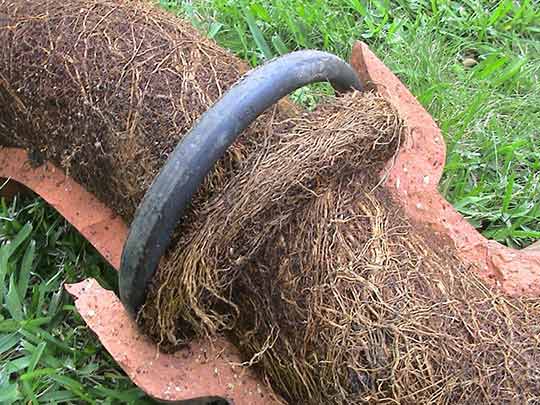
  • Tree root infiltration: Roots can grow deep into the sewer main line, causing cracks and blockages.
  • Foreign objects: Foreign objects, such as feminine hygiene products, paper towels, and children’s toys, can cause blockages that are difficult to clear.
  • Age: Over time, the sewer main line can deteriorate and develop cracks or other structural issues that can result in blockages.
  • Weather conditions: Extreme weather conditions, such as heavy rain or snow, can cause blockages due to excess water or debris.

How to Prevent Sewer Main Line Blockages

Preventing sewer main line blockages is essential to avoid costly damage and repairs. Here are some tips to help prevent blockages:

Dispose of Waste Properly

One of the simplest yet most effective ways to prevent sewer line blockages is to dispose of waste properly. Avoid flushing any foreign objects, such as cotton balls, paper towels, and feminine hygiene products, down the toilet. Also, avoid pouring grease, oil, or food waste down the drain.

Instead, dispose of these materials in the trash or compost bin. Installing a mesh filter over your kitchen sink drain can also help prevent food waste from entering the pipes.

a sewer camera inspection service being provided.

Regular inspections can also identify potential problems before they become blockages.

Regular Maintenance and Inspection

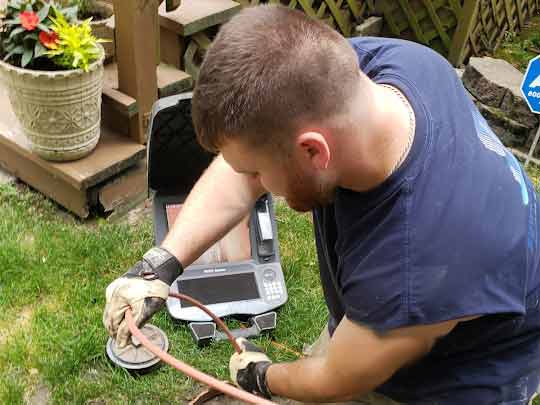
Regular maintenance and a camera inspection of your sewer main line can help prevent blockages. Maintaining your sewer system can involve simple tasks such as pouring hot water down the drain to melt any grease buildup. Regular inspections can also identify potential problems before they become blockages.

Avoid Planting Trees Near the Sewer Line

Planting trees near the sewer main line can cause significant damage. Roots can grow deep into the sewer line, causing cracks and other structural issues. This infiltration can result in blockages and require expensive repairs. Avoid planting trees near your sewer line to help prevent blockages.

Install a Backflow Prevention Valve

Installing a backflow prevention valve can help prevent sewer main line stoppage. This valve can prevent sewage backups from entering your home if the main line becomes blocked.

Professional Drain Cleaning

Professional drain cleaning can be an effective way to prevent sewer blockages. A professional drain cleaning company can remove any buildup from your sewer line, preventing blockages by way of a high-powered hydro jetting service.

Wrapping It Up

Sewer line blockages can be costly, frustrating, and damaging to your home. It’s essential to understand what causes blockages and how to prevent them from occurring. Proper waste disposal, regular maintenance and inspection, avoiding planting trees near the sewer line, installing a backflow prevention valve, and professional sewer line cleaning services can all help prevent sewer main line clogs. By taking these measures, you can avoid costly repairs and keep your sewer system functioning correctly.