Author Archives: Chicago Plumbing Experts

How Long Does it Take to Fix a Burst Pipe?

How Long Does it Take to Fix a Burst Pipe

A burst pipe can cause significant damage to your home and can be a stressful and inconvenient situation to deal with. When a pipe bursts, it is important to address the issue promptly to minimize the damage and restore normalcy to your household. However, the time it takes to fix a burst pipe can vary depending on various factors. Here we will explore these factors and provide a general timeline for fixing a burst pipe.

Factors Affecting the Time to Fix a Burst Pipe

Several factors can influence the time it takes to fix a burst pipe. It is essential to consider these factors to understand the potential timeframe for resolving the issue.

Severity of the Damage

The severity of the burst pipe damage plays a significant role in determining the time it will take to fix it. A minor leak or a small crack in the pipe may be easier and quicker to repair compared to a large rupture that requires extensive replacement.

Accessibility of the Pipe

The accessibility of the burst pipe also affects the repair time. Pipes located in easily accessible areas, such as basements or utility rooms, can be fixed more quickly than those hidden behind walls or underground. Increased accessibility allows plumbers to reach the pipe more easily, speeding up the repair process.

Material of the Pipe

The material of the affected pipe can influence the repair time as well. Different materials may require varying repair techniques and tools. For instance, fixing a burst PVC pipe might be faster than repairing a burst galvanized steel pipe. Plumbers need to consider the material while planning the repair process.

Extent of Water Damage

When a pipe bursts, it often leads to water damage in the surrounding area. The repair time will not only involve fixing the pipe but also addressing any water damage caused. Drying out the affected area, repairing any structural damage, and preventing mold growth are vital steps that may add to the overall repair timeline.

Plumber Availability

The availability of a qualified and experienced plumber can impact the time it takes to fix a burst pipe. If a plumber is readily available, they can address the issue promptly. However, during peak plumbing seasons or emergency situations, it might take longer to secure the services of a professional, resulting in a delay in the repair process.
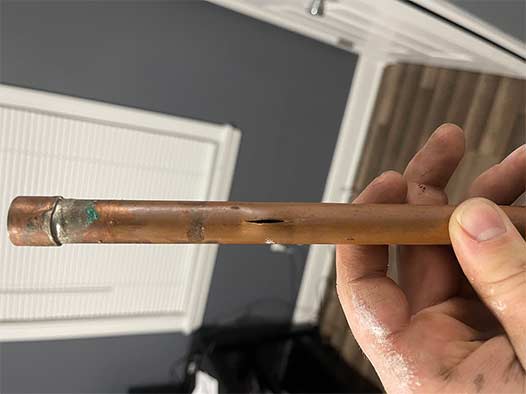
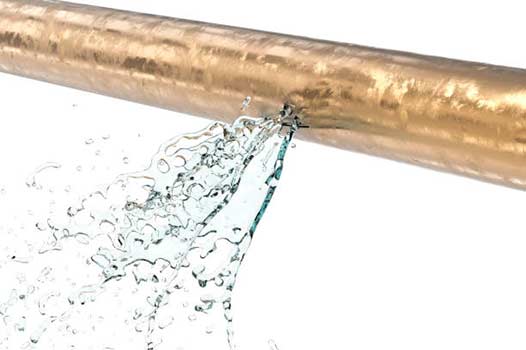
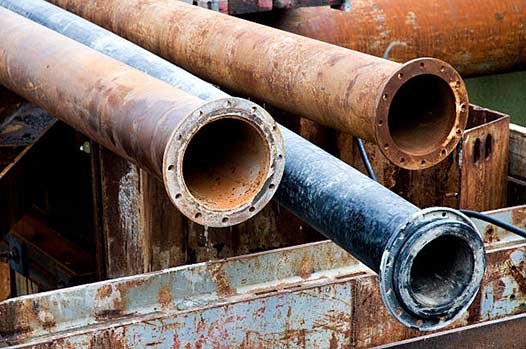
a person who identified a burst pipe.

Contact a qualified plumber who can assess the situation and provide a solution immediately.

Timeline for Fixing a Burst Pipe

While the time to fix a burst pipe can vary, we can provide a general timeline that applies to many situations. It is important to note that this timeline is an estimate and specific cases may have shorter or longer repair times.

Immediate Response

As soon as you discover a burst pipe, it is crucial to act quickly. Turn off the main water supply to your home to minimize further damage and reduce the flow of water. This immediate response can help prevent additional water damage and give you more control over the situation.

Contact an Emergency Plumber

Next, contact a qualified plumber who can assess the situation and provide a solution. Explain the severity of the burst and ask for their availability to get an idea of when they can reach your location. It is advisable to choose an emergency plumber with experience in handling burst pipe repairs.

Evaluation and Damage Assessment

When the plumber arrives, they will evaluate the extent of the burst pipe and assess the overall damage caused. They will determine the necessary steps for repair, including any additional work required to address water damage or structural issues.

Shut Off Utilities and Prepare for Repairs

Before initiating the repairs, the plumber may need to shut off utilities in the affected area to ensure safety. They will prepare the necessary tools, equipment, and materials required for the repair process.

Pipe Repair or Replacement

The actual repair or replacement process will begin at this stage. If it is a minor leak or crack, the plumber may be able to fix it by patching or sealing the affected area. In more severe cases, a section of the pipe may need to be replaced entirely.

Water Damage Restoration

If water damage has occurred due to the burst pipe, the plumber will address the restoration process. This may involve basement water extraction pumping, removing damaged materials, and ensuring proper ventilation to prevent mold growth.

Testing and Final Inspections

Once the repair and restoration work is complete, the plumber will test the repaired pipe to ensure it is functioning properly. They will also conduct final inspections to confirm that all work has been done to the required standards. This step is crucial to ensure the long-term effectiveness of the repairs.

Clean Up and Post-Repair Measures

After completing the repairs, the plumber will clean up the work area, removing any debris or equipment used during the process. They may also provide guidance on how to prevent future pipe bursts and offer maintenance tips to help you avoid similar issues in the future.

To Conclude

Fixing a burst pipe requires swift action and the expertise of an emergency plumber. While the timeline may vary depending on the specific circumstances, it is crucial to address the issue promptly to minimize damage and prevent further complications. By understanding the factors influencing repair time and following the necessary steps, you can effectively resolve a burst pipe situation and restore the functionality of your plumbing system.
Need a Yard Drainage Solution in Chicago? Call Chicago Plumbing Experts

Need a Yard Drainage Solution in Chicago

Problems with Yard Drainage in Chicago

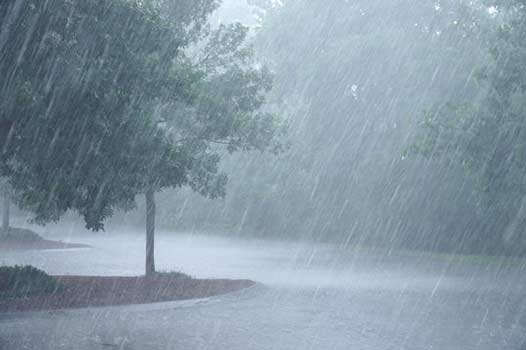
Chicago is known for its unpredictable weather and heavy rainfall. While the rain is essential for keeping the city beautiful and green, it can cause significant issues for homeowners, particularly when it comes to yard drainage. Excessive rainwater can lead to flooding, water damage, and even foundation issues if not properly addressed.

Many Chicago homeowners struggle with poor yard drainage, which can create a range of problems. If you find yourself dealing with a perpetually soggy yard, standing water after a storm, or water seeping into your basement, it is crucial to take action and find a reliable yard drainage solution.

The Importance of Proper Yard Drainage

Effective yard drainage is more than just a matter of convenience. It is an essential component of maintaining the structural integrity of your home and ensuring the well-being of your family. Here are a few reasons why proper yard drainage is crucial:

  • Prevent Flooding: By directing water away from your home, a reliable yard drainage system prevents flooding, which can cause extensive damage and costly repairs. It helps keep your basement dry and protects your foundation from water-related issues.
  • Avoid Water Damage: Excessive moisture in your yard can lead to water seeping into your basement or crawl space, damaging furniture, flooring, and personal belongings.
  • Protect Landscaping: Proper drainage helps protect your landscaping investments, preventing waterlogged soil, root rot, and the death of plants and trees.
  • Prevent Erosion: Adequate yard drainage prevents soil erosion, which can lead to uneven ground, sinkholes, and landscape instability.
  • Promote Healthy Environment: By preventing standing water, you reduce the risk of mosquito breeding grounds and the spread of waterborne illnesses.

Choosing the Right Yard Drainage Solution

When it comes to finding the right yard drainage solution in Chicago, it is essential to consult with professionals who understand the unique challenges of the area. Chicago Plumbing Experts is a trusted and reliable company that specializes in yard drainage solutions such as French drain installation service tailored to the specific needs of homeowners in Chicago.

Chicago Plumbing Experts offers a wide range of yard drainage services, including:

  • French Drains: These drains are designed to collect and redirect excess water away from your property. They utilize a perforated pipe surrounded by gravel that creates a path for water to flow through, preventing drainage issues.
  • Sump Pump Installation: Sump pumps are an effective solution for homes with water intrusion issues. They collect water from the ground and pump it away from the foundation, keeping your basement dry.
  • Gutter and Downspout Extensions: Properly functioning gutters and downspouts are crucial for directing rainwater away from your home. Chicago Plumbing Experts can install extensions to ensure water is effectively transported away from your property.
  • French Drain Cleaning and Maintenance: Regular cleaning of your French drain system are necessary to keep it functioning optimally. Chicago Plumbing Experts offers professional cleaning and maintenance services to ensure your yard drainage system operates effectively.
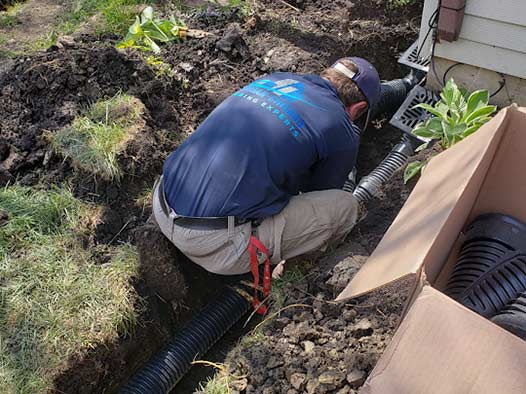
french drain installation in chicago.

French drains are designed to collect and redirect excess water away from your property. They utilize a perforated pipe surrounded by gravel that creates a path for water to flow through, preventing drainage issues.

The Benefits of Choosing Chicago Plumbing Experts

When you choose Chicago Plumbing Experts for your yard drainage solution, you can expect a range of benefits that set us apart from other residential plumbing companies in Chicago:

  • Expertise: Chicago Plumbing Experts has extensive knowledge and experience in designing, installing, and maintaining effective yard drainage systems for Chicago homeowners.
  • Custom Solutions: We understand that each home is unique, and their experts will create a custom yard drainage solution tailored to your specific needs.
  • Quality Materials: Chicago Plumbing Experts uses high-quality materials and equipment to ensure the longevity and effectiveness of their yard drainage systems.
  • Timely Service: We value your time and strive to provide prompt and reliable service. Our team will work efficiently to have your yard drainage solution installed in a timely manner.
  • Excellent Customer Support: From the initial consultation to the completion of the project, Chicago Plumbing Experts is committed to providing excellent customer support. Our friendly and knowledgeable staff will address any questions or concerns you may have.
  • Affordability: Chicago Plumbing Experts offers competitive pricing for our yard drainage solutions, ensuring that you receive the best value for your investment.

Contact Chicago Plumbing Experts Today

If you are experiencing yard drainage issues in Chicago and need a reliable solution, look no further than Chicago Plumbing Experts. Our team of experts is ready to assist you in designing, installing, or maintaining an effective yard drainage system tailored to your specific requirements. Don’t let poor yard drainage cause further damage to your property. Contact Chicago Plumbing Experts today at 773-599-9181 and get the professional solution you deserve.

What is the Cost of a Sewer Line Camera Inspection in Chicago?

What is the Cost of a Sewer Line Camera Inspection in Chicago

When it comes to maintaining and repairing sewer lines, one of the most important tools in a plumber’s arsenal is a sewer line camera inspection. This advanced technology allows plumbers to visually inspect the inside of sewer pipes, diagnose issues, and determine the best course of action for repairs. While sewer line camera inspections are widely used and highly effective, many homeowners in Chicago wonder about the cost associated with this service. Below we will explore the factors that influence the cost of a sewer line camera inspection in Chicago and provide you with an understanding of what to expect.

Importance of Sewer Line Camera Inspection

Before discussing the cost of a sewer line camera inspection, it is important to understand why this service is invaluable in maintaining the health of your sewer system. A sewer line camera inspection allows plumbers to identify a wide range of issues, including blockages, leaks, cracks, root intrusions, and deterioration. By identifying these problems in their early stages, homeowners can address them before they escalate into more significant and costly repairs.

Sewer camera inspections are particularly useful in Chicago, where the city’s infrastructure is aging. With many homes and buildings in the city having sewer pipes that are decades old, regular inspections can help identify potential issues and avoid major disruptions.

Factors Affecting the Cost

Type of Property

The cost of a sewer line camera inspection can vary depending on the type of property being inspected. Residential properties typically have simpler plumbing systems compared to commercial or industrial properties. As a result, inspections for residential properties tend to be less expensive.

Commercial or industrial properties, on the other hand, may have more complex plumbing systems, larger pipes, and a greater number of sewer connections. Inspecting these properties requires specialized equipment and expertise, which can contribute to a higher cost.

Length of the Sewer Line

Another factor that influences the cost of a sewer line camera inspection is the length of the sewer line being inspected. Longer sewer lines require more time and resources to inspect thoroughly. Therefore, the cost of inspecting a longer sewer line is generally higher compared to shorter lines.

It is worth noting that some companies charge a flat fee for the first few feet of inspection, while others may charge per foot for the entire length of the sewer line. Ensure you clarify the billing structure with the plumbing company beforehand to avoid any surprises.

Accessibility of the Sewer Line

The accessibility of the sewer line also affects the cost of inspection. If the sewer line is easily accessible and does not require any kind of excavation, the cost is likely to be lower. However, if the sewer line is located deep underground, obstructed by other utility lines, or surrounded by hard-to-reach areas, it may require additional equipment or labor, leading to higher costs.

Additional Services Needed

In some cases, a sewer line camera inspection may uncover issues that require additional services such as drain cleaning, repairs, or replacements. If a hydro jetting service is necessary, they will be billed separately from the inspection itself. The cost of any additional services will depend on the extent of the problem and the required sewer line repair service.

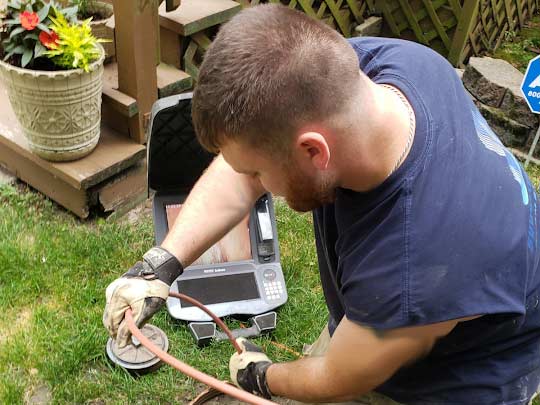
a sewer camera inspection service in chicago.

While the cost of a sewer camera inspection may seem significant, it is crucial to consider the value it provides.

Cost Range for Sewer Line Camera Inspections in Chicago

The cost of a sewer line camera inspection in Chicago typically ranges between $300 and $500. However, this range can vary depending on the factors mentioned above and the specific plumbing company you choose to work with. It is essential to request quotes from multiple reputable plumbing companies to compare prices and services.

Considering the Value

While the cost of a sewer camera inspection may seem significant, it is crucial to consider the value it provides. Identifying and addressing sewer line issues early can save homeowners thousands of dollars in future repairs and prevent potential health hazards.

Moreover, many plumbing companies offer warranties or guarantees for their inspection services. If any issues arise shortly after the inspection, the company can address them at little to no additional cost. This provides peace of mind and adds further value to the investment in a sewer line camera inspection.

In Summary

When it comes to maintaining the health of your sewer system, a sewer line camera inspection is an indispensable tool. By understanding the factors that influence the cost of this service and the value it provides, homeowners in Chicago can make informed decisions about their sewer line maintenance. Remember to research reputable plumbing companies, request quotes, and prioritize regular inspections to keep your home sewer system running smoothly and avoid costly repairs in the long run.

Investing in a sewer camera inspection is a proactive step towards ensuring the longevity and functionality of your sewer system, giving you peace of mind and saving you money in the future.

In need of a sewer camera inspection in Chicagoland? Contact us at 773-599-9181 or by form below!

Burst Pipe Repair Cost in Chicago: What You Need to Know

burst pipe repair cost in chicago

Understanding Burst Pipe Repair Cost in Chicago

When it comes to burst pipe repair, every homeowner in Chicago wants to be well-informed about the costs involved. A burst pipe can lead to significant water damage, mold growth, and potential structural issues if not addressed promptly. In this article, we will discuss the important factors that determine the cost of burst pipe repair in Chicago, along with some tips to mitigate the expenses. Whether you are a new homeowner or have been living in Chicago for years, understanding these aspects can help you make informed decisions and ensure the longevity of your plumbing system.

The Impact of Burst Pipes

Before delving into the cost details, it’s crucial to understand the potential impact of burst pipes. A burst pipe can cause extensive damage to your property and belongings. The immediate effects can include flooding, waterlogged walls, and damaged flooring. If not addressed promptly, the excessive water can seep into the foundation, leading to structural issues and even compromising the integrity of your home.

Additionally, prolonged exposure to excess moisture can create the perfect breeding ground for mold and mildew. Mold growth not only damages your property further but also poses serious health risks, particularly for individuals with respiratory conditions.

Factors Affecting Burst Pipe Repair Cost in Chicago

The cost of burst pipe repair can vary depending on several factors. By understanding these factors, you can better assess the potential expenses and plan accordingly.

Location and Accessibility

The location of the burst pipe plays a significant role in determining the repair cost. Pipes located within the walls, ceilings, or underground are typically more challenging to access and repair. In such cases, professionals may need to open up walls or perform excavation to detect the leak underground, which can drive up the cost of repairs.

Pipe Material

The material of the burst pipe affects the repair cost as well. Different pipe materials have varying costs, and some may require specialized tools or techniques for repair. Common pipe materials in Chicago include copper, galvanized steel, PVC, and PEX. Copper and PEX pipes are generally more expensive to repair compared to PVC or galvanized steel.

Extent of Damage

The severity of the damage caused by the burst pipe also influences the cost of repair. If the burst pipe leads to minor leaks or localized damage, the repair expenses may be relatively lower. However, if the burst pipe causes extensive flooding or widespread damage, the repair costs can increase significantly.

Time of Repair

The timing of the repair can impact the overall costs as well. Emergency repairs during weekends, holidays, or outside of regular business hours may attract higher service charges. It is advisable to address burst pipe issues as soon as possible to minimize both the damage and repair expenses.

Plumbing Professional

The choice of the plumbing professional or contractor can affect the repair cost. Different professionals may have varying rates and pricing structures. It is important to research and choose a reliable and experienced plumber who can handle burst pipe repairs at a reasonable cost.

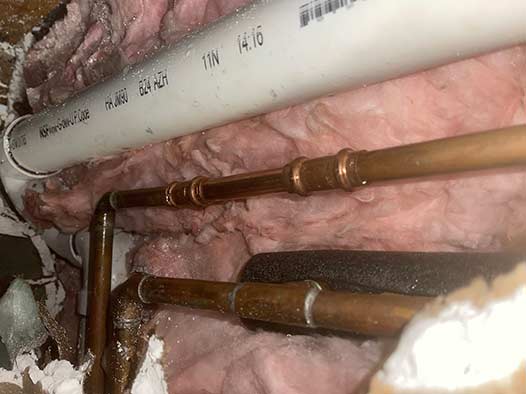
calling a burst pipe repair plumber in chicago is smart.

It is important to research and choose a reliable and experienced plumber who can efficiently handle burst pipe repairs at a reasonable cost.

Minimizing Burst Pipe Repair Costs

While burst pipe repair costs can be significant, there are steps you can take to minimize the expenses:

Regular Maintenance

Investing in regular maintenance and inspections can help identify potential issues before they escalate into burst pipes. Routine checks allow professionals to detect and address any signs of wear and tear, corrosion, or weak points in your plumbing system.

Insulate Pipes

Insulating pipes can help protect them from freezing during Chicago’s frigid winters. When pipes freeze, the expanding ice can cause them to burst. By insulating exposed pipes, you can reduce the risk of burst pipes and subsequent repair costs.

Act Promptly

If you notice any signs of a potential burst pipe, such as damp walls, reduced water pressure, or unexplained spikes in your water bill, address the issue promptly. Ignoring early warning signs can lead to more extensive damage and higher repair costs.

Compare Quotes

Obtaining multiple quotes from reputable plumbing professionals can help you compare costs and make an informed decision. However, it is essential to prioritize expertise and quality of service over the lowest price alone. Opting for cheap, low-quality repairs can result in recurring issues and further expenses in the long run.

Review Insurance Coverage

Check your homeowner’s insurance policy to understand the coverage for burst pipe repairs. Depending on your policy, certain repair costs may be covered, reducing your out-of-pocket expenses. Reviewing your insurance coverage and understanding the terms can help you navigate the financial aspect of burst pipe repairs.

To Conclude

When it comes to burst pipe repair prices in Chicago, being well-informed about the factors and potential expenses can help you make better decisions and minimize any financial surprises. Understanding the impact of burst pipes, considering factors such as location, pipe material, and damage extent, and taking preventive measures can go a long way in reducing repair costs. Remember to choose an emergency plumber in Chicago who offers quality service at a reasonable price. By following these tips and staying proactive, you can safeguard your home and ensure a prompt and efficient resolution in case of any burst pipe emergencies.

Tenant or Landlord: Who’s Responsible for Plumbing Repairs in Chicago?

Who’s Responsible for Plumbing Repairs in Chicago

Plumbing repairs are an inevitable part of maintaining a rental property. Whether you are a tenant or a landlord in Chicago, it’s crucial to understand who is responsible for these repairs. Below we aim to provide clarity on the matter and shed light on the rights and responsibilities of both tenants and landlords when it comes to plumbing issues.

Tenant Responsibilities

As a tenant in Chicago, it’s essential to be aware of what falls under your responsibility in terms of plumbing repairs. While you may not be expected to have the expertise of a professional plumber, there are still certain obligations that you must fulfill:

  • Regular maintenance: Tenants are responsible for ensuring the proper use and care of the plumbing fixtures and systems in their rental unit. This includes avoiding any actions that may cause damage, such as flushing foreign objects down the toilet or pouring grease down the kitchen sink.
  • Prompt reporting: Tenants should promptly inform their landlord or property management company of any plumbing issues they encounter. This includes leaking faucets, clogged drains, or malfunctioning toilets. Early reporting can help prevent minor problems from escalating into major repairs.
  • Cooperation with repairs: When a plumbing issue arises, tenants must allow their landlord or authorized repair personnel to enter the premises and carry out necessary repairs. Cooperation is crucial for resolving the problem efficiently.
  • Maintaining cleanliness: Tenants are responsible for keeping their rental unit clean and free from any actions that may cause plumbing problems. This includes regularly cleaning drain traps, showerheads, and faucet aerators to prevent build-up.

Landlord Responsibilities

While tenants have their share of responsibilities, landlords in Chicago are legally obligated to provide safe and habitable living conditions, which includes maintaining the plumbing systems in their rental properties. Here are some of the key responsibilities of landlords:

  • Ensuring functional plumbing: Landlords must ensure that the plumbing systems in their rental units are in good working condition. This includes providing running water, functional toilets, and properly draining sinks and showers.
  • Prompt repairs: When a tenant reports a plumbing issue, landlords should address the problem in a timely and efficient manner. Ignoring or delaying repairs can lead to further damage and potential health hazards for the tenants.
  • Hiring professional help: If the repair work requires expertise beyond the landlord’s capabilities, it is their responsibility to hire a qualified Chicago plumber or plumbing service to handle the repairs. This ensures that the work is done correctly and meets the necessary standards.
  • Providing notice: Landlords must provide reasonable notice to their tenants before entering the rental unit to carry out plumbing repairs. Unless it is an emergency situation, the tenant’s privacy and right to quiet enjoyment should be respected.
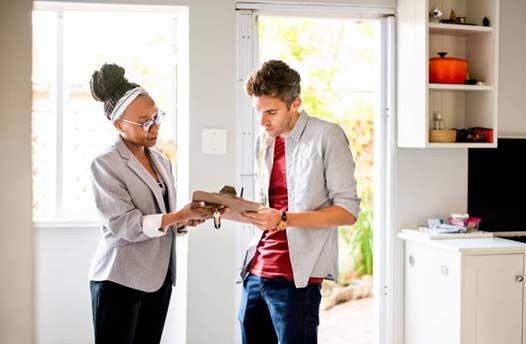
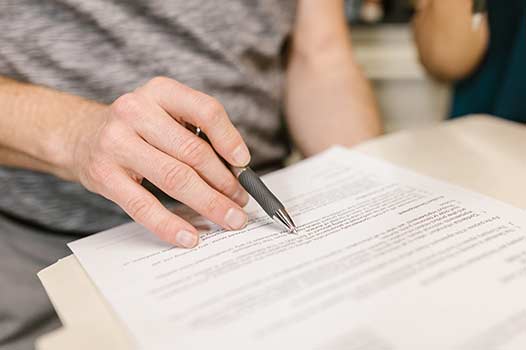
a lease agreement being signed by a tenant.

Landlords cannot shift the responsibility for major plumbing repairs onto the tenant.

Understanding Lease Agreements

The responsibilities of tenants and landlords regarding plumbing repairs can vary depending on what is stated in the lease agreement. It is essential for both parties to carefully review the lease before signing it to ensure they are aware of their rights and obligations.

In some cases, landlords may include a clause in the lease that specifies which plumbing repairs tenants are responsible for. This could involve minor issues such as changing a washer on a faucet or unclogging a drain professionally. However, landlords cannot shift the responsibility for major plumbing repairs onto the tenant.

Resolving Disputes

In the event of a plumbing issue, conflicts over responsibilities may arise between tenants and landlords. It is advisable for both parties to maintain open lines of communication and attempt to resolve the dispute amicably.

If an agreement cannot be reached, tenants can seek assistance from local authorities or legal counsel to understand their rights and explore possible recourse. It may be necessary to involve mediation or file a complaint with the appropriate housing agency.

Maintaining a Positive Relationship

Both tenants and landlords should strive to maintain a positive and respectful relationship to avoid conflicts and ensure a harmonious living arrangement. Clear communication and understanding of each party’s responsibilities can help foster this positive relationship.

Tenants should make an effort to report plumbing issues promptly and take reasonable measures to prevent damage. Landlords, on the other hand, should address repairs in a timely manner, provide clearly written lease agreements, and maintain open lines of communication.

In Conclusion

In Chicago, the responsibility for plumbing repairs is shared between tenants and landlords. Tenants are responsible for regular maintenance, prompt reporting of issues, and cooperating with repairs. Landlords have the obligation to ensure functional plumbing, make prompt repairs, hire professionals when needed, and provide reasonable notice before entering the rental unit.

By understanding these responsibilities and fostering a positive relationship, both tenants and landlords can contribute to maintaining a well-functioning plumbing system and a pleasant living environment.

Proactive Measures: Tips for Homeowners and Businesses to Avoid Plumbing Code Violations in Chicago

Tips for Homeowners and Businesses to Avoid Plumbing Code Violations in Chicago

Plumbing code violations can be a major hassle for both homeowners and businesses in Chicago. Not only do they create inconveniences, but they can also lead to hefty fines and legal complications. However, by following a few proactive measures, you can ensure that your plumbing systems adhere to the plumbing code regulations in Chicago. Below we will provide valuable tips and guidelines to help homeowners and businesses avoid plumbing code violations and maintain a compliant plumbing system.

Understanding Plumbing Code Regulations in Chicago

Before diving into the tips, it’s essential to have a basic understanding of the plumbing code regulations in Chicago. The plumbing code outlines the minimum requirements for plumbing installations, ensuring the safety and efficiency of the plumbing systems. It covers various aspects such as the materials used, pipe sizing, fixture requirements, drainage systems, and more.

The City of Chicago follows the International Plumbing Code (IPC), with some modifications specific to the region. It is crucial for homeowners and businesses to familiarize themselves with the local plumbing code regulations to avoid violations and ensure their plumbing systems are in compliance.

Tips for Homeowners

Hire a Licensed Plumber

One of the best ways to avoid plumbing code violations is by hiring a licensed plumber for any plumbing code violation repairs, installations, or renovations. Licensed plumbers are well-trained professionals who are knowledgeable about the local plumbing regulations. They can ensure that the work is done in compliance with the plumbing code, reducing the risk of violations.

Regular Plumbing Inspections

Schedule regular plumbing inspections to identify and address any potential code violations at an early stage. A professional plumber can thoroughly inspect your plumbing system, identify any issues, and provide the necessary repairs or upgrades to bring your system up to code.

Proper Permits

Before undertaking any major plumbing work, such as remodeling or adding new fixtures, it is essential to obtain the required permits from the local authorities. Failure to obtain permits can result in violations and legal consequences. By following the proper permit procedures, you can ensure that your plumbing work is inspected and approved by the relevant authorities.

Use Approved Materials

When making repairs or installations, make sure to use plumbing materials that are approved by the plumbing code regulations in Chicago. Using substandard or non-compliant materials can lead to code violations and compromise the integrity of your plumbing system. Consult with your licensed plumber or refer to the local plumbing code for a list of approved materials.

Drainage System Maintenance

Regularly maintain your drainage system to prevent clogs and backups, which can result in code violations. Avoid pouring grease, oils, or other non-biodegradable substances down the drains. Invest in drain covers or strainers to catch debris and prevent them from entering the plumbing system.

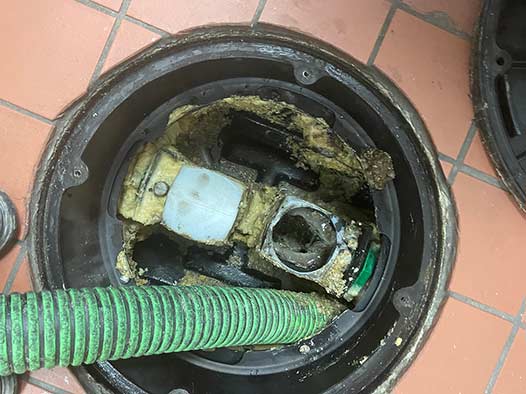
a restaurant grease trap pumping.

For businesses in the foodservice industry, proper maintenance of grease traps is crucial.

Tips for Businesses

Train Employees

Properly train your employees on plumbing system maintenance and adherence to plumbing code regulations. Educate them about proper waste disposal practices, identifying potential plumbing issues, and the importance of reporting any problems promptly. By having knowledgeable employees, you can maintain a compliant plumbing system.

Regular Maintenance Contracts

Enter into regular maintenance contracts with licensed plumbing professionals to ensure that your business’s plumbing system is regularly inspected and maintained. These professionals can identify and rectify any potential violations, reducing the chances of hefty fines and legal consequences.

Backflow Prevention

Installing backflow prevention devices is vital in commercial settings to prevent cross-contamination of water. Backflow occurs when there is a reversal of water flow, allowing pollutants or contaminants to enter the drinking water supply. By installing and maintaining backflow prevention devices, businesses can avoid code violations and ensure the safety of their water supply.

Regular Grease Trap Cleaning

For businesses in the foodservice industry, proper maintenance of grease traps is crucial. Ensure regular cleaning service of grease traps to prevent grease and other solid waste from entering the plumbing system. Failure to maintain grease traps can lead to clogs, backups, and code violations.

Compliance with ADA Guidelines

If your business has public restrooms, it is essential to ensure that they comply with the Americans with Disabilities Act (ADA) guidelines. ADA regulations address various aspects, including the height of fixtures, grab bar installation, clearances, and accessible pathways. By adhering to ADA guidelines, businesses can avoid plumbing code violations and create an inclusive environment for all customers.

In Conclusion

Maintaining a compliant plumbing system is crucial for homeowners and businesses in Chicago to avoid plumbing code violations. By hiring licensed plumbers, scheduling regular inspections, obtaining proper permits, using approved materials, and practicing proper maintenance, both homeowners and businesses can ensure the safety, efficiency, and compliance of their plumbing systems. Remember, proactive measures are the key to staying on the right side of the law and avoiding unnecessary expenses and legal complications.

Everything Homeowners Need To Know About Lead Water Lines in Chicago

Everything Homeowners Need To Know About Lead Water Lines in Chicago

Lead water lines have been a topic of concern for homeowners in cities across the United States, including Chicago. The presence of lead in drinking water poses significant health risks, especially for young children and pregnant women. Here we will provide homeowners in Chicago with everything they need to know about lead water lines, including the potential health hazards, how to identify if their home has lead pipes, and what steps they can take to mitigate the risks.

The Dangers of Lead in Drinking Water

Lead is a toxic metal that can cause serious health problems when it enters our bodies. When ingested, lead can accumulate in the bloodstream and various organs, causing damage to the nervous system, kidneys, and reproductive system. The most vulnerable populations to lead exposure are young children and pregnant women.

Lead exposure in children can lead to developmental delays, learning disabilities, and reduced IQ. Pregnant women who are exposed to lead may experience complications such as premature birth, low birth weight, and developmental issues in their unborn babies.

It is crucial for homeowners to understand the risks associated with lead in drinking water and take appropriate measures to protect themselves and their families.

Identifying Lead Water Lines

If you are a homeowner in Chicago, it is important to determine if your home has lead water lines. While not all homes in Chicago have lead pipes, it is common in older properties, especially those built before the 1980s.

Here are some indicators that may suggest the presence of lead water lines:

  • Age of the Property: Homes built before 1986 are more likely to have lead pipes.
  • Pipe Color: Lead pipes are usually a dull gray color and may appear soft and scratched.
  • Sudden Drops in Water Pressure: Lead pipes are prone to corrosion, which can cause a decrease in water pressure.
  • Lead Testing: The most accurate way to determine if your home has lead water lines is to conduct a test. You can contact a certified laboratory or hire a professional plumber to perform the test.
testing your water for lead is a good practice.

It is important to note that testing should be done at the point of use, such as faucets used for drinking and cooking.

The Importance of Testing

Testing for lead in drinking water is essential to determine the level of contamination and take appropriate actions to protect your health. While the city of Chicago has taken measures to reduce lead levels in drinking water, it is still recommended for homeowners to conduct regular tests, especially if they live in older properties.

It is important to note that testing should be done at the point of use, such as faucets used for drinking and cooking. This is because lead can leach into the water as it passes through the pipes and fixtures.

Various testing methods are available, including DIY test kits and professional laboratory analysis. DIY test kits are often affordable and easy to use, providing homeowners with a quick indication of the lead levels in their water.

Steps to Take if You Have Lead Water Lines

If you have identified that your home has lead water lines, there are several steps you can take to minimize your exposure to lead:

  • Flush the Pipes: Before using water for drinking or cooking, it is recommended to flush the pipes by running the cold water tap for at least two minutes. This can help reduce the concentration of lead or other contaminants that may have accumulated overnight.
  • Use Cold Water for Cooking and Drinking: Hot water is more likely to contain higher levels of lead, so it is advisable to use cold water for cooking and drinking purposes.
  • Consider Installing a Water Filter: Installing a certified water filter can be an effective way to reduce lead levels in your drinking water. Look for filters specifically designed to remove lead, and make sure to follow the manufacturer’s instructions for installation and replacement.
  • Replace Lead Water Lines: For a long-term solution, consider replacing the water lines in your home with safer alternatives, such as copper or plastic pipes. This can be a complex task that requires professional assistance, so it is important to consult with a licensed plumber.

Resources Available for Homeowners

If you are a homeowner in Chicago concerned about lead water lines, there are resources available to assist you:

  • Chicago Department of Water Management: The Chicago Department of Water Management provides information and resources regarding lead in drinking water. They can be reached at (312) 744-7001.
  • Illinois Environmental Protection Agency (IEPA): The IEPA offers guidance on lead in drinking water and can provide information on water testing laboratories. They can be contacted at (217) 782-3397.
  • Chicago Plumbing Experts: Reach out to our Chicago plumbers who specialize in lead water line replacement. They can assess your home’s plumbing system and provide professional advice on the best course of action.

In Conclusion

Lead water lines pose a significant health risk and it is crucial for homeowners in Chicago to be aware of the potential dangers and take necessary steps to protect themselves and their families. Identifying lead water lines, conducting regular testing, and implementing mitigation measures such as flushing pipes and installing water filters can help reduce exposure to lead. For a long-term solution, considering the replacement of lead pipes with safer alternatives is recommended. By being proactive and informed, homeowners can ensure the safety and well-being of their household.

Interested in having your lead water line replaced in Chicago? Call us at 773-599-9181 or by filling out the form below:

Frozen Pipes Prevention and Repair: A Guide for Chicago Homeowners

Frozen Pipes Prevention and Repair in Chicago

As winter approaches, homeowners in Chicago face the dreaded threat of frozen pipes. Frozen pipes not only disrupt the daily routines of residents but can also lead to costly repairs and property damage. Therefore, it is crucial for Chicago homeowners to take preventive measures and know how to handle frozen pipes effectively.

The Dangers of Frozen Pipes

Frozen pipes can cause a multitude of problems for homeowners. When water freezes inside the pipes, it expands, putting pressure on the walls of the pipes. This pressure can lead to cracks or even bursts in the pipes, resulting in leaks and significant water damage once the water thaws and starts flowing again. The damage caused by frozen pipes can be extensive, requiring costly burst pipe emergency repairs and cleanup efforts.

Preventive Measures

Taking preventive measures is the best way to avoid the hassles and expenses of dealing with frozen pipes. Here are some steps that Chicago homeowners can take to prevent their pipes from freezing:

Insulate Exposed Pipes

One of the most effective ways to prevent pipes from freezing is insulating them properly. Pay special attention to pipes in unheated areas such as basements, garages, and crawl spaces. Use pipe insulation sleeves or heat tape to protect the pipes from extreme temperatures. Adequate insulation acts as a barrier, reducing the chances of encountering frozen pipes significantly.

Seal Air Leaks

Identify any drafts or air leaks near pipes and seal them. Cold air can easily enter through gaps and cracks, affecting the temperature of the pipes. Add weatherstripping or caulk around windows, doors, and crawl spaces to keep the cold air out and maintain a warmer environment around the pipes.

Let Faucets Drip

During extremely cold weather, allowing faucets to drip helps prevent pipes from freezing. Moving water is less likely to freeze compared to stagnant water. By letting the faucets drip slightly, you keep the water flowing, lowering the risk of frozen pipes.

Keep the Thermostat Set

Maintaining a consistent indoor temperature is crucial to preventing frozen pipes. During colder months, don’t set the thermostat too low or switch off the heating when you’re away from home. Instead, keep the temperature above 55°F (13°C) to ensure that the pipes stay warm enough, even in freezing conditions.

Open Cabinet Doors

If you have pipes located within kitchen or bathroom cabinets, open the doors to allow warm air to circulate around them. This technique is particularly useful for pipes that are against exterior walls, as they are more susceptible to freezing. By promoting air circulation, you effectively raise the temperature around the pipes and reduce the risk of freezing.

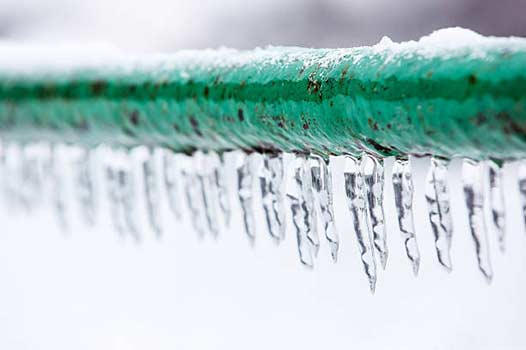
frozen pipes during wintertime in chicago.

Frozen pipes can wreak havoc on a home and cause significant damage if not addressed promptly.

What to Do If Your Pipes Freeze

Despite taking preventive measures, sometimes pipes can still freeze. If you find yourself with frozen pipes, it’s essential to know the proper steps to minimize damage and get the water flowing again. Here’s what you should do if your pipes freeze:

Keep the Faucets Open

When you suspect that your pipes have frozen, open the faucets connected to those pipes. This will relieve the pressure and give the water somewhere to go when it starts to thaw.

Apply Heat to the Frozen Pipe

Using a handheld hairdryer or a space heater, carefully apply heat to the frozen section of the pipe. Start by warming the pipe near the faucet and work your way towards the frozen area. Avoid using open flames or high temperatures that could damage the pipe. Once the pipe has thawed, keep the faucet open to allow the water to flow freely.

Call an Emergency Plumber

If you’re unable to thaw the pipe or if you suspect that it has burst, it’s essential to call an emergency plumber immediately. An experienced emergency plumber in Chicago has the expertise and specialized tools to handle frozen and burst pipes safely. They can assess the situation, make the necessary repairs, and help prevent future occurrences.

In Summary

Frozen pipes can wreak havoc on a home and cause significant damage if not addressed promptly. By taking preventive measures and knowing what to do in case of frozen pipes, Chicago homeowners can protect their properties and avoid costly repairs. Remember to insulate exposed pipes, seal air leaks, let faucets drip during extreme cold, and maintain a consistent indoor temperature. And if your pipes do freeze, keep the faucets open, apply gentle heat, and contact a professional plumber for assistance. With these precautions and actions, you’ll be well-prepared to tackle frozen pipes and ensure a smooth winter season for your home.

How to Seal Plumbing Pipes Under Your Sink

How to Seal Plumbing Pipes Under Your Sink

Here we will discuss the process of sealing plumbing pipes under your sink. Whether you are a homeowner or a DIY enthusiast, understanding how to properly seal plumbing pipes is essential to prevent leaks and maintain the efficiency of your plumbing system. We will provide you with step-by-step instructions and valuable tips to ensure a successful sealing process. So, let’s dive in!
Why Is Sealing Plumbing Pipes Important?

Before we get into the process, let’s first understand why it is crucial to seal the plumbing pipes under your sink. The primary reason is to prevent leaks. Leaking pipes can lead to water damage, mold growth, and structural issues if left unaddressed.

Sealing the pipes also helps to maintain the proper functioning of your plumbing system. By creating a watertight seal, you ensure that water flows smoothly without any obstructions or wastage. This can improve the overall efficiency of your plumbing system and save you money on water bills in the long run.

Tools and Materials Needed

Before you start the sealing process, it is essential to gather all the necessary tools and materials. Here’s a list of what you’ll need:

  • Plumber’s putty or silicone caulk
  • Adjustable wrench or pipe wrench
  • Teflon tape
  • Bucket
  • Cloth
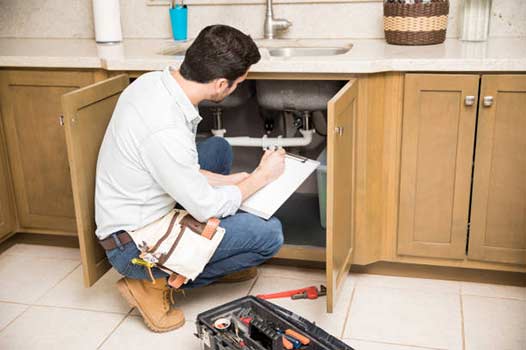
plumbing tools needed to seal plumbing pipes.

Before you start the sealing process, it is essential to gather all the necessary tools and materials.

Step-by-Step Guide to Seal Plumbing Pipes Under Your Sink

Step 1: Turn Off the Water Supply

Before you start working on the plumbing pipes, it is crucial to turn off the water supply. Look for the shut-off valve under your sink and turn it clockwise until it stops. This will ensure that no water is flowing through the pipes while you work on them.

Step 2: Clear the Area

Make sure the area under your sink is clear from any obstructions. Remove any items stored under the sink to provide easy access to the plumbing pipes.

Step 3: Check for Leaks

Before proceeding with the sealing process, it is essential to check for any existing leaks. Inspect the pipes for signs of water stains, moisture, or dripping water. If you notice any leaks, address them before proceeding. If you can’t find the leak, consider contacting a professional leak detection service.

Step 4: Apply Plumber’s Putty or Silicone Caulk

Take a small amount of plumber’s putty or silicone caulk and roll it between your hands to create a rope-like shape. Apply the putty or caulk around the base of the sink drain and the areas where the pipes connect to the sink. This will create a watertight seal and prevent leaks.

Step 5: Reconnect the Pipes

After applying the plumber’s putty or caulk, carefully reconnect the plumbing pipes under your sink. Use an adjustable wrench or pipe wrench to tighten the connections securely. Make sure not to overtighten, as it can damage the pipes.

Step 6: Apply Teflon Tape

If you have threaded connections between pipes, it is recommended to apply Teflon tape to create a tight seal. Wrap the Teflon tape around the threads in a clockwise direction, ensuring complete coverage.

Step 7: Test for Leaks

Once everything is reconnected and sealed, it’s time to test for any leaks. Turn on the water supply and let the water run for a few minutes. Check for any signs of leaks or drips. If you notice any, tighten the connections a bit more or reapply the plumber’s putty/caulk if necessary.

Step 8: Clean Up

After ensuring that there are no leaks, clean up the area under your sink. Wipe away any excess putty, caulk, or water using a cloth. Dispose of any debris or old materials properly.

Tips for Sealing Plumbing Pipes

Here are some valuable tips to keep in mind when sealing plumbing pipes under your sink:

  • Read the manufacturer’s instructions for the plumber’s putty or silicone caulk before application.
  • Make sure to work in a well-ventilated area when using silicone caulk.
  • Do not rush the sealing process. Take your time to ensure a proper and long-lasting seal.
  • Regularly inspect the sealed pipes for any signs of leaks or damage.
  • Consider using a pipe sealant or joint compound for metal-to-metal connections.

By following these steps and tips, you can effectively seal the plumbing pipes under your sink and prevent any potential leaks or water damage. Remember, if you feel unsure or encounter complex plumbing issues, it is always recommended to seek assistance from a professional plumber.

We hope this article has provided you with the knowledge and guidance you need to successfully seal plumbing pipes under your sink. Happy sealing!

Do I Need to Leave My Home During a Main Water Line Repair?

Do I Need to Leave My Home During a Main Water Line Repair

When it comes to home maintenance and repairs, few things can cause more stress and inconvenience than a problem with the main water line. This critical component of your home’s plumbing system is responsible for delivering clean and fresh water to every faucet, shower, and toilet in your house. So, when the main water line needs repair, it’s natural to wonder whether or not you will have to leave your home during the process.

Here we will explore the factors that determine whether or not you need to leave your home during a main water line repair. We will also provide some tips and considerations to help make the process as smooth and stress-free as possible.

Factors to Consider

Extent of the Damage

The extent of the damage to your main water line plays a significant role in determining whether or not you will need to temporarily vacate your home. In some cases, minor repairs can be completed without disrupting the water supply to your house. However, if the damage is extensive and requires major repairs or replacement of the entire main water line, it is more likely that you will need to find alternate accommodations during the repair period.

Access to the Main Water Line

Another important factor to consider is the accessibility of the main water line. If the line is located underground or in a hard-to-reach area of your property, the repair process may involve digging or excavation, which can be disruptive and messy. In such cases, it is advisable to temporarily leave your home to avoid the inconvenience and potential hazards associated with these repair techniques.

Duration of the Repair

The duration of the repair is also an essential factor to consider. Minor repairs can often be completed within a few hours or a day, allowing you to stay in your home during the process. However, major repairs or replacements may take several days or even weeks to complete, making it necessary for you to make alternative arrangements for accommodation.

Tips for a Smooth Repair Process

If you find yourself needing a main water line repair, here are some tips to help make the process as smooth and hassle-free as possible:

Plan Ahead

If you suspect that your main water line may need repairs in the future, it is a good idea to plan ahead. Start by researching reputable plumbers in your area and save their contact information for easy access when needed. By being prepared, you can minimize the time it takes to find a reliable professional and get your repair scheduled.

Communicate with Your Repair Provider

Once you have selected a repair provider, be sure to communicate openly with them about your expectations and concerns. Ask them about the estimated duration of the repair, the extent of the disruption, and whether or not you will need to temporarily leave your home. By having a clear understanding of the repair process, you can plan accordingly and make necessary arrangements.

Arrange Alternative Accommodations

If it is determined that you will need to leave your home during the main water line repair, it is essential to arrange alternative accommodations. This may include staying with family or friends, booking a hotel room, or renting a temporary residence. Consider the duration of the repair and choose an option that is most convenient and comfortable for you and your family.

Take Precautions

Before the repair begins, take some precautions to protect your belongings and minimize potential damage. Move valuable items away from the affected area, cover furniture and electronics with plastic sheets or tarps, and secure any loose items that may get in the way of the repair work.

Follow Safety Instructions

If you choose to stay in your home during the repair process, be sure to follow any safety instructions provided by the repair provider. This may include avoiding certain areas of your home, limiting water usage, or temporarily disconnecting specific appliances or fixtures.

In Conclusion

In conclusion, whether or not you need to leave your home during a main water line repair depends on several factors, including the extent of the damage, accessibility of the line, and duration of the repair. Communication with your repair provider and careful planning can help make the process as smooth as possible. If you do need to temporarily vacate your home, arrange alternative accommodations and take necessary precautions to protect your belongings. Remember to follow any safety instructions provided to ensure a successful and hassle-free repair process.