Author Archives: Chicago Plumbing Experts

What Are Sewer Cleanouts? How Do They Work?

What Are Sewer Cleanouts

A well-functioning drainage system is essential for keeping both residential and commercial properties clean and preventing costly sewage backups. Sewer cleanouts are a key part of this system, providing easy access points for inspecting, cleaning, and clearing blockages in your sewer line.

In this article, we’ll take a closer look at what sewer cleanouts are, how they work, and why they are so important for keeping your sewer system running smoothly and efficiently.

Understanding Sewer Cleanouts

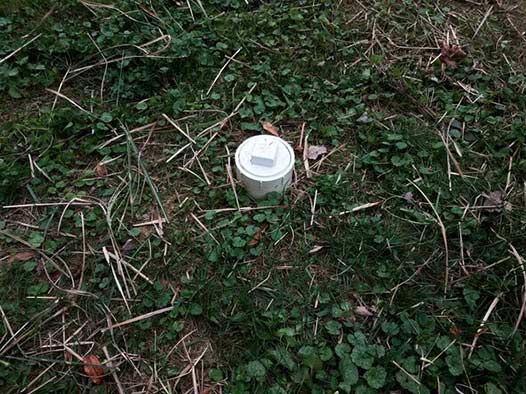
Sewer cleanouts, also known as cleanout plugs or access points, are typically vertical pipes with a removable cap or cover located at various strategic points along a sewer line. These access points provide entry into the sewer line for plumbers and technicians to inspect and clear any blockages or accumulated debris that can hinder the flow of wastewater.

Most commonly, sewer cleanouts are found outside a property in areas such as the front or back yard, close to the house foundation, or along the property line. However, in some cases, they may also be located within the property, such as in the basement or crawl space.

The Components of Sewer Cleanouts

A typical sewer cleanout consists of the following components:

  • Cleanout Pipe: The cleanout pipe is a vertical pipe that connects to the main sewer line. It is usually made of PVC or cast iron and ranges in diameter from 3 to 6 inches.
  • Cleanout Cap: The cleanout cap is a removable cover or plug that seals the cleanout pipe. It can be unscrewed or lifted off to access the sewer line.
  • Cleanout Tee: The cleanout tee is a fitting connected to the cleanout pipe. It features a branch that allows the insertion of a rodding machine or hydro jetting nozzle for cleaning and clearing blockages.

How Sewer Cleanouts Work

When a blockage occurs in a sewer line, it can lead to unpleasant consequences such as sewage backups, foul odors, or even potential health hazards. Sewer cleanouts act as entry points for sewer line maintenance and repair, allowing plumbers to camera inspect inside the pipe, diagnose the issue, and take necessary action to restore proper flow.

Here is a step-by-step explanation of how sewer cleanouts work:

  • Locating the Cleanout: In case of a blockage or suspected issue in the sewer line, the first step is to locate the cleanout. Cleanouts are generally positioned in easily accessible areas, either above ground or within the property. Once located, the cleanout cap needs to be removed.
  • Accessing the Sewer Line: After removing the cleanout cap, a plumber or technician gains access to the sewer line. Using specialized equipment such as drain cameras, they can inspect the inside of the pipe and identify any blockages, cracks, or other problems.
  • Clearing the Blockage: If a blockage is detected, the next step involves clearing it. Plumbing professionals use various methods, including sewer rodding services, hydro jetting, or chemical agents, to break apart or dislodge the obstruction, allowing the wastewater to flow freely again.
  • Repairing or Replacing the Pipe: In some cases, if the sewer line is damaged or has extensive issues, repairs or pipe replacement may be necessary. The cleanout provides a convenient access point for such repairs, minimizing the need for major excavation or demolition.
  • Restoring the Cleanout: Once the maintenance or sewer line repair work is complete, the cleanout cap is securely screwed or placed back onto the cleanout pipe, ensuring its integrity and preventing any unwanted debris from entering the sewer system.
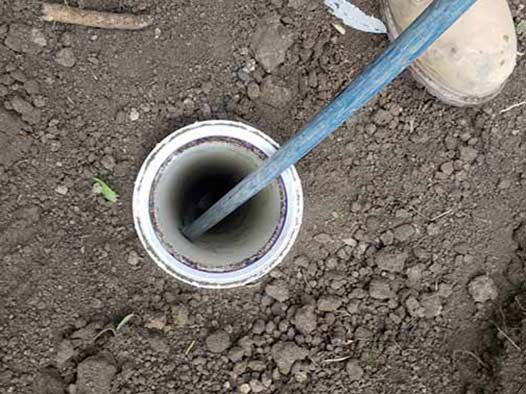
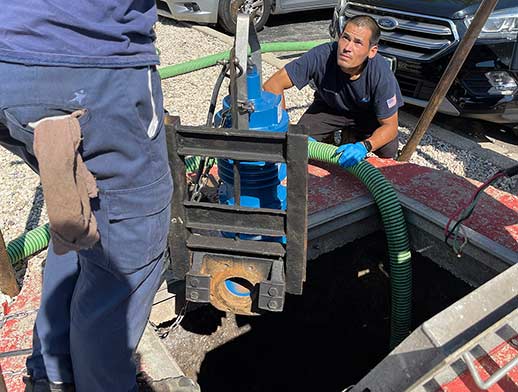
hydro jetting accessed through a sewer cleanout.

After removing the cleanout cap, a plumber or technician gains access to the sewer line.

Benefits of Sewer Cleanouts

The presence of cleanouts offers numerous advantages for both property owners and plumbing professionals:

  • Efficient Maintenance: Sewer cleanouts simplify the process of sewer line maintenance and repair. With easy access to the sewer line, plumbers can swiftly diagnose and resolve issues, minimizing disruption to daily activities.
  • Preventive Measure: Regular inspection and cleaning of the sewer line through cleanouts can help identify potential problems before they turn into major issues. It allows for proactive maintenance and prevents costly repairs down the line.
  • Improved Performance: By removing obstructions, cleanouts ensure the proper and uninterrupted flow of wastewater, reducing the risk of sewage backups.
  • Cost Savings: Timely maintenance and repair work carried out through sewer cleanouts can help property owners avoid expensive repairs, water damage, or property value decline. It is an investment that pays off in the long run.

Maintaining Sewer Cleanouts

Maintaining cleanouts is crucial for their effectiveness and longevity. Here are some essential tips to keep in mind:

  • Regular Inspections: Schedule periodic sewer camera inspections by a professional plumber to ensure the cleanouts are free from debris and in proper working condition.
  • Prevent Obstruction: Avoid dumping large objects, grease, or sanitary products down the drain to prevent clogging and potential damage to the sewer line.
  • Protect from Damage: Keep the cleanout caps securely in place to prevent physical damage or intrusion of tree roots and soil.
  • Winter Precautions: In colder climates, protect the cleanouts from freezing by insulating or using heat tape, as frozen pipes can lead to blockages and pipe bursts.
  • Professional Maintenance: If you encounter any issues or suspect a problem with your sewer line, seek professional assistance to inspect and address the situation promptly.

To Sum It Up

In conclusion, sewer cleanouts are essential components of a properly functioning drainage system. By providing convenient access for inspection and maintenance, they ensure the efficient flow of wastewater while preventing blockages and backups. Regular maintenance of sewer cleanouts is key to avoiding major issues and costly repairs, offering peace of mind to property owners. If you have sewer cleanouts on your property, make sure to keep them well-maintained and seek professional assistance whenever necessary. Remember, a well-functioning sewer system contributes to a cleaner and healthier living environment.

Burst Pipes? What To Do When A Water Main Breaks In Chicago

What To Do When A Water Main Breaks In Chicago

When a water main breaks, it can cause significant damage and disrupt the lives of residents. In a city like Chicago, where extreme weather conditions are common, burst pipe emergencies are not uncommon. Knowing what to do in such a situation can help minimize the damage and ensure the safety of everyone involved. This article will provide a comprehensive guide on what to do when a water main breaks in Chicago.

Understanding Water Mains

Before getting into the steps to take when a water main breaks, it is essential to have a basic understanding of what water mains are and their role in the city’s water supply. Water mains are large underground pipes that deliver treated water to homes, businesses, and other buildings. Chicago has an extensive network of water mains running beneath its streets, ensuring the constant flow of water to its residents.

Causes of Water Main Breaks

Water mains can burst due to various reasons. Some of the common causes include:

  • Extreme weather conditions, such as freezing temperatures or excessive heat
  • Aging infrastructure
  • Ground shifts or movements
  • High water pressure
  • Corrosion or deterioration of the pipes over time

Understanding the causes can help identify potential areas of vulnerability and take necessary preventive measures.

Signs of a Water Main Break

Identifying a water main break early on is crucial in mitigating the damage. Some signs to watch out for include:

  • Decreased water pressure in faucets
  • Discolored water
  • A sudden increase in water bills
  • Audible sounds of rushing water beneath the ground
  • Visible cracks or sinkholes near the water main

If you notice any of these signs, it is essential to take immediate action.

What to Do when a Water Main Breaks

When a water main breaks, follow these steps:

Report the Break

Contact the Chicago Department of Water Management or the local water utility company to report the water main break. Provide them with specific details about the location of the break and any visible signs of damage. Timely reporting can help expedite repairs.

Shut Off the Water

If you have access to the water shut-off valve in your building, turn it off immediately. This will help prevent further water damage and flooding. It is essential to know the location of the shut-off valve in advance to act swiftly during emergencies.

Evacuate If Necessary

In extreme cases where the water main break leads to flooding or poses a threat to your safety, evacuate the premises. It is better to prioritize personal safety above all else. If evacuation is necessary, alert the authorities and follow their instructions.

Protect Your Property

If your property is at risk of flooding due to the water main break, take steps to protect your belongings. Move furniture, electronics, and other valuable items to higher floors or areas less prone to water damage. Use sandbags or barriers to divert water away from your property.

Document the Damage

Take photographs or videos of any visible damage caused by the water main break. This documentation will be helpful when filing an insurance claim or seeking assistance for main water line repair service. Make sure to capture the extent of the damage accurately.

Stay Informed

Keep yourself updated on the progress of the repair work. Follow local news sources, social media accounts of authorities, or official channels for updates. Knowing the estimated timeline for repairs can help you plan accordingly and take necessary precautions.

Prevention and Maintenance

While it is not always possible to prevent water main breaks, regular maintenance and proactive measures can reduce the likelihood of such incidents. Some preventive steps include:

  • Regular inspection and monitoring of water mains
  • Prompt repair of any visible cracks or leaks
  • Replacement of aging or corroded pipes
  • Managing water pressure within acceptable limits
  • Proper planning and coordination of construction activities near water mains

By investing in preventive measures, the city can reduce the occurrence of water main breaks and minimize the impacts on its residents.

In Summary

Water main breaks are unforeseen events that can cause significant inconvenience and damage. By knowing what to do when a water main breaks in Chicago, residents can take immediate action, report the break, protect their property, and ensure their safety. Additionally, understanding the causes and signs of water main breaks can help in taking preventive measures and maintaining the water supply infrastructure effectively. By working together and being prepared, we can minimize the impact of water main breaks and ensure a reliable water supply for all Chicagoans.

A Comprehensive Guide to Choosing a Professional Sewer Line Replacement Service in Chicago

A Comprehensive Guide to Choosing a Professional Sewer Line Replacement Service in Chicago

Choosing the right sewer line replacement service in Chicago can be a daunting task, but it’s a crucial decision for any homeowner or property owner. Your sewer line is a vital component of your property’s infrastructure, and when it needs replacement, you want it done right the first time. With the city’s aging infrastructure, sewer line replacements are not uncommon. Whether you live in the historic neighborhoods of Lincoln Park or the hot bed of the Chicago Loop, a reliable sewer line replacement service is essential. Below we’ll walk you through the key factors to consider when selecting a professional service to tackle your sewer line replacement project. 

What to Consider When Choosing a Sewer Line Replacement Service

When facing the need for a sewer line replacement in Chicago, it’s essential to make a well-informed choice to ensure a successful and hassle-free project. Here’s a breakdown of what you should consider:

  • Reputation Matters: Look for companies with a strong reputation in the local community. Seek out reviews and testimonials, and ask for referrals from neighbors or friends who have had similar work done.

  • Experience Counts: Experience is invaluable when it comes to sewer line replacement. Find out how long the company has been in business and inquire about its track record.

  • Expertise in Sewer Line Replacement: Verify that the plumbers specializes in sewer line replacement. They should have a dedicated team of experts who understand the intricacies of sewer systems.

  • Local Knowledge: Chicago’s sewer system can be unique, with older properties and complex underground layouts. Hiring a service familiar with the city’s specific sewer challenges can make a significant difference in the success of your project.

  • Transparent Pricing: Don’t leave anything to chance regarding costs. Request clear, itemized quotes from potential service providers. This transparency ensures you know exactly what you’re paying for and helps you avoid unexpected expenses down the road.

Taking these detailed factors into account will help you choose the right sewer line replacement service in Chicago and give you confidence that your project will be handled with expertise and professionalism. Your sewer line’s health is paramount, and making an informed decision is your key to a trouble-free replacement.

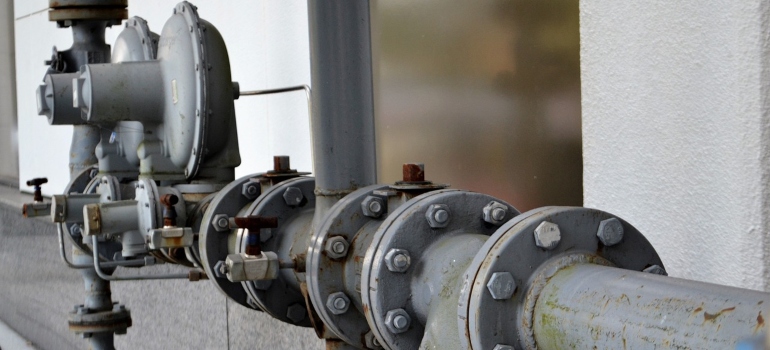
Metal sewer pipes.

Finding the right sewer line replacement service in Chicago should be well-planned.

Finding Trustworthy Sewer Line Replacement Services in Chicago

Hearing about others’ satisfaction can guide you in the right direction. When it comes to locating a dependable sewer line replacement service in Chicago, we understand that trust is paramount. Begin by tapping into your local network—friends, neighbors, or online communities can offer valuable recommendations based on their firsthand experiences. 

Online reviews on platforms like Yelp and Google Reviews provide a window into a company’s reputation. Look for consistently positive feedback and how they address any negative comments, giving you insight into their customer relations. Request references from potential service providers. Speaking directly with their previous clients can provide real-world feedback that bolsters your confidence in their trustworthiness. 

Also, you should verify the service’s licensing and insurance credentials. This is essential for your peace of mind and a testament to their commitment to professionalism and accountability. Lastly, explore their website. A professionally presented website often reflects a reputable company. Seek out information about their plumbing services, team, and past projects.

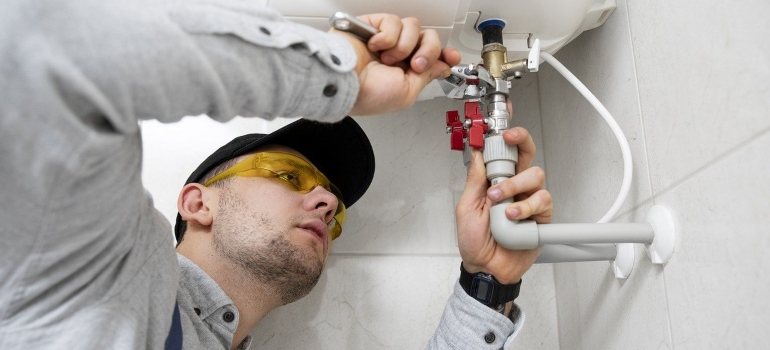
A plumber fixing pipes.

Hiring professionals is an essential step in this kind of repair.

Assessing Experience and Expertise

When it comes to ensuring a successful sewer line replacement in Chicago, experience and expertise are your trusted allies. Choose a service with a proven track record of handling common plumbing problems in Chicago. Seasoned professionals are adept at navigating the unique challenges that may arise, ensuring a smoother process.

Specialization in sewer line replacement is key. Even though you might think your skills and knowledge might be enough to fix it yourself, we strongly suggest you hire a professional. A company focusing primarily on this type of work possesses the specialized knowledge and skills necessary for efficient and effective solutions. One of the important pieces of advice Number 1 Movers Canada gave to their customers is that repairs like this one simply require a pair of well-experienced hands. By prioritizing experience and expertise in your selection, you’re setting yourself up for a sewer line replacement that’s hassle-free and tailored to the city’s specific challenges. 

Cost Considerations for Sewer Line Replacement

Before diving into any project, it’s essential to have a well-defined budget in mind. Consider how much you’re willing to invest in your sewer line replacement, and be realistic about your financial capabilities. In Chicago, sewer line replacement services typically follow one of two pricing models: flat-rate or per-linear-foot pricing. Understanding these models and their implications on your final bill is crucial. Ask potential services which model they use.

On average, sewer line replacement in Chicago can cost anywhere from $7,000 to $12,000 or more, depending on various factors such as the extent of the damage, the length of the sewer line, and the materials used. Knowing these ballpark figures can help you gauge if a quote is reasonable. When requesting quotes, be specific about your project’s details. This includes the size of your property, the location of the sewer line, and any known issues. The more information you provide, the more accurate your quotes will be.

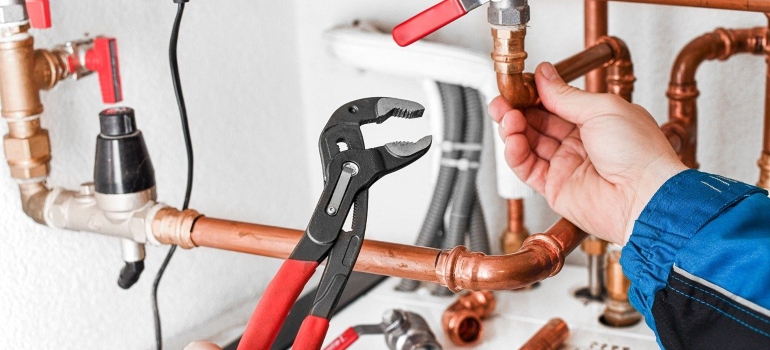
A plumber using tools to replace pipes.

Plan your repair carefully and according to your budget.

In Conclusion

In a city where history meets innovation, your choice of a sewer line replacement service in Chicago is more than just a decision – it’s an investment in the longevity of your property. By applying the insights from this guide, you’ll be equipped to make an informed decision that aligns with your needs and budget. Don’t leave your sewer line replacement to chance. Choose a service that can handle the challenges of Chicago and keep your property’s infrastructure intact. Remember, when it comes to sewer line replacement in Chicago, the right choice today can save you headaches tomorrow!

Best Plumbers Near Me: When You Need One Fast

Best Plumbers Near Me

The Importance of Finding the Best Plumbers Near Me

When you experience a plumbing emergency, you need immediate assistance to prevent further damage to your home or property. This is where finding the best plumbers near you becomes crucial. A reliable and skilled plumber can quickly diagnose the issue and provide efficient solutions, saving you both time and money in the process.

Whether it’s a burst pipe emergency, a clogged drain, or a malfunctioning water heater, these problems require immediate attention. Trying to tackle them yourself without the necessary expertise can lead to further complications and costly repairs. Therefore, it’s essential to have a trustworthy plumber on hand who can respond promptly and resolve your plumbing issues effectively.

The Benefits of Choosing Local Plumbers

When searching for the best plumbers near you, it’s highly recommended to choose local professionals. There are numerous advantages to hiring local plumbers:

  • Quick Response Time: Local plumbers can arrive at your location quickly, ensuring that your plumbing issues are addressed promptly. They are familiar with the area, which allows them to navigate through traffic and locate your property without any unnecessary delays.
  • Knowledge of Local Regulations: Local plumbers are well-versed in the local building codes and regulations. They understand the specific requirements and standards that must be met during plumbing installations or repairs.
  • Established Reputation: Local plumbers have often been serving the community for an extended period. They have built a reputation based on their quality of work and customer satisfaction. By choosing local plumbers with a good reputation, you can have peace of mind knowing that you’re hiring someone reliable and experienced.
  • Accessible References: Since local plumbers have worked in the area for quite some time, you can easily obtain references from past customers within your community. This gives you the opportunity to hear about their experiences and the level of satisfaction they received from the plumber’s services.
  • Familiarity with Local Plumbing Systems: Local plumbers are familiar with the common plumbing systems and issues that occur in your area. This means they can quickly identify the problem and provide effective solutions, minimizing the chances of errors or misdiagnosis.
plumbers nearby are usually the best bet.

Look for plumbers with consistently positive reviews and high ratings.

How to Find the Best Plumbers Near Me

Now that you understand the importance of finding the best plumbers near you, let’s explore the steps you can take to locate these reliable professionals:

Ask for Recommendations

Reach out to your friends, family, and neighbors for recommendations on local plumbers they have used in the past. Personal experiences and opinions can provide valuable insights into the quality of service you can expect from a particular plumber.

Check Online Reviews and Ratings

Online platforms and review websites offer a wealth of information about various plumbers in your area. Look for plumbers with consistently positive reviews and high ratings. Be cautious of any recurring negative feedback, as it may be an indication of potential issues.

Verify Licensing and Insurance

Before hiring a plumber nearby, ensure they are properly licensed and insured. Licensing guarantees that the plumber has met the necessary requirements and possesses the required skills and knowledge to perform plumbing work. Insurance protects you in case of any accidents or damages that may occur during the job.

Request Quotes and Compare

Contact multiple plumbers in your area and request detailed quotes for the required services. Take the time to compare the quotes, considering factors such as pricing, scope of work, and guarantees or warranties offered by each plumber. However, keep in mind that the cheapest option may not always be the best choice.

Assess Experience and Expertise

Consider the experience and expertise of the plumbers you are considering. How long have they been in business? Do they specialize in the specific plumbing issue you’re facing? Assessing their experience can give you confidence in their ability to handle your plumbing needs effectively.

Inquire About Emergency Services

Plumbing emergencies can occur at any time, day or night. It’s crucial to choose a plumber who offers emergency services to ensure you can receive immediate assistance whenever you need it.

Check for Warranty/Guarantee

Reputable plumbers often provide warranties or guarantees for their work. Inquire about any warranties or guarantees offered and the duration they cover. This can provide you with added protection and assurance that the plumber stands behind their work.

To Conclude

When it comes to plumbing emergencies, time is of the essence. Finding the best plumbers near you ensures that you have reliable professionals who can swiftly resolve your plumbing issues and prevent further damage. Remember to choose local plumbers for their quick response time, knowledge of local regulations, established reputation, accessible references, and familiarity with local plumbing systems.

By following the steps outlined in this article, you can locate the best plumbers near you with ease. Don’t wait until an emergency strikes to search for a plumber – be proactive in finding a trusted plumbing professional who can be there for you when you need them the most.

Drain Clogs: How to Know When You Need a Professional Plumber

clogged drains in need of cleaning.

If a drain in your home is acting up due to clogs inside the pipe, what is the best way to deal with the problem? Should you troubleshoot the drain and try clearing the clog using DIY methods? Or is it better to get a professional plumber to help you solve the problem?

The right step for removing a drain clog depends on the nature and severity of the problem. Drain clogs are a common and almost inevitable occurrence in the home. And as Lone Eagle Management say knowing the right way to solve them is vital; the proper drain-cleaning method will save you a lot of money.

Most times, issues in your home’s drains are from minor problems in the plumbing. Many of these small issues can be resolved quickly and cheaply using a variety of home remedies. That is why having a few DIY drain-cleaning remedies in your home is essential.

But drain clogs can also result in bigger issues inside the plumbing. These issues cannot be solved with DIY methods; DIY methods may even make them worse. For such drain issues, you need advanced knowledge and professional plumbing tools.

Fixing drain problems costs a lot of money because homeowners don’t know when to hire a professional to look at their drains. They keep using ineffective DIY methods to try and clear the clogs, allowing the problem to degenerate into costly repairs.

What are the signs that a drain clog in your home needs the attention of an expert plumber?

a professional drain cleaning service.

A deep clog inside your plumbing will often cause several drains to be slow together. The way to solve this problem is to have your drains cleaned professionally.

Signs that you need a professional plumber in your home

These five signs are indicative of problems deep inside your drainpipes. DIY solutions and store-bought drain cleaners will not solve these problems. To fix them, you need an experienced plumber.

Several slow drains in the home

When you have a slow-draining fixture in the home, you can fix it by focusing on the single malfunctioning drain. This approach works if the clog is close to the drain opening. But in a situation where the clog is deep inside the drainpipe, focusing on a single slow drain inside the home will not solve the problem. A deep clog inside your plumbing will often cause several drains to be slow together. The way to solve this problem is to have your drains cleaned professionally.

Gurgling noises from your drains

Gurgling sounds from your drains can happen alongside slow drains or on their own. Drains only gurgle when they have trapped air inside the pipes. Air should be able to flow through your drainpipes. But if there is a clog inside the pipe, air will be trapped inside. Whenever water is flushed into the drain, it pushes against that air, compressing it. Eventually, the air will find a way out by forcing itself through the water rushing into the drain. The movement of air through the water is what creates the gurgling sound.

Fouls smells from your drains

This problem can happen simultaneously with gurgling sounds from the drains. When drains function as they should, they keep sewer gases out of the house. Sewage smells will only enter your home when sewer gases escape from the home’s drains into the home. This problem is caused by blockages or leaks in your sewer line. The foul odors may be present across the entire home, in one section of the home, or outside only. You should have your sewer line camera inspected by a professional plumber if there are sewer odors in your home.

Increase in the number of pests and vermin

Pests are only drawn to places where they can find food and water. If you notice increased pests inside your home or around your yard, you could have a broken drainpipe. A blocked drain line may also have rotting food inside it. That will lead to an increase in the number of fruit flies in your kitchen. A leaky sewer line may also serve as a rich food source for flies and roaches. If this happens, the natural enemies of these pests can also be drawn to your property.

DIY techniques don’t work

Sometimes DIY methods that have worked in the past will suddenly stop working. When this happens, it means that the DIY method did not solve the problem; it only provided temporary relief. It has given the problem time to get worse. That is why the DIY solution no longer works. To fix the drain problem, you need a professional plumber. You also need a professional plumber if you use a lot of chemical drain cleaners in your home. That’s because chemical drain cleaners harm your plumbing.

Get a professional plumber if you observe any of these five signs in your home. Also, even if you don’t see these signs in your home, you may still need a professional plumber if your drains have not been inspected in a long time.

Choosing the Right Capacity for Your New Water Heater Installation

on demand water heater installation service in chicago.

Are you about to replace the old water heater in your home? If yes, do you plan to install a new unit similar to the old one, or do you plan to upgrade the water heater? There is no better time to review your home’s hot water needs than when you are about to buy a new water heater.

The two things you want to consider when buying a new water heater are how much hot water your home uses and the water heater’s energy efficiency. As Pentwell Properties say you want to buy the right size water heater that meets the family’s hot water needs and also helps you save energy.

How do you do that? The steps for sizing a new water heater for your home depend on the type of water heater you want to install: a tankless water heater or a storage-type water heart. Below are the explanations on how to size these two water heaters.

Sizing a new water heater

How to size a storage water heater

Use the unit’s First Hour Rating (FHR) to size a storage water heater. That is the number of gallons of hot water the water heater can supply per hour when it starts with a full tank. The FHR depends on the tank capacity, the source of heat, and the size of the burner.

You can usually find the FHR for the unit in the top left corner of the EnergyGuide label listed as capacity (first-hour rating). Information about the FHR can also be found in the product literature. Look for a water heater with FHR above your home’s peak hour demand.

The second thing you must know to correctly size a storage water heater is your home’s Peak Hour Demand. That is the number of gallons of hot water the home uses during the peak hour of use. That depends on the number of people in the house. How do you calculate peak hour demand?

On average, each member of your household uses around 12 gallons of water in the shower. Multiply the number of people in the home by 12 (the number of gallons used per person). That is the number of gallons of hot water the water heater must supply during peak hours.

If there are five people in your home, the water heater must be able to supply 60 gallons of hot water during peak hours. That means the water heater must have a first-hour rating above 60 gallons. The peak hour demand must always be lower than the water heater’s FHR.

The water heater’s FHR also helps you determine its yearly cost of operation and estimated yearly energy consumption. This information can be obtained from the EnergyGuide Label, and it is different for gas and oil-powered water heaters versus electricity-powered units.

a new water heater installation that is tankless.

Tankless water heaters do not store water but supply hot water on demand. Sizing these types of water heaters is a bit more complicated.

How to size a tankless water heater

Tankless water heaters do not store water but supply hot water on demand. Sizing these types of water heaters is a bit more complicated. Tankless water heaters are rated according to the maximum temperature rise possible at a given flow rate.

To size a tankless water heater, you must know the flow rate for the different water devices in the home. Depending on whether you are installing a whole-house water heater or the unit is for a specific fixture, you may now determine the required temperature rise at that flow rate.

As a first step, list all the water devices in the home. Add up the flow rates for all the water-utilizing appliances and plumbing fixtures in the house, or add up the flow rates for all water devices you expect to use simultaneously, such as a faucet and showerhead.

If you do not know the flow rate for a device, you can calculate it by holding a pan or bucket under that device. Run the water for a minute and calculate how much water has flowed into the pan or bucket. Typically, this will be between 0.75 gallons and 2.5 gallons per minute.

To calculate the desired temperature rise for the unit, deduct the incoming water temperature from the required output temperature for the water heater. You may assume an incoming water temperature of 50ºF (10ºC) can hold a thermometer under a cold-water faucet to get the temperature reading.

With these details – the flow rate for your home and the required temperature rise for your new water heater – you now have an objective measure for deciding if a tankless water heater is suitable for your home.

In Conclusion

Remember that buying a new water heater is not just about choosing the proper unit. There are other essential considerations, as well as the process of installing the water heater. To get the most out of your new water heater, you may want to talk to a professional before you make any decisions.

The Importance of Hiring a Qualified Plumber for Commercial Sewer Systems: Key Questions to Ask

a commercial sewer systems plumber investigating a problem.

The sewer system in your commercial building performs the same function as that of a single-family or two-family home. But as Abilene Leasing & Property Management say this is where the similarities between commercial sewer systems and residential systems end. Commercial sewer systems are unlike residential sewer systems in many ways.

Commercial sewers handle larger volumes of wastewater because of the number of people who use them. They are much more extensive and complex than residential systems. Commercial systems should be robust because they must endure stresses not present in a residential sewer system.

Malfunctions in a commercial sewer system will affect more people than problems in a residential sewer system. The issues in the building’s sewers will not only damage the operations of the businesses located on the premises, but they can also hurt the well-being of its customers.

That is why it is vital to do proper due diligence when hiring a professional plumber for your commercial sewer repairs. Hiring the wrong plumber will make your sewer more liable to fail. This mistake also has the potential to increase your maintenance costs while shortening the lifespan of your sewers.

To prevent these negative outcomes, this post outlines eight essential questions you should ask a professional plumber before you hire them.

8 questions to ask a commercial plumber before you hire them

Are they licensed and certified?

The plumber must provide verifiable proof of being fully certified by a recognized organization. They should have the required permits and licenses to work in your location. It is a good idea to only work with plumbers who are local chapter members of their professional body. Don’t hesitate to ask for any information that will help you verify the claims of the plumber.

What is their specialization?

Never hire a residential plumber to do the work of a commercial plumber. Even when interviewing a list of commercial plumbers, you still want to ask about their area of expertise. That is because there are several different types of commercial property, each with its unique sewer systems. For instance, factory sewer lines can be very different from the sewer systems found in a retail center or multifamily dwelling. 

How long have they been in business?

Experience is vital; it means the plumber has a repertoire of skills to handle diverse situations. But experience doesn’t just serve as a measure of the plumber’s competence. The experience offers a glimpse into how trustworthy a plumber is. An experienced plumber who has been operating in the same city for a long time can be trusted. Ensure the plumber’s experience is with sewer systems that are similar to yours. 

Do they have any references?

If a plumber is competent and reliable, they will have a list of happy customers willing to vouch for them. These references should be people and businesses in your city; it makes it easier to visit them. You want to make sure the people on the list are the names and contacts of real customers. Do not hire a commercial plumber who will not provide references or whose references are unavailable.

Do they offer a maintenance plan?

Instead of a one-time event, a maintenance plan allows the plumber to maintain your sewer system on an ongoing basis. This kind of maintenance approach is better for many reasons. It helps you spot and solve problems with your sewers early. Secondly, it reduces the cost of maintaining the sewers. Lastly, it helps to reduce the wear and tear to prolong the life of your plumbing.

What kind of equipment do they have?

The right equipment will make the maintenance of your plumbing faster, cheaper, and more effective. The right sewer maintenance equipment is vital when working with commercial sewer systems. State-of-the-art equipment ensures quick and accurate diagnosis of problems. It also allows those problems to be solved with minimal inconvenience to the people in the building.

What about insurance and warranty?

Is there a warranty on the parts they supply? Do they offer a warranty for labor? What do they expect you to do if there are issues with a job recently completed by the plumber? Are you required to pay a second time to solve the same problem? Or will the plumber foot the bill to fix the issue? In addition to warranties, the plumber should be adequately insured.

How do they charge for their work?

Does the plumber expect you to pay a flat rate for jobs, or do they prefer an hourly rate? Flat rates are typically better since the plumber can work at a slower pace if they are being paid hourly. Because they know they will not be paid for working additional hours, a flat rate forces the plumber to make better use of time. You also want to know their terms of payment before you hire the plumber.

Finally, do not forget to evaluate the plumber’s responsiveness and ability to communicate properly.

How to Fix a Leaking Shut-Off Valve on Your Toilet

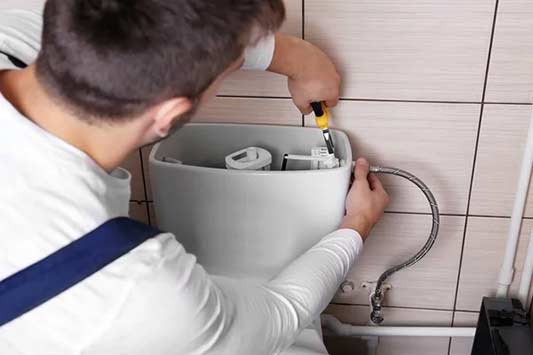
a person fixing a leaking shut off valve on their toilet.

Having a leaking shut-off valve on your toilet can be quite a nuisance. Not only does it waste water, but it can also cause damage to your bathroom floor if left unattended. Fortunately, fixing a leaking shut-off valve on your toilet is a relatively simple task that can be done by most homeowners. In this article, we will guide you through the step-by-step process of fixing a leaking shut-off valve on your toilet, ensuring that you can tackle this common plumbing issue with ease.

Understanding the Shut-Off Valve

Before we delve into the steps for fixing a leaking shut-off valve on your toilet, it’s important to understand what a shut-off valve is and how it works. A shut-off valve is typically located near the base of the toilet and is used to control the flow of water to the tank. When the valve is in the open position, water flows freely into the tank, allowing the toilet to flush. When the valve is closed, water flow is stopped, preventing water from entering the tank.

When a shut-off valve leaks, it means that water is seeping through the valve even when it is closed. This can be caused by a variety of factors, including worn-out washers, loose connections, or a faulty valve body. By following the steps outlined below, you will be able to identify and fix the cause of the leak, ensuring that your shut-off valve functions properly.

Gather the Necessary Tools and Materials

Before you start working on fixing the leaking shut-off valve on your toilet, it’s important to gather all the necessary tools and materials. These may include:

  • Adjustable wrench
  • Slip-joint pliers
  • Replacement washers
  • Teflon tape
  • Bucket or towel

Make sure to have these items readily available before you begin the repair process. This will save you time and prevent any potential frustration of having to search for tools or materials midway through the project.

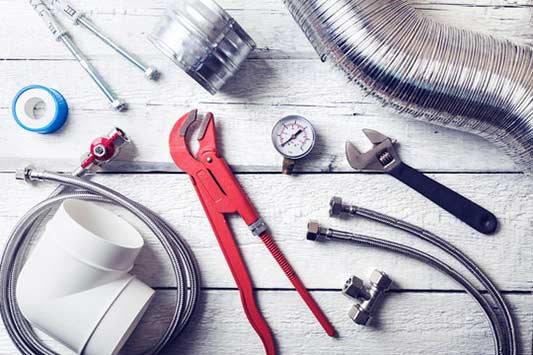
plumbing tools for repairing a toilet shut off valve.

Before you start working on fixing the leaking shut-off valve on your toilet, it’s important to gather all the necessary tools and materials.

Step 1: Turn off the Water Supply

The first step in fixing a leaking shut-off valve is to turn off the water supply to your toilet. Look for the main water shut-off valve located near your water meter and turn it clockwise until it is fully closed. This will stop the flow of water to your toilet and prevent any water from leaking during the repair process.

Step 2: Empty the Toilet Tank

Once you have turned off the water supply, flush your toilet to empty the tank and remove any remaining water. This will allow you to work on the shut-off valve without the risk of water spilling or causing any further damage.

Step 3: Inspect the Shut-Off Valve

With the water supply turned off and the toilet tank emptied, you can now inspect the shut-off valve for any visible signs of damage or wear. Check for any loose connections, cracks, or corrosion that may be causing the leak. If you notice any severe damage, it may be necessary to replace the entire shut-off valve.

Step 4: Tighten Loose Connections

If the shut-off valve appears to be in good condition, but you still notice a leak, it is possible that the leak is being caused by loose connections. Use an adjustable wrench or slip-joint pliers to tighten any loose nuts or connections. Be careful not to overtighten, as this can cause further damage.

Step 5: Replace the Washer

If tightening the connections does not resolve the leak, it is likely that the washer inside the shut-off valve is worn out or damaged. To replace the washer, follow these steps:

  • Using an adjustable wrench, hold the shut-off valve body steady.
  • Using slip-joint pliers, unscrew the packing nut located just below the handle of the shut-off valve.
  • Once the packing nut is removed, you will be able to access the washer inside the valve.
  • Remove the old washer and replace it with a new one of the same size.
  • Reassemble the shut-off valve by screwing the packing nut back in place.

Step 6: Apply Teflon Tape

To ensure a watertight seal, apply Teflon tape to the threads of the shut-off valve where it connects to the toilet tank. This will help prevent any potential leaks in the future. Wrap the Teflon tape clockwise around the threads several times, ensuring a snug fit.

Step 7: Test for Leaks

Once you have completed the repair process, it’s important to test the shut-off valve for any remaining leaks. Turn the water supply back on and observe the shut-off valve for any signs of water seepage. If you notice any leaks, repeat the steps above to identify and fix the issue.

To Wrap It Up

Fixing a leaking shut-off valve on your toilet is a relatively straightforward process that can be done by most homeowners. By following the step-by-step guide outlined in this article, you will be able to identify the cause of the leak and repair it effectively. Remember to always turn off the water supply before starting any repair work, and gather all the necessary tools and materials beforehand to ensure a smooth and hassle-free experience. With a properly functioning shut-off valve, you can rest assured that your toilet will operate efficiently and without any leaks.

How Much Does It Cost to Replace a Sump Pump in Chicago?

cost of a sump pump replacement in chicago factors.

When it comes to home maintenance, one important aspect that homeowners often overlook is their sump pump. Located in the basement or crawl space, a sump pump plays a crucial role in preventing flooding by removing excess water. However, like any other mechanical device, sump pumps can wear out over time and need replacement. Below we will discuss the cost of replacing a sump pump in Chicago, taking into account various factors that may affect the overall expenses.

The Importance of a Reliable Sump Pump

Living in Chicago, a city known for its frequent rainstorms, it is crucial to have a reliable sump pump installed in your home. Without a functional sump pump, your basement or crawl space is at risk of flooding, which can lead to extensive water damage, mold growth, and costly repairs. Therefore, regular maintenance and timely replacement of a sump pump are necessary to ensure its proper functioning and protect your property.

Determining the Need for Sump Pump Replacement

Before discussing the cost, it is essential to identify when a sump pump needs replacement. Typically, sump pumps have a lifespan of about 10 years, but various factors can affect their longevity. Some signs that indicate the need for replacement include:

  • Frequent breakdowns or malfunctions
  • Excessive noise or vibrations
  • Inconsistent pumping or failure to remove water efficiently
  • Visible signs of corrosion or rust

If your sump pump is displaying any of these signs, it is crucial to consult a professional to assess its condition and determine if replacement is necessary.

Finding the Right Replacement Sump Pump

When it comes to selecting a replacement sump pump, it is essential to consider factors such as pump capacity, power source, and additional features. Different homes may require sump pumps with varying horsepower and pumping capacities, depending on the size of the basement or crawl space. Additionally, homeowners can choose between pedestal sump pumps or submersible sump pumps, each offering its advantages and installation requirements.

It is recommended to speak with a professional Chicago plumber who can assess your specific needs and recommend the most suitable replacement. They can also guide you on choosing from reputable brands known for their reliability and performance.

The Average Cost of Sump Pump Replacement

The cost of replacing a sump pump in Chicago can vary depending on several factors, including:

  • Type of sump pump: Pedestal sump pumps are generally more affordable compared to submersible pumps.
  • Quality and brand: Higher-quality sump pumps from reputable manufacturers may come at a higher price but offer increased durability and longevity.
  • Power source: Battery backup systems or water-powered sump pumps may incur additional expenses.
  • Installation complexity: If the installation requires extensive modifications or repairs to the existing sump pump system, it may increase the overall costs.
  • Professional labor: Hiring a professional plumber to replace the sump pump can add to the overall expenses.

On average, homeowners in Chicago can expect to spend between $500 and $1,500 for sump pump replacement, including the cost of the pump itself and the installation. However, it is important to note that this is only an estimate, and the final cost may vary depending on individual circumstances.

Additional Costs to Consider

While the average cost mentioned above provides a general idea, there are a few additional costs that homeowners should keep in mind when budgeting for sump pump replacement:

  • Permit fees: In some cases, obtaining a permit for sump pump replacement may be required, which can incur additional fees.
  • Disposal of old pump: If the installer does not include disposal of the old sump pump in their service, you may need to bear the cost of disposing of it separately.
  • Maintenance and warranty: It is essential to consider the cost of regular maintenance and any warranties offered by the manufacturer or installer to ensure the longevity and efficiency of the new sump pump.
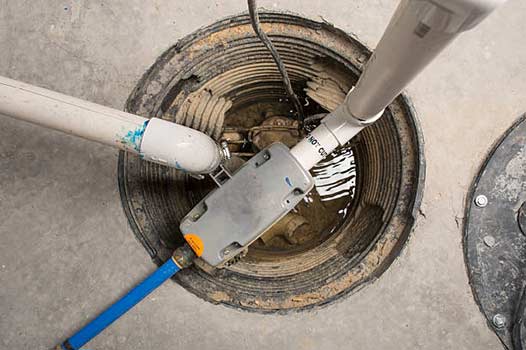
a plumber performing a sump pump replacement.

Hiring a reputable sump pump installer in Chicago ensures that the replacement is done correctly, minimizing the risk of future issues or complications.

Choosing Professional Sump Pump Installers

When it comes to sump pump replacement, it is crucial to entrust the job to experienced professionals who specialize in this field. Hiring a reputable sump pump installer in Chicago ensures that the replacement is done correctly, minimizing the risk of future issues or complications.

When selecting a professional installer, consider the following:

  • Experience: Look for installers who have a proven track record and years of experience in sump pump installation and replacement.
  • Qualifications and certifications: Ensure that the installer is licensed, insured, and certified to carry out sump pump replacement.
  • References and reviews: Check online for customer reviews and ask for references to gauge the installer’s reliability and professionalism.
  • Get multiple quotes: Obtain quotes from different installers to compare prices and services offered.

In Conclusion

Replacing a sump pump in Chicago is an important investment to safeguard your home from potential water damage. While the cost may vary depending on several factors, it is essential not to compromise on the quality and professionalism of the installation. By choosing a reputable installer and selecting a reliable sump pump, you can ensure your basement or crawl space remains protected for years to come.

Are you looking to you have your current sump pump replaced in the Chicagoland area? Contact us at 773-599-9181 or by using the form below!

How Much Does It Cost to Replace a Broken Sewer Line?

How Much Does It Cost to Replace a Broken Sewer Line

Replacing a broken sewer line is an essential and often unavoidable task for homeowners. A broken sewer line can cause significant damage and inconvenience, leading to foul odors, sewage backup, and even potential health hazards. It is crucial to address this issue promptly to restore the proper functioning of your home’s plumbing system. However, many homeowners are often concerned about the cost involved in replacing a broken sewer line. Below we get into the factors that influence the cost of replacing a broken sewer line and provide you with a general understanding of the expenses you might expect to incur.

Factors Affecting the Cost

Several factors come into play when determining the cost of replacing a broken sewer line. These factors may include:

Length and Depth of the Sewer Line

The length and depth of your sewer line play a significant role in determining the overall cost of replacement. Longer and deeper sewer lines require more materials and labor, resulting in higher expenses. Additionally, if your sewer line runs beneath structures such as driveways or landscaping, it may require additional excavation, which can further increase the cost.

Type of Pipe Material

The type of pipe material used for the replacement also impacts the cost. Various materials, such as PVC, clay, or cast iron, are commonly used for sewer line replacements. Each material has its own price range, with PVC generally being the most affordable option and cast iron being the most expensive. The choice of material depends on factors such as durability, local building codes, and budget.

Access Points and Obstacles

The accessibility of the broken sewer line and any potential obstacles can affect the cost of replacement. If the sewer line is easily accessible, it reduces the need for extensive excavation or removal of obstacles such as trees or concrete structures. On the other hand, if the line is located in an area with limited access, additional time and effort may be required, resulting in higher costs.

Permits and Regulatory Requirements

Depending on your location, permits and regulatory requirements may add to the overall cost of replacing a broken sewer line. Some areas have specific regulations concerning inspections, permits, and adherence to certain standards during sewer line replacement. It is crucial to speak with your local authorities to ensure compliance with these requirements and factor in any associated costs.

Hiring Professional Services

The choice of hiring professional services also contributes to the cost of replacing a broken sewer line. While some homeowners may attempt a DIY approach, it is often recommended to hire experienced professionals for such tasks. Professional plumbers or sewer line service specialists possess the necessary expertise, tools, and equipment required to ensure a successful and efficient replacement. However, their services come with an associated cost that should be considered when budgeting for the project.

a broken sewer line replacement.

While some homeowners may attempt a DIY approach, it is often recommended to hire experienced professionals for such tasks.

Cost Breakdown

It is important to note that the cost of replacing a broken sewer line can vary significantly depending on the aforementioned factors. However, to provide you with a general idea, we have compiled a rough cost breakdown:

Materials

The material costs for a sewer line replacement typically range from $50 to $250 per linear foot. This estimate includes the cost of the pipe material itself, as well as any fittings, joints, or connectors required.

Labor

The cost of labor varies depending on the complexity of the project, location, and specific requirements. On average, labor expenses can range from $50 to $200 per hour. The total labor cost typically takes into account excavation, removal of the old pipe, installation of the new pipe, and any necessary backfilling or compaction.

Additional Costs

There are several additional costs to consider when budgeting for a sewer line replacement:

  • Inspection costs: You may need to hire a professional inspector to assess the newly installed sewer line, and their fees typically range from $150 to $500.
  • Restoration expenses: After the replacement, you may need to repair or restore any landscaping, driveways, or structures that were impacted during the process. The cost of restoration varies depending on the extent of the damage.

Total Cost Estimate

Based on the factors mentioned above, the total cost of replacing a broken sewer line can range from $2,500 to $10,000 or more. It is crucial to obtain quotes from reputable plumbers in your area to determine the most accurate estimate for your specific situation.

In Summary

Replacing a broken sewer line is a significant undertaking that requires careful consideration of various factors. While the cost may seem daunting, it is essential to address a broken sewer line promptly to prevent further damage and potential health hazards. By understanding the factors that influence the cost and obtaining multiple quotes from professionals, you can budget accordingly and ensure the smooth replacement of your sewer line. Remember to speak with local authorities, adhere to regulatory requirements, and hire experienced professionals to ensure a successful and durable replacement.