Author Archives: Chicago Plumbing Experts

The Truth About Sewer Line Cleaning and Basement Flooding in Chicago

The Truth About Sewer Line Cleaning and Basement Flooding in Chicago

Chicago is a beautiful and vibrant city with a rich history and a thriving economy. However, like any major city, it faces its fair share of challenges and one of the most pressing issues is sewer line cleaning and basement flooding. This article aims to shed light on the truth behind these concerns, providing valuable information and guidance for residents and property owners in Chicago.

The Importance of Sewer Line Cleaning

Sewer lines are an integral part of Chicago’s infrastructure, responsible for carrying wastewater from homes, businesses, and public facilities to treatment plants. Over time, these sewer lines can become clogged with debris, sediment, or tree root intrusion, leading to blockages and potential backups.

Regular sewer line cleaning is crucial to prevent these blockages and maintain the proper functioning of the sewer system. By removing accumulated debris and buildup, sewer line cleaning helps ensure the uninterrupted flow of wastewater and reduces the risk of basement flooding and sewer backups.

It is recommended to schedule a sewer line cleaning, such as a hydro jetting service at least once every two years, although the frequency may vary depending on factors such as the age of the system, the number of occupants in a property, and the surrounding environmental conditions.
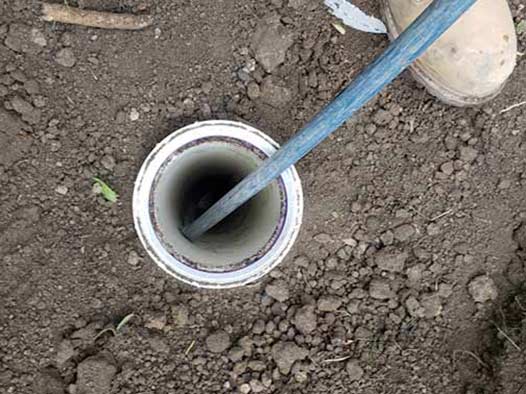
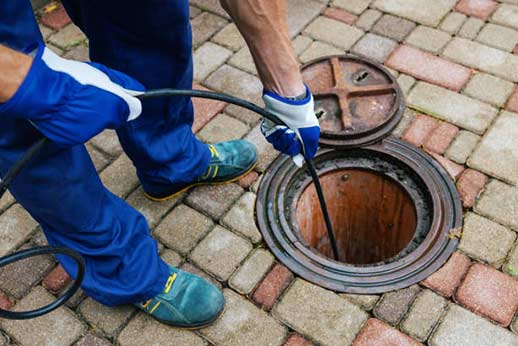
a sewer line cleaning process in chicago called hydro-jetting.

High-pressure water jetting or mechanical cleaning tools are used to remove debris, sediment, tree roots, and other obstructions from the sewer pipes.

The Consequences of Neglected Sewer Line Cleaning

Failure to adequately maintain and clean sewer lines can have serious consequences, particularly for properties located in low-lying areas or areas with high groundwater levels. Here are some of the potential consequences of neglecting sewer line cleaning:

  1. Basement Flooding: When sewer lines become clogged, wastewater can back up into basements, causing extensive damage to property and belongings. Not only is basement flooding inconvenient and costly to clean up, but it can also pose health hazards due to exposure to contaminated water.
  2. Sewer Backups: A blocked sewer line can result in sewer backups, where sewage flows out of drains, toilets, or other plumbing fixtures. Sewer backups not only create unsanitary conditions but can also cause significant damage to the property’s plumbing system.
  3. Health Risks: Sewage contains harmful bacteria, viruses, and other pathogens, posing health risks to residents and occupants. Exposure to sewage can lead to gastrointestinal problems, respiratory issues, and other serious illnesses.
  4. Foul Odors: Neglected sewer lines can emit foul odors, permeating the indoor living spaces and making it unpleasant for residents and visitors. These odors can be difficult to eliminate without addressing the underlying sewer line issues.
  5. Property Value Decline: Properties with a history of sewer line problems, basement flooding, or sewer backups often experience a decline in value. Prospective buyers may be hesitant to invest in a property plagued by recurring issues, leading to lower market value.

The Process of Sewer Line Cleaning

Professional sewer line cleaning involves the use of specialized equipment and techniques to remove blockages and restore the flow of wastewater. Here is an overview of the typical sewer line cleaning process:

  1. Initial Assessment: A professional sewer line cleaning service will start by conducting a thorough inspection of the sewer line using video cameras or other diagnostic tools. This helps identify the location and severity of the blockages.
  2. Debris Removal: Once the blockages are identified, the cleaning process begins. High-pressure water jetting or mechanical cleaning tools are used to remove debris, sediment, tree roots, and other obstructions from the sewer pipes.
  3. Inspection and Maintenance: After the cleaning is complete, a final inspection is conducted to ensure the sewer lines are clear and in proper working condition. The professionals may also provide recommendations for preventive maintenance or repairs if necessary.
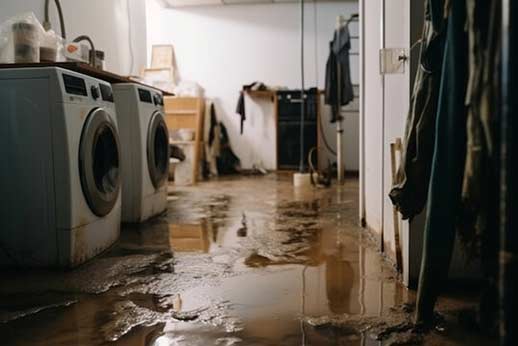
a flooded chicago basement.

If a property has a history of basement flooding or is located in an area prone to groundwater intrusion, professional waterproofing measures can be implemented.

Preventing Basement Flooding

In addition to regular sewer line cleaning, there are several preventive measures property owners can take to reduce the risk of basement flooding:

  1. Install Backwater Valves: Backwater valves can be installed in sewer lines to prevent sewage from flowing back into the property during sewer line backups. These valves automatically close when there is a reverse flow, protecting the property from basement flooding.
  2. Proper Stormwater Management: Adequate stormwater management helps prevent excess water from entering the sewer system, reducing the risk of overflows and backups. Property owners can implement strategies such as rainwater harvesting, permeable paving, and proper grading to redirect stormwater away from the property.
  3. Regular Maintenance of Gutters and Downspouts: Keeping gutters and downspouts clean and clear of debris helps ensure proper drainage of rainwater away from the property’s foundation. This helps prevent water accumulation around the basement walls, reducing the risk of flooding.
  4. Consider Sump Pump Installation: Sump pumps are effective in preventing basement flooding by removing water that accumulates in the basement. They automatically activate when water levels rise, pumping the water out and away from the property.
  5. Professional Waterproofing: If a property has a history of basement flooding or is located in an area prone to groundwater intrusion, professional waterproofing measures can be implemented. These may include exterior foundation waterproofing, interior drain tile systems, or the installation of a basement sealing membrane.

In Conclusion

Sewer line cleaning and basement flooding are significant concerns in Chicago. Regular sewer line cleaning is vital to maintain the proper functioning of the sewer system and prevent basement flooding. Neglecting sewer line cleaning can lead to basement flooding, sewer backups, health risks, foul odors, and a decline in property value.

Property owners can take proactive measures to prevent basement flooding, such as installing backflow valves, managing stormwater effectively, maintaining gutters and downspouts, considering sump pump installation, and investing in professional waterproofing.

By understanding the importance of sewer line cleaning and implementing preventive measures, residents and property owners can better protect their properties, reduce the risk of basement flooding, and contribute to the overall well-being of Chicago’s sewer system.
The Importance of Hiring Emergency Plumbers for Quick Solutions in Plumbing Emergencies

The Importance of Hiring Emergency Plumbers for Quick Solutions in Plumbing Emergencies

Plumbing emergencies are those issues in the home’s plumbing that compromise the safety of the home’s occupants. Plumbing emergencies have the distinct quality of making your home unlivable by rendering the plumbing fixtures unusable.

As Action Properties warns, plumbing emergency exposes your family to different kinds of risks, including the risk of ill health and property damage. Another distinctive mark of a plumbing emergency is that its effect is quick and devastating. For that reason, the problem must be fixed at once.

Examples of common plumbing emergencies in the home are:

  • Overflowing toilet: An overflowing toilet denies you the use of this essential plumbing fixture. If the problem is terrible, the toilet can spill its contents on the floor of your home.
  • Burst water pipe: A burst pipe emergency can discharge enormous quantities of water into your home in a short time. This problem is often caused by frozen pipes or weak pipe joints.
  • Broken water heater: Depending on when it happens, a broken-down water heater is just an annoying problem or a threat to your life (if it happens during winter)
  • Gas leak: Headaches, dizziness, breathing difficulties, or eye, skin and nose irritation and death are problems that can result from gas inhalation.
  • Failed sump pump: A sump pump failure can cause basement flooding if the problem coincides with heavy rainfall.
  • Sewer backup: Due to clogs and blockages in drainpipes, raw sewage can flow backwards through the sewer line into your home.

When confronted with a plumbing emergency in your home, the last thing you want to do is waste time trying to fix the problem yourself. Plumbing emergencies should be left to emergency plumbers; there is no way to overemphasize the importance of this statement.

Why is it essential to only hire emergency plumbers for plumbing emergencies in your home?

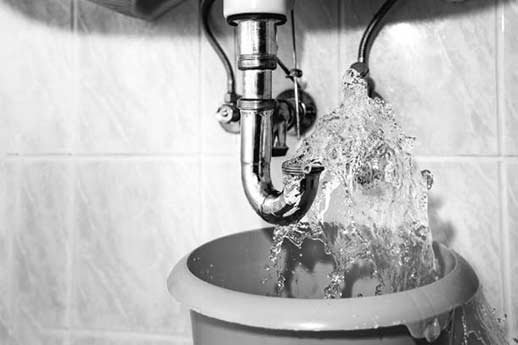
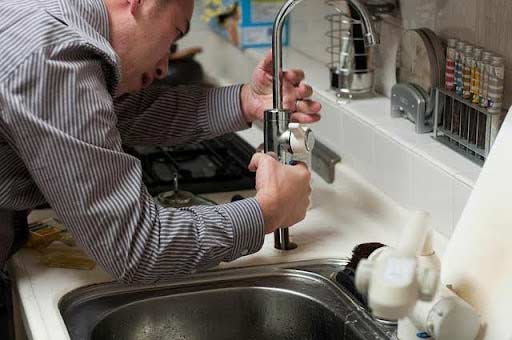
a man with a plumbing emergency.

When confronted with a plumbing emergency in your home, the last thing you want to do is waste time trying to fix the problem yourself.

Who is an emergency plumber?

An emergency plumber is a professional plumber whose specialty is solving plumbing emergencies. All professional plumbers have the technical skills to solve plumbing emergencies, but emergency plumbers are specifically set up to deal with these kinds of plumbing issues.

The main difference between an emergency plumber and other professional plumbers is the speed of their response. Plumbing emergencies happen at any time, and they do massive damage in a very short time. To solve these problems, you need a plumber who can respond fast.

While it is possible to hire a regular plumber to handle plumbing emergencies in your home, it is not recommended. That is because the most important factor for minimizing the impact of a plumbing emergency is the length of time it takes a plumber to get to your home.

Benefits of hiring an emergency plumber for plumbing emergencies

247-availability

Round-the-clock availability means you can call the plumber in the middle of the night in the dead of winter, and they will show up ready. Regular plumbers are often unable to offer this kind of service.

Minimal wait times

The number one benefit of hiring an emergency plumber is they will show up at your home in record time. This speedy response helps to minimize the impact of a plumbing emergency on your home.

The right tools and equipment

Emergency plumbers have the proper tools to solve common and not-so-common plumbing emergencies in the home. They don’t need to go and find the needed equipment. They can start work as soon as they arrive at your home.

Expertise & experience

Because they regularly deal with these kinds of problems, emergency plumbers have the skills to solve plumbing emergencies quickly. They will diagnose the problem quickly and also provide lasting solutions.

Complete solutions

Instead of a temporary fix – what you often get with a regular plumber – an emergency plumber provides comprehensive solutions to plumbing emergencies because they have the right mix of expertise, experience, tools, and equipment.

Saves money

Hiring an emergency plumber helps you save money because it minimizes the damage caused by a plumbing emergency. Also, by not using makeshift solutions, an emergency plumber helps to prevent future problems.

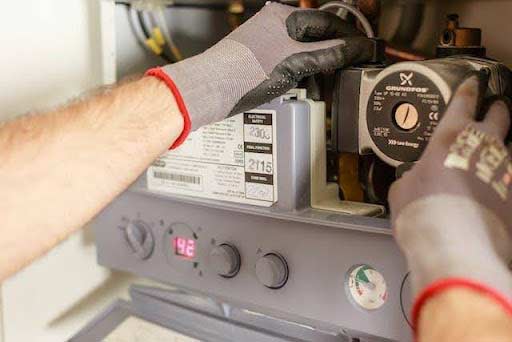
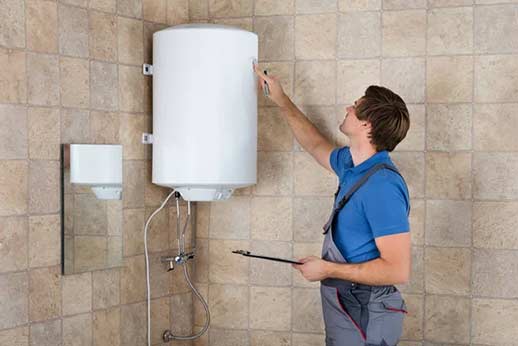
emergency plumbing of a water heater.

Searching for an emergency plumber before having an emergency will give you time to screen the plumber.

When should you contact an emergency plumber?

You should not wait until you have an actual plumbing emergency in your home before you contact an emergency plumber.

During the time you take to locate an emergency plumber in your area and get them to come to your home, a lot of damage can happen to your home.

The best time to find an emergency plumber is before having a plumbing emergency in your home. Searching for an emergency plumber before having an emergency will give you time to screen the plumber.

You can’t do this when you are under pressure to solve an ongoing emergency.

How Hydro Jetting Technology is Revolutionizing the Commercial Cleaning Industry

How Hydro Jetting Technology is Revolutionizing the Commercial Cleaning Industry

When cleaning your building’s drains to get rid of the accumulated debris inside them, the traditional options available were electric drain snakes and augers. These two methods operate on the same principle; they are inserted into the drain to hook and pull debris out of the pipes.

However, these drain-cleaning methods are somewhat limited in their effectiveness. They are usually unable to clean the entire diameter of the drainpipe. Sometimes, all they do is poke a hole in the material blocking the pipe instead of removing it. That allows the drainage problems to return shortly.

To address the shortcomings of the traditional methods, there is a new drain-cleaning method that is fast becoming the number-one method preferred by professional plumbers. This drain-cleaning method is quick, methodical, and efficient. It completely removes the debris from drainpipes without damaging them.

This new method is known as hydro-jetting.

What is hydro-jetting, and why is it becoming the go-to drain-cleaning method for commercial plumbers? For owners/operators of commercial premises, this question is essential. As Leenan Management Professionals say commercial building owners/operators must understand the power of hydro-jetting as a tool for keeping their drains functional.

What is hydro-jetting?

Hydro-jetting is a powerful cleaning method that has found widespread use in several industries, including civil engineering applications, and for cleaning residential and commercial plumbing systems. Hydro-jetting uses high-pressure water to get rid of obstructions, buildup, and contaminants.

The process involves using a specialized nozzle to direct high-pressure water into a clogged drain to blast away the debris inside the pipes. This water can be pressurized to levels of up to 3,000 to 60,000 psi (pounds per square inch), allowing it to travel at speeds of over 250 mph.

This force helps the water break up and remove even the most stubborn obstructions. In addition to dislodging the debris inside the pipes, hydro-jetting also flushes out the loose materials. This entire process results in improved water flow inside the pipes and the potential for future clogs is reduced greatly.

Hydro-jetting has found extensive use in the following areas:

Drain and sewer cleaning

Compared to traditional drain-cleaning methods, hydro-jetting is unrivaled in its ability to remove clogs and buildup from the drain and sewer systems of both residential and commercial buildings. It is also effective for cleaning grease traps and septic tank systems that are commonly found in rural areas.

Industrial equipment cleaning

Another area where professional hydro-jetting has found massive adoption due to its effectiveness, speed, and low cost is industrial cleaning. This cleaning method is routinely used to get rid of the grime, debris, and contaminants that sometimes hinder the performance of industrial equipment and machinery.

Surface Preparation

Hydro-jetting is also used to remove dirt, rust, and other contaminants from brick and concrete surfaces and to prep them for painting and other construction activities. Cleaning the surface in this way enhances the adhesion of coatings and allows the job to last longer.

a commercial hydro jetting to help clean business drains.

Because it uses only water, hydro-jetting avoids the harmful effects of drain-cleaning methods that utilize dangerous chemicals.

Why hydro-jetting is better than other drain-cleaning methods

Thorough cleaning

Other drain-cleaning methods (sewer rodding service) don’t clean out the entire diameter of a pipe. Sometimes, all they do is bore a hole in the clogged area to let water through. Hydro-jetting, on the other hand, removes blockages and washes the walls of the pipe.

Environmentally safe

Because it uses only water, hydro-jetting avoids the harmful effects of drain-cleaning methods that utilize dangerous chemicals. The negative impact of hydro-cleaning on the environment is zero because there is no risk of contamination or corrosion of pipe materials.

Adaptability

Hydro-jetting is highly versatile. It is effective for removing all kinds of buildup inside drainpipes. Regardless of the type and severity of the blockage, hydro-jetting can remove it safely. This drain-cleaning method is even effective for getting rid of tree roots in a sewer line.

Will not damage landscaping

Hydro-jetting is non-invasive; since it does not require excavation, it will not result in damage to your landscaping. The flexible hose of a hydro-jetting machine can be inserted into the sewer line via a sewer cleanout. That way, you can avoid the financial cost of digging up your yard.

Hydro-jetting is safe

Hydro-jetting uses a wide range of water pressure settings. The level of water pressure used in the operation can be varied to match the kind of clog and the condition of your pipes. When done by a skilled technician, hydro-jetting will clean your drains and sewer pipes without damaging them.

Hydro-jetting saves time

Despite its potency, hydro-jetting equipment is lightweight. It can be deployed quickly to fix the drain issues in homes and commercial premises. The operation is also fast; unlike other drain-cleaning methods, you won’t have to spend hours or days without access to the drains.

Lastly, the sum effect of the above benefits is that hydro-jetting will save you money. It can be used as preventive maintenance to avert problems in your sewer system. It will preserve your sewer line’s health, which helps to cut maintenance costs. Using hydro-jetting will also not result in downtime and loss of revenue.

Expert Tips for a Smooth and Successful Sump Pump Replacement Process

Expert Tips for a Smooth and Successful Sump Pump Replacement Process

The time eventually comes when you need to replace the sump pump in your basement with a new one. Sometimes, the reason for wanting to do this is that the old sump pump no longer works. It could also be that although your current sump pump still works, the issues with it have become too frequent.

Whatever your reason for wanting a new sump pump, this process should not be a simple matter of buying a new pump to replace the existing one. As KRS Holdings an Alexandria property management company says the period of sump pump replacement is the best time to assess your sump pump system’s performance and reexamine your home’s needs.

If there are any lingering issues with the sump pump system, this is the time to correct them. That is also the best time to address problems with the sump basin and other components of your sump pump system. When replacing your sump pump, assessing the entire system will help you get the most out of the new installation.

In this brief post, we explain five tips from our experts on what to do when replacing the sump pump in your home. These essential steps will ensure that you get a sump pump for your home that will give you minimal problems throughout its projected service lifetime.

Essential tips for replacing your sump pump

Know the different types of sump pumps

There are two types of sump pumps you can get for your home: a submersible pump or a pedestal pump.

  • Pedestal sump pumps are mounted on a column above the water level. They do not come into contact with the water inside the sump pit. The advantages of this type of pump are that it is cheaper and usually lasts longer. However, pedestal sump pumps are noisy, and since the pump sits above the sump basin, they are not aesthetically pleasing.
  • Submersible sump pumps are designed to be submerged inside water. You can install them within the sump basin because the motor is encased in a waterproof housing. Submersible pumps are more powerful than pedestal pumps and are not as noisy. However, they cost more than pedestal pumps and usually require more maintenance.

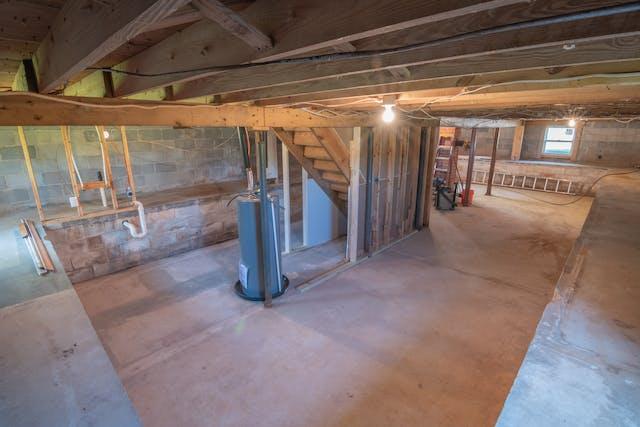
basement that needs a sump pump.

What to think of when choosing a sump pump for your home

You need to consider several factors to determine if a specific sump pump is the right fit for your home. These include the type of sump pump, its size, energy efficiency and cost. Homes that are prone to flooding are better served by a submersible pump. The right size of a sump pump for the home is determined by the volume of water the pump will handle. That depends on your location’s potential for flooding. When buying a new sump pump, you also want to consider the machine’s energy efficiency. Energy-efficient sump pumps usually come with variable speed settings for changing water levels. Noise is another important consideration when selecting a sump pump.

Assessing and cleaning your sump pit

Firstly, it is assumed that your sump pit is designed to match your home’s needs and the size of your sump pump. If there is a mismatch between the sump pump and the sump basin, you will either overwork your sump pump or your home will be exposed to the risk of flooding (despite the presence of a sump pump). In addition to proper sizing, you want to keep the sump pit clean and odor-free. Before installing a new sump pump, get rid of any debris inside the pit and obstructions in the drainage system. Fix any damage to the basin and install a cover to keep debris out of the sump basin.

sump pump replacement cost.

On average, you can expect to spend between $500 and $1,200 to buy and install a new sump pump.

Sump pump replacement cost

On average, you can expect to spend between $500 and $1,200 to buy and install a new sump pump. But this price depends on whether you will be using the existing piping. Expect the cost to be higher if you plan to replace the pipework. Installing a submersible or a larger-sized sump pump is going to cost more. Other factors that can inflate your sump pump installation costs are the installation of multiple pumps (a backup system along with the primary sump pump), modification of the old piping and if you plan to make any improvements to your existing sump basin.

Installing a backup system

Consider installing a battery-powered backup sump pump system. A backup sump pump ensures that your home will stay protected even when there is a power outage. Also, if there is a problem with your primary sump pump, the backup system will keep your basement dry while you fix the main sump pump. Adding a backup sump pump means additional costs, but the benefits of the system are worth the expense.

Finally, should you replace the sump pump by yourself or should you hire an expert? You can do the installation yourself if you have experience working with plumbing systems. But to ensure the job is correct and safe, you may want to hire a professional plumber.

Chicago Plumber Tips: Advice on Home Improvements and Resale

 Advice on Home Improvements and Resale

Whether you are a homeowner looking to make some upgrades to your property or a potential buyer interested in increasing the value of a home, this article will provide you with valuable advice from plumbers in the Chicago area. Plumbing plays a crucial role in the functionality and overall appeal of a home, and making smart improvements can have a significant impact on both daily living and resale value.

The Importance of Plumbing in Home Improvements

When considering home improvements, it’s essential not to overlook the plumbing system. A well-maintained and updated plumbing system can enhance the functionality, efficiency, and comfort of a home. Here are a few reasons why plumbing is a crucial aspect of home improvements:

Prevent Costly Repairs: Addressing plumbing issues promptly can save you from potential expensive repairs in the future. It’s always wise to deal with minor leaks, clogs, or drainage problems before they turn into major issues that can cause water damage or structural problems.

Improve Energy Efficiency: Modern plumbing fixtures and appliances are designed to be more water-efficient, helping you reduce your water consumption and utility bills. Installing low-flow toilets, faucets, and showerheads can make a significant difference in both your environmental impact and monthly expenses.

Increase Property Value: Upgrading your plumbing system is an investment that can significantly increase the value of your home. Buyers are often willing to pay a premium for homes with updated plumbing infrastructure and fixtures. Additionally, a home with a well-maintained plumbing system is more likely to pass inspection, giving potential buyers peace of mind.

a new water heater installation in chicago.

If your water heater is nearing the end of its lifespan or not providing hot water efficiently, consider replacing it with a more energy-efficient tankless model.

Essential Plumbing Upgrades for Homeowners

Now that we understand the importance of plumbing in home improvements and resale, let’s explore some essential upgrades that homeowners should consider:

1. Upgrade Faucets and Fixtures

Outdated faucets and fixtures can not only be an eyesore but also contribute to unnecessary water wastage. Upgrading to modern and water-efficient faucets, showerheads, and other fixtures can instantly improve the appearance of your space while reducing your water consumption.

2. Replace Old Water Heater

If your water heater is nearing the end of its lifespan or not providing hot water efficiently, consider having a tankless water heater installed. Tankless water heaters or solar-powered options are excellent choices for homeowners looking to reduce energy consumption and save money in the long run.

3. Install a Water Filtration System

Providing clean and safe drinking water is a priority for many homeowners. Installing a water filtration system, such as a whole-house water filter or a reverse osmosis system, can remove impurities and improve the taste and quality of your water.

4. Upgrade to Low-Flow Toilets

Toilets are one of the biggest sources of water usage in a home. By upgrading to low-flow toilets, you can significantly reduce water consumption without compromising on performance. Look for toilets with the WaterSense label to ensure water efficiency.

5. Consider a Sump Pump

If you live in an area prone to basement flooding or excessive moisture, installing a sump pump can help prevent water damage and protect your property. A sump pump automatically removes water from the basement, keeping it dry and free from potential mold or mildew issues.

6. Fix Plumbing Leaks

Addressing plumbing leaks should be a top priority for homeowners. Even small leaks can waste a significant amount of water and lead to more severe damage over time. Regularly inspect your plumbing system for leaks and hire a professional Chicago plumber to fix any issues promptly.

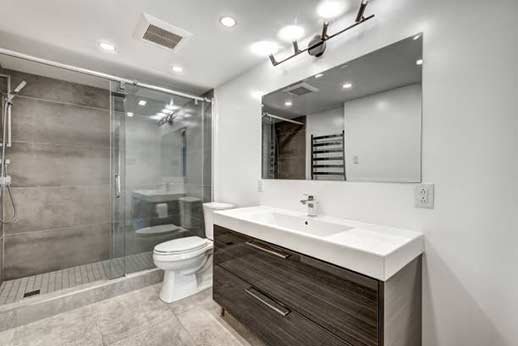
plumbing upgrades.

Buyers are less likely to ask for significant price reductions or repairs if they are confident in the condition of the plumbing.

Benefits of Plumbing Upgrades for Resale

Now that we have discussed essential plumbing upgrades for homeowners, let’s delve into the benefits of these upgrades when it comes to resale:

1. Attract Potential Buyers

A home with upgraded plumbing fixtures and infrastructure can be a significant selling point for potential buyers. It demonstrates that you have taken care of your property and have invested in its long-term maintenance and functionality. Buyers are often willing to pay a higher price for properties with updated plumbing systems, making it an excellent return on investment.

2. Pass Home Inspections

During the home inspection process, plumbing issues can be a major red flag for buyers. Having a well-maintained and updated plumbing system increases the likelihood of passing inspections without complications. It provides buyers with confidence that they are making a sound investment in a property that is less likely to have hidden plumbing problems down the line.

3. Minimize Negotiations

When your home has an updated plumbing system, you have the advantage of minimizing negotiations during the selling process. Buyers are less likely to ask for significant price reductions or repairs if they are confident in the condition of the plumbing. This can streamline the selling process and help you secure a higher sale price.

4. Increase Overall Value

Investing in plumbing upgrades not only increases the value of your home but also enhances its overall appeal. Upgraded fixtures, energy-efficient appliances, and modern plumbing infrastructure contribute to a more desirable living space. Buyers are often willing to pay a premium for properties with these features.

To Wrap It Up

As a homeowner or potential buyer in Chicago, understanding the importance of plumbing in home improvements and resale is essential. By making smart plumbing upgrades, such as replacing faucets and fixtures, addressing plumbing leaks, and installing energy-efficient appliances, you can enhance your daily living experience and increase the value of your property. Don’t hesitate to speak with a local Chicago plumber for expert advice and assistance throughout the process. Remember, investing in your plumbing system is investing in the long-term functionality and marketability of your home.

How Much Does it Cost to Install a Tankless Water Heater in Chicago?

How Much Does it Cost to Install a Tankless Water Heater in Chicago

The Benefits of Installing a Tankless Water Heater

If you live in Chicago and are considering replacing your existing water heater, you may be wondering about the cost of installing a tankless water heater. Tankless water heaters have become increasingly popular in recent years due to their energy efficiency, space-saving design, and long lifespan. In this article, we will explore the benefits of tankless water heaters and discuss the factors that contribute to the overall cost of installation in the Chicago area.

Energy Efficiency

One of the primary advantages of a tankless water heater is its energy efficiency. Unlike traditional storage tank water heaters, which constantly maintain a large volume of hot water, tankless water heaters only heat water as it is needed. This means that there is no standby heat loss, resulting in significant energy savings over time. According to the U.S. Department of Energy, homeowners can save up to 30% on their water heating bills by switching to a tankless system.

Additionally, tankless water heaters are equipped with modern technology that allows for precise temperature control. This means that you can easily adjust the temperature to your liking, ensuring comfort and reducing the risk of scalding.

Space-Saving Design

Another benefit of tankless water heaters is their compact size and space-saving design. Traditional storage tank water heaters can take up a significant amount of space in basements or utility closets. In contrast, tankless water heaters are small and wall-mounted, freeing up valuable floor space. This can be particularly advantageous for homeowners in Chicago, where space is often at a premium.

Durability and Long Lifespan

Tankless water heaters are known for their durability and long lifespan. While traditional storage tank water heaters typically last around 10-15 years, tankless systems have an average lifespan of 20 years or more. This translates to fewer maintenance costs and a longer period before replacement is necessary.

Furthermore, tankless water heaters are constructed with high-quality components and are less prone to issues such as leaks and corrosion. This not only contributes to their longevity but also provides homeowners with peace of mind.

Factors Affecting the Cost of Installation in Chicago

The cost of installing a tankless water heater in Chicago can vary depending on several factors. These include:

  • Type of Tankless Water Heater: There are different types of tankless water heaters available, such as electric and gas-powered models. The cost of the unit itself will depend on the type and features you choose.
  • Existing Infrastructure: If you are replacing an existing water heater, the condition of your current plumbing and electrical connections may affect the installation cost. Upgrading or modifying the infrastructure can add to the overall expenses.
  • Permits and Inspections: In Chicago, permits and inspections are typically required for water heater installations. The cost of these permits may vary, so it’s essential to inquire about the specific requirements in your area.
  • Professional Installation: Hiring a professional plumber or water heater technician to install a tankless water heater is recommended for optimal performance and safety. The cost of labor will depend on the complexity of the installation and the rates charged by the service provider.
a tankless water heater being installed.

It is important to consult with a reputable plumbing company to obtain a personalized quote based on your specific needs and requirements.

Estimated Cost Range

While the exact cost of installing a tankless water heater in Chicago will vary based on the factors mentioned above, it is possible to provide a general estimated cost range. On average, homeowners can expect to pay between $2,000 and $4,500 for the supply and installation of a tankless water heater in the Chicago area.

It is important to consult with a reputable plumbing company to obtain a personalized quote based on your specific needs and requirements. They will be able to assess your situation, provide recommendations, and offer a detailed breakdown of the costs involved.

In Summary

Switching to a tankless water heater can be a wise investment for homeowners in Chicago. With their energy efficiency, space-saving design, and long lifespan, these innovative systems offer numerous benefits. While the cost of installation may vary depending on factors such as the type of water heater and existing infrastructure, the long-term savings and convenience provided by a tankless system make it a worthwhile consideration.

If you are ready to upgrade to a tankless water heater, reach out to a professional Chicago plumber or HVAC company in Chicago to discuss your options and obtain an accurate cost estimate. By making an informed decision and working with experts in the field, you can enjoy the benefits of a tankless water heater for years to come.

How to Keep Your Hot Water Running Smoothly Throughout the Holiday Period

How to Keep Your Hot Water Running Smoothly Throughout the Holiday Period

As the holiday season approaches, it is important to ensure that your home is prepared for the increased demand for hot water. With the arrival of guests and the need for more frequent showers and baths, it becomes crucial to keep your hot water running smoothly throughout the holiday period. Here we will discuss some practical tips and strategies to help you maintain a consistent supply of hot water during this festive time.

Perform Routine Maintenance

Before the holiday season kicks in, schedule a routine maintenance check for your hot water system. A professional plumber can inspect your system, identify any potential issues, and make necessary repairs or replacements. This preemptive measure will help prevent any unexpected breakdowns and ensure that your hot water keeps flowing uninterrupted.

In addition to professional maintenance, there are a few simple tasks you can perform yourself:

  • Flush the tank: Sediment buildup can hinder the efficiency of your hot water system. To flush the tank, turn off the power supply, connect a hose to the drain valve, and let the water run until it appears clear.
  • Test the pressure relief valve: The pressure relief valve ensures that excessive pressure doesn’t build up in the tank, which can be dangerous. Test the valve by lifting the lever and allowing some water to escape. If it doesn’t release water or if it leaks continuously, it may need to be replaced.

Insulate the Pipes

One common issue during the holiday season is the heat loss experienced by water pipes as they transport water to different parts of your home. By insulating your pipes, you can minimize heat loss, improve energy efficiency, and reduce the time it takes for hot water to reach faucets or showers.

You can easily insulate your pipes using foam or fiberglass sleeves. Measure the length of the pipes in need of insulation and cut the sleeves accordingly. Wrap the sleeves around the pipes, ensuring a snug fit. Pay particular attention to pipes exposed in unheated areas such as crawl spaces or attics.

Set the Right Temperature

Setting your hot water system to the right temperature can not only ensure a steady supply of hot water but also save energy. The recommended temperature for most households is between 120°F (49°C) and 125°F (52°C). This temperature is considered safe for daily use while preventing any risk of scalding.

During the holiday season, it is common for households to increase the temperature setting due to the higher demand for hot water. However, it is essential to find a balance between comfort and energy efficiency. Adjust the temperature setting based on the number of guests and their hot water needs, but avoid excessively high temperatures that can waste energy.

Time Your Water Usage

Managing water usage during peak demand periods can help ensure that everyone in your household has access to hot water when needed. Consider implementing a schedule or rotation system for showers and baths, allowing time for the water system to replenish between uses.

If you have a dishwasher or washing machine, try to run them during off-peak hours. This way, you can avoid competing for perfect water temperatures with other household members who may need it for personal use.

a new water heater installation that is tankless.

While tankless water heaters have a higher upfront cost, they offer long-term benefits such as energy efficiency, space savings, and an endless supply of perfect temperature water.

Consider a Tankless Water Heater

If you find that your hot water system is consistently unable to meet the demands of your household, you might consider installing a tankless water heater. Unlike traditional storage tanks, tankless water heaters heat water on demand, providing a continuous supply of hot water without the need to wait for a tank to refill.

While tankless water heaters have a higher upfront cost, they offer long-term benefits such as energy efficiency, space savings, and an endless supply of hot water. This type of system is particularly advantageous during the holiday period when hot water demand is at its peak.

Wrapping it Up

By following these tips, you can ensure that your hot water system continues to run smoothly throughout the holiday season. Remember to perform routine maintenance, insulate the pipes, set the right temperature, time your water usage, and consider upgrading to a tankless water heater if necessary.

With these strategies in place, you can provide a comfortable and enjoyable experience for both your family and your holiday guests, ensuring that hot water is readily available whenever needed.

Navigating Plumbing Issues: How to Decide Between Calling a Plumber or the Water Company in Chicago

How to Decide Between Calling a Plumber or the Water Company in Chicago

Chicago, the large city on the shores of Lake Michigan, is known for its stunning architecture, vibrant culture, and deep-dish pizza. However, like any other city, Chicago residents occasionally encounter plumbing issues that require immediate attention. When faced with a plumbing problem, it can be challenging to determine whether to call a plumber or reach out to the water company for assistance. Below we will explore the factors to consider when making this decision, ensuring that you can navigate plumbing issues effectively.

Understanding the Roles of a Plumber and the Water Company

Before diving into the decision-making process, it is crucial to understand the roles of a plumber and the water company. By having a clear understanding of their responsibilities, you can better assess who to contact when faced with a plumbing issue.

Plumber

A plumber is a professional tradesperson who specializes in installing and maintaining systems used for water, drainage, and sewage. They are equipped with the knowledge and tools necessary to repair various plumbing problems, including leaks, clogged drains, and burst plumbing pipe emergencies. Plumbers are usually hired by homeowners or commercial property owners to handle issues that occur within the property’s plumbing system.

Water Company

The water company, also known as the utility company, is responsible for providing clean water to residential and commercial properties. Their primary role is to supply water and ensure the proper functioning of the water distribution system. Additionally, the water company manages the water metering, billing, and infrastructure maintenance. While they may help with some plumbing issues related to the main water supply lines, their responsibilities are focused on the broader water distribution network.

Assessing the Severity of the Plumbing Issue

One of the essential factors to consider when deciding between calling a water line repair plumber or the water company is the severity of the plumbing issue at hand. By assessing the severity, you can determine whether immediate professional assistance is required or if it can be resolved without external intervention.

In some cases, plumbing problems may be minor and easily fixable, even with little to no technical expertise. These may include a dripping faucet, a clogged toilet, or a minor leak. If the issue is straightforward and can be resolved using basic DIY techniques or tools, it is often unnecessary to contact a professional. However, it is essential to conduct research and ensure that you are equipped with the necessary knowledge and tools to address the situation safely and effectively.

On the other hand, significant plumbing issues that pose immediate risks or threats require professional expertise and should be handled by a licensed plumber. These issues may include burst pipes, sewage backups, major leaks, or a complete loss of water supply. Attempting DIY repairs in such situations can lead to further damage, personal injury, or contamination. In these instances, it is crucial to contact a plumber promptly to address the issue and minimize any potential long-term damage.

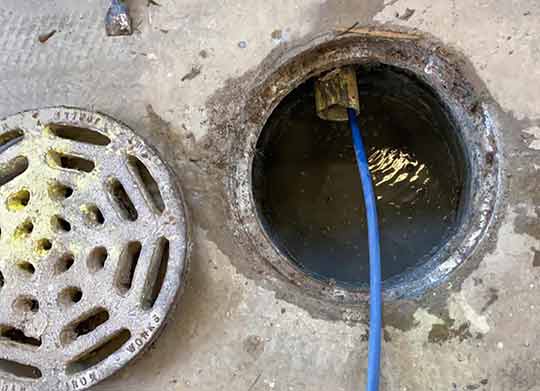
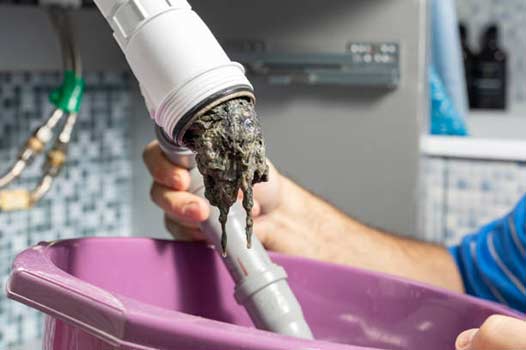
clogged drain that needs professional drain cleaning.

If the plumbing issue is localized within your property, such as a clogged drain or leaking faucet, the responsibility typically falls on the property owner.

Evaluating Responsibility: Property or Main Water Line

Another factor to consider when deciding between contacting a plumber or the water company is to determine where the plumbing issue originates. Understanding the source of the problem can help identify who holds the responsibility for repairs and maintenance.

If the plumbing issue is localized within your property, such as a clogged drain or leaking faucet, the responsibility typically falls on the property owner. In these cases, it is appropriate to call a licensed plumber to handle the repairs. Plumbers have the necessary expertise to diagnose and fix internal plumbing problems efficiently.

However, if the issue appears to be a result of a problem within the main water lines or the overall water distribution network, it is advisable to reach out to the water company. This is especially true if multiple properties in the area are experiencing similar issues. The water company has the resources and knowledge to address problems that affect the broader water distribution system.

Consider Local Regulations and Water Service Agreements

When it comes to navigating plumbing issues, it is important to consider local regulations and any water service agreements you may have with the water company. These factors can influence your decision on whether to contact a plumber or the water company.

In some instances, there may be regulations in place that dictate specific procedures for handling plumbing issues. For example, certain types of repairs or modifications to the main water line may require approval or coordination with the water company. Understanding these regulations can help ensure that you follow the appropriate protocols when dealing with plumbing problems.

If you have a water service agreement with the water company, it is advisable to review the terms and conditions outlined in the agreement. Some agreements may cover specific types of repairs or maintenance, which would indicate whether it is the responsibility of the property owner or the water company. By familiarizing yourself with the terms of the agreement, you can make an informed decision on who to contact when faced with a chicago plumbing issue.

In Conclusion

When navigating plumbing issues in Chicago, it is essential to carefully assess the situation before deciding whether to contact a plumber or the water company. Understanding the roles of a plumber and the water company, evaluating the severity of the problem, determining responsibility, and considering local regulations and agreements are all critical aspects of making the right choice.

By becoming familiar with these factors and taking them into consideration, you can effectively address plumbing issues in a timely and appropriate manner, ensuring the safety and functionality of your property’s plumbing system. Whether it’s a minor leak or a major water supply disruption, making the right decision will save you time, money, and potential headaches in the long run.

What It Means to Replace a Plumbing Stack

What It Means to Replace a Plumbing Stack

Understanding the Plumbing Stack

In any building, whether it’s residential or commercial, the plumbing system plays a crucial role in ensuring the proper flow and drainage of water and waste. One important component of the plumbing system is the plumbing stack. The plumbing stack, also known as a soil stack or waste stack, is a vertical pipe that runs from the bathroom and kitchen to the main sewer line or septic tank.

The plumbing stack is responsible for carrying waste and wastewater from toilets, sinks, showers, and other plumbing fixtures. It serves as the main channel for directing waste down to the sewer line or septic tank, preventing any obstruction or blockage in the plumbing system. As such, it is essential to ensure that the plumbing stack is in good working condition to maintain the smooth operation of the entire plumbing system.

When to Consider Replacing a Plumbing Stack

Over time, just like any other component of a building, the plumbing stack can deteriorate due to various factors such as age, corrosion, tree root intrusion, or shifting soil. When the plumbing stack starts to show signs of degradation, it is important to assess whether it can be repaired or if a complete replacement is necessary.

Here are some situations that may indicate the need to replace a plumbing stack:

  • Leakage: If you notice water stains or dampness around the plumbing stack, it could be a sign of a leak. Leaks can lead to water damage, mold growth, and even structural issues if left unaddressed. In such cases, replacing the plumbing stack may be the most effective solution.
  • Blockages: Persistent clogs or blockages in the plumbing stack can be caused by years of accumulation of debris, mineral deposits, or tree roots intruding into the pipe. If the clogs cannot be cleared through traditional plumbing methods, replacing the stack might be necessary to restore proper flow.
  • Corrosion: Over time, metal plumbing stacks can corrode due to exposure to moisture, chemicals, or certain types of soil. Corroded pipes can weaken and eventually collapse, leading to major plumbing issues. If you notice signs of corrosion, it may be a good time to consider replacing the plumbing stack.
  • Old Age: Plumbing stacks, like any other plumbing component, have a lifespan. If your building has an older plumbing stack and you are experiencing recurring problems, it might be beneficial to replace it with a new, more durable stack that meets current plumbing standards.

When facing any of the above situations, it is crucial to contact a professional plumber to assess the condition of the plumbing stack and determine the most suitable course of action.

The Process of Replacing a Plumbing Stack

Replacing a plumbing stack is a complex and labor-intensive task that requires the expertise of a licensed plumber. Here is an overview of the typical process involved in replacing a plumbing stack:

  • Assessment: A professional plumber will begin with a sewer camera inspection within the existing plumbing stack to determine the extent of the damage and the most appropriate replacement method.
  • Isolation: Before replacing the stack, the plumber will isolate the affected section by shutting off the water supply and disconnecting the plumbing fixtures connected to the stack.
  • Removal: The plumber will then carefully remove the old plumbing stack, taking great care to minimize any damage to the surrounding building structure and plumbing system.
  • Installation: Once the old stack is removed, the plumber will proceed with installing the new plumbing stack, ensuring proper alignment and connection with the existing plumbing system.
  • Testing: After the installation is complete, the plumber will conduct a series of tests to ensure that the new plumbing stack is free from leaks, blockages, and other issues. This may involve running water through the pipes, checking for proper drainage, and performing a pressure test.
  • Restoration: Finally, the plumber will restore any areas that were opened or disrupted during the replacement process, ensuring that the building is left in good condition.

It is important to note that the process may vary depending on the specific circumstances and the building’s plumbing system. A professional plumber will be able to provide accurate guidance and tailor the process to meet the unique needs of each situation.

Benefits of Replacing a Plumbing Stack

While replacing a plumbing stack can be a significant investment, it offers numerous benefits that outweigh the initial cost. Here are some advantages of replacing a plumbing stack:

  • Enhanced System Performance: A new plumbing stack ensures improved flow and drainage, reducing the likelihood of clogs, backups, and other plumbing issues. This leads to a more efficient and reliable plumbing system.
  • Increased Longevity: By replacing an old, deteriorated stack, you extend the lifespan of your plumbing system. A new stack made from modern materials is less prone to corrosion and damage.
  • Improved Water Quality: Old plumbing stacks may contain rust, debris, or mineral deposits that can contaminate the water supply. Replacing the stack allows for cleaner, safer water usage throughout the building.
  • Compliance with Building Codes: If the existing plumbing stack does not meet current building codes and standards, replacing it ensures compliance, avoiding potential legal and safety issues.
  • Preventative Maintenance: Replacing a plumbing stack proactively can help avoid costly repairs and emergency situations that may arise from a neglected or failing system.

Ultimately, the decision to replace a plumbing stack should be based on the advice of a professional plumber and a thorough assessment of the specific circumstances.

In Conclusion

The plumbing stack is a vital component of any plumbing system, responsible for carrying waste and wastewater out of a building. When signs of degradation are evident, it is crucial to address the issues promptly to prevent further damage and maintain the smooth operation of the system.

By understanding the importance of the plumbing stack and recognizing the signs that necessitate replacement, property owners can make informed decisions and take proactive steps towards ensuring the longevity and efficiency of their plumbing system.

No Hot Water Coming Out of the Shower

No Hot Water Coming Out of the Shower

Reasons Why There May Be No Hot Water Coming Out of the Shower

Imagine stepping into the shower, ready to relax and enjoy a warm, soothing stream of water, only to be greeted by an icy cold surprise. It can be incredibly frustrating when there is no hot water coming out of the shower, especially during the chilly winter months. If you find yourself in this situation, fear not. Here we will explore the various reasons behind this issue and discuss potential solutions.

1. Malfunctioning Water Heater

One of the most common causes of no hot water in the shower is a malfunctioning water heater. If your water heater is not functioning properly, it may not be able to heat the water to the desired temperature. There could be several reasons why your water heater is not working:

  • Thermostat Issues: The thermostat controls the temperature of the water. If it is set too low or is faulty, it can lead to insufficient hot water.
  • Heating Element Problems: Electric water heaters have heating elements that heat the water. If these elements are faulty or burned out, they may need to be replaced.
  • Sediment Buildup: Over time, sediment can accumulate at the bottom of the water heater tank, reducing its efficiency and ability to heat water. Regular maintenance and flushing can help prevent this issue.
  • Gas Supply Issues: If you have a gas water heater, ensure that the gas supply is turned on and functioning correctly.

If you suspect that your water heater is the culprit, it is advisable to contact a professional plumber or a plumber who specializes in water heater repairs to diagnose and fix the issue.

2. Water Heater Size

The size of your water heater plays a crucial role in determining the amount of hot water available. If your water heater is too small for your household’s needs, it may struggle to meet the hot water demand, resulting in insufficient hot water in the shower. Consider the number of people in your home and their hot water usage patterns. If your water heater size is inadequate, upgrading to a larger capacity unit might be necessary.

3. Plumbing Issues

Problems within the plumbing system can also lead to a lack of warm enough water in the shower. Several plumbing-related factors can cause this issue:

  • Blocked Hot Water Pipes: Mineral deposits, rust, or other debris can accumulate in the hot water pipes over time, obstructing the flow of hot water. Flushing the pipes or seeking professional pipe cleaning services can help resolve this issue.
  • Pressure Imbalance: If there is a significant pressure imbalance between the hot and cold water pipes, it can result in insufficient hot water reaching the shower. A plumber can adjust the pressure balancing valve to rectify this problem.
  • Faulty Mixing Valve: The mixing valve in the shower controls the proportion of hot and cold water. If it is malfunctioning or incorrectly set, it may prevent hot water from flowing properly. A plumber can inspect and repair or replace the mixing valve, if necessary.

If you suspect that the plumbing system is causing the lack of warm water in your shower, it is recommended to contact a professional plumber to assess and resolve the issue.

4. Water Supply Issues

Issues with the water supply itself can potentially disrupt the hot water flow to your shower. Consider the following scenarios:

  • Water Heater Maintenance: If your water heater has not been properly maintained, it may lead to problems in providing sufficient hot water. Regular maintenance, such as flushing and descaling, can help improve the performance of the water heater.
  • Water Supply Interruptions: Check if there are any ongoing water supply interruptions or repairs in your area that could be affecting the hot water availability. Temporary disruptions can occur due to maintenance work or plumbing repairs in the neighborhood.
  • Water Leaks: Hidden water leaks can reduce water pressure, affecting the flow of hot water to your shower. Inspect your plumbing system for any signs of leaks and address them promptly.

If you suspect that the problem lies with the water supply, it may be beneficial to contact your water utility company or a plumbing professional to investigate and resolve the issue.

5. Other Considerations

While the reasons mentioned above are common causes of not hot enough water coming out of the shower, there can be other factors at play. Evaluate the following:

  • Seasonal Temperature Changes: During colder months, the incoming water temperature from the main supply line might be cooler, resulting in a perceived lack of hot water. This is particularly noticeable in areas with colder climates. Adjusting the water heater temperature settings or using a water heater blanket to insulate the unit can help alleviate this issue.
  • Tripped Circuit Breaker: In the case of an electric water heater, check the circuit breaker to ensure it hasn’t tripped. If it has, reset it and monitor if hot water restoration occurs.
  • Age of the Water Heater: Older water heaters may experience more frequent issues and may have reduced efficiency compared to newer models. If your water heater is nearing the end of its lifespan, it might be worth considering a replacement of the water heater to avoid future problems.

Experiencing a lack of hot water in the shower can be a frustrating and inconvenient problem. By understanding the potential causes behind this issue, you can take appropriate measures to resolve it. Whether it is a malfunctioning water heater, plumbing problems, water supply issues, or other considerations, seeking professional assistance can help identify and rectify the root cause of the problem. Remember to contact a qualified plumber, as they are equipped with the knowledge and expertise to diagnose and repair the specific issue affecting your hot water supply. With their assistance, you can once again enjoy a warm, invigorating shower.