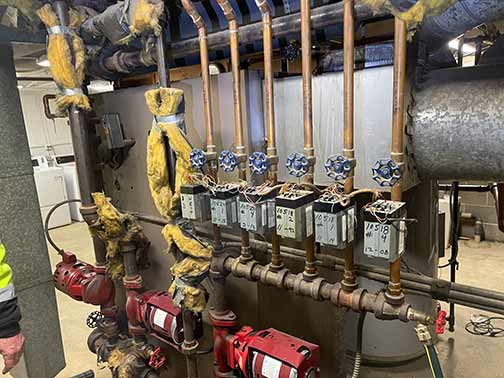
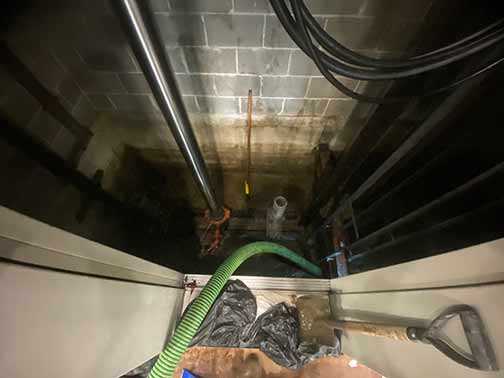
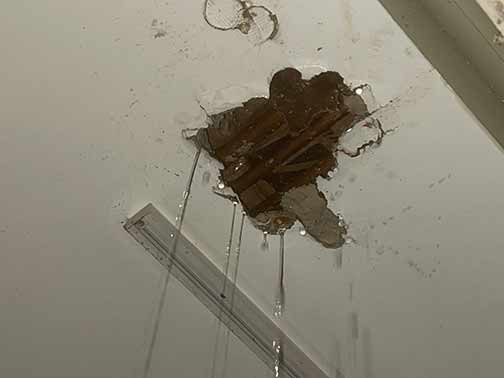
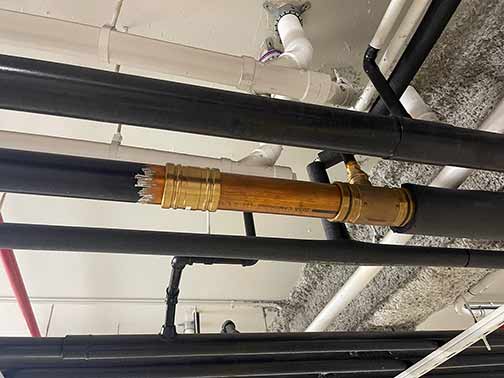
Catch basins, often referred to as storm drains, are an integral part of any urban infrastructure. These underground structures are designed to collect and channel rainwater and other runoff away from roads, parking lots, and properties, thus preventing flooding and water damage. In a city like Chicago, where weather conditions can be unpredictable, the role of catch basins becomes even more crucial. Property owners may not often think about the condition of their catch basins, but neglecting them can lead to various issues down the line.
The Importance of Regular Catch Basin Pumping
Regular catch basin pumping is essential to ensure the longevity and efficiency of the drainage system. Over time, debris, sediment, leaves, and other materials can accumulate in catch basins, obstructing the flow of water. This accumulation can lead to blockages and, ultimately, flooding. By investing in consistent catch basin pumping service, property owners can prevent these issues and maintain the functionality of their drainage systems.
Benefits of Catch Basin Pumping for Property Owners
The benefits of regular catch basin pumping extend beyond just preventing floods. By keeping the catch basins clean and free-flowing, property owners can protect the structural integrity of their buildings and surrounding areas. Reduced risk of flooding means less potential for water damage to buildings, parking lots, and landscaping. Additionally, regular maintenance can help identify minor issues before they escalate into costly repairs.
The Environmental Impact of Neglected Catch Basins
Neglected catch basins can have a significant negative impact on the environment. When catch basins are obstructed, contaminants such as oil, grease, and debris can accumulate and eventually seep into the groundwater or be washed into nearby water bodies. This pollution can harm local wildlife and ecosystems. Regular catch basin pumping helps to mitigate these environmental risks by ensuring that contaminants are properly removed and disposed of before they can cause harm.
Cost Implications of Regular Catch Basin Maintenance
While there is a cost associated with regular catch basin pumping, it is an investment that can save property owners a significant amount of money in the long run. The expenses related to flood damage, structural catch basin repairs, and environmental fines can far exceed the cost of routine maintenance. Investing in regular pump-outs can also enhance property values by demonstrating a commitment to maintaining the infrastructure and reducing risks associated with water damage.
Choosing the Right Catch Basin Pumping Service in Chicago
When it comes to choosing a catch basin pumping service in Chicago, property owners should look for a company with a proven track record of reliability and professionalism. It is important to select a service provider that uses the correct equipment and adheres to local regulations and environmental guidelines. Additionally, seeking recommendations and reading reviews can provide valuable insight into the quality of service offered by potential providers.
In conclusion, regular catch basin pumping is essential for maintaining the structural integrity and cleanliness of Chicago properties. By investing in this vital maintenance task, property owners can prevent flood damage, avoid costly repairs, and contribute to a healthier environment. Choosing a reputable vacuum truck pumping service ensures that this essential task is performed efficiently and effectively, providing peace of mind and safeguarding property value.
—
In need of a catch basin pumping service in the Chicagoland area? We can help! Contact us at 773-599-9181 or by form below:
Diagnosing the Problem: Understanding Common Water Heater Issues
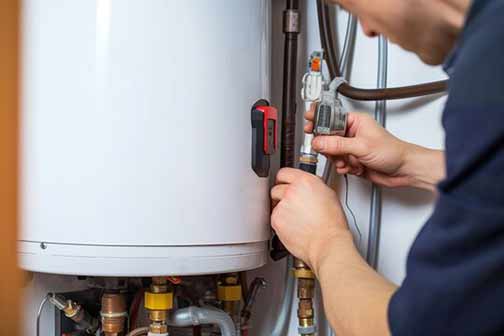
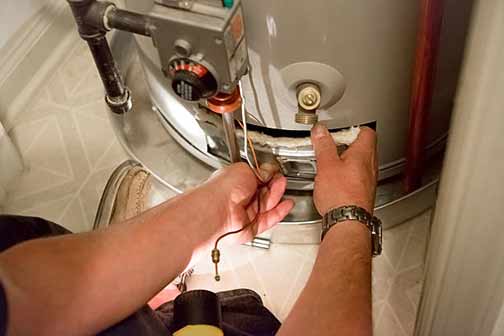
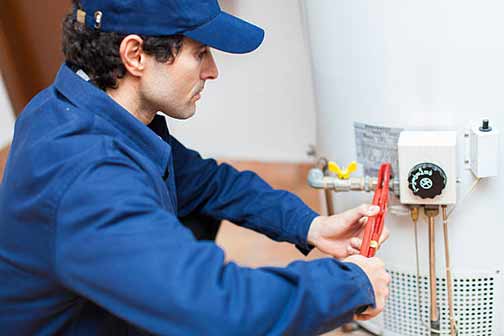
Water heaters are essential appliances in any household, but like all mechanical systems, they can encounter issues over time. Properly diagnosing the problem is the first step towards an effective solution. Common water heater problems include no hot water, insufficient hot water, water that’s too hot, leaks, and unusual noises. Identifying these issues quickly can prevent more extensive damage and costly repairs.
No Hot Water: Addressing Lack of Hot Water Supply
One of the most common and frustrating water heater issues is not having hot water. This could be due to various reasons such as a malfunctioning thermostat, a broken heating element, or issues with the power supply. To troubleshoot:
Check the power supply to ensure the heater is receiving power.
Inspect the thermostat settings to ensure they are correctly adjusted.
Examine the heating elements for signs of wear or damage.
Insufficient Hot Water: Restoring Adequate Hot Water Levels
When your water heater doesn’t produce enough hot water, it could be due to sediment buildup, a faulty thermostat, or an undersized water heater. Consider the following solutions:
Flush the water heater to remove sediment that may be reducing its efficiency.
Adjust or replace the thermostat if it’s not functioning properly.
Water That Is Too Hot: Regulating Excessive Water Temperatures
Water that’s too hot can be dangerous and is often the result of a thermostat set too high or malfunctioning. To address this issue:
Adjust the thermostat to a lower temperature, typically recommended to be set at 120 degrees Fahrenheit.
Check for a malfunctioning thermostat and replace if necessary.
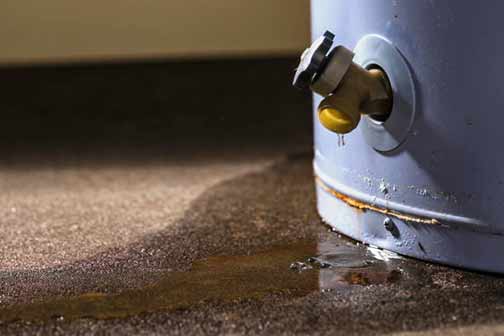
Leaks are a serious issue that can lead to water damage and inefficiency. Common causes of leaks include a faulty temperature and pressure relief valve, corrosion, or loose connections.
Leaks: Preventing and Fixing Water Heater Leaks
Leaks are a serious issue that can lead to water damage and inefficiency. Common causes of leaks include a faulty temperature and pressure relief valve, corrosion, or loose connections. Here’s how to fix them:
Inspect the temperature and pressure relief valve and replace if it’s leaking.
Check for signs of corrosion on the tank; if the tank is corroded, it might need to be replaced.
Tighten any loose connections to prevent further leakage.
Unusual Noises: Resolving Strange Sounds from Your Water Heater
Noises such as popping, rumbling, or hissing can indicate sediment buildup, thermal expansion, or a partially closed valve. To alleviate these sounds:
Ensure all valves are fully open to allow proper water flow.
Install an expansion tank if needed for thermal expansion issues.
Maintenance Tips: Preventing Future Water Heater Problems
Regular maintenance can prolong the life of your water heater and prevent common issues. Key maintenance steps include:
Flushing the tank annually to eliminate sediment buildup.
Inspecting the anode rod and replacing it if it’s heavily corroded.
Testing the temperature and pressure relief valve to ensure it’s functioning correctly.
Checking for any leaks or signs of wear and addressing them promptly.
When to Call a Professional: Knowing Your Limits
While many water heater issues can be resolved with a bit of DIY knowledge, some problems require professional intervention. Call a licensed plumber if:
The water heater continues to malfunction despite troubleshooting efforts.
There is evidence of corrosion on the tank.
You are uncertain how to safely perform maintenance tasks.
Conclusion: Ensuring Reliable Hot Water in Your Home
Dealing with water heater problems can be daunting, but with the right knowledge and actions, many issues can be resolved effectively. Properly diagnosing and addressing common problems such as no hot water, insufficient hot water, excessive hot water, leaks, and noises can keep your water heater running smoothly. Regular maintenance and knowing when to call a professional can save you time, money, and frustration or a premature water heater replacement.
Understanding the Problem: Sewage Backup in Your Bathtub
Sewage backup in your bathtub is a serious issue that requires immediate attention. Understanding why this happens is crucial for addressing the problem effectively. Typically, sewage backups occur due to blockages in the main sewer line, broken or collapsed sewer pipes, or heavy rainfall that overwhelms the sewer system. These blockages can cause wastewater to flow back into your home through your drains, with the bathtub often being the first point of entry.
Immediate Actions to Take When Sewage is in Your Bathtub
When you first notice sewage in your bathtub, it’s important to act quickly to mitigate damage and health risks. Here are the immediate steps you should take:
Stop Using Water: Immediately cease using water in your home to prevent more sewage from backing up.
Contain the Area: Keep the contaminated area isolated to prevent the spread of pathogens.
Wear Protective Gear: Use gloves, masks, and other protective gear when dealing with sewage to protect yourself from harmful bacteria and viruses.
Call a Professional Plumber: Contact a licensed plumber who can assess the situation and perform the necessary repairs.
Cleaning and Disinfecting the Contaminated Area
Once the immediate danger is under control, it’s essential to thoroughly clean and disinfect the affected area. Here’s how to proceed:
Remove Contaminated Items: Dispose of any items that have come into contact with the sewage, including rugs, towels, and personal items.
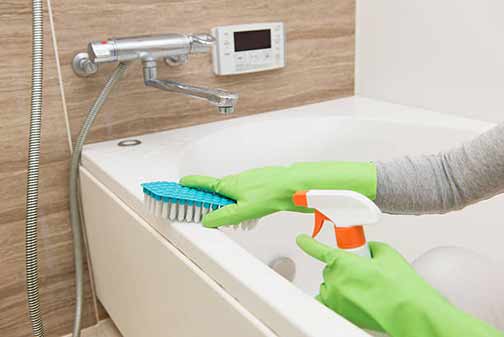
Clean Surfaces: Use a strong disinfectant to clean all surfaces that were exposed to the sewage.
Air Out the Area: Open windows and use fans to ventilate the area and speed up the drying process.
Monitor for Mold: Keep an eye out for mold growth and address it immediately if it occurs.
Engaging Professional Help: When and Why You Need It
Dealing with sewage backup is often beyond the capabilities of the average homeowner. Here are reasons why you should hire a professional:
Expertise and Experience: Professionals have the knowledge and experience to diagnose and fix the sewage backup emergency quickly.
Proper Equipment: Plumbers have access to specialized tools and equipment that can effectively clear blockages and repair damaged pipes.
Health Safety: Professionals are trained in handling hazardous materials and can ensure your home is safe from harmful pathogens.
Long-term Prevention Strategies for Sewage Backup
Preventing future sewage backups is key to maintaining a safe and healthy home environment. Consider implementing these long-term strategies:
Regular Maintenance: Schedule regular inspections and maintenance of your plumbing system to catch potential issues early.
Proper Disposal: Avoid disposing of grease, hygiene products, and non-biodegradable items down your drains.
Install a Backflow Valve: Having a backflow valve installed can prevent sewage from backing up into your home by allowing wastewater to flow out but not back in.
Upgrade Your Plumbing: If your home has older pipes, consider upgrading to modern and more durable materials.
Use a strong disinfectant to clean all surfaces that were exposed to the sewage.
What to Do If You See Signs of Trouble Early
Early detection is vital in preventing a full-blown sewage backup. If you notice any of the following warning signs, take action immediately:
Slow Drains: If water is draining slowly from your sinks, tubs, or toilets, it could indicate a blockage in your sewer line.
Identifying Blockages Early: Inspections can catch blockages early, preventing costly damage and backups.
Assessing Pipe Condition: Professionals can assess the condition of your pipes and recommend necessary repairs or replacements.
Preventing Root Intrusion: Tree roots can infiltrate sewer lines, causing blockages and damage. Inspections can identify root intrusion early.
Peace of Mind: Regular inspections give you the confidence that your sewer system is functioning properly and your home is protected.
Conclusion: Taking Proactive Measures for a Healthy Home
Dealing with sewage backup in your bathtub can be a distressing experience, but taking swift and informed action can mitigate damage and protect your health. From immediate cleanup to long-term prevention strategies, the steps outlined in this article will help you effectively address sewage problems and maintain a safe and healthy home environment. Regular maintenance, proper disposal practices, and professional sewer camera inspections are key to preventing future issues and ensuring peace of mind.
Running a successful business in Chicago demands reliable and professional support for all your operational needs, including plumbing. Chicago Plumbing Experts is equipped with the skills and expertise necessary to handle any plumbing issue, from routine maintenance to emergency repairs. By partnering with us, you ensure that your business operations run smoothly and efficiently, without the disruptions caused by plumbing problems.
Expertise in High-Traffic Commercial Environments
Chicago businesses, especially those in the hospitality and restaurant sectors, face unique plumbing challenges due to the high volume of patrons. Our team of commercial plumbers specializes in managing the complexities of high-traffic commercial environments. We understand the importance of timely and effective plumbing solutions to prevent disruptions and maintain a positive customer experience. Our commercial plumbers in Chicago are trained to quickly diagnose and resolve issues, minimizing downtime and ensuring your business continues to operate at peak performance.
Proactive Maintenance Programs Save You Time and Money
Preventative maintenance is crucial for avoiding costly plumbing emergencies that can disrupt your business operations. Our comprehensive maintenance programs are designed to identify and address potential issues before they escalate. Regular inspections and maintenance services not only extend the lifespan of your plumbing systems but also save you money by preventing expensive repairs and reducing downtime. By investing in our proactive maintenance programs, you can focus on growing your business while we take care of your plumbing needs.
Customized Solutions for Your Unique Business Requirements
Every business has unique plumbing needs, and a one-size-fits-all approach simply won’t suffice. We work closely with you to understand your specific requirements and develop customized plumbing solutions that cater to your business. Whether you need specialized plumbing installations, upgrades, or repairs, our team is committed to providing services that align with your operational goals and budget. Our personalized approach ensures that you receive the most effective and efficient plumbing solutions for your unique business needs.
Emergency Plumbing Services You Can Rely On
Plumbing emergencies can happen at any time, and when they do, you need a reliable partner who can respond quickly and effectively. Our emergency plumbing services are available 24/7, ensuring that you receive the support you need when you need it most. Our team is equipped with the latest tools and technology to address any emergency, from burst pipes to severe leaks, with precision and efficiency. Trust us to be there for you in times of crisis, providing peace of mind and minimizing the impact on your business operations.
Sustainable and Eco-Friendly Plumbing Practices
As a responsible business owner, you understand the importance of sustainability and eco-friendly practices. Our plumbing services are designed with sustainability in mind, offering solutions that reduce water consumption and promote environmental conservation. From installing water-efficient fixtures to implementing green plumbing technologies, we help you minimize your environmental footprint while maintaining the highest standards of performance and reliability. Partner with us to contribute to a greener and more sustainable future.
Transparent Pricing and Exceptional Value
We believe in building long-term relationships with our clients based on trust and transparency. Our pricing is straightforward and competitive, with no hidden fees or unexpected costs. We provide detailed estimates and work with you to ensure that our services fit within your budget. The exceptional value we offer lies not only in our competitive pricing but also in the quality and reliability of our work. When you choose our plumbing services, you invest in the continued success and efficiency of your business.
By choosing our services, you can rest assured that your plumbing systems meet all necessary legal requirements, preventing potential fines and legal issues.
Client Testimonials and Proven Track Record
Our reputation in Chicago is built on a foundation of satisfied clients who have experienced the benefits of our commercial plumbing services. We take pride in the positive feedback we receive and the strong relationships we have developed with businesses across the city. Our track record of delivering reliable, high-quality plumbing solutions speaks for itself. Don’t just take our word for it; hear from our clients who have seen firsthand the difference our services make in their operations.
Comprehensive Compliance with Local Regulations
Operating a business in Chicago requires adherence to strict local plumbing codes and regulations. Our team is well-versed in the latest codes and ensures that all our work is fully compliant. By choosing our services, you can rest assured that your plumbing systems meet all necessary legal requirements, preventing potential fines and legal issues. We stay up-to-date with any changes in regulations, so you can focus on your business while we handle the compliance aspects.
Invest in the Future Success of Your Business
Partnering with our professional plumbing team is an investment in the future success of your business. Our comprehensive services, expert knowledge, and commitment to customer satisfaction provide the foundation for a thriving and efficient operation. Whether you run a bustling restaurant, a retail store, or any other commercial enterprise, our plumbing solutions are designed to support your growth and success. Let us be your trusted partner in maintaining the highest standards of plumbing excellence for your Chicago business.
—
Need help with your business plumbing? Our commercial plumbers are here to help! Contact us 773-599-9181 or by form below:
Understanding the Importance of Reliable Plumbing Services in Chicago
When it comes to home maintenance, few things are as crucial as reliable plumbing services. A well-functioning plumbing system is essential in ensuring that your home remains a safe and comfortable haven. In a large city like Chicago, finding a trustworthy plumber is not just a convenience; it is a necessity. However, there may be times when a plumber fails to show up for the scheduled appointment, leaving you in a bind. This guide provides practical advice for homeowners in Chicago dealing with a no-show plumber.
Immediate Steps to Take When Your Plumber Doesn’t Show Up
If you find yourself waiting for a plumber who never arrives, the first step is to remain calm and composed. Here are some immediate actions you can take:
Attempt to Contact the Plumber: Give the plumber a call to check if they are running late or if there was a misunderstanding regarding the appointment time. Sometimes, a simple phone call can resolve the issue.
Check for Any Messages: Review your voicemail, text messages, and emails to see if the plumber left any communication about their delay or cancellation.
Reconfirm the Appointment Details: Verify the appointment details, including the date, time, and location, to ensure there was no mix-up.
Documenting the No-Show Incident
It is essential to keep a record of the no-show incident for future reference. Document the date and time of the scheduled appointment, any communication attempts made, and the outcome of those attempts. This documentation can be helpful if you need to file a complaint or seek compensation for any inconvenience caused.
Exploring Alternative Plumbing Services in Chicago
When a plumber fails to show up, it may be necessary to look for alternative plumbing services. Here are some steps you can take to find a reliable plumber in Chicago:
Ask for Recommendations: Reach out to friends, family, and neighbors for recommendations of plumbers they have used and trusted.
Read Online Reviews: Check online review platforms such as Yelp, Google Reviews, and the Better Business Bureau to read about other homeowners’ experiences with local plumbers.
Verify Credentials: Ensure that the plumber you choose is licensed, insured, and has the necessary certifications to perform plumbing work in Chicago.
Understanding Your Rights as a Consumer
As a homeowner, it is essential to be aware of your rights when dealing with service providers. Familiarize yourself with Chicago’s consumer protection laws, which can provide guidance on how to handle disputes with service providers, including no-show plumbers. Knowing your rights can help you navigate the situation more effectively and take appropriate action.
Preventing Future No-Show Incidents
While no-show incidents can be frustrating, there are steps you can take to minimize the likelihood of them occurring in the future:
Confirm Appointments: Always confirm your appointment details with the plumber a day or two before the scheduled date.
Choose Reputable Plumbing Services: Opt for plumbing companies with a proven track record of reliability and professionalism.
Communicate Clearly: Ensure that you and the plumber have a clear understanding of the work to be done, the expected arrival time, and any other relevant details.
Handling Emergencies When a Plumber Is a No-Show
If you are dealing with a plumbing emergency and the plumber does not show up, it is crucial to take immediate action to mitigate any potential damage:
Use Temporary Fixes: If possible, use temporary fixes such as buckets, towels, and duct tape to manage the situation until professional help arrives.
Ensure that the plumber you choose is licensed, insured, and has the necessary certifications to perform plumbing work in Chicago.
Seeking Compensation for No-Show Plumbers
If a plumber’s no-show has caused you significant inconvenience or financial loss, you may be entitled to seek compensation. Gather all relevant documentation, including the appointment details, communication attempts, and any expenses incurred as a result of the no-show. Contact the plumbing company to discuss the issue and request compensation. If the company is unresponsive or unwilling to compensate you, consider filing a complaint with consumer protection agencies or seeking legal advice.
Maintaining a Positive Relationship with Your Plumber
Building a positive and professional relationship with your plumber can lead to better service and reliability. Treat your plumber with respect and communicate openly about your expectations. Providing feedback—both positive and constructive—can help your plumber improve their services and ensure a mutually beneficial relationship.
Conclusion: A Proactive Approach to No-Show Plumbers
Dealing with a no-show plumber in Chicago can be a frustrating experience, but taking a proactive approach can help you navigate the situation effectively. By documenting incidents, exploring alternatives, understanding your rights, and taking preventative measures, you can ensure that your plumbing needs are met promptly and reliably. Remember, effective communication and building positive relationships with service providers are key to avoiding future no-show incidents and maintaining a well-functioning plumbing system in your home.
—
Did your “other” plumber leave you hanging and now you need a reliable Chicago plumber to help you out of a jam? Contact us at 773-599-9181 or by form below:
Plumbing is often overlooked in home maintenance but becomes crucial in a multi-story home. The complexity of plumbing systems increases with each additional floor, requiring careful planning, regular maintenance, and prompt repairs to avoid significant issues. Whether building a new multi-story house, moving into one, or simply managing an existing property, understanding the unique challenges and solutions for plumbing in a multi-story home can save you time, money, and stress.
Understanding the Basics of Multi-Story Plumbing
Theplumbing system is more intricate in a multi-story home than a single-story one. This is because each floor requires its own set of pipes for water supply and drainage, and these systems must work together seamlessly. The main water supply typically enters the house at ground level and is then distributed upwards through a series of pipes. Similarly, waste and drainage systems must be designed to carry waste down and out of the home efficiently.
Making a Comprehensive Plumbing Plan
Before any construction begins, it’s vital to have a detailed plumbing plan. This plan should outline the location of all pipes, fixtures, and appliances, ensuring they are strategically placed to maximize efficiency and minimize potential problems. Working with a professional plumber with experience in multi-story homes is essential during this phase. They can provide insights into the best materials, optimal pipe sizes, and the most efficient layout for your specific needs.
One of the other things you need to include in your plan is which furniture or items would need to be moved around. You want to give the professionals enough space to work in, but protecting your belongings should also be a priority. So, if you find that you lack space to do so,Logicstics advises you to consider relocating your furniture to temporary storage. This can keep your items safe while the work on your home is still ongoing.
Choosing the Right Materials
The materials used in your plumbing system can significantly impact its longevity and performance. Choosing durable, high-quality materials that can withstand the increased pressure and demand is essential for a multi-story home. Copper and PEX (cross-linked polyethylene) are popular for their durability and flexibility. Furthermore, copper is known for its longevity and resistance to bacteria, while PEX is more flexible and easier to install, making it a favorite for complex plumbing systems.
Managing Water Pressure
Water pressure management is crucial in a multi-story home. As water travels upwards, pressure naturally decreases, which can result in weak water flow on upper floors. Installing a pressure-boosting system can help maintain adequate water pressure throughout the house. Additionally, pressure-reducing valves can protect your plumbing system from damage caused by excessive pressure, ensuring a steady and manageable water flow.
Plumbing in a multi-story home involves managing water pressure.
Efficient Drainage Systems
Anefficient drainage system is vital to prevent water backups and leaks. Gravity plays a significant role in drainage, with waste naturally flowing downward. Ensuring that your drainage pipes are appropriately sized and angled is critical for maintaining efficient flow. Regular inspections and professional cleaning of your drains can help identify and resolve potential issues before they become major problems.
Preventing Leaks and Water Damage
Leaks and water damage are among multi-story homes’ most common plumbing issues. Regularly inspecting your plumbing system for signs of wear and tear can help prevent leaks. Pay special attention to areas where pipes connect, as these are often the most vulnerable points. Installing water leak detectors can provide an early warning system, alerting you to potential issues before they cause significant damage.
Heating Water Efficiently
In a multi-story home, ensuring a consistent supply of hot water can be challenging. Tankless water heaters are an excellent solution, providing hot water on demand without the need for a bulky storage tank. These systems can be installed on each floor, ensuring that hot water is readily available where and when you need it. Insulating your hot water pipes can also help retain heat, reducing energy consumption and costs.
Regular Maintenance and Inspections
Regularplumbing maintenance and inspections are crucial for maintaining your plumbing system. Scheduling annual inspections with a professional plumber can help identify potential issues early, allowing for prompt repairs. During these inspections, the plumber will check for leaks, corrosion, and other signs of wear and tear, ensuring that your plumbing system remains efficient and reliable.
While a handy homeowner can handle some plumbing tasks, others require professional expertise.
Future-Proofing Your Plumbing System
As technology advances, so do plumbing systems. Future-proofing your plumbing involves integrating smart technologies to make your system more efficient and easier to manage. Smart leak detectors, water-saving fixtures, and advanced filtration systems are just a few examples of innovations that can enhance your plumbing system. Staying informed about new developments and investing in upgrades when necessary can help ensure that your plumbing system remains reliable and efficient for years to come.
Conclusion
As you can see, managing plumbing in a multi-story home requires a proactive approach, combining careful planning, regular maintenance, and prompt repairs. When you understand these unique challenges and the solutions associated with them, you can rest assured that your multi-story home will get the best plumbing it deserves. Not to mention the peace of mind it can provide you, along with the knowledge that you’ve secured your property for many years to come.
Slow or clogged drains in your home are a huge nuisance. They turn everyday activities like taking a shower or using the sink into difficult and annoying chores. That’s why when you have slow or clogged drains in your home you typically want to get rid of the problem fast, says Lone Eagle Team Philly.
Your natural inclination when your drain is clogged or slow may be to reach for any solution that promises quick results with the least cost. For many homeowners, their favorite drain cleaning solution is a liquid drain cleaner.
But do liquid drain cleaners do everything they say they can? If they do get rid of the blockages within your drains, at what cost do they do this? What are the long-term effects of liquid drain cleaners on your home’s plumbing?
How liquid drain cleaners work and why they are bad for your plumbing
Liquid drain cleaners use a wide range of chemicals as their active agent. Typically, these release intense heat within the pipes to melt away the blockage. Although it is effective for unclogging the pipes, this process can have unintended consequences for your plumbing.
Some of the major side effects of using liquid drain cleaners include:
Liquid drain cleaners will damage your plumbing
Toilets in the USA are usually sealed to the floor using a beeswax ring. Beeswax cannot withstand the exothermic reactions – intense heat – caused by liquid drain cleaners. Over time the seal that connects your toilet to the floor will eventually weaken.
Liquid drain cleaners can melt ABS piping after one night of sitting inside the pipe. This often happens when the drain cleaner encounters a blockage it cannot clear. The heat inside the pipe slowly cooks the plastic instead of clearing the blockage.
Liquid drain cleaners have also been known to crack porcelain. This mostly happens when the drain cleaner is used inside a toilet and intense heat from the chemical reaction causes huge temperature differences within the toilet, especially around the watermark. This can also happen if a liquid drain cleaner is poured into a garbage disposal.
They only provide a temporary fix
Drain cleaners do not melt the blockage in your pipes. They might make a slow drain somewhat better but they do not eliminate the issue most of the time. Often, actually, they end up making it worse. Ironically, this is due to the manner in which liquid drain cleaners function.
Because they are heavier than water, drain cleaners have no problem flowing to the clog site in your pipes. But once it penetrates the clog, the drain cleaner no longer works. The reason is, once water starts flowing in your pipes like before, it sweeps the drain cleaner out of the pipes. What actually happens is liquid drain cleaners don’t clean everything out of your pipe; they create a hole inside the clog.
Higher plumbing costs
Frequent use of liquid drain cleaners increases your home’s plumbing repair and maintenance costs. The plumbing lifespan is significantly reduced because of the effects of using liquid drain cleaners. The pipes will need to be replaced sooner.
Moreover, you will be paying a plumber to fix the same problem you tried fixing using the liquid drain cleaner. Additionally, aside from paying double for the same problem, the plumber will charge you more because the drain cleaners would have made it even more difficult to fix the problem.
Liquid drain cleaners are unsafe
Liquid drain cleaners leave a toxic mess inside your pipes. When you eventually hire a professional plumber to fix the plumbing, they have to deal with these nasty chemicals. When the pipes are opened, the acid inside the pipes can spray or pour all over your home and on the plumber, exposing them to the risk of serious injury, including loss of sight.
Additionally, when liquid drain cleaners are washed out of your pipes, they enter the sewer system. From there they flow into the ground or natural water bodies, polluting these environments and killing wildlife and plants.
Once every month, flush hot water down your drains. Fill the sink with hot water and then unplug the drain to let the water out.
Alternatives to liquid drain cleaners
In place of using liquid drain cleaners in your plumbing you can adopt the following preventive measures:
Do not pour grease down the kitchen sink.
Wash your hair and shave in the shower, instead of in the sink. Shower drains are less likely to catch hair. Shower drains are also bigger than toilet drains and they have fewer connections.
Instead of shaving foam, use soap. Shaving foam leaves a sticky film that promotes clogs.
Do not dump food scraps into your kitchen sink, even if you have a garbage disposal.
Once every month, flush hot water down your drains. Fill the sink with hot water and then unplug the drain to let the water out.
Lastly, at least once a year, you want to hire an experienced plumber and have them perform a video camera inspection of your sewer line to check your drainpipes and detect any budding issues in the system. The plumber should also clean your pipes professionally, using hydro-jetting, a sewer rodding service, or both.
A burst pipe is one of the most destructive emergencies in your home, says H&M Management. A burst pipe can flood your home within minutes, causing tens of thousands of dollars worth of damage. If the problem happens while you are asleep or away from your home, the effect can be disastrous.
But if it happens during the daytime while at home, you have a better chance of saving your property. Speedy and informed action can help you minimize the damage a burst pipe does to your home. That is why it is essential to know what to do when a plumbing pipe bursts in your home.
The best time to learn this information is before the problem happens. Hopefully, you are reading this to know what to do if you ever have a burst pipe in your home. But if you are currently dealing with this emergency, the information in this post will still help you.
What to do if you find a burst pipe in your home
Shut off the water supply
Before anything else, you want to stop the burst pipe from discharging more water into your home. If the broken pipe has a dedicated shut-off valve, shut the water supply by closing this valve. If it does not, your best bet to stop the water is by closing the main water shut-off valve for your house. That can usually be found in the basement, below the stairs, under a bathroom sink, in the garage or outside.
Turn off the power supply
Water and electricity do not mix very well. Even if you think there are no nearby power outlets, electrical wires or appliances, it still makes sense to turn off the electricity. Do not take a chance; turn off the power supply at the electrical panel by shutting the circuit breaker for the affected area or the entire home.
Protect your valuable items
Remove items in the path of the moving water if they can be damaged by water. Move items that have not been touched by water to a dry area. Even if an item is wet, do not leave it in the water. That will only make the damage worse. If possible, move it to a dry place.
Remove the standing water
Taking immediate action to remove standing water from your home can minimize the damage to your flooring, drywall, ceiling and other structures. You can do this manually by scooping the water with a dustpan and dumping it in a bucket. A quicker way to do this is with pumps or vacuums designed for water removal
Assess the level of damage
Removing the standing water inside your home will make it easier to assess the damage to your property. Once you have a good idea of what has been damaged, it is easier to design an effective clean-up plan. You may want to deploy fans and dehumidifiers to dry out the affected areas.
Document the damage
After turning off the water and power supplies and doing all the above steps, you should start documenting the damage to your home. Take photos and videos of the entire property. You may want to record the exact positions of damaged items before removing them. It is a good idea to add a detailed description as you video the scenes.
Contact an emergency plumber
An emergency plumber is the proper professional to call when you have a burst pipe in your home. Emergency plumbers set up operations to deal quickly and effectively with these situations. Unlike regular plumbers, a professional emergency plumber will get to your home in record time and with the right equipment.
File your insurance claim
While doing all these, you should have contacted your insurance company to inform them of the problem. Remember that you do not have to provide all the details immediately. Even if the company representative asks you questions, you are not obligated to provide answers. Be aware that the answers you provide will be binding on you.
Contact a water damage restoration company
Your plumber will only fix the damage to your plumbing, not the damage to your walls, flooring and belongings. To fix that, you need a water damage restoration service. Your insurer may have their preferred water damage restoration company. If not, your plumber may be able to recommend one.
Finally, water pipes don’t burst without a reason. Usually, before a water pipe ruptures, there are warning signs of the impending problem. Proper plumbing maintenance with comprehensive and regular inspections can help you detect and avoid major plumbing issues.
These inspections should be done by a professional plumber, and all identified problems should be fixed immediately. In addition to having your plumbing inspected regularly, you also want to know the steps for winterizing your plumbing to prevent burst pipes.
Your water heater will act up at some point; this is guaranteed to happen, says First Providence Management team. When your water heater malfunctions, what should you do? Does it make sense to call an expert for every water heater problem in your home? Or are there water issues that you should deal with yourself?
As with all appliances and systems in your home, it is essential to know the basic steps for maintaining your water heater. This knowledge will not just save you money and the time you would have wasted waiting for a professional, it can help you avert water heater emergencies.
However, it is also important to know the limits of your DIY abilities. Incorrectly applied DIY skills become a problem. Instead of helping you save money, wrongly applied DIY skills will cost you money by complicating rather than solving your water heater problems.
What water heater issues in your home should you fix yourself and which ones should you hire a professional plumber to fix? In this post, you will find an easy-to-understand list of water heater issues that should be DIY-ed and those that should be left to a professional.
You may DIY these water heater problems
Maintaining proper airflow and clearance
Your water heater needs at least two feet of space all around it. This ensures proper ventilation and easy access to the unit during emergencies. A crowded water heater is likely to overheat and pose a fire hazard. It is also harder to spot leaks when the water heater is crowded.
Flush the water heater tank
This is an essential step for the optimal functioning and longevity of your water heater. Despite how essential this task is, it is a job you can do yourself. Flushing a water heater tank is easy and safe, as long as you follow the right steps.
Test the Temperature and Pressure Relief (TPR) valve
The TPR valve is a safety feature on the water heater tank. If pressure and temperature levels inside the tank get too high the TPR valve opens to release some excess. The TPR valve keeps your water heater tank from exploding. Knowing how to test it is essential.
Check the Anode Rod
The anode rod is a feature inside that tank that protects it from corrosion. It draws corrosive ions away from the tank by attracting them to itself. Eventually, the anode valve will corrode and the water heater tank will become exposed. The anode rod should be checked to see if it needs to be replaced.
Adjust the temperature settings
You want to understand the temperature control settings of your water heater. Setting the temperature too high (up to 140 degrees) is often unnecessary. At 120 degrees your water will be warm enough without any risk of scalding and you will save on energy. Every ten degrees of lower temperature equals 5% energy savings.
Insulate your water heater
Insulating the water heater and its connecting pipes will improve efficiency by reducing heat loss from the system. A fiberglass jacket is the best way to insulate the tank, but you should be careful. This step helps a lot if you have an older water heater.
If your water heater is leaking, shut off the power or gas and call a professional plumber.
Do NOT DIY these water heater problems
Strange sounds from your water heater
Rumbling, creaking and popping sounds from your water heater signify excessive sediment buildup inside the tank. If you flush the water heater regularly, as recommended above, you will not have this problem. If the unit makes strange sounds, it could crack and leak when you try to flush it. A noisy water heater may need to be replaced; an expert can help you make the right decision.
Leaks
Leaks in the connecting pipes of the water heater and the unit itself should be left to an expert. Dealing with water heater leaks comes with the risk of burns and electrocution. If your water heater is leaking, shut off the power or gas and call a professional plumber.
Discolored water from your water heater
This is a sign of severe rust in your water pipes or inside the water heater tank. It could also mean that your main water line has burst and is admitting soil into your water supply. Odd-smelling, metallic-tasting or discolored water is bad for your health. You need an expert to fix this problem.
Troubleshooting your water heater
If your water heater is acting up and you don’t know the problem, you need an expert to troubleshoot the system. For instance, the water temperature is unpredictable (too hot or too cold) or the water heater is not producing any hot water at all or enough hot water.
Lastly, as a rule, you want to leave all water heater repair and water heater replacement services to the experts. Expert advice is also necessary when buying a new water heater. An experienced plumber will ensure the new system is right for your home’s hot water needs.
Understanding Burst Pipes: An Essential Guide for Homeowners
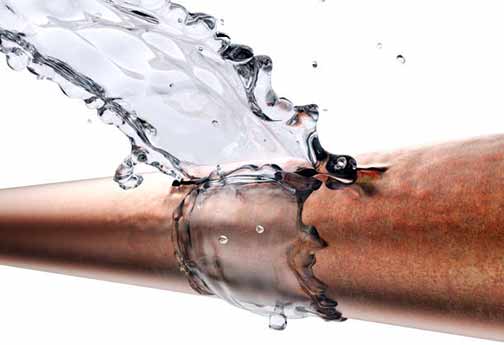
Burst pipes present a prevalent and potentially damaging problem for homeowners. Understanding the underlying causes, associated dangers, and effective prevention methods is paramount for safeguarding your property. Here we aim to equip homeowners with the essential knowledge needed to manage and prevent burst pipes effectively.
What Causes Pipes to Burst?
The occurrence of burst pipes can be attributed to various factors. Insight into these causes empowers homeowners to take proactive measures to mitigate risks. Understanding the primary reasons pipes burst can help in addressing and preventing issues effectively.
Extreme Weather Conditions: The Role of Freezing Temperatures
One of the most common causes of burst pipes is exposure to freezing temperatures. When water within the pipes freezes, it creates significant pressure due to the expansion of ice. This pressure can cause cracks and ultimately lead to pipes bursting. Homes in regions that experience harsh winters are particularly susceptible to this problem. It is essential to properly insulate pipes and maintain a stable internal temperature to prevent freezing and subsequent bursts.
Weak or Aging Pipes: Susceptibility to Damage
Over time, pipes may deteriorate due to wear and tear, corrosion, or poor maintenance. Aging pipes are more prone to cracks and weaknesses, increasing their likelihood of bursting. Regular inspection and timely maintenance of plumbing systems can identify and address aging pipes before they fail.
Improper Installation: The Importance of Professional Plumbing
Pipes that have been incorrectly installed or inadequately supported are prone to damage. Poor workmanship or subpar materials can contribute to pipe weaknesses and eventual bursts. Hiring professional and certified plumbers ensures that installations meet industry standards and reduce the risk of future issues.
Excessive Water Pressure: Managing Flow to Prevent Bursts
High water pressure can stress pipes and joints, increasing the likelihood of leaks and bursts. Homeowners should monitor and regulate water pressure levels, ensuring they fall within safe ranges. Installing pressure reducing valves and conducting routine checks can help maintain appropriate water pressure.
The Dangers of Burst Pipes: Understanding the Consequences
Burst pipes can lead to extensive damage and pose serious risks to properties and occupants. Recognizing the potential dangers underscores the importance of preventative measures and swift action in the event of a burst pipe.
Structural Damage: Impact on Building Integrity
Water from burst pipes can infiltrate walls, ceilings, and floors, leading to significant structural damage. Prolonged exposure to moisture can compromise the integrity of building materials, causing rotting, warping, and weakening of the structure. Addressing burst pipes promptly can mitigate extensive and costly repairs.
Water from burst pipes can infiltrate walls, ceilings, and floors, leading to significant structural damage. Prolonged exposure to moisture can compromise the integrity of building materials, causing rotting, warping, and weakening of the structure.
Mold and Mildew Growth: Health Hazards and Remediation
Persistent moisture from burst pipes creates an ideal environment for mold and mildew growth. These fungi can spread rapidly, posing health risks to occupants, including respiratory issues and allergic reactions. Professional remediation may be required to remove mold and restore safe living conditions.
Electrical Hazards: Ensuring Safety Precautions
Water exposure from burst pipes can come into contact with electrical systems, creating dangerous situations. Electrical shorts, fire hazards, and electrocution risks are potential consequences. It is vital to shut off the electrical supply in affected areas and seek professional electrical inspection and repair.
Increased Water Bills: Financial Implications of Leaks
Burst pipes result in continuous water leakage, leading to increased water bills and wastage. Identifying and having burst pipes repaired promptly conserves water and prevents unnecessary financial burdens on homeowners.
Prevention Strategies: Protecting Your Home Against Burst Pipes
Implementing preventative measures is crucial for safeguarding your home against the risks and damages associated with burst pipes. Homeowners can adopt various strategies to minimize vulnerabilities and enhance the resilience of plumbing systems.
Temperature Control: Maintaining a Warm Environment
Maintaining a consistent indoor temperature, especially in winter, helps prevent pipes from freezing. Using insulation on exposed pipes and keeping interior spaces warm can significantly reduce the risk of bursting. Homeowners should also allow faucets to drip during extreme cold to maintain water flow and alleviate pressure within the pipes.
Regular Inspections: Identifying and Addressing Issues
Routine inspections of plumbing systems can identify potential problems early. Homeowners should regularly check for signs of leaks, rust, corrosion, and weak spots in pipes. Hiring professional plumbers for periodic inspections ensures thorough assessments and timely repairs.
Upgrading Plumbing Systems: Investing in Durability
For homes with aging or outdated plumbing, upgrading to modern and more durable materials can avert potential failures. Consider repiping your home with materials such as PEX (cross-linked polyethylene), which offer greater flexibility and resistance to various stressors.
Pressure Regulation: Preventing Excessive Stress
Installing pressure-reducing valves or pressure regulators can help maintain safe water pressure levels within the plumbing system. Regular monitoring and adjustment of water pressure prevent excessive stress on pipes, reducing the risk of bursts.
Professional assistance ensures that the repairs are done correctly and any underlying issues are addressed to prevent future occurrences.
Sealing and Insulation: Protection Against Environmental Factors
Properly sealing and insulating areas where pipes are exposed to external elements, such as basements, attics, and crawl spaces, protects them from temperature fluctuations and potential freezing. Insulating pipes can significantly reduce the chance of bursts during cold weather.
Emergency Preparedness: Responding to Burst Pipes
Despite preventative measures, emergencies can still occur. Being prepared with an action plan ensures swift response and minimizes damage from burst pipes. Homeowners should familiarize themselves with the steps to take in the event of a burst pipe.
Shutting Off Water Supply: Immediate Action to Prevent Damage
The first step in managing a burst pipe is to shut off the main water supply to prevent further water flow and potential flooding. Knowing the location of the main shut-off valve and ensuring it is easily accessible is essential for quick response.
Contacting Professional Help: Ensuring Proper Repairs
After shutting off the water supply, contact a licensed plumber to assess and repair the damaged pipe. Professional assistance ensures that the repairs are done correctly and any underlying issues are addressed to prevent future occurrences.
Mitigation of Water Damage: Protection Against Long-Term Issues
Promptly drying and ventilating affected areas helps mitigate water damage. Using dehumidifiers and fans can accelerate the drying process. For extensive damage, professional water damage restoration services may be necessary to fully restore affected areas.
Documenting the Damage: Insurance and Financial Considerations
Documenting the damage caused by burst pipes with photographs and detailed notes is essential for insurance claims. Homeowners should contact their insurance providers promptly to report the incident and initiate the claims process for coverage of repairs and restoration.
Conclusion: Staying Informed and Proactive
Understanding the causes, dangers, and prevention of burst pipes equips homeowners with the knowledge needed to protect their properties effectively. By staying proactive and informed, homeowners can minimize the risks and ensure the longevity and integrity of their plumbing systems.