Of all the home maintenance horrors, there’s something particularly unsavory about a leaking sewer line. It’s not just the mess – it’s the unpredictability, the potential for backyard excavation, and the fact that no one wants to say, “I think my sewer line’s backed up”, breaking the silence at a dinner party. (Though, in Chicago, with its lake-effect snow and skyscraper views, maybe you’d get some sympathetic nods.) But, before you start imagining scenes from your personal worst-case disaster movie, there are, thankfully, several sewer line replacement warning signs you can keep an eye out for.
Nobody wants to be surprised by a basement flood that smells suspiciously worse than the rain, or by water that just, well… won’t… go… away. It’s avoidable if you’re vigilant, and today we’re going to explore how to spot the warning signs before the whole thing spirals into aplumbing nightmare of epic proportions.
What is a sewer line?
Ah, the sewer line: the uncelebrated hero of your home’s plumbing system. It’s the thing quietly taking care of business every single day without so much as a single, honest thank-you. Think of it as a long, winding road that carries waste from your home to the municipal sewer system. Every time you flush the toilet, take a shower, wash your dishes, etc., the waste is transported via your sewer line to some far-off, underappreciated destination where it’s treated and disposed of properly.
Warning signs you’ll want to keep an eye (or nose) on
Like all hardworking things, your sewer line can get tired, worn out, or clogged, usually at the worst possible time (and it’s always the worst possible time). Given its crucial role in maintaining your home’s sanitation and safety, this unsung plumbing highway deserves a bit of attention every now and again.
The odor-ific situation
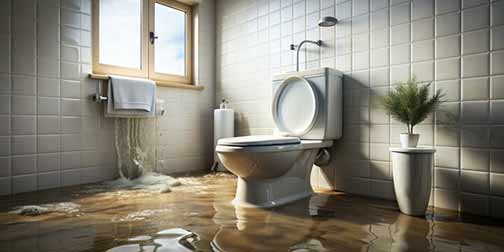
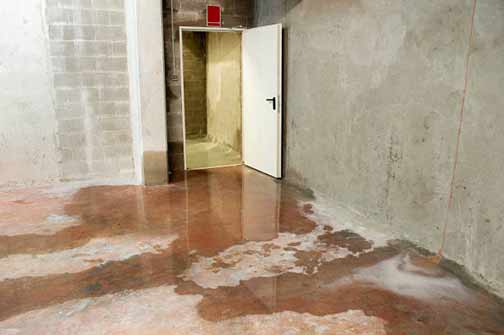
Imagine this: you’re enjoying a rare, relaxing Sunday, and then you smell something… off. It’s not Saturday night’s leftovers but something more sinister. If you’ve got standing water hanging out in your yard or basement, and it smells like, well, sewage, that’s not a mystery you should leave unsolved. Standing water that reeks of waste is one of the most obvious warning signs of a sewer line problem.
Your sewer line may have a leak or a clog. This can cause unpleasant fluids to rise to the surface. Don’t light a candle and ignore it –call a professional. The water’s not going to dissipate overnight, and neither will that smell. In a place like Chicago, where the combination of cold winters and erratic plumbing can make problems worse, staying ahead of this one is key.
Time heals everything (except your sewer line)
We all love the idea that time heals all wounds, but, unfortunately, this is one of those adages that doesn’t apply to your sewer line. Like, at all. Sewer lines wear out over time, particularly if your home is, shall we say, “experienced.” As your pipes age, they can corrode, crack, or collapse. The passage of time, while generally wise and calming in other areas of life, is downright destructive for plumbing.
Now, let’s say you’re moving to a new city – maybe you’re trading in New Hampshire’s snowy peaks for the bustling streets of Chicago. One word of advice from the guys and gals over atMichael Brooks Moving? Ask about having a sewer line camera inspection performed before you sign the dotted line. No one wants to deal with this mess the week after an interstate relocation.
You’ve noticed something’s off with your water bill
Has your water bill been creeping up for no apparent reason? You’re not suddenly watering a golf course, but your utility bill seems to think otherwise. A sudden spike in your water bill can be a sign of an unseen sewer line leak. Leaks, particularly ones underground, can cause water to escape from the system before it reaches your drains and faucets. The water that’s not making its way to you is, of course, being billed all the same. If your water bill is acting a bit suspicious, don’t just shake your head and assume the water company’s plotting against you.
If your water bill is acting a bit suspicious, don’t just shake your head and assume the water company’s plotting against you.
Drains: the case of unexplained noises
You’ve probably seen this scene in movies or haunted-house flicks: the drain suddenly starts to make an eerie gurgling sound (as if something deep below is trying to claw its way back up and make friends with everyone).
That noise is air bubbles, trapped by a blockage or a break in your sewer line, struggling to escape, an indicator of something larger. Left unchecked, this could spell trouble. So, if your sink, toilet, or bathtub is having vocalizations, call a plumber before things get louder.
Bugs, mice, and everything (not) nice
Sure, sewer lines are gross (as one can imagine). They’re a natural gathering spot for things we don’t really want to think about – like bugs, or rodents. But if you’re suddenly noticing more unwelcome guests in your home (bugs, mice, etc.), it could be a sign that your sewer line is cracked or broken. These critters, ever the opportunists, will use the cracks in the pipes as their personal highway into your lovely home. No, thank you, but no.
The green menace: tree roots invading your pipes
Trees are beautiful and provide shade on a sunny day, but when it comes to sewer lines, they’re more trouble than you’d think. Tree roots can be sneaky. They’re drawn to the moisture that leaks from sewer pipes and will gradually invade the space, causing blockages or full-on pipe collapses which in turn can cause the need for a sewer line repair.
While you may love that giant oak tree in your yard, if it’s anywhere near your sewer line, consider getting regular checkups to ensure it’s not doing serious damage underground. A small root can grow into a big problem if left unchecked.
Conclusion
Your home’s sewer line is one of those underappreciated systems that only gets noticed when something goes terribly wrong. The good news is that by keeping an eye out for sewer line replacement warning signs – like standing water, strange noises, higher water bills, and those pesky tree roots – you can prevent disaster before it strikes.
Chicago’s known for many things – deep-dish pizza, windy streets, and, yes, occasional plumbing challenges, especiallyduring wintertime. Whether you’re already settled or just moving in, a proactive check on your sewer system will save you money and stress and, most importantly, keep your home’s infrastructure running smoothly. After all, it’s better to know what’s beneath the surface before it makes itself known in a very messy way.
Storm drain blockages in Chicago are a significant concern that can lead to severe flooding, property damage, and environmental hazards. Understanding the root causes of these blockages is crucial for effective management and prevention. Here we get into the various factors contributing to storm drain blockages in Chicago, including debris accumulation, tree roots, and structural issues. By identifying these causes, we can develop strategies to mitigate their impact and ensure the proper functioning of the city’s storm drainage system.
Debris Accumulation: A Major Contributor to Storm Drain Blockages
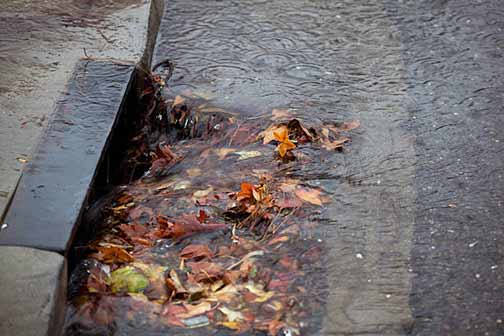
One of the primary causes of storm drain blockages in Chicago is the accumulation of debris. This debris can include leaves, branches, litter, and other materials that are washed into the drains during heavy rainfall. Over time, this accumulation can obstruct the flow of water, leading to backups and flooding. Regular maintenance and professional cleaning of storm drains are essential to prevent debris buildup and ensure the efficient operation of the drainage system.
The debris that accumulates in storm drains can come from various sources. For instance, during the fall season, the shedding of leaves from trees can significantly contribute to the blockage of storm drains. Additionally, littering by residents and visitors, as well as improper disposal of waste, can exacerbate the problem. Construction activities can also lead to the accumulation of debris such as dirt, sand, and construction materials in storm drains. It is crucial to address these sources of debris to prevent blockages and maintain the efficiency of the storm drainage system.
To combat debris accumulation, the city of Chicago has implemented several measures. Street sweeping programs are conducted regularly to remove debris from streets and prevent it from entering storm drains. Public awareness campaigns are also conducted to educate residents about the importance of proper waste disposal and the impact of littering on storm drain blockages. Additionally, the city has installed debris traps and screens in storm drains to capture larger debris and prevent it from obstructing the flow of water.
Impact of Tree Roots on Storm Drain Blockages
Tree roots pose a significant threat to the integrity of storm drains in Chicago. As trees grow, their roots can extend into the drainage pipes, causing blockages and structural damage. The roots can infiltrate small cracks and joints in the pipes, expanding over time and obstructing the flow of water. Addressing this issue requires a combination of regular inspections, tree root removal services, and the use of root-resistant materials in the construction of storm drains.
Trees are an essential part of the urban environment, providing numerous benefits such as shade, air purification, and aesthetic value. However, their roots can cause significant problems for storm drainage systems. Tree roots naturally seek out water sources, and storm drains provide an abundant supply of water. As a result, tree roots can infiltrate storm drains through small cracks and joints, causing blockages and structural damage.
To address the issue of tree roots in storm drains, regular inspections are necessary. Inspections can identify areas where tree roots have infiltrated the drainage system and allow for timely removal. Various methods can be used to remove tree roots, including sewer rodding service, chemical root treatments, and hydro-jetting. Additionally, the use of root-resistant materials in the construction of storm drains can help prevent root infiltration and reduce the risk of blockages.
Structural Issues Leading to Storm Drain Blockages
Structural issues within the storm drainage system can also contribute to blockages. These issues can include collapsed pipes, misaligned joints, and deteriorated materials. Such problems can restrict the flow of water and lead to significant blockages. Regular inspections and maintenance are crucial to identify and address these structural issues before they cause severe disruptions in the drainage system.
The structural integrity of storm drains is essential for their proper functioning. Over time, various factors can lead to the deterioration of storm drain structures. For example, aging infrastructure can result in weakened pipes and joints, making them more susceptible to collapse and misalignment. Additionally, ground movement and soil erosion can cause structural damage to storm drains, leading to blockages.
To address structural issues in storm drains, regular inspections are necessary. Inspections can identify areas where pipes have collapsed, joints are misaligned, or materials have deteriorated. Once identified, these issues can be addressed through repair or replacement. For instance, collapsed pipes can be replaced with new ones, and misaligned joints can be realigned to restore proper flow. Additionally, the use of durable materials in the construction and repair of catch basins and storm drains can help prevent future structural issues and reduce the risk of blockages.
Effects of Urbanization on Storm Drain Blockages
Urbanization has a profound impact on storm drain blockages in Chicago. The increase in impervious surfaces, such as roads and buildings, reduces the amount of natural ground available to absorb rainwater. This leads to higher volumes of runoff entering the storm drains, increasing the likelihood of blockages. Implementing green infrastructure solutions, such as permeable pavements and rain gardens, can help mitigate the effects of urbanization and reduce the strain on the storm drainage system.
The rapid pace of urbanization in Chicago has led to a significant increase in impervious surfaces. Impervious surfaces, such as asphalt and concrete, do not allow water to infiltrate the ground, resulting in increased runoff during rainfall events. This increased runoff can overwhelm the storm drainage system, leading to blockages and flooding.
To mitigate the effects of urbanization on storm drain blockages, green infrastructure solutions can be implemented. Green infrastructure solutions aim to mimic natural processes and manage stormwater at its source. For example, permeable pavements allow water to infiltrate the ground, reducing runoff and the strain on storm drains. Rain gardens, which are planted areas designed to absorb and filter stormwater, can also help reduce runoff and prevent blockages. Additionally, green roofs, which are vegetated roofs that absorb rainwater, can reduce the volume of runoff entering the storm drainage system.
Understanding the impact of weather patterns on storm drain blockages can help in planning and implementing effective drainage management strategies.
Role of Weather Patterns in Storm Drain Blockages
Weather patterns play a significant role in the occurrence of storm drain blockages in Chicago. Heavy rainfall, snowmelt, and seasonal changes can all contribute to the increased flow of water into the storm drains. These weather events can also carry more debris into the drainage system, exacerbating blockages. Understanding the impact of weather patterns on storm drain blockages can help in planning and implementing effective drainage management strategies.
Chicago experiences a wide range of weather patterns throughout the year, each of which can impact storm drain blockages. For instance, heavy rainfall events can result in large volumes of water entering the storm drainage system, increasing the likelihood of blockages. Additionally, snowmelt during the spring season can lead to increased runoff and debris entering storm drains, further exacerbating blockages.
To address the impact of weather patterns on storm drain blockages, it is essential to implement effective drainage management strategies. For example, during heavy rainfall events, temporary measures such as sandbags and temporary barriers can be used to redirect water away from storm drains and prevent blockages. Additionally, regular maintenance and cleaning of storm drains before and after significant weather events can help prevent debris buildup and ensure the efficient operation of the drainage system.
Importance of Public Awareness and Community Involvement
Public awareness and community involvement are crucial in preventing storm drain blockages in Chicago. Educating residents about the importance of proper waste disposal, regular maintenance, and reporting potential issues can significantly reduce the occurrence of blockages. Community programs and initiatives aimed at keeping storm drains clear of debris can also play a vital role in maintaining the efficiency of the drainage system.
Public awareness campaigns can educate residents about the impact of littering and improper waste disposal on storm drain blockages. By understanding the consequences of their actions, residents are more likely to dispose of waste properly and avoid activities that contribute to blockages. Additionally, community involvement in storm drain maintenance can significantly reduce the occurrence of blockages. Community clean-up events, where residents come together to remove debris from storm drains and surrounding areas, can help keep the drainage system clear and functioning efficiently.
Reporting potential issues is another crucial aspect of preventing storm drain blockages. Residents should be encouraged to report any signs of blockages or damage to storm drains to the relevant authorities. Timely reporting allows for prompt intervention and prevents minor issues from escalating into significant blockages. Public awareness campaigns can highlight the importance of reporting and provide information on how to report potential issues.
Technological Advancements in Storm Drain Management
Technological advancements have revolutionized the management of storm drains in Chicago. The use of remote sensing, GIS mapping, and advanced monitoring systems allows for real-time tracking of drainage conditions and early detection of potential blockages. These technologies enable proactive maintenance and timely interventions, reducing the risk of severe blockages and ensuring the smooth operation of the storm drainage system.
Remote sensing technology, such as drones and satellite imagery, can provide valuable data on the condition of storm drains and surrounding areas. This data can be used to identify potential blockages, monitor changes in drainage conditions, and plan maintenance activities. GIS mapping allows for the visualization of storm drain networks and the identification of areas prone to blockages. By analyzing GIS data, authorities can prioritize maintenance activities and allocate resources more effectively.
Advanced monitoring systems, such as sensors and IoT devices, can provide real-time data on the flow of water and the presence of debris in storm drains. These systems can detect changes in flow patterns and alert authorities to potential blockages. By monitoring storm drains in real-time, authorities can respond quickly to emerging issues and prevent severe blockages. Additionally, data from monitoring systems can be used to analyze trends and improve the overall management of the storm drainage system.
Strategies for Preventing Storm Drain Blockages
Preventing storm drain blockages requires a multifaceted approach. Key strategies include regular maintenance and cleaning, the use of root-resistant materials, addressing structural issues, implementing green infrastructure solutions, and leveraging technological advancements. Additionally, fostering public awareness and community involvement is essential in maintaining a blockage-free storm drainage system. By combining these strategies, Chicago can effectively manage and prevent storm drain blockages, ensuring the city’s resilience to flooding and environmental hazards.
Regular maintenance and cleaning of storm drains are fundamental strategies for preventing blockages. Scheduled cleaning activities can remove debris and sediment buildup, ensuring the efficient flow of water. Additionally, having a camera inspection done on your sewer line can identify potential issues, such as tree root infiltration and structural damage, allowing for timely intervention.
The use of root-resistant materials in the construction and repair of storm drains can help prevent tree root infiltration and reduce the risk of blockages. These materials are designed to withstand root penetration and maintain the structural integrity of the drainage system. Addressing structural issues, such as collapsed pipes and misaligned joints, is also crucial for preventing blockages. Timely repair and replacement of damaged components can restore proper flow and prevent disruptions.
Implementing green infrastructure solutions, such as permeable pavements, rain gardens, and green roofs, can reduce runoff and the strain on storm drains. By managing stormwater at its source, green infrastructure solutions can help prevent blockages and improve the overall efficiency of the drainage system. Leveraging technological advancements, such as remote sensing, GIS mapping, and advanced monitoring systems, can enhance the management of storm drains and enable proactive maintenance.
Public awareness and community involvement are essential components of a comprehensive strategy for preventing storm drain blockages. Educating residents about proper waste disposal, the impact of littering, and the importance of reporting potential issues can significantly reduce blockages. Community programs and initiatives aimed at keeping storm drains clear of debris can also play a vital role in maintaining the efficiency of the drainage system.
Conclusion: Ensuring the Efficiency of Chicago’s Storm Drainage System
In conclusion, identifying the root causes of storm drain blockages in Chicago is essential for effective management and prevention. Debris accumulation, tree roots, structural issues, urbanization, weather patterns, and public awareness all play significant roles in contributing to these blockages. By addressing these factors through regular maintenance, technological advancements, and community involvement, Chicago can ensure the efficient operation of its storm drainage system and mitigate the risks associated with storm drain blockages.
The city’s resilience to flooding and environmental hazards depends on the proper functioning of its storm drainage system. By implementing a multifaceted approach that includes regular maintenance, the use of durable materials, green infrastructure solutions, and advanced technologies, Chicago can effectively manage and prevent storm drain blockages. Public awareness and community involvement are also crucial in maintaining a blockage-free drainage system. Together, these strategies can help ensure the efficiency of Chicago’s storm drainage system and protect the city from the adverse effects of storm drain blockages.
Every homeowner should recognize the critical importance of having a solid emergency plumbing plan in place. Plumbing issues can arise unexpectedly, causing significant damage and inconvenience if not addressed promptly. By preparing your home with a comprehensive emergency plumbing plan, you can mitigate the risks and ensure that you are ready to handle any plumbing emergency efficiently and effectively.
Plumbing emergencies can lead to severe water damage, structural issues, and costly repairs. The consequences of unaddressed plumbing problems can be extensive, affecting not only the physical structure of your home but also your peace of mind. An emergency plumbing plan serves as a proactive measure to protect your home and family from the potential chaos and financial strain that plumbing emergencies can bring.
Identifying Potential Plumbing Emergencies
To prepare your home for unforeseen plumbing issues, it is essential to identify potential plumbing emergencies. Common plumbing emergencies include burst pipe repairs, clogged drains, water heater failures, and sewer backups. Understanding the signs of these issues, such as water leaks, slow drainage, unusual noises, and foul odors, can help you detect problems early and take appropriate action.
Burst pipes can occur due to freezing temperatures, corrosion, or excessive water pressure. Clogged drains are often caused by the accumulation of debris, grease, or foreign objects. Water heater failures can result from sediment buildup, faulty components, or age. Sewer backups can be triggered by blockages, tree root intrusion, or damaged sewer lines. Recognizing these potential emergencies and their warning signs allows you to respond promptly and prevent further damage.
Creating a Comprehensive Emergency Plumbing Kit
One of the first steps in preparing for plumbing emergencies is to create a comprehensive emergency plumbing kit. This kit should include essential tools and supplies such as a pipe wrench, plunger, plumber’s tape, pipe repair clamps, a bucket, and rubber gloves. Having these items readily available can help you address minor plumbing issues quickly and prevent them from escalating into major problems.
Additionally, consider adding a flashlight, a multi-tool, a drain snake, and a wet/dry vacuum to your emergency plumbing kit. A flashlight can be invaluable during power outages or when working in poorly lit areas. A multi-tool offers versatility for various tasks, while a drain snake can help clear stubborn clogs. A wet/dry vacuum can be used to remove water from flooded areas, minimizing water damage and making cleanup easier.
One of the first steps in preparing for plumbing emergencies is to create a comprehensive emergency plumbing kit.
Establishing a Relationship with a Reliable Plumber
Building a relationship with a reliable emergency plumber is a crucial aspect of your emergency plumbing plan. Research and identify a reputable plumber in your area who offers emergency services. Keep their contact information easily accessible so that you can reach out to them in case of a plumbing emergency. Establishing this relationship in advance ensures that you have a trusted professional to rely on when you need immediate assistance.
When selecting a plumber, consider factors such as their experience, qualifications, customer reviews, and response times. Look for a licensed and insured plumber who has a track record of providing quality service. Having a reliable plumber on standby gives you peace of mind, knowing that expert help is just a phone call away during a plumbing crisis.
Regular Maintenance and Inspection of Plumbing Systems
Regular maintenance and inspection of your plumbing systems are essential to prevent emergencies. Schedule routine inspections with a professional plumber to check for potential issues such as leaks, corrosion, and blockages. Additionally, perform simple maintenance tasks yourself, such as cleaning drains, checking for leaks, and ensuring that faucets and fixtures are in good working condition. Proactive maintenance can help you identify and address problems before they become emergencies.
During professional inspections, plumbers can use advanced tools and techniques to detect hidden issues that may not be visible to the untrained eye. For example, they can perform camera inspections of sewer lines, pressure tests, and water quality assessments. By addressing minor issues early on, you can prevent them from developing into costly and disruptive emergencies.
Knowing How to Shut Off Your Water Supply
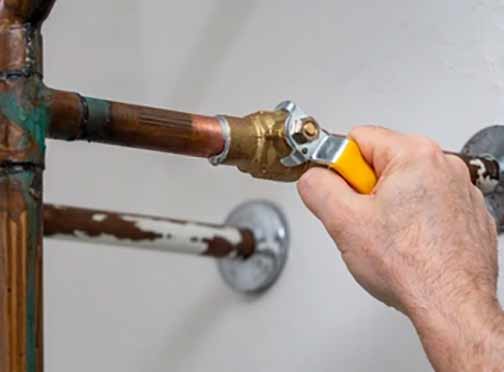
In the event of a plumbing emergency, knowing how to shut off your water supply is crucial. Familiarize yourself with the location of your main water shut-off valve and learn how to operate it. In addition, identify the individual shut-off valves for sinks, toilets, and other fixtures. Being able to quickly shut off the water supply can prevent extensive water damage and give you time to address the issue or call for professional help.
Practice turning off the main water valve and individual shut-off valves periodically to ensure that they are functioning correctly. In some cases, shut-off valves can become stiff or corroded over time, making them difficult to operate during an emergency. Regularly exercising these valves helps keep them in good working condition and ensures that you can act swiftly when needed.
Being able to quickly shut off the water supply can prevent extensive water damage and give you time to address the issue or call for professional help.
Developing a Response Plan for Common Plumbing Emergencies
Developing a response plan for common plumbing emergencies can help you act swiftly and effectively. For example, in the case of a burst pipe, your plan should include shutting off the water supply, draining the remaining water, and calling a plumber. For a clogged drain, your plan might involve using a plunger or a drain snake to clear the blockage. Having a clear response plan for various scenarios ensures that you can handle emergencies with confidence.
Consider creating a written response plan and posting it in a visible location, such as near the main water shut-off valve or in the kitchen. This plan should outline the steps to take for different types of plumbing emergencies, including contact information for your reliable plumber. Having a written plan ensures that everyone in the household knows what to do and can follow the necessary procedures during an emergency.
Educating Household Members on Emergency Procedures
It’s important to educate all household members on emergency plumbing procedures. Ensure that everyone knows how to shut off the water supply, use basic plumbing tools, and follow the response plan for different emergencies. Conduct regular drills and provide clear instructions to ensure that everyone is prepared to act quickly and effectively in the event of a plumbing emergency.
Involving household members in emergency preparedness fosters a sense of responsibility and teamwork. Teach children and other family members how to identify potential plumbing issues and encourage them to report any signs of trouble immediately. By working together, you can create a safer and more resilient home environment.
Utilizing Technology for Early Detection
Advancements in technology can aid in the early detection of plumbing issues. Consider installing smart leak detectors and water sensors in key areas of your home. These devices can alert you to potential leaks and water damage, allowing you to take immediate action. Additionally, some smart home systems can automatically shut off the water supply when a leak is detected, providing an added layer of protection.
Smart leak detectors and water sensors can be placed near appliances, water heaters, under sinks, and in basements. These devices often connect to your smartphone or home automation system, sending real-time alerts when a leak is detected. Some advanced systems even offer remote monitoring and control, allowing you to shut off the water supply from anywhere, providing peace of mind when you are away from home.
Knowing your insurance coverage can help you make informed decisions and ensure that you are financially protected in the event of a plumbing emergency.
Understanding Your Home Insurance Coverage
Review your home insurance policy to understand what coverage you have for plumbing emergencies. Some policies may cover water damage caused by sudden and accidental plumbing issues, while others may not. Knowing your coverage can help you make informed decisions and ensure that you are financially protected in the event of a plumbing emergency.
Contact your insurance provider to clarify the details of your coverage and inquire about any additional endorsements or riders that may be available for plumbing-related incidents. Understanding your policy’s terms and conditions allows you to take appropriate steps to protect your home and finances. In some cases, you may need to purchase separate flood insurance if your area is prone to flooding.
Preparing for Extreme Weather Conditions
Extreme weather conditions, such as freezing temperatures and heavy rainfall, can exacerbate plumbing issues. Take preventive measures to protect your plumbing system during such conditions. Insulate exposed pipes to prevent freezing and bursting, and ensure that gutters and downspouts are clear to prevent water backups. Being proactive during extreme weather can help you avoid plumbing emergencies.
During cold weather, consider leaving faucets dripping slightly to prevent pipes from freezing. Open cabinet doors under sinks to allow warm air to circulate around pipes. In areas prone to heavy rainfall, ensure that your sump pump is in good working condition and consider installing a sump pump battery backup system to prevent basement flooding. Taking these precautions can help safeguard your plumbing system against weather-related damage.
Staying Informed About Local Plumbing Codes and Regulations
Stay informed about local plumbing codes and regulations to ensure that your plumbing system is compliant. Non-compliance can lead to plumbing issues and potential fines. Familiarize yourself with the requirements for plumbing installations, repairs, and maintenance in your area. Adhering to local codes and regulations can help you maintain a safe and efficient plumbing system.
Local plumbing codes are designed to ensure the safety and functionality of plumbing systems. They cover various aspects, including pipe materials, installation methods, backflow prevention, and fixture requirements. By staying informed and following these codes, you can avoid potential legal issues and ensure that your plumbing system operates efficiently and safely.
Keep receipts, invoices, and reports from plumbers, along with notes on any DIY maintenance tasks you perform.
Documenting and Keeping Records of Plumbing Work
Maintain detailed records of all plumbing work performed in your home. This includes repairs, maintenance, and inspections. Documenting this information can help you track the history of your plumbing system and identify recurring issues. Additionally, having records readily available can be useful when selling your home or filing insurance claims related to plumbing emergencies.
Keep receipts, invoices, and reports from plumbers, along with notes on any DIY maintenance tasks you perform. Organize these records in a dedicated folder or digital file for easy access. Having a comprehensive record of your plumbing work can provide valuable insights into the health of your plumbing system and help you make informed decisions about future repairs and upgrades.
Budgeting for Plumbing Emergencies
Set aside a budget for plumbing emergencies to ensure that you are financially prepared. Plumbing issues can be costly, and having a dedicated emergency fund can alleviate the financial burden. Consider saving a portion of your monthly income specifically for unexpected plumbing repairs and maintenance. Being financially prepared can help you address emergencies promptly without compromising your financial stability.
In addition to setting aside funds for emergencies, consider investing in a home warranty that covers plumbing systems. A home warranty can provide additional financial protection and peace of mind by covering the cost of repairs or replacements for covered plumbing components. Review the terms and coverage of the warranty to ensure it meets your needs and complements your emergency plumbing plan.
Conclusion: Ensuring Peace of Mind with a Solid Emergency Plumbing Plan
By implementing a solid emergency plumbing plan, you can prepare your home for unforeseen plumbing issues and ensure peace of mind. From creating an emergency plumbing kit and establishing a relationship with a reliable plumber to regular maintenance and educating household members, each step plays a crucial role in safeguarding your home. Stay proactive, informed, and prepared to handle any plumbing emergency with confidence and efficiency.
Taking these measures not only protects your home and property but also enhances your overall well-being. Knowing that you are prepared for plumbing emergencies allows you to focus on enjoying your home without the constant worry of unexpected issues. By investing time and effort into developing a comprehensive emergency plumbing plan, you can achieve a sense of security and resilience, ready to face any plumbing challenge that comes your way.
If you are dealing with a problem of frequent water infiltration into the basement of your Chicago home, you know how difficult and costly this problem can be.
A wet basement is not only a drain on your finances, but it also poses a threat to the structural integrity of your building and subjects the home to the risk of mold with its attendant problems, says Golden Properties.
When addressing this issue, you don’t want to wait until water seeps into your basement before you act. Instead, you want a solution that lets you keep water out of your home.
French drains are one of the best waterproofing measures for combating water seepage in the basement. A French drain collects water from the soil to channel it away from your building.
How French drains work?
French drains do not try to keep water out of your basement. The system assumes that water will find its way into your basement. Instead, the French drain keeps that water from seeping into the foundation. Here is how it does it.
French drains are constructed by laying perforated or flexible corrugated pipes in a shallow trench with gravel at the bottom. This trench is backfilled and slightly compacted to keep the pipes in place.
Water that enters the basement or excess water in the soil flows into the French drain via the holes in the pipe. Under gravity, this water is channeled to a sump pit inside the basement or a discharge point in the yard.
By relieving hydrostatic pressure on walls, floors, and the foundation, French drains keep the soil from becoming over-saturated with water. It solves a problem that sealing the cracks and plugging the holes in the foundation cannot address.
Does your Chicago home need a French drain?
If you are currently dealing with any of the issues listed below, a French drain could be the right solution for the drainage problems in your Chicago home:
Your basement or yard is soggy due to persistent seepage or flooding
The soil on your property is poorly drained, or the ground has inadequate grading
Your home’s foundation is already cracked, or you have porous masonry
You want to improve the existing waterproofing measures in your basement
You want a waterproofing solution that is long-term and doesn’t hurt the home’s aesthetics
Installing a French drain is a major construction project. This is why you might need a professional French drain installation company or basement flooding service provider for this job.
Installing a French drain on your Chicago property
French drains are installed around your property, with a slope of one inch for every eight feet in the direction you want the water to flow. They are unobtrusive yet highly effective. Here are the steps for installing a French drain on your property:
Check local zoning restrictions/obtain permits: Not every neighborhood permits the installation of French drains. An experienced Chicago basement flooding service can advise and assist with the needed permits.
Dig a trench: The trench is dug in the lowest area in the yard or basement. It should be excavated to a depth of 1-2 feet and a width of 1-2 feet.
Install fiber fabric: A layer of permeable filter fabric or weed barrier is laid inside the trench, with at least 10 inches of excess fabric at the sides. For the best results (optimal water flow and erosion prevention), use medium-weight fabric (4-6 ounces).
Add a gravel bed: Pour a layer of washed gravel or landscaping stone into the pit. It should be 3 inches thick after compaction. It is a good idea to add a layer of river rock on top for better filtration and ease of maintenance.
Lay perforated pipes in the pit: This is usually PVC or corrugated plastic pipes. After it is laid on top of the gravel bed, add more gravel to the sides and top of the pipe until it is well-covered.
Install an inlet grate: This should be positioned in the part of your basement where the water pools the most. The grate should be securely fastened and easy to access for cleaning.
Backfill the trench: After the pipes are laid and covered with gravel, pull the excess fabric over the gravel until the edges overlap and the entire system is hidden. Backfill the trench and compact lightly to ensure the pipes stay in place.
Sump connection: Connect the French drain to your sump basin, collection pit, or the location in your yard where you want the water to be discharged.
Finally, remember that installing a French drain is a major construction project. This is why you might need a professional French drain installation company or basement flooding service provider for this job.
Additionally, French drains need to be maintained periodically, as they tend to clog with time or if there is heavy rain. The quality of the French drain installation affects its performance and determines how easily you can maintain the system.
Speaking with an experienced Chicago professional French drain installation and basement flooding service ensures the lowest cost and best results when installing a French drain in your basement.
Plumbing issues in your home are a big deal because they affect your family’s comfort and safety. However, Ocean Realty Management says, not all plumbing issues in your home are equal in their effect. Some plumbing problems are mild, while others can be absolute nightmares.
This second type of plumbing issue is called plumbing emergencies; they can make your home uninhabitable. How do you deal with plumbing emergencies in your home? That depends on the kind of plumbing emergency.
But generally, when dealing with a plumbing emergency, you need three things, a level head, proper information, and quick action. This post will discuss the worst plumbing problems in your home and how to avoid them.
5 plumbing nightmares in the home and how to avoid them
Clogged toilet
A toilet that won’t flush can be your worst plumbing nightmare, especially if it is the only toilet in your home. If a toilet is not flushing, trying to force it can result in the toilet overflowing and causing an even bigger problem. How can you avoid this issue?
Only flush toilet paper and human waste; nothing else should go into your toilet, including all so-called flushable products.
Use single-ply toilet paper if you use a lot of toilet paper or the toilet has a history of clogging.
To prevent mineral buildup and debris accumulation, clean the toilet thoroughly at least once a month.
Inspect your sewer line for tree root intrusion if you have mature trees in your yard.
A broken Water Line
If the problem is undetected, it can waste hundreds of gallons of water daily and damage your landscaping or subject your building to the risk of structural damage. How do you avoid this plumbing nightmare?
Keep an eye on your water bill; look for spikes in water usage that are not due to known changes in your home.
Monitor the water pressure; low water pressure is a reliable sign that your water line is leaking.
Avoid planting trees or shrubs with invasive root systems near the location of your water line.
Have your water lines inspected yearly by a professional plumber. It lets you detect problems before they become emergencies.
Frozen and burst pipes
The pressure of frozen water inside a pipe can rupture it. When that pipe eventually thaws, the burst section will discharge water into your home. A frozen pipe may prevent water from reaching your entire home or specific plumbing fixtures. How do you avoid this problem?
Keep the home warm at all times by having your thermostat above 55°F (13°C) always.
Keep cabinet and room doors slightly open to let warm air circulate to unheated spaces in the house.
Keep garage doors closed at all times so that your water pipes are not exposed to cold air.
Insulate all exposed pipes in the home, as well as the attic, basement, and crawlspace.
Keep faucets slightly open to ensure a constant flow of water through the pipes.
A clogged sink, bath, or shower drain is not only annoying, it can upset your daily routine. If the sink, shower, or tub doesn’t drain at all, you will be unable to use it. If it drains slowly, you will waste time waiting for it to empty. Here is how to avoid this plumbing nightmare.
Install drain strainers to keep hair, food scraps, and other debris out of the drains.
Do not dump grease, oil, fats, and food waste into the kitchen drain.
Do not use your garbage disposal unit as a trash can.
Every month, use vinegar and baking soda or hot water to unclog your drains.
No hot water
This can be a life-threatening problem if it happens in winter or if there are elderly people or infants in your home. Without hot water, you will struggle with dishes and laundry. There are many reasons why a water heater stops producing hot water. You can prevent them by doing the following:
Ensure the proper thermostat settings. The thermostat setting may have been lowered accidentally.
Every month, check the water heater for leaky or loose pipe connections.
Drain the water heater every 6-12 months to get rid of sediments and prevent corrosion.
Make sure your water heater is the right size for the hot water needs of your household.
Have a professional plumber do comprehensive maintenance for the water heater yearly.
The above steps can help prevent plumbing nightmares in your home, but what about when you already have a plumbing emergency? The best way to deal with plumbing emergencies is to call your plumber. Having a quick emergency plumbing service on hand is necessary for dealing with plumbing nightmares in your home.
Sewer rodding is a specialized technique for clearing clogs and blockages from pipes, drains, and sewer lines. Due to its ease of use and versatility, this is a favorite drain-cleaning method for professional plumbers, says Key Home Management.
Sewer rodding restores the function of blocked lines and serves for routine maintenance. In this post, we answer the frequently asked questions about sewer rodding, how it works, how much it costs, etc.
How does sewer rodding work?
A specialized tool – a flexible pipe and mechanical cutting head – is inserted into the pipe. The length of the rod may be extended by connecting a series of pipes end-to-end. The mechanical head at the end of the line is equipped with sharp teeth to help it cut through blockage, including tree roots. The tool is guided through the pipes with compressed air or a rotating motion. Once it reaches the blockage, the spinning motion of the cutting head is used to break up the blockage.
How will the plumber access the blocked line?
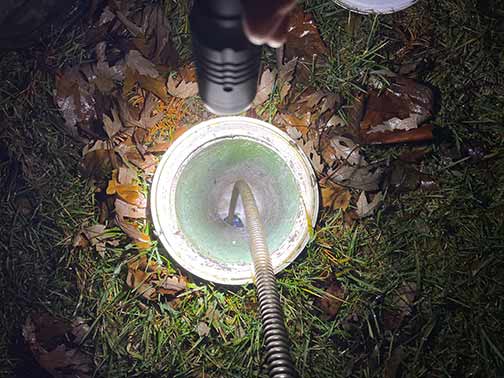
Typically, to access your sewer line, the plumber will use your outside sewer cleanout. That is the easiest way to clear out a sewer line. But if this is impossible or the blockage is not inside your sewer line, the plumber will rod the sewer line via a floor drain or toilet. The quickest and most affordable method is to access the pipes through the cleanout.
What kind of blockages is sewer rodding good for?
Rodding is highly versatile; it is effective for clearing major and minor blockages in sinks, toilets, and the main sewer line. That is because sewer rodding uses different types of rods for different blockages. Depending on the nature of the problem, a tape rod (a roll of steel wire) or a kinetic water ram (a more advanced tool) may be used. The plumber will choose the best rod for your particular drainage problem.
Do I need a camera inspection before sewer rodding?
Conducting a sewer camera inspection before rodding your sewer line is not entirely mandatory but recommended. A camera inspection of the interior sewer line helps the plumber assess the sewer line by providing accurate information on the type of blockage and its location inside the line. If the plumber suspects that your sewer line may be broken, they will use a sewer camera inspection to confirm it. A sewer camera inspection is also done to check the line after sewer rodding.
Is sewer rodding dirty work?
Yes, it is. Sewer rodding is a dirty work that can expose you to unsanitary contents inside your sewer line. Especially when rodding a sewer line, the risk of exposure to germs is very high. If sewer rodding is not done carefully, the material retrieved from a blocked drain can contaminate water or spread bacteria into the surrounding area. That is why experienced plumbers always clean up after their work is done.
Is sewer rodding expensive?
Compared to excavating your yard to retrieve and replace a damaged sewer line, sewer rodding is extremely affordable. Also, because sewer rodding is quick and minimally disruptive, the cost of lost time is insignificant. In absolute dollar terms, sewer rodding is affordable; rodding a clogged sewer line or slow-draining line costs between $150 and $600.
How long does sewer rodding take?
The duration depends on how easy it is to access the line. If the clogged line can be accessed through an outside cleanout, sewer rodding can be completed in one hour. The line’s condition is another factor that determines the actual duration of the operation. If several blockages are inside the line, it will take the plumber more time to get through all of them.
Can I do sewer rodding myself?
Since anyone can purchase or hire sewer rodding equipment, it is possible to do sewer rodding yourself. But is it a good idea to do it? No, and that is because sewer rodding involves poking around inside your pipes with a sharp metal tool. Sewer rodding is a complex process that requires a lot of experience. Trying to do sewer rodding yourself may leave you with damaged sewer lines and costlier plumbing problems.
Can I use sewer rodding for plumbing maintenance?
One of the best things about sewer rodding is you don’t have to wait until your sewer line is clogged to use it. Sewer rodding can be used for preventive maintenance. Rodding your sewer line yearly is one of the best ways to keep it debris-free. Doing this can drastically reduce the cost of maintaining your plumbing.
To conclude, the quality of your results when doing sewer rodding depends on your plumber’s ability. That is why choosing a plumber with a proven track record is essential. An experienced plumber will save you money by protecting your plumbing throughout the operation.
As the leaves begin to change color and the air turns crisper, October signals the approach of winter. This is a crucial time for homeowners to ensure that their plumbing systems are in optimal condition. Regular plumbing maintenance in October can help prevent costly emergency repairs and ensure that your home remains comfortable and functional throughout the colder months. By taking proactive steps now, you can avoid the stress and inconvenience of unexpected plumbing issues during the winter season.
Preparing for Winter: Why October is the Ideal Time for Plumbing Check-Ups
October is the perfect month to conduct plumbing check-ups because it offers a window of opportunity before the harsh winter weather sets in. By addressing potential issues now, you can avoid the inconvenience and expense of dealing with plumbing emergencies during the winter. Additionally, plumbers are often more available in October, making it easier to schedule inspections and repairs. The mild weather conditions also make it safer and more comfortable for both homeowners and plumbers to perform necessary maintenance tasks.
Inspecting Pipes for Leaks and Damage: A Critical Step in October Plumbing Maintenance
One of the key tasks during an October plumbing check-up is inspecting pipes for leaks and damage. Cold weather can cause pipes to freeze and burst, leading to significant water damage. By identifying and repairing any existing leaks or weaknesses in the pipes, you can prevent these problems from occurring. Look for signs of corrosion, rust, or water stains around pipes and joints. If you notice any of these indicators, it is essential to address them promptly to avoid more extensive damage during the winter months.
Checking the Water Heater: Ensuring Reliable Hot Water Supply During Winter
Your water heater works harder during the winter months, so it’s essential to ensure that it is in good working order. During your October check-up, have a professional inspect the water heater for any signs of wear or malfunction. They should also flush the tank to remove sediment buildup, which can reduce efficiency and lead to damage. Consider insulating the water heater and pipes to improve energy efficiency and prevent heat loss. A well-maintained water heater will provide a reliable supply of hot water, which is crucial for comfort and hygiene during the colder months.
Insulating Pipes to Prevent Freezing: A Key Preventative Measure for Winter
Frozen pipes are one of the most common winter plumbing issues. To prevent this, it’s important to insulate exposed pipes, especially those in unheated areas such as basements, attics, and garages. Pipe insulation sleeves or heat tape can be used to protect pipes from freezing temperatures. Additionally, sealing any gaps or cracks in walls and foundations can help keep cold air out and warm air in. Taking these steps will help ensure that your pipes remain intact and functional throughout the winter, reducing the risk of costly repairs and water damage.
It’s important to insulate exposed pipes, especially those in unheated areas such as basements, attics, and garages.
Maintaining Outdoor Plumbing: Preparing for Winter’s Chill
Don’t forget about outdoor plumbing during your October check-up. Disconnect and drain garden hoses, and store them indoors to prevent damage. Shut off the water supply to outdoor faucets and drain any remaining water to avoid freezing and burst pipe emergencies. If you have an irrigation system, make sure it is properly winterized by draining the lines and shutting off the water supply. Properly maintaining outdoor plumbing will help protect your home from potential water damage and ensure that your outdoor systems are ready to use when spring arrives.
Inspecting Sump Pumps and Sewer Lines: Preventing Winter Flooding and Backups
Sump pumps and sewer lines are critical components of your home’s plumbing system, especially during the winter when heavy rainfall and snowmelt can lead to flooding. Test your sump pump to ensure it is functioning correctly and consider installing a battery backup system for your sump pump in case of power outages. Have a professional inspect your sewer lines for any blockages or damage that could cause backups. Addressing these issues proactively will help prevent flooding and sewer backups, which can cause extensive damage and pose health risks.
Testing Faucets and Fixtures: Ensuring Efficient Operation Throughout Winter
During your October plumbing check-up, take the time to test all faucets and fixtures for proper operation. Look for any signs of leaks, drips, or reduced water pressure, which could indicate underlying issues. Repair or replace any faulty fixtures to ensure they function efficiently throughout the winter. Properly functioning faucets and fixtures will help conserve water and energy, contributing to overall household efficiency and comfort during the colder months.
Ensuring Proper Drainage: Protecting Your Home’s Foundation
Proper drainage is essential for preventing water damage and maintaining the integrity of your home’s foundation. Clear any debris from gutters, downspouts, and drains to ensure that water can flow freely away from your home. Check for any signs of standing water or poor drainage around your property and address any issues promptly. Ensuring proper drainage will help protect your home from potential water damage and preserve the structural integrity of your foundation.
Scheduling Professional Inspections: Expert Advice and Maintenance
While there are many tasks you can handle on your own, it’s always a good idea to schedule a professional plumbing inspection in October. A licensed plumber can identify potential problems that you might overlook and provide expert advice on maintaining your plumbing system. Regular professional inspections can extend the lifespan of your plumbing and help you avoid costly repairs in the future. By partnering with a professional, you can ensure that your plumbing system is in optimal condition and ready to withstand the challenges of winter.
Conclusion: Peace of Mind for the Winter Months
By conducting thorough plumbing check-ups in October, you can ensure that your home is prepared for the challenges of winter. Taking the time to inspect and maintain your plumbing system can prevent emergencies, save money, and provide peace of mind. Don’t wait until the first freeze to address potential issues—start your October plumbing check-up today and enjoy a worry-free winter. With a well-maintained plumbing system, you can focus on enjoying the season’s festivities and creating lasting memories with your loved ones.
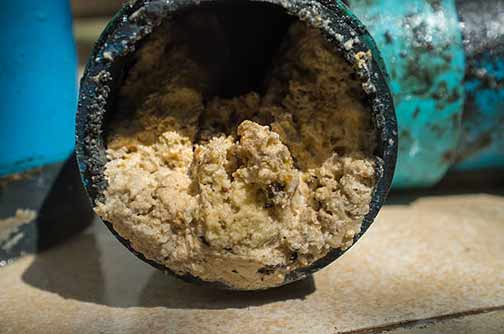
Grease is one of the most common culprits behind plumbing issues. When you wash dishes or dispose of food waste down the sink, grease can easily enter your plumbing system. Initially, it may seem harmless as it flows down the drain in a liquid state. However, as it cools, grease solidifies and adheres to the inner walls of your pipes. Over time, this buildup can cause significant blockages, restricting the flow of water and leading to slow drains or complete clogs.
Moreover, grease is not just limited to cooking oils. It includes butter, margarine, lard, and even the fatty residues from meats. When these substances accumulate in your plumbing system, they create a sticky, stubborn layer that traps other debris, exacerbating the blockage problem. The result is a plumbing nightmare that can be costly and time-consuming to fix.
The Hidden Dangers of Organic Waste in Your Plumbing
Organic waste, such as food scraps, coffee grounds, and vegetable peels, may seem harmless when washed down the drain. However, these materials can wreak havoc on your plumbing system. Unlike grease, which solidifies, organic waste can break down and decompose, creating foul odors and attracting pests. Additionally, organic waste can combine with grease and other debris to form stubborn clogs that are difficult to remove.
One of the most problematic types of organic waste is fibrous material, such as celery or corn husks. These items can wrap around the interior of your pipes, creating blockages that are nearly impossible to dislodge without professional intervention. Furthermore, organic waste can disrupt the balance of bacteria in your sewer or septic system, leading to inefficient waste breakdown and potential system failure.
How Grease and Organic Waste Cause Severe Blockages
The combination of grease and organic waste is a recipe for disaster in your plumbing system. As grease solidifies and adheres to the pipe walls, it creates a sticky surface that traps organic waste and other debris. This buildup can quickly escalate into a severe blockage, causing water to back up and potentially overflow from your sinks, toilets, or drains.
In addition to causing blockages, the presence of grease and organic waste in your plumbing system can lead to corrosion and damage to your pipes. The acidic nature of decomposing organic waste can eat away at the pipe material, leading to leaks and costly repairs. Furthermore, the buildup of grease can create pressure within the pipes, increasing the risk of burst pipe emergencies and significant water damage to your home.
Steps to Prevent Grease and Organic Waste from Entering Your Plumbing
Preventing grease and organic waste from entering your plumbing system is crucial to maintaining a healthy and efficient plumbing system. Here are some steps you can take to mitigate these issues:
Proper Disposal of Grease: Instead of pouring grease down the drain, collect it in a container and dispose of it in the trash. You can also let it solidify and scrape it into the garbage.
Use Sink Strainers: Install sink strainers to catch food scraps and other debris before they enter your plumbing system. Empty the strainer regularly to prevent buildup.
Compost Organic Waste: Composting is an excellent way to dispose of organic waste without harming your plumbing. Set up a compost bin for vegetable peels, coffee grounds, and other compostable materials.
Avoid Using the Garbage Disposal: While garbage disposals are convenient, they can contribute to plumbing issues by breaking down food waste into small particles that can still cause blockages. Use your disposal sparingly and avoid disposing of fibrous or greasy materials.
Regular Maintenance: Schedule regular plumbing maintenance to ensure your pipes are clean and free of blockages. Professional plumbers can use tools like a hydro jetting service to remove buildup and keep your plumbing system in top condition.
Plumbers have the expertise and tools to thoroughly clean your pipes, remove stubborn blockages, and ensure your plumbing system operates efficiently.
Understanding the Long-Term Benefits of Preventative Measures
Taking preventative measures to keep grease and organic waste out of your plumbing system offers numerous long-term benefits. By avoiding blockages and maintaining efficient water flow, you can extend the lifespan of your pipes and reduce the need for costly repairs. Additionally, a well-maintained plumbing system is less likely to suffer from leaks, burst pipes, or water damage, providing peace of mind and protecting your home from potential disasters.
Moreover, implementing these preventative measures can contribute to a more environmentally friendly household. Proper disposal of grease and organic waste reduces the strain on wastewater treatment facilities and minimizes the risk of environmental contamination. Composting organic waste also supports sustainable gardening practices, enriching the soil and promoting healthy plant growth.
The Role of Professional Plumbers in Maintaining Your Plumbing System
While taking preventative measures is essential, professional plumbers play a crucial role in maintaining your plumbing system. Regular inspections and maintenance by a licensed plumber can identify potential issues before they become major problems. Plumbers have the expertise and tools to thoroughly clean your drain pipes, remove stubborn blockages, and ensure your plumbing system operates efficiently.
In addition to routine maintenance, professional plumbers can provide valuable advice on best practices for keeping your plumbing system in top condition. They can recommend products and techniques to prevent grease and organic waste buildup, as well as offer solutions for any specific plumbing challenges you may face. By partnering with a trusted plumber, you can ensure the longevity and reliability of your plumbing system.
Conclusion: Protecting Your Plumbing System from Grease and Organic Waste
In conclusion, grease and organic waste are among the worst enemies of your plumbing system. Their ability to cause severe blockages, damage pipes, and disrupt septic systems makes them a significant concern for homeowners. By understanding the impact of these materials and taking proactive steps to prevent their entry into your plumbing system, you can protect your pipes and ensure the efficient operation of your plumbing.
Implementing proper disposal methods, using sink strainers, composting organic waste, and scheduling regular plumbing maintenance are all effective strategies to mitigate the risks associated with grease and organic waste. Additionally, enlisting the help of local plumbers can provide peace of mind and ensure your plumbing system remains in optimal condition.
By taking these measures, you can safeguard your home from the costly and inconvenient consequences of plumbing issues, while also contributing to a more sustainable and environmentally friendly household. Protect your plumbing system today and enjoy the benefits of a well-maintained and efficient home.
Maintaining your home sewer system is crucial for preventing costly repairs and ensuring its optimal performance. In Chicago, where weather conditions can be harsh, it’s even more important to take proactive steps to prolong the life of your sewer system. By understanding the importance of sewer system maintenance, you can take the necessary measures to keep your system running smoothly for years to come. Regular maintenance not only saves you money but also contributes to the overall health and safety of your home environment.
Regular Inspections and Cleaning: A Proactive Approach
One of the most effective ways to prolong the life of your home sewer system is through regular inspections and cleaning. Scheduling routine inspections with a professional plumber can help identify potential issues before they become major problems. During these inspections, the plumber can check for signs of wear and tear, blockages, and other issues that could compromise the integrity of your sewer system.
In addition to inspections, regular cleaning is essential for maintaining the health of your sewer system. Over time, debris, grease, and other materials can build up in your pipes, leading to clogs and other issues. Professional drain cleaning services can remove these buildups, ensuring that your sewer system remains clear and functional. Regular drain cleaning also helps to prevent unpleasant odors and keeps your home environment more comfortable.
Avoiding Harmful Substances: Protecting Your Pipes
To keep your sewer system in good condition, it’s important to avoid flushing or pouring harmful substances down your drains. Items such as grease, oils, coffee grounds, and non-biodegradable materials can cause blockages and damage your pipes. Instead, dispose of these items in the trash or through proper recycling methods. Being mindful of what goes down your drains can significantly reduce the risk of clogs and other sewer system issues.
Additionally, be mindful of the cleaning products you use. Harsh chemicals can corrode your pipes and lead to leaks or other issues. Opt for environmentally friendly and non-corrosive cleaning products to protect your sewer system. By choosing the right products, you not only safeguard your pipes but also contribute to a healthier environment.
Proper Landscaping and Tree Maintenance: Preventing Root Intrusion
Landscaping and tree maintenance play a significant role in prolonging the life of your sewer system. Tree roots can infiltrate your sewer lines, causing blockages and damage. To prevent this, avoid planting trees and shrubs near your sewer lines. If you already have trees near your sewer system, consider installing root barriers to prevent root intrusion. Proper planning and maintenance of your landscaping can save you from costly sewer system repairs in the future.
Regularly maintain your landscaping to ensure that roots do not grow too close to your sewer lines. If you suspect that tree roots have already infiltrated your sewer system, contact a professional plumber to assess the situation and remove the tree roots from your sewer line. Taking prompt action can prevent further damage and ensure the longevity of your sewer system.
Managing Water Usage: Ensuring System Efficiency
Proper water usage is essential for maintaining the health of your sewer system. Excessive water usage can overwhelm your sewer system, leading to backups and other issues. To manage your water usage effectively, consider implementing water-saving measures such as installing low-flow fixtures, fixing leaks promptly, and using water-efficient appliances. These measures not only protect your sewer system but also help you save on water bills.
Additionally, avoid using large amounts of water all at once. Spread out activities that require significant water usage, such as laundry and dishwashing, throughout the day to prevent overloading your sewer system. By managing your water usage wisely, you can ensure that your sewer system operates efficiently and remains in good condition.
Addressing Issues Promptly: Preventing Major Problems
One of the most important tips for prolonging the life of your home sewer system is to address issues promptly. If you notice any signs of trouble, such as slow drains, foul odors, or sewage backups, contact a plumber immediately. Ignoring these signs can lead to more severe problems and costly repairs. Timely intervention can prevent minor issues from escalating into major problems.
By taking swift action, you can prevent minor issues from escalating and ensure that your sewer system remains in good working condition. Regular maintenance and prompt attention to problems are key to extending the life of your sewer system. A proactive approach can save you from the inconvenience and expense of major sewer line system repairs.
Make sure that everyone understands what can and cannot be flushed or poured down the drains.
Educating Household Members: Promoting Good Habits
Educating everyone in your household about proper sewer system maintenance is essential for its longevity. Make sure that everyone understands what can and cannot be flushed or poured down the drains. Encourage good habits, such as disposing of grease and food scraps in the trash and using drain strainers to catch debris. By fostering a culture of awareness and responsibility, you can reduce the risk of clogs and other issues, ensuring that your sewer system remains in optimal condition.
By fostering a culture of awareness and responsibility, you can reduce the risk of clogs and other issues, ensuring that your sewer system remains in optimal condition. Educating household members can have a significant impact on the overall health and efficiency of your sewer system.
Investing in Professional Services: Ensuring Expert Care
While there are many steps you can take to maintain your sewer system on your own, investing in professional services is also important. Professional plumbers have the expertise and equipment to perform thorough inspections, cleanings, and repairs. Regularly scheduling professional services can help you stay ahead of potential problems and keep your sewer system in top shape. By relying on experts, you can ensure that your sewer system receives the best possible care.
Consider setting up a maintenance plan with a trusted plumbing company in Chicago to ensure that your sewer system receives the attention it needs on a regular basis. This proactive approach can save you money in the long run by preventing major issues and extending the life of your sewer system. Professional plumbers provide peace of mind and ensure that your sewer system is well-maintained.
Understanding Local Sewer System Regulations: Staying Compliant
In Chicago, there are specific regulations and guidelines for maintaining residential sewer systems. Familiarize yourself with these regulations to ensure that you are in compliance and taking the necessary steps to protect your sewer system. Local regulations may include requirements for inspections, maintenance practices, and the proper disposal of certain materials. Staying informed about local regulations can help you avoid penalties and ensure the longevity of your sewer system.
By understanding and adhering to these regulations, you can avoid fines and other penalties while also ensuring the longevity of your sewer system. Compliance with local regulations is an important aspect of responsible homeownership and contributes to the overall health of the community.
Conclusion: A Comprehensive Approach to Sewer System Maintenance
Prolonging the life of your home sewer system in Chicago requires a combination of regular maintenance, proper usage, and prompt attention to issues. By following these top five tips—regular inspections and cleaning, avoiding harmful substances, proper landscaping and tree maintenance, managing water usage, and addressing issues promptly—you can ensure that your sewer system remains in optimal condition for years to come.
Additionally, educating household members, investing in professional sewer services, and understanding local regulations are essential components of a comprehensive sewer system maintenance strategy. By taking these proactive steps, you can prevent costly repairs, protect your home, and enjoy the peace of mind that comes with a well-maintained sewer system. A well-maintained sewer system contributes to the overall health and safety of your home environment, making it a worthwhile investment.
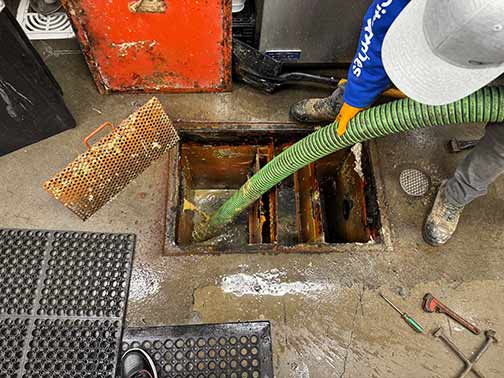
As the winter season approaches, Chicago restaurants face numerous challenges, one of which is maintaining their grease traps. Grease traps are crucial components of a restaurant’s plumbing system, designed to intercept fats, oils, and grease (FOG) before they enter the wastewater system. Regular maintenance of grease traps is essential, especially during the harsh winter months, to prevent costly and disruptive issues. Below we explore the importance of regular grease trap maintenance, the risks of neglect, and the benefits of proactive maintenance for ensuring smooth operations throughout the season.
The Importance of Regular Grease Trap Maintenance for Chicago Restaurants
Regular grease trap maintenance is vital for several reasons. Firstly, it ensures the efficient functioning of the trap, preventing FOG from entering the sewer system and causing blockages. Blockages can lead to unpleasant odors, slow drainage, and even complete plumbing failures, which can be particularly problematic during the busy winter season when restaurants experience higher customer volumes.
Secondly, regular maintenance helps to extend the lifespan of the grease trap. By keeping the trap clean and free from excessive buildup, restaurant owners can avoid costly repairs or replacements. Additionally, maintaining a clean grease trap is essential for compliance with local health and safety regulations, which often require regular inspections and maintenance records.
Lastly, regular maintenance helps to protect the environment. FOG that enters the sewer system can cause significant environmental damage, including water pollution and harm to aquatic life. By ensuring that grease traps are properly maintained, restaurants can play a crucial role in protecting the local ecosystem.
Risks of Neglecting Grease Trap Maintenance in the Harsh Chicago Winter
Neglecting grease trap maintenance can lead to a range of issues, many of which can be costly and disruptive. One of the most immediate risks is the development of blockages within the plumbing system. As FOG accumulates in the grease trap, it can solidify and create obstructions that prevent wastewater from flowing freely. This can result in slow drainage, unpleasant odors, and even sewage backups, which can be particularly troublesome during the winter months when pipes are more susceptible to freezing.
Another significant risk is the potential for health and safety violations. Local health departments often require restaurants to maintain and clean their grease traps and keep detailed records of maintenance activities. Failure to comply with these regulations can result in fines, penalties, and even temporary closure of the establishment. Moreover, a poorly maintained grease trap can create unsanitary conditions that may pose health risks to both employees and customers.
Neglecting grease trap maintenance can also have environmental consequences. When FOG enters the sewer system, it can contribute to the formation of fatbergs—large, solid masses of FOG and other debris that can block sewer lines. Fatbergs can cause significant damage to the sewer infrastructure and require costly and time-consuming removal efforts. Additionally, FOG that escapes into natural water bodies can lead to water pollution and harm aquatic life.
Benefits of Proactive Grease Trap Maintenance for Chicago Restaurants
Proactive grease trap maintenance offers numerous benefits for Chicago restaurants, particularly during the winter season. One of the primary advantages is the prevention of plumbing issues. By regularly cleaning out the grease trap, restaurant owners can avoid blockages, slow drainage, and sewage backups, ensuring that their plumbing systems function smoothly even during the busiest times.
Another benefit is cost savings. Regular maintenance helps to extend the lifespan of the grease trap, reducing the need for expensive repairs or replacements. Additionally, by avoiding plumbing emergencies and health code violations, restaurant owners can save money on fines, penalties, and potential loss of business due to temporary closures.
Proactive maintenance also contributes to a healthier and safer environment for both employees and customers. A clean and well-maintained grease trap helps to prevent unpleasant odors and unsanitary conditions, creating a more pleasant dining experience for customers and a safer working environment for staff.
Furthermore, proactive maintenance supports environmental sustainability. By preventing FOG from entering the sewer system, restaurants can help to reduce the risk of fatbergs and water pollution, contributing to the protection of the local ecosystem.
By regularly cleaning and maintaining the grease trap, restaurant owners can avoid blockages, slow drainage, and sewage backups, ensuring that their plumbing systems function smoothly even during the busiest times.
How to Implement a Regular Grease Trap Maintenance Schedule for Winter
Implementing a regular maintenance schedule for grease traps is essential for ensuring their proper functioning and longevity. The first step is to determine the appropriate frequency of cleaning based on the size of the grease trap, the volume of FOG produced, and local regulations. In general, most grease traps should be cleaned at least once every three months, but high-volume establishments may require more frequent maintenance.
Once the maintenance frequency is established, restaurant owners should create a detailed maintenance plan that includes the following steps:
Regularly inspect the grease trap for signs of buildup and blockages.
Schedule professional cleaning services to remove accumulated FOG and debris.
Keep detailed records of all maintenance activities, including dates, services performed, and any issues identified.
Train staff on the importance of grease trap maintenance and proper disposal of FOG.
Implement best practices for reducing FOG production, such as scraping plates before washing and using strainers in sinks.
By following these steps, restaurant owners can ensure that their grease traps are properly maintained and functioning efficiently throughout the winter season.
Conclusion: Ensuring Smooth Operations Through Regular Grease Trap Maintenance
Regular grease trap maintenance is crucial for Chicago restaurants, especially during the winter months when plumbing systems are more vulnerable to issues. By understanding the importance of regular maintenance, recognizing the risks of neglect, and implementing a proactive maintenance schedule, restaurant owners can prevent costly and disruptive problems, ensure compliance with health and safety regulations, and contribute to environmental sustainability. Ultimately, investing in regular grease trap maintenance is essential for maintaining smooth operations and providing a safe and pleasant dining experience for customers.