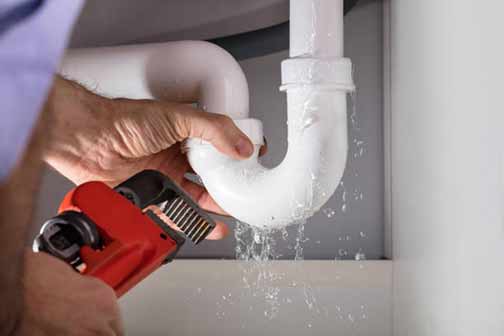
Plumbing problems happen in your home all the time, says Mike Dunfee Management company. But most of them are mild issues that do not prevent access to the plumbing or expose your home to the risk of water damage.
There are times when your home suffers a critical plumbing failure. This is when the plumbing issues put the structures of your building at risk and also prevent the normal use of your plumbing.
Critical plumbing failures are best dealt with before they become plumbing emergencies. This means finding the problem in its early stages before it explodes into a full-blown disaster.
However, if a critical plumbing failure happens before it can be detected and prevented, the next best option is to fix the problem with the utmost speed as soon as it is discovered.
What are some common critical plumbing failures that can happen in a home?
Burst pipes
This problem is most common in winter when sub-zero temperatures freeze water pipes, causing them to burst and spew water after they thaw.
Clogged drains
This is easily the most common critical plumbing failure in homes. A clogged drain can be a mild problem or a full-blown catastrophe.
Leaking water heater
A major cause of basement flooding and mold that will not only ruin the items in the area but can even undermine the foundation of your building.
No hot water
Especially in winter, and if there are small children or elderly folks in the home, this can be a life-threatening problem.
Toilet overflows
An overflowing toilet prevents the use of the toilet, leads to severe water damage inside your home, and can also expose your family to deadly diseases.
Worn-out washing machine hoses
A washing machine hose that ruptures, either because it is old or brittle, can unleash large volumes of water inside your home in a very short time.
Sewer backup
A backed up sewer line emergency is the outcome of unaddressed clogs and blockages in your main sewer line. It will release untreated sewage inside your home.
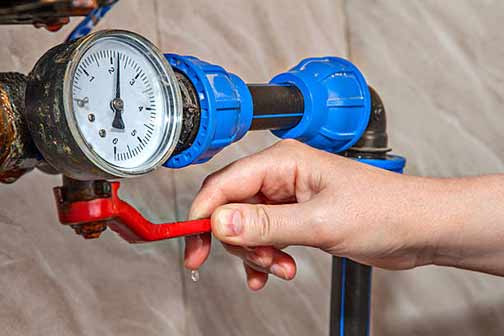
Turn off the water supply to your home at the main water shut-off valve. This is usually found near the water meter, on the street-facing side of the house, or in the basement.
How to prevent critical plumbing failures in your home
The number one factor for finding and fixing these issues before they happen in your home is to identify the underlying factors that cause the problems. This means recognizing the impact of the following issues on your plumbing pipes, fixtures, and appliances:
- Extreme seasonal temperature fluctuations
- Hard water, leading to mineral buildup
- Aging of materials, causing the plumbing to become brittle
- The presence of debris inside wastewater, which promotes clogs and blockages
- The impact of amateur plumbers on the plumbing
- The effect of a home occupant’s daily habits on the plumbing
Having understood the above factors, how do you prevent critical plumbing failures in your home?
- Inspect your pipes regularly: Problems like corrosion, cracks, and leaks always leave telltale signs you can look for.
- Insulate your pipes: During the colder months of the year, make sure pipes are properly insulated.
- Maintain your appliances: Detailed checks done periodically will prevent appliance malfunction and save you a lot of trouble.
- Monitor water usage: An easy way to spot leaks in your plumbing is by monitoring your water usage to detect unusual spikes in volume.
- Inspect and clean your drains: To know what is happening inside your drains, inspect them on a schedule. Yearly drain cleaning solved most drain problems.
What to do when you have a critical plumbing failure
If you have a critical plumbing failure in your home, maybe before you have a chance to implement the above, what should you do? The following steps will help you minimize the damage to your home and the inconvenience to your household.
Shut the water supply
Turn off the water supply to your home at the main water shut-off valve. This is usually found near the water meter, on the street-facing side of the house, or in the basement.
Do not use the fixture
If you are dealing with an overflowing toilet or sewer backup, do not use the toilet or do anything that will add more water to the water on your flooring.
Turn off the power
If there is a risk that water has come into contact with electricity, turn off the power supply to your home. If you have to step in water to do this, call an electrician.
Try to contain the leak
Try catching the leaking water with buckets after you have turned off the dedicated shut-off valve for the damaged fixture.
Call an emergency plumber
Emergency plumbers are plumbing professionals whose expertise is dealing with critical plumbing failures in homes. Because every second counts when dealing with plumbing emergencies, how much time it takes you to find an emergency plumber matters. This is why you want an emergency plumber on the quick dial before a critical plumbing failure happens in your home.
A capable professional plumber (preferably one who offers emergency plumbing services) is the lynchpin of your home’s plumbing maintenance plan. That plumber should be able to help you prevent and deal with any critical plumbing failures in your home.
