Author Archives: Chicago Plumbing Experts

Plumbing Peace of Mind: Expert Tips for Future Homeowners

plumbing tips for new homeowners

As a future homeowner, one of the most crucial aspects to consider is the plumbing system of your prospective residence. Plumbing is often overlooked during the excitement of purchasing a new home, but understanding it can save you from potential headaches down the road. A well-maintained plumbing system ensures the smooth operation of water flow, waste management, and heating systems, contributing significantly to your comfort and peace of mind. Knowing the layout of your plumbing system, including the location of pipes, valves, and fixtures, is essential. This knowledge not only helps in routine maintenance but also prepares you for any unforeseen issues that may arise.

Identifying Common Plumbing Issues Before Buying

Before finalizing your home purchase, it is essential to identify any existing plumbing issues. Common problems include leaks, outdated pipes, and inefficient fixtures. Leaks can lead to costly repairs and water damage, while outdated pipes may require replacement to meet modern standards. Inefficient fixtures can increase water bills and reduce the overall efficiency of your home’s water system. A thorough inspection by a professional plumber can help uncover these hidden issues. Look for signs of water damage, such as stains on ceilings or walls, which might indicate leaks. Check the water pressure in showers and faucets, as low pressure could suggest underlying problems with the plumbing.

Choosing the Right Plumbing Materials for Longevity

The choice of plumbing materials is pivotal for the durability and longevity of your plumbing system. Copper, PVC, and PEX are popular choices, each with its advantages. Copper is known for its durability and resistance to corrosion, making it ideal for long-term use. PVC is cost-effective and easy to install, while PEX offers flexibility and resistance to freezing temperatures. Understanding the benefits of each material can guide you in making informed decisions about any necessary plumbing upgrades or repairs. Consider the climate in your area when choosing materials; for instance, PEX might be preferable in colder regions due to its ability to withstand freezing temperatures without bursting.

Investing in Energy-Efficient Fixtures

Energy-efficient fixtures are not only environmentally friendly but also cost-effective in the long run. Low-flow toilets, showerheads, and faucets reduce water usage without compromising performance. These fixtures can significantly lower your water bills and contribute to sustainable living. As a future homeowner, investing in such fixtures is a wise decision that aligns with modern eco-conscious living standards. Additionally, consider installing water-saving appliances, such as dishwashers and washing machines, which use less water and energy. These investments not only benefit the environment but also enhance the overall value of your home.
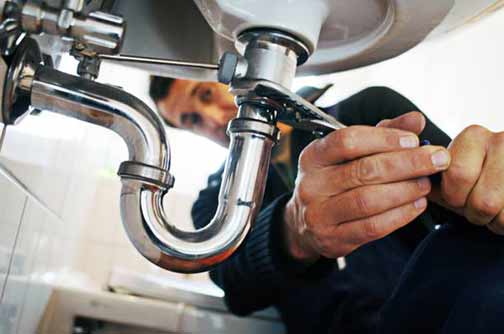
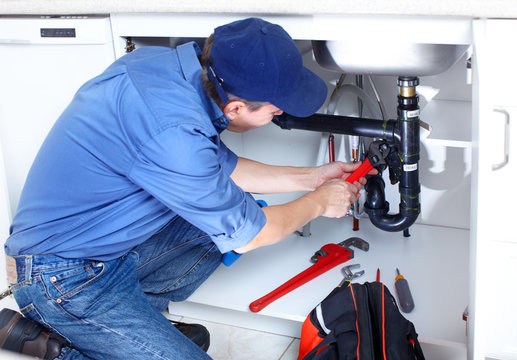
a man performing plumbing maintenance
Understanding basic maintenance tasks like unclogging drains and checking water pressure can empower you to handle minor issues independently.

Maintaining Your Plumbing System: Regular Checks and Upkeep

Regular maintenance is key to ensuring the longevity and efficiency of your plumbing system. Periodic checks for leaks, corrosion, and blockages can prevent minor issues from escalating into major problems. It is advisable to schedule professional inspections annually to keep your plumbing system in optimal condition. Additionally, understanding basic maintenance tasks like unclogging drains and checking water pressure can empower you to handle minor issues independently. Familiarize yourself with the signs of potential plumbing problems, such as unusual noises in pipes or slow drainage, and address them promptly to avoid costly repairs.

Understanding Plumbing Regulations and Codes

Familiarizing yourself with local plumbing regulations and codes is essential for compliance and safety. These codes dictate the standards for installation, repair, and maintenance of plumbing systems. Ensuring that your plumbing system adheres to these regulations can prevent legal issues and ensure the safety of your home. Speaking with a professional plumber can help you understand and navigate these regulations effectively. Additionally, staying informed about any updates or changes in local codes can help you maintain compliance and avoid potential penalties.

Preparing for Plumbing Emergencies: A Homeowner’s Guide

Despite the best efforts in maintenance, plumbing emergencies can still occur. Being prepared for such situations is crucial for minimizing damage and stress. Keep a list of emergency contacts, including local plumbers and utility companies, readily accessible. Familiarize yourself with the location of shut-off valves and understand how to use them in case of leaks or bursts. Having these preparations in place can make a significant difference in how you handle unexpected plumbing issues. Consider creating an emergency plan that includes steps to take in various scenarios, such as a burst pipe or a severe leak that needs to be detected, to ensure a swift and effective response.

Budgeting for Plumbing Costs: Financial Planning for Homeowners

Budgeting for plumbing costs is an essential aspect of financial planning for homeowners. Understanding the potential costs associated with repairs, upgrades, and maintenance can help you allocate resources effectively. It is advisable to set aside a contingency fund for unexpected plumbing issues, ensuring that you are financially prepared for any eventualities. Consulting with a financial advisor can provide insights into effective budgeting strategies for homeownership. Additionally, consider obtaining a home warranty that covers plumbing repairs, which can provide peace of mind and financial protection against unforeseen expenses.
a professional plumber
Consider scheduling regular consultations with your plumber to discuss any concerns or potential improvements to your plumbing system.

Leveraging Technology for Smart Plumbing Solutions

Advancements in technology have introduced smart plumbing solutions that enhance efficiency and convenience. Smart water heaters, leak detectors, and automated irrigation systems offer innovative ways to manage your plumbing system. These technologies provide real-time data and alerts, allowing you to monitor and control your water usage effectively. Embracing these solutions can lead to improved efficiency and peace of mind as a homeowner. Explore the integration of smart home systems that connect your plumbing devices to a central hub, enabling remote monitoring and control through your smartphone or tablet.

Building a Relationship with Professional Plumbers

Establishing a relationship with professional plumbers is invaluable for future homeowners. Reliable plumbers can provide expert advice, timely repairs, and regular maintenance services. Building trust with a professional ensures that you have access to skilled assistance whenever needed, contributing to the overall peace of mind in homeownership. Networking within your community or seeking recommendations can help you find reputable plumbers in your area. Consider scheduling regular consultations with your plumber to discuss any concerns or potential improvements to your plumbing system, fostering a proactive approach to maintenance and repair.

Conclusion: Ensuring Plumbing Peace of Mind in Your New Home

Achieving peace of mind as a future homeowner involves understanding and managing your plumbing system effectively. By identifying common issues, choosing the right materials, investing in energy-efficient fixtures, and maintaining regular upkeep, you can ensure the longevity and efficiency of your plumbing system. Being prepared for emergencies, budgeting for costs, leveraging technology, and building relationships with professionals further contribute to a hassle-free homeownership experience. With these expert tips, you can confidently navigate the complexities of plumbing and enjoy the comfort and security of your new home. Embrace the journey of homeownership with the assurance that your plumbing system is well-equipped to support your lifestyle and provide a safe, comfortable environment for years to come.
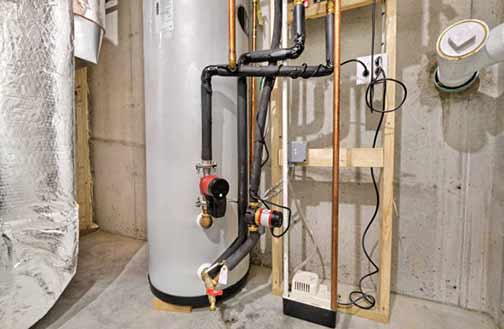
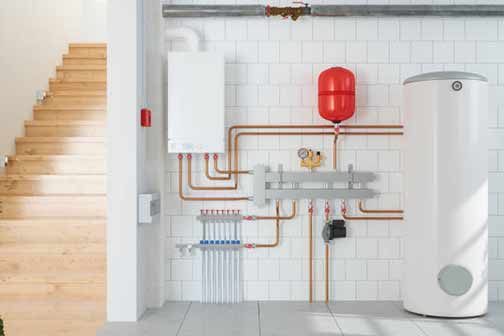
Buying a House: Why the Water Heater’s Condition is Key

water heater's condition

The Importance of a Water Heater in Your Home Purchase Decision

When purchasing a home, one of the most critical yet often overlooked components is the water heater. This essential appliance plays a vital role in ensuring comfort and functionality within a household. Understanding the condition of the water heater can significantly impact your investment decision, as it affects not only your daily living experience but also your long-term financial planning.

Water heaters are responsible for providing hot water for various household activities, including bathing, cooking, and cleaning. The uninterrupted supply of hot water is not just a matter of convenience but a necessity for maintaining a comfortable lifestyle. Imagine waking up to a cold shower or being unable to wash dishes with hot water; these disruptions can significantly affect your daily routine and overall satisfaction with your home.

Furthermore, the water heater’s condition can influence your home’s energy efficiency and utility bills. An old or inefficient water heater can consume more energy, leading to higher costs. Therefore, assessing the water heater’s condition before purchasing a home is crucial to avoid unexpected expenses and ensure a smooth transition into your new living space.

Understanding the Role of a Water Heater in Home Comfort

A water heater is a fundamental part of any home, providing hot water for various daily activities such as bathing, cooking, and cleaning. The comfort and convenience it offers are indispensable for maintaining a high quality of life. A malfunctioning or inefficient water heater can lead to disruptions in these daily routines, causing inconvenience and discomfort for the occupants.

Hot water availability is directly linked to the water heater’s performance. A well-functioning water heater ensures that you have a consistent and reliable supply of hot water whenever you need it. This is particularly important in regions with colder climates, where hot water is essential for maintaining warmth and comfort.

Moreover, the water heater’s efficiency can affect your home’s overall energy consumption. Energy-efficient models can significantly reduce your carbon footprint and contribute to a sustainable lifestyle. As environmental concerns become increasingly important, choosing a home with an efficient water heater aligns with modern living practices and can enhance your property’s appeal.

Assessing the Water Heater: A Professional Approach

When evaluating a potential home purchase, a professional inspection of the water heater should be a priority. This assessment includes checking for leaks, corrosion, and sediment build-up, as well as evaluating the age and efficiency of the unit. A professional plumber can provide insights into the expected lifespan of the tank and any potential maintenance or water heater replacement costs.

Professional inspections offer an unbiased evaluation of the water heater’s condition. Inspectors are trained to identify issues that might not be apparent to the untrained eye, such as subtle signs of wear and tear or inefficiencies in the system. Their expertise can help you make an informed decision about the property’s value and potential future expenses.

Additionally, plumber can advise on the latest water heater technologies and models that offer better efficiency and performance. This knowledge can be invaluable when negotiating the home purchase price or planning future upgrades to enhance your home’s functionality and comfort.

Signs of a Well-Maintained Water Heater

A well-maintained water heater will exhibit certain characteristics that indicate its good condition. These include a lack of rust or corrosion on the tank, a consistent and adequate supply of hot water, and a quiet operation without unusual noises. Additionally, the presence of regular maintenance records can be a good indicator of the unit’s reliability and longevity.

Regular maintenance is key to ensuring the water heater’s optimal performance. Maintenance tasks such as flushing the tank to remove sediment build-up, inspecting the anode rod, and checking the thermostat settings can prevent common issues and prolong the unit’s lifespan.

The water heater’s age is also an important factor to consider. While older units may still function adequately, they are more prone to breakdowns and inefficiencies. Understanding the unit’s age and maintenance history can help you anticipate future repairs or replacements, allowing you to budget accordingly.

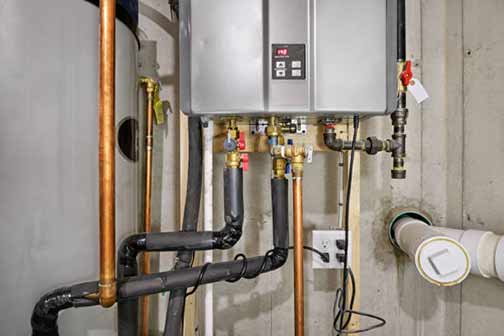
a tankless water heater in a home
Investing in a home with a newer, efficient water heater can result in substantial savings over time.

The Financial Implications of Water Heater Condition

The condition of the water heater can have significant financial implications for a homebuyer. An aging or inefficient water heater may lead to higher energy bills and unexpected repair or replacement costs. On the other hand, a modern, energy-efficient unit can contribute to lower utility expenses and enhance the overall value of the property.

Investing in a home with a newer, efficient water heater can result in substantial savings over time. Energy-efficient models consume less power, reducing monthly utility bills and minimizing environmental impact. These savings can accumulate over the years, making the initial investment in a home with a good water heater condition worthwhile.

Furthermore, the water heater’s condition can influence the property’s resale value. Potential buyers often consider energy efficiency and the condition of major appliances when evaluating a home’s worth. Ensuring that the water heater is in good condition can make your property more attractive to future buyers and potentially increase its market value.

Energy Efficiency and Environmental Considerations

In today’s environmentally conscious world, energy efficiency is a crucial factor in home buying decisions. Modern water heaters are designed to be more energy-efficient, reducing the carbon footprint of the household. Choosing a home with an efficient water heater not only benefits the environment but also aligns with sustainable living practices, which can be an attractive feature for future resale.

Energy-efficient water heaters use advanced technologies to minimize energy consumption while delivering optimal performance. Tankless water heaters, for example, provide hot water on demand without the need for a storage tank, reducing energy waste and offering a compact, space-saving solution.

Additionally, solar water heaters harness renewable energy from the sun to heat water, further reducing reliance on fossil fuels and lowering utility costs. Investing in a home equipped with such technologies can contribute to a greener lifestyle and demonstrate your commitment to environmental sustainability.

Negotiating Power: Using Water Heater Condition in Price Discussions

The condition of the water heater can be a valuable negotiating tool during the home buying process. If the water heater is nearing the end of its lifespan or requires significant repairs, buyers can leverage this information to negotiate a lower purchase price or request that the seller replace the unit before closing. This strategic approach can result in substantial savings and ensure that the home is move-in ready.

Understanding the water heater’s condition allows you to make informed decisions during negotiations. If the inspection reveals issues, you can use this information to justify a lower offer or request repairs before finalizing the purchase. Sellers are often willing to accommodate these requests to expedite the sale process.

Moreover, negotiating based on the water heater’s condition can prevent future expenses. Addressing potential problems before closing ensures that you won’t face unexpected repair costs shortly after moving in, allowing you to enjoy your new home without financial stress.

Long-Term Planning: Considering Future Water Heater Needs

When purchasing a home, it’s essential to consider your long-term needs and how the water heater fits into those plans. For instance, a growing family may require a larger capacity water heater, while a couple might prioritize energy efficiency. Understanding your future requirements can guide your decision-making process and ensure that your investment remains sound over time.

Assessing your household’s hot water needs can help you determine the appropriate water heater size and type. Larger families may benefit from water heaters with higher capacities to accommodate increased usage, while smaller households might prioritize efficiency and space-saving models.

Additionally, considering future upgrades or replacements is crucial for long-term planning. As technology advances, new water heater models with improved efficiency and features become available. Staying informed about these developments can help you make timely decisions to enhance your home’s comfort and value.

Conclusion: Making an Informed Investment Decision

In conclusion, the condition of the water heater is a key factor in the home buying process that should not be overlooked. By taking a professional approach to assess its condition, understanding its role in home comfort, and considering the financial and environmental implications, buyers can make a well-informed investment decision. Prioritizing this aspect of the home inspection can lead to enhanced comfort, savings, and satisfaction in your new home.

The water heater’s condition affects not only your immediate comfort but also your long-term financial planning and environmental impact. By thoroughly evaluating this component during the home buying process, you can ensure that your investment aligns with your lifestyle and future goals. Making informed decisions about the water heater can lead to a more enjoyable and sustainable living experience in your new home.

Understanding Main Water Line Repairs: Timeframes and Processes

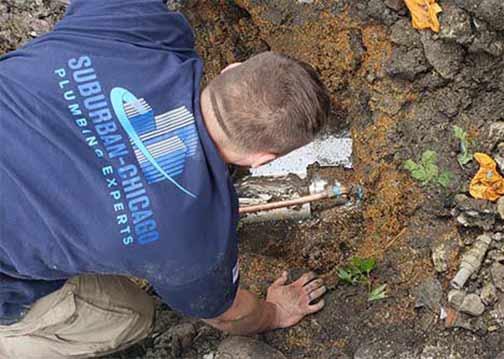
main water line repairs

Main water line repairs are a critical aspect of maintaining a safe and functional water supply system. These repairs can be complex, requiring specialized knowledge and equipment to ensure that the water supply is restored efficiently and safely. Understanding the timeframes and processes involved in these repairs can help homeowners and property managers plan and manage their water supply needs effectively. Below we get into the essential aspects of main water line repairs, exploring the typical durations, processes, and the role of professional services in handling these cases.

Understanding the Importance of Main Water Line Repairs

Main water lines are the primary conduits for water supply to homes and businesses. Any damage or disruption to these lines can lead to significant inconveniences and potential hazards. Repairing these lines promptly is essential to prevent water shortages, contamination, and further damage to the infrastructure. Plumbers play a crucial role in ensuring that repairs are conducted effectively and efficiently, minimizing the impact on residents and businesses. By understanding the importance of these repairs, property owners can appreciate the need for timely and professional intervention.

Factors Affecting Repair Times

The duration of main water line repairs can vary significantly based on several factors. These include the extent of the damage, the location of the line, the type of materials used, and the accessibility of the repair site. Additionally, weather conditions and the availability of necessary equipment and personnel can also influence repair times. Understanding these factors can help property owners and managers anticipate potential delays and plan accordingly. By considering these elements, one can better manage expectations and prepare for the associated challenges.

Typical Processes Involved in Main Water Line Repairs

Repairing a main water line involves several steps, each crucial to ensuring the integrity and functionality of the water supply system. The process typically begins with an assessment of the damage, followed by excavation to access the affected area. Once the line is exposed, the damaged section is repaired or replaced, and the area is backfilled and restored to its original condition. Plumbers ensure that each step is conducted with precision and care to prevent further issues.

Assessment and Diagnosis: The First Step in Main Water Line Repairs

The first step in repairing a main water line is to assess the extent of the damage. This involves inspecting the line to identify leaks, cracks, or breaks. Advanced technologies such as video inspection and leak detection equipment are often used to diagnose the issue accurately. This assessment is crucial for determining the appropriate repair strategy and estimating the time required for completion. By leveraging modern diagnostic tools, professionals can provide a more accurate and efficient repair process.

Excavation and Access: Reaching the Heart of the Problem

Once the damage has been assessed, the next step is to excavate the area to access the affected section of the water line. This process can be labor-intensive, especially if the line is located underground or beneath structures. Professional services use specialized equipment to ensure that the excavation is conducted safely and efficiently, minimizing disruption to the surrounding area. The excavation phase is a delicate balance of precision and care, requiring skilled plumbers to manage the complexities involved.

Repair or Replacement: Restoring the Water Supply

After gaining access to the damaged section of the water line, the repair process begins. Depending on the extent of the damage, the affected section may be repaired or replaced entirely. Plumbers use high-quality materials and techniques to ensure that the repair is durable and reliable. This step is critical to restoring the water supply and preventing future issues. By employing the right materials and methods, professionals can ensure a long-lasting solution to the problem.

Restoration and Cleanup: Returning to Normalcy

Once the repair is complete, the area is backfilled and restored to its original condition. This involves replacing soil, pavement, or landscaping that was disturbed during the excavation process. Professional plumbers ensure that the cleanup is thorough, leaving the site clean and safe for residents and businesses. This final step is essential for maintaining the aesthetic and functional integrity of the property. A well-executed restoration process is a testament to the professionalism and attention to detail of the repair team.

Role of Professional Plumbers in Main Water Line Repairs

Professional plumbers play a vital role in main water line repairs, providing the expertise and resources necessary to conduct repairs effectively and efficiently. These services are equipped with advanced technologies and skilled personnel to handle complex repairs and minimize disruptions. By relying on professional plumbers, property owners can ensure that their water supply is restored promptly and safely. The involvement of professionals is not just about expertise; it’s about trust and reliability in managing critical infrastructure.

Preventive Measures to Avoid Future Repairs

While main water line repairs are sometimes unavoidable, there are preventive measures that can help reduce the risk of damage and prolong the lifespan of the water supply system. Regular inspections and maintenance, proper installation techniques, and the use of high-quality materials can all contribute to preventing future issues. Property owners and managers should work with professional plumbers to implement these measures and protect their water supply system. Prevention is always better than cure, and proactive measures can save time, money, and inconvenience in the long run.

Conclusion: The Path to Reliable Water Supply

Understanding the timeframes and processes involved in main water line repairs is essential for managing water supply needs effectively. By recognizing the factors that affect repair times and the typical steps involved in the repair process, property owners can plan and manage their water supply needs more efficiently. Professional plumbers play a crucial role in ensuring that repairs are conducted safely and effectively, minimizing the impact on residents and businesses. By implementing preventive measures, property owners can reduce the risk of future repairs and maintain a reliable water supply system. In conclusion, a comprehensive approach to main water line repairs combines timely intervention, professional expertise, and preventive strategies to ensure a seamless and reliable water supply for all.

Sump Pump Health Check: When to Repair and When to Replace

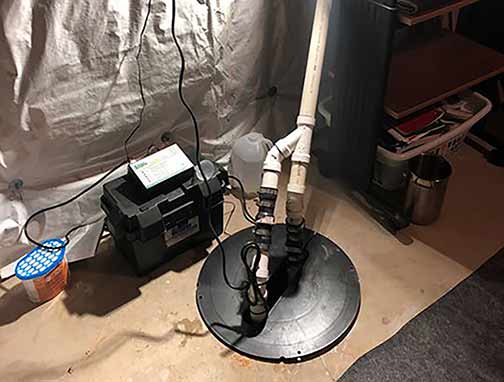
Sump Pump Health Check

Your basement sump pump will not last forever; eventually, you must replace this vital equipment. The question is, do you know when to replace it versus when to repair it?

Vacation Los Cabos notes that one thing you don’t want to do is replace your sump pump when it can still be repaired. The other thing you don’t want is to keep trying to fix a sump pump that should be discarded. Both scenarios will take money out of your pocket unnecessarily.

This post explains how to prolong the life of your sump pump by fixing it. It will help you make the timely decision to replace your sump pump when it reaches the end of its service life. You will also learn things you should know before replacing a sump pump.

When to repair a sump pump

There are several things you should look at to determine if repairing your sump pump is the most financially sensible option. Below is a list of sump pump problems that can be fixed. If the sump pump suffers from these issues, don’t replace it; fix it.

  1. A sump pump makes strange noises

A loud humming, rattling, or banging noise is usually a sign of a damaged impeller. If the broken impeller is removed and replaced, the sump pump will be fine. Do not use your sump pump if you think the impeller is damaged.

  1. The sump pump does not power on

If the sump pump is connected to power but not working, the float switch could be stuck. Clean the pump to get rid of debris interfering with the movement of the float. If the bracket holding the float is broken, replace it.

  1. Sump pump cycles continuously

This can happen when the float switch is stuck in the ON position. It could be that the sump pump is not big enough for the water entering the basin. It could also be due to a broken check valve or a blocked discharge line.

  1. Tripped circuit

If the power supply to the sump pump stops because of a tripped circuit, you may want to check if the switch is damaged and if there are no wiring issues with your sump pump. Make sure the sump pump is connected to a GFCI outlet.

  1. Installation problems

A badly installed sump pump will malfunction. Bad installation can cause a wide range of sump pump problems. Replacing a badly installed sump pump will not solve the problems if those installation errors are repeated.

How do you know when it is time to replace your sump pump?

When to replace your sump pump

Here are the things to consider when thinking of replacing your sump pump.

  1. The age of the sump pump

The lifespan of a typical sump pump is 7 to 10 years. If your sump pump has reached or passed the end of its projected service life, it makes no sense to keep repairing it. Instead, it should be replaced.

  1. The kind of damage

Minor problems like a clogged discharge line or stuck float switch are not enough reasons to replace a sump pump. But if you have issues like a burned-out motor or a sump pump that is frequently overwhelmed, you may need to replace it.

  1. The cost of repair

The cost of fixing a broken sump pump should be no more than a small fraction of the cost of buying a new one. If the cost of fixing your sump pump is close to the price of a new sump pump, you should replace the sump pump.

  1. The sump pump is too small

If the home’s needs were not properly assessed before the sump pump was installed, your house will not be adequately protected. If your sump pump is too small, the only thing you can do is to replace it.

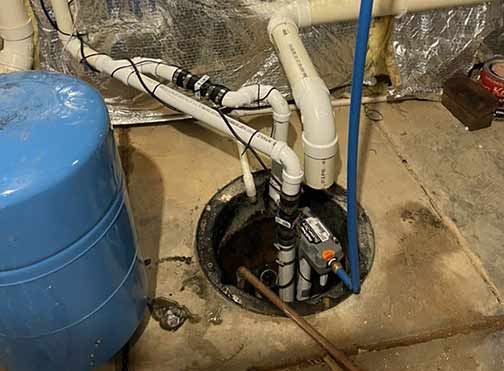
a freshly replaced sump pump
Installing a sump pump looks like an easy job until that badly-installed sump pump fails to protect your home from flooding.

Important considerations when replacing your sump pump

  1. Pump size and capacity

It is vital to have a professional plumber assess your home to determine the volume of water that is likely to flow into the sump basin. This determines the volume of the sump basin and the size and capacity of your sump pump.

  1. Discharge line length and location

Make sure the pumped water is discharged at a safe distance from your home. The ground should be properly graded to prevent backflow, and you don’t want plant, soil, or debris obstructing the opening of the discharge pipe.

  1. Think of maintenance

Ensure the different parts of the sump pump are easy to access for cleaning and maintenance. You may also want to install a sump pit cover to block debris from the sump basin.

Lastly, choose a professional installer. Installing a sump pump looks like an easy job until that badly-installed sump pump fails to protect your home from flooding. The cost of hiring a professional installer is far lower than the cost of fixing a water-damaged home. Choose wisely!

Drains 101: Kid-Friendly Tips for Keeping Pipes Clear

Kid-Friendly Tips for Keeping Pipes Clear

Small children view the faucets, bathtubs, toilet seats, sinks, and plumbing features in your home as an endless source of wonder and amusement, says KRS Property Management. They love the home’s plumbing as much as you do, but not for the same reasons that adults value and use these features.

Kids love that some of your home’s fittings are shiny and have lots of water for playing with. They are also fascinated by a drainpipe’s uncanny ability to make small items disappear. That’s why they poke small toys into the toilet, shower, or sink drain to see them magically vanish.

Because children are infinitely curious, they are driven to explore everything in their environment. That means that those funny-looking pipes underneath your kitchen sink and in other parts of your home will not be spared your children’s prying eyes and prodding fingers.

What is harmless fun to children can cause massive problems for you. When playing with your home’s plumbing, kids can accidentally flood the house. They can break expensive fixtures or even cause a sewer backup if they block the drainage lines with toys and small objects.

How do you protect your faucets, sinks, drainpipes, and other features of your plumbing from kids?

7 tips to childproof your home’s plumbing fixtures

  1. Install a safety toilet lock

Toilets are a favorite location for small children. Apart from the risk that they will get unsanitary water into their mouths, there is a possibility that they will dump toys, pets, or other objects into the toilet. Installing a safety lock on the toilet can help to minimize these risks. A safety lock will secure the lid of the toilet seat, making it almost impossible for kids to gain access to the bowl.

  1. Secure exposed pipes and fixtures

Exposed pipes under the sink and inside cabinets can attract the attention of small children. They can tug at these pipes and dislodge them. Also, children may be injured by the rough and sharp edges of exposed pipes. To protect the plumbing and prevent injuries, you can prevent access to pipes by locking cabinet doors. Adding foam insulation to pipes that cannot be hidden will make them safer and less prone to damage if children happen to interact with them.

  1. Install drain Covers

It is virtually impossible to keep your eyes on toddlers and two-year-olds all the time. You also cannot predict the infinite variety of items they will try to insert into the drains. The best way to protect your sanity and your home’s plumbing is to install drain covers on the drain openings in the house. Even if there are no small children in your home, drain covers are still necessary. They help to keep a myriad of stuff out of your drain lines and sewer system.

  1. Install anti-scald devices

Children will play with faucets. They will experiment with their ability to control the flow of water. And in the excitement of turning the water on and off, they may open the hot water tap and get burned. To prevent this, install anti-scald devices on your faucets and showerhead. Some new plumbing fixtures come with built-in temperature controls. However, you can also retrofit older faucets and showerheads with anti-scald devices at a very low cost.

  1. Educate your kids

Children love to flush the toilet. They are fascinated by the sound of water gushing into the bowl, swirling around, and, ultimately, disappearing some objects into the dark bowels of the toilet monster. You can manage your child’s curiosity by explaining what happens to items they flush into the toilet and letting them flush the toilet under supervision. You will find it helpful if you educate the kids on what they can and cannot flush into the toilet. The best way to do this is to set an example by not flushing the wrong items into the drains and toilets yourself.

  1. Lock your toilet

If all other measures fail, you may have to resort to locking your toilet, kitchen, and other high-risk areas of your home. If toddlers can’t wander into the toilet, they cannot toy with the toilet bowl. If they can’t enter the kitchen, they can’t play with the pipes under the kitchen sink. The general idea here is to restrict access to any part of the home where there is any piece of plumbing that can be damaged by kids.

  1. Clean your drains on a schedule

Professional drain cleaning will help you get rid of items your kids accidentally flush into the toilet. Hydro-jetting and sewer rodding are the top two recommended drain-cleaning methods, and they will dislodge toys and other small objects from your drainpipes and sewer system. Unlike chemical drain cleaners, hydro jetting, and sewer rodding will clear your drain lines without damaging the pipes.

Lastly, you should have a professional plumber inspect your entire plumbing, especially the drainage system, at least once every two years. Professional camera inspections of your sewer line will uncover issues that need urgent attention and save you money.

Hydro Jetting: The Safe and Powerful Alternative to Chemical Drain Cleaning

chemical drain cleaning alternatives

Do you use chemical drain cleaners as the go-to method for clearing out the clogged drains in your home? Chemical drain cleaners are marketed as a fast, reliable, affordable, and hassle-free option for unclogging blocked drains.

This claim is only partly true, says Mabry Property Management.

What is also true is that there are several things you don’t know about chemical drain cleaners. Today, we look at chemical drain cleaners, how they work, the risks they pose to your drains, and the best alternative to chemical drain cleaners.

What are chemical drain cleaners, and how do they work?

Chemical drain cleaners are drain-cleaning solutions that rely on chemical reactions to remove clogs inside your drainage pipes. Unlike other drain-cleaning methods, they do not rely on mechanical actions to unclog your blocked drains.

Chemical drain cleaners come in liquid, gel, or powder form. The three main types of chemical drain cleaners are caustic, oxidizing, and acid drain cleaners. Drain cleaners employ a wide range of substances as their active agents.

How do chemical drain cleaners work?

Every brand of chemical drain cleaner contains its own unique set of ingredients, but most are similar in one very important respect. They rely on the sudden release of intense heat within the pipes to clear the clogged drain.

Because of this, chemical drain cleaners pose a huge risk to PVC pipes. The heat generated by the active agent in the drain cleaner can melt plastic pipes, thereby compounding the issues in the drain line. Yet, this is not the only problem with chemical drain cleaners.

The trouble with using chemical drain-cleaners

  1. Chemical damage

In addition to heat damage, the powerful corrosives in chemical drain cleaners can destroy metal and plastic pipes. Older drain lines are highly vulnerable to damage by chemical drain cleaners.

  1. They are ineffective

Chemical drain cleaners don’t clear your drains. They eat through the blockage, leaving a hole for water to pass through. The rest of the clog stays inside the pipe and worsens with time.

  1. A safety hazard

Being denser than water, chemical drain-cleaners sink to the bottom of drainpipes and remain there. This toxic cocktail poses a danger to plumbers and anyone working with the pipes.

  1. Worsens blockages

Chemical drain cleaners may combine with the debris inside a drain pipe to form a cement-like residue. If this happens, it will defeat the purpose of using a chemical drain cleaner.

  1. Harms the environment

Chemical drain-cleaners may leach into the surrounding soil, find their way into groundwater, or enter nearby water bodies. They pose a major threat to wildlife, plants, soil, and humans.

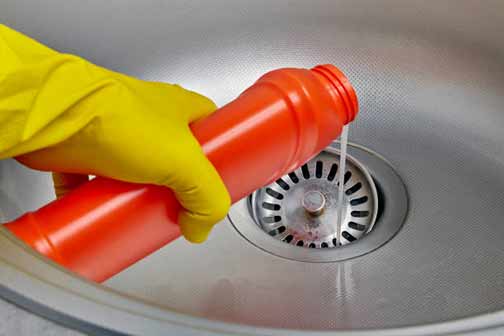
a person pouring chemical drain cleaner down their drain
Chemical drain cleaners don’t clear your drains. They eat through the blockage, leaving a hole for water to pass through.

What to use instead of chemical drain cleaners

Instead of chemical drain cleaners, the best way to clear out a blocked drain line without subjecting the pipes to avoidable risk is HYDRO JETTING. What is hydro-jetting, and why is it the preferred option for chemical drain cleaners?

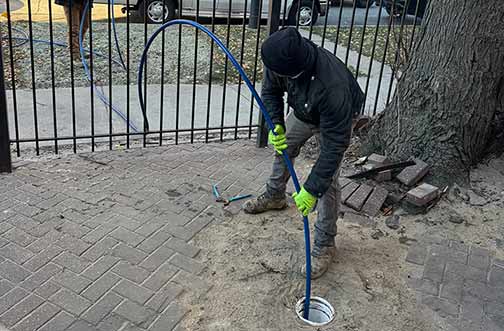
Hydro-jetting uses high-pressure water jets to clear clogs and debris inside your drainpipes and sewer lines. Hydro-jetting equipment comprises a stainless steel nozzle mounted on the end of a flexible cable.

This cable, with the attached nozzle, is inserted into a blocked drain while the other end is hooked to a pressurizing machine. A jet stream of water with an average force of 1500 psi is then fired into the pipe to clear out the clogs and debris inside the pipes.

Advantages of hydro-jetting over chemical drain-cleaners

  1. Hydro-jetting is versatile

It is effective for clearing every kind of buildup found in drain lines, including grease, sediment, tree roots, scale, ice, sand, and silt. Hydro-jetting works for residential and commercial plumbing, as well as pipes of all sizes.

  1. Thorough cleaning

Hydro-jetting will sour the walls of your pipes. It will get rid of the dirt clinging to the pipe surfaces. In addition to breaking up the debris inside the pipes, hydro-jetting flushes the dirt from your drains.

  1. Uses only water

No toxic or corrosive chemicals are used in hydro-jetting. There is no risk of heat or chemical damage to pipes. No chemical residue is left behind inside the drain lines, and no harm is done to the environment.

  1. Fast and affordable

The cost of hydro-jetting your drains is insignificant compared to the long-term damage of using chemical drain cleaners. By hydro-jetting your pipes, you prolong the life of your drainage system. Hydro-jetting does not take a lot of time.

  1. Perfect for preventive maintenance

Chemical drain cleaners complicate your drainage maintenance plan while inflating the cost of caring for your plumbing. Hydro-jetting, on the other hand, makes it easier to manage your drainage. By hydro-jetting your pipes on a schedule, you terminate the processes that cause clogs and blockages in the line.

Does your drainage system need hydro-jetting?

The answer is YES if you have chronically slow or clogged drains in your home. You also need hydro-jetting if you are dealing with sewage odors inside your home. Lastly, you need hydro-jetting if you are looking for a cost-effective way to maintain your drainage system.

Professional Plumbing Services: A Cheaper Alternative to DIY

professional plumbing services

When homeowners consider undertaking a DIY plumbing project, the primary motivation is often the perceived savings. The idea of sidestepping professional fees can indeed be enticing. However, the true cost of DIY plumbing projects frequently extends far beyond the initial savings. The expenses for materials and tools can quickly accumulate, especially if specific or high-quality items are required. Furthermore, the potential for mistakes is a significant factor. A seemingly simple error can escalate into a costly repair, turning a budget-friendly DIY project into an expensive ordeal. Additionally, the time investment required to research, purchase materials, and execute the task can be substantial. This time commitment detracts from the perceived savings, as the hours spent could be used more productively elsewhere.

Expertise: The Cornerstone of Professional Plumbing Services and Its Value

Professional plumbing services bring a wealth of expertise that is invaluable when tackling complex plumbing issues. Licensed plumbers possess in-depth knowledge and extensive training, enabling them to diagnose and resolve problems efficiently. Their expertise ensures that repairs are conducted correctly the first time, minimizing the risk of recurring issues. This level of proficiency is often unattainable for DIY enthusiasts, who may lack the technical know-how to address intricate plumbing challenges effectively. The value of this expertise lies in its ability to prevent costly mistakes and ensure the longevity and reliability of plumbing systems.

Efficiency: Time-Saving Benefits of Professional Plumbing Services

Time is a precious commodity, and professional plumbers are adept at completing tasks swiftly and efficiently. Their experience allows them to work quickly without compromising quality, reducing the duration of disruptions caused by plumbing issues. In contrast, DIY efforts can be time-consuming, particularly for individuals who are unfamiliar with plumbing systems. The efficiency of professional services not only saves time but also ensures that plumbing systems are restored to optimal functionality promptly. This swift resolution is crucial in preventing minor issues from escalating into major problems.

Avoiding Potential DIY Disasters: The Risks of Amateur Plumbing

DIY plumbing projects carry inherent risks, as even minor errors can lead to significant problems. Incorrect installations or repairs can result in leaks, water damage, and structural issues, necessitating costly repairs. Professional plumbers mitigate these risks by adhering to industry standards and utilizing their expertise to prevent mistakes. By entrusting plumbing tasks to professionals, homeowners can avoid the pitfalls of DIY disasters and the financial burden they entail. The peace of mind that comes from knowing that plumbing work is done correctly is invaluable.

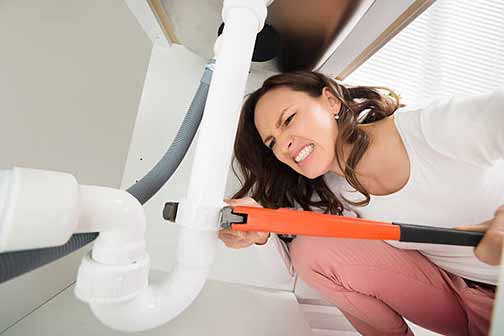
a woman attempting DIY plumbing repairs
DIY plumbing projects carry inherent risks, as even minor errors can lead to significant problems.

Long-Term Savings Through Professional Plumbing Maintenance

While DIY projects may offer short-term savings, professional plumbing services contribute to long-term financial benefits. Regular maintenance performed by skilled plumbers can prevent the deterioration of plumbing systems, extending their lifespan and reducing the need for frequent repairs. This proactive approach to plumbing maintenance ensures that potential issues are identified and addressed before they escalate, ultimately saving homeowners money in the long run. The investment in professional maintenance pays off by preserving the integrity of plumbing systems and avoiding costly emergency repairs.

The Value of Quality Assurance in Professional Plumbing Services

Professional plumbing services provide a level of quality assurance that is difficult to achieve through DIY efforts. Licensed plumbers adhere to stringent standards, ensuring that all work is performed to the highest quality. This commitment to excellence guarantees that repairs and installations are reliable and durable, minimizing the likelihood of future issues. The peace of mind that accompanies quality assurance is invaluable, as it alleviates concerns about the integrity of plumbing systems. Homeowners can trust that professional work will stand the test of time, providing a sound investment in their property.

Access to Advanced Tools and Technology: The Professional Advantage

Professional plumbers have access to advanced tools and technology that enhance their ability to perform repairs and installations efficiently. These specialized tools are often beyond the reach of DIY enthusiasts, who may rely on basic equipment that limits their effectiveness. The utilization of state-of-the-art technology enables professionals to tackle complex tasks with precision, further emphasizing the advantages of professional plumbing services over DIY efforts. This access to advanced resources ensures that plumbing work is completed to the highest standard, with minimal disruption and maximum efficiency.

Comprehensive Solutions for Complex Plumbing Issues

Plumbing systems are intricate networks that require comprehensive solutions to address complex issues. Professional plumbers are equipped to handle a wide array of plumbing problems, from minor repairs to major installations. Their ability to provide holistic solutions ensures that all aspects of a plumbing system are functioning optimally. DIY approaches may fall short in addressing multifaceted problems, highlighting the superiority of professional services in delivering comprehensive solutions. This comprehensive approach prevents future issues and ensures the long-term functionality of plumbing systems.

Ensuring Compliance with Building Codes and Regulations

Compliance with building codes and regulations is a critical aspect of plumbing work that DIY enthusiasts may overlook. Professional plumbers are well-versed in local codes and regulations, ensuring that all work is performed in accordance with legal requirements. This adherence to standards prevents potential legal issues and ensures the safety and integrity of plumbing systems. By opting for local plumber, homeowners can rest assured that their plumbing work is compliant and safe, avoiding costly fines and ensuring peace of mind.

Enhancing Property Value Through Professional Plumbing Services

The quality of a property’s plumbing system can significantly impact its value. Professional plumbing services enhance property value by ensuring that systems are well-maintained and functioning efficiently. Prospective buyers are often deterred by properties with outdated or poorly maintained plumbing, making professional services a worthwhile investment for homeowners seeking to maximize property value. The assurance of a reliable plumbing system is a compelling selling point that can attract buyers and enhance marketability. Investing in professional plumbing services is a strategic decision that can yield significant returns when selling a property.

Conclusion: Professional Plumbing Services as a Cost-Effective Choice

In conclusion, professional plumbing services offer a cost-effective alternative to DIY efforts, providing expertise, efficiency, and quality assurance that are difficult to achieve independently. The long-term savings, avoidance of potential disasters, and enhancement of property value underscore the advantages of entrusting plumbing tasks to professionals. By prioritizing professional services, homeowners can ensure the reliability and longevity of their plumbing systems, ultimately saving money and ensuring peace of mind. The decision to invest in professional plumbing services is not only financially prudent but also a wise choice for maintaining the integrity and value of one’s home.

Optimizing Hot Water Flow: Boost Your Home’s Efficiency

hot water flow

In today’s fast-paced world, the demand for efficient hot water systems in modern homes is at an all-time high. The rising energy costs and an increasing emphasis on sustainable living make optimizing hot water flow not only a matter of comfort but a crucial economic and environmental consideration. By enhancing the efficiency of your hot water distribution, you can enjoy reduced utility bills, a smaller carbon footprint, and a more reliable water supply, aligning with the needs of contemporary living.

Assessing Your Current Hot Water System for Optimal Performance

Before you can embark on any improvements, it is essential to understand your current hot water system thoroughly. This involves evaluating the type of water heater you have, its age, condition, and the overall layout of your plumbing. Regular inspections by a plumber can help identify inefficiencies or areas for improvement, such as leaks or outdated components that may cause the need for a premature water heater replacement. A detailed assessment is the cornerstone of any successful optimization strategy.

Choosing the Right Water Heater for Maximum Efficiency in Your Home

The selection of a water heater is a pivotal decision that can significantly impact your home’s energy efficiency. Modern options include tankless water heaters, which provide hot water on demand and eliminate the energy losses associated with storing hot water. Alternatively, heat pump water heaters use electricity to move heat from one place to another rather than generating heat directly, making them a highly efficient choice. Selecting a water heater that suits your household’s needs and energy consumption patterns is key to optimizing hot water flow and achieving long-term savings.

Implementing Smart Plumbing Solutions for Enhanced Hot Water Flow

Optimizing hot water flow also involves the implementation of smart plumbing solutions. Insulating hot water pipes can significantly reduce heat loss, ensuring that water reaches your taps at the desired temperature more quickly. Additionally, installing a hot water recirculation system can provide instant hot water at every faucet, reducing water waste and improving convenience. These solutions, while requiring an initial investment, often pay for themselves over time through energy savings and improved efficiency.

Adopting Energy-Efficient Practices to Boost Hot Water Efficiency

Beyond hardware upgrades, adopting energy-efficient practices can further enhance hot water flow optimization. Simple actions such as lowering the thermostat on your water heater, fixing leaks promptly, and using low-flow fixtures can significantly reduce your energy consumption. Educating household members about these practices ensures that everyone contributes to a more efficient and sustainable home environment, fostering a culture of conservation and responsible energy use.

Leveraging Technology for Enhanced Control and Efficiency in Hot Water Systems

Incorporating technology into your hot water system can offer greater control and efficiency. Smart thermostats and water heater timers allow you to schedule heating times, ensuring hot water is available when needed without wasting energy. Additionally, monitoring systems can provide real-time data on water usage and temperature, enabling you to make informed decisions about your water heating practices. Leveraging technology can transform your hot water system into a more responsive and adaptive component of your home.

Understanding the Economic Benefits of Optimizing Hot Water Flow

Optimizing your hot water flow is not only beneficial for the environment but also for your wallet. By reducing energy consumption, you can significantly lower your utility bills. Furthermore, many regions offer incentives and rebates for upgrading to energy-efficient water heating systems, providing additional financial benefits. Understanding these economic advantages can motivate homeowners to invest in optimization strategies, making it a financially savvy decision that pays dividends over time.

Environmental Impact of Efficient Hot Water Systems in Sustainable Living

Efficient hot water systems contribute to a more sustainable future by reducing greenhouse gas emissions. By minimizing energy waste, you can decrease your home’s carbon footprint and contribute to global efforts to combat climate change. As more households adopt these practices, the cumulative impact can lead to significant environmental benefits, supporting a collective movement towards a greener and more sustainable world.

Conclusion: A Seamless and Cost-Effective Hot Water Solution for Modern Living

In conclusion, optimizing hot water flow in your home is a multifaceted approach that involves evaluating your current system, choosing the right water heater, implementing smart plumbing solutions, adopting energy-efficient practices, and leveraging technology. By doing so, you can enjoy a seamless and cost-effective hot water supply that meets the demands of modern living. The benefits extend beyond comfort and convenience, offering significant economic and environmental advantages that contribute to a more sustainable future. Embracing these strategies can transform your home into a model of efficiency and sustainability, paving the way for a better tomorrow.

Why Copper Pipes Remain a Plumber’s Favorite: Benefits and Challenges

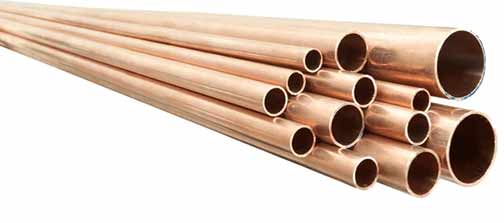
copper pipes

Copper pipes have been an indispensable component of the plumbing industry for several decades, and their popularity shows no signs of waning. Here we get into the reasons why copper pipes remain a favorite among plumbers, highlighting their numerous benefits and addressing the challenges they present in modern plumbing systems. Understanding the historical context of copper’s use in plumbing can provide valuable insights into its enduring appeal.

Durability: The Longevity of Copper Pipes in Plumbing Applications

One of the primary reasons copper pipes are favored in plumbing is their exceptional durability. Copper is a robust material that can withstand significant pressure and temperature variations, making it ideal for both residential and commercial plumbing systems. Unlike some other materials, copper does not degrade or weaken over time, ensuring a long-lasting plumbing solution. This durability translates into fewer repairs and replacements, ultimately saving homeowners and businesses money in the long run. The longevity of copper pipes is a testament to their resilience, as they can last for decades without losing their structural integrity.

Reliability: Ensuring Consistent Performance in Plumbing Systems with Copper

Reliability is another key factor that makes copper pipes a preferred choice for plumbers. Copper’s natural properties make it resistant to corrosion and rust, which are common issues with other piping materials. This resistance ensures that copper pipes maintain their integrity and performance over time, providing a consistent and reliable flow of water. Additionally, copper’s bacteriostatic properties inhibit the growth of bacteria within the pipes, contributing to a healthier plumbing system. This reliability is crucial in ensuring that plumbing systems function efficiently and effectively, minimizing the risk of water contamination and system failures.

Versatility: Copper’s Adaptability to Various Plumbing Applications

Copper pipes are incredibly versatile, making them suitable for a wide range of plumbing applications. Whether it’s for hot or cold water supply, heating systems, or gas lines, copper pipes can handle it all. Their flexibility allows for easy installation in tight spaces and complex plumbing layouts. Furthermore, copper pipes can be joined using various methods, including soldering, brazing, and compression fittings, providing plumbers with multiple options for creating secure and leak-free connections. This versatility makes copper an ideal choice for both new installations and retrofitting existing systems, as it can seamlessly integrate with various plumbing configurations.

Environmental Benefits: Copper as a Sustainable Choice for Plumbing

In today’s environmentally conscious world, the sustainability of materials is a significant consideration. Copper is a recyclable material, making it an eco-friendly choice for plumbing systems. When copper pipes reach the end of their lifespan, they can be recycled and repurposed, reducing waste and conserving natural resources. This sustainability aspect aligns with the growing trend towards greener building practices and makes copper an attractive option for environmentally conscious consumers and builders. By choosing copper, consumers can contribute to a more sustainable future while enjoying the benefits of a durable and reliable plumbing system.

copper pipes for plumbing
The timeless look of copper complements a variety of architectural styles, from traditional to contemporary, enhancing the overall visual appeal of a space.

Aesthetic Appeal: The Timeless Look of Copper in Plumbing Design

Beyond their functional benefits, copper pipes also offer aesthetic appeal. The warm, metallic hue of copper adds a touch of elegance and sophistication to any plumbing system. This aesthetic quality is particularly appreciated in visible plumbing installations, such as in kitchens or bathrooms, where the pipes can be left exposed as a design feature. The timeless look of copper complements a variety of architectural styles, from traditional to contemporary, enhancing the overall visual appeal of a space. This aesthetic versatility allows copper to be used in both functional and decorative capacities, adding value to any property.

Challenges: The Drawbacks of Using Copper Pipes in Modern Plumbing

While copper pipes offer numerous advantages, they are not without their challenges. One of the primary drawbacks is the cost. Copper is a premium material, and its price can fluctuate significantly based on market conditions. This cost can be a barrier for some projects, particularly those with tight budgets. Additionally, the process of repiping a home with copper pipes requires a certain level of skill and expertise, as improper installation can lead to leaks and other issues. Plumbers must be well-trained in working with copper to ensure a successful installation. This need for specialized skills can increase labor costs and limit the availability of qualified professionals.

Compatibility Issues: Copper and Modern Plumbing Systems

In some cases, copper pipes may not be compatible with certain modern plumbing systems. For example, copper can react with certain types of water, leading to corrosion and pinhole leaks. This issue is more prevalent in areas with highly acidic or alkaline water. To mitigate this risk, plumbers may need to use protective coatings or install dielectric unions to prevent direct contact between copper and other metals. These additional measures can add to the overall cost and complexity of a plumbing project. Understanding these compatibility issues is crucial for ensuring the long-term performance and reliability of plumbing systems that incorporate copper pipes.

Future Prospects: The Role of Copper Pipes in Emerging Plumbing Technologies

As plumbing technology continues to advance, the role of copper pipes in emerging systems remains a topic of interest. Innovations in plumbing materials and techniques may influence the future use of copper, but its inherent qualities suggest that it will continue to play a significant role. The adaptability of copper makes it compatible with new technologies, such as smart plumbing systems, which require durable and reliable materials. Additionally, the increasing emphasis on sustainability and energy efficiency may further enhance copper’s appeal, as it aligns with these broader industry trends. The future of copper pipes in plumbing is likely to be shaped by a combination of traditional practices and modern innovations, ensuring their relevance in an ever-evolving industry.

Conclusion: The Enduring Choice of Copper Pipes in Plumbing

Despite the challenges, copper pipes remain a favorite among plumbers for their durability, reliability, and versatility. Their long-lasting performance and aesthetic appeal make them a valuable addition to any plumbing system. As the industry continues to evolve, copper pipes are likely to maintain their status as a trusted and reliable choice for top plumbing professionals and homeowners alike. By understanding both the benefits and challenges of copper pipes, consumers can make informed decisions about their plumbing needs, ensuring a system that is both functional and sustainable. Copper’s enduring popularity is a testament to its effectiveness as a plumbing material, and its continued use will likely shape the future of the industry.

Recognizing a Sewer Line Clog: Essential Knowledge for Homeowners

Recognizing a Sewer Line Clog

For homeowners, maintaining a smooth-running household involves ensuring that all plumbing systems are functioning correctly. One of the most critical components of a home’s plumbing system is the sewer line. Recognizing when a sewer line is clogged is crucial for preventing more severe plumbing issues. Below we aim to equip homeowners with essential knowledge on identifying sewer line clogs and understanding when professional intervention is necessary. By understanding the intricacies of sewer line clogs, homeowners can take proactive steps to protect their homes and ensure the longevity of their plumbing systems.

Identifying the Signs of a Sewer Line Clog: Early Detection for Prevention

Sewer line clogs can manifest in various ways, and being able to identify these signs early can save homeowners from costly repairs and potential health hazards. Common indicators include slow drains, unusual sounds, and unpleasant odors emanating from plumbing fixtures. Early detection is key to preventing further complications and ensuring the efficient operation of your home’s plumbing system.

Slow drains are often the first noticeable sign of a clog. If you find that water is draining slower than usual in sinks, bathtubs, or showers, it might indicate a blockage in the sewer line. This slowdown occurs because the water flow is hindered by the obstruction, causing it to back up and drain more slowly. Similarly, gurgling sounds coming from drains can suggest air trapped in the plumbing system due to a clog. These sounds occur when air is displaced by water trying to pass through a partially blocked pipe.

Additionally, foul odors near plumbing fixtures or outside the home can signal that waste is not being adequately transported away from the house. These odors are a result of waste buildup and can be a clear indication of a blockage in the sewer line.

Common Causes of Sewer Line Clogs: Understanding the Root of the Problem

Understanding the causes of sewer line clogs can help homeowners take preventive measures. These blockages can result from various factors, including the accumulation of debris, tree root intrusion, and aging pipes. By identifying the root causes, homeowners can implement strategies to prevent future clogs and maintain the integrity of their plumbing systems.

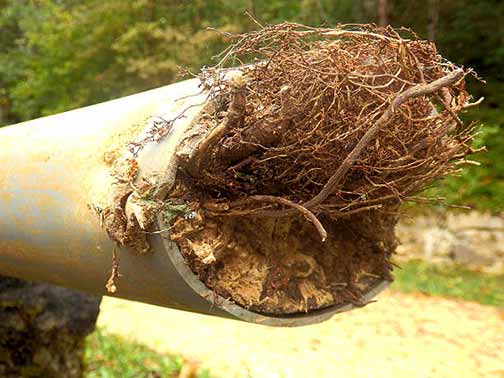
Debris accumulation is a frequent cause of clogs. Items that should not be flushed down toilets or poured down drains, such as grease, food particles, and non-flushable wipes, can build up over time and obstruct the sewer line. Grease, in particular, can solidify and create a sticky barrier that traps other debris, leading to a significant blockage. Tree roots pose another significant threat, especially in older homes where sewer lines may be made of clay or other materials susceptible to root penetration. As trees grow, their roots naturally seek out sources of water and nutrients, and sewer lines can provide an ideal environment.

Lastly, aging pipes can deteriorate, leading to cracks and blockages. Over time, pipes may corrode or become brittle, making them more susceptible to damage and blockages.

Preventive Measures to Avoid Sewer Line Clogs: Proactive Steps for Homeowners

Homeowners can take proactive steps to minimize the risk of sewer line clogs. Regular maintenance and mindful disposal of waste are key strategies in preventing blockages. By adopting these preventive measures, homeowners can reduce the likelihood of clogs and ensure the efficient operation of their plumbing systems.

Routine inspections by a professional plumber can help detect potential issues before they escalate. Professional plumbers have the expertise and tools to identify early signs of blockages and address them promptly. Additionally, homeowners should be cautious about what they flush or pour down drains. Using drain screens to catch hair and debris and avoiding pouring grease down the sink are simple yet effective measures. These practices can prevent the accumulation of debris and reduce the risk of blockages.

Furthermore, planting trees away from sewer lines can prevent root intrusion. By being mindful of the placement of trees and shrubs, homeowners can protect their sewer lines from root damage.

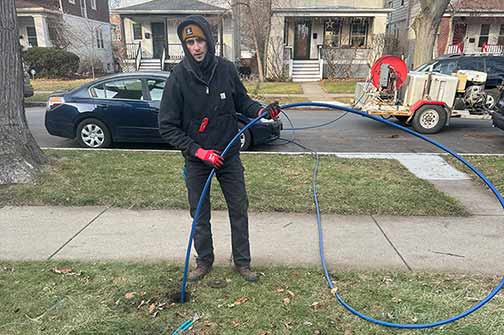
a professional hydro jetting service
Hydro-jetting tools use high-pressure water streams to clear stubborn blockages and clean the interior of pipes.

When to Seek Professional Help: Knowing When to Call the Experts

While some minor clogs can be resolved with DIY methods, there are situations where professional help is necessary. Persistent clogs, multiple affected drains, or visible sewage backup are clear signs that a plumber should be called. Recognizing when to seek professional assistance is crucial for preventing further damage and ensuring the efficient resolution of clogs.

Professional plumbers have specialized equipment such as sewer cameras and hydro jetting tools that can efficiently diagnose and resolve severe clogs. Sewer cameras allow plumbers to visually inspect the inside of pipes and identify the exact location and nature of the blockage. Hydro jetting tools use high-pressure water streams to clear stubborn blockages and clean the interior of pipes.

Attempting to fix complex blockages without professional assistance can lead to further damage and costly repairs. Homeowners should not hesitate to call a professional plumber when faced with severe or persistent clogs.

The Importance of Regular Sewer Line Maintenance: Ensuring Long-Term Plumbing Health

Regular maintenance of sewer lines is vital for ensuring the longevity and efficiency of a home’s plumbing system. Scheduled cleanings and inspections can prevent clogs and identify potential problems early. By prioritizing regular maintenance, homeowners can protect their plumbing systems and avoid costly repairs.

Homeowners should consider annual or bi-annual professional sewer camera inspections to keep their sewer lines in optimal condition. These inspections can catch minor issues before they develop into major problems, saving time and money in the long run. Professional plumbers can also perform routine cleanings to remove debris and buildup, ensuring the smooth operation of the sewer line.

By investing in regular maintenance, homeowners can extend the lifespan of their plumbing systems and prevent unexpected issues.

Understanding the Health Implications of Sewer Line Clogs: Protecting Your Family’s Well-Being

Beyond the inconvenience and potential damage to property, sewer line clogs can pose health risks to homeowners. Exposure to sewage can lead to illnesses and infections, making it crucial to address clogs promptly. Understanding the health implications of sewer line clogs is essential for protecting the well-being of your family.

Standing water and sewage backups can harbor bacteria, viruses, and other pathogens. These microorganisms can pose serious health risks if they come into contact with skin or are inhaled. Homeowners should be aware of these risks and take immediate action to resolve any clogs to protect their health and well-being. Promptly addressing clogs and ensuring the proper disposal of waste can minimize the risk of exposure to harmful pathogens.

Conclusion: Empowering Homeowners with Knowledge and Action

Recognizing the signs of a sewer line clog and understanding the importance of professional intervention is essential for homeowners. By staying informed and taking preventive measures, homeowners can ensure their plumbing systems remain efficient and avoid the costly repercussions of neglected clogs. Knowledge is power, and by equipping themselves with the right information, homeowners can take control of their plumbing systems and protect their homes.

With the right knowledge and proactive approach, homeowners can protect their homes and health from the adverse effects of sewer line clogs. Regular maintenance, mindful disposal practices, and timely professional assistance are key components in maintaining a healthy plumbing system. By prioritizing these strategies, homeowners can enjoy peace of mind and the efficient operation of their plumbing systems for years to come.