Author Archives: Chicago Plumbing Experts

How to Save Money and Water Using Plumbing Fixtures

How to Save Money and Water Using Plumbing Fixtures

An efficient building is not only sustainable but cost-efficient as well. One way of saving operational costs is through the strategic use of the water supply using various plumbing fixtures. To reduce water costs, you can use these fixtures and tips to ensure that you are using your water efficiently:  

Regular Maintenance  

The primary cause of water waste is leakage, and you might not see them until they necessitate a significant repair. Minor plumbing issues that you initially thought were irrelevant can cause considerable damage and inconvenience to the building occupants.  

A well-maintained plumbing system can help you reduce costs. A plumber will inspect for leaks in the faucets, drainage, and toilets during the inspection.  

Install access doors in critical locations to make things more convenient for the plumber during maintenance or repair. A stainless steel access door with a surface mount is an excellent way of providing access to plumbing components while protecting them from unauthorized access.  

Install a Quality Shower Head

Another standard fixture notorious for wasting water is broken or outdated shower heads. Experts suggest using high-quality shower heads since traditional models use up to two and a half gallons of water per minute. Newer models effectively reduce the volume of water that travels through the shower head. 

Invest in Valves That Reduce Pressure  

A skilled plumber must check the water pressure as routine maintenance. If the PSI is unusually high, they may advise you to install a pressure-reducing valve (PRV). It’s applicable in many settings, including apartments, where the average plumbing system can operate at 35 psi.  

The issue is that many people are unaware that they are using significantly more pressure than is necessary. You can reduce water pressure by installing these valves on your main supply line. It reduces the amount of waste and extends the life of your plumbing.  

a water saving showerhead.

Experts suggest using high-quality shower heads since traditional models use up to two and a half gallons of water per minute.

Switch to High-Efficiency Toilets   

Older toilets tend to use about 3.5 gallons every flush and are a significant source of water waste. Newer, highly efficient models can cut flush volume to as little as 1.3 gallons. These toilets can reduce flushes by incorporating gravity and air pressure into the design. The upgraded feature allows the removal of waste without consuming much water.  

The following are examples of variations that you can apply to your setting:  

  • Waterless urinals for commercial use  
  • Dual flush toilets  

 Install Water-Saving Faucets   

Decreasing the volume of water you utilize will help you save money and energy. According to the EPA, faucets account for 15% of indoor residential water use. Another study found that water-saving taps can keep your water consumption by 15%. As a result, it would be best to upgrade your faucet to one suitable for your plumbing fittings.  

Purchasing gaskets and aerators for your tap is also a wise decision. You can reduce water flow while keeping the pressure when you do so. The update will reduce your water consumption from 2.2 gallons to 1.5 gallons per minute.  

 Recirculate Your Hot Water Systems  

The distance between you and your heat source may cause some water waste. The farther it is from the outlet, the longer it takes for you to get your hot water. It can waste water if you wait for the correct temperature. Prevent this by recirculating the pump transporting water to the outlet.  

Check if your system sends hot water from your supply to your taps or showers to prevent waste from the cold water that drains as you wait. You can also conserve water by doing regular water heater maintenance to prolong the life of your water heater.  

The Takeaway  

Maximizing your potential to save water by making your plumbing more efficient is necessary for this day and age as many industries aim toward sustainability.

Knowing and understanding the benefits and how they impact your building over time would require professional help, so ensure that you work closely with an expert plumber to guarantee the best outcome for your setting.  

6 Ways to Prolong the Lifespan of Your Plumbing System

6 Ways to Prolong the Lifespan of Your Plumbing System

We can safely assume the plumbing system within your house is not going to last forever. Its constant use does not extend its longevity period, for certain. In any case, that everyday pressure due to incessant water flow will ultimately impact your piping system in a detrimental manner in the long run. Now, winter is somewhat out of reach for us at the moment, but it doesn’t mean that you shouldn’t prepare for it as best you can because winter is probably the toughest season of the year for your plumbing system. What we are saying here is that the holiday season with all the food residue, fat, and oils going through your kitchen isn’t precisely your plumbing system’s favorite subject. In the post you are currently reading, we will illustrate 6 methods to prolong the lifespan of your plumbing system.

#1 Always rely on professionals (no DIY shenanigans)

Now, now. We are not saying you should not touch your plumbing or something. Still, we don’t think that is always such a good idea (especially when we are talking about large-scale issues). Here is why: because many folks believe the prices of plumbing services go beyond what they can afford, they might resort to trying to fix a particular plumbing issue in a DIY manner. Even though they had the best intentions, sometimes they end up causing more damage than there already was. If there is a major repair to be done, we would always recommend you avoid going DIY and call a local plumber to handle the process. Just so you do not end up paying more because you have wanted to save some funds. It would be downright ironic, don’t you think?

A professional plumber working

If there are major issues to be handled, it’s always best you call professionals instead of trying your luck DIY-style.

#2 Winter is coming (preparations)

As we have mentioned above, winter is probably the worst season for your pipes. That is because harsh temperatures present a serious risk for your water pipes unless, of course, you have done everything that is in your power to prepare them for winter. So, if you are sporting outdoor faucets outside your home, you will want to shut off their water supply for the upcoming winter. You will not have to go through a plumbing issue hell once the moment to use them again comes. Here is what can happen: if you do not shut off the water supply and water is left running as if nothing has changed, the frozen buildup can result in your pipes bursting inside or under your house. Needless to say, that is a holiday surprise you would most likely want to skip! 

#3 Schedule plumbing maintenance every once in a while (waiting is not good)

Just picture this: your plumbing system resembles your body. You should schedule maintenance every once in a while, just like you would go to the doctor’s office for a seasonal check-up. It’s very simple! Speaking of the doctor’s office, you might have seen a poster saying: prevention is better than cure. Remember that one? If so, know that you’ll want to schedule regular plumbing maintenance every six months (in the best possible scenario) or, at the very least, once a year. If a professional detects an issue with your plumbing system, you will pay a lot less by fixing it right after it has appeared. Waiting will not do you any good, say the folks at statetostatemove.com, quality movers that had their share of relocating folks from flooded homes. If they do not know what’s up, there is a good chance that no one does. 

A calendar with a marker placed on top of it

You should schedule regular plumbing maintenance because you know what they say: prevention is always better than cure!

#4 Buy the plumbing parts yourself (stock up)

Of course, one needs to afford the action we have suggested in the paragraph above (regular plumbing maintenance). Anyway, you will need to be clever about your finances and find a way to greatly reduce your plumbing bills. Here’s our recommendation: either you should buy the parts yourself before an issue appears (stock up), or you will want to ask your plumbers what kind of parts they need in order to fix the issue with your plumbing system. The thing is: if you buy the parts yourself, there’s a chance you will go through the process in a cheaper mode since it will cost you more to let plumbers buy the parts themselves. 

#5 Pay attention to the water heater (regular maintenance)

The next thing on our list of 6 ways to prolong the lifespan of your plumbing system concerns your trusty water heater. The thing is: sediments will build up inside it over a period of time. Needless to say, these little minerals will significantly reduce your heater’s ability to produce hot water because they will pile at the bottom of it. So, how does one maintain a water heater? You’ll want to flush it about once a year (at least); that way, you will save a lot of funds you would otherwise spend on a water heater replacement. Not to mention the fact you will have hot water to help you survive the winter.

a shower head

By regularly maintaining your water heater, you won’t have an issue with it producing hot water during colder winter months.

#6 Keep your drains clean (prevent clogging)

Okay, last but not least, on the list of 6 ways to prolong the lifespan of your plumbing system, we suggest you keep your drains clean from everything that can harm your plumbing system. You will want to control what goes in the drains (no turkey skin or oils or potato peels or whatever). Keep in mind that drain covers are pretty inexpensive and can help you save some good money you would otherwise waste on pricey repairs. Also, mind what you are flushing down the toilet. In other words: avoid flushing paper towels, dental floss, etc. If for some reason, you end up with a toilet that is clogged, it is best you use a good old plunger instead of various chemical drain cleaners as they can cause further damage to your pipes. Their usage can result in pipes corroding and even—cracking since the product will leave hazardous traces. 

Everything You Need to Know About Sewage Ejector Pumps

Everything You Need to Know About Sewage Ejector Pumps

Sewage backup is one of the most damaging plumbing emergencies you can have in your home. Imagine the horror of sewage flowing into your home, not only ruining your floors and belongings but also subjecting your home to terrible smells. If you’re a landlord, you already know this means your property will be deemed uninhabitable. This is a plumbing issue you can certainly do without.

One trusted way to prevent this problem in your home is to install a sewage ejector pump in the house. But what is a sewage ejector pump? How does it work? What do you need to know before installing a sewage ejector pump in your home?

What is a sewage ejector pump?

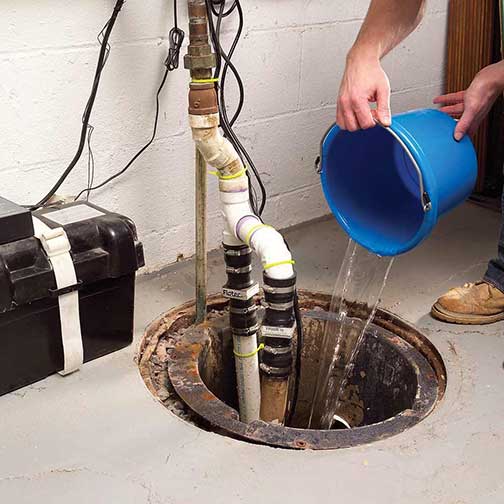
A sewage ejector pump operates on the same principle as a sump pump. Just like a basement sump pump, this system comprises of a pump housed inside a basin. This basin or holding tank, along with its pump, is located below ground inside the home.

But unlike a sump pump system, which is designed to remove floodwater entering the home, a sewage ejector pump system holds wastewater from the home before pumping it into the main sewer lines in the street.

How does a sewage ejector pump work?

  • Waste from the various plumbing fixtures in the home flows easily into the basin because the drain lines are sloped down into the sides of the basin.

  • For a moderate-sized home, the basin can hold up to 30 gallons of waste. This water will stay inside the basin until it reaches a certain level.

  • Inside the basin are movable floats that rise with the water level. When the water in the basin reaches the threshold, the flotation device triggers a switch to activate the pump.

  • The pump removes the wastewater by raising it to the level of the main sewer line in your home or the city sewer lines in the street.

  • Once the basin is emptied to a specified level, the pump shuts down.

  • But before the liquid is pumped out of the basin, it passes through a grinder inside the sewage ejector, which breaks apart the clumped solid waste.

  • Most sewage ejector systems have a water level alarm that triggers when the water in the basin rises to a certain level. If this alarm goes off, it means there is a problem with the pumping mechanism.

  • A lot of sewage ejector systems are equipped with a secondary pump which serves as a backup when the main pump fails or is being repaired.

Does your home need a sewage ejector pump?

Your home needs a sewage ejector pump if the bathroom, laundry, or any plumbing fixture in the house is located at a level below the main sewer lines in the street. Where the municipal lines are located higher than a fixture in the home, wastewater will not flow properly.

This is because the flow of wastewater from your home depends on gravity. In order to flow freely, water must be able to move in a downstream fashion. In other words, your home’s plumbing fixtures must be located at a higher level than the city’s sewer lines.

Ejector pumps are also needed in homes with a septic drain-field system, such as those found in rural areas. Without a sewage ejector system, homes that fit the above description run the risk of sewage backing up into the basement or sewer gas seeping into the home.

ejector pump replacement

Before you install a sewer ejector pump system

What do you need to know or get before installing a sewage ejector pump system in your home?

  • A permit – In most locations, you will require a permit to install a sewage ejector pump system in your home. This is because of the potential damage to the city’s sewer lines if your home’s sewage ejection pump is not properly installed.
  • Pump size – Sewage ejector pumps come in a range of sizes. The right pump for your home depends on the amount of wastewater generated by the home. Typically, an average-sized home needs a pump with a ½ – ¾ hp motor.
  • BudgetSewage ejector pumps cost anywhere from $400 to $1000. This price depends on the size and brand of the pump. If the pump system will not be subject to heavy use, you can get away with buying a less expensive one. But you really don’t want a system that you will have to repair often. Worse, if the pump fails it can cost you tens of thousands of dollars worth of damage.

Other system components – In order to function properly, the system needs the following:

  • A sump basin – The underground tank where sewage water is stored until it is removed.
  • Vents – Vents help to equalize air pressure and also provide an outlet for sewer gases.
  • Check valve – This is located between the outlet pipe and the main sewer line, to prevent backups.
  • The right contractor – Due to the critical role of the sewage ejector system, this is not a job you should attempt to do yourself. It is best to hire a skilled plumber for an ejector pump installation.

Signs Your Chicago Restaurant Grease Trap Needs Cleaning

Signs Your Chicago Restaurant Grease Trap Needs Cleaning

As a Chicago restaurant owner, there are many things you’ll have to keep an eye on. One of them, there’s no doubt about it, is your trusty grease trap. It doesn’t sound like a lot of fun, right? Right. Luckily, we’ve decided to make the job easier for you. In other words: we’ve selected the most common signs your Chicago restaurant grease trap needs cleaning. Without further ado, let’s take a look at them! 

What is a grease trap?

Here’s something you might want to call a standard definition of a grease trap: a plumbing device with a role to intercept a fair amount of greases and solids before they’re allowed entry into the wastewater disposal system. Once that process’s over, the smaller amounts of oil that have pushed through will enter the sewer line (which also might need a deep clean) and certain treatment facilities. That way, the floating scum layers are formed. 

Why should you keep your grease trap clean?

Needless to say, keeping your grease trap in proper condition (clean) is the best way to ensure there won’t be any foul odors inside your Chicago restaurant’s kitchen. Also, there’s another reason why a clean grease trap is very beneficial: you’ll rest assured knowing you’ve cleared any possibility of your kitchen being a health hazard to your employees, clients, or guests! 

Will a faulty grease trap cause bad reviews?

As we’ve already said, an unkempt grease trap might be a health issue for your guests. Needless to say, they won’t be happy about it, so you can count on some bad reviews. Online reviews have a tremendous amount of power today, as professionals at usamovingreviews.com can attest. Nowadays, nobody chooses moving companies without reading plenty of reviews about them. And it’s the same with restaurants. More than once, bad reviews have resulted in businesses shutting down. So, you’ve got some good reasons to keep your kitchen clean as a whistle! Now that we’ve got that one out of the way, let’s see those signs your Chicago restaurant grease trap needs cleaning! 

A pair of cheeseburgers inside the greasy frying pan.

The grease trap is there to prevent most of the grease and solids that go through your restaurant from entering the wastewater disposal system.

#1 There’s a special kind of stench coming from the kitchen

This is one of the more obvious ways you can tell something’s wrong. As always, our sense of smell is there to tell the difference. Anyway, odors appearing suddenly that have no immediate explanation are probably a clear sign that your Chicago restaurant grease trap needs cleaning. For instance, you might think it’s coming from the garbage. So you throw the trash away, but the smell’s still there. 

How does one recognize this “brand” of stench? You’ll want to know that a grease trap usually smells like a combo of cooking oil, food waste, grease, and sludge, all accumulated over time. If you notice a smell that seems to escape every explanation (except the one where there’s a grease trap involved), it must be the thing! 

#2 When’s the last time you’ve cleaned the grease trap?

If you’ve got a hard time answering this one because you can’t quite remember the answer since it’s been a long time, it might just mean it’s time to clean your grease trap. Usually, you’ll want to clean your grease trap every three months or so. If it’s possible, organize the cleaning ordeal even more frequently! That’s especially important if you’re running a busy Chicago restaurant. You will “escape” specific issues related to your dirty grease trap and help make your kitchen fit the standard proposed by the EPA (Environmental Protection Agency) and Health Department.

a chef holding a fryer

Clean your grease trap every three months and you won’t have to worry about the signs that your Chicago restaurant grease trap needs cleaning.

#3 We’ve found grease in an unusual place

There probably isn’t a more visible sign that your restaurant grease trap needs cleaning than grease appearing everywhere, even in the most unusual spots around your kitchen. It’ll leave you wondering: now, wait a minute, how’s this even possible? Here’s the answer: if the grease trap “decides” to clog up, the extra grease might find its way through the most accessible exit door such as sinks, sewer pipes, water lines, etc. Once that happens, it’s no wonder that grease ends up just about everywhere around the kitchen. If you notice this, make sure you always inspect if the grease trap’s causing the issue; clean the kitchen thoroughly of any grease deposits that might’ve built up! 

#4 Blocked or slow drainage

What would you say is one of the main reasons some sink drains clog up? If you were to say a dirty grease trap, you’d be absolutely right! Remember the famous acronym called FOG (Fats, Oils, and Greases)? If so, you’ll want to know that they’ll start to solidify once they accumulate inside your grease trap. Some time passes, and you’re stuck with a trap that’s full of dense grease. That will make it difficult for water to flow through the sink drain, resulting in very slow waste movement. Eventually, this will lead to some significant issues. The worst of them might cause your restaurant to close temporarily.

There’s no need to emphasize that as soon as you notice excessive amounts of grease buildup inside the trap, it’s time you call professionals for a vacuum pump truck service.

a chef inside the kitchen

An unkempt grease trap might even result in your Chicago restaurant temporarily closing down, so think about that one!

Something of a conclusion

That’s about it on the signs that your Chicago restaurant grease trap needs cleaning! For the end, we’ve left a little suggestion you might find helpful when the time comes (and we hope it’ll never come, but you can never be too sure). As soon as you notice something’s not exactly right with your grease trap, your best bet is to call professionals to take care of the problem. There’s just no doubt about it! A trusty commercial plumbing crew is every restaurant owner’s dream! 

Need your restaurant grease trap cleaned out in the Chicagoland area? Contact us at 773-599-9181 or by form below!

What To Do if Your Chicago Basement Gets Flooded This Summer

What To Do if Your Chicago Basement Gets Flooded This Summer

Home flooding is not something you would wish for yourself. However, statistics from flood factors show that about 84,559 properties in Chicago have over a 26% chance of experiencing severe flooding for the next 30 years. 

From this data, we can say that Chicago has a moderate risk of flooding because about 14% of all the properties are at risk. That means there is a greater possibility of experiencing flooding. 

Avoiding the thought of flooding or preparing for flooding will not prevent it from occurring. Instead, preparing for a flood will keep you composed and guided on the proper things to do if the situation arises. Your actions during and after a flooding incident will determine the damage your home sustains and the restoration.

Flooding in your basement is not an incident you should handle lightly. That is because it can cause havoc to the property, warns Mike Dunfee Property Management. A flooded basement can lead to:

  • Mold and mildew
  • Pest infestation
  • Poor indoor air quality
  • Foundation and structural damage such as sinking floors or cracks 

What will you do if your basement experiences a flood this summer? Your response to basement flooding will depend on whether the basement is finished or unfinished. It will also depend on the source of the flood – sewage or seepage. 

However, there are specific things you should do irrespective of the origin or nature of the flood. This article will explain everything you should do if your Chicago basement gets flooded this summer.

Six things to do in case of flood in your Chicago basement

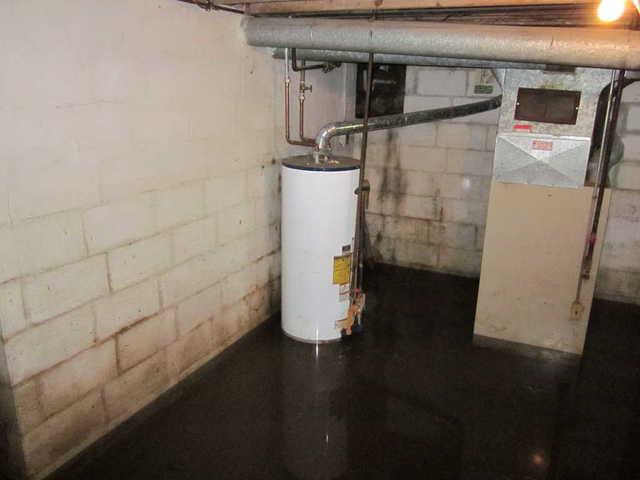
flooded basement in chicago

Avoid entering the flooded basement

It is natural to think of rushing into the flooded basement to stop the leakage. Doing that will be very dangerous. That is because the water may get in contact with electrical sockets, appliances, or cables. When that happens, entering the flooded basement will result in electrocution. 

Call an electrician and the gas company

An electrician has adequate training, experience, and tools to work on flooded basements. They will help you shut off the power supply to your home to prevent electrocution. Sometimes, the water gets high to the point that it will extinguish the pilot lights, and gas will pump into the property. In that case, you need to inform the gas company about the flood. They will turn off the gas supply to the property until flood restoration is complete.

Locate the source of the flood

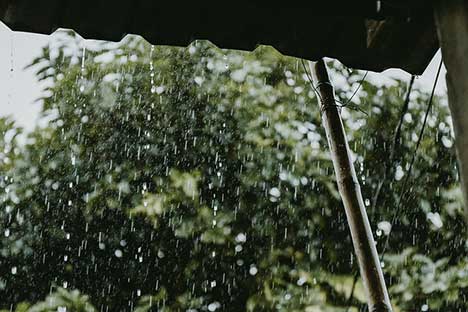
After shutting off the gas and power supply, you can then locate the source of flooding. It would be best to turn off the water supply to your entire home if the flood is from a burst pipe. If the flood is from heavy rainfall, wait for the storm to pass before you clean up. 

Sometimes the flooding may be from a faulty sump pump or clogged drain. If you cannot locate the source, it is advisable to call a reliable Chicago plumber. The plumber will help you find the origin and stop further flooding.

Rescue your valuables

Your ability to rescue your valuables will depend on the source of the flood. You may fail to salvage upholstered furniture and rug carpets if it is due to sewer backup. However, other appliances may be salvageable. When flooding is from water leaks or seepage, you can evacuate your items and dry them.

Clean up

How you clean up the flood will depend on the extent and nature of the flooding. If it is a minor flood, you may decide to clean it yourself. However, it is advisable to hire a company for basement flood clean up services

The earlier you start the clean-up, the better for your property. Mold and mildew may grow 24 hours after the flood. It would be best to act fast and remove all wet rugs, books, boxes, or other moisture-retaining items. 

If you hire a flood restoration company, they have the necessary tools and skills to remove all the flood from your basement and dry it. Laminate or hardwood floors in finished basements may not be salvageable. However, ceramic tiles or concrete will remain functional.

Use dehumidifiers and fans 

Dehumidifiers and fans will help the basement dry faster after cleaning up the water. It is advisable to open all the basement windows to aid the drying. Alternatively, you may also decide to put on the heater or air conditioner.

The bottom line: What to do if your Chicago basement gets flooded this summer

Restoring your property after experiencing basement flooding is a tedious process. That is why it is better to prevent floods by waterproofing your basement. You should hire professionals to help keep your basement dry and maintain your property’s structural integrity.

How to Clean Your Sump Pump

How to Clean Your Sump Pump

Having a basement or crawlspace in your home has numerous benefits. However, your basement may be prone to flooding or wetness. Natural water can migrate from the soil into your basement, or water may flood your basement from the drain.

Studies from the American society of home inspectors show that over 60% of properties experience moisture in their basements. A wet basement has several setbacks. It may:

But that should not stop you from owning a property that has a basement. That is because sump pumps help prevent your basement from flooding. They send water from your basement into a dry well, municipal storm drain, or other places where it wouldn’t harm your property.

The sump pump may have a pressure sensor or float activator arm if it is automatic. In that case, it will turn on automatically to evacuate water from your basement. If situations demand, you can activate the automatic sump pump manually.

Sump pumps require regular cleaning and maintenance because of their benefits. We recommend that you clean your sump pump and sump pit at least once a year. Remove the sump pump and wash it. Use that opportunity to inspect your sump pit for debris and water. Clear the check valve and conduct other regular sump pump maintenance

If you are wondering how to clean your sump pump, follow the tips below.

Things you will need for sump pump cleaning

You will need specific tools that will aid in cleaning your sub pump. They include:

  • A garden hose
  • A wet/dry rag
  • A tarp or plastic sheeting
  • A large bucket
  • A plastic scraper
  • Protective gloves

Precautions

Below are certain precautions you should take before cleaning the sump pump:

  • Ensure that it is not raining when you are performing the cleaning.
  • Water should not be flowing into the sump basin from appliances connected to it.
  • Wear protective gloves during the cleaning.

Steps on cleaning the sump pump

Disconnect and unplug the sump pump

Before cleaning the sump pump, you need to unplug it and turn off the power supply on the circuit breaker. Also, disconnect the sump pump from the discharge pipe. Sometimes, you may use a screwdriver to loosen the sleeve and pull it from the pipe.

Remove the pump from the basin

After disconnecting the sump pump, allow it to drain into the pit. When it is no longer dripping, put it into a bucket or cover it with a plastic tarp or sheeting to prevent spills and take it outside for the cleaning.

Clean the sump pump

With the help of a garden hose, rinse off the dirt from the sump pump. Inspect for grime and use a plastic scraper to scrape off the dirt. Clean the outer surface of the pump using a rag. Spray water on the pump again with a garden hose and leave it to dry.

Drain the check valve

Disassemble the check valve, rinse, dry, and reassemble it. Ensure that your bucket is nearby when draining the check valve. 

Drain the sump pit

If there is any standing water in your sump pit, drain it. You can do this with a bucket or wet-dry vacuum. Clean the basin and remove any gravel, stone, or dirt. Doing this will prevent the risk of sump pump clogging or failure.

Clean the grate

It is essential to clean the grate if you have it in your sump pit. Remove the grate from the sump pump basin. Rinse it using a garden hose and wipe it off with a rag.

Clean the sump pump basin

With the help of a scraper and rag, clean the walls of your sump pump basin. Remove all dirt and grime. Ensure that nothing is clogging the drain holes. When your sump pump pit is clean, you will not notice any terrible smell.

Replace the sump pump

After cleaning and drying the sump pump, you can put it back. Ensure that the pump is at the appropriate level and position to enable its function. Check to ensure that the float arm can move freely without touching the basin walls.

Reconnect the pump

Reconnect your sump pump to the discharge pipe and tighten the sleeve. Ensure that there will be no leakage. However, avoid over-tightening it. Plug it back into the power supply and turn on the breaker.

Test the pump

This step is necessary to ensure that everything is functional after the cleaning. To do this, pour water into the basin until the sump pump activates. Inspect the sump pump as it is running to see if there is any fault.

The bottom line

Your sump pump also requires regular monthly maintenance aside from the annual cleaning. The monthly inspection and maintenance will ensure that your pump is functional whenever the need arises. If your pump fails, invite a local plumber to assess and advise accordingly.

How Clogged Drains Affect Your Home Plumbing System

How Clogged Drains Affect Your Home Plumbing System

Clogged drains are not just a mild inconvenience as some people might consider. They can cause serious harm to the property, warns Whole Property Management. If you start to notice a clogged drain in your home, you need to respond urgently. But how do you identify a clogged drain? 

Signs of clogged drains

Slow-moving drains

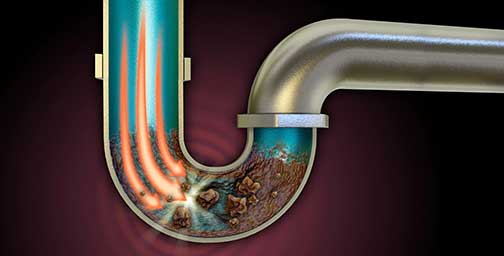
Pipes and drains do not block altogether at once. The blockage builds up gradually over time. As the debris keeps accumulating inside the drain, it slows down the movement of wastewater. So, if you notice that your drain is slowing down, it means a clog is developing in the drain. 

However, if all your drains are slowing simultaneously, you may be dealing with a clogged sewer line. On careful observation, toilet drains are the first to slow down if the sewer line develops a clog. Water may hang on for a while before it gradually sinks as you flush the toilet following this occurrence.

Gurgling sounds 

When clogs develop in your drain, they hinder the free flow of wastewater. Pipes conduct sound, and as a result, you may notice weird noises when wastewater drains through your plumbing fixtures. People commonly describe these noises as gurgling sounds when using the drain. Sometimes, you may observe it as bubbling, trickling, or hissing sounds. Cases that affect the main sewer line may experience these weird noises for a long time after you stop using the drain.

Clogged plumbing fixtures

A clogged plumbing fixture is a late sign. In this case, there is already a severe or complete blockage of the pipe. As a result, almost no water can flow through the drainpipe. You may notice this if your tub fills up as you are trying a shower or the sink overflows as you are using it.

The consequences of having a clogged drain

a woman smelling bad sewer odors from her drain.

Remember that you pour or flush items into the drains. Such things may include waste, food, gunk, hair, etc. These items will accumulate within the pipe and lead to clogging.

Unpleasant odors

Why do you experience unpleasant odors when you have a clogged drain? Remember that you pour or flush items into the drains. Such things may include waste, food, gunk, hair, etc. These items will accumulate within the pipe and lead to clogging. 

As a result, bacteria will have a suitable environment to grow and cause decay. The decay will present itself as terrible odors emanating from your drain. In addition, these odors will not stay within the pipes alone. They will also spread to other areas of the home. Imagine perceiving an unpleasant odor throughout your property. It can be upsetting to guests and neighbors.

Pest infestations

Several types of pests may infest a property that is experiencing clogged drains. The reasons are that unpleasant odors from the drain will attract pests, and the stagnant water will provide a suitable environment for them to thrive. Mosquitos and other insects multiply by laying their eggs in stagnant water. If food particles clog the drain, they will serve as a food for the pest.

Clogged drains will attract the following insects:

  • Drain flies (moth flies)
  • Phorid flies
  • Cockroaches
  • Fruit flies

Health hazards

Clogged drains provide an unhealthy environment in the home. Remember that the pipes harbor bacteria and produce unpleasant odors. These bacteria can contaminate your drinking water and cause harmful infections. 

Symptoms of such illnesses may present as fever, diarrhea, or vomiting. Common bacteria that may spread because of clogged drains include salmonella, campylobacter, helicobacter, etc. Unpleasant odors from clogged drains can cause nausea, vomiting, dizziness, headaches, anxiety, mood swings, and irritations to the throat, eyes, and nose.

Pest infestation during clogged drains also helps in spreading germs. After nesting inside clogged pipes, these pests may perch on your food, plates, or drinking water.

Molds also grow because of clogged drains. The effects of mold growths in your home may present as allergies or respiratory diseases.

plumbing leak

After pooling for some time, water will start leaking through the pipe joints, seals, and caulking.

Plumbing leaks

Water will always find a way to escape. When drains clog, the wastewater will back up within the pipes. After pooling for some time, water will start leaking through the pipe joints, seals, and caulking. Depending on the size of the leakage, some homeowners may not notice it immediately.

Structural damage

Gradual leakage of plumbing fixtures into the soil and surrounding structure can affect the property. If it happens close to the foundation, the structural integrity will weaken. 

Severe drain clogs will cause wastewater to back up into your home. As a result, your home may experience flooding. Depending on the type of flooring, floods in the home may damage the floors. When this happens, the repairs are usually expensive.

The bottom line 

It is advisable to treat a clogged drain as an emergency. When you notice that you are experiencing clogged drains, turn off the water supply to your home and call a local plumber. Plumbers have the appropriate tools, training, and skills to locate the problem inside the drain or offer professional drain cleaning solutions such as high-power hydro jetting.

Why Hydro Jetting is Important Before a Sewer Line Repair

The sewer lines in your home are designed to last a long time. It is not uncommon to find fully functional sewer lines that are twenty years old and over. This is because sewer systems, due to the type of content that passes through them, are designed to be sturdy.

Why Hydro-Jetting is Important Before a Sewer Line Repair

However, even the most well built sewer line will eventually have problems. These issues can come from several sources. The sewer line in your home can get damaged because of misuse, warns Jilsa Management. Or it can lose some of its function through wear and tear or a natural accident.

Regardless of the origin of the issues in your sewer lines, you want to solve the problem and make sure it does not return. To get this result, you should know the best practice for fixing a damaged sewer line; the sewer line repair should be preceded by hydro-jetting.

What is hydro-jetting? What does it do? And why is hydro-jetting important during sewer line repair?

What Is hydro-jetting?

Hydro-jetting is a drain cleaning method that uses high-pressure water to blast away clogs and blockages inside the sewer lines. Water is delivered at a pressure of up to 6000 PSI, which is enough force to remove tree roots, sludge, and other materials lodged inside the pipes.

The process of hydro-jetting is as follows:

  1. As a first step, the plumber conducts a sewer camera inspection by installing a small camera on one end of a cable and inserting it into the sewer line.

  2. The camera travels through the sewer line and sends back images of the interior of the pipes to a computer screen monitored by the plumber.

  3. This initial process helps the plumber pinpoint the location of the problem and determine its severity. The inspection also tells the plumber if it is safe to go on with the next step.

  4. If it is safe to proceed – that is, there is no possibility of the sewer line collapsing – the actual hydro-jetting process can now begin.

  5. Hydro-jetting equipment consists of a large tank filled with water, a specialized high-pressure water hose, a super-strong nozzle, and equipment for pushing the water through the nozzle at high pressure.

  6. The high-pressure water hose, with the nozzle at its head, is inserted into the sewer line until it reaches the point of the blockage.

  7. The clog is blasted with just enough water pressure to break up the obstruction inside the pipe. Hydro-jetting can deliver enough water pressure to shear away plant roots.

  8. The dislodged material is washed down the pipe and into the city’s main sewer lines.

  9. Finally, another sewer camera inspection is done to view the results of the process and determine the condition of the pipes.

Hydro-jetting lets your plumber clear blockages inside the pipes without digging up the yard or exposing your pipes to the risk of damage. Hydro-jetting can be used to effectively remove the following kinds of blockage from a sewer line.

  • Sludge or grease, fat, and oil build: When you flush grease, fats, and oil into the drain, these materials cling to the sides of the pipes and trap dirt. A hydro jet will remove buildup.

  • Intruding tree roots:  In a bid to find water and nutrients, the roots of nearby shrubs or trees can find their way into the sewer line. Hydro-jetting will solve this problem.

  • Pipe scale: Dissolved minerals in hard water are deposited on the interior surface of pipes, where they reduce the diameter of the pipe. Hydro-jetting will remove pipe scale.

  • Non-flushable objects: A range of items we use in the home find their way into the sewer line. Hydro-jetting can blast away these troublesome items.

Hydro-jetting is a powerful yet gentle method for cleaning drains. But why is it necessary to carry out this procedure before a sewer line repair service?

hydro jetting a sewer line

Why hydro-jetting is done before sewer line repair

  • To detect problems: Hydro-jetting the sewer line washes away the layers of filth inside the sewer line and exposes the actual surface of the pipes. This allows the plumber to see the true extent of the damage to the sewer line.

  • Improves the accuracy of repairs: By combining sewer camera inspection with hydro-jetting, the plumber can pinpoint the location of a problem. Hydro-jetting injects a high level of accuracy into sewer repair. It ensures the finished job is well done and long- lasting.

  • Reduce costs: There are other ways to clean a sewer line before it is repaired, but hydro-jetting is the quickest and most-effective method. Other methods will cost more in labor and time.

Improves sanitation and indoor air quality: Hydro-jetting the sewer before repairing helps the plumber do a more complete job. Hydro-jetting gets rid of the bacteria inside the drain that cause bad odors. Unless the sewer line is cleaned with hydro jetting, the bacteria inside them are not easily removed.

Problems with DIY Plumbing Repairs

local chicago plumber

Home plumbing issues are diverse and whenever something fails in one of the home plumbing facilities, the possibility that you will be shelling out money to have it fixed is high. The overall amount to fix small plumbing issues at home can sum up to a huge chunk of cash at the end of the year.

One of the best ways to minimize the cost of solving problems with your plumbing is to understand how the system works. As a homeowner or a landlord, says Vineyard Property Management, you should know how to prevent, diagnose, and fix certain plumbing issues in your home. It makes no sense to call a plumber for problems you can handle yourself.

Meanwhile, a do-it-yourself way of fixing plumbing issues in your home can also be a nightmare. DIY plumbers are in trouble once they start thinking of themselves as professional plumbers. What you can learn from a YouTube video is not the same as what a professional plumber has.

Not understanding the abilities of your own DIY skills will create more problems for you with the plumbing than you are trying to solve. Your house’s plumbing is gigantic, complicated, and made up of interconnected systems. A small issue in one part of the plumbing will cause bigger ones somewhere else.

The majority of the amateur plumbers are not aware of the real complexity of a home’s plumbing. Due to this, they will proceed with projects without knowing the whole picture of the system. What actually happens is they tend to amplify the existing problems and create bigger issues for themselves.

What are some of the DIY plumbing repairs that homeowners encounter?

Increased risk of flooding

The margin for error when fixing plumbing problems in the home is very narrow. Small things you overlook can result in consequences that are several times worse than the original problem. 

It is not uncommon for the home to get flooded as a result of mistakes during a DIY plumbing repair. This happens because amateur plumbers do not follow a systematic routine and they can also fail to turn the water off.

Superficial fixes

Most DIY fixes focus on the immediate rather than the remote causes of a problem. The concern of the homeowner is to eliminate urgent and distressing issues. As a result, DIYers do not do a proper diagnosis of the issue but only apply superficial fixes. 

The result of doing that is the underlying problem is left to persist and grow worse. When it is eventually discovered, it will cost a lot more money to solve than it would have if it was detected earlier.

Recurring problems

Without attention from a licensed plumber, your home’s plumbing systems will deteriorate at a faster rate. Firstly, the prevalence of shoddily done DIY fixes will combine to make the system more prone to damage. 

plumber in chicago

Secondly, the lack of attention by a professional plumber will increase the rate of natural wear and tear. The issues of a plumbing system will steadily become worse if that system does not get the professional care it requires.

Exposure to safety hazards

In addition to pipes and connections, the plumbing system in your home also has components that use gas and electricity. Fiddling with appliances like water heaters and washing machines when you don’t have the necessary training is a recipe for disaster. 

Moreover, some plumbing repairs require the use of power tools that can easily cause injuries. Lastly, slips and falls are common when doing plumbing repairs. Protect yourself by leaving the job to a professional.

Lost time and avoidable delays

There is nothing like a plumbing emergency to get you to rearrange your plans. The danger of flooding posed by the problem and the chance that you will be without water, makes solving the problem urgent. 

The frequency of disruptions to your work schedule and lifestyle increases with the number of plumbing issues in the home. A professional plumber can help you prevent plumbing problems that show up at the most inopportune times.

Higher system maintenance cost

DIY repairs are more impromptu than they are systematic. A DIY approach to solving your home’s plumbing issues prevents you from adopting a preventative maintenance schedule that is based on timely inspection of the plumbing. This narrow focus on solving short-term problems will cost you more money in the long run because it is easier and cheaper to manage your home’s problems when you can anticipate the issues.

diy plumbing

In conclusion, when maintaining the plumbing system in your home, it is important to make a distinction between what you can do and what you should not try to do. Minor repairs like changing faucet aerators or unclogging the toilet with a drain snake are things every homeowner should be able to DIY. More complex plumbing repairs are best left to a local plumber.

Hiring a local plumber when you need to will ensure your personal safety, protect your home’s plumbing system and also minimize your plumbing expenditure.

Best Ways to Prevent Sewer Back Ups

Plumbing issues in the home are almost unavoidable. They are the inevitable outcome of the normal use and eventual aging of the plumbing system. Plumbing issues can happen at any time and in almost any part of the home. This is because the plumbing in your home extends throughout the house, as TE Johnson & Sons explains, so problems are not limited to just one part of the building.

Best Ways to Prevent Sewer Back Ups

Plumbing issues come in different forms. They may take place unseen behind an appliance or feature of the home. When this is the case, a plumbing problem can do secret harm and it could take some time before it is discovered. Other times, a plumbing problem is self-evident because it happens in a way that completely disrupts the normal use of the plumbing.

This second type of plumbing problem creates what is known as a plumbing emergency. These are issues that are so distressing that they must be dealt with immediately. Plumbing emergencies not only prevent the normal use of the plumbing, but they also damage the other features of your home. A sewer backup problem is perhaps the number one plumbing emergency in the home.

What is a sewer backup?

Sewer backups happen when the normal flow of wastewater from the home is prevented by a blocked or damaged sewer line. When a sewer line is blocked, its contents don’t flow into the municipal sewer lines as it should. Instead, it is trapped inside the pipes on your property. If those pipes become full, their content eventually starts to overflow inside your home.

A sewer backup is easily the most disgusting type of plumbing problem because it will release the gross contents of a sewer line into your home. Sewer backups are so damaging that out-of-pocket cost for fixing the problem is often between $2,000 and $10,000. But the good news is the problem can be prevented.

How to prevent sewer backups

Watch what you flush down the drain

Your home’s drainage system does not have the capacity to handle everything you throw at it. In fact, most items labeled “flushable” will create problems for the drain. The only thing you should flush down the toilet is toilet paper, not wipes, sanitary towels, disposable diapers, or feminine products. 

In the kitchen avoid putting grease, oil, fat, eggshells, potato, rice, fibrous vegetables, and coffee grounds into the drain. Also, do not let hair get into the shower drain.

Protect sewer lines from tree roots

The roots of plants and even small bushes pose a major threat to your sewer lines. The wastewater inside sewer lines provides a rich source of nutrition and tree roots will invade any place where there is water and nutrition.

sewer tree roots

If allowed to grow close to the sewer line, plant roots can puncture the pipe and eventually block it. To prevent this, don’t plant trees or bushes near sewer lines and laterals. You can also prevent tree root damage by using plastic piping.

Do not divert excess rainwater into the sewer

Diverting the water from downspouts, the sump pump, French drains, and your flood control systems into the sanitary sewer line might seem like a good idea. It feels like an easy way to prevent water pooling in your yard. But it is actually a bad idea because rainwater can overwhelm the drain and cause flooding in your home. By diverting the downspout into the sewer, you could be unintentionally channeling floodwater into your house.

Install a sewer backflow valve

This serves as the last line of defense against sewer backups. The backflow valve installation will let wastewater flow out of your home into the sewer line but will prevent the sewer contents from flowing in the opposite direction. When backs happen up due to a damaged or blocked line and because of heavy rains, the valve automatically closes the channel.

Install an exterior cleanout

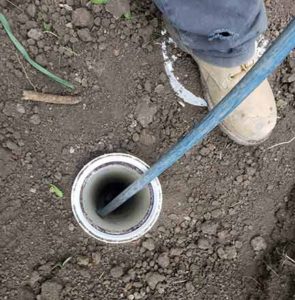
An exterior cleanout offers a cost-effective way to deal with sewer problems. They are often located in the yard and can be identified by their round cap. Most are made of vitreous clay pipe and installed flush with the ground.  

An external entry point to the main sewer line makes the work of cleaning sewer lines or removing blockages easier. An outside cleanout helps prevent water and pipe damage, and if a problem does happen, it cuts your repair costs since the repair is done from inside the cleanout.

Inspect and fix old pipes

The probability of sewer backup increases with damaged lateral lines. The only way to be sure your sewer line is in good condition is to have it inspected by an expert once a year. If the line is damaged, you have three options for solving the problem. Lining the pipe is an effective way to solve minimal issues with the lines. For more serious issues the next option is pipe bursting. Both pipe bursting and pipe lining do not involve excavation. But if the problem is major, the only way to solve it may be to dig up the yard and replace the sewer line.