If you’ve ever run out of hot water mid-shower or watched your energy bills climb every winter, it might be time to rethink your water heating system. Tankless water heaters, also known as on-demand water heaters, are transforming the way homeowners approach hot water, offering efficiency, convenience, and long-term savings. Here’s why upgrading to a tankless system might be the smartest home improvement you’ve never considered.
What Is a Tankless Water Heater?
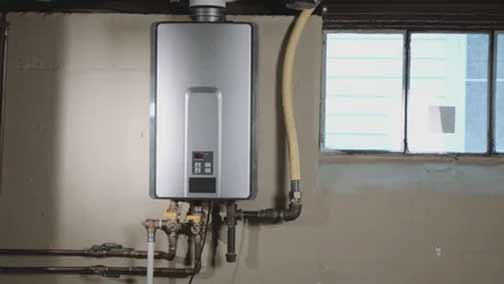
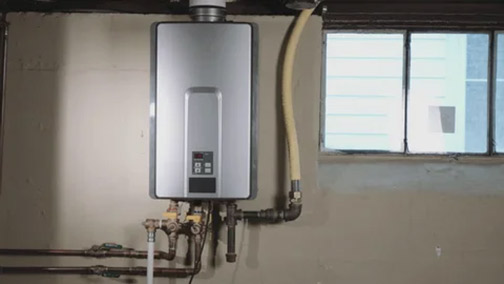
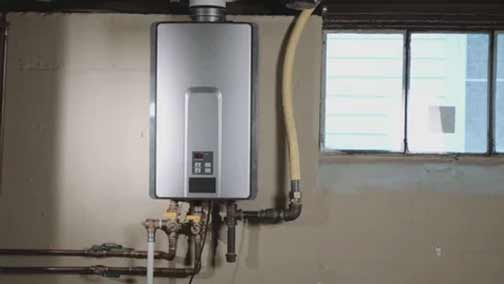
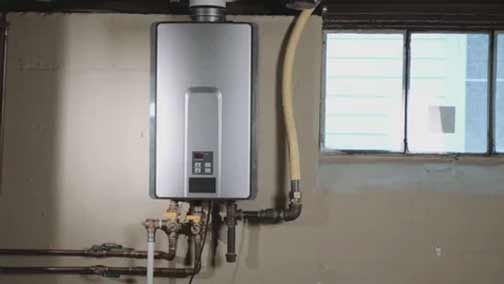
In contrast to traditional water heaters that store gallons of hot water in a tank, tankless water heaters heat water only when you need it. When you turn on the faucet, cold water flows through the device and is heated up immediately, providing you with an endless hot water supply.
This on-demand system does away with the need for storage tanks, conserves energy lost heating water round the clock 24/7, and allows residents to enjoy hot water at their beck and call 24/7 with no interruption—whether during rush periods.
Major Benefits of Tankless Water Heaters
1. Endless Hot Water
One of the biggest annoyances of conventional water heaters is to run out of hot water during a shower or when washing clothes. Tankless water heaters provide hot water as needed, so multiple family members can shower and appliances can run simultaneously without interruption.
2. Energy Efficiency and Lower Bills
Tankless water heaters are far more energy-efficient since they only heat water when required. According to the U.S. Department of Energy, the switch to a tankless system can save households as much as 30% in water heating costs. Over time, this savings can pay for the initial installation cost, so it is an affordable upgrade.
3. Compact, Space-Saving Design
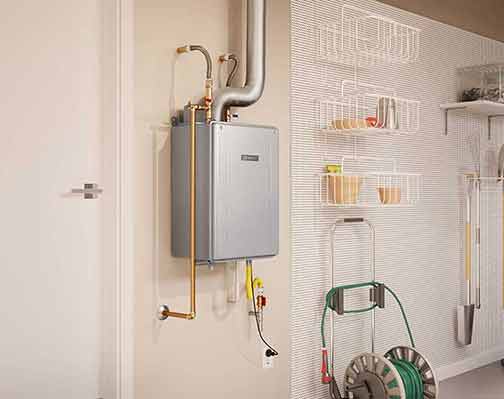
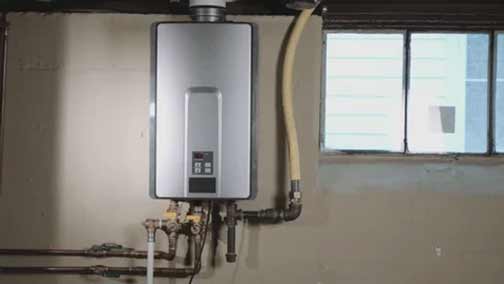
Since they lack a heavy tank, tankless water heaters are lightweight and can be installed within small rooms, basements, garages, or even wall hooks. Due to this, they are ideal for small houses or apartments where there is little space.
4. Longer Lifespan
Traditional water heaters have a typical lifespan of 10–15 years, while tankless water heaters can last 20 years or more with proper maintenance. This longer lifespan translates into fewer replacement and wastage costs, which makes tankless water heaters a sound long-term investment.
5. Eco-Friendly Option
With reduced energy usage and reduced wastage of water, tankless water heaters are environmentally friendly. For individuals who are concerned about leaving minimal carbon footprints, switching to an on-demand system is the right way to go.
Types of Tankless Water Heaters
Electric Tankless Water Heaters
Electric models are compact, easier to install, and ideal for small to medium-sized families. They tend to have lower up-front costs but may require electrical upgrades in some homes.
Gas Tankless Water Heaters
Gas models (natural gas or propane) are powerful and efficient, and can supply hot water for larger households. Installation may be more complicated, but they have faster recovery times and can support higher water flow rates.
How to Choose the Right Tankless Water Heater
Selecting the right tankless water heater requires considering several factors:
Household Size: The larger the family, the greater flow rate is needed to provide instant hot water demand at the same time.
Hot Water Usage: Consider showers, washing clothes, washing dishes, and appliances utilizing hot water.
Fuel Type: Electric or gas based on home setup, energy cost, and desire.
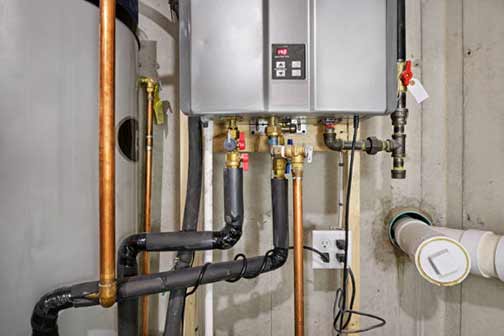
Installation Requirements: Some models require venting or upgraded plumbing, so professional installation is a must.
Installation: Why Professional Help Matters
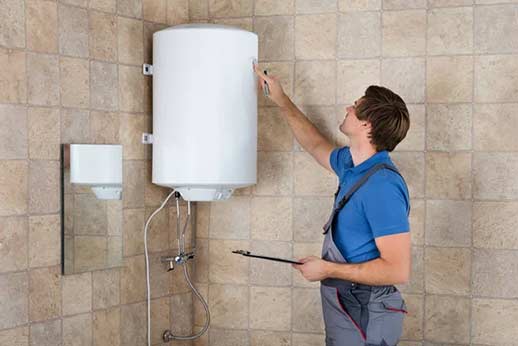
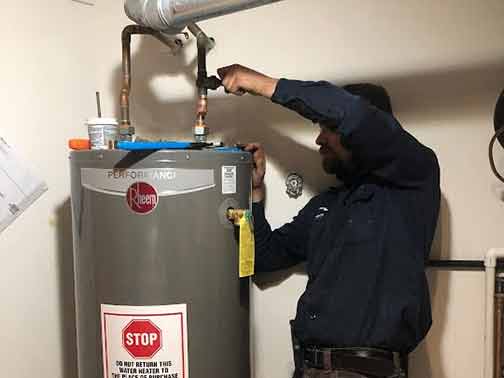
Installation matters to ensure your tankless water heater operates efficiently and safely. Professional, licensed plumbers can:
- Correctly size your system for your home’s hot water needs.
- Install safely, considering electrical, gas, and plumbing factors.
- Optimize the system for energy efficiency.
Improper installation can lead to decreased efficiency, ongoing maintenance issues, or even damage to the unit. Investing in professional tankless water heater installation ensures your system performs at its best.
Maintenance Guidelines for Tankless Water Heaters
Tankless water heaters do not need maintenance but will require some care to ensure long-term performance:
Descale on Schedule: Mineral buildup from hard water may happen. Descale the system every year to avoid clogging.
Clean the Filter: Some models come with a water filter that will have to be cleaned every few months.
Check Venting: For gas models, keep venting clear for safe use.
Schedule Professional Checkups: A yearly checkup may detect problems early and prolong the lifespan of your system.
Common Misconceptions About Tankless Water Heaters
Myth 1: They Won’t Provide Hot Water to More Than One Fixture at a Time
Modern tankless water heaters come in whole-house systems that can supply hot water to multiple fixtures simultaneously.
Myth 2: They Are Too Expensive
While tankless units are more expensive to install than traditional heaters, energy efficiency, longer system life, and reduced maintenance make them more cost-effective in the long run.
Myth 3: They Are Hard to Use
Following installation, tankless water heaters operate just like their traditional counterparts—simply turn on the faucet for hot water.
FAQs About Tankless Water Heaters
Q: How long do tankless water heaters last?
A: With proper maintenance, tankless water heaters will last 20 years or more, while conventional tank-type units last for 10–15 years.
Q: Can I install a tankless water heater on my own?
A: Professional installation is strongly advised to ensure correct sizing, sufficient venting, and safe performance.
Q: Will a tankless water heater save me money?
A: Yes. Tankless models are more efficient, consuming up to 30% less power, which decreases your monthly cost in the long run.
Q: Are tankless water heaters environmentally friendly?
A: Yes. They save on energy waste and water waste, so they’re a more environmentally friendly choice.
Is a Tankless Water Heater Right for You?
If you’re tired of running out of hot water, want to reduce energy costs, or simply want a modern, space-saving solution, a tankless water heater is a smart upgrade. With endless hot water, increased efficiency, and a longer lifespan, it’s an investment that pays off year after year.
Going tankless is more than a convenience—it’s a home improvement that pays off over the long run, increases comfort, saves money, and is friendlier to the environment.