Tag Archives: sewer line replacement

Understanding Sewer Pipe Damage: Replacement Necessity Explained

Understanding Sewer Pipe Damage

Sewer pipe damage is a critical issue that can potentially lead to massive disruptions of plumbing systems in residential and commercial buildings. It is crucial that the nature and degree of such damages are realized to ensure a healthy and efficient plumbing system. Below is a comprehensive guide to how damage to sewer pipes can be identified, the realization of the requirement for replacement, and ensuring your plumbing system is secure and reliable.

Recognizing the Signs of Sewer Pipe Damage: Key Points to Notice

Early detection of damaged sewer pipes prevents the high cost of repairs and replacements. These signs are the appearance of pungent odors from drains, slow draining of water, persistent clogging, and unexpected patches of heavy vegetation in your lawn. Additionally, greater infestation by, for instance, rodents or bugs, may indicate a leakage in your sewer line, which provides them easy entry to your home. These signs are to be noticed carefully in order to prevent further issues by taking proper action at the right time.

Causes of Damage to Sewer Pipe: Determining Root Causes

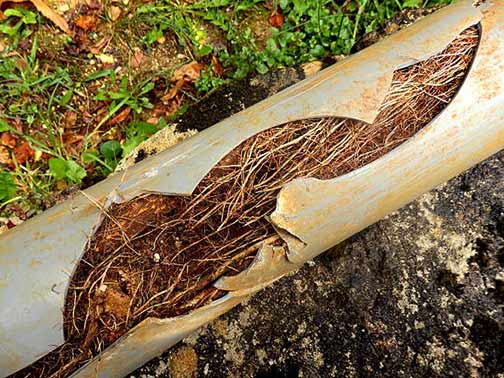
There are many causes of sewer pipe damage. One of the most frequent causes is intrusion by tree roots because tree roots seek out moisture and can penetrate pipes. Corrosion, especially in metal pipes that have aged, can lead to leaks and ruptures. Settling and ground movement can exert pressure on pipes, which will crack or collapse. In addition, faulty installation or substandard materials may lead to early pipe failure. It is imperative to know these causes in order to avert possible damage and maintain the longevity of your plumbing system.

Determining the Extent of Sewer Pipe Damage: Analyzing the Consequences

Not all damage to sewer pipes needs to be replaced. Small cracks or single leaks can be repaired using techniques like sewer spot repairs. Extreme damage such as multiple breaks or major collapses typically calls for full replacement of the sewer pipe to avoid weakening the integrity and functionality of the sewer system. A professional diagnosis can determine the extent of the damage and prescribe the necessary action.

The Significance of On-Time Sewer Pipe Replacement: Avoiding Costly Damages

Delays in necessary sewer pipe replacement can lead to costly damages like structural damage to your property, health-risking sewage leaks, and increased repair expenses. On-time replacement maintains your plumbing system in its best state, preventing future issues and maintaining the safety and sanitation of your environment. On-time action can save homeowners from unnecessary stress and cost.

Professional Diagnosis and Evaluation: The Experts’ Role

Having a professional plumber make an evaluation of sewer pipe damage is crucial in selecting the proper diagnosis and remedy. Experts utilize advanced techniques such as video inspection of your sewer pipe to precisely locate and determine the extent of damage, with a definite plan for repair or replacement. Professional evaluation enables homeowners to make informed decisions on their plumbing system for the best outcome.
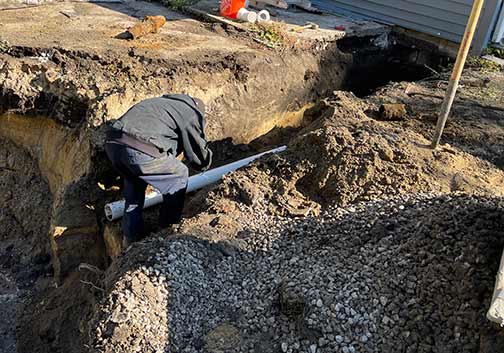
professional sewer pipe replacement

Minor damage to newer systems can be repaired, while aging systems with ongoing problems will benefit more from being replaced.

Making the Right Decision: Choosing Between Repair and Replacement

Replacement or repair of sewer pipes is based on a variety of factors, including the age and condition of the pipes, the extent of the damage, and the overall health of the plumbing system. Minor damage to newer systems can be repaired, while aging systems with ongoing problems will benefit more from being replaced. Proper evaluation of these factors can guide homeowners to the optimal solution.

New Techniques for Sewer Pipe Replacement: Plumbing Technology Innovations

Plumbing technological progress has also developed efficient means to replace sewer pipes. Trenchless technology, for example, is one of the means of pipe replacement with minimal disruption to landscaping and buildings. It involves inserting a new pipe within the old faulty one, which saves time and labor but gives a durable solution. Knowledge of these advanced methods can give homeowners a more cost-effective and efficient method of sewer pipe replacement.

Cost Factors and Budgeting: Cost Implications of Financial Planning

A proper estimate of sewer pipe replacement costs is essential in proper planning and budgeting. The cost is affected by the diameter and the length of the pipes, the complexity of the installation process, and the use of traditional or modern means of replacement. A well-detailed quotation from credible plumbing organizations should be requested by homeowners to plan appropriately. Financial preparation may eliminate stress and achieve an effortless replacement.

Long-Term Benefits of Replacing Sewer Pipes: Boosting System Efficiency

Investing in sewer pipe replacement provides many long-term advantages. It makes your plumbing system more efficient and reliable, lowers the likelihood of future leakages and obstructions, and may boost the value of your property. Furthermore, new replacement methods tend to be covered by warranties, such as peace of mind and a guarantee against unexpected problems. Being aware of these advantages can encourage homeowners to prioritize sewer pipe replacement if it is needed.

Maintaining the Plumbing System in Good Health: Preventive Measures and Practices

To avoid future sewer pipe malfunction, regular maintenance is essential. Periodic inspections should be scheduled by homeowners, and non-biodegradable products should not be flushed. Care should also be exercised while planting trees along sewer lines. Following these habits can make your plumbing system last longer and minimize the chances of expensive repairs or replacements. Regular proactive maintenance can make your plumbing infrastructure healthy and efficient for decades to come.

Conclusion: Ensuring the Longevity of Your Plumbing System

Knowledge of sewer pipe damage and replacement is important for plumbing system safety and reliability. Knowing how to identify signs of damage, measure damage extent, and make the right decision on what to do ensures the durability and effectiveness of your plumbing system. Engaging professional services and the latest replacement techniques provides another layer of safety and functionality in your sewer system, which brings peace of mind to enjoy for years ahead.
Indications Your Sewer Line Should Be Replaced Sooner Rather Than Later

Indications Your Sewer Line Should Be Replaced Sooner Rather Than Later

Maintaining a functional sewer line is crucial for the overall health and hygiene of your home. A damaged or malfunctioning sewer line can lead to a host of problems, including unpleasant odors, water damage, and even health hazards. Recognizing the signs that indicate your sewer line needs replacement can save you from costly repairs and extensive plumbing issues in the future.

Frequent Drain Clogs: A Sign of Underlying Sewer Line Problems

One of the most common signs that your sewer line may need to be replaced is frequent drain clogs. If you find yourself constantly dealing with clogged drains, it could be a sign that there is a blockage or damage in your sewer line. While occasional clogs are normal, persistent clogs that affect multiple drains in your home suggest a more serious issue that may require a sewer line replacement. Ignoring frequent clogs can lead to more severe blockages, causing wastewater to back up into your home and creating unsanitary conditions.

Slow Draining Water: An Early Warning of Sewer Line Blockages

Another indication that your sewer line might be in trouble is slow draining water. If you notice that water is taking longer than usual to drain from your sinks, tubs, or toilets, it could be a sign of a blockage or damage in the sewer line. This issue should not be ignored, as it can lead to more significant plumbing problems if left unaddressed. Slow draining water can be caused by a buildup of debris, grease, or even tree roots infiltrating the sewer line, all of which can necessitate a replacement if not resolved promptly.

Unpleasant Odors: Detecting Sewer Line Leaks Through Smell

Unpleasant odors emanating from your drains or yard can be a clear sign of a sewer line problem. Sewer gases should remain confined within the pipes, but if there is a crack or break in the sewer line, these gases can escape and cause foul smells. If you notice persistent sewer odors in your home or yard, it is essential to have your sewer line camera inspected and potentially replaced. Ignoring these odors can lead to a buildup of harmful gases like methane, which can pose serious health risks to your household.

Water Backups: A Serious Indication of Sewer Line Blockages

Water backups in your sinks, tubs, or toilets are a serious indication that there is an issue with your sewer line. Backups occur when there is a blockage or damage in the sewer line that prevents wastewater from flowing properly. This can lead to contaminated water coming back into your home, posing health risks and causing significant damage. If you experience frequent water backups, it is crucial to address the issue promptly and consider sewer line replacement to prevent further complications and potential health hazards.

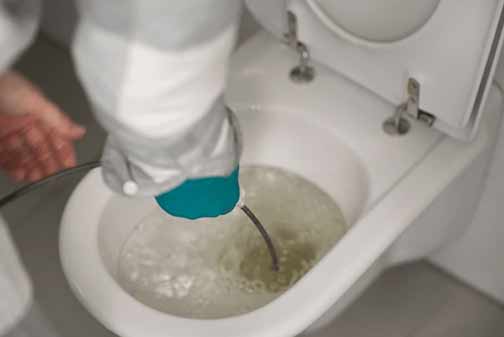
a plumber dealing with a sewer backup

Water backups in your sinks, tubs, or toilets are a serious indication that there is an issue with your sewer line.

Lush Patches in the Yard: Signs of Sewer Line Leaks

While a lush green yard is often desirable, unusually lush patches of grass can indicate a sewer line problem. If there is a leak or break in your sewer line, the wastewater can act as a fertilizer, causing certain areas of your yard to grow more rapidly and appear greener than the rest. If you notice uneven growth patterns in your yard, it is essential to investigate further and determine if your sewer line needs replacement. Ignoring these signs can lead to more extensive damage to your yard and potentially to your home’s foundation.

Mold and Mildew Growth: Indicators of Moisture from Sewer Line Leaks

Mold and mildew growth in your home can be a sign of a sewer line issue. If there is a crack or break in the sewer line, moisture can seep into your home, creating an environment conducive to mold and mildew growth. This can lead to health problems and structural damage if not addressed promptly. If you notice unexplained mold or mildew growth, it is important to have your sewer line inspected and consider replacement if necessary to prevent further health risks and damage to your property.

Foundation Cracks: The Hidden Danger of Sewer Line Leaks

Foundation cracks can be a serious indication of a sewer line problem. If there is a leak or break in the sewer line, the escaping water can erode the soil around your home’s foundation, leading to cracks and structural damage. If you notice new or expanding cracks in your foundation, it is essential to investigate the cause and consider the possibility of a sewer line replacement. Addressing foundation cracks early can prevent more extensive and costly structural repairs in the future.

Rodent and Insect Infestations: Unwanted Guests from Sewer Line Breaks

Rodent and insect infestations can be a sign of a damaged sewer line. If there is a crack or break in the sewer line, it can provide an entry point for rodents and insects to enter your home. These pests are attracted to the moisture and food sources found in sewer lines. If you experience unexplained infestations, it is important to have your sewer line inspected and potentially replaced. Ignoring these infestations can lead to further damage to your home and pose health risks to your family.

Age of the Sewer Line: Time’s Toll on Plumbing Infrastructure

The age of your sewer line can also be an important factor in determining whether it needs to be replaced. Older sewer lines, especially those made of materials like clay or cast iron, are more prone to damage and deterioration. If your sewer line is several decades old, it may be time to consider a replacement to avoid potential problems in the future. Regular inspections can help you determine the condition of your sewer line and whether it is time for an upgrade to more durable and modern materials.

tree roots growing inside of a sewer line

If you have trees near your sewer line, it is important to monitor for signs of root intrusion, such as slow draining water or frequent clogs.

Tree Root Intrusion: Nature’s Impact on Sewer Lines

Tree root intrusion is a common cause of sewer line damage. As trees grow, their roots can extend into sewer lines, causing blockages and breaks. If you have trees near your sewer line, it is important to monitor for signs of root intrusion, such as slow draining water or frequent clogs. If tree roots are causing damage to your sewer line, a replacement may be necessary. Regular maintenance and inspections can help identify root intrusion early and prevent more extensive damage to your sewer system.

Professional Inspection and Diagnosis: The Importance of Expert Assessment

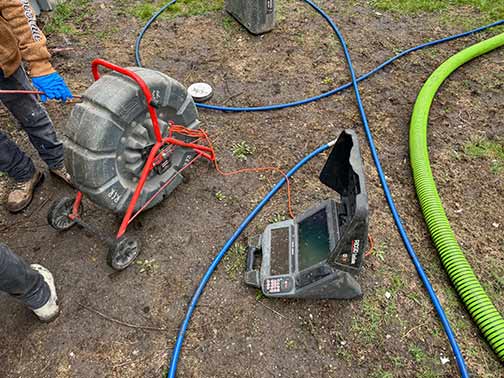
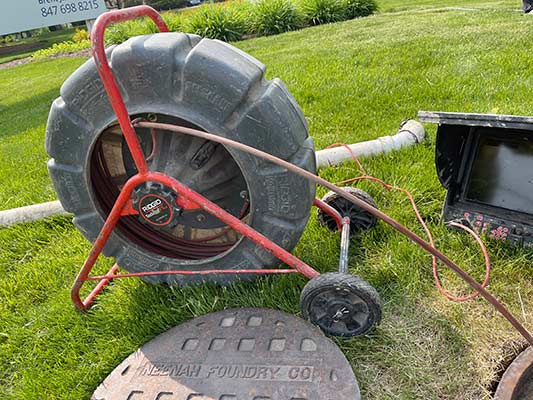
If you suspect that your sewer line may need to be replaced, it is essential to seek a professional inspection and diagnosis. A licensed plumber can use specialized equipment, such as video cameras, to inspect the sewer line and identify any issues. Based on their findings, they can recommend the best course of action, whether it be a repair or a complete replacement. Professional inspections can provide peace of mind and ensure that any problems are addressed promptly and effectively.

Preventive Measures: Extending the Life of Your Sewer Line

Taking preventive measures can help extend the life of your sewer line and avoid the need for premature replacement. Regular maintenance, having your sewer line cleaned out, can help identify potential issues before they become major problems. Additionally, being mindful of what you flush down your drains and avoiding planting trees near the sewer line can help prevent damage. Implementing these preventive measures can save you time and money in the long run by reducing the likelihood of sewer line issues.

Cost Considerations: Budgeting for Sewer Line Replacement

The cost of replacing a sewer line can vary depending on several factors, including the length of the line, the method of replacement, and the extent of the damage. Traditional trenching methods tend to be more expensive due to the labor and materials involved. Trenchless methods, while generally more cost-effective, may not be suitable for all situations. It is important to obtain multiple quotes and consider the long-term benefits of each method before making a decision. Investing in a high-quality replacement can save you money in the long run by reducing the need for future repairs and maintenance.

Conclusion: Proactive Steps to Ensure a Healthy Sewer System

Recognizing the indications that your sewer line should be replaced sooner rather than later can save you from extensive plumbing problems and costly repairs. By being aware of the signs, such as frequent clogs, slow draining water, unpleasant odors, water backups, and more, you can take proactive steps to address the issue and ensure the health and functionality of your home’s plumbing system. If you suspect a problem with your sewer line, it is essential to seek a professional inspection and consider the most appropriate replacement method for your situation. Taking these steps can help maintain the hygiene and safety of your home for years to come.

How Long Does it Take to Replace a Sewer Line in Chicago?

How Long Does it Take to Replace a Sewer Line in Chicago

Chicago is a very large city known for its stunning architecture, diverse culture, and long streets. However, beneath the surface lies an vast network of sewer lines that ensure the proper disposal of waste and maintain the overall hygiene of the city. Over time, these sewer lines may deteriorate due to various factors, necessitating their replacement. If you find yourself in need of a sewer line replacement in Chicago, you might wonder how long such a process takes. Here we will get into the intricacies of replacing a sewer line in Chicago and provide you with valuable insights.

The Importance of Sewer Line Replacement

Sewer lines play a crucial role in maintaining the health and cleanliness of a city like Chicago. As they age, they become prone to various problems such as cracks, leaks, and blockages. These issues can lead to sewer backups and sewage spills, which pose a threat to public health and the environment. Replacing a sewer line is necessary when repairs are no longer viable or when the existing sewer line is beyond repair. By replacing a damaged sewer line, you ensure the integrity of the sewage system, prevent contamination, and maintain the overall quality of life in your community.

The Factors Affecting the Duration of a Sewer Line Replacement

Several factors come into play when determining the duration of a sewer line replacement project in Chicago. While it is challenging to provide an exact timeline due to the variations in each project, understanding these factors can give you a general idea of what to expect. Let’s explore them in more detail:

Length and Depth of the Sewer Line

The length and depth of the sewer line are key factors in determining the duration of the replacement project. Longer sewer lines with deeper trenches may require more time to excavate and install the new line. Additionally, if the sewer line extends under paved areas or structures, extra precautions and labor-intensive processes may be necessary, further prolonging the timeline.

Type of Sewer Line

The type of sewer line being replaced can also impact the project’s duration. Older sewer lines made of materials such as clay or cast iron may be more fragile and prone to damage. Replacing these lines requires additional care and time compared to modern PVC sewer lines.

Access and Site Conditions

The accessibility and condition of the site where the sewer line replacement takes place can significantly affect the project’s duration. If the replacement area is obstructed by trees, structures, or other underground utilities, it may require additional time and effort to clear the area and maneuver the necessary equipment.

Permits and Regulations

Obtaining the necessary permits and complying with local regulations is a crucial step in any sewer line replacement project. The time required to secure these permits and meet the necessary regulatory requirements can vary, depending on the specific guidelines of the city of Chicago.

Weather Conditions

Chicago’s weather can be unpredictable, and adverse weather conditions can impact the progress of a sewer line replacement project. Harsh winters, heavy rainfall, or extreme temperatures may require additional precautions and may cause delays. Contractors need to consider weather conditions to ensure the safety of their workers and the integrity of the project.

Complexity of the Project

The complexity of the sewer line replacement project can significantly impact its duration. If the existing sewer line has multiple bends or connections, the replacement process may take longer as each segment requires careful removal and installation.

a sewer line replacement taking place in chicago.

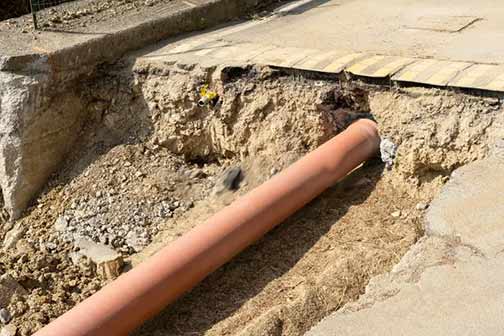
Once the trench is prepared, the next step involves removing the damaged or old sewer line and replacing it with a new one.

The Process of Replacing a Sewer Line in Chicago

Now that we have explored the factors influencing the duration of a sewer line replacement, let’s delve into the typical process of replacing a sewer line in Chicago. While some variations may exist depending on the specific project, this general outline will provide you with a better understanding of the overall process.

Inspection and Assessment

The first step in any sewer line replacement project is a thorough camera inspection of the existing sewer line. This involves the use of specialized cameras to identify any cracks, leaks, or blockages, as well as to determine the overall condition of the sewer line.

Planning and Permitting

Once the inspection is complete, the next step involves planning the replacement project and obtaining the necessary permits and permissions from the city of Chicago. This includes preparing the project timeline, budgeting, and ensuring compliance with local regulations.

Excavation

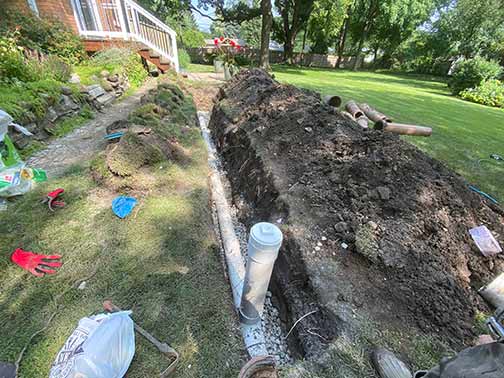
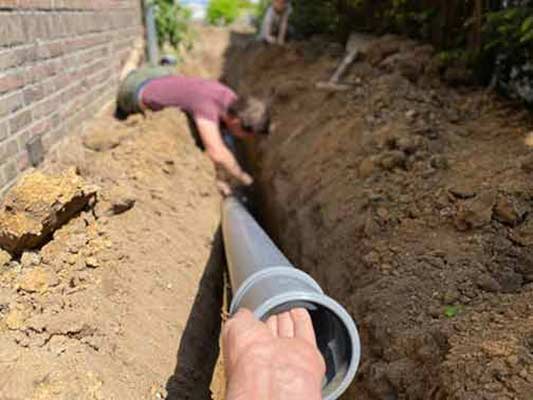
Excavation is the process of digging up the existing sewer line, creating a trench for the placement of the new line. The length and depth of the trench depend on the factors mentioned earlier. The excavation process requires careful consideration to minimize disruptions to the surrounding area.

Removal and Replacement

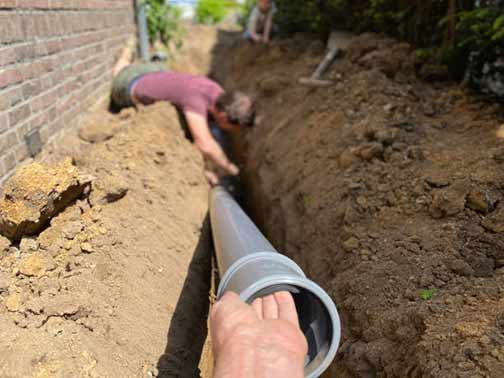
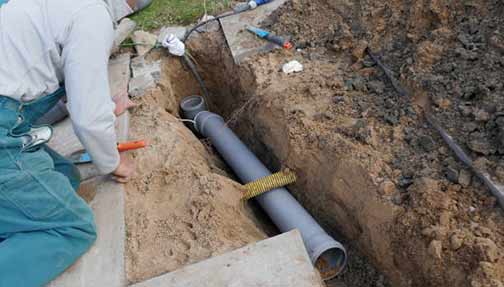
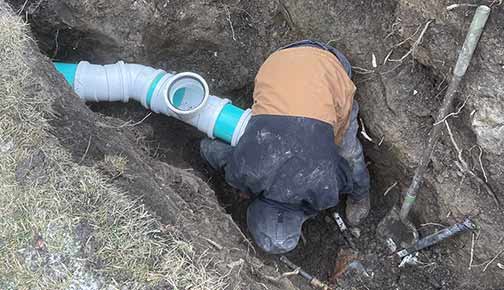
Once the trench is prepared, the next step involves removing the damaged or old sewer line and replacing it with a new one. The new sewer line is carefully installed, ensuring proper alignment, connections, and slopes to facilitate the seamless flow of wastewater.

Backfilling and Compaction

After the new sewer line is in place, the trench is backfilled with soil or gravel. This ensures stability and prevents any potential damage to the newly installed line. The backfilled area is then compacted to restore the ground’s integrity.

Site Restoration

The final step in the sewer line replacement process involves site restoration. This includes repairing any areas affected by the excavation, such as driveways, sidewalks, or landscaping. The goal is to leave the site in a condition similar to its pre-construction state.

Replacing a sewer line in Chicago is a detailed and intricate process that requires careful planning, execution, and adherence to local regulations. While it is challenging to provide an exact timeline due to the various factors involved, understanding the process and the factors influencing the duration can help you better prepare for such a project.

If you find yourself in need of a sewer line replacement in Chicago, it is essential to speak with an experienced Chicago plumber who can guide you through the process and ensure a successful outcome. Remember, investing in the maintenance and replacement of sewer lines goes a long way in preserving the cleanliness and functionality of our beloved city.

Why Sewer Line Bellies Are a Common Plumbing Issue and How to Resolve Them

Why Sewer Line Bellies Are a Common Plumbing Issue and How to Resolve Them

Here we will explain what sewer line bellies are, why they occur, and most importantly, how to effectively resolve them. Whether you are a homeowner experiencing issues with your sewer line or a curious individual looking to expand your knowledge, this article will provide you with valuable insights and practical solutions.

Understanding Sewer Line Bellies

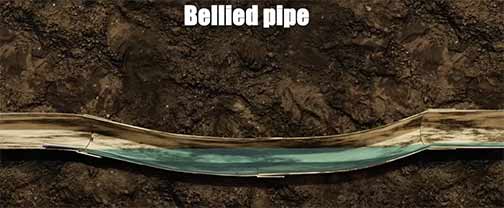
Before we delve into the causes and solutions, let’s first establish what sewer line bellies are. A sewer line belly, also known as a sag or a dip, refers to a section of the underground sewer pipe that sags or forms a low spot. This deviation from the normal slope of the sewer line can trap wastewater and debris, leading to blocked drains, sewer backups, and potentially costly repairs.

The Common Causes

Now that we know what sewer line bellies are, let’s explore the factors that contribute to their occurrence. Understanding the root causes will not only help you prevent future issues but also aid in devising effective solutions. Here are some of the common culprits behind sewer line bellies:

Soil Shifting and Settlement

Over time, soil around and beneath the sewer line can shift or settle due to various factors, such as erosion, natural ground movement, or improper compaction during construction. This shifting or settlement can cause the sewer line to sink in certain areas, leading to bellies.

Aging Infrastructure

In many cases, sewer line bellies occur in older homes with aging infrastructure. As the sewer pipes age, they may deteriorate or weaken, making them more susceptible to forming bellies. Additionally, the materials used in older sewer systems, such as clay or cast iron pipes, can be less resistant to sagging than modern materials like PVC.

Heavy Weight or Pressure

If heavy objects or vehicles consistently pass over a particular section of the sewer line, it can apply significant pressure on the pipe. This excessive weight or pressure can cause the pipe to sag, leading to a belly formation. This is especially common in areas with heavy traffic or construction activities.

a woman smelling unpleasant odors in her home.

If you detect persistent unpleasant smells, it’s essential to investigate the cause, as it may be related to a belly in the sewer line.

Identifying Sewer Line Bellies

Recognizing the presence of a sewer line belly is crucial for timely intervention and prevention of further damage. Here are some signs that can indicate the presence of a belly in your sewer line:

Slow Draining Fixtures

If you notice that multiple drains in your home, such as sinks, toilets, or showers, are draining slower than usual, it could be an indication of a sewer line belly. The sag in the sewer pipe can impede the flow of wastewater, resulting in slow drainage throughout the house.

Unpleasant Odors

A belly in the sewer line can create a stagnant pool of wastewater, which can lead to foul odors emanating from drains or even outside your property. If you detect persistent unpleasant smells, it’s essential to investigate the cause, as it may be related to a belly in the sewer line.

Sewage Backups

One of the most severe consequences of a sewer line belly is sewage backups. When the flow of wastewater is hindered due to a sag in the sewer line, it can cause sewage to back up into your home or property. If you notice sewage coming up through drains or toilets, it’s crucial to address the issue promptly to prevent further damage and health hazards.

hydro jetting service can help with sewer line bellies.

Hydro jetting can help restore the proper flow and efficiency of your sewer line, mitigating the effects of a belly.

Resolving Sewer Line Bellies

Now that we have a solid understanding of sewer line bellies and how to identify them, let’s explore the various methods to resolve this common plumbing issue. It’s worth noting that some solutions may be more suitable for minor bellies, while others may be necessary for more significant deformations. Here are some effective approaches:

Traditional Digging and Repair

In cases where the belly in the sewer line is severe or extends over a considerable length, traditional digging and repair may be the most appropriate solution. This method involves excavating the affected area, removing the sagging pipe, and replacing it with a new one. While this approach can be effective, it is often costly, time-consuming, and disruptive to your property.

Trenchless Pipe Lining

Trenchless pipe lining, also known as cured-in-place pipe lining (CIPP), is a popular and less invasive alternative to traditional digging. This method involves inserting a flexible liner coated with epoxy resin into the existing sewer pipe. The liner is then inflated and cured, forming a new, structurally sound pipe within the old one without the need for extensive excavation. Trenchless pipe lining is often a cost-effective and efficient solution for resolving sewer line bellies.

Hydro Jetting

Hydro jetting is a method used to clear blockages and buildup in sewer pipes, including those caused by bellies. It involves using high pressure water to blast away debris, sludge, and sediment from the interior of the pipe. Hydro jetting can help restore the proper flow and efficiency of your sewer line, mitigating the effects of a belly. It is important to hire a professional plumbing service to ensure the safe and effective execution of hydro jetting service.

Regular Maintenance and Inspections

Prevention is key when it comes to bellies within your sewer line. Regular maintenance and inspections of your sewer system can help detect potential issues early on, allowing you to take proactive measures to prevent belly formation. Professional plumbers can perform camera inspections of your sewer line, using specialized cameras to identify bellies, blockages, or other abnormalities.

In summary, sewer line bellies are a common plumbing issue that can lead to significant problems if left unresolved. By understanding the causes and signs of bellies in sewer lines, you can take timely action to address the issue and prevent further damage. Whether you opt for traditional digging and repair, trenchless pipe lining, hydro jetting, or regular maintenance, it’s essential to consult with a professional plumber to determine the most suitable solution for your specific situation. Remember, an ounce of prevention is worth a pound of cure when it comes to maintaining the integrity and functionality of your home sewer system.

Is a Permit Required for Sewer Line Replacement in Chicago?

Is a Permit Required for Sewer Line Replacement in Chicago

If you’re a homeowner in Chicago and in need of sewer line replacement, you may be wondering whether a permit is required. Here we aim to provide you with the necessary information regarding sewer line replacement permits in Chicago.

The Importance of Sewer Line Replacement Permits

Before we delve into the specifics of sewer line replacement permits in Chicago, let’s first understand why permits are required in the first place. Sewer line replacement involves significant excavation and repair work, which can have an impact on public safety, utility services, and neighboring properties. Permits are a way for local authorities to ensure that the work is carried out safely and in compliance with building codes and regulations.

By obtaining a permit, you demonstrate your commitment to following proper procedures and ensuring that the sewer line replacement is done correctly. It also helps protect you from potential liability and ensures that your property value is not affected due to unpermitted work.

Is a Permit Required for Sewer Line Replacement in Chicago?

Yes, in Chicago, a permit is required for sewer line replacement. The Chicago Department of Buildings, in collaboration with the Department of Water Management, oversees the permitting process for all construction activities in the city, including sewer line replacement.

Replacing a sewer line typically involves excavating the ground, removing the existing damaged pipe, and installing a new one. This type of work falls under the category of construction, which mandates the acquisition of a permit. Failing to obtain a permit before initiating sewer line replacement can result in penalties, fines, or even work stoppage.

The Permitting Process

The permitting process for sewer line replacement in Chicago can seem daunting, but by following the necessary steps, you can ensure a smooth and efficient experience.

Assessing the Need for Replacement

Before you can proceed with applying for a permit, it’s essential to determine whether your sewer line requires replacement. Signs of a damaged sewer line include recurring clogs, foul odors, sewage backups, slow drainage, or the presence of mold in your home.

If you suspect that your sewer line is damaged, it’s advisable to speak with a licensed Chicago plumber who can assess the situation and provide professional guidance on whether replacement is necessary.

Hiring a Licensed Contractor

Engaging a licensed and experienced contractor is crucial for a successful sewer line replacement project. A professional contractor will not only ensure that the work is done correctly but will also guide you through the permitting process.

Before hiring a contractor, be sure to verify their credentials, check for any complaints or legal issues, and request references from past clients. This will help ensure that you’re working with a reputable professional.

Gathering Required Documentation

When applying for a sewer line replacement permit, you’ll need to provide specific documentation. The required documents may vary based on the scope of the project and the location of your property, but generally, you can expect to provide the following:

  • Property information, including ownership details
  • A site plan showing the location of the proposed replacement
  • Construction drawings and specifications, detailing the scope of work and materials to be used
  • Proof of contractor’s license and insurance
  • Other relevant permits, such as plumbing permits

It’s essential to ensure that all the required documentation is complete and accurate to avoid delays in the permitting process.

Applying for the Permit

Once you’ve gathered all the necessary documentation, you can begin the permit application process. In Chicago, permit applications can be submitted online through the Chicago Department of Buildings’ website or in person at the Permit Application Center.

During the application process, you’ll need to pay the required fees, which will vary depending on the nature and scope of the project. It’s important to note that the permit fee is non-refundable, even if your application is denied.

In almost all cases, the plumbers you choose will do all of this for you and any fees will be paid for upfront and will be added to your total bill.

Permit Review and Approval

After submitting your permit application, it will be reviewed by the Chicago Department of Buildings. The review process ensures that your proposed sewer line replacement complies with the relevant building codes, regulations, and zoning requirements.

The review timeframe can vary, but generally, it takes a few weeks for a decision to be made. It’s advisable to follow up with the department if you haven’t received any updates after the specified review period.

If your application is approved, you will receive the necessary permits to commence your sewer line replacement project. It’s crucial to display the permits at the work site as required by the department.

a sewer line replacement service taking place in chicago.

When it comes to sewer line replacement in Chicago, obtaining a permit is a necessary step. It helps ensure that the work is done safely, in compliance with regulations, and protects your property value.

The Consequences of Unpermitted Sewer Line Replacement

Engaging in sewer line replacement without the required permits can have severe consequences. Chicago’s Department of Buildings takes permit violations seriously and may impose various penalties, including:

  • Fines: You may be subject to substantial fines for unpermitted work. The fines can increase if the violation continues.
  • Work Stoppage: The department has the authority to issue a stop-work order, halting all construction activities until the necessary permits are obtained.
  • Safety Concerns: Unpermitted work may not comply with safety requirements, posing risks to the public, workers, and neighboring properties. It’s important to prioritize safety by obtaining the required permits.
  • Liability Issues: If any issues or damages arise from unpermitted work, you may be held liable for any resulting injuries, property damage, or loss.

To avoid such complications, it’s always recommended to adhere to Chicago’s permitting requirements for sewer line replacement.

To Sum it Up

When it comes to sewer line replacement in Chicago, obtaining a permit is a necessary step. It helps ensure that the work is done safely, in compliance with regulations, and protects your property value. By following the appropriate process, hiring a licensed plumber, and providing the required documentation, you can avoid potential penalties and enjoy a successful sewer line replacement project.

In need of having your sewer line replaced in the Chicago area? Feel free to contact us by form below with any questions, concerns or to schedule a free estimate or call us at 773-599-9181.

The Key to Preventing Sewer Line Replacement: Regular Inspections and Maintenance

The Key to Preventing Sewer Line Replacement

When it comes to the maintenance of your property, few things are as crucial as the health of your sewer lines. A malfunctioning sewer system can lead to serious issues, including costly repairs and disruptions to your daily life. To avoid the hassle and expense of sewer line replacement, regular inspections and maintenance are key. Here we will explore the importance of proactive care for your sewer lines and provide useful tips on how to prevent the need for replacement.

The Consequences of Neglected Sewer Lines

Ignoring the maintenance needs of your sewer lines can have severe repercussions on your property and the environment. Here are some of the potential consequences that come with neglected sewer lines:

  • Backups and blockages: Over time, debris, tree roots, and other obstructions can accumulate in your sewer lines, causing backups and blockages. This can lead to wastewater flooding into your home or yard, creating unpleasant living conditions and health hazards.
  • Structural damage: If left unaddressed, sewer line issues can result in structural damage to your property. The pressure from backups and blockages can cause pipes to crack or burst, leading to costly repairs and potential foundation problems.
  • Environmental contamination: A damaged sewer line can leak wastewater into the surrounding soil and water sources. This can contaminate groundwater and nearby bodies of water, posing risks to human health and the environment.
  • Unpleasant odors: When sewer lines are compromised, foul odors can permeate your property. This can make your home or business an unpleasant place to be and leave a negative impression on visitors and customers.

The Role of Regular Sewer Line Inspections

In order to catch sewer line issues before they escalate, regular sewer line inspections are essential. By scheduling routine inspections, you can identify potential problems early on and address them promptly. Here’s why inspections matter:

  • Early problem detection: Inspections allow professionals to identify any signs of damage, leaks, or blockages in your sewer lines. Catching these issues early can help prevent major problems down the line.
  • Cost savings: Detecting and addressing minor sewer line issues is typically more cost-effective than waiting for a major problem to arise. Regular inspections can help you avoid expensive repairs and the need for complete sewer line replacement.
  • Peace of mind: Knowing that your sewer lines are in good condition provides peace of mind. By being proactive with inspections, you can avoid unexpected emergencies and potential disruptions to your daily life.
  • Compliance with regulations: In some areas, regular sewer line camera inspections are required by local regulations. By staying up to date with inspections, you can ensure compliance and avoid potential penalties.
having your sewer lines camera inspected is a good form of maintenance.

By being proactive with inspections, you can avoid unexpected emergencies and potential disruptions to your daily life.

The Importance of Maintenance

Regular inspections work hand in hand with proper sewer line maintenance. By implementing a maintenance routine, you can extend the lifespan of your sewer system and reduce the likelihood of replacement. Here are some key maintenance tips:

  • Monitor what goes down the drain: Be mindful of what you flush or pour down your drains. Items like grease, oil, feminine hygiene products, and certain chemicals can contribute to clogs and damage to your sewer lines. Dispose of these items properly instead.
  • Tree root management: Tree roots are a common cause of sewer line damage. If you have trees on your property, consider regular root maintenance and ensure that they are not located near your sewer lines.
  • Schedule regular cleanings: Professional sewer line cleanings can help remove accumulated debris and prevent potential clogs. Speak with a trusted plumbing professional to determine an appropriate cleaning schedule for your specific needs.
  • Proper water usage: Excessive water usage can put strain on your sewer system. Be mindful of your water consumption and avoid overloading the system unnecessarily.
  • Professional maintenance: In addition to regular inspections, enlisting the help of a professional for drain cleaning ,such as a hydro jetting service, can help keep your sewer lines in optimal condition.

The Benefits of Proactive Care

Taking a proactive approach to sewer line care offers numerous benefits for homeowners, business owners, and the community at large:

  • Cost savings: By investing in regular sewer camera inspections and maintenance, you can prevent the need for expensive sewer line replacements. The cost of proactive care is significantly lower than the cost of reactive repairs.
  • Peace of mind: Knowing that you are taking care of your sewer lines brings peace of mind. You can rest easy, knowing that potential issues are being addressed and that your property is protected.
  • Extended lifespan of your sewer system: By providing regular care and addressing minor issues promptly, you can extend the lifespan of your sewer system. This saves you money in the long run and reduces disruptions to your daily life.
  • Protecting the environment: Properly maintained sewer lines contribute to a healthier environment. By preventing leaks and contamination, you are helping to preserve water sources and protect local ecosystems.
  • Promoting community well-being: A well-maintained sewer system benefits the entire community. By preventing backups and other issues, you are contributing to the overall well-being and quality of life in your area.

Regular inspections and maintenance are the key to preventing sewer line replacement. By staying proactive and addressing minor issues promptly, you can avoid costly repairs, protect your property, and contribute to a healthier environment. Remember to schedule regular inspections, implement a maintenance routine, and seek professional assistance when needed. By taking these steps, you can enjoy the benefits of a well-functioning sewer system for years to come.

How Replacing Older Sewer Lines Can Boost Your Home’s Overall Value in Illinois

How Replacing Older Sewer Lines Can Boost Your Home’s Overall Value in Illinois

If you’re a homeowner in Illinois, you know the importance of maintaining and improving your property. From updating the kitchen to landscaping the yard, there are many ways to enhance your home’s overall value. However, one aspect that is often overlooked but can have a significant impact on your property’s worth is the condition of your sewer lines.

Understanding the Importance of Sewer Line Replacement

Your home’s sewer lines play a crucial role in maintaining a clean and functional living environment. They are responsible for carrying waste and wastewater away from your home and into the municipal sewer system. Over time, these sewer lines can deteriorate, corrode, or become clogged, leading to various issues such as leaks, backups, and even sewage flooding.

Replacing older sewer lines is essential for several reasons:

Avoid Costly Repairs:

Older sewer lines are more prone to damage and blockages, which can result in costly repairs. By replacing them proactively, you can prevent the need for emergency repairs and minimize the risk of potential water damage or health hazards.

Ensure Proper Functionality:

Old, deteriorating sewer lines may not function efficiently, leading to slow drainage, frequent clogs, or foul odors in your home. Replacing them will ensure that your plumbing system works smoothly and prevents any inconveniences associated with sewer line issues.

Protect Your Home’s Foundation:

When sewer lines leak or burst, they can cause water to seep into the soil surrounding your home’s foundation. This can lead to foundation damage, including cracks and shifts, which can significantly decrease your property’s value. By replacing old sewer lines, you can avoid such structural issues and maintain the stability of your home.

having your sewer lines replaced before selling can increase buyer confidence.

By having updated sewer lines, you can instill confidence in potential buyers that they won’t have to worry about sewer-related problems in the future.

The Impact of Sewer Line Replacement on Your Home’s Value

Now that we understand the importance of sewer line replacement, it’s time to explore how this maintenance task can actually boost your home’s overall value.

Increased Buyer Confidence:

When potential buyers are assessing a property, they want to ensure that they won’t encounter any major issues after purchasing it. By having updated sewer lines, you can instill confidence in potential buyers that they won’t have to worry about sewer-related problems in the future. This can make your home more appealing and increase its market value.

Avoiding Negotiations or Price Reductions:

If your home’s sewer lines are outdated or malfunctioning, buyers may request repairs or demand a reduction in the selling price to account for the necessary replacements. By proactively replacing your sewer lines, you can avoid such negotiations and potentially sell your home at a higher price.

Enhancing Home Inspection Results:

During the home inspection process, any issues with the sewer lines can be flagged, leading to potential buyer concerns or requests for repairs. By replacing old sewer lines, you can ensure that the home inspection report is clear of major plumbing concerns, presenting your property as well-maintained and increasing its value.

Peace of Mind for Future Homeowners:

By taking care of sewer line replacement before selling your home, you provide peace of mind to the future homeowners. They can purchase the property confidently, knowing that they won’t have to deal with any sewer-related headaches or unexpected expenses in the near future.

a popular form of sewer line replacement is by way of excavation.

Traditional replacement involves digging up the old sewer lines and replacing them with new pipes.

Choosing the Right Sewer Line Replacement Method

When it comes to replacing sewer lines, homeowners in Illinois have several options. Here are a few common methods:

Traditional Excavation:

This method involves digging up the old sewer lines and replacing them with new pipes. While it is effective, it can be disruptive, time-consuming, and costly. It is often used when other methods are not feasible due to the location or extent of the damage.

Trenchless Sewer Line Replacement:

Trenchless methods, such as pipe lining and pipe bursting, are becoming increasingly popular due to their minimal invasiveness and cost-effectiveness. These methods involve creating a new pipe within the existing damaged pipe or bursting the old pipe while simultaneously replacing it with a new one. While we don’t recommend this form of repair and replacement, it is still an option.

Summing It Up

Ensuring that your sewer lines are in good condition is vital for maintaining your home’s value in Illinois. By proactively replacing older sewer lines, you can prevent costly repairs, ensure proper functionality, and protect your home’s foundation. Additionally, having updated sewer lines can increase buyer confidence, avoid negotiations or price reductions, enhance home inspection results, and provide peace of mind to future homeowners.

If you’re considering selling your home or are simply looking to maintain its value, don’t overlook the importance of sewer line replacement. Speak with a professional plumber to camera inspect the condition of your sewer lines and determine the best course of action for your specific circumstances.

Frequently Asked Questions About Residential Sewer Lines in Chicago

a residential sewer line in chicago.

Common Questions About Residential Sewer Lines in Chicago

Whether you’re a homeowner in the city or planning to move to Chicago, it’s important to have a good understanding of sewer systems and how they work. Below we’ll cover common concerns, maintenance tips, and important information regarding residential sewer lines in the beautiful city of Chicago.

1. What is a residential sewer line?

A residential sewer line, also known as a house sewer, is the underground pipe system that carries wastewater from your home’s plumbing fixtures to the sewer main in the street or an adjacent alley. It connects your property to the municipal sewer system, ensuring proper waste disposal.

2. How do I know if there is a problem with my sewer line?

There are several signs that may indicate a problem with your residential sewer line. These include:

  • Frequent toilet clogs
  • Slow draining sinks, showers, or tubs
  • Gurgling noises coming from drains
  • Foul odors in your yard or home
  • Sewage backups or water pooling in the basement or yard

If you notice any of these signs, it’s crucial to contact a professional plumber specializing in residential sewer line repairs.

3. How often should I have my sewer line inspected?

While there isn’t a specific timeframe for sewer line inspections, it’s recommended to have your home sewer line camera inspected every 1-2 years, especially if you live in an older home or an area with a history of sewer line issues. Regular inspections can help identify potential problems before they escalate and prevent major repairs in the future.

4. Can tree roots damage my sewer line?

Yes, tree roots can infiltrate and damage residential sewer lines. As trees grow, their roots naturally seek sources of water, including sewer pipes. Over time, tree roots can cause cracks and blockages, leading to sewer line backups. It’s advisable to plant trees away from sewer lines and have a professional inspect and trim tree roots near your sewer line regularly.

5. How can I prevent sewer line clogs?

Preventing sewer line clogs involves practicing good plumbing habits. Here are some tips:

  • Avoid flushing non-biodegradable items such as wipes, diapers, and feminine hygiene products down the toilet.
  • Dispose of cooking grease and oils in the trash rather than pouring them down the sink.
  • Install drain screens or traps to catch debris and prevent it from entering your sewer line.
  • Avoid excessive use of chemical drain cleaners as they can damage your pipes.
  • Regularly maintain your gutters and downspouts to prevent debris from entering the sewer system.

6. What should I do if there is a sewer line backup?

In the event of a sewer line backup, it’s essential to take immediate action. Follow these steps:

  • Turn off the water supply to your home to prevent further backups.
  • Avoid using any plumbing fixtures until the issue is resolved.
  • Contact a professional plumber who specializes in sewer line repairs.
  • Avoid trying to fix the problem yourself as it may cause further damage.

7. What are the common causes of sewer line damage?

Several factors can contribute to sewer line damage, including:

  • Age and deterioration of pipes
  • Tree roots infiltrating the pipes
  • Ground movement or shifting soil
  • Accumulation of grease, debris, or foreign objects
  • Extreme temperature changes
  • Improper installation or previous repairs

Understanding these causes can help you take preventive measures and ensure the longevity of your residential sewer line.

8. Do I need a permit to repair or replace my sewer line?

Yes, in Chicago, a permit is required to repair or replace a residential sewer line. It’s important to consult with the Chicago Department of Buildings to obtain the necessary permits and ensure compliance with the city’s regulations.

In Conclusion

Residential sewer lines play a vital role in maintaining a clean and healthy environment in Chicago. By understanding the basics of sewer line systems, recognizing signs of potential issues, and following good plumbing practices, you can help prevent costly repairs and ensure the proper functioning of your home’s sewer system. Remember to reach out to professional plumbers for any concerns or repairs related to your residential sewer line. Stay informed, take proactive steps, and enjoy a hassle-free sewage system in the windy city!

How Often Do Sewer Lines Need to be Replaced?

How Often Do Sewer Lines Need to be Replaced

If you’re a homeowner or a property owner, it’s important to understand the lifespan of your sewer lines and when you may need to consider replacing them. Below we will explore the factors that influence the longevity of sewer lines and provide you with some useful information to help you make informed decisions regarding the maintenance and replacement of your sewer system.

Understanding Sewer Line Lifespan

Before diving into the frequency of replacement, let’s first understand how long sewer lines typically last. The lifespan of sewer lines can vary depending on several factors. The material used, the quality of installation, and the maintenance practices all play a significant role in determining how long a sewer line will function properly.

Traditional sewer pipes were commonly made of clay, cast iron, or Orangeburg (bituminized fiber pipe), which have a lifespan of around 50 to 75 years. However, modern sewer lines are usually made of more durable materials such as PVC (polyvinyl chloride) or HDPE (high-density polyethylene), which can last over 100 years with proper care.

Factors Affecting Sewer Line Lifespan

Now that we know the potential lifespan of sewer lines, let’s get into the factors that can impact their longevity:

Material

The material of the sewer line is an important factor in determining its lifespan. As mentioned earlier, older pipes made of clay, cast iron, or Orangeburg are more prone to wear and deterioration. On the other hand, modern materials like PVC and HDPE offer enhanced durability and longevity.

Quality of Installation

The quality of the initial installation plays a vital role in the lifespan of sewer lines. Improper installation techniques, such as inadequate slope or incorrect connections, can lead to premature wear and potential failures in the system. It is crucial to hire experienced professionals who follow industry best practices for installation.

Environmental Factors

The surrounding environment can significantly impact the lifespan of sewer lines. Factors like soil quality, tree roots, extreme temperatures, and chemical exposure can all contribute to the deterioration of sewer pipes. For instance, tree roots seeking moisture can infiltrate sewer lines, causing blockages and damage over time.

Maintenance and Care

The way sewer lines are maintained and cared for also affects their longevity. Regular preventive maintenance, including drain cleaning, inspections, and timely repairs, can help extend the lifespan of your sewer system. Neglecting maintenance can lead to the buildup of debris, clogs, and corrosion, which can eventually result in the need for replacement.

sewer line foul odors.

Sewage backup or leaks can emit foul smells that should not be ignored.

Signs that Your Sewer Line Needs Replacement

While sewer lines are designed to be durable, they are not invincible. Here are some common signs that indicate your sewer line may be in need of replacement:

Frequent Clogs

If you notice that your drains are frequently clogged or slow to drain, it could be an indication of a damaged sewer line. Persistent clogs even after attempts to clear them may require further investigation.

Foul Odors

Unpleasant odors coming from your drains or yard can be a sign of a sewer line issue. Sewage backup or leaks can emit foul smells that should not be ignored.

Sewage Backups

If sewage backs up into your home or yard, it is a clear indication of a sewer line problem that needs immediate attention. This can pose serious health risks and should be addressed promptly.

Mold or Mildew Growth

Excessive moisture caused by a damaged sewer line can create the perfect environment for mold and mildew to thrive. If you notice mold growth or a persistent musty smell, it is important to investigate the source.

Visible Damage

Physical damage to your sewer line, such as cracks, leaks, or collapsed sections, may require replacement. Aging pipes or environmental factors can cause visible wear and tear.

Plumbing System Age

If your plumbing system is reaching the end of its expected lifespan, it may be time to consider replacing the sewer lines proactively. Aging systems are more prone to failures and can cause significant damage if not addressed in a timely manner.

sewer camera inspections are important for maintenance reasons.

Regular sewer line inspections carried out by professionals can help identify potential issues before they escalate.

Maintaining Sewer Lines for Longevity

While sewer lines will eventually need replacement, there are measures you can take to maximize their lifespan:

Annual Inspections

Regular camera inspections of your sewer line carried out by professionals can help identify potential issues before they escalate. By spotting early signs of wear or damage, you can address them promptly, avoiding costly repairs or replacements down the line.

Preventive Maintenance

Implementing a preventive maintenance routine can help keep your sewer lines in good condition. This includes regular drain cleaning to prevent clogs, as well as addressing any leaks or damage as soon as they are detected.

Proper Disposal Practices

Avoid flushing any non-biodegradable or harmful substances down your drains. Items like wipes, grease, chemicals, and pharmaceuticals can contribute to clogs or damage within your sewer lines.

Tree and Plant Placement

If you have trees or large plants near your sewer lines, consider their placement carefully. Tree roots are a common cause of sewer line damage, so it’s important to keep them a safe distance away to reduce the risk of infiltration.

Everything Considered

Knowing when sewer lines need to be replaced is crucial for every homeowner or property owner. By understanding the factors that influence the lifespan of sewer lines and recognizing the signs of potential issues, you can take proactive steps to maintain your sewer system and avoid costly emergencies.

Remember, regular inspections and preventive maintenance are key to extending the lifespan of your sewer lines. By investing in the care of your sewer system, you can ensure the reliable and efficient disposal of wastewater from your property for years to come.

A Comprehensive Guide to Choosing a Professional Sewer Line Replacement Service in Chicago

A Comprehensive Guide to Choosing a Professional Sewer Line Replacement Service in Chicago

Choosing the right sewer line replacement service in Chicago can be a daunting task, but it’s a crucial decision for any homeowner or property owner. Your sewer line is a vital component of your property’s infrastructure, and when it needs replacement, you want it done right the first time. With the city’s aging infrastructure, sewer line replacements are not uncommon. Whether you live in the historic neighborhoods of Lincoln Park or the hot bed of the Chicago Loop, a reliable sewer line replacement service is essential. Below we’ll walk you through the key factors to consider when selecting a professional service to tackle your sewer line replacement project. 

What to Consider When Choosing a Sewer Line Replacement Service

When facing the need for a sewer line replacement in Chicago, it’s essential to make a well-informed choice to ensure a successful and hassle-free project. Here’s a breakdown of what you should consider:

  • Reputation Matters: Look for companies with a strong reputation in the local community. Seek out reviews and testimonials, and ask for referrals from neighbors or friends who have had similar work done.

  • Experience Counts: Experience is invaluable when it comes to sewer line replacement. Find out how long the company has been in business and inquire about its track record.

  • Expertise in Sewer Line Replacement: Verify that the plumbers specializes in sewer line replacement. They should have a dedicated team of experts who understand the intricacies of sewer systems.

  • Local Knowledge: Chicago’s sewer system can be unique, with older properties and complex underground layouts. Hiring a service familiar with the city’s specific sewer challenges can make a significant difference in the success of your project.

  • Transparent Pricing: Don’t leave anything to chance regarding costs. Request clear, itemized quotes from potential service providers. This transparency ensures you know exactly what you’re paying for and helps you avoid unexpected expenses down the road.

Taking these detailed factors into account will help you choose the right sewer line replacement service in Chicago and give you confidence that your project will be handled with expertise and professionalism. Your sewer line’s health is paramount, and making an informed decision is your key to a trouble-free replacement.

Metal sewer pipes.

Finding the right sewer line replacement service in Chicago should be well-planned.

Finding Trustworthy Sewer Line Replacement Services in Chicago

Hearing about others’ satisfaction can guide you in the right direction. When it comes to locating a dependable sewer line replacement service in Chicago, we understand that trust is paramount. Begin by tapping into your local network—friends, neighbors, or online communities can offer valuable recommendations based on their firsthand experiences. 

Online reviews on platforms like Yelp and Google Reviews provide a window into a company’s reputation. Look for consistently positive feedback and how they address any negative comments, giving you insight into their customer relations. Request references from potential service providers. Speaking directly with their previous clients can provide real-world feedback that bolsters your confidence in their trustworthiness. 

Also, you should verify the service’s licensing and insurance credentials. This is essential for your peace of mind and a testament to their commitment to professionalism and accountability. Lastly, explore their website. A professionally presented website often reflects a reputable company. Seek out information about their plumbing services, team, and past projects.

A plumber fixing pipes.

Hiring professionals is an essential step in this kind of repair.

Assessing Experience and Expertise

When it comes to ensuring a successful sewer line replacement in Chicago, experience and expertise are your trusted allies. Choose a service with a proven track record of handling common plumbing problems in Chicago. Seasoned professionals are adept at navigating the unique challenges that may arise, ensuring a smoother process.

Specialization in sewer line replacement is key. Even though you might think your skills and knowledge might be enough to fix it yourself, we strongly suggest you hire a professional. A company focusing primarily on this type of work possesses the specialized knowledge and skills necessary for efficient and effective solutions. One of the important pieces of advice Number 1 Movers Canada gave to their customers is that repairs like this one simply require a pair of well-experienced hands. By prioritizing experience and expertise in your selection, you’re setting yourself up for a sewer line replacement that’s hassle-free and tailored to the city’s specific challenges. 

Cost Considerations for Sewer Line Replacement

Before diving into any project, it’s essential to have a well-defined budget in mind. Consider how much you’re willing to invest in your sewer line replacement, and be realistic about your financial capabilities. In Chicago, sewer line replacement services typically follow one of two pricing models: flat-rate or per-linear-foot pricing. Understanding these models and their implications on your final bill is crucial. Ask potential services which model they use.

On average, sewer line replacement in Chicago can cost anywhere from $7,000 to $12,000 or more, depending on various factors such as the extent of the damage, the length of the sewer line, and the materials used. Knowing these ballpark figures can help you gauge if a quote is reasonable. When requesting quotes, be specific about your project’s details. This includes the size of your property, the location of the sewer line, and any known issues. The more information you provide, the more accurate your quotes will be.

A plumber using tools to replace pipes.

Plan your repair carefully and according to your budget.

In Conclusion

In a city where history meets innovation, your choice of a sewer line replacement service in Chicago is more than just a decision – it’s an investment in the longevity of your property. By applying the insights from this guide, you’ll be equipped to make an informed decision that aligns with your needs and budget. Don’t leave your sewer line replacement to chance. Choose a service that can handle the challenges of Chicago and keep your property’s infrastructure intact. Remember, when it comes to sewer line replacement in Chicago, the right choice today can save you headaches tomorrow!