Tag Archives: sewer line camera inspection

Frequently Asked Questions About Residential Sewer Lines in Chicago

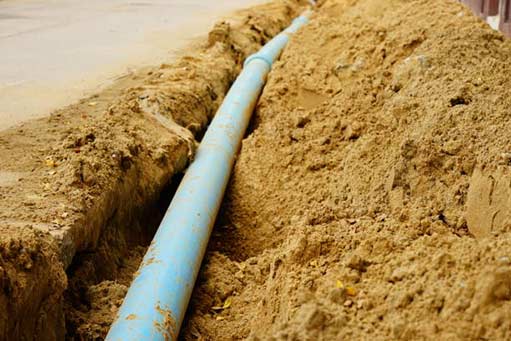
a residential sewer line in chicago.

Common Questions About Residential Sewer Lines in Chicago

Whether you’re a homeowner in the city or planning to move to Chicago, it’s important to have a good understanding of sewer systems and how they work. Below we’ll cover common concerns, maintenance tips, and important information regarding residential sewer lines in the beautiful city of Chicago.

1. What is a residential sewer line?

A residential sewer line, also known as a house sewer, is the underground pipe system that carries wastewater from your home’s plumbing fixtures to the sewer main in the street or an adjacent alley. It connects your property to the municipal sewer system, ensuring proper waste disposal.

2. How do I know if there is a problem with my sewer line?

There are several signs that may indicate a problem with your residential sewer line. These include:

  • Frequent toilet clogs
  • Slow draining sinks, showers, or tubs
  • Gurgling noises coming from drains
  • Foul odors in your yard or home
  • Sewage backups or water pooling in the basement or yard

If you notice any of these signs, it’s crucial to contact a professional plumber specializing in residential sewer line repairs.

3. How often should I have my sewer line inspected?

While there isn’t a specific timeframe for sewer line inspections, it’s recommended to have your home sewer line camera inspected every 1-2 years, especially if you live in an older home or an area with a history of sewer line issues. Regular inspections can help identify potential problems before they escalate and prevent major repairs in the future.

4. Can tree roots damage my sewer line?

Yes, tree roots can infiltrate and damage residential sewer lines. As trees grow, their roots naturally seek sources of water, including sewer pipes. Over time, tree roots can cause cracks and blockages, leading to sewer line backups. It’s advisable to plant trees away from sewer lines and have a professional inspect and trim tree roots near your sewer line regularly.

5. How can I prevent sewer line clogs?

Preventing sewer line clogs involves practicing good plumbing habits. Here are some tips:

  • Avoid flushing non-biodegradable items such as wipes, diapers, and feminine hygiene products down the toilet.
  • Dispose of cooking grease and oils in the trash rather than pouring them down the sink.
  • Install drain screens or traps to catch debris and prevent it from entering your sewer line.
  • Avoid excessive use of chemical drain cleaners as they can damage your pipes.
  • Regularly maintain your gutters and downspouts to prevent debris from entering the sewer system.

6. What should I do if there is a sewer line backup?

In the event of a sewer line backup, it’s essential to take immediate action. Follow these steps:

  • Turn off the water supply to your home to prevent further backups.
  • Avoid using any plumbing fixtures until the issue is resolved.
  • Contact a professional plumber who specializes in sewer line repairs.
  • Avoid trying to fix the problem yourself as it may cause further damage.

7. What are the common causes of sewer line damage?

Several factors can contribute to sewer line damage, including:

  • Age and deterioration of pipes
  • Tree roots infiltrating the pipes
  • Ground movement or shifting soil
  • Accumulation of grease, debris, or foreign objects
  • Extreme temperature changes
  • Improper installation or previous repairs

Understanding these causes can help you take preventive measures and ensure the longevity of your residential sewer line.

8. Do I need a permit to repair or replace my sewer line?

Yes, in Chicago, a permit is required to repair or replace a residential sewer line. It’s important to consult with the Chicago Department of Buildings to obtain the necessary permits and ensure compliance with the city’s regulations.

In Conclusion

Residential sewer lines play a vital role in maintaining a clean and healthy environment in Chicago. By understanding the basics of sewer line systems, recognizing signs of potential issues, and following good plumbing practices, you can help prevent costly repairs and ensure the proper functioning of your home’s sewer system. Remember to reach out to professional plumbers for any concerns or repairs related to your residential sewer line. Stay informed, take proactive steps, and enjoy a hassle-free sewage system in the windy city!
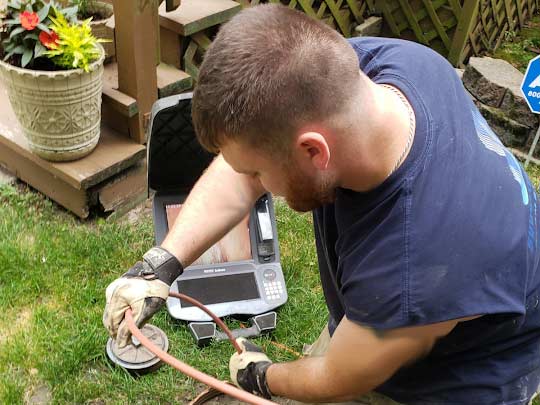
What is the Cost of a Sewer Line Camera Inspection in Chicago?

What is the Cost of a Sewer Line Camera Inspection in Chicago

When it comes to maintaining and repairing sewer lines, one of the most important tools in a plumber’s arsenal is a sewer line camera inspection. This advanced technology allows plumbers to visually inspect the inside of sewer pipes, diagnose issues, and determine the best course of action for repairs. While sewer line camera inspections are widely used and highly effective, many homeowners in Chicago wonder about the cost associated with this service. Below we will explore the factors that influence the cost of a sewer line camera inspection in Chicago and provide you with an understanding of what to expect.

Importance of Sewer Line Camera Inspection

Before discussing the cost of a sewer line camera inspection, it is important to understand why this service is invaluable in maintaining the health of your sewer system. A sewer line camera inspection allows plumbers to identify a wide range of issues, including blockages, leaks, cracks, root intrusions, and deterioration. By identifying these problems in their early stages, homeowners can address them before they escalate into more significant and costly repairs.

Sewer camera inspections are particularly useful in Chicago, where the city’s infrastructure is aging. With many homes and buildings in the city having sewer pipes that are decades old, regular inspections can help identify potential issues and avoid major disruptions.

Factors Affecting the Cost

Type of Property

The cost of a sewer line camera inspection can vary depending on the type of property being inspected. Residential properties typically have simpler plumbing systems compared to commercial or industrial properties. As a result, inspections for residential properties tend to be less expensive.

Commercial or industrial properties, on the other hand, may have more complex plumbing systems, larger pipes, and a greater number of sewer connections. Inspecting these properties requires specialized equipment and expertise, which can contribute to a higher cost.

Length of the Sewer Line

Another factor that influences the cost of a sewer line camera inspection is the length of the sewer line being inspected. Longer sewer lines require more time and resources to inspect thoroughly. Therefore, the cost of inspecting a longer sewer line is generally higher compared to shorter lines.

It is worth noting that some companies charge a flat fee for the first few feet of inspection, while others may charge per foot for the entire length of the sewer line. Ensure you clarify the billing structure with the plumbing company beforehand to avoid any surprises.

Accessibility of the Sewer Line

The accessibility of the sewer line also affects the cost of inspection. If the sewer line is easily accessible and does not require any kind of excavation, the cost is likely to be lower. However, if the sewer line is located deep underground, obstructed by other utility lines, or surrounded by hard-to-reach areas, it may require additional equipment or labor, leading to higher costs.

Additional Services Needed

In some cases, a sewer line camera inspection may uncover issues that require additional services such as drain cleaning, repairs, or replacements. If a hydro jetting service is necessary, they will be billed separately from the inspection itself. The cost of any additional services will depend on the extent of the problem and the required sewer line repair service.

a sewer camera inspection service in chicago.

While the cost of a sewer camera inspection may seem significant, it is crucial to consider the value it provides.

Cost Range for Sewer Line Camera Inspections in Chicago

The cost of a sewer line camera inspection in Chicago typically ranges between $300 and $500. However, this range can vary depending on the factors mentioned above and the specific plumbing company you choose to work with. It is essential to request quotes from multiple reputable plumbing companies to compare prices and services.

Considering the Value

While the cost of a sewer camera inspection may seem significant, it is crucial to consider the value it provides. Identifying and addressing sewer line issues early can save homeowners thousands of dollars in future repairs and prevent potential health hazards.

Moreover, many plumbing companies offer warranties or guarantees for their inspection services. If any issues arise shortly after the inspection, the company can address them at little to no additional cost. This provides peace of mind and adds further value to the investment in a sewer line camera inspection.

In Summary

When it comes to maintaining the health of your sewer system, a sewer line camera inspection is an indispensable tool. By understanding the factors that influence the cost of this service and the value it provides, homeowners in Chicago can make informed decisions about their sewer line maintenance. Remember to research reputable plumbing companies, request quotes, and prioritize regular inspections to keep your home sewer system running smoothly and avoid costly repairs in the long run.

Investing in a sewer camera inspection is a proactive step towards ensuring the longevity and functionality of your sewer system, giving you peace of mind and saving you money in the future.

In need of a sewer camera inspection in Chicagoland? Contact us at 773-599-9181 or by form below!

Sewer Scoping Inspections and Buying a Home: What You Need to Know

Sewer Scoping Inspections and Buying a Home

If you’re in the process of buying a home, there are a lot of things to consider. You want to ensure that the home you’re purchasing is in good condition and that there are no major issues that will end up costing you a fortune in repairs down the line. One area that you don’t want to overlook is the sewer system. That’s where sewer scoping inspections come in.

What is a Sewer Scope Inspection?

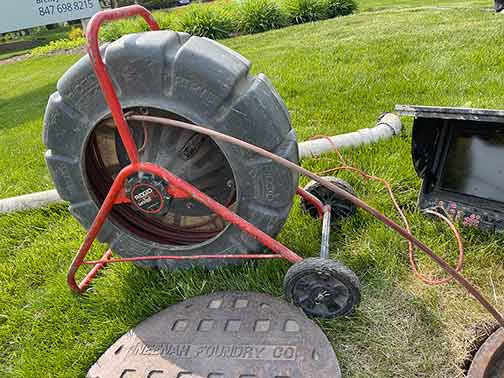
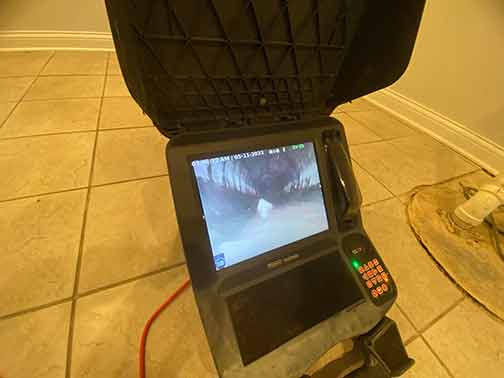
A sewer scope inspection is a process in which a specialized camera is inserted into the home’s plumbing system to inspect the condition of the sewer pipes. The camera is attached to a long, flexible cable and is inserted through a drain, typically the main sewer line cleanout.

The camera is able to provide a detailed view of the condition of the sewer pipes, including any obstructions, cracks, or other issues that could be present. The inspection will typically take about an hour to complete, and the results will be provided to you in a detailed report and/or can be recorded on a USB drive.

a sewer scoping inspection taking place.

A sewer scope inspection is a process in which a specialized camera is inserted into the home’s plumbing system to inspect the condition of the sewer pipes.

Why is a Sewer Scope Inspection Important?

There are a few reasons why a sewer scope inspection is important when buying a home. First, it allows you to identify any issues that might be present in the sewer pipes. If there are cracks, breaks, or obstructions, these can end up causing major issues down the line. By identifying these issues before you purchase the home, you can work with the seller to address them, or you can make an informed decision about whether to move forward with the purchase.

Second, if you do end up purchasing a home with sewer issues, you could be on the hook for costly repairs. Sewer repairs can be extremely expensive, and if you don’t catch these issues before you buy the home, you could be looking at a significant amount of unexpected costs.

How to Get a Sewer Scope Inspection

If you’re interested in getting a sewer scope inspection, you’ll need to contact a qualified local plumber or sewer inspection company. They will be able to schedule the inspection, perform the assessment, and provide you with a detailed report of their findings.

It’s important to note that not all homes will require a sewer scope inspection. If you’re purchasing a newly-constructed home, for example, the sewer pipes may still be in excellent condition and not require inspection. However, if you’re purchasing an older home, or a home that has a history of sewer issues, a sewer scope inspection is likely a good idea.

a sewer line camera inspection taking place.

The technician will be looking for various issues, such as cracks or breaks in the pipes, tree roots that may be growing into the pipes, and any other obstructions that may be preventing water from flowing freely through the system.

What to Expect During the Sewer Scope Inspection

During the inspection, a qualified technician will insert the camera into the home’s plumbing system. They will typically begin by inspecting the main sewer line, which is the largest and most important sewer pipe in the home. From there, they will inspect any other relevant pipes, such as those leading from bathrooms or sinks.

The technician will be looking for various issues, such as cracks or breaks in the pipes, tree roots that may be growing into the pipes, and any other obstructions that may be preventing water from flowing freely through the system.

After the inspection is complete, the technician will provide you with a report that details their findings. The report will typically include information about the condition of the pipes, any issues that were identified, and recommendations for repair or replacement of the sewer line or further inspections if necessary.

What Happens If Issues Are Identified?

If the sewer scope inspection identifies issues with the home’s sewer system, you’ll want to work with the seller and your real estate agent to address them. Depending on the severity of the issues, it may be necessary to negotiate repairs or a reduction in the home’s sale price to cover the cost of repairs.

It’s important to keep in mind that not all issues with a sewer system will be deal breakers. However, it’s important to have all of the information available to you so that you can make an informed decision about the home purchase.

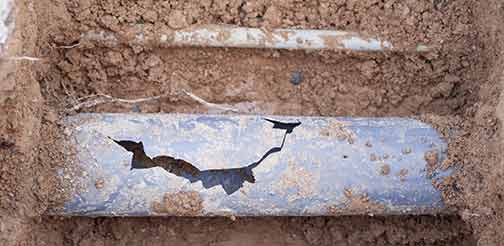
a broken sewer line.

After the inspection is complete, the technician will provide you with a report that details their findings.

To Sum it Up

When buying a home, it’s important to have as much information as possible about the condition of the property. This includes the condition of the home’s sewer system. By getting a sewer scope inspection, you can identify any issues that might be present in the sewer pipes and make an informed decision about whether to move forward with the home purchase.

Remember, not all homes will require a sewer scope inspection, but if you’re purchasing an older home or a home with a history of sewer issues, it’s likely a good idea. Contact a qualified plumber or sewer inspection company to schedule an camera inspection of your sewer line and get the information you need to make an informed decision about the home purchase.