Tag Archives: sewer backups

Sewer Backup Cleanup for Homeowners: Step-by-Step Guide

Sewer Backup Cleanup for Homeowners

Understanding Sewer Backups: Causes and Prevention

Sewer backups can be a nightmare for homeowners. They occur when an obstruction or damage in the sewer line prevents wastewater from flowing away from your home, causing it to back up into your living spaces. Common causes include tree roots infiltrating pipes, blockages from debris or grease, and aging or damaged sewer lines. Preventing these issues involves regular maintenance, avoiding flushing inappropriate items, and being vigilant about signs of potential problems.

Immediate Actions to Take When You Discover a Sewer Backup

Discovering a sewer backup in your home can be alarming, but taking immediate action can mitigate damage and health risks. First, avoid using any plumbing fixtures to prevent additional wastewater from entering your home. Turn off the main water supply if necessary. Next, evacuate the affected area to avoid exposure to harmful contaminants. If the backup is extensive, consider contacting a nearby plumber or restoration service for assistance.

Assessing the Extent of the Damage

Before we get into the cleanup process, it’s crucial to assess the extent of the damage. This involves determining which areas of your home are affected and the severity of the contamination. Look for signs such as standing water, dampness, and unpleasant odors. Check walls, floors, and personal belongings for any signs of water damage. This assessment will help you plan the cleanup process and decide whether you need professional help.

Gathering Essential Cleanup Supplies

Proper cleanup of a sewer backup requires specific supplies to ensure safety and effectiveness. Gather the following items before you begin:

  • Protective gear: gloves, masks, and goggles
  • Cleaning agents: disinfectants, bleach, and detergents
  • Tools: mops, buckets, scrub brushes, and sponges
  • Absorbent materials: towels, rags, and paper towels
  • Trash bags: for disposing of contaminated items

Personal Safety Measures During Cleanup

Safety should be your top priority when cleaning up a sewer backup. Wear protective gear, including gloves, masks, and goggles, to avoid direct contact with contaminated water and surfaces. Ensure proper ventilation in the affected area by opening windows and using fans. Avoid consuming food or drinks in the cleanup zone, and wash your hands thoroughly after handling contaminated items.

Removing Standing Water and Debris

The first step in the physical cleanup process is to remove standing water and debris from the affected area. Use a wet/dry vacuum or a pump to extract water. Be cautious of electrical hazards if water has come into contact with electrical outlets or appliances. Once the water is removed, collect and dispose of any solid debris, such as dirt, paper, or other materials, that may have been carried in by the backup.

Cleaning and Disinfecting Affected Areas

Thorough cleaning and disinfection are essential to eliminate harmful pathogens and prevent mold growth. Start by scrubbing surfaces with soap and water to remove dirt and grime. Follow up with a disinfectant solution, such as a mixture of bleach and water, to kill bacteria and viruses. Pay special attention to floors, walls, and any porous materials that may have absorbed contaminated water. Rinse surfaces with clean water and allow them to dry completely.

Handling Contaminated Personal Belongings

Personal belongings that have come into contact with sewage water need special attention. Hard, non-porous items can often be cleaned and disinfected, while porous items like carpets, upholstery, and paper products may need to be discarded. When in doubt, it’s best to err on the side of caution and dispose of items that cannot be thoroughly sanitized.

Drying and Dehumidifying the Area

After cleaning, it’s crucial to dry the affected area to prevent mold and mildew growth. Use fans, dehumidifiers, and open windows to promote air circulation and speed up the drying process. Monitor the humidity levels and continue drying until the area is completely dry. This step is vital to ensure a safe and healthy environment in your home.

Restoring and Repairing Damaged Areas

Once the area is clean and dry, you can begin restoring and repairing any damage caused by the sewer backup. This may involve replacing drywall, flooring, or insulation that was contaminated or damaged. Consider consulting with a professional contractor to ensure the repairs are done correctly and safely. Taking the time to restore your home properly will help prevent future issues and maintain its value.

Preventing Future Sewer Backups

Preventing future sewer backups involves regular maintenance and mindful practices. Schedule routine inspections of your sewer lines to identify and address potential problems early. Avoid flushing items like grease, wipes, and feminine hygiene products that can cause blockages. Consider installing a backflow valve to prevent sewage from flowing back into your home. Educate your household members about proper disposal methods to keep your plumbing system in good condition.

When to Call a Professional

While some sewer backups can be handled by homeowners, there are situations where professional help is necessary. If the backup is extensive, involves multiple areas of your home, or if you are unsure about the cleanup process, it’s best to contact an emergency sewer backup service. They have the expertise and equipment to handle severe cases safely and effectively, ensuring your home is restored to a safe and livable condition.

Understanding Insurance Coverage for Sewer Backups

Homeowners should be aware of their insurance coverage regarding sewer backups. Standard homeowner’s insurance policies may not cover damage caused by sewer backups, so it’s important to review your policy and consider adding a sewer backup endorsement if necessary. This additional coverage can provide financial protection and peace of mind in the event of a sewer backup.

Documenting the Incident and Expenses

Proper documentation is essential for insurance claims and future reference. Take photos and videos of the affected areas and damaged items before, during, and after the cleanup process. Keep detailed records of all expenses related to the cleanup and repairs, including receipts for supplies, professional services, and any temporary accommodations if needed. This documentation will support your insurance claim and help ensure you receive the compensation you are entitled to.

Emotional and Mental Health Considerations

Experiencing a sewer backup can be stressful and emotionally taxing. It’s important to acknowledge the impact it may have on your mental health and take steps to manage stress. Reach out to friends, family, or support groups for emotional support. Consider speaking with a mental health professional if you find it difficult to cope. Taking care of your emotional well-being is just as important as addressing the physical aspects of the cleanup.

Summing It Up

Dealing with a sewer backup requires prompt action, thorough cleaning, and careful restoration to ensure your home remains safe and clean. By following this step-by-step guide, homeowners can effectively manage the cleanup process and minimize the impact of a sewer backup. Regular maintenance and preventive measures can help prevent future incidents, providing peace of mind and protecting your home from potential damage.
Sewer Backup Solutions: How to Protect Your Basement

Sewer Backup Solutions

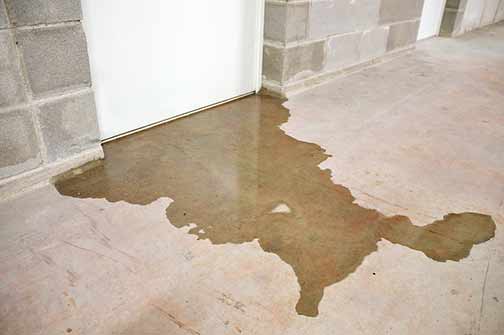
Sewer backup is a homeowner’s nightmare, causing damage and posing health risks. A backup occurs when wastewater that would otherwise flow into your main sewer line gets clogged or obstructed and spills over into your home, typically at the lowest area of your home such as the basement. There are several common causes for sewer backups, each one of which can have devastating effects if not addressed on time and properly.

One primary cause of sewers backing up is root invasion. The roots of trees are prone to the direction of water, and if cracks or leaks exist in your sewer pipes, the roots will infiltrate and spread gradually, blocking the pipes. Another common cause is pipe clogs, which can be formed when garbage, grease, hair, and other external substances amass and form blockages. In addition to this, sewer line collapse due to aged pipes or moving grounds can also lead to backups. Heavy rains and flooding can overwhelm municipal sewer systems, which in turn can create backups in your home’s sewer line. Lastly, improper flushing of certain items, such as feminine products, wipes, and paper towels, can clog your sewer pipes.

Common Signs of a Sewer Backup: What to Watch For

Being aware of the warning signs of a sewer backup can help you take swift action to mitigate damage and prevent more severe issues. One of the earliest indications is often gurgling sounds coming from your drains, toilets, or basement floor drains. These noises signal that air is trapped in the system due to a blockage. Slow drains in multiple fixtures can also indicate a blockage in the sewer line rather than isolated pipe issues.

Another telltale sign is sewage odors emanating from your drains or basement. The smell of raw sewage can be overpowering and is a clear indicator that something is amiss. During periods of heavy rain, if you notice water coming up through the basement floor drains or pooling around them, this can be a sign of a sewer backup as the municipal system becomes overwhelmed. Lastly, if you experience frequent toilet backups or wastewater rising in bathtub or floor drains, this is a strong indication that there is a blockage in the main sewer line.

Preventative Maintenance Strategies to Reduce the Risk of Sewer Backups

Preventative maintenance is essential in reducing the risk of sewer backups and protecting your basement from potential damage. One of the most effective strategies is to avoid flushing inappropriate items down your toilets and drains. These items include wipes, paper towels, feminine hygiene products, and grease, which can create blockages in the pipes. Educate your household on proper disposal methods to prevent these materials from entering your sewer system.

Regularly scheduling professional sewer line inspections and cleaning can help identify potential issues before they lead to backups. A professional plumber can use specialized equipment, such as cameras, to visually inspect the inside of your sewer lines, detecting cracks, root intrusions, and blockages. Hydro jetting, a high-pressure cleaning service, can then be used to clear any obstructions and maintain the optimal flow within your pipes.

Consider implementing routine checks and maintenance on your home’s gutters and downspouts to ensure proper drainage away from your foundation. Clear any debris and ensure that water is directed away from your home’s sewer line. Installing gutter guards can also help in preventing leaves and other debris from clogging the downspouts.

Installing a Backwater Valve: A Key Solution for Protecting Your Basement

By installing a backwater valve is an effective method for preventing sewer backups from entering your home. A backwater valve is a device installed on the main sewer line that allows wastewater to flow out of your home while preventing it from flowing back in. This valve is crucial, especially in areas prone to heavy rainfall or flooding, as it provides a protective barrier against municipal sewer backups.

The backwater valve has a flap that opens to allow wastewater to exit your home. When the municipal sewer system is overwhelmed, and there is backflow, the flap automatically closes, preventing the sewage from entering your basement. This device can be installed by a professional plumber and requires regular maintenance to ensure it remains functional. Checking the valve for debris and testing its operation periodically can help maintain its effectiveness.

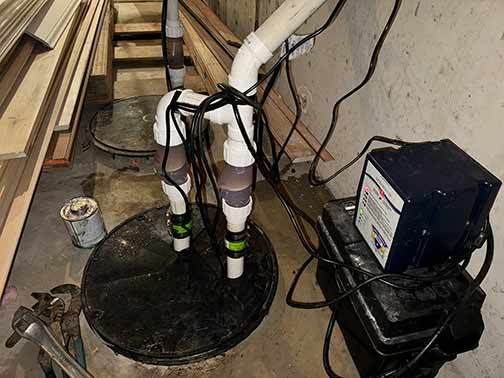
a sump pump helps sewer backups.

Maintaining your sump pump is essential to ensure its reliability during heavy rain or flooding.

Sump Pumps: Essential Equipment for Basement Protection

Sump pumps are another crucial tool for protecting your basement from water damage and potential sewer backups. A sump pump is installed in a sump pit, typically at the lowest point of your basement. It functions by collecting and pumping out excess water that accumulates in the pit, thereby preventing it from seeping into your basement and causing damage.

There are two main types of sump pumps: submersible pumps and pedestal pumps. Submersible pumps are installed inside the sump pit and are designed to function while submerged in water. Pedestal pumps, on the other hand, have their motor above the pit and are not designed to get wet. Both types effectively remove excess water, but the choice between them depends on specific needs and preferences.

Maintaining your sump pump is essential to ensure its reliability during heavy rain or flooding. Testing the pump periodically, cleaning the sump pump, and ensuring the discharge line is clear of obstructions are crucial maintenance tasks. Additionally, consider installing a battery backup for your sump pump to ensure it continues to operate during power outages.

Professional Inspections and Regular Cleaning: Keeping Your Sewer Lines Clear

Professional inspections and regular cleaning of your home’s sewer lines are vital in maintaining a functional and efficient plumbing system. Hiring a licensed plumber to conduct routine inspections can help identify potential issues early on, allowing for timely repairs and preventing costly damage. Through the use of advanced tools such as camera inspections, a plumber can assess the condition of your sewer lines and pinpoint any blockages, cracks, or root intrusions that require attention.

Regular cleaning of your sewer lines is equally important in preventing backups. Hydro jetting is a highly effective method used by professionals to clear blockages and buildup from the inside of the pipes. This process involves using high-pressure water to blast away debris, grease, and roots, restoring the pipes to optimal condition. Scheduled hydro jet drain cleaning helps maintain a smooth flow within the sewer lines and minimizes the risk of clogs and backups.

Additionally, professional plumbers can provide valuable advice on maintaining your sewer system and recommend any upgrades or repairs needed to enhance its efficiency and reliability. By investing in expert inspections and cleaning services, you can safeguard your basement from potential sewer backup incidents.

Emergency Response and Cleanup: What to Do When a Sewer Backup Occurs

Despite taking preventative measures, sewer backups can still occur, and knowing how to respond in an emergency can significantly reduce damage and health risks. The first step is to avoid contact with the contaminated water, as it can contain harmful bacteria and pathogens. Evacuate the affected area and wear protective gear if you must enter the space to prevent exposure.

Next, immediately stop using water in your home to minimize further backups. Turn off the water supply and avoid flushing toilets or running faucets. Contact a professional plumber or basement sewage cleanup service to assess the situation and provide necessary repairs and cleanup.

Documenting the damage with photographs and notes is essential for insurance purposes. Notify your insurance company as soon as possible to initiate the claims process. Professional cleanup services can then safely remove contaminated water, sanitize affected areas, and repair any structural damage. Prompt and thorough cleaning helps prevent mold growth and restores your basement to a safe and habitable condition.

Insurance Considerations and Coverage for Sewer Backups

Understanding your insurance coverage for sewer backups is crucial in mitigating the financial impact of such incidents. Standard homeowner’s insurance policies typically do not include coverage for sewer backups. However, many insurers offer optional endorsements or riders that can be added to your policy to provide this coverage.

Review your insurance policy to determine if you have sewer backup coverage and the extent of that coverage. This endorsement typically covers the costs of cleanup, repairs, and replacement of damaged property resulting from a sewer backup. Be aware of any policy limits, deductibles, and exclusions that may apply.

Additionally, maintaining documentation of regular maintenance, inspections, and preventative measures can support your insurance claims and demonstrate that you have taken proactive steps to prevent sewer backups. This documentation can be valuable in expediting the claims process and ensuring you receive the necessary compensation for damages incurred.

Long Term Planning and Investment in Sewer Backup Prevention

Investing in long term planning and preventative measures is essential for safeguarding your home against sewer backups. One of the most effective strategies is to upgrade your plumbing system and replace aging pipes with more durable and modern materials. Older pipes are more prone to cracks and root intrusions, making them a common cause of sewer backups.

Consider installing a combination of protective devices, such as backwater valves, sump pumps, and check valves, to create a comprehensive defense system against backups. These devices work together to prevent sewage from entering your home and manage excess water during heavy rainfall or flooding.

Implementing an ongoing maintenance schedule that includes regular inspections, drain cleaning services, and upgrades can significantly reduce the risk of backups. Collaborating with a professional plumbing service to develop a customized maintenance plan ensures that your sewer system remains in optimal condition and minimizes the likelihood of costly and disruptive incidents.

Additionally, staying informed about local municipal plans and improvements to the public sewer system can help you anticipate potential issues and take preventive action. By investing time, effort, and resources into long-term planning and preventative measures, you can protect your home and maintain a safe and comfortable living environment.

Creating a Safe and Comfortable Living Environment

Protecting your basement from sewer backups is crucial in maintaining a safe and comfortable living environment for you and your family. By understanding the causes of sewer backups, recognizing the warning signs, and implementing preventative strategies, you can significantly reduce the risk and impact of these incidents.

Investing in essential equipment, such as backwater valves and sump pumps, along with professional inspections, regular cleaning, and maintenance, creates a robust defense system against sewer backups. Additionally, being prepared with an emergency response plan and understanding your insurance coverage ensures that you can swiftly and effectively address any issues that arise.

Ultimately, creating a safe and comfortable living environment involves a proactive approach to home maintenance and prevention. By taking these steps, you can protect your basement, preserve the integrity of your home, and enjoy peace of mind knowing that you have taken the necessary measures to safeguard your living space from sewer backups.

Plumbing Nightmares: When Storms Wreak Havoc in Your Home

Plumbing Nightmares

Stormy weather can often bring unexpected problems to your doorstep. While many homeowners worry about leaking roofs and flooded basements, one issue that is frequently overlooked is the impact that severe storms can have on your plumbing system. From burst pipes to overflowing drains, plumbing nightmares during storms can turn your peaceful abode into a chaotic mess. Here we will explore some of the common plumbing problems that arise during storms and provide you with tips and advice on how to handle these situations effectively.

Understanding the Impact of Storms on Your Plumbing System

When storms hit, the excessive amounts of rainfall can put a tremendous amount of pressure on your plumbing system. The sudden influx of water can overwhelm the pipes, leading to blockages, leaks, and even burst pipe emergencies. Additionally, heavy rainfall can cause sewer lines to become overwhelmed, resulting in sewer backups and flooding. Understanding how storms can wreak havoc on your home’s plumbing is crucial in order to prepare for and prevent potential issues from occurring.

Identifying Common Plumbing Nightmares During Storms

Here are some of the most common plumbing problems that homeowners may encounter during storms:

  • Burst Pipes: When the temperature drops significantly during a storm, the water in your pipes can freeze and expand, causing them to burst. This can lead to extensive water damage and flooding in your home.
  • Flooding: Heavy rainfalls can saturate the ground around your home, leading to excess water seeping into your basement or crawl space. This can result in a flooded area that can damage your belongings and compromise the structural integrity of your home.
  • Blockages: Storms can cause debris, leaves, and other types of sediment to accumulate in your gutters, downspouts, and drainage pipes. This can lead to blockages, causing water to back up and potentially overflow into your home.
  • Sewer Backups: Excessive rainfall can overwhelm the sewer lines, leading to backups and potential sewage flooding in your home. This poses serious health hazards and requires immediate attention.
  • Leaking Roof: While not directly related to plumbing, a common issue during storms is a leaking roof. If water enters your home through the roof, it can affect your plumbing system as well.
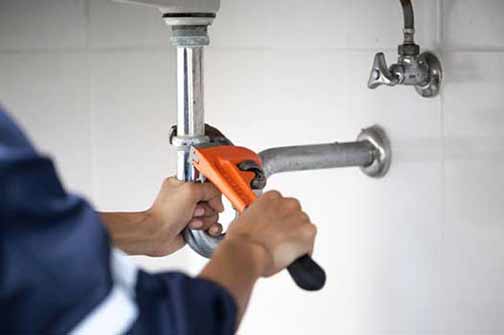
a professional plumber making repairs on plumbing.

In cases of severe plumbing issues, it’s best to call a professional plumber who has the expertise and specialized equipment to handle the problem safely.

What to Do When Faced with a Plumbing Nightmare

When a plumbing nightmare strikes during a storm, it’s essential to act quickly to prevent further damage. Here are a few steps to take:

Shut Off the Water

If you experience a burst pipe or any other significant plumbing issue, locate your main water shut-off valve and turn it off immediately. This will stop the flow of water and minimize the damage caused by the plumbing emergency.

Call a Professional Plumber

In cases of severe plumbing issues, it’s best to call a professional plumber who has the expertise and specialized equipment to handle the problem safely. They will assess the situation, provide necessary repairs, and offer guidance on how to prevent similar issues in the future.

Remove Excess Water

If your home experiences basement flooding due to a plumbing nightmare, it’s important to remove excess water as soon as possible. Use a wet/dry vacuum or call a water damage restoration company to extract the water and dry out the affected areas.

Document the Damage

Take photos or videos of the damage caused by the plumbing emergency and contact your insurance company. Provide them with the necessary documentation to support your claim and ensure proper compensation for the repairs.

Preventative Measures

To minimize the risk of plumbing nightmares during storms, consider implementing the following preventative measures:

  • Insulate exposed pipes in your home to prevent freezing during cold weather.
  • Clean your gutters and downspouts regularly to avoid blockages.
  • Install a backwater valve to prevent sewer backups.
  • Ensure your sump pump is in good working condition and have a battery backup in case of power outages.
  • Regularly inspect your roof for leaks and address any issues promptly.

When storms wreak havoc in your home, the last thing you need is a plumbing nightmare adding to the chaos. By understanding the potential plumbing problems that can arise during storms and taking preventative measures, you can minimize the risk of damage and protect your home. Remember to act swiftly and seek professional help when needed. Stay proactive and prepared, and your plumbing system will weather the storms with ease.

Can I Protect My Home From Sewer Line System Backups?

Can I Protect My Home From Sewer Line System Backups

Sewer line system backups can be a homeowner’s worst nightmare. Dealing with the aftermath of a sewer line backup can be messy, costly, and time-consuming. Not only does it cause inconvenience, but it also poses serious health risks. Therefore, it’s important for homeowners to understand the causes of sewer line backups and how they can protect their homes from such incidents.

Understanding Sewer Line System Backups

Sewer line backups occur when the wastewater from your home is unable to flow freely through the sewer pipes and gets backed up into your property. There are several potential causes for these backups, including tree root intrusion, pipe damage or deterioration, clogs caused by grease or other foreign objects, and even heavy rainfall or flooding.

Assessing the Risk Factors

Before taking any preventive measures, it’s essential to assess the risk factors specific to your property. Factors such as the age of your sewer system, the presence of large trees near your pipelines, and the overall condition of the pipes are important considerations. Older homes with outdated sewer systems are generally more prone to backups, while homes with mature trees nearby have a higher risk of root intrusion.

Taking Proactive Measures

To protect your home from sewer line backups, there are several proactive measures you can take:

  • Regular Inspections: Schedule regular camera inspections of your sewer lines by a professional plumber. This will help identify any signs of damage or blockages before they turn into major issues.
  • Tree Management: If you have large trees near your sewer lines, consider consulting with an arborist to manage root growth. They can help prevent intrusive roots from damaging your pipes.
  • Proper Disposal Practices: Avoid flushing any non-biodegradable materials down the toilet or sink. This includes items such as wipes, diapers, grease, and oil that can cause clogs and backups.
  • Installation of Backwater Valves: Consider installing backwater valves. These devices allow wastewater to flow in one direction and prevent backups by blocking any reverse flow. Speak with a professional plumber to determine the best valve for your specific needs.
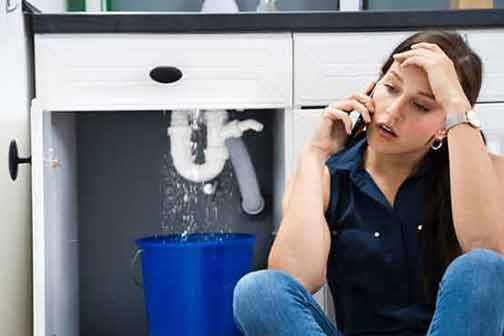
a woman calling a plumber for drain cleaning service.

Despite taking all the preventive measures, emergencies can still occur. It’s essential to be prepared to mitigate the damage in case of a sewer line backup.

Emergency Preparedness

Despite taking all the preventive measures, emergencies can still occur. It’s essential to be prepared to mitigate the damage in case of a sewer line backup. Here are a few steps you can take:

  • Locate the main sewer cleanout: This will help you easily access the clogged area in case of an emergency.
  • Keep contact details of reputable plumbers: Establish a relationship with a reliable plumber who offers emergency services. This will ensure quick assistance during critical situations.
  • Install flood protection devices: Consider installing a sump pump or sewer backup alarms. These can help minimize water damage and provide an early warning sign of potential backups.
  • Create an emergency kit: Prepare an emergency kit that includes items like gloves, rubber boots, and disinfectants. This will help protect yourself and prevent further contamination in case of exposure to sewage.
  • Contact your insurance provider: Review your homeowner’s insurance policy to check if it covers sewer line backups. Consider obtaining additional coverage if necessary.

Summing it Up

While it’s difficult to completely eliminate the risk of sewer line backups, homeowners can take proactive measures to reduce their occurrence and mitigate potential damages. Regular inspections, tree management, proper disposal practices, installation of backflow valves, and routine maintenance are all crucial steps in protecting your home. Additionally, being prepared for emergencies and having the necessary resources on hand can make a significant difference in minimizing the impact of a sewer line backup. By prioritizing prevention and preparedness, homeowners can safeguard their homes from sewer line system backups.

How Clogging Leads to a Sewer Backup

How Clogging Leads to a Sewer Backup

A sewer backup is the most disgusting drainage problem you can ever have in your home. Every year, tens of thousands of homeowners find themselves dealing with this issue in their homes. Yet, in most cases, sewer backups can be prevented if the problem is detected on time.

What is a sewer backup?

Most homes have a sewer line that carries wastewater from the sinks, drains, and toilets in the home to the main sewer lines beneath the streets. A sewer backup happens when the contents of this sewer line backflow into your home instead of flowing into the main sewer lines.

When this happens, all the content of the sewer line (including raw sewage) will start coming up inside the home via the floor drains, toilets, and sinks. A sewer backup releases foul-smelling unsanitary water into the house, causing untold problems for the home’s inhabitants, warns Compass Property Management.

What causes a sewer backup?

Sewer backups happen due to clogs inside a home’s sewer lines. Clogs make it impossible for wastewater to pass through the drainpipes. Having nowhere to go, and as more water is added from the house, the sewer line eventually fills up and spills its contents into the home.

There are many reasons why your home’s sewer lines may become clogged. Some of these reasons are outside your control because they result from natural events. But most sewer line clogs are caused by misuse of your home’s drains or failure to maintain the sewer lines properly. If your sewer line does in fact have a clog, the best way to remove it is by way of a professional hydro jetting service.

Here are a few ways drain clogs can cause sewer backups:

Non-flushable items inside the drains

The only thing that should be flushed into your home’s toilets is toilet paper. When items like wipes, feminine hygiene products, fabric, dental floss, or so-called flushable products enter the toilet, they can block the sewer line. 

Hair can also block your sewer line if it gets into sink and shower drains. Soap scum is another major cause of drain clogs. It forms when soap and minerals inside hard water come into contact. Soap scum becomes a hard lining on drainpipe inner surfaces.

Cooking oil and grease buildup

A major cause of sewer line blockage is cooking oil or grease buildup inside drainpipes. Fats, oils, and grease (FOG) congeal into a hard mass as they cool inside the sewer line. This hard, sticky mass can directly block the channel or stick to the surface of the pipe. 

Once in place, the greasy lining will start to trap debris until the diameter of the pipe narrows to a point where water can no longer flow freely. If this situation is not reversed, it can culminate in a sewer backup.

Use of chemical drain cleaners

Chemical drain cleaners can dissolve the clogs inside your sewer lines. But while they remove clogs in the short term, they also cause long-term damage to sewer lines. That’s because cleaners contain caustic chemicals. 

These chemicals are responsible for the corrosive nature of cleaners that allows them to eat away the clog inside the pipes. The problem is that the chemicals can also weaken the drainpipe, causing sections to collapse, thereby blocking the pipe.

Old pipes 

If a sewer line has old pipes, it is more susceptible to clogs, and the risk of sewer backups in the home will be greater. This is particularly true for sewer lines made of clay or metal pipes because those start to degrade as soon as they are buried in the ground. 

Long terms exposure to moisture, from within and without, eventually causes the pipes to leak or even collapse, in turn calling for an unexpected sewer line repair expense. If the surrounding soil finds its way into the pipe, it can result in the sewer backing up into the home.

Earth movements

The soil around a sewer line can cause it to become clogged if that soil moves in a way that alters the position of the pipes. Upward or downward movements in the soil can change the level of the sewer line and make it difficult for water to flow freely. 

If the water inside the pipe is forced to slow down, it will deposit debris in that pipe section. This can continue until enough dirt accumulates in that lowered pipe section to block it and cause a sewer backup emergency.

Tree roots

Tree roots may pierce a sewer line and block it. Most times, this happens due to small leaks in the pipe, which attract the attention of tree roots. To access the nutrient-rich water inside the pipe, the tree roots break into the sewer line and block it. Tree roots can also block a sewer line by growing over or above it and moving it out of place. This creates a depression inside the pipe, where debris is dumped until the entire sewer line is blocked.

Sewer Back Up Causes and Quick Fixes

Sewer Back Up Causes and Quick Fixes

The sewer system is necessary for urban infrastructure because it helps maintain a healthy and safe environment. Carrying away wastewater helps keep the environment secure from flooding and helps stop the spread of water-borne diseases. Therefore, it could be troublesome if a sewer backup is in your home.   

The sewage system is a vital component of your commercial building since it is responsible for adequately disposing of wastewater away from the property. By strategically discarding waste, it is crucial to keep it well-maintained to avoid issues affecting its functionality. 

Although the primary function of a sewer is to circulate wastewater, a commercial system is complex and requires maintenance and professional services. Installing plastic access doors and panels will allow convenient access to these critical fixtures whenever there is a need for repairs and maintenance. 

But what are the common causes of backed-up sewers, and what can we do to fix and prevent it from happening again? Keep on reading to find out more!  

Cause #1 Clogs or Blockages  

Does your sink drain water slowly? Are there unfamiliar gurgling noises when you flush the toilet? These common signs could indicate clogged drains. Clogs mainly develop over time and are a product of a blockage that restricts the water flow from your drainpipes, impacting the plumbing throughout your entire home or establishment.   

Clogged drains can affect multiple fixtures such as sinks, toilets, showers, bathtubs, and sprinkler systems. Raw sewage could travel back into your drainpipes and your plumbing fixtures from the septic tank or the main sewer lines if the clogs become severe. The situation can get messy, and you would want to contact a plumber right away for professional hydro jetting service.

Drain clogs are usually a long process of material buildup in your drains. Here are some of the common materials that can clog your pipes: 

  • Hair  
  • Solidified grease  
  • Baby wipes and feminine hygiene products  
  • Extra-thick toilet paper, facial tissues, towels, and other wiping products.   
  • Dental floss and cotton swabs  
  • Products labeled non-flushable 

You can place a drain strainer in your bathroom drains or sinks to prevent materials from falling into your drainpipes to prevent clogs from occurring. Also, make sure to dispose of hygienic products properly and, as much as possible, minimize the amount of toilet paper that you flush down your toilet.  

Cause #2 Tree Roots  

Tree root invasion happens when trees roots penetrate your sewage lines, growing through your plumbing pipes or crawling around and crushing the lines, searching for the water that flows inside.  

The tree root invasion process is usually slow, but it could speed up if your lines are in bad condition, with holes or cracks that conveniently allow the roots to enter the drain. 

To prevent yourself from dealing with this situation, you should estimate the suitable area if you’re planning to plant a tree within your property. It will vary depending on the type of plant and its growth rate. Ensure that the site you choose will not interfere with your plumbing pipes.  

Cause #3 Main Sewer Line Blockage 

A blockage in your sewer system usually occurs in the main sewer line owned and maintained by your city. The sudden backup caused by a clog is similar to what you experience during a household blockage. It can also be due to insufficient design capacity if your area encounters serious growth.  

The problem becomes prominent if a community has difficulties with the sewers after heavy rainfall. The main sewer blockage will continuously affect your plumbing in the entire house or establishment, rather than affecting just one drain.   

To decrease the damage, once there is a block in your main sewer line, shut off all water supplies in your home or establishment and shield drain openings with material that can absorb the liquid.  

Final Thoughts 

Although these valuable tips are practical and helpful, you should immediately contact a professional sewer line cleaning service if nothing changes. There could potentially be a more severe cause for the blockage, which would require a possible sewer line repair or replacement.