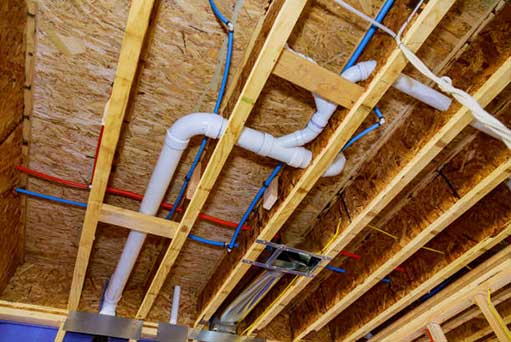
Tag Archives: repiping a home

Renovation Budget Guide: When Plumbing Needs a Full Repiping

 Person holding a pen and writing in a notebook

Home renovations are exciting but often come with surprises. One of the most expensive—and critical—surprises homeowners can encounter is plumbing issues that go far beyond a leaky faucet or a clogged drain. In some cases, you might discover that your entire plumbing system needs a full repiping. This scenario can significantly impact your renovation timeline and budget. If you’re unsure what repiping involves, when it’s necessary, and how to plan for it financially, this guide will walk you through every detail with clarity and ease.

Understanding What Repiping Means

Repiping is the process of replacing all the pipes in your home’s plumbing system. It’s not a quick patch-up job. Instead, it’s a complete overhaul that involves removing old or damaged pipes and installing new ones throughout the house. That can include water supply lines, drain pipes, and even pipes within walls or under floors. The scale of the project means it’s more than just a plumbing upgrade—it’s a structural one that can disrupt your home significantly if not planned well.

The Hidden Risks of Old Pipes

Old pipes aren’t just an inconvenience—they can be a health and safety risk. Lead pipes, still found in some older homes, can contaminate drinking water. Galvanized steel pipes corrode over time, causing rust to leach into the water supply. Even copper pipes, if installed poorly or exposed to acidic water, can deteriorate. Leaky pipes also invite mold, water damage, and pest infestations, making it vital to address them sooner rather than later. Delaying repiping can lead to thousands more in repair costs in the future.

Signs Your Plumbing Might Need a Full Overhaul

Several red flags indicate your plumbing system is past its prime. One of the most telling signs is frequent leaks in different parts of the house. If you’re constantly calling in a plumber for one issue after another, the system as a whole might be failing. Water discoloration, low water pressure, and strange odors are also signs that your pipes may be corroding from the inside out. Additionally, if your home is over 50 years old and still has its original plumbing, chances are you’re due for a full repiping project.

Renovation inside a white room
Frequent leaks are one of the most obvious signs your plumbing needs full repiping.

How a Full Repiping Affects Your Renovation Budget

Repiping can be one of the most expensive line items in a renovation budget. Costs depend on the size of your home, the number of bathrooms, the type of piping material you choose, and whether the work involves tearing down walls or floors. Labor is another significant expense since repiping is labor-intensive and time-consuming. It’s wise to get multiple quotes and understand exactly what’s included—some contractors bundle wall repair and repainting in the price, while others leave that to you.

Choosing the Right Pipe Materials

When repiping, the choice of material matters. PEX (cross-linked polyethylene) is affordable, flexible, and easier to install. It’s great for tight spaces and resists scale and chlorine. Copper is more durable and has been used for decades, but it’s expensive and prone to corrosion if your water is acidic. CPVC is another option known for its resistance to heat and corrosion. Your plumber will recommend what’s best based on your home’s layout and your water quality, but it helps to have some understanding when discussing your options.

Planning Around Walls, Floors, and Fixtures

Repiping isn’t just about pipes—it’s also about access. In most homes, pipes run behind walls, under floors, and through ceilings. That means drywall, flooring, tile, and cabinetry might need to be removed and later restored. If you’re already renovating, repiping during the demolition phases is often the most efficient and cost-effective time to do it. Aligning your plumbing project with other renovations can reduce labor overlap and minimize disruption. Just make sure to coordinate timelines with all contractors involved.

Understanding the Permits and Inspections Involved

Any full-home repiping project will require permits and inspections, especially in municipalities with strict building codes. Permits ensure the job is done according to legal safety standards, and inspections confirm that everything has been installed correctly. Skipping this step may save you money upfront, but could come back to haunt you when you sell your home or experience a plumbing failure. Ask your contractor if they handle the permitting process or if you’ll need to coordinate with local building authorities yourself.
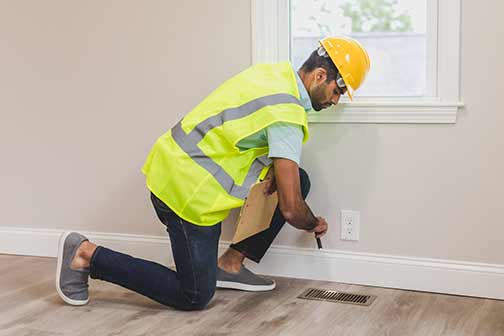
A person conducting a house inspection
Inspections confirm that everything has been installed correctly.

Things to Do Once the Repiping Is Done

Once the dust settles—literally—it’s time to finish what the repiping started. After the new plumbing is installed and water is flowing properly, your contractor will usually run a pressure test to confirm everything is leak-free. Then comes the restoration phase: patching up drywall, repainting, and reinstalling light fixtures or cabinets that had to be removed. This stage is a smart time to add a few finishing touches, such as updated faucets or a new water filter system.

However, if your repiping project happened alongside a move, you’ll likely still be tackling some key post-move tasks. Therefore, schedule a deep clean before you unpack, as it helps eliminate any leftover dust from construction. Also, unpack and organize your belongings room by room to avoid clutter and confusion. Completing these tasks speeds up the process of settling into your new space and also helps you spot any small fixes or improvements you may have missed. Taking the time now makes your renovated home feel move-in-ready, both functionally and visually.

Staying in Your Home During Work

One of the more disruptive aspects of repiping is that it affects your access to running water. Depending on the size of the job, your water supply might be shut off intermittently or completely for a few days. Some homeowners choose to stay in a hotel or with family, while others stay put and work around the limitations. If you’re living in the home during repiping, clear communication with your contractor is key. You’ll need to know when you can use the bathroom or kitchen and how long specific areas will be out of commission.

Preparing Financially for the Unexpected

Even the best-planned renovations can hit snags or turn out to be expensive, especially when plumbing is involved. As pipes are removed, plumbers might discover issues that weren’t visible during the initial inspection, like water damage, mold, or code violations. These can add unexpected costs. That’s why it’s essential to have a contingency fund, typically about 15–20% of your renovation budget, to handle surprise expenses without derailing the entire project. Ask for a detailed estimate upfront, but be mentally and financially prepared for adjustments along the way.

Long-Term Value And Safety

Full repiping is a major undertaking that can shake up your renovation budget and schedule—but it’s also one of the most crucial investments in your home’s long-term value and safety. Identifying the need early, understanding your options, and working with trustworthy professionals can make the process smoother and less stressful. While no one dreams of ripping out their entire plumbing system, doing it right the first time can save you from major headaches down the line. With smart planning and the right guidance, your home will be well on its way to better performance and peace of mind.
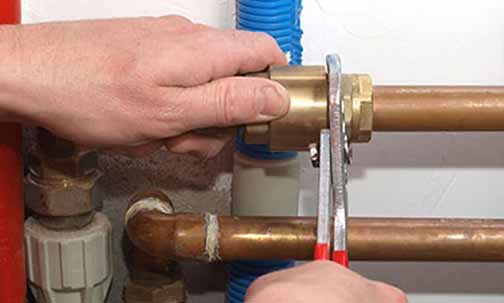
Expert Advice on Seamless Home Repiping

Seamless Home Repiping

Plumbing systems don’t last forever; at some point, they must be replaced, says TRI Property Pros Management. When the issues in your plumbing become so bad that the cost of fixing them is greater than the cost of replacing the pipes, it is time to repipe your home.

Some of the problems you will see in your plumbing if your home needs repiping include:

  • Recurring leaks: Pipes that are old and fragile will leak frequently. Fixing the leak may even worsen the problem by creating more leaks.
  • Low water pressure: Sometimes you can notice a low water pressure. If the problem is not from the municipal water supply and the pipe is not leaking, it could be that the pipe channel is severely clogged.
  • Discolored water: Brown/yellowish, bad-tasting, and smelly water can be due to leaks or severe sedimentation within the pipe channel.

Your home may also need repiping if:

  • Your pipes are old: All plumbing pipes come with a use-before date. Pipes that have reached this date should be replaced.
  • You have lead/galvanized steel pipes: Since the 1980s lead water lines have been banned. Because of their high rate of corrosion, galvanized pipes are no longer used in homes.
  • You are remodeling your home: If you are planning to remodel your kitchen or bathroom, you can save money and time by taking this opportunity to also repipe your home.

Home repiping; what does it involve?

When repiping your home, the existing cold/hot water pipes, as well as, drain lines are removed and replaced with new ones. As can be imagined, this painstaking process takes a lot of time and money, which is why, you want to make sure to do it right. 

What does the actual home repiping process look like?

Professional assessment

Involving an expert in this project, from start to finish, ensures that problems in your home are accurately diagnosed and the solutions properly implemented. It is not possible, just by looking at the plumbing issues in your home, to determine if your home needs repiping or how much of your plumbing needs to be replaced. Getting a professional plumber to inspect the plumbing will tell you the kind of damage and scope of work required. A competent plumber also ensures your new pipe is installed according to current plumbing standards.

Getting your home ready

Depending on the amount of work to be done, you can do this yourself to save costs. But if it is a lot of work, it is better to let the plumber handle it. To prepare your home for repiping, you must take steps to prevent damage to your furniture and appliances. Typically, because the plumber will cut into the drywall, you have to spread plastic sheets or tarp over your belongings to protect them. Your water supply will also be shut off during this period; meaning your home may be unlivable throughout the project.

Choose your pipes

It makes sense to use a better alternative to your existing pipes, even if you don’t have lead or galvanized steel pipes in your home. Typically, you have to choose between PEX, copper, and CPVC. All three types of pipe materials come with their unique advantages and drawbacks, plus specific cost implications.

  • Copper: It is more durable than PEX and doesn’t corrode. It is heat-resistant and can withstand shocks from earthquakes. Copper doesn’t breed bacteria and it lasts for decades. However, it is prone to freezing, requires insulation and it is costly.

  • PEX: It is flexible and less prone to water hammers. It is more affordable than copper and easier to install. PEX pipes are naturally insulated, so they are less likely to freeze and will not crack even if they freeze. But they are less durable than copper pipes.

  • CPVC: They are easy to work with and cheap. CPVC pipes have high acidity resistance. However, they are prone to cracking during an earthquake and cost more than PVC.

Some materials, like PEX, need an installer who is certified for that kind of installation. Some plumbers also prefer to work with specific materials.

Repipe your home

After covering your belongings with plastic sheets, the plumber will mark the exact location of the pipes within the walls of your house. Depending on the type of foundation they may access the pipes inside the flooring through the ceiling or basement or by digging into the subfloor. If you are replacing your main water line and drain lines the plumber may need to excavate in your yard. Because you have to fix your damaged landscaping afterward, this will increase your costs.

How long does it take to repipe your home? It depends on the size of your home and the number of fixtures that need to be fitted. But generally, you can expect the entire process to take a maximum of one week. For smaller houses, it can take a few days.

This also depends on the quality of the plumber you hire for the project. A competent plumber can minimize the amount of disruption to your family. By preparing adequately and avoiding amateurish mistakes a professional plumber will save you time and money.

How Repiping Can Transform Your Home’s Water Pressure

How Repiping Can Transform Your Home's Water Pressure

The Importance of Water Pressure in Your Home

When it comes to your home’s plumbing system, water pressure plays a crucial role in ensuring the smooth operation of faucets, showers, and appliances. Adequate water pressure allows for efficient cleaning, reliable irrigation, and a satisfying shower experience. However, if you’re experiencing low water pressure in your home, it can be not only frustrating but also a sign of underlying plumbing issues. Here we’ll explore how repiping can transform your home’s water pressure, improving your overall water flow and enhancing your daily activities.

Understanding Water Pressure

Water pressure refers to the force at which water is delivered through your plumbing system. It is typically measured in pounds per square inch (psi) and can vary depending on various factors, including the elevation of your home, the size of the pipes, and the condition of the plumbing infrastructure. In an ideal scenario, water pressure should be consistent and strong enough to meet the demands of your household.

Low water pressure can be caused by a range of issues, such as clogged pipes, leaks, or deterioration of the plumbing system over time. These problems can result in restricted water flow and reduced pressure, making everyday tasks more challenging and time-consuming.

The Signs of Low Water Pressure

It’s essential to be able to identify the signs of low water pressure in your home. Some common indicators include:

  • Slow-filling toilets
  • Weak or dribbling faucets
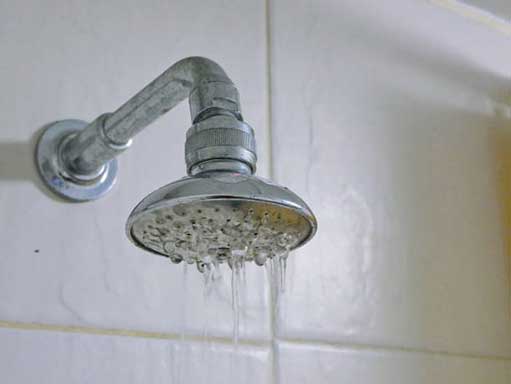
  • Inadequate water flow in the shower
  • Difficulty running multiple water sources simultaneously

If you notice any of these signs, it’s time to consider repiping your home to improve the water pressure and restore the functionality of your plumbing system.

home repiping can fix your homes low water pressure.

Repiping your home allows you to upgrade to modern materials like copper or PEX, which are not only more resistant to corrosion but also facilitate better water flow and pressure.

How Repiping Enhances Water Pressure

Repiping involves replacing the old or damaged pipes in your home with new, high-quality materials. It’s a comprehensive solution to address low water pressure issues and improve the overall performance of your plumbing system. Let’s take a closer look at how repiping can transform your home’s water pressure:

Eliminating Corrosion and Buildup

Over time, pipes can develop corrosion and mineral buildup, restricting water flow and causing decreased water pressure. By repiping your home, you eliminate these obstructions and allow water to flow freely through the clean, new pipes. This leads to improved water pressure and a more efficient plumbing system.

Upgrading to Modern Materials

Older homes often have outdated plumbing systems with pipes made from materials like galvanized steel or cast iron. These materials are prone to rust, corrosion, and scaling, leading to reduced water pressure. Repiping your home allows you to upgrade to modern materials like copper or PEX, which are not only more resistant to corrosion but also facilitate better water flow and pressure.

Proper Sizing of Pipes

In some cases, low water pressure may be caused by inadequate pipe sizes. If the pipes leading to specific fixtures or areas of your home are too small, they can restrict the water flow and reduce pressure. During the repiping process, a professional plumber can assess the water demand in your home and install appropriately sized pipes to ensure optimal water pressure.

Fixing Hidden Leaks

Low water pressure can also be a result of hidden leaks within the plumbing system. These leaks not only waste water but also decrease the overall pressure in your home. Repiping allows for a thorough inspection of the pipes, and any hidden leaks can be detected and repaired. By fixing these leaks, the water pressure in your home can be significantly improved.

high water pressure for a woman who just had her home repiped.

With increased water pressure, you’ll experience better water flow from your faucets, showers, and other water-using appliances.

The Benefits of Improved Water Pressure

Investing in repiping for your home can have numerous benefits beyond just enhancing water pressure:

  • Improved Water Flow: With increased water pressure, you’ll experience better water flow from your faucets, showers, and other water-using appliances.
  • Enhanced Efficiency: Adequate water pressure ensures that tasks like dishwashing and laundry are completed more efficiently, saving you time and effort.
  • Preventing Future Plumbing Issues: Repiping eliminates potential problems caused by aging pipes, such as leaks and bursts, preventing costly repairs in the future.
  • Increased Home Value: Upgrading your plumbing system with repiping can increase the value of your home and make it more attractive to potential buyers.

Choosing a Professional Plumbing Service

Repiping is a complex job that requires the expertise of a professional plumber. When selecting a plumbing service for your repiping project, consider the following:

  • Experience: Choose a plumbing company with extensive experience in repiping projects to ensure a successful outcome.
  • License and Insurance: Verify that the plumbing service is licensed and insured to protect yourself from any liability.
  • Reputation: Read reviews and testimonials from previous customers to gauge the reliability and quality of the plumbing service.
  • Transparent Pricing: Request a detailed estimate of the repiping project, including the cost of materials and labor, to avoid any surprises.

By choosing a reputable and experienced home repiping plumber, you can feel confident that your repiping project will be completed efficiently and effectively, resulting in improved water pressure and the overall performance of your plumbing system.

Don’t let low water pressure disrupt your daily activities and hinder the functionality of your plumbing system. Consider repiping your home to transform your water pressure and enjoy the benefits of better water flow, increased efficiency, and prevention of future plumbing issues. By investing in repiping and choosing a professional plumbing service, you can ensure a long-lasting and reliable solution for your home’s water pressure needs.