Tag Archives: plumbing repairs

How To Repair Your Plumbing After Heavy Rain and Flooding

How To Repair Your Plumbing After Heavy Rain and Flooding

After heavy rain and flooding, dealing with the aftermath can be overwhelming. Not only do you have to worry about the damage to your property and belongings, but you may also have to deal with plumbing issues. From clogged drains to damaged pipes, the impact of excessive water can wreak havoc on your plumbing system. Here we will discuss how to repair your plumbing after heavy rain and flooding, providing you with the guidance and steps needed to restore your plumbing system to its optimal condition.

Understanding the Impact of Heavy Rain and Flooding on Plumbing

Before we delve into the repair process, it’s important to understand how heavy rain and flooding can affect your plumbing system. Excessive water can lead to several common issues:

  • Clogged Drains: Debris, mud, and silt carried by floodwaters can accumulate in your drains, leading to clogs.
  • Damage to Pipes: The pressure and force exerted by floodwaters can cause pipes to crack, burst, or shift.
  • Water Contamination: Flooding can contaminate your water supply, making it unsafe for consumption.

Now that we have an understanding of the potential plumbing issues caused by heavy rain and flooding, let’s move on to the repair process.

Prioritize Safety

Before attempting any repairs, ensure your safety and that of your family. If your property is severely damaged or you suspect electrical hazards, it is crucial to evacuate and seek professional assistance.

Assess the Damage

Once it is safe to enter your property, conduct a thorough assessment of the plumbing damage. Look for visible signs such as water stains, leaks, or standing water. It is crucial to identify the extent of the damage to determine the appropriate repairs.

Clear Clogged Drains

Clogged drains are a common problem after heavy rain and flooding. To clear them:

  • Use a plunger: For minor clogs, a plunger can often do the trick. Position the plunger over the drain, ensuring a tight seal, and forcefully plunge several times.
  • Try a drain snake: If the plunger doesn’t work, a drain snake or auger can help dislodge the stubborn clog. Insert it into the drain and rotate it while applying gentle pressure.
  • Seek help from a plumber: If the clog persists, it may be a sign of a more significant issue deeper in the plumbing system. In such cases, it is advisable to call a professional drain cleaning plumber.

Address Sewer Backups

Sewer backups are a more serious issue that requires immediate attention. Here’s what you can do:

  • Call a professional plumber: Sewer backups are complex and potentially hazardous. It is best to call a professional plumber who has the expertise and equipment to handle the situation safely.
  • Avoid using water: Until the issue is resolved, refrain from using any water fixtures or appliances connected to the sewer line to prevent further backups or flooding.
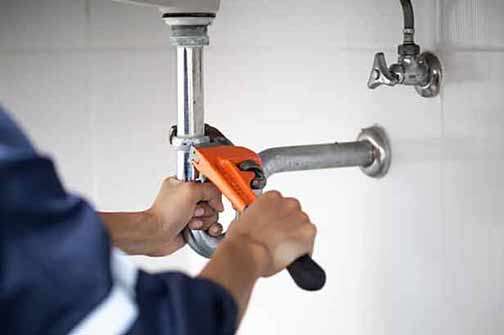
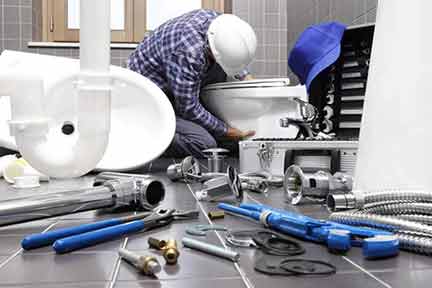
a professional plumber repairing plumbing after heavy rains.

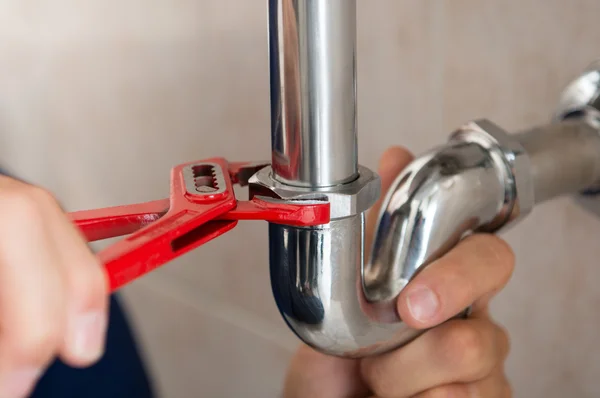
If the clog persists, it may be a sign of a more significant issue deeper in the plumbing system. In such cases, it is advisable to call a professional plumber.

Repair or Replace Damaged Pipes

In cases where heavy rain and flooding cause significant damage to your plumbing pipes, repairs or replacements may be necessary. Here’s what to do:

  • Identify the damaged pipes: Look for visible signs of damage such as cracks, leaks, or noticeable shifts in the plumbing lines.
  • Turn off the water supply: Before attempting any repairs, locate the main water shut-off valve and turn off the water supply to prevent further damage.
  • Temporary fixes: In some cases, you may be able to apply temporary fixes such as using plumber’s tape or pipe clamps to seal small leaks. However, it is recommended to consult a professional plumber for a more permanent solution.
  • Seek professional help: If the damage is extensive or beyond your expertise, it is best to contact a licensed plumber who can assess the situation accurately and perform the necessary repairs or replacements.

Test Water Quality

After heavy rain and flooding, your water supply may be contaminated. It is essential to test the water quality before resuming normal usage. You can obtain water testing kits from local health authorities or hire a professional water testing service.

Take Preventive Measures

To minimize the risk of future plumbing issues caused by heavy rain and flooding, consider taking the following preventive measures:

  • Elevate electrical systems: If possible, elevate electrical systems and components above the flood level to prevent water damage.
  • Regular maintenance: Schedule regular plumbing inspections and maintenance to identify and address any potential issues before they escalate.
  • Improve drainage: Ensure your property has proper drainage systems in place to redirect excess water away from the foundation.
  • Install a sump pump: A sump pump can help prevent basement flooding by automatically pumping out water that accumulates in the sump basin.

Repairing your plumbing after heavy rain and flooding can be a challenging task, but with the right knowledge and steps, you can restore your plumbing system to its optimal condition. Prioritize safety, assess the damage, clear clogged drains, address sewer backups, repair or replace damaged pipes, test water quality, and take preventive measures to minimize future risks.

Remember, if you are unsure or the damage is extensive, it is always wise to seek help from a local plumber. By taking prompt action and following the appropriate repair procedures, you can overcome the plumbing challenges brought on by heavy rain and flooding.

How to Check for Plumbing Problems When Buying a New Home in Illinois

How to Check for Plumbing Problems When Buying a New Home in Illinois

Buying a new home is an exciting milestone, but it’s important to ensure that everything is in good working order before making such a significant investment. One area that requires careful inspection is the plumbing system. Plumbing problems can lead to costly repairs and inconvenience down the line, so it’s crucial to thoroughly check for any issues before finalizing the purchase of a new home in Illinois. Here we will guide you through the process of checking for plumbing problems, providing you with the necessary knowledge to make an informed decision.

Why Checking for Plumbing Problems is Important

The plumbing system is an integral part of any home, responsible for delivering clean water and removing waste efficiently. Ignoring potential plumbing issues during the home buying process can result in significant expenses and disruptions later on. By taking the time to inspect the plumbing system thoroughly, you can identify any existing problems or potential issues and negotiate repairs or price adjustments with the seller.

Where to Start

When examining the plumbing system of a potential new home, it’s crucial to conduct a comprehensive inspection. Here are some key areas to focus on:

Water Supply

Check the water pressure in each faucet to ensure it is adequate. Low water pressure can indicate issues with the plumbing system, such as clogged pipes or leaks. Additionally, check for any signs of discolored water, which can be a sign of pipe corrosion or sediment buildup. It’s also important to test different faucets simultaneously to confirm that the water pressure remains consistent throughout the house.

Drains and Toilets

Inspect all drains and toilets to ensure they are functioning properly. Run water through each drain and observe its flow. Slow drainage could indicate clogs or improper venting. Flush all toilets and check for any signs of leaks or continuous running. It’s vital to ensure that the drains and toilets are working efficiently to avoid future plumbing issues.

Water Heater

The water heater is another essential component of the plumbing system. Determine the age of the water heater and inquire about its maintenance history. Look for any signs of leakage or corrosion around the unit to avoid a premature water heater replacement.

Visible Pipes

Inspect the visible pipes in the basement, crawl spaces, or utility rooms for signs of leakage, corrosion, or damage. Look out for water stains, mold, or mildew, as they indicate potential plumbing issues. Pay attention to any unusual odors as well, as they could be a sign of hidden leaks.

Sewer System

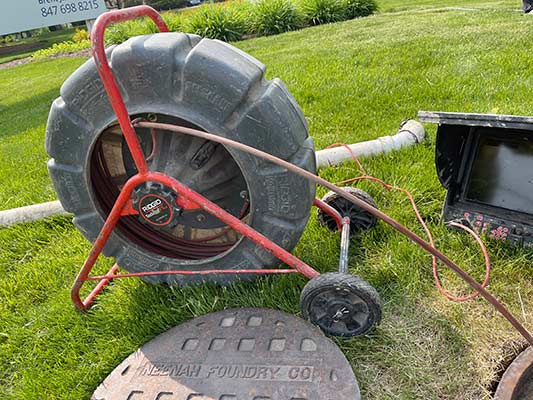
An often overlooked aspect of the plumbing system is the sewer system. Consider hiring a plumber to conduct a sewer camera inspection. This involves inserting a small camera into the main sewer line to identify any clogs, tree root intrusions, or damaged pipes. Identifying sewer problems before purchasing a home can save you from expensive repairs in the future.

sewer camera inspections are important for maintenance reasons.

Consider hiring a professional to conduct a sewer scope inspection. This involves inserting a small camera into the main sewer line to identify any clogs, tree root intrusions, or damaged pipes.

Hiring a Professional Plumbing Inspection

While conducting a preliminary inspection on your own can provide valuable insights, it’s always wise to hire a professional plumber for a thorough examination. A licensed plumber has the expertise to identify hidden plumbing issues that may be beyond the scope of a novice’s inspection. They will conduct a comprehensive evaluation of the plumbing system, including all fixtures, pipes, and appliances.

During the professional inspection, the plumber will:

  • Check for leaks and signs of water damage
  • Inspect the water pressure and flow rate
  • Evaluate the condition of pipes, fittings, and joints
  • Test drains and toilets to ensure they are functioning optimally
  • Assess the performance and lifespan of the water heater
  • Examine the sewage system for any blockages or damage

After the inspection, the plumber will provide you with a detailed report, outlining any existing plumbing problems and their estimated repair costs. This report can be used as a negotiation tool with the seller or to make a well-informed decision about the purchase.

To Sum it Up

Checking for plumbing problems is a crucial step when buying a new home in Illinois. By thoroughly examining the water supply, drains, toilets, water heater, visible pipes, and sewer system, you can identify any potential issues and negotiate repairs or price adjustments accordingly. However, it’s essential to remember that a professional plumbing inspection is highly recommended to ensure a comprehensive evaluation of the plumbing system. By taking the time to assess the plumbing system before finalizing the purchase, you can avoid unexpected expenses and enjoy a worry free homeownership experience in your new Illinois home.

Plumber Repair for Older Homes: Challenges and Solutions

Plumber Repair for Older Homes

Here we will explore the challenges faced in repairing plumbing systems in older homes and discuss possible solutions to overcome these challenges. Older homes often have unique plumbing infrastructure and materials that require specialized knowledge and techniques. The purpose of this article is to provide guidance and insights to homeowners, plumbers, and anyone involved in the repair and maintenance of plumbing systems in older homes.

The Importance of Plumbing Repair in Older Homes

Plumbing systems play a crucial role in any home, and this is especially true for older homes. As homes age, their plumbing systems tend to deteriorate and become less efficient. They are more susceptible to leaks, clogs, and damage, potentially causing significant issues such as water damage, mold growth, and even structural damage.

Regular maintenance and timely repairs are essential to ensure the functionality and longevity of the plumbing system in older homes. Neglecting plumbing problems can lead to costly repairs and compromise the safety and comfort of the residents.

Challenges in Repairing Plumbing Systems in Older Homes

Repairing plumbing systems in older homes presents unique challenges due to several factors. Let’s explore some of the most common challenges:

Outdated Plumbing Materials

Many older homes were constructed using materials that are no longer in common use. These materials, such as cast iron, galvanized steel, and lead pipes, may present various challenges during repairs. For example, lead water pipes may need to be replaced due to health concerns, while corroded galvanized steel pipes may cause reduced water flow and require extensive repairs or replacements.

Inaccessible Pipework

The layout and design of older homes often make it challenging to access and repair the plumbing system. Pipes may be hidden behind walls, under floors, or in crawl spaces, which may require additional effort and expertise to address any issues. The need for accessing these hidden areas can result in additional costs and may involve temporary disruptions to the residents.

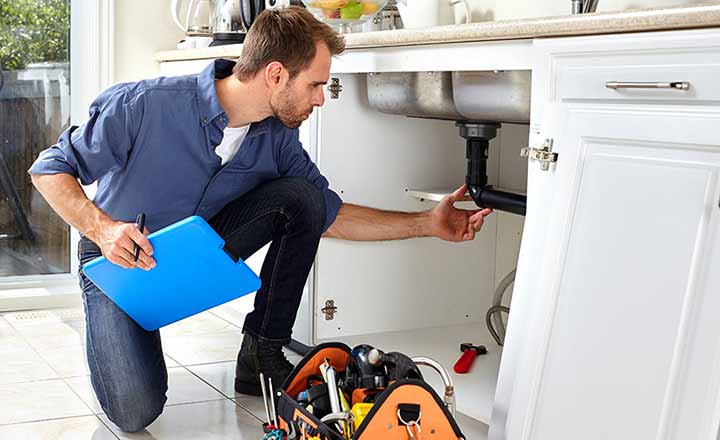
a plumber providing a home buyer with a plumbing inspection.

When repairing plumbing systems in older homes, it’s essential to comply with modern plumbing codes.

Multiple Plumbing Code Updates

Plumbing codes have evolved significantly over the years to ensure safety and efficiency. When repairing plumbing systems in older homes, it’s essential to comply with modern plumbing codes. This may involve updating the system to meet the current standards, such as installing pressure regulators, backflow preventers, or additional shut-off valves.

Fragile and Aging Components

Components of the plumbing system, such as faucets, valves, and fixtures, typically have a limited lifespan. In older homes, these components are often older and more susceptible to wear and tear. Replacing these fragile and aging components requires careful handling to avoid further damage while ensuring compatibility with the existing system.

Possible Solutions

While repairing plumbing systems in older homes can be challenging, there are several solutions to address these difficulties and ensure the longevity and quality of the repaired system:

Hiring Experienced Plumbers

Hiring experienced plumbers who specialize in working with older homes can make a significant difference. These professionals possess the necessary skills, knowledge, and expertise to navigate the challenges specific to older home plumbing systems. They can efficiently diagnose issues, offer suitable solutions, and carry out repairs with minimal disruption to the residents.

Thorough Inspection and Planning

Before commencing any repairs, it is essential to conduct a thorough inspection of the entire plumbing system. This inspection will help identify potential issues and develop a comprehensive repair plan. By investing time in meticulous planning, homeowners and plumbers can prioritize repairs, estimate costs accurately, and minimize unforeseen surprises during the repair process.

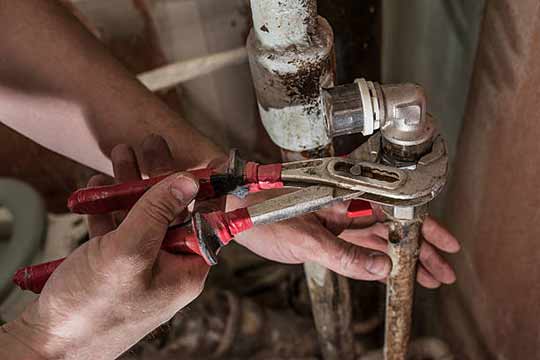
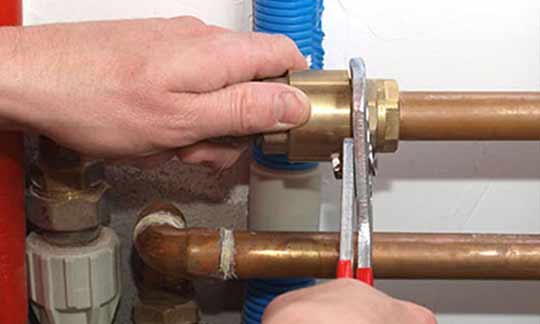
a plumber upgrading a customers plumbing.

Replacing outdated materials, such as lead pipes or corroded steel, with modern, durable, and code-compliant materials can enhance the reliability and safety of the plumbing system.

Upgrading Plumbing Infrastructure

In some cases, upgrading the pipes in older homes may be necessary. Replacing outdated materials, such as lead pipes or corroded steel, with modern, durable, and code-compliant materials can enhance the reliability and safety of the plumbing system. Upgrades may also involve installing shut-off valves, pressure regulators, and other components to meet current code requirements.

Preserving Historical Features

For owners of historical homes, preserving the unique character and aesthetic features of the plumbing system is crucial. Experienced plumbers can work closely with preservation experts to find innovative solutions that blend modern functionality with the historical charm of the home. By carefully considering preservation needs, homeowners can maintain the integrity of their older homes while improving the plumbing system.

Regular Maintenance and Preventive Measures

Prevention is key to minimizing plumbing issues in older homes. Implementing a regular maintenance routine and conducting preventive measures, such as having your drains professionally cleaned by way of a hydro jetting service, pipe insulation, and periodic inspections, can help identify potential problems early on and prevent major repairs down the line. Homeowners should also be mindful of their water usage habits and avoid putting undue stress on the plumbing system.

Summing it Up

Repairing plumbing systems in older homes requires specialized knowledge, skills, and techniques due to the unique challenges they present. However, with the right approach and professional assistance, these challenges can be overcome effectively. By focusing on thorough inspections, careful planning, and utilizing suitable solutions, homeowners can ensure the reliability, safety, and longevity of their plumbing systems in older homes. Regular maintenance and preventive measures also play a vital role in preventing major issues and preserving the charm of these cherished homes for generations to come.

Problems with DIY Plumbing Repairs

local chicago plumber

Home plumbing issues are diverse and whenever something fails in one of the home plumbing facilities, the possibility that you will be shelling out money to have it fixed is high. The overall amount to fix small plumbing issues at home can sum up to a huge chunk of cash at the end of the year.

One of the best ways to minimize the cost of solving problems with your plumbing is to understand how the system works. As a homeowner or a landlord, says Vineyard Property Management, you should know how to prevent, diagnose, and fix certain plumbing issues in your home. It makes no sense to call a plumber for problems you can handle yourself.

Meanwhile, a do-it-yourself way of fixing plumbing issues in your home can also be a nightmare. DIY plumbers are in trouble once they start thinking of themselves as professional plumbers. What you can learn from a YouTube video is not the same as what a professional plumber has.

Not understanding the abilities of your own DIY skills will create more problems for you with the plumbing than you are trying to solve. Your house’s plumbing is gigantic, complicated, and made up of interconnected systems. A small issue in one part of the plumbing will cause bigger ones somewhere else.

The majority of the amateur plumbers are not aware of the real complexity of a home’s plumbing. Due to this, they will proceed with projects without knowing the whole picture of the system. What actually happens is they tend to amplify the existing problems and create bigger issues for themselves.

What are some of the DIY plumbing repairs that homeowners encounter?

Increased risk of flooding

The margin for error when fixing plumbing problems in the home is very narrow. Small things you overlook can result in consequences that are several times worse than the original problem. 

It is not uncommon for the home to get flooded as a result of mistakes during a DIY plumbing repair. This happens because amateur plumbers do not follow a systematic routine and they can also fail to turn the water off.

Superficial fixes

Most DIY fixes focus on the immediate rather than the remote causes of a problem. The concern of the homeowner is to eliminate urgent and distressing issues. As a result, DIYers do not do a proper diagnosis of the issue but only apply superficial fixes. 

The result of doing that is the underlying problem is left to persist and grow worse. When it is eventually discovered, it will cost a lot more money to solve than it would have if it was detected earlier.

Recurring problems

Without attention from a licensed plumber, your home’s plumbing systems will deteriorate at a faster rate. Firstly, the prevalence of shoddily done DIY fixes will combine to make the system more prone to damage. 

plumber in chicago

Secondly, the lack of attention by a professional plumber will increase the rate of natural wear and tear. The issues of a plumbing system will steadily become worse if that system does not get the professional care it requires.

Exposure to safety hazards

In addition to pipes and connections, the plumbing system in your home also has components that use gas and electricity. Fiddling with appliances like water heaters and washing machines when you don’t have the necessary training is a recipe for disaster. 

Moreover, some plumbing repairs require the use of power tools that can easily cause injuries. Lastly, slips and falls are common when doing plumbing repairs. Protect yourself by leaving the job to a professional.

Lost time and avoidable delays

There is nothing like a plumbing emergency to get you to rearrange your plans. The danger of flooding posed by the problem and the chance that you will be without water, makes solving the problem urgent. 

The frequency of disruptions to your work schedule and lifestyle increases with the number of plumbing issues in the home. A professional plumber can help you prevent plumbing problems that show up at the most inopportune times.

Higher system maintenance cost

DIY repairs are more impromptu than they are systematic. A DIY approach to solving your home’s plumbing issues prevents you from adopting a preventative maintenance schedule that is based on timely inspection of the plumbing. This narrow focus on solving short-term problems will cost you more money in the long run because it is easier and cheaper to manage your home’s problems when you can anticipate the issues.

diy plumbing

In conclusion, when maintaining the plumbing system in your home, it is important to make a distinction between what you can do and what you should not try to do. Minor repairs like changing faucet aerators or unclogging the toilet with a drain snake are things every homeowner should be able to DIY. More complex plumbing repairs are best left to a local plumber.

Hiring a local plumber when you need to will ensure your personal safety, protect your home’s plumbing system and also minimize your plumbing expenditure.