Tag Archives: plumbing emergency

Mastering Plumbing Emergencies: Expert Advice and Actions

Mastering Plumbing Emergencies

Plumbing emergencies can strike at any time, often without warning, and can cause significant damage to your home if not addressed promptly. Understanding the nature and potential causes of these emergencies is the first step in mastering them. Plumbing emergencies typically involve situations such as burst pipes, severe leaks, clogged drains, and overflowing toilets. Each of these scenarios requires immediate attention to prevent further damage and costly repairs.

Plumbing systems are an integral part of any household, responsible for delivering clean water and removing waste efficiently. However, when these systems fail, the consequences can be dire. Familiarizing yourself with the components of your plumbing system, including pipes, fixtures, and appliances, is essential for identifying and addressing potential issues before they escalate into emergencies.

Identifying Common Plumbing Emergencies

Recognizing the signs of a plumbing emergency is crucial for taking swift action. Common indicators include water stains on walls or ceilings, a sudden decrease in water pressure, unusual gurgling noises coming from pipes, and the presence of water where it shouldn’t be. Additionally, foul odors emanating from drains and persistent clogs that don’t respond to standard unclogging methods can signal a serious issue.

Beyond these visible signs, understanding the underlying causes of plumbing emergencies can help in prevention. Factors such as aging infrastructure, extreme temperatures, and high water pressure can contribute to the deterioration of plumbing systems. Regular inspections and maintenance can help identify potential weak points in your plumbing, allowing for timely intervention and repair.

Immediate Actions to Take During a Plumbing Emergency

When faced with a plumbing emergency, time is of the essence. The first step is to shut off the water supply to prevent further leakage or flooding. Locate the main water shut-off valve in your home and turn it off. For localized issues, such as a leaking faucet or toilet, you may be able to shut off the water supply to that specific fixture. Next, assess the situation to determine the severity of the problem and whether you can handle it yourself or need professional assistance.

In addition to shutting off the water supply, it’s important to minimize water damage by removing any valuables from the affected area and using towels or mops to absorb standing water. Documenting the damage with photographs can also be helpful for insurance purposes. Once the immediate threat is contained, you can begin to address the root cause of the problem, either through DIY methods or by contacting a professional plumber.

Expert Advice on Handling Burst Pipes

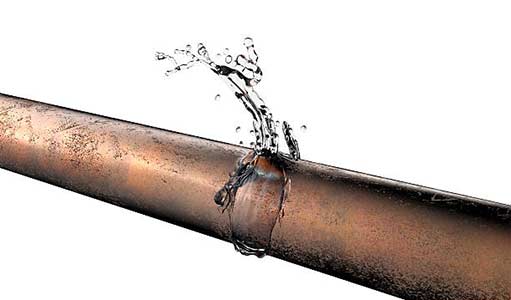
Burst pipes are one of the most destructive plumbing emergencies, often resulting from freezing temperatures or excessive pressure. To mitigate damage, immediately turn off the main water supply and open all faucets to drain the remaining water from the system. Use towels or buckets to contain any water leakage and prevent it from spreading. If possible, identify the location of the burst and apply a temporary patch using pipe repair tape or a rubber clamp until a professional plumber can make a permanent repair.

Preventing burst pipes involves taking proactive measures, such as insulating exposed pipes during cold weather and maintaining a consistent indoor temperature. Regularly checking for signs of wear and tear, such as rust or corrosion, can also help identify pipes that may be at risk of bursting. In areas prone to freezing, consider installing heat tape or pipe sleeves to provide additional protection against the cold.

Dealing with Severe Leaks: Tips from the Pros

Severe leaks can occur in various parts of your plumbing system, including pipes, faucets, and appliances. To address a severe leak, start by turning off the water supply to the affected area. If the leak is minor, you might be able to fix it yourself by tightening connections or replacing worn-out washers. For more significant leaks, it’s advisable to contact a professional plumber to ensure a proper detection of a leak and thorough repair to prevent future issues.

Professional plumbers recommend regular inspections of your plumbing system to catch leaks early. Installing leak detection devices can also provide alerts when a leak is detected, allowing for prompt action. Additionally, understanding the water pressure in your home and adjusting it to a safe level can prevent stress on pipes and reduce the likelihood of leaks.
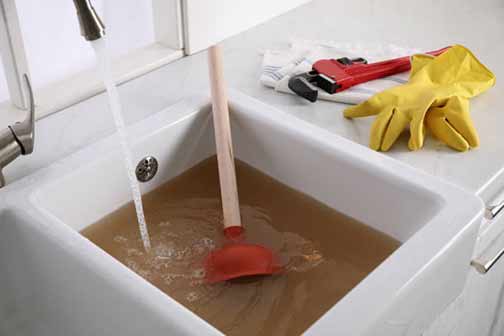
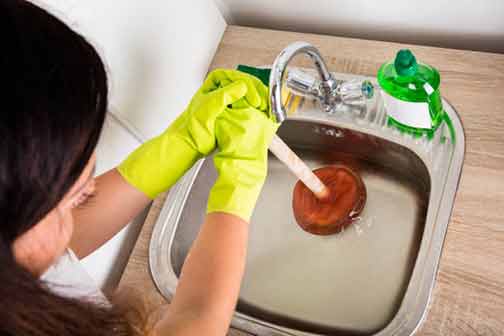
sink plunging

Prevent clogs by regularly cleaning your drains and avoiding the disposal of grease, hair, and other debris. For minor clogs, try using a plunger or a drain snake to clear the blockage.

Clogged Drains: Prevention and Quick Fixes

Clogged drains are a common plumbing issue that can quickly escalate into an emergency if left unaddressed. Prevent clogs by regularly cleaning your drains and avoiding the disposal of grease, hair, and other debris. For minor clogs, try using a plunger or a drain snake to clear the blockage. If these methods are unsuccessful, a chemical drain cleaner might be necessary, but use it sparingly to avoid damaging your pipes.

Prevention is key when it comes to clogged drains. Installing drain covers can help catch debris before it enters the plumbing system. Regularly flushing drains with hot water and a mixture of baking soda and vinegar can also help break down buildup and maintain clear pipes. For persistent clogs, consider scheduling a professional hydro jetting service to ensure your drains remain free-flowing.

Overflowing Toilets: Immediate Steps to Take

An overflowing toilet can cause panic, but quick action can prevent extensive water damage. First, remove the tank lid and push down the flapper valve to stop additional water from entering the bowl. If the water level continues to rise, turn off the toilet’s water supply valve located behind the fixture. Once the immediate overflow is contained, use a plunger to attempt to clear the clog. If the problem persists, professional intervention may be required.

To prevent toilet overflows, avoid flushing non-flushable items such as wipes, feminine hygiene products, and paper towels. Regularly inspect the toilet’s internal components, such as the flapper and fill valve, to ensure they are functioning properly. Educating household members about proper toilet use can also help minimize the risk of clogs and overflows.

Preventive Measures to Avoid Plumbing Emergencies

Prevention is the best strategy when it comes to plumbing emergencies. Regular maintenance, such as inspecting pipes for leaks, ensuring proper insulation during cold months, and keeping drains clear of debris, can significantly reduce the risk of emergencies. Additionally, installing water leak detectors and pressure regulators can provide early warnings and help maintain a stable plumbing system.

Understanding the layout of your plumbing system and knowing the location of shut-off valves can also be invaluable during emergencies. Consider creating a maintenance schedule that includes routine checks of your plumbing system, including water heaters, sump pumps, and septic tanks. Staying informed about the latest plumbing technologies and trends can also help you make informed decisions about upgrades and repairs.

When to Call a Professional Plumber

While some plumbing issues can be handled with DIY methods, certain situations necessitate professional expertise. If you encounter persistent leaks, severe water damage, or complex plumbing installations, it’s best to call a licensed plumber. They have the tools and knowledge to diagnose and resolve issues efficiently, ensuring the longevity and safety of your plumbing system.

Professional plumbers can also provide valuable advice on maintaining your plumbing system and identifying potential problems before they escalate. Building a rapport with a trusted plumber can ensure you have reliable assistance when emergencies arise, and can also provide peace of mind knowing your plumbing system is in capable hands.

Building a Relationship with a Trusted Plumber

Having a reliable plumber on call can provide peace of mind and ensure prompt service during emergencies. Research local plumbers, read reviews, and ask for recommendations from friends or family. Establishing a relationship with a trusted professional means you’ll have someone familiar with your home’s plumbing system, which can expedite repairs and maintenance.

When selecting a plumber, consider their qualifications, experience, and customer service. A reputable plumber should be licensed, insured, and willing to provide references upon request. Communicating openly with your plumber about your expectations and concerns can help build a strong working relationship, ensuring your plumbing needs are met with professionalism and care.

Conclusion: Mastering Plumbing Emergencies with Confidence

By equipping yourself with the knowledge and skills to handle plumbing emergencies, you can protect your home from extensive damage and costly repairs. Understanding the signs of a plumbing issue, taking immediate action, and knowing when to call a professional are all essential components of mastering plumbing emergencies. With expert advice and preventive measures, you can confidently navigate any plumbing challenge that comes your way.

Empower yourself by staying informed about the latest plumbing technologies and best practices. Regular maintenance, proactive measures, and a trusted professional can make all the difference in maintaining a safe and efficient plumbing system. With the right tools and knowledge, you can face plumbing emergencies with confidence and peace of mind.

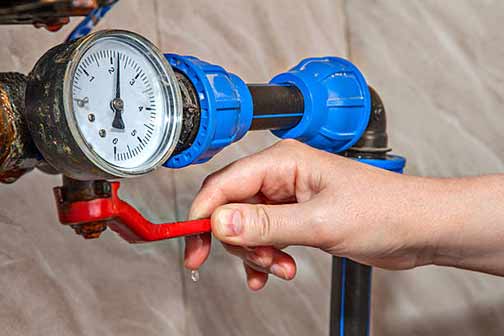
Mastering Plumbing Emergencies: Bold Steps to Prevent Water Damage

Mastering Plumbing Emergencies

A plumbing emergency is any plumbing issue that can cause serious damage to your plumbing, home, and personal belongings, explains Campus Realtors. Plumbing emergencies may also prevent the normal use of some of the home’s plumbing fixtures.

Examples of plumbing problems that may be viewed as emergencies include:

  • Burst pipes: A burst pipe can flood your home and cause extensive water damage

  • Clogged and overflowing toilets: There is not only the potential for serious water damage, especially to your flooring, but this problem creates unsanitary conditions in your home.

  • Sewer line backup: Poses the same problem as an overflowing toilet but to a higher degree.

  • Water heater failures: Leaves your home without hot water, which can be a huge problem in winter or if have young children and elderly folks in the house.

  • Gas leaks: This problem carries a huge risk of suffocation and death via gas inhalation, as well as, the possibility for destruction of personal belongings by fire.

While it is not possible to eliminate the risk of plumbing emergencies happening in your home, you can reduce the probability that they will happen. Also, when a plumbing emergency happens in your home, you can minimize its impact by acting quickly and intelligently.

How to prevent plumbing emergencies in your home

Inspect your plumbing on a schedule

Plumbing emergencies in your home rarely happen without warning. But because most homeowners don’t pay enough attention to their plumbing, they miss the telltale signs of the impending disaster. Inspecting your plumbing system on a schedule, and not when there are issues, will help you detect problems early and fix them promptly.

Maintain your plumbing

Small plumbing problems eventually become huge plumbing disasters. The timing of a plumbing repair plays a big role in the money you will spend to fix the problem. Maintaining your plumbing proactively rather than reactively is the best approach. This is true from a cost-saving perspective and to prevent plumbing emergencies in your home.

Upgrade aging components

Every feature of your plumbing has an expiration date. Also, the plumbing is constantly being attacked by dissolved minerals and other materials inside water, as well as, by the water itself. If aging and weak plumbing features are not replaced, they make the plumbing system fragile and susceptible to problems that can precipitate a plumbing emergency in your home.

a person turning off their water supply

By shutting the water supply you prevent more water from being added to the water that has already been discharged into your home.

How to prevent water damage during a plumbing emergency

In the event of a plumbing emergency in your home, the following steps will help you reduce the impact of the disaster.

Check for electrical hazards

Water and electricity do not make a very good combination. If there is any chance that the spilled water inside your home has come into contact with an outlet or electrical device, do not step into or touch the water. Shut the power supply to that part of the home or your entire house before attempting to salvage the situation. If you are not sure how to do this, it is better to call a local plumber and let them handle it.

Shut the water supply

This is the first step when you discover an unfolding plumbing emergency in your home. By shutting the water supply you prevent more water from being added to the water that has already been discharged into your home. To turn off the water, find the main water shut-off valve for your home and close it. It is often located in the basement, garage, or near the water meter. If the damaged plumbing fixture has a dedicated shut-off valve, close only that.

Remove all standing water

The sooner you get to this step, the less time the water will have to spread farther to damage your home. Mops and towels help to soak up excess water, but if you want to make quick progress, you need a wet/dry vacuum. Before removing the standing water inside your home, you want to move items that can be damaged by water out of the reach of the flood inside the house. Move all wet items outside or somewhere airy, to start drying them out.

Address the plumbing issue

After dealing with the most pressing problems, you may now pay attention to the cause of the plumbing emergency in your home. When doing this, keep in mind that your goal is not just to fix the damage to the plumbing but to prevent a repeat of the problem. Plumbing emergencies are often caused by layers of overlooked plumbing issues all of which must be solved if the problem in your home is to be addressed completely. 

Lastly, you need an experienced emergency plumber to help you identify the immediate and remote causes of the plumbing emergency. Your preferred plumber should also be available at short notice to deal with unforeseen plumbing issues in your home. An emergency plumber will also help you create a maintenance plan that reduces the risk of plumbing disasters in your home.

Conquering Plumbing Emergencies: Key Preparation Steps

Conquering Plumbing Emergencies

Understanding Plumbing Emergencies: The First Step to Preparedness

Plumbing emergencies can strike unexpectedly, causing significant inconvenience and potential damage to your property. Understanding the nature of these emergencies is the first crucial step in preparing for them effectively. Plumbing issues can range from minor leaks to major pipe bursts, each requiring a different approach to resolution. By familiarizing yourself with the common types of plumbing emergencies, you can better anticipate potential problems and take proactive measures to address them.

Common plumbing emergencies include clogged drains, burst pipes, overflowing toilets, and malfunctioning water heaters. Each of these issues can escalate quickly if not addressed promptly. For instance, a burst pipe can lead to extensive water damage within minutes, while a clogged drain might cause backups that disrupt your daily routine. Recognizing these emergencies early can help you mitigate their impact and protect your home.

The Cost of Plumbing Emergencies: Financial Implications and Planning

One of the most daunting aspects of plumbing emergencies is the associated cost. Emergency repairs can be expensive, especially if they require immediate attention outside of regular business hours. To navigate these costs with ease and assurance, it’s essential to have a financial plan in place. This might include setting aside an emergency fund specifically for home repairs or exploring insurance options that cover plumbing issues. Understanding the potential financial impact of plumbing emergencies can help you manage your budget more effectively and reduce stress when unexpected issues arise.

Creating a budget for potential plumbing emergencies can be a lifesaver. Consider allocating a portion of your monthly savings to a dedicated home repair fund. Additionally, review your homeowner’s insurance policy to understand what types of plumbing issues are covered. Some policies may offer coverage for water damage resulting from sudden and accidental events, which can alleviate the financial burden of emergency repairs.

Essential Tools and Supplies: Building Your Plumbing Emergency Kit

Being prepared for a plumbing emergency means having the right tools and supplies on hand. A well-stocked plumbing emergency kit can make a significant difference in how quickly and efficiently you can address issues as they arise. Essential items to include in your kit are a plunger, pipe wrench, plumber’s tape, and a variety of washers and gaskets. Additionally, having a bucket, towels, and a flashlight readily available can help you manage the situation until professional help arrives. By assembling a comprehensive emergency kit, you can tackle minor plumbing issues with confidence and prevent them from escalating into major problems.

Consider investing in a high-quality plunger and a reliable pipe wrench, as these tools are fundamental in addressing common plumbing issues. Plumber’s tape can be used to seal leaks temporarily, while washers and gaskets are essential for fixing dripping faucets. A flashlight is crucial for inspecting dark or hard-to-reach areas, and a bucket can be used to catch water from leaks or overflows, minimizing damage to your home.

DIY Solutions: Quick Fixes for Common Plumbing Issues

While some plumbing emergencies require professional intervention, there are several common issues that you can address yourself with the right knowledge and tools. For instance, a clogged drain can often be resolved with a plunger or a homemade baking soda and vinegar solution. Leaky faucets may be fixed by replacing worn-out washers or tightening loose components. By learning a few basic DIY solutions, you can handle minor plumbing emergencies without the need for immediate professional assistance, saving both time and money.

For clogged drains, try using a mixture of baking soda and vinegar to break down the blockage. Pour half a cup of baking soda followed by half a cup of vinegar down the drain, and let it sit for about 15 minutes before flushing with hot water. This natural solution can often clear minor clogs without the use of harsh chemicals. For leaky faucets, identify the source of the leak and replace any worn-out washers or O-rings. Tightening loose components can also stop the leak and prevent water wastage.

When to Call a Professional: Recognizing the Limits of DIY

It’s important to recognize when a plumbing issue is beyond your ability to fix. Attempting to handle complex problems on your own can sometimes exacerbate the situation, leading to more extensive damage and higher repair costs. Knowing when to call a plumber is crucial in preventing further complications. Signs that you need professional assistance include persistent leaks, severe water damage, and issues with your water heater or if your main sewer line needs repair. By understanding the limits of DIY solutions, you can make informed decisions about when to seek expert help.

Persistent leaks that continue despite your attempts to fix them may indicate a more serious underlying issue, such as a damaged pipe or faulty plumbing system. Severe water damage, such as ceiling stains or warped flooring, should be addressed by a professional to prevent structural damage. If you experience issues with your water heater, such as inconsistent water temperature or strange noises, it’s best to contact a plumber to diagnose and resolve the problem safely.

a professional plumber doing an inspection

Schedule regular inspections with a plumber to assess the condition of your plumbing system. They can identify potential issues, such as corrosion or wear, and recommend necessary repairs or replacements.

Preventive Measures: Reducing the Risk of Plumbing Emergencies

Preventing plumbing emergencies is often more effective and less costly than dealing with them after they occur. Regular maintenance and inspections can help identify potential issues before they become major problems. This might include checking for leaks, ensuring proper drainage, and maintaining your water heater. Additionally, being mindful of what goes down your drains and avoiding flushing non-biodegradable items can prevent clogs and backups. By implementing preventive measures, you can significantly reduce the likelihood of plumbing emergencies and extend the lifespan of your plumbing system.

Schedule regular inspections with a plumber to assess the condition of your plumbing system. They can identify potential issues, such as corrosion or wear, and recommend necessary repairs or replacements. Regularly clean your drains and gutters to prevent buildup and ensure proper water flow. Additionally, consider installing drain guards to catch hair and debris before they cause clogs. By taking these preventive steps, you can maintain a healthy plumbing system and avoid costly emergencies.

Understanding Your Plumbing System: A Key to Effective Management

Familiarity with your home’s plumbing system is essential for effective management of emergencies. Knowing the location of shut-off valves, understanding how your water heater operates, and being aware of the layout of your pipes can help you respond more swiftly and effectively in the event of an emergency. This knowledge also enables you to communicate more effectively with professional plumbers, providing them with the information they need to address the issue efficiently. By taking the time to learn about your plumbing system, you can enhance your preparedness for emergencies and minimize potential damage.

Locate and label the main water shut-off valve in your home, as well as individual shut-off valves for sinks, toilets, and appliances. In an emergency, shutting off the water supply can prevent further damage and give you time to assess the situation. Familiarize yourself with the operation of your water heater, including how to adjust the temperature and perform basic maintenance tasks. Understanding the layout of your pipes can also help you identify potential problem areas and communicate effectively with a plumber.

Building a Relationship with a Trusted Plumber: Ensuring Reliable Assistance

Having a trusted plumber on call can be invaluable when a plumbing emergency arises. Building a relationship with a reliable professional ensures that you have access to expert assistance when you need it most. Take the time to research and select a plumber who is licensed, insured, and has a good reputation in your community. Having a go-to professional can provide peace of mind and assurance that your plumbing emergencies will be handled with expertise and efficiency.

Ask for recommendations from friends, family, or neighbors to find a reputable plumber in your area. Check online reviews and ratings to gauge their reliability and customer satisfaction. Once you’ve selected a plumber, establish a relationship by scheduling routine maintenance or inspections. This will not only keep your plumbing system in good condition but also ensure that you have a trusted plumber to call in case of an emergency.

Educating Your Household: Empowering Everyone to Respond

Plumbing emergencies can occur at any time, and it’s important for everyone in your household to know how to respond. Educating your family members about the basics of plumbing emergencies, such as how to shut off the water supply and use basic tools, can empower them to take immediate action if you’re not available. Conducting regular drills or discussions about emergency procedures can ensure that everyone is prepared and confident in handling unexpected situations. By fostering a sense of preparedness among your household members, you can enhance your overall readiness for plumbing emergencies.

Hold family meetings to discuss the location of shut-off valves and demonstrate how to use essential tools like a plunger or pipe wrench. Encourage everyone to participate in regular drills to practice responding to different types of plumbing emergencies. This will build confidence and ensure that everyone knows what to do in a crisis. Empowering your household with knowledge and skills can significantly reduce the impact of plumbing emergencies and ensure a swift response.

Conclusion: Achieving Peace of Mind Through Preparedness

Conquering plumbing emergencies requires a combination of knowledge, preparation, and proactive measures. By understanding the nature of these emergencies, planning for associated costs, and equipping yourself with the necessary tools and skills, you can navigate plumbing issues with confidence and assurance. Taking preventive measures, knowing when to call a professional, and educating your household are all essential steps in achieving peace of mind and minimizing the impact of plumbing emergencies on your home and finances.

Preparedness is key to managing plumbing emergencies effectively. By taking the time to understand your plumbing system, building a relationship with a trusted plumber, and educating your household, you can ensure that you’re ready to handle any situation that arises. With the right preparation and mindset, you can conquer plumbing emergencies with ease and protect your home from potential damage.

Plumbing Problems vs. Plumbing Emergencies: What Every Homeowner Should Know

Plumbing Problems vs. Plumbing Emergencies

Problems in your home’s plumbing system are unavoidable, but emergencies in your plumbing system are not. Plumbing emergencies do not have to happen. Homeowners often conflate plumbing problems with plumbing emergencies, but they are not the same according to AIM Real Estate, Inc.

While plumbing emergencies should not ever have to happen in your home, there is nothing you can do to stop plumbing problems from occurring. Problems in your plumbing WILL happen, but if you ignore those problems, they WILL become plumbing emergencies.

Today, we discuss the difference between plumbing problems and plumbing emergencies.

This post will show you the link between plumbing problems and plumbing emergencies. When you finish reading this article, you will see why having plumbing problems in your home should not mean that you will also have plumbing emergencies.

Plumbing problems

These are routine issues that happen in the plumbing system. They are the natural consequences of using the plumbing in the prescribed manner. Plumbing problems stem from wear and tear or aging. They will typically not stop you from using your home’s plumbing fixtures.

Most plumbing problems are not urgent. So you can DIY the problems. Because they are not disruptive, plumbing problems are typically detected during routine use of the plumbing fixtures, and they are solved as part of the home’s regular plumbing maintenance.

Examples of plumbing problems include:

A dripping faucet

The sound of a dripping faucet may be annoying enough to keep you up at night, and the problem can inflate your home’s water bills. But you will still be able to use your faucet despite the issue.

Slow drains

Slow drains are a huge inconvenience and a massive waste of your time (especially if you have to wait for a sink or shower to empty), but they don’t bring your life to an abrupt stop.

Running toilet

Similar to a dripping faucet, a runny toilet is a huge annoyance and a massive waste of money. But this problem will not make your toilet unusable or expose your home to the risk of damage.

Low water pressure

This is another highly frustrating plumbing issue that will waste your time and impair your shower time enjoyment. But you can still live with a low water pressure in your home.

Pipe leaks

Depending on how it happens, pipe leaks are not necessarily an emergency. Leaking pipes that do not damage your flooring, walls, foundation, or landscaping are not an urgent problem.

From the above, you can see that plumbing problems are not pressing. They don’t endanger the structures of your building or prevent the use of your home’s plumbing fixtures.

a burst pipe is considered a plumbing emergency.

It is hard to go to sleep when there is a gaping hole in your water pipe, discharging gallons of water into your home. This problem can result in structural damage to your home and massive property loss.

Plumbing emergencies

Emergencies in the home are generally described as those problems that make your home unlivable, and plumbing emergencies fit this description. Plumbing emergencies typically announce themselves by the amount of damage they can do in a short time.

Plumbing emergencies cannot be ignored or solved with DIY methods because speed is vital when dealing with plumbing emergencies. A plumbing emergency’s highly disruptive nature means that it only worsens the longer it takes to solve the issue.

Examples of plumbing emergencies include:

A burst pipe

It is hard to go to sleep when there is a gaping hole in your water pipe, discharging gallons of water into your home. This problem can result in structural damage to your home and massive property loss.

Sewage backup

If raw sewage is oozing from your toilet and floor drains, that is a plumbing emergency. This issue will make your home unlivable and expose you to the risk of ill health. It must be solved immediately.

Gas leaks

A gas leak carries the threat of house fires and death by suffocation. That is not a problem you can afford to ignore. Nor is it one you should attempt to DIY.

Flooding

Whether caused by damage to your home’s plumbing or extreme weather events, a flood inside your home qualifies as an emergency because it is disruptive and very destructive.

No water in your home

A sudden break in your home’s water supply line qualifies as an emergency because the presence of potable water is one of the key things that make a home livable. A qualified plumber should be able to repair your main water line in a timely manner.

Relationship between plumbing problems and plumbing emergencies

Most plumbing emergencies begin as plumbing problems.

When those plumbing problems are undiscovered, ignored or poorly solved, they degenerate to a point where they cause a disaster in the home. That is why the best way to prevent plumbing emergencies in your home is to deal with plumbing problems as soon as you find them.

To stop plumbing emergencies in your home, follow these steps:

  • Have a professional inspect your home’s plumbing on a schedule every year
  • Have your drains professionally cleaned at least once a year
  • Make sure plumbing issues are properly fixed as soon as they are detected

Lastly, you want to ensure that you have a certified and experienced emergency plumber whom you can trust to find and fix the plumbing problems in your home before those issues grow into highly damaging and costly plumbing emergencies.

5 Benefits of an Emergency Plumbing Service

5 Benefits of an Emergency Plumbing Service

Plumbing systems are at the heart of what makes your home function. The plumbing in your home has two main uses: to transport fresh water into the building and to evacuate wastewater from your home. According to Keller n’ Jadd Realty & Management, plumbing is one of the most vital systems for the function and comfort of your home.

Unfortunately, problems can happen in your plumbing that keep this system from working as it should. Some of these plumbing problems are so bad that they can disrupt the entire function of your home. These types of plumbing problems are called plumbing emergencies.

A plumbing emergency is a plumbing issue that makes the plumbing fixtures in your home unusable, or it can subject the structures of your building and the items inside the house to the risk of water damage. Examples of common plumbing emergencies in the home include:

  • A frozen or burst water pipe
  • A clogged and overflowing toilet
  • A backed-up sewer system
  • No hot water from your water heater
  • A leaking water heater
  • A leaky gas line or faucet
  • No water supply to your home

Plumbing emergencies are problems because they can disrupt your life and damage your property and also because they are unpredictable. Very few people are ever prepared when a plumbing emergency happens in their home.

If a burst pipe happens in the middle of the night or during a winter storm, finding a plumber willing to come and fix it can be tough. That is why it is essential to have a plumber available to solve problems when other plumbers cannot.

What is an emergency plumbing service?

Regular plumbing services are usually available from 9 am – 5 pm on weekdays. Sometimes, you can find a plumber willing to work on weekends and public holidays. But when plumbing problems happen at ungodly hours and in difficult weather conditions, finding a plumber is very difficult.

An emergency plumbing service is a plumber who offers plumbing services around the clock. They are willing and able to come to your home to fix any plumbing issue at any time of the day or night. This plumber is indispensable for dealing with plumbing emergencies in your home.

That is because plumbing emergencies often don’t warn you before they happen, and they typically worsen if they are not solved at once. Furthermore, the inconvenience of the problem becomes more challenging to bear when the issue is not resolved immediately.

But an emergency plumbing service can save you from all that trouble by providing the following benefits:

not all plumbers offer 24 hour emergency plumbing services.

Although an emergency plumbing service knows how to work fast to solve problems, they can do it without cutting corners.

5 benefits of an emergency plumbing service

24/7 availability

Imagine the horror of being unable to use your toilet during a holiday. But regardless of when a plumbing emergency happens – a Sunday night, Thanksgiving dinner, or Christmas day – an emergency plumbing service will promptly resolve the problem. Do not forget that one hour is a lot of time for a plumbing emergency to do irreparable damage to your home.

Access to the right tools

A plumbing emergency service is uniquely equipped to handle plumbing emergencies. They can quickly diagnose and solve problems, so you won’t have to wait for them to find the necessary tools and supplies to fix the problem in your home.

Saves a ton of money

Homeowners in America spend billions of dollars yearly to fix water damage to their homes. The majority of these problems are from malfunctioning plumbing systems. You may not be able to predict the onset of plumbing emergencies in your home, but an emergency plumber can help you reduce the financial impact of these problems.

Avoid quick fixes

Unless you know an emergency plumber, a plumbing emergency in your home will expose you to the risk of hiring an incompetent plumber who will do a shoddy job. Although an emergency plumbing service knows how to work fast to solve problems, they can do it without cutting corners. An emergency plumbing professional provides permanent solutions.

Insurance and safety

When you hire a competent emergency plumbing service, you pay for peace of mind. That is because you can take advantage of all the financial securities they provide. You may be sure your job will be done to the highest quality. The service comes with insurance coverage to protect you and your property from any issues that may arise during the repairs.

Should you get an emergency plumbing service today?

The answer is YES because the best time to find an emergency plumbing service is before you need one (before the plumbing emergency happens). If you wait until you require an emergency plumbing service before you look for one, you will have waited too long.

Key Considerations When Choosing a Professional Plumbing Service for Your Emergency Needs

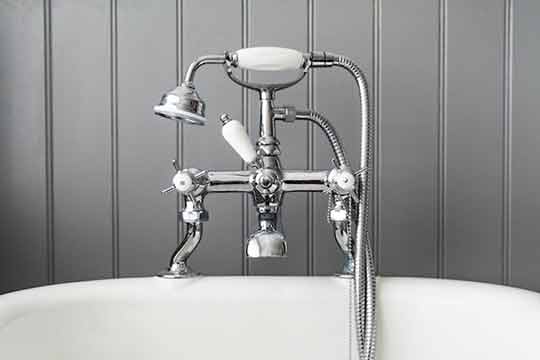
white shower head with bathtub against a gray wall.

When disaster strikes in the form of a plumbing emergency, time becomes an invaluable asset. From burst pipes to clogged drains, these urgent situations demand swift action from emergency plumbers that can save the day. But how do you choose the right team to trust with your immediate needs? Lose your gasp; we’re about to dive into the key considerations for choosing a professional plumbing service for your emergency requirements. Ready, set? Tick-tock!

When Every Minute Counts 

In the midst of a plumbing emergency, every second counts. That’s why it’s crucial to find professionals who understand the situation’s urgency and can respond promptly.

  • 24/7 Availability: Plumbing emergencies don’t adhere to a 9-to-5 schedule. Look for a plumber that offers round-the-clock availability, including weekends and holidays. When a pipe bursts in the dead of night or a toilet overflows during a holiday gathering, you need reassurance that help is just a phone call away.

  • Quick Response Time: Time is of the essence when dealing with a plumbing emergency. A reputable plumbing service should prioritize rapid response to minimize potential damage to your property. Find out their average response time and ensure they have a streamlined system in place to dispatch their team promptly.

  • Emergency Dispatch System: A well-organized emergency dispatch system is crucial for effective response. Ask about the plumbing service’s process for handling emergency calls, such as how they prioritize urgent cases and allocate their resources. A reliable system ensures that the right professionals are dispatched to your location swiftly, equipped to tackle your plumbing emergency head-on.

Professional Expertise

When faced with a plumbing emergency, you want assurance that the service provider you choose has the necessary expertise to handle the situation effectively. How do you assess their professional competence? These are the key considerations:

  • Dealing with a licensed and insured plumbing service ensures that you’re working with qualified professionals. Licensing demonstrates that the plumbers have met the necessary training and competency requirements.

  • Look for a plumbing service with a proven track record of handling emergency repairs. Experienced plumbers bring a wealth of knowledge and are better equipped to handle complex issues efficiently.

  • Plumbing emergencies require specialized skills and expertise. Check if the plumbing service has a dedicated team that specializes in handling urgent situations.

Moving experts from Paesley Transfer & Storage Boise suggest, “When dealing with a plumbing emergency, assess affected areas; storage solutions can save the day and keep your precious items safe during the repair.”

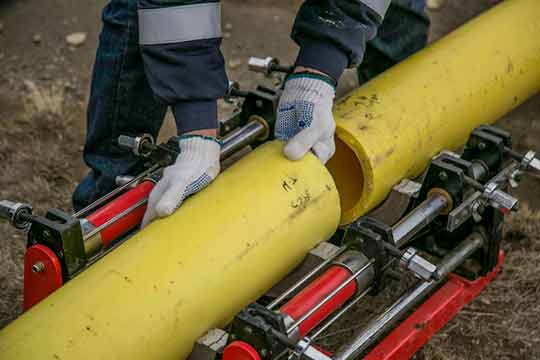
plumber holding a yellow pipe.

Choosing a professional plumbing service is of the essence when the “flood hour” occurs.

Comprehensive Service Offerings

Burst pipes, clogged drains, water heater failures, sewer backups, and gas line issues are just a few examples of emergencies that can wreak havoc on your property. Ensure that the plumbing service you select offers comprehensive service offerings to address these diverse plumbing challenges. A reliable and experienced team will have the skills, knowledge, and specialized equipment necessary to tackle any emergency that comes their way.

Whether repairing a burst pipe, unclogging a stubborn drain, or resolving a water heater malfunction, their expertise should cover all facets of emergency plumbing repairs. By opting for a plumbing service with a wide range of capabilities, you can rest assured that no matter what plumbing emergency arises, they will be equipped to handle it promptly and efficiently, providing you with much-needed peace of mind in the face of an urgent situation.

Advanced Equipment and Technology

Choosing a professional plumbing service that utilizes advanced equipment and technology can significantly enhance the efficiency of their solutions. Look for a service provider that invests in state-of-the-art tools and equipment designed specifically for emergency repairs. These cutting-edge resources enable plumbers to diagnose problems accurately and expedite the repair process.

Modern diagnostic techniques, such as sewer camera inspections and leak detection technology, can pinpoint issues hidden beneath the surface, saving valuable time and minimizing the need for unnecessary exploratory work. Additionally, inquire about their adoption of trenchless technology, which allows for non-invasive repairs that reduce disruption to your property.

Transparent Pricing

When facing a plumbing emergency, the last thing you want is to be caught off guard by unexpected costs. Keep this in mind:

  • A reputable plumbing service should have a clear and upfront pricing policy. They should be able to provide you with a breakdown of their charges for different services or repairs.

  • Before any work begins, ask for a detailed quote or estimate that outlines the costs involved. This should include the cost of materials, labor, and any additional charges, such as emergency service fees or after-hours rates.

  • Inquire about any potential additional charges that may arise during the repair process. For instance, if unforeseen complications are discovered, ask how they will be communicated and how they will impact the final cost.

Additionally, if your property has experienced substantial damage, it’s important to find moving help quickly and take your items to a secure storage unit. Professional movers can help you move furniture out of the way and into a safe location so it does not get damaged.

Positive Reputation and Customer Reviews

Research the plumbing service’s online presence, including their website and social media profiles. Look for testimonials, reviews, and ratings from previous customers. Seek recommendations from friends, family, neighbors, or colleagues with previous experience with plumbing services. Personal referrals can provide valuable insights into the reliability, professionalism, and quality of work a plumbing company provides.

Check if the plumbing service showcases testimonials or case studies on its website. These can offer firsthand accounts of successful emergency plumbing repairs and highlight the service provider’s ability to handle urgent situations effectively.

Lastly

When choosing a professional plumbing service, be sure to inquire about their workmanship warranty. A reputable company should offer a guarantee on the quality of their work. This warranty ensures that if any issues arise due to faulty workmanship within a specified period, they will rectify it at no additional cost. Ask if the plumbing service uses high-quality parts and whether those parts come with a manufacturer’s warranty.

A warranty on parts protects you in case of any defects or failures and allows for their replacement or repair without incurring extra expenses. A reliable plumbing service will prioritize customer satisfaction. Inquire if they offer guarantees or policies to ensure your satisfaction with their service. This could include a commitment to resolving any concerns or issues promptly and to your satisfaction.

How to Handle a Plumbing Emergency Before it Gets Out of Hand

How to Handle a Plumbing Emergency

A plumbing emergency is any plumbing problem that has the potential to harm your health and your property warns, Leenan Management. Plumbing emergencies have the distinct quality of completely disrupting a home’s day-to-day activities. They make it impossible to live your life normally.

Most plumbing emergencies happen suddenly, resulting from issues that were either missed or neglected. Because of their highly destructive nature, plumbing emergencies can cause much damage in a very short time. Plumbing emergencies have to be addressed at once.

The most common plumbing emergencies in homes are:

  • Overflowing toilets

This is when a toilet refuses to flush. Instead of emptying into the drain, the toilet bowl fills with human waste and water. An overflowing may even spill its contents on the toilet floor.

  • Sewer backup

This is the grossest kind of plumbing emergency to have in your home. A sewer backs up when its content flows backward and enters the house through the floor and toilet drains. A sewer backup will cause massive damage.

  • Water heater problems

Plumbing emergencies include a leaky water heater or one not producing hot water. When temperatures are very low and hot water is essential in winter, this problem can devastate a household.

  • Burst pipes

A burst pipe emergency can spill hundreds of gallons of water into your home in minutes. Pipes can burst from old age, poor maintenance, or extreme temperature changes.

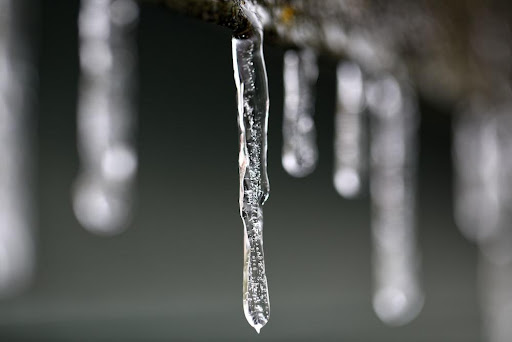
frozen pipes.

If the water inside the home’s main water supply line freezes, the water supply to the entire home will be cut off.

  • Frozen pipes

If the water inside the home’s main water supply line freezes, the water supply to the entire home will be cut off. This problem mostly happens in winter, especially in areas where winter is freezing.

  • Gas leaks

This plumbing emergency is the most dangerous because of its high fire risk and loss of life or property. Gas leaks are a special plumbing emergency and must be treated with the utmost urgency they deserve.

What is the best way to deal with a plumbing emergency? The best way to deal with plumbing emergencies in the home is not to have them at all. But if the plumbing emergency is already underway, there are steps you can take to reduce the impact of the problem on your home.

How to keep plumbing emergencies from getting out of hand

a man turning off the hot water.

Everyone in your home should know the location of the main shutoff valve and how to use it.

  • Turn off the water supply

Depending on the plumbing emergency, you can stop the water supply by turning the valve at the base of the affected fixture or your home’s main water shutoff valve. Everyone in your home should know the location of the main shutoff valve and how to use it (well before a plumbing emergency arises).

  • Don’t add more water to the drain

If you have an overflowing toilet, do not attempt to solve the problem by flushing it again; it could result in your toilet floor getting flooded. If sewage in your home is backing up, ensure that no drain in the house is discharging more water into the overflowing sewer line.

  • Turn off the hot water system

To avoid damage to your water heater after you shut off the water supply, make sure the water heater is turned off. Your water heater could quickly overheat and burst if you turn off the water but leave the hot water system on. Also, remember to turn off the gas if you have a gas system.

  • Open external drains and spigots

Even after turning off the water at the main shutoff valve, some water will still be inside your pipes. This water can find its way to your home’s damaged pipe or plumbing fixture and worsen the problem. To prevent this, open any spigots that are outside the house.

  • Remove your belongings from the area

Remember to remove your personal belongings from the emergency area to limit the cost of repairs. All items that can be damaged by water should be moved. Even if an item is waterproof, you should consider removing it if the plumbing emergency is a sewer backup.

  • Call your plumber

Do not try to solve the issue yourself; call an emergency plumber. A DIY solution will only give the problem time to do more damage. If the plumbing emergency is a gas leak, immediately turn off the gas supply, go outside your home, and then call your plumber. If you don’t know how to turn off the gas, call the plumber, and they will tell you how, or contact the gas supply company.

Finally, the best time to find a good plumber to deal with plumbing emergencies in your home is not when the emergency happens but long before the problem occurs. A good local plumber can even help you avoid the plumbing emergency altogether.

Building an ongoing relationship with a reputable plumber is the best way to prevent and solve plumbing emergencies. Doing this before the problem happens ensures you are not left at the mercy of unscrupulous plumbers when disaster strikes.