Tag Archives: plumbing emergencies

Preventing a Plumbing Emergency Over the Holidays

Preventing a Plumbing Emergency Over the Holidays

The holiday season is a time for joy, relaxation, and spending quality time with loved ones. However, it can quickly turn into a nightmare if you experience a plumbing emergency. Burst pipes, clogged drains, and malfunctioning water heaters can put a damper on your festivities and cause extensive damage to your home.

To ensure a stress-free and enjoyable holiday season, it is essential to take preventive measures and be proactive in maintaining your plumbing system. Here we will provide you with valuable tips and insights on how to prevent a plumbing emergency over the holidays.

Schedule a Pre-Holiday Plumbing Inspection

One of the best ways to prevent a plumbing emergency is by scheduling a professional plumbing inspection before the holiday season kicks in. An experienced plumber will thoroughly assess your plumbing system, identify any potential issues, and make necessary repairs or replacements.

This inspection should include checking for leaks, proper functioning of drains and toilets, water pressure evaluation, and examination of your water heater. Taking care of any underlying issues before the holidays will give you peace of mind and minimize the risk of unexpected emergencies.

Avoid Overloading Your Garbage Disposal

During the holiday season, there tends to be an abundance of food and cooking. However, it’s crucial to remember that your garbage disposal has its limits. Avoid overloading it with large quantities of food waste, fibrous materials, grease, and oil.

Instead, scrape excess food waste into the trash bin before rinsing plates and utensils. Always run cold water while using the garbage disposal to ensure efficient grinding and prevent clogging. Taking these precautions will help you avoid a backed-up sink or a malfunctioning garbage disposal.

Be Mindful of What You Flush

If you’re hosting guests during the holiday season, remind them to be mindful of what they flush down the toilet. Only toilet paper should be flushed, while items like paper towels, feminine hygiene products, or baby wipes should be disposed of in the garbage.

Flushing inappropriate items can lead to toilet clogs and plumbing backups, causing inconvenience for everyone and potentially costly repairs. Display polite reminders in your bathrooms to ensure that all guests are aware of proper toilet etiquette.
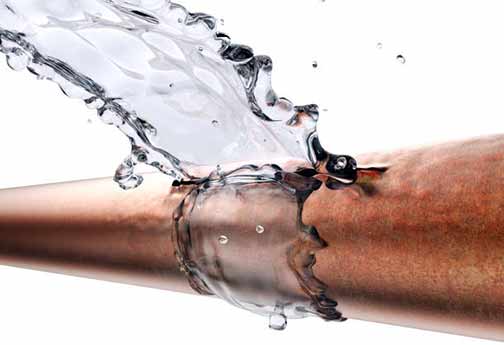
a frozen pipe can lead to a burst pipe emergency.

Freezing temperatures can wreak havoc on your plumbing system, especially if your pipes aren’t properly insulated.

Protect Pipes from Freezing

Freezing temperatures can wreak havoc on your plumbing system, especially if your pipes aren’t properly insulated. Before freezing weather arrives, take the following precautions to protect your pipes:

  • Insulate exposed pipes in unheated areas of your home, such as the basement or crawl spaces, using pipe insulation sleeves or heat tape.
  • Seal any gaps or cracks in the exterior walls of your home to prevent cold air from entering and coming into contact with the pipes.
  • Disconnect and store garden hoses until spring. Shut off outdoor faucets and drain the remaining water to prevent freezing.

These measures will help avoid frozen pipes, which can cause a burst pipe emergency and cause significant water damage to your property.

Monitor Your Water Pressure

While high water pressure can be beneficial for effective water flow, excessively high pressure can strain your plumbing system and lead to leaks or pipe bursts. Use a water pressure gauge to monitor the pressure coming into your home.

If the pressure exceeds 80 psi (pounds per square inch), consider installing a pressure regulator. This device will help maintain a safe and consistent water pressure throughout your home, reducing the risk of plumbing emergencies.

Educate Your Household on Plumbing Maintenance

Preventing a plumbing emergency requires a team effort, so make sure everyone in your household is aware of proper plumbing maintenance practices. Teach them about what should and should not go down the drains, what kind of toilet paper to use, and how to recognize and report any signs of leaks or plumbing issues.

Maintaining open communication and creating awareness will empower your family members to take responsibility for preventing plumbing emergencies and promptly addressing any concerns that arise.

Have a Reliable Emergency Plumbing Service on Standby

Despite taking all necessary precautions, emergencies can still happen. Therefore, it’s essential to have the contact information of a reliable emergency plumbing service readily available.

Research and select a reputable plumber with 24 hour services. Keep their contact details in a prominent place in your home, such as on the refrigerator or stored in your smartphone. Having a trusted plumber on standby will provide you with peace of mind and quick assistance in case of any unexpected plumbing emergencies.

In Summary

By following these preventive measures and being proactive in maintaining your plumbing system, you can significantly reduce the risk of experiencing a plumbing emergency during the holiday season. Schedule a pre-holiday plumbing inspection, avoid overloading your garbage disposal, be mindful of what you flush, protect pipes from freezing, monitor your water pressure, educate your household on plumbing maintenance, and have a reliable emergency plumbing service on standby.

Remember, prevention is always better than repair, and taking these preventive steps will allow you to focus on enjoying the holidays with your loved ones instead of dealing with plumbing issues.
What Do You Do If a Pipe Bursts? How to Handle Plumbing Emergencies in Apartment Buildings

What Do You Do If a Pipe Bursts

Plumbing emergencies can happen at any time, and when they occur in apartment buildings, they can result in significant damage and inconvenience for residents. One of the most common plumbing emergencies is a burst pipe, which can cause flooding, property damage, and disruption of daily activities. It is crucial to know how to handle such a situation promptly and effectively to minimize the damage and restore normalcy as quickly as possible. Here we will discuss the necessary steps to take if a pipe bursts in an apartment building, providing a comprehensive guide for both tenants and property managers.

Understanding the Severity of a Burst Pipe

Before we delve into the steps to handle a burst pipe, it is essential to understand the severity of the situation. A burst pipe is a significant plumbing emergency that can result in substantial water damage and structural issues. The severity of the damage depends on various factors, including the size of the pipe, the water pressure, and the location of the burst. In some cases, a burst pipe can lead to a flooded basement emergency, causing extensive damage to walls, floors, and personal belongings. Therefore, it is crucial to act swiftly and efficiently to mitigate the damage.

Step 1: Shut Off the Water Supply

The first and most crucial step in handling a burst pipe is to shut off the water supply. This step is vital to stop the continuous flow of water and prevent further flooding and damage. In most apartment buildings, there is a main shut-off valve that controls the water supply for the entire building. Typically, this valve is located in the basement or utility room. However, it may vary depending on the building’s design and plumbing system. It is essential for tenants and property managers to familiarize themselves with the location of the shut-off valve beforehand to ensure quick access during emergencies.

Step 2: Prevent Water Damage

Once the water supply is turned off, the next step is to prevent further water damage. This can be done by removing any standing water and drying the affected areas as much as possible. If there is excessive flooding, it may be necessary to use buckets, mops, or a wet-dry vacuum to remove the water. Additionally, towels and fans can help in the drying process. It is crucial to act quickly to minimize the risk of mold growth and structural damage.

Step 3: Notify the Relevant Parties

After taking immediate action to prevent water damage, it is essential to notify the relevant parties about the burst pipe. As a tenant, you should inform your landlord or property manager about the situation as soon as possible. Provide them with all necessary details, such as the location of the burst pipe and the severity of the damage. Property managers should establish a clear communication system to ensure prompt response to plumbing emergencies and provide tenants with this information upon moving in. Additionally, if the burst pipe is affecting multiple units, it may be necessary to notify the other residents, especially those living below the affected floor, to take necessary precautions.

Step 4: Document the Damage

Documenting the damage caused by the burst pipe is crucial for insurance purposes and to facilitate the repair process. Take photographs or videos of the affected areas, focusing on the damaged pipes, flooded areas, and any personal belongings that have been affected. This documentation will help support your insurance claim and provide evidence of the repairs needed. It is recommended to seek guidance from your insurance provider regarding the necessary documentation and the claims process.

Step 5: Contact a Professional Plumber

While you may have temporarily mitigated the damage, it is essential to contact a professional plumber to repair the burst pipe. Attempting to fix a burst pipe yourself can lead to further damage or ineffective repairs. It is crucial to hire a licensed and experienced plumber who specializes in emergency plumbing. Contact your property manager or search for reputable plumbing services in your area. When contacting the plumber, provide them with all the necessary information regarding the burst pipe, location, and severity of the damage. The plumber will assess the situation, provide an estimate, and recommend the appropriate course of action.

Step 6: Communicate with Your Insurance Provider

If you have renter’s insurance or if the building has insurance coverage, it is crucial to contact your insurance provider and inform them about the burst pipe. They will guide you through the claims process and provide instructions on what documents and information they require to process your claim efficiently. It is essential to be thorough in providing accurate details and submitting all the necessary documentation to ensure a smooth insurance claim process.

Step 7: Coordinate Repairs and Restoration

Once the burst pipe has been repaired, it is necessary to coordinate the repairs and restoration of the affected areas. This may involve hiring professionals to repair structural damage, replace damaged drywall or flooring, and clean up any mold or mildew that may have developed. In apartment buildings, property managers often handle these coordination efforts. However, as a tenant, you should communicate with your property manager and keep them informed about the progress of the repairs.

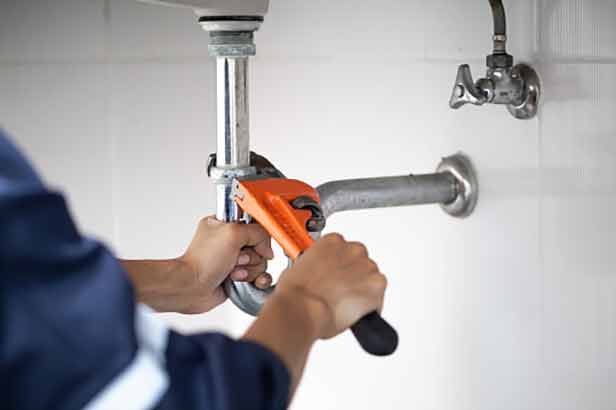
a plumber providing a home buyer with a plumbing inspection.

Regularly inspect the plumbing system in your apartment, including faucets, pipes, and toilets, for any signs of leaks, corrosion, or damage

Preventing Future Plumbing Emergencies

While you cannot always avoid plumbing emergencies completely, there are preventive measures you can take to minimize the risk of a burst pipe or other plumbing issues in your apartment building. Here are some essential tips:

  • Regularly inspect the plumbing system in your apartment, including faucets, pipes, and toilets, for any signs of leaks, corrosion, or damage.
  • During winter months, take precautions to avoid frozen pipes, such as insulating exposed pipes and allowing faucets to drip during extremely cold temperatures.
  • Do not ignore minor leaks or drips, as they can gradually worsen over time and lead to more significant issues.
  • Inform your landlord or property manager if you notice a sudden drop in water pressure or any other irregularities in the plumbing system.
  • Consider investing in renter’s insurance to protect your personal belongings in the event of a plumbing emergency.

Wrapping It Up

A burst pipe in an apartment building is a plumbing emergency that requires immediate attention and action. By following the steps outlined in this article, both tenants and property managers can effectively handle a burst pipe emergency and minimize the damage caused by flooding. Taking swift action to shut off the water supply, preventing further water damage, and contacting professionals for repairs are essential in resolving the issue quickly. It is also important to communicate with the relevant parties and document the damage for insurance purposes. By understanding the severity of a plumbing emergency and taking proactive measures, you can help prevent future incidents and keep your apartment building in optimal condition.

Is This a Plumbing Emergency or Can it Wait Until Monday?

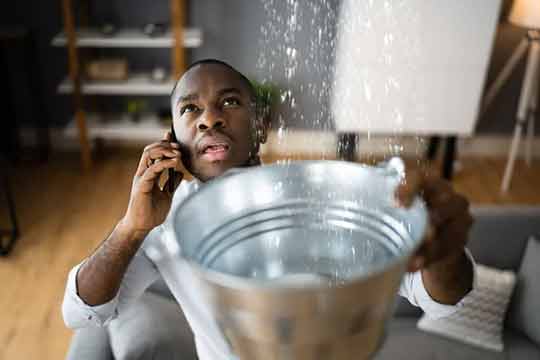
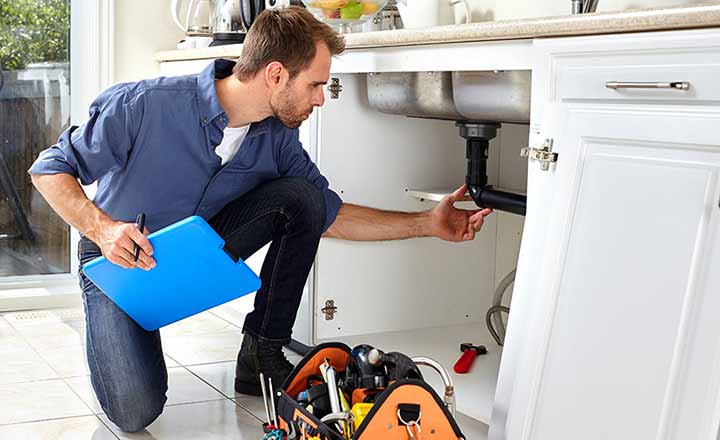
a man going through a plumbing emergency.

As a homeowner, you’ll undoubtedly have plumbing issues every now and then. Some of these issues can wait while others are emergencies that require swift action. Unfortunately, not everyone can tell the difference between the two. Failing to recognize a plumbing emergency can lead to significant damages, which can be costly to repair. In this article, we’ll explore several plumbing issues that qualify as emergencies and others that you can wait until Monday to address.

The Signs of a Plumbing Emergency

While some plumbing issues can wait, some demand immediate attention. Do not hesitate to call an emergency plumber if you notice any of the following:

  • A burst pipe: A burst pipe is a severe issue that requires immediate repairs. A burst pipe can cause extensive water damage and may flood your home.
  • Sewage backup: A sewage backup may result in the waste backing up out of your pipes and into your home. It poses a severe health hazard that requires swift action.
  • No hot water: A hot water shortage may indicate a more severe issue, such as a broken water heater. Your plumber can diagnose the issue and provide you with a solution.
  • Frozen pipes: Frozen pipes can burst and cause significant damage. If you notice frozen pipes, call in a plumber immediately to prevent them from bursting.
  • A Gas Leak: A gas leak is a severe issue that can result in a fire or explosion. If you smell gas or hear hissing, evacuate your home immediately and call your gas company and plumber.

Plumbing Issues That Can Wait Until Monday

Some plumbing problems aren’t emergencies but still require attention. These issues can wait, and you can schedule your plumber for repairs on Monday. Some of the common plumbing problems that fall under this category include:

  • Dripping faucets: A dripping faucet may not seem like a big deal, but this can significantly increase your water bill, and the constant sound of dripping can be irritating.
  • Clogged drains: Clogged drains are annoying, but they aren’t emergencies. Try to unclog the drain yourself, but avoid using chemical cleaners that can damage your pipes. If you can’t unclog a drain, consider calling a professional drain cleaning service.
  • Low water pressure: Low water pressure could indicate a minor issue such as a clogged aerator or a pipe leak. A professional plumber can diagnose and fix the problem.
  • Running toilets: If your toilet continues to run after flushing, it could be due to a damaged flapper or the fill valve that needs replacement. It’s not an emergency, but it’s essential to address it to prevent an increased water bill.
a plumber repairing pipes as an emergency call.

Schedule regular maintenance with your plumber. Regular maintenance can address minor issues before they escalate into serious emergencies.

Tips for Preventing Plumbing Emergencies

Prevention is better than cure, and that is why you should take steps to prevent plumbing emergencies. Here are some ways to prevent plumbing issues:

  • Regular maintenance: Schedule regular maintenance with your plumber. Regular maintenance can address minor issues before they escalate into serious emergencies.
  • Avoid flushing non-decomposable items: Flushing non-decomposable items such as wipes, feminine products, and paper towels down the toilet can clog your pipes, leading to severe plumbing issues.
  • Protect your pipes during winter: During winter, your pipes are susceptible to freezing, which can lead to burst pipes. Protect your pipes by insulating them and maintaining a constant trickle of warm water.
  • Be mindful of what goes down your drains: Avoid pouring grease, oil, and other liquids down your drains. They can solidify and cause clogs that can lead to extensive damage to your pipes.
  • Install a water softener: Hard water can cause limescale buildup, which can damage your pipes and appliances. Consider installing a water softener to prevent the buildup.

In Conclusion

Plumbing emergencies can happen at any time, and all homeowners should know how to respond. Knowing the difference between a plumbing emergency and a plumbing issue that can wait until next week can save you time, money, and prevent severe damages. Remember, always call in an emergency plumber if you’re unsure of the nature of your plumbing issue. Do not attempt DIY repairs, as this can cause further damage.