Tag Archives: hydro jetting benefits

How Long Does Hydro Jetting Last?

how long does hydro jetting last

If you are asking this question, it probably means you are looking for a drain-cleaning method with long-term results to help you deal with the persistent clogs/blockages in your drains, says Modulus Cleanrooms Management. If this is true, I am glad to tell you that you are in the right place.

Hydro-jetting is a versatile and effective drain-cleaning method for cleaning commercial and residential drainage systems. The great thing about hydro-jetting is its ability to clear the blockages inside your drains and wash the debris out of the pipes.

But how long will your drain lines stay clean after hydro-jetting? Depending on the drain line’s size and the buildup, hydro-jetting will take between 30 and 60 minutes to complete, but the results can last for months and years.

How long does hydro-jetting last?

When using hydro-jetting for preventive maintenance (as a way to optimize performance and flow), the effects of cleaning the pipes can last as long as 22 months. But avoid waiting this long; we recommend you hydro-jet your drainpipes every 18-22 months.

On the other hand, if you are dealing with tree root intrusion into your drain line or main sewer line, it may take 3-7 years for those roots to grow again. How long it takes depends on the proximity of the tree to your drain lines and how fast the roots grow.

Ideally, you should hydro-jet your drains every 12-18 months as part of the general plumbing maintenance plan. If you follow this schedule, you will not need to worry about how long the effects of each hydro-jetting session will last.

Several factors determine how long your drains stay clean after you hydro-jet them. Your drain lines will stay cleaner for longer periods if you don’t abuse them, but you recognize those everyday mistakes that predispose them to clogs and blockages.
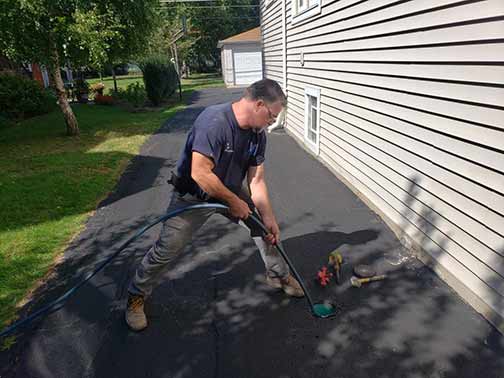
a professional hydro jetting service

When using hydro-jetting for preventive maintenance (as a way to optimize performance and flow), the effects of cleaning the pipes can last as long as 22 months.

Tips to minimize the risk of clogs/blockages in your drains

DO NOT dump FOG into your drains

FOG stands for fats, oil, and grease. The easiest way to dispose of used-up kitchen grease is usually to dump it into the sink drain. Congealed grease combined with other debris is one of the biggest causes of sewer line blockages.

Watch what you flush

DO NOT flush non-biodegradable items into your toilet if they are flushable. Things like paper towels, wipes, diapers, cat litter, etc. will cause problems inside your drain lines. Only water, toilet paper, and human waste should enter the toilet.

Dispose of food waste properly

Kitchen waste such as coffee grounds, eggshells, starchy foods (like rice and mashed potatoes), and stringy veggies can cause blockages inside your drain lines. Trash them in a garbage container.

Install strainers on drain openings 

Installing the proper mesh strainer on drains helps to stop buildup from the source. It prevents items like hair and scum from entering the drain. Strainers also filter tiny food particles from the water flowing into your sink drain.

Install a lint filter

Lint, soap residue and other debris get washed into your drains each time you use the washing machine. Your washing machines may have a built-in lint trap. However, this is usually ineffective. Installing a lint filter solves this problem.

Flush your drain lines weekly

To wash debris out of your drains, you may want to do this weekly. Pour a half cup of baking soda and vinegar down the drain and let it sit for one hour. Follow it with warm or hot water. It will remove any grease trapped in the system.

Inspect and clean your drains on a schedule

Being intentional about periodic drain inspections helps you spot issues in your drainage system before they become serious problems. Combining routine inspections with scheduled drain cleaning offers you a powerful tool for preventing drain clogs.
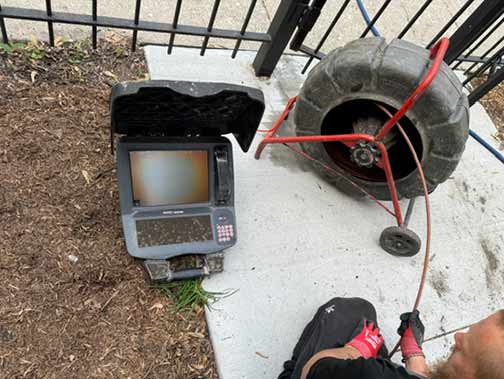
a sewer camera inspection service

The best way to inspect your drains is by doing a sewer video/camera inspection.

What is the recommended way to inspect and clean your drains?

Sewer camera inspections

The best way to inspect your drains is by doing a sewer video/camera inspection. This involves using a specialized camera to access the deepest corners of the drainage system and assess their condition in real time.

Hydro-jetting

Jetting your drain lines periodically, whether the line is blocked or not, is the most effective way to prevent buildup inside the line. This proactive approach saves you money because it prevents problems and prolongs the life of your pipes.

Lastly, you need an experienced plumber to work with you. A competent plumber helps you extract maximum value from your drainage system while also letting you minimize the cost of owning the system.

An experienced plumber can recognize the warning signs of a budding drain problem and deal with them before they become costly emergencies. A good plumber acts as a guide to help you navigate the difficulties of optimizing the function of your drainage system.
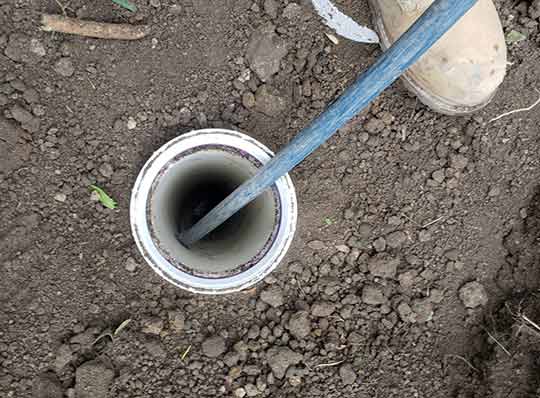
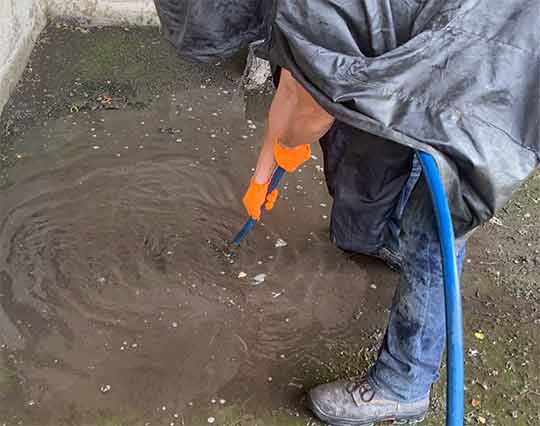
The Science Behind Hydro Jetting: All You Need to Know About the Process and Its Effectiveness

the science behind hydro jetting.

The science behind Hydro jetting, also known as water jetting, is a cleaning technique that uses high-pressure water to remove dirt, debris, and obstructions from pipes, drains, and other surfaces. The process is more effective than traditional cleaning methods, such as sewer line rodding, because it can reach deeper into the pipes and blast away even the most stubborn obstructions.

In this article, we will take a closer look at the science behind hydro jetting and its effectiveness in cleaning pipes and drains.

How Does Hydro Jetting Work?

Hydro jetting works by using high-pressure water to clean pipes and other surfaces. The water is forced through a small nozzle at a pressure of up to 3,500 pounds per square inch (psi), which is enough to blast away even the most stubborn obstructions.

The water pressure is created by a specialized pump, which is designed to deliver a high volume of water at a very high pressure. The pump is connected to a long hose, which is then inserted into the pipe or drain that needs to be cleaned.

Once the nozzle is inserted into the pipe, the water is turned on, and the nozzle is slowly moved through the pipe, blasting away any obstructions in its path. The water is powerful enough to break up tree roots, grease, and other debris that can cause clogs and other problems in pipes and drains.

Hydro jetting is more effective than traditional cleaning methods, such as rodding, because it can reach deeper into the pipes and blast away even the most stubborn obstructions. It is also environmentally friendly, as it does not use any harsh chemicals that can harm the environment.

When Is Hydro Jet Cleaning Needed?

Hydro jetting is typically used when other cleaning methods, such as drain snaking and sewer rodding, have failed to remove obstructions from pipes and drains. It is also used as a preventative measure to keep pipes and drains clean and free of obstructions.

Hydro jetting is commonly used in commercial and industrial settings to clean large pipes and drains, but it can also be used in residential settings to clean smaller pipes and drains. It is especially useful in older homes and buildings where pipes may be clogged with years of buildup.

a hydro jetting service.

The Effectiveness of Hydro Jetting

Hydro jetting is an extremely effective cleaning method that can remove even the most stubborn obstructions from pipes and drains. The high-pressure water is powerful enough to break up tree roots, grease, and other debris that can cause clogs and other problems.

Hydro jetting is also effective at removing scale buildup from pipes. Scale buildup is a common problem in older homes and buildings where the pipes are made of galvanized steel or copper. Over time, minerals in the water can build up on the inside of the pipes, causing the diameter of the pipe to become smaller. This can cause problems with water pressure and flow. Hydro jetting can remove the scale buildup and restore the diameter of the pipe.

Hydro jetting is also effective at removing grease buildup in commercial kitchens and restaurants. Grease buildup is a common problem in these settings, as grease from cooking and cleaning can build up in the drains and pipes over time. Hydro jetting can blast away the grease buildup and restore the flow of water.

Overall, hydro jetting is an extremely effective drain cleaning method that can remove even the most stubborn obstructions from pipes and drains. It is also environmentally friendly, as it does not use any harsh chemicals that can harm the environment.

The Benefits of Hydro Jet Drain Cleaning

There are many benefits of hydro jetting, including:

  • Efficiency: Hydro jetting is an efficient cleaning method that can quickly remove even the most stubborn obstructions from pipes and drains.
  • Eco-friendly: Hydro jetting is environmentally friendly, as it does not use any harsh chemicals that can harm the environment.
  • Effectiveness: Hydro jetting is an effective cleaning method that can remove scale buildup, grease buildup, and other obstructions from pipes and drains.
  • Preventative maintenance: Hydro jetting can be used as a preventative maintenance technique to keep pipes and drains clean and free of obstructions.

The Bottom Line

Hydro jetting is an extremely effective drain cleaning service that can remove even the most stubborn obstructions from pipes and drains. It is also environmentally friendly and can be used as a preventative maintenance technique to keep pipes and drains clean and free of obstructions.

If you are experiencing problems with clogged pipes or drains, hydro jetting may be the solution you need. Contact a plumber near you to learn more about hydro jetting and how it can benefit your home or business.

Understanding the Benefits of Hydro Jetting Technology in Plumbing

Benefits of Hydro Jetting Technology in Plumbing

The drainpipes and sewer lines in buildings serve one purpose; to transport the waste generated from the building’s plumbing into the city sewer lines. This wastewater comprises grey water from hand basins, appliances, showers and baths, and raw sewage from toilets. 

Most solid and semi-solid materials also enter the sewer lines along with the liquid content. This non-liquid content can cause problems if it settles inside the lines instead of flowing into the city sewers. When this happens, your drains may become slow or get clogged, warns Pillar Property Management.

A slow or clogged drain can be a minor or serious problem depending on where it happens. But regardless of the severity of the issue, the universal solution for solving slow or clogged drains is to clear out the drains. There are many ways to do this.

One of the most popular drain cleaning methods is a sewer rodding service. However, this method has the severe limitation of only being able to clear the lines instead of cleaning them. In other words, the clog is out, but the material that caused it stays in the drainpipes.

The result is that even after clearing clogs from your sewer line, the danger of future clogs remains. That is not just a problem with drain rodding. Other drain cleaning methods have this limitation, except one. Hydro-Jetting is the only drain cleaning method that will not only clear your drains but also clean them.

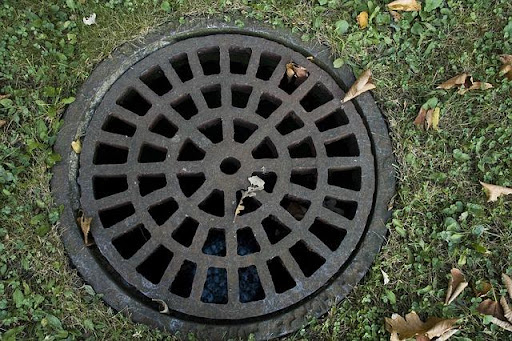
a sewer drain in need of hydro jetting.

Hydro-jetting can be used in both residential and commercial sewer lines.

What is Hydro-Jetting?

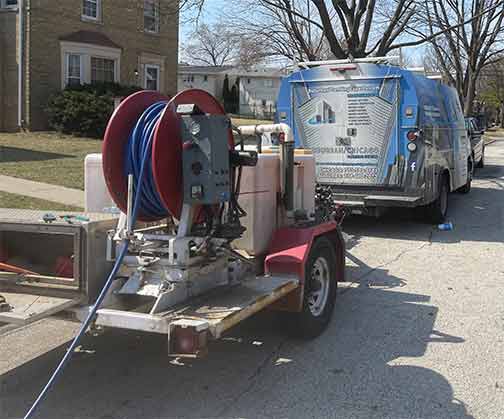
Hydro-jetting uses a high-pressure hose with special nozzles to blast build-up and blockages out of sewer lines. Because the water pressure used in this process can get as high as 3,500 psi, it will easily shear away tree roots. The speed of the water also allows it to wash all debris out of the pipes.

To hydro-jet a sewer line, a professional plumber uses a jetter, water tank, hose, nozzle and pressurizing device. Different shapes and sizes of nozzles are deployed, depending on the kind of pipes being cleaned and how much build-up there is. What are the benefits of hydro-jetting for your plumbing?

Benefits of hydro-jetting your plumbing

Versatile

Hydro-jetting can be used in both residential and commercial sewer lines. It is effective for cleaning all plumbing pipes; steel, cast iron, clay or PVC pipes, cement sewer lines and resin-based pipelines. The method also works for jobs of all sizes, from clogged sinks to sludge lodged deep inside the sewer line.

Non-invasive

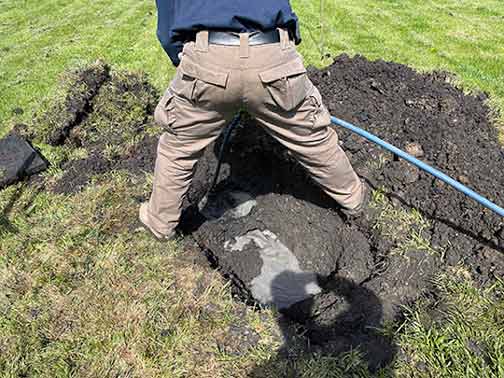
Hydro-jetting does not require trenching. To access the clogged sewer line, the plumber only needs a sewer cleanout where they can insert the hose. Hydro-jetting will save you the cost and inconvenience of digging a trench in your yard. Because you can clean your sewer line without tearing up your lawn, the disruptive impact of this method is minimal.

Environmentally-friendly

Hydro-jetting has zero negative impact on the environment, except that it uses a lot of water. This process will not leave behind any harmful chemical residues that can pollute the soil or nearby water bodies. That makes it the ideal drain-cleaning method for buildings located in ecologically-sensitive areas or people living close to water bodies.

Fast and sanitary

With hydro-jetting, you can have your sewer lines completely cleaned in a single day. Because it does not rely on trenching and will not leave excavated sewage on your lawn, hydro-jetting will not disrupt your lifestyle. Moreover, there is zero risk of you or anyone in your home/office coming into contact with the unsanitary contents in your sewer lines.

Will not damage your plumbing

One good reason to use hydro-jetting is this method can be adapted to the material and age of your sewer pipes. Even for homes with older pipe systems, hydro jetting service is completely safe. That is because the pressure of the water used in the operation can be adjusted to what is suitable for your sewer lines.

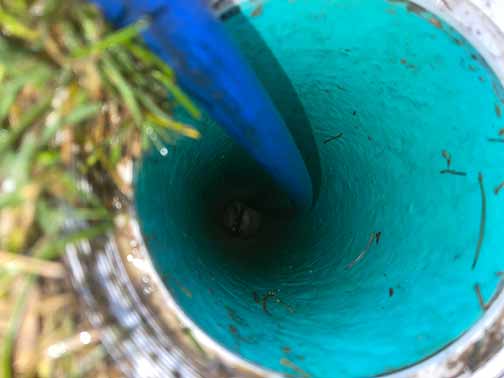
a hydro jetting taking place in chicago.

Hydro-jetting is probably the only drain-cleaning method that can be deployed as a preventive measure.

Clean pipes thoroughly

The volume and pressure of water used in hydro-jetting mean that water is travelling through the sewer line at sufficient speeds to flush out all debris. Moreover, pressurized water is ejected from the nozzle in different directions, ensuring all debris inside the pipe is dislodged. Hydro-jetting will remove corrosive residues that can damage a sewer line.

Prevents future clogs

Hydro-jetting is probably the only drain-cleaning method that can be deployed as a preventive measure. Other drain-cleaning methods are only useful for clearing clogs; they are reactive. But hydro-jetting your drains once a year will prevent slow drains and clogs. Used as a method of proactive drain care, hydro-jetting can save you a lot of money.

Hydro-jetting is affordable

Hydro-jetting is the most affordable way to maintain your sewer lines. That is because although the upfront cost of hydro-jetting is more than the cost of other drain-cleaning methods, hydro-jetting will prevent all the drain issues that can take money out of your pocket. The effects of hydro-jetting a sewer line are long-lasting; they let you eliminate the need for frequent repairs.