Tag Archives: how to install a water heater

Common Mistakes to Avoid When Installing a Water Heater: Expert Insights and Recommendations

Common Mistakes to Avoid When Installing a Water Heater

Installing a water heater can be a complex process that requires careful planning and execution. Whether you are replacing an old unit or installing a brand new water heater, there are several common mistakes that homeowners often make during the installation process. Below we will discuss these mistakes and provide expert insights and recommendations to help you avoid them.

Importance of Proper Water Heater Installation

Before diving into the common mistakes, it is crucial to understand why proper water heater installation is important. A properly installed water heater ensures efficient and reliable operation, reduces the risk of malfunctions and accidents, and can even prolong the lifespan of the unit. By following the correct installation guidelines, you can optimize your water heater’s performance and minimize the need for repairs in the future.

Expert Insights and Recommendations

Neglecting to Properly Size the Water Heater

One of the most common mistakes during water heater installation is selecting the wrong size for your needs. Many homeowners make the mistake of choosing a water heater that is either too small or too large for their household. This can lead to inefficient operation and even higher energy bills.

To avoid this mistake, it is essential to consider the size and occupancy of your household when selecting a water heater. Speak with a professional or refer to the manufacturer’s guidelines to determine the appropriate size for your specific needs. Taking into account factors such as the number of occupants, peak hot water demand, and usage patterns can ensure that you choose a water heater that provides sufficient hot water without wasting energy or money.

Incorrect Placement and Venting

Another common mistake during water heater installation is improper placement and venting. Water heaters require adequate ventilation to ensure proper combustion and safe operation. Vent pipes should be correctly sized, properly sealed, and installed according to the manufacturer’s instructions.

Additionally, water heaters should be placed in an accessible area that allows for easy maintenance and repairs. Avoid installing the unit in a confined space or a location that is difficult to access. Proper clearance around the water heater is also crucial to prevent potential fire hazards and to ensure proper air circulation.

Failure to Install a Pressure Relief Valve

A pressure relief valve is a vital component of a water heater as it helps regulate the pressure inside the tank and prevents excessive buildup. Unfortunately, some homeowners neglect to install or properly maintain this essential safety feature.

During water heater installation, it is imperative to install a pressure relief valve and ensure it is in good working condition. Regular inspection and testing of the valve should be part of your maintenance routine to guarantee its proper functionality. This simple step can prevent the risk of a dangerous pressure buildup and potential damage to the water heater.

Improper Connection of Plumbing and Electrical Components

When installing a water heater, it is necessary to properly connect the plumbing and electrical components. This includes correctly attaching the inlet and outlet pipes, as well as the electrical connections.

Improper plumbing connections can result in leaks and water damage, while incorrect electrical connections can lead to electrical hazards or malfunctions. It is crucial to carefully follow the manufacturer’s instructions and ensure that all connections are secure and properly sealed. If you are unsure about the correct installation process, it is advisable to seek assistance from a licensed plumber or electrician.

Failure to Flush the Tank

A common mistake that homeowners make during water heater installation is neglecting to flush the tank before initiating regular use. New water heaters often contain sediment and debris that can accumulate inside the tank during manufacturing and transportation.

Flushing the tank helps remove these impurities and ensures the longevity and efficiency of the water heater. Failure to flush the tank can lead to reduced performance, decreased energy efficiency, and potential damage to the heating elements. Therefore, it is crucial to follow the manufacturer’s instructions and flush the tank properly before using the water heater.

In Summary

Proper installation of a water heater is crucial for ensuring its optimal performance, efficiency, and longevity. By avoiding common installation mistakes such as improper sizing, incorrect placement and venting, failure to install a pressure relief valve, improper connection of plumbing and electrical components, and neglecting to flush the tank, homeowners can enjoy a reliable and efficient hot water supply while minimizing the risk of malfunctions and accidents.

If you are unsure about any aspect of water heater installation, it is always recommended to speak with a professional plumber or electrician. Their expertise and experience can help ensure a smooth and successful installation process, providing you with peace of mind and the benefits of a properly functioning water heater for years to come.
A Step-by-Step Guide to Efficient Water Heater Replacement

Guide to Efficient Water Heater Replacement

There are many reasons you would want to replace the water heater in your home. The most common ones are:

  • The water heater is leaking. That will affect its performance, and water from the leak can damage your home.

  • Your water heater is rusty, affecting the water quality you get; the water is rust-colored.

  • The water heater is not heating as it should, and you have tried different solutions, but the problem remains.

  • Your water heater makes a lot of noise, using more energy and taking longer to heat water.

  • The water heater is older than eight years, and as per the manufacturer’s instructions, you think it is time to replace it.

As Keyrenter Wichita says, how you go about replacing the water heater in your home will determine its efficiency. You not only want to acquaint yourself with the various water heater options in the market and how much they cost to buy and operate, but you also want to ensure the new water heater is installed correctly.

Below is a step-by-step guide on how to replace your water heater most efficiently.

Choosing the right size of water heater

This depends on the size of your household. For tank water heaters, use this guideline: 1-2 people (23-36 gallons); 2-4 people (36-46 gallons); 3-5 people (46 to 56 gallons); 5+ people (56+ gallons). Add 10 gallons for each additional person. For tankless water heaters, use the flow rate to determine the right size for your home.

How much space do you have?

If you are upsizing your water heater, be sure you have enough space for a bigger water heater. Measure the space your current unit occupies and buy a water heater that matches those dimensions. If you have limited space, you may have to install a tankless water heater.

What kind of water heater should you buy?

You have four main options; electric versus gas water heaters and tankless versus storage water heaters.

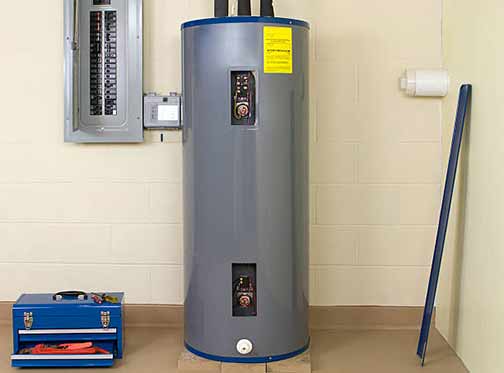
an electric water heater installation.

These are more affordable and the easiest types of water heaters to install. Since they are not connected to a gas line, they require less maintenance.

Electric water heaters

These are more affordable and the easiest types of water heaters to install. Since they are not connected to a gas line, they require less maintenance. But electricity is costlier than gas, and electric water heaters are slower than gas water heaters.

Gas water heaters

The installation takes more time, and you need more experience to install these systems. Gas water heaters let you save on energy costs, and they are not affected by power outages. They are more efficient than electric water heaters but cost more. There are more safety concerns with gas water heaters (gas leaks).

Storage water heater

Tanked systems give you water on demand but take up more space. Because they have to reheat the water in the tank to keep it hot, they use more energy. They don’t take as much time to heat as tankless systems but need more maintenance.

Tankless water heaters

These take up a fraction of the space used by storage water heaters. Because they don’t store hot water, you cannot use the shower, dishwasher and laundry machine at the same time. They require less maintenance but take longer to heat water.

Water heater installation steps

Turn off the power or shut the gas line

The first thing is to ensure your safety. If your current water heater uses electricity, turn off the circuit breaker at the panel. For gas water heaters, look for the shut-off valve and turn it clockwise to stop the gas supply.

turn off main water supply.

Shut off the water supply to your house by closing the water main shutoff valve. On the water heater, turn the water control valve to the off position.

Turn off the water supply

Shut off the water supply to your house by closing the water main shutoff valve. On the water heater, turn the water control valve to the off position. Open all the faucets in your home to drain any hot water in the system. Keep the faucets open.

Drain the tank

To drain your old water heater, connect a hose to the drain valve at the bottom and run the other end of the hose to an area outside the house or into an empty bucket. Open the valve and wait until the tank is empty.

Disconnect all connections and water

Disconnect all electrical connections. If this is a gas water heater, the lines may be soldered together, and you will need a tubing cutter to separate them. Loosen the screw holding the water pipe and disconnect the pipe (do this gently).

Replace the water heater

Be careful not to hurt yourself when moving the old water heater. To connect the new one, place it where the old one was. Follow the manufacturer’s instructions for gas and electric hookups. Do the above steps in reverse.

Lastly, do not forget to create a program for regular maintenance of your water heater. Also, if the steps described above are too hard to follow, please hire a professional plumber to help you with the purchase and installation of your new water heater.