Tag Archives: home repiping benefits

Renovation Budget Guide: When Plumbing Needs a Full Repiping

 Person holding a pen and writing in a notebook

Home renovations are exciting but often come with surprises. One of the most expensive—and critical—surprises homeowners can encounter is plumbing issues that go far beyond a leaky faucet or a clogged drain. In some cases, you might discover that your entire plumbing system needs a full repiping. This scenario can significantly impact your renovation timeline and budget. If you’re unsure what repiping involves, when it’s necessary, and how to plan for it financially, this guide will walk you through every detail with clarity and ease.

Understanding What Repiping Means

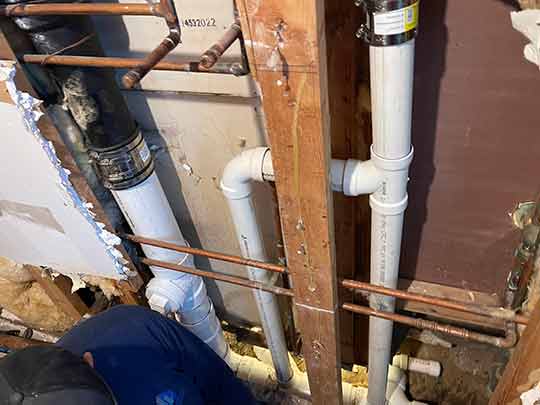
Repiping is the process of replacing all the pipes in your home’s plumbing system. It’s not a quick patch-up job. Instead, it’s a complete overhaul that involves removing old or damaged pipes and installing new ones throughout the house. That can include water supply lines, drain pipes, and even pipes within walls or under floors. The scale of the project means it’s more than just a plumbing upgrade—it’s a structural one that can disrupt your home significantly if not planned well.

The Hidden Risks of Old Pipes

Old pipes aren’t just an inconvenience—they can be a health and safety risk. Lead pipes, still found in some older homes, can contaminate drinking water. Galvanized steel pipes corrode over time, causing rust to leach into the water supply. Even copper pipes, if installed poorly or exposed to acidic water, can deteriorate. Leaky pipes also invite mold, water damage, and pest infestations, making it vital to address them sooner rather than later. Delaying repiping can lead to thousands more in repair costs in the future.

Signs Your Plumbing Might Need a Full Overhaul

Several red flags indicate your plumbing system is past its prime. One of the most telling signs is frequent leaks in different parts of the house. If you’re constantly calling in a plumber for one issue after another, the system as a whole might be failing. Water discoloration, low water pressure, and strange odors are also signs that your pipes may be corroding from the inside out. Additionally, if your home is over 50 years old and still has its original plumbing, chances are you’re due for a full repiping project.

Renovation inside a white room
Frequent leaks are one of the most obvious signs your plumbing needs full repiping.

How a Full Repiping Affects Your Renovation Budget

Repiping can be one of the most expensive line items in a renovation budget. Costs depend on the size of your home, the number of bathrooms, the type of piping material you choose, and whether the work involves tearing down walls or floors. Labor is another significant expense since repiping is labor-intensive and time-consuming. It’s wise to get multiple quotes and understand exactly what’s included—some contractors bundle wall repair and repainting in the price, while others leave that to you.

Choosing the Right Pipe Materials

When repiping, the choice of material matters. PEX (cross-linked polyethylene) is affordable, flexible, and easier to install. It’s great for tight spaces and resists scale and chlorine. Copper is more durable and has been used for decades, but it’s expensive and prone to corrosion if your water is acidic. CPVC is another option known for its resistance to heat and corrosion. Your plumber will recommend what’s best based on your home’s layout and your water quality, but it helps to have some understanding when discussing your options.

Planning Around Walls, Floors, and Fixtures

Repiping isn’t just about pipes—it’s also about access. In most homes, pipes run behind walls, under floors, and through ceilings. That means drywall, flooring, tile, and cabinetry might need to be removed and later restored. If you’re already renovating, repiping during the demolition phases is often the most efficient and cost-effective time to do it. Aligning your plumbing project with other renovations can reduce labor overlap and minimize disruption. Just make sure to coordinate timelines with all contractors involved.

Understanding the Permits and Inspections Involved

Any full-home repiping project will require permits and inspections, especially in municipalities with strict building codes. Permits ensure the job is done according to legal safety standards, and inspections confirm that everything has been installed correctly. Skipping this step may save you money upfront, but could come back to haunt you when you sell your home or experience a plumbing failure. Ask your contractor if they handle the permitting process or if you’ll need to coordinate with local building authorities yourself.
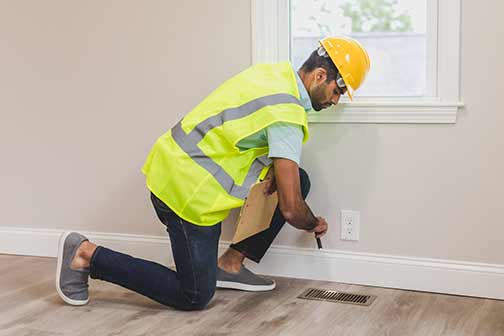
A person conducting a house inspection
Inspections confirm that everything has been installed correctly.

Things to Do Once the Repiping Is Done

Once the dust settles—literally—it’s time to finish what the repiping started. After the new plumbing is installed and water is flowing properly, your contractor will usually run a pressure test to confirm everything is leak-free. Then comes the restoration phase: patching up drywall, repainting, and reinstalling light fixtures or cabinets that had to be removed. This stage is a smart time to add a few finishing touches, such as updated faucets or a new water filter system.

However, if your repiping project happened alongside a move, you’ll likely still be tackling some key post-move tasks. Therefore, schedule a deep clean before you unpack, as it helps eliminate any leftover dust from construction. Also, unpack and organize your belongings room by room to avoid clutter and confusion. Completing these tasks speeds up the process of settling into your new space and also helps you spot any small fixes or improvements you may have missed. Taking the time now makes your renovated home feel move-in-ready, both functionally and visually.

Staying in Your Home During Work

One of the more disruptive aspects of repiping is that it affects your access to running water. Depending on the size of the job, your water supply might be shut off intermittently or completely for a few days. Some homeowners choose to stay in a hotel or with family, while others stay put and work around the limitations. If you’re living in the home during repiping, clear communication with your contractor is key. You’ll need to know when you can use the bathroom or kitchen and how long specific areas will be out of commission.

Preparing Financially for the Unexpected

Even the best-planned renovations can hit snags or turn out to be expensive, especially when plumbing is involved. As pipes are removed, plumbers might discover issues that weren’t visible during the initial inspection, like water damage, mold, or code violations. These can add unexpected costs. That’s why it’s essential to have a contingency fund, typically about 15–20% of your renovation budget, to handle surprise expenses without derailing the entire project. Ask for a detailed estimate upfront, but be mentally and financially prepared for adjustments along the way.

Long-Term Value And Safety

Full repiping is a major undertaking that can shake up your renovation budget and schedule—but it’s also one of the most crucial investments in your home’s long-term value and safety. Identifying the need early, understanding your options, and working with trustworthy professionals can make the process smoother and less stressful. While no one dreams of ripping out their entire plumbing system, doing it right the first time can save you from major headaches down the line. With smart planning and the right guidance, your home will be well on its way to better performance and peace of mind.
Understanding the Process of Re-Piping and Why It’s Important

Understanding the Process of Re-piping and Why It’s Important

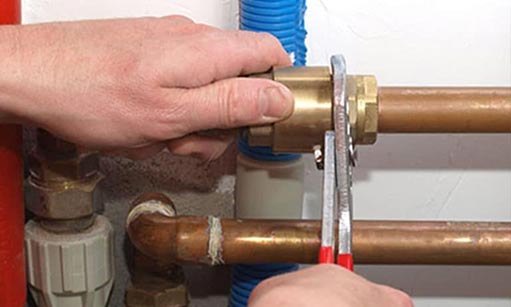
Re-piping is replacing all the water pipes in your plumbing system. This procedure is one of the most effective ways to restore the efficiency of your plumbing. Re-piping your home will help you get rid of all issues caused by old, damaged, or deteriorated pipes, advises the team at KRS Holdings management.

Why should you re-pipe your home? How do you know if your home is due for re-piping; what are the signs to look for? What does the re-piping process look like, and what are the things to consider when re-piping your home?

Why you should re-pipe your plumbing system

Water pipes invariably become weaker and less efficient as they age. Old and brittle pipes are more vulnerable to shocks, like sudden and extreme changes in water temperature or pressure. Aging pipes leak more often; they subject your home to a higher risk of water damage.

In addition to aging, mineral buildup and corrosion take their toll on water pipes. These problems narrow the pipe channels and reduce the water flowing through the system. Pipes with lots of sediment inside them are also more likely to crack.

Fixing these problems by re-piping your plumbing offers the following benefits:

Maximize efficiency

Re-piping reduces the rate of energy loss from the water pipes. You also get to cut down on utility bills when you reduce the rate of water wastage.

Lower maintenance costs

You can reduce the time and energy spent on plumbing issues. You also achieve significant savings in your plumbing maintenance costs.

Prevent property damage

The cost of fixing collateral damage caused by leaks can be higher than fixing the plumbing. Re-piping helps to minimize this risk.

Boost property value

Re-piping your home adds thousands of dollars to its market value. Potential buyers won’t have to worry about hidden plumbing issues in the house.

How re-piping is done

Re-piping follows a ten-part process:

Shut the water supply

The water can be turned off for 3 days. The actual duration depends on your home’s size and the condition of the existing pipes.

Remove the old pipes

Water is drained from the pipes before they are removed. The walls and floors are checked for mold and other signs of water damage.

Inspection

This step is for assessing the extent of damage to the old pipes and the kind of repairs that should be done before installing the new pipes.

New pipe installation

The process of installing the new pipes begins. The shape that this takes depends on the kind of pipes being installed

Test for leaks

Using pressure tests and tools such as infrared cameras, the system is tested for leaks before the water supply is restored.

Turn on the water

The water is turned on, and the system is tested a second time for leaks and other problems.

Flush system with hot water

Hot water is run through the plumbing fixtures in the home to get rid of any sediment inside the pipes.

Insulate water pipes

To prevent corrosion, critical sections of the piping are insulated to reduce the incidence of condensation buildup.

Install access panels

Access panels – which provide easy access to water pipes for maintenance – are installed at critical points.

Final check

One last check is done to ensure there are no plumbing code violations that need to be fixed and that every component of the system is properly connected.

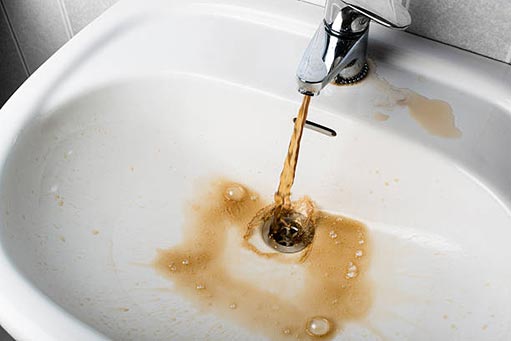
a home with rusty water.

Brown or rust-colored and smelly water are indications of extensive corrosion inside the home’s water pipes.

Does your home need re-piping?

You should repipe your home plumbing if more than one of these problems is present in the home.

Frequent leaks

This is a sign that your pipes are deteriorated and clogged with sediment. Repairing such pipes is a temporary measure that will cost you more in the long run.

Low water pressure

A problem of chronically low water pressure in the entire home – not just one plumbing fixture – is a sure sign that your water pipes need to be replaced.

Water quality issues

Brown or rust-colored and smelly water are indications of extensive corrosion inside the home’s water pipes.

Pipes are old

If the piping was done before 1986, chances are high that your pipes are made of lead. Lead pipes are no longer in use because they pose a risk of lead poisoning.

Before you re-pipe your home

Here are 4 things to think about before re-piping your home:

Time

Choose a time of the year when you can afford to have the water turned off for up to 3 days.

Pipes

What kind of pipes should you use? The choice is usually between PVC, copper and PEX pipes.

Pipe size

What is the right size of pipes based on the water flow requirements of my home?

Cost

How much will this project cost me, and how do I avoid wasting money?

Re-piping your home is a major project that if done wrong, can haunt your building and life for many years. Before embarking on this project, talk to an experienced plumber.

Expert Insights on the Necessity of Repiping to Safeguard Your Property

Safeguard Your Property with repiping

Understanding the Importance of Repiping for Property Protection

As a property owner, it is crucial to prioritize the maintenance and protection of your valuable investment. Repiping, in particular, plays a vital role in ensuring the safety and functionality of your property’s plumbing system. Ignoring the signs of deteriorating pipes can lead to severe damage, costly repairs, and potential risks to your property and its occupants. Below we will get into expert insights on the necessity of repiping to safeguard your property.

The Lifespan of Pipes

Before discussing the reasons why repiping is essential, it’s important to understand the lifespan of different types of pipes commonly used in properties. The material and age of your property will largely determine the type of pipes installed. Here are some general estimations of pipe lifespans:

  • Copper pipes: The lifespan of copper pipes can range from 50 to 70 years. However, factors like water pH levels and water chemistry can influence their durability.
  • Galvanized steel pipes: Galvanized steel pipes have an average lifespan of 20 to 50 years. Over time, these pipes are prone to rust and corrosion, resulting in reduced water pressure and potential leaks.
  • PVC pipes: PVC pipes are known for their longevity and can last anywhere from 50 to 100 years. They are not susceptible to rust and corrosion like other materials.

Signs Your Property Needs Repiping

Identifying the signs that your home requires repiping services is crucial to prevent further damage and ensure the safety of your property. Here are some common indicators that your pipes may need replacement:

  • Frequent leaks: If your property experiences multiple leaks over a short period, it could be a clear sign of deteriorating pipes that need immediate attention.
  • Discolored water: When the water flowing from your faucets appears rusty, brown, or discolored, it may indicate corroded pipes that need to be replaced.
  • Low water pressure: Aging pipes often suffer from reduced water pressure, making it difficult to perform regular tasks like showering or using appliances efficiently.
  • Strange odors or taste: Unpleasant odors or a metallic taste in your tap water can signify the presence of contaminants due to deteriorating pipes.
  • Frequent plumbing repairs: If you find yourself constantly calling plumbers to fix various issues, it could be a symptom of underlying pipe problems that require repiping.

Benefits of Repiping

Investing in repiping offers several advantages that contribute to the long-term protection and value of your property. Let’s explore some of the key benefits:

1. Enhanced Property Value

Repiping can significantly increase the value of your property. Potential buyers are more inclined to invest in a property with a newer, reliable plumbing system that eliminates the hassle and cost of immediate repairs.

2. Improved Water Quality

Old, deteriorating pipes can contaminate your water supply, compromising its quality and potentially posing health risks. Repiping ensures clean and safe water for you and your household.

3. Increased Water Pressure

Replacing outdated pipes with newer ones can restore the water pressure in your property. Enjoy a more efficient and satisfying shower experience, as well as better functionality for various appliances that rely on water.

4. Minimized Plumbing Emergencies

Repiping eliminates the constant need for plumbing repairs and maintenance. By proactively replacing old pipes, you can minimize the risk of emergencies and the associated expenses.

5. Enhanced Property Safety

Leaky pipes pose a significant threat to your property’s structural integrity and can lead to mold growth, water damage, and even flooding. Repiping ensures a secure and safe environment for your property and its occupants.

a home in chicago being repiped by a plumber.

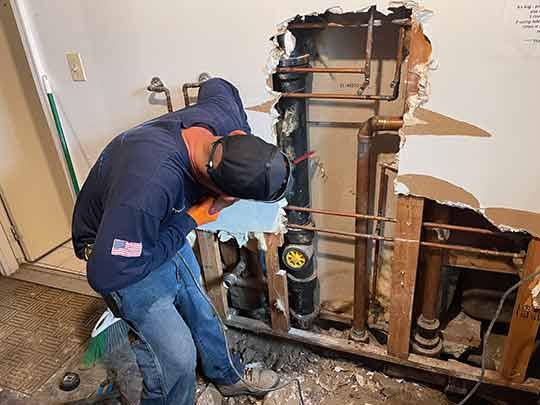
A professional plumber will conduct a thorough inspection of your property’s existing pipes to evaluate their condition and identify any potential issues.

The Repiping Process

When considering repiping your property, it is crucial to engage professional plumbing services to ensure a successful and efficient process. Here’s a general overview of the repiping process:

1. Inspection and Assessment

A professional plumber will conduct a thorough inspection of your property’s existing pipes to evaluate their condition and identify any potential issues. This assessment helps determine the extent of repiping required.

2. Pipe Material Selection

Based on the assessment and your property’s specific needs, the plumber will recommend the most suitable pipe material for the repiping project. Factors such as durability, cost-effectiveness, and water quality should be considered during this selection process.

3. Pipe Replacement

Once the material is selected, the repiping process begins. Professional plumbers will systematically remove the old pipes and replace them with new ones. This process ensures minimal disruption to your property and a smooth transition to the new plumbing system.

4. Testing and Inspection

After the repiping is complete, residential plumbers will conduct rigorous testing and inspection to ensure the integrity and functionality of the new plumbing system. This step is crucial to identify any potential leaks or issues that might require immediate attention.

5. Clean-Up and Restoration

Once the testing and inspection confirm the successful installation of the new plumbing system, the plumbers will proceed with the clean-up process, ensuring that your property is left in impeccable condition post-repiping.

Wrapping It Up

Repiping is a necessary investment to safeguard your property and ensure the long-term functionality of your plumbing system. By addressing deteriorating pipes proactively, you can avoid expensive repairs, maintain property value, and provide a secure environment for your household. Always consult professional plumbers to guide you through the repiping process and ensure optimal results.

How to Improve Your Water Quality By Repiping Your Home

How to Improve Your Water Quality By Repiping Your Home

Having clean and safe water is crucial for the health and well-being of your family. Over time, older pipes in your home can corrode, leading to water quality issues and potential health risks. Repiping your home can be an effective solution to improve the water quality throughout your house. This article will guide you through the process of repiping your home to enhance your water quality and ensure a healthier living environment.

Understanding the Importance of Water Quality

Before diving into the repiping process, it is essential to understand the significance of water quality. Poor water quality can be harmful to your health, causing issues such as gastrointestinal problems, respiratory infections, and skin irritations. Additionally, contaminated water can damage household appliances and plumbing fixtures, leading to costly repairs or replacements.

By having your home professionally repiped, you can eliminate the risks associated with aging and corroded pipes, ensuring the delivery of clean, fresh water to every faucet.

Signs that Repiping is Needed

Recognizing when it’s time to repipe your home is crucial to prevent any further water quality deterioration. Look out for the following signs:

  • Low water pressure: If you notice a significant drop in water pressure, it may indicate corroded pipes that restrict water flow.
  • Frequent leaks: Aging pipes are more prone to leaks. If you find yourself dealing with frequent leaks, it may be time to consider repiping.
  • Discolored water: Rusty or discolored water coming from your taps is a sign of corroded pipes that require replacement.
  • Foul odor or strange taste: Unpleasant odors or tastes are indicators of impurities in your water supply.

a plumbing contractor finalizing plans.

When selecting a plumber, consider their experience, qualifications, and reputation. It’s also important to verify if they are licensed, insured, and offer warranties for their work.

Hiring a Professional Plumber

Repiping your home is a complex task that requires the expertise of a professional plumber. When selecting a plumber, consider their experience, qualifications, and reputation. It’s also important to verify if they are licensed, insured, and offer warranties for their work. A reliable plumber near you will assess your home’s plumbing system, determine the extent of repiping needed, and provide you with an accurate cost estimate.

Choosing the Right Pipes

Selecting the appropriate pipes for your repiping project is vital for ensuring better water quality and longevity. Two popular options are:

1. Copper Pipes: Copper pipes are known for their durability, resistance to corrosion, and ability to maintain water quality. While they may be more expensive upfront, they are considered a long-term investment due to their lifespan of 50+ years.

2. PEX Pipes: Cross-linked polyethylene (PEX) pipes are a flexible and cost-effective option. They are resistant to corrosion and offer better insulation, reducing the risks of temperature-related issues.

The Repiping Process

The repiping process involves careful planning and execution. Here are the key steps involved:

  • Assessment: A professional plumber will inspect your existing plumbing system to determine the extent of repiping required. This helps in creating a detailed plan for the project.
  • Preparation: This involves clearing the work area, shutting off the water supply, and ensuring the safety of your belongings.
  • Demolition: Removal of the old pipes is conducted, taking care to minimize any damage to the surrounding infrastructure.
  • Installation: The new pipes are carefully installed, following the pre-defined plan. This stage requires expertise to ensure proper connections and functionality.
  • Finishing touches: Once the new pipes are in place, the plumber will perform pressure tests to identify any potential leaks. They will also reconnect fixtures, appliances, and ensure proper functioning.

a freshly unclogged kitchen sink drain.

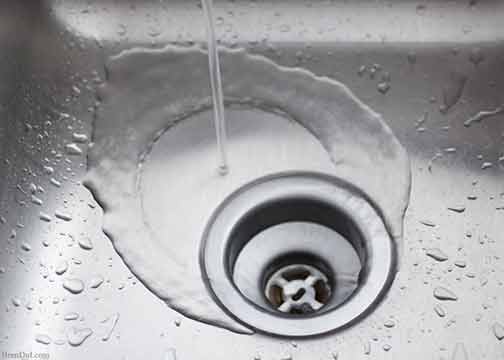
Eliminating corroded pipes ensures cleaner and healthier water for drinking, cooking, and bathing.

Benefits of Repiping

Repiping your home offers numerous benefits, including:

  • Improved water quality: Eliminating corroded pipes ensures cleaner and healthier water for drinking, cooking, and bathing.
  • Enhanced water pressure: Repiping allows for optimal water flow, resulting in increased water pressure throughout your home.
  • Prevention of costly repairs: Investing in repiping eliminates the need for frequent repairs caused by leaks or pipe bursts, saving you money in the long run.
  • Increased property value: Upgrading your plumbing system by repiping can increase the value of your home.

Maintaining Water Quality After Repiping

While repiping greatly improves your water quality, it’s essential to follow these maintenance tips to ensure long-lasting results:

  • Regular inspections: Schedule periodic inspections to detect any potential issues early.
  • Water filter installation: Install a water filtration system to remove impurities and further enhance water quality.
  • Prevent chemical damage: Avoid pouring harsh chemicals down your drains, as they can damage the pipes and affect water quality.

To Sum It Up

Improving your water quality by repiping your home is a significant investment that guarantees better health, increased property value, and peace of mind. By understanding the signs indicating the need for repiping, hiring a residential plumber, selecting the right pipes, and following proper maintenance practices, you can achieve long-lasting and reliable water quality throughout your home.