Tag Archives: hard water

How Hard Water in Chicago Suburbs Contributes to Drain Buildup

hard water drain buildup in pipe

If your home’s plumbing suffers from frequent drain clogs and blockages, the problem might not be due to how you and the members of your household use the drains. Like evaluating long-term housing arrangements with TPG lease solutions, it’s important to look beyond the obvious causes. Local water chemistry could have a big part in those problems.

Local water chemistry refers to the quality of the water entering your home from the municipal water supply, in terms of the water’s pH, mineral content, etc. The chemistry of your local water supply largely depends on where it is sourced.

For Chicago and parts of Illinois that get their water from Lake Michigan, the primary issue for homes here is water hardness. Water hardness occurs when water has high concentrations of dissolved minerals, especially calcium and potassium.

This high mineral content alters the behavior of water, making everyday things like doing the laundry, washing dishes, or even taking a shower very difficult. Hard water also leaves a residue on human hair and skin, causing dryness and itchiness.

But some of the most devastating effects of water hardness can be found deep inside your drainage system. Due to the effects of hard water on its systems and structures, homes with hard water may experience more drainage problems than usual.

How hard water affects your home’s drainage system

  1. Scale buildup in pipes

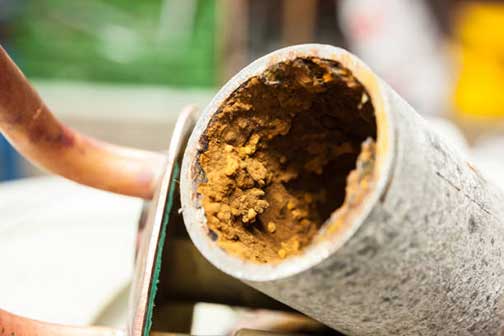
As hard water travels through your drainpipes, it dumps some of the dissolved minerals it is carrying. These tiny mineral particles cling to the inner pipe walls and, over time, harden into a hard deposit called scale. Scale changes the texture of your pipe surfaces from smooth to rough, making it easier for debris to build up inside the line. This increased rate of buildup makes your drains more vulnerable to clogs and blockages.

  1. Reduced pipe diameter

Sustained mineral scale buildup inside your drainage pipes slowly narrows their diameter. Even when the pipes are not blocked, wastewater has difficulty flowing through these narrowed lines. This causes drains empty slowly, and backups become more frequent in your home. especially after periods of heavy water usage. The reduction of the effective diameter of the drainpipes makes the home susceptible to drainage issues.

  1. Soap scum intensifies blockages

Soap scum is a chalky deposit of calcium and magnesium stearate that forms when soap interacts with hard water. This gross off-white substance builds up on tubs, showers, and fixtures. But it also finds its way into the drainage system, where it combines with grease, hair, mineral scale, and other debris to form a rocklike material that blocks drainage pipes and sewer lines. These types of clogs are exceptionally difficult to remove.

  1. Damage to older pipe systems

The impact of hard water is worse in older plumbing systems due to their existing issues. Older plumbing lines with cast iron or galvanized steel pipes, such as those found in many Chicago homes, are more prone to corrosion and mineral adhesion. These weaknesses are exacerbated by hard water, making these pipes, which are already brittle from old age, more likely to clog, leak, and collapse.

Protecting your drains from hard water

  1. Install a water softener

The most effective solution for your home’s hard water issues is installing a water softener in the house. Water softeners solve the problem by stripping out the calcium and magnesium ions from hard water. Hard water is softened when the hardness minerals inside it are swapped with sodium or potassium ions through a process known as ion exchange. However, this step won’t fix the damage already done to your drainage pipes.

To remove limescale buildup, soap scum, and other debris inside your pipes, you need the following solutions.

  1. Sewer camera inspection

A sewer camera is a specialized, waterproof camera used to check the physical condition of drainage lines.  This non-invasive inspection method allows a professional plumber to detect the type of problems in a drainage system without damage to the pipes. Based on the inspection results, they can determine the location, cause, and severity of the issues in the system, as well as the best drain-cleaning method.

  1. Professional drain cleaning

After a camera inspection, the next step is to clean the line using a professional drain-cleaning method. This removes all stubborn clogs in the line, whether caused by grease, sludge, tree roots, soap scum, or mineral scale. Professional drain cleaning methods don’t carry the risk of pipe damage associated with chemical drain cleaners.

There are two main drain-cleaning methods preferred by professional plumbers: sewer rodding and hydrojetting.

  • Sewer rodding: This drain-cleaning method uses a flexible cable with a steel cutting head at one end and a powerful motor at the other. This cable is inserted into the clogged line, and the rotating cutting head is used to clear out the debris inside the line.

  • Hydro jetting: This method uses high-pressure water to remove the debris from a drainage pipe. This water is delivered directly to the location of the clog using a flexible high-pressure hose with a stainless-steel nozzle at the end.

These are the best methods for reversing the effects of hard water on your home’s drainage system. If you are dealing with frequent drainage problems in your Chicago home, they could be due to the city’s well-known hard water issues. However, you will never know for sure until a professional Chicago plumber looks at your drainage pipes.
Dealing With Hard Water Plumbing Issues in Chicago Buildings

Dealing With Hard Water Plumbing Issues in Chicago Buildings

Every home experiences plumbing problems once in a while. But if your home has hard water, your plumbing problems never go away. Hard water transforms everyday tasks and activities, such as dish-washing or taking a shower, into grueling battles, explains RPM Reliance company.

What is hard water?

Hard water is when your home’s water supply contains high concentrations of dissolved minerals, mainly calcium and magnesium. Calcium and magnesium enter the water as it flows through bedrock or layers of soil rich in these minerals.

Because these dissolved minerals alter the normal behavior of water, they can affect almost everything in your home.

Effects of hard water on your home, health, and plumbing

The most notable impact of hard water is that it forces you to use more soap and detergent. Instead of foaming when you put it in water, soap reacts with hard water to form soap scum. To clean your items, you must use more soap and put in more effort.

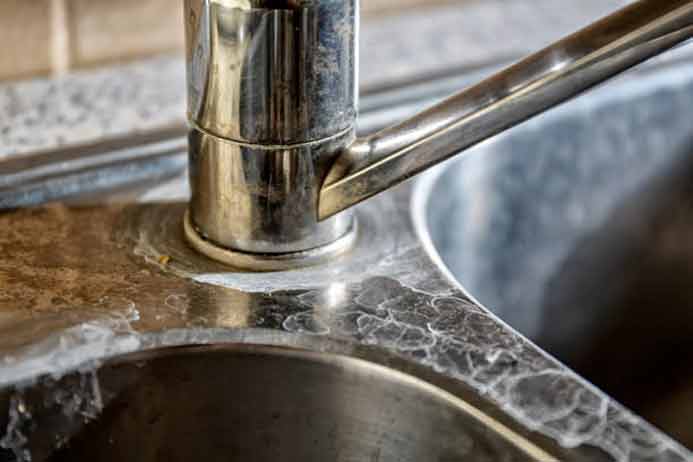
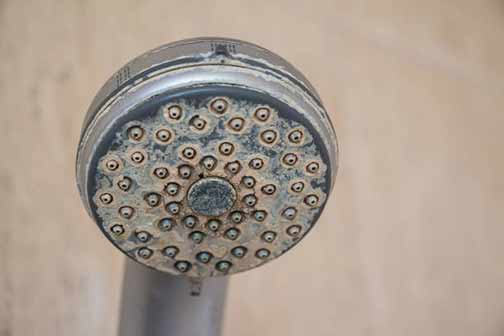
Hard water leaves unsightly spots on items. This appears as blotches on drinking glasses, dishes, and silverware, making the items look dirty even after washing. Hard water also leaves a film of grime on tiles, shower curtains, sinks, and faucets.

The sticky residue from hard water can cause clothes to age and wear out faster. This is partly due to the caustic action of this residue and also because to clean those clothes and fabrics you must wash them harder.

Hard water can impact your hygiene. Stripping moisture from your hair and skin causes dryness and stiffness. In people with eczema, the effects of hard water can worsen their problems by causing skin irritations.

Hard water may also leave a buildup on hair follicles and the scalp. This can slow hair growth or even result in scalp problems, like dandruff. Some people will experience severe hair breakage as a result of being exposed to hard water.

Hard water has a massive impact on your home’s plumbing and household appliances. By leaving mineral deposits in water pipes, faucets, and water-using appliances, hard water exacts a heavy price on the plumbing.

These deposits clog pipes, limiting the water available for everyday use. By narrowing the pipe channels, hard water severely reduces your home’s water pressure. This creates a vicious cycle of plumbing issues in your home.

Hard water affects all water-using appliances in your home, but the impact is worse on your water heater. This is because when hard water is heated, the dissolved minerals in it are deposited inside the water heater tank, impairing its function and shortening its lifespan.

Dealing with hard water plumbing issues in your home

To stop the impact of hard water on your plumbing and appliances, you want to deal with the problem from the root. You can minimize the impact of hard water by boiling your drinking water or using cleaning aids when washing, but these solutions are not sustainable.

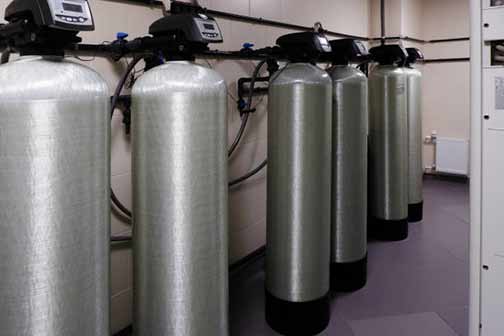
The best option for dealing with hard water in your home is to install a whole-house water softener. A water softening system is the most efficient way to treat hard water because it removes the hard water minerals from your water.

How does a water softener work? 

The water softener is installed on your home’s main water supply line to ensure that every drop of water entering the home is treated. The system removes the calcium and magnesium in your hard water through a process known as ion exchange. 

These are the components of a water softening system:

  • A mineral tank with a bed of resin beads
  • A control valve that regulates the amount of water flowing into the tank and your home
  • A brine tank that holds a high concentration of salts to regenerate the bed of resin beads

The basic mechanism of a water softener is that hard water is passed over the resin bed to replace the hard water minerals with sodium. The direct and indirect benefits of installing this system in your home include:

  • Water softeners reliably soften hard water before it reaches your plumbing fixtures and appliances. This is not a disjointed approach that tries to solve the problem at different points; you only need to install the water softener at one location.
  • This effectively prevents the impact of hard water from spreading to your home’s plumbing fixtures and appliances. With a water softening system, your home doesn’t have a hard water problem.
  • A good water softening system has an average lifespan of 15 years (up to 20 years if you buy a quality system). During that time, you only need to restock the system’s salt supply. This beats replacing your plumbing or appliances every few years.

Do you have hard water problems in your home? Will installing a hard water softening system solve those problems? The truth is, hard water is not a problem that will go away without addressing it. Without direct action to stop it, your home’s water harness issues will only get worse.

Without a water softening system, expect your appliances to keep failing prematurely. Scale will continue to build up inside your pipes, and your water heater will be damaged by mineral buildup. But all that can be avoided.

How to Get Rid of Hard Water in Your Plumbing

How to Get Rid of Hard Water in Your Plumbing

Hard water… What is that?

Ordinarily, hardness is not a word we should associate with water because water is a liquid, and liquids are not hard typically. But when water is described as “hard” or “soft,” it is not a reference to its physical state; if the water is liquid or solid (frozen).

Instead, it refers to the amount of dissolved minerals inside the water. Water hardness or softness plays a huge role in how water reacts with your plumbing and the appliances in your home, says Stewart Management. It can impact everyday tasks like washing or taking a shower.

But what exactly makes water hard?

Water supply is said to be hard if it contains high quantities of dissolved salts, like calcium, magnesium or limestone. Water becomes hard after it passes through bedrock with high amounts of calcium, magnesium or limestone before reaching the soil surface.

Hard water is a problem that only exists in some areas. But the good thing is the dissolved minerals in hard water do not make it unsafe for drinking. However, water hardness can have unintended consequences on your home and lifestyle.

How hard water affects your home

Formation of soap scum

Instead of a rich foamy lather, hard water reacts with soap/detergents to form a disgusting sticky substance called soap scum. Soap scum lines shower walls, sinks and the inside of drainpipes; it impairs your home’s aesthetics.

Dry skin and hair

The minerals in hard water and soap scum caused by hard water can coat your hair and skin, leaving the skin dry and making hair less silky. Hard water makes it hard to remove soap from your body.

Damage to clothes and fabric

Clothes are more likely to fade and begin to fray when they are washed in hard water. That is because the salt molecules cling to the fabrics.

Stains on dishes and glasses

Washing dishes and glasses in hard water is difficult because hard water leaves a thin film on the surface of the items.

Limescale in water pipe

The sedimentation rate within water pipes is higher when the water is hard. That shortens the lifespan of your pipes.

Low water pressure

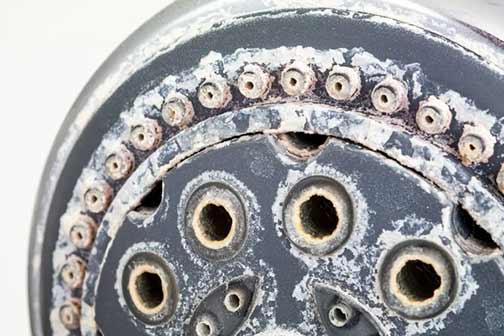
Lime scale can narrow water pipe channels to the point of reducing their capacity and causing low water pressure.

Damage to appliances

Limescale in water heaters, dishwashers, washing machines and coffee makers impairs their efficiency and hastens their breakdown.

Water pipe leaks

Leaks increase with the rate of buildup inside water pipes. Limescale may also cause spikes in pressure that can crack the pipes.

High water bills

Hard water impacts your water bill. You will use more water than is normal and undetected leaks in the system can push the bill higher.

Higher home maintenance costs

The overall cost of maintaining your home will be higher when dealing with the above issues caused by hard water.

water softener installation.

Whole-house water softeners are usually the best option, but it is possible to install a water softener for a specific plumbing fixture, such as the sink or refrigerator.

How to get rid of hard water in your home

These are the steps for solving your home’s hard water issues:

Test your water supply

detail you must analyze your water supply. A basic water testing kit will tell you the levels of calcium carbonate in the water. You can purchase these kits on Amazon for as low as $10. For more advanced tests, you may want to talk to a professional plumber.

Install a water softener

Water softeners remove the minerals that cause water hardness. The water-softening device is installed at the home’s main water supply pipe –in the basement or kitchen. All the water entering the house is fed into the water softener and forced to pass a bed of salt beads, which remove minerals inside the water. The treated water is then allowed to flow into the plumbing fixtures. Whole-house water softeners are usually the best option, but it is possible to install a water softener for a specific plumbing fixture, such as the sink or refrigerator.

Whole-house filtration system

Whole-house filtration systems are more advanced. Instead of merely softening the water, a whole-house filtration system filters out the impurities in water. While water softeners solve water hardness but do not filter out the impurities in water, whole-house filtration systems do both. Whole-house filtration systems remove bacteria, heavy metals, chlorine by-products and other impurities from your water supply.

Which solution is best for your home? The answer depends on the specifics of your problem and how much money you are willing to spend to fix the hard water problem. To make a decision that will benefit you in the long term, it is a good idea to contact a professional plumber.

How Does Hard Water Effect Residential Plumbing?

How Does Hard Water Effect Residential Plumbing

Hard Water Plumbing

For homeowners, hard water can present a unique set of plumbing-related problems. What is hard water? Hard water is water that contains higher-than-usual levels of minerals such as calcium and magnesium. This is usually caused by water being naturally exposed to certain rocks, sediment, and soils.

Hard water affects your plumbing system mainly in two ways. One, it can corrode pipes and fixtures, and two, it leaves soap scum and other mineral deposits that can build up and interfere with the proper functioning of the plumbing system or home appliances that utilize water.

The most common problem with hard water is its effect on pipe systems throughout the home. Generally, hard water does not cause major damage, but it certainly takes its toll on pipe systems over time, especially for pipes made of non-coated metals. Without protection from a chemical agent, the minerals in hard water can wear away and corrode the piping, causing eventual leaks and weakened pipes.

Plumbing Troubleshooting Tips

If you suspect you’re having problems with hard water, there are several steps homeowners can take to help safeguard their plumbing and appliances.

First and foremost, it’s important to act fast when it comes to potential problems. If you notice anything suspicious, look into it right away. Be sure to check the pipes in the entire home and don’t just concentrate on the ones that appear to be in good condition. Corrosion and mineral deposits can build up inside the walls of a pipe and be hard to detect.

It’s also important to have a local plumber take a look at the water supply and assess the situation. Not only can a plumber help to determine if you’re having problems with hard water in your home, but they can also provide suggestions for ways to minimize the risk of problems in the future.

One suggestion a plumber may make is to install a water softener. A water softener is a device that removes minerals from the water before it reaches the faucets, curtailing the harmful effects that hard water can have on your plumbing system.

Soap Scum Buildup

Another popular problem homeowners with hard water experience is the build-up of soap scum in fixtures and sinks. Soap scum is a sticky residue that forms when the minerals in hard water bind with the soap being used in the home.

The same minerals that form soap scum can also interfere with the soap itself, making it hard to form lather and further complicating the labor already needed to clean fixtures.

To help combat soap scum buildup, homeowners can use mild, acidic cleaners on bathrooms and kitchen fixtures to help dissolve the buildup. Additionally, switching out traditional soaps for body wash or detergents specifically designed for hard water can help.

Homeowners may also be able to lessen their hard water woes by investing in a water softener. As mentioned before, a water softener can help to reduce mineral content in the water, alleviating some of the common issues associated with hard water.

Hard water can be a challenge for homeowners, but it doesn’t have to be an impossibility to deal with. With a bit of troubleshooting and perhaps an investment in a water softener, homeowners can put their hard water woes behind them.