Tag Archives: emergency plumbing

When Every Second Counts: Identifying Critical Plumbing Failures

Identifying Critical Plumbing Failures

Plumbing problems happen in your home all the time, says Mike Dunfee Management company. But most of them are mild issues that do not prevent access to the plumbing or expose your home to the risk of water damage.

There are times when your home suffers a critical plumbing failure. This is when the plumbing issues put the structures of your building at risk and also prevent the normal use of your plumbing.

Critical plumbing failures are best dealt with before they become plumbing emergencies. This means finding the problem in its early stages before it explodes into a full-blown disaster.

However, if a critical plumbing failure happens before it can be detected and prevented, the next best option is to fix the problem with the utmost speed as soon as it is discovered.

What are some common critical plumbing failures that can happen in a home?

Burst pipes

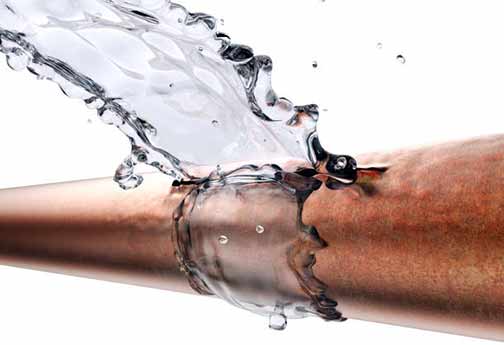
This problem is most common in winter when sub-zero temperatures freeze water pipes, causing them to burst and spew water after they thaw.

Clogged drains

This is easily the most common critical plumbing failure in homes. A clogged drain can be a mild problem or a full-blown catastrophe.

Leaking water heater

A major cause of basement flooding and mold that will not only ruin the items in the area but can even undermine the foundation of your building.

No hot water

Especially in winter, and if there are small children or elderly folks in the home, this can be a life-threatening problem.

Toilet overflows

An overflowing toilet prevents the use of the toilet, leads to severe water damage inside your home, and can also expose your family to deadly diseases.

Worn-out washing machine hoses

A washing machine hose that ruptures, either because it is old or brittle, can unleash large volumes of water inside your home in a very short time.

Sewer backup

A backed up sewer line emergency is the outcome of unaddressed clogs and blockages in your main sewer line. It will release untreated sewage inside your home.
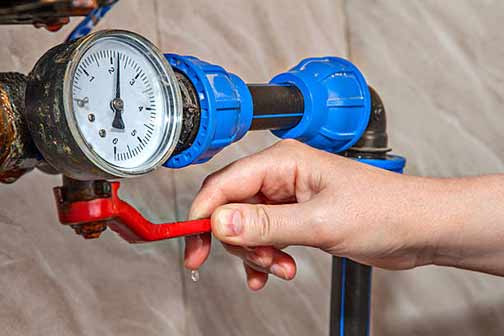
a woman turning off her main water supply

Turn off the water supply to your home at the main water shut-off valve. This is usually found near the water meter, on the street-facing side of the house, or in the basement.

How to prevent critical plumbing failures in your home

The number one factor for finding and fixing these issues before they happen in your home is to identify the underlying factors that cause the problems. This means recognizing the impact of the following issues on your plumbing pipes, fixtures, and appliances:

  • Extreme seasonal temperature fluctuations
  • Hard water, leading to mineral buildup
  • Aging of materials, causing the plumbing to become brittle
  • The presence of debris inside wastewater, which promotes clogs and blockages
  • The impact of amateur plumbers on the plumbing
  • The effect of a home occupant’s daily habits on the plumbing

Having understood the above factors, how do you prevent critical plumbing failures in your home?

  • Inspect your pipes regularly: Problems like corrosion, cracks, and leaks always leave telltale signs you can look for.
  • Insulate your pipes: During the colder months of the year, make sure pipes are properly insulated.
  • Maintain your appliances: Detailed checks done periodically will prevent appliance malfunction and save you a lot of trouble.
  • Monitor water usage: An easy way to spot leaks in your plumbing is by monitoring your water usage to detect unusual spikes in volume.
  • Inspect and clean your drains: To know what is happening inside your drains, inspect them on a schedule. Yearly drain cleaning solved most drain problems.

What to do when you have a critical plumbing failure

If you have a critical plumbing failure in your home, maybe before you have a chance to implement the above, what should you do? The following steps will help you minimize the damage to your home and the inconvenience to your household.

Shut the water supply

Turn off the water supply to your home at the main water shut-off valve. This is usually found near the water meter, on the street-facing side of the house, or in the basement.

Do not use the fixture

If you are dealing with an overflowing toilet or sewer backup, do not use the toilet or do anything that will add more water to the water on your flooring.

Turn off the power

If there is a risk that water has come into contact with electricity, turn off the power supply to your home. If you have to step in water to do this, call an electrician.

Try to contain the leak

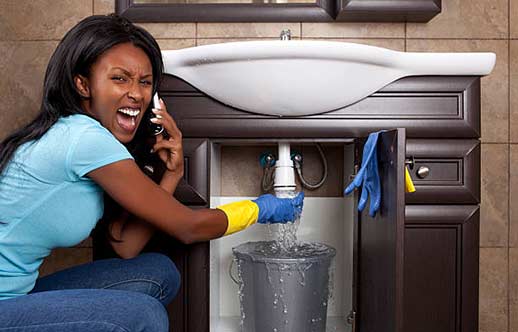
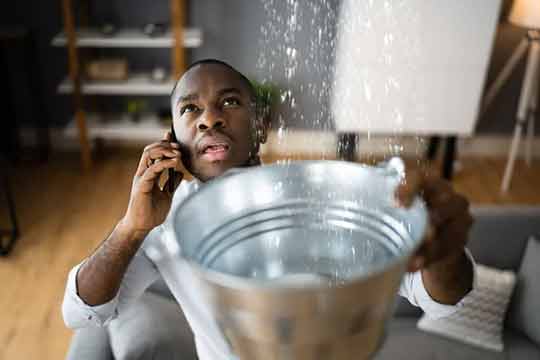
Try catching the leaking water with buckets after you have turned off the dedicated shut-off valve for the damaged fixture.

Call an emergency plumber

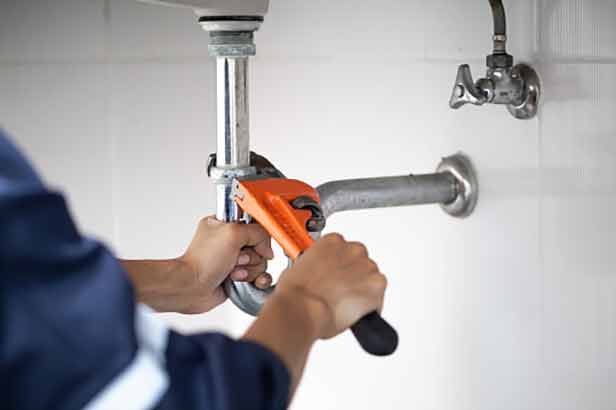
Emergency plumbers are plumbing professionals whose expertise is dealing with critical plumbing failures in homes. Because every second counts when dealing with plumbing emergencies, how much time it takes you to find an emergency plumber matters. This is why you want an emergency plumber on the quick dial before a critical plumbing failure happens in your home. 

A capable professional plumber (preferably one who offers emergency plumbing services) is the lynchpin of your home’s plumbing maintenance plan. That plumber should be able to help you prevent and deal with any critical plumbing failures in your home.
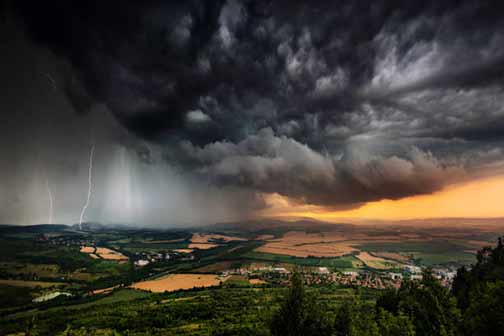
Plumbing Nightmares: When Storms Wreak Havoc in Your Home

Plumbing Nightmares

Stormy weather can often bring unexpected problems to your doorstep. While many homeowners worry about leaking roofs and flooded basements, one issue that is frequently overlooked is the impact that severe storms can have on your plumbing system. From burst pipes to overflowing drains, plumbing nightmares during storms can turn your peaceful abode into a chaotic mess. Here we will explore some of the common plumbing problems that arise during storms and provide you with tips and advice on how to handle these situations effectively.

Understanding the Impact of Storms on Your Plumbing System

When storms hit, the excessive amounts of rainfall can put a tremendous amount of pressure on your plumbing system. The sudden influx of water can overwhelm the pipes, leading to blockages, leaks, and even burst pipe emergencies. Additionally, heavy rainfall can cause sewer lines to become overwhelmed, resulting in sewer backups and flooding. Understanding how storms can wreak havoc on your home’s plumbing is crucial in order to prepare for and prevent potential issues from occurring.

Identifying Common Plumbing Nightmares During Storms

Here are some of the most common plumbing problems that homeowners may encounter during storms:

  • Burst Pipes: When the temperature drops significantly during a storm, the water in your pipes can freeze and expand, causing them to burst. This can lead to extensive water damage and flooding in your home.
  • Flooding: Heavy rainfalls can saturate the ground around your home, leading to excess water seeping into your basement or crawl space. This can result in a flooded area that can damage your belongings and compromise the structural integrity of your home.
  • Blockages: Storms can cause debris, leaves, and other types of sediment to accumulate in your gutters, downspouts, and drainage pipes. This can lead to blockages, causing water to back up and potentially overflow into your home.
  • Sewer Backups: Excessive rainfall can overwhelm the sewer lines, leading to backups and potential sewage flooding in your home. This poses serious health hazards and requires immediate attention.
  • Leaking Roof: While not directly related to plumbing, a common issue during storms is a leaking roof. If water enters your home through the roof, it can affect your plumbing system as well.
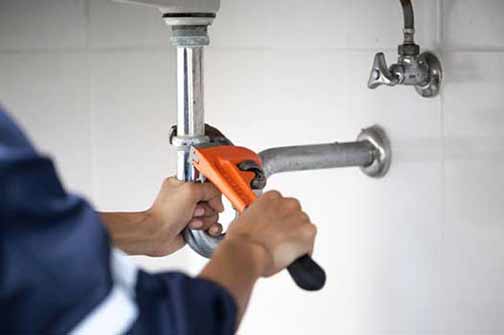
a professional plumber making repairs on plumbing.

In cases of severe plumbing issues, it’s best to call a professional plumber who has the expertise and specialized equipment to handle the problem safely.

What to Do When Faced with a Plumbing Nightmare

When a plumbing nightmare strikes during a storm, it’s essential to act quickly to prevent further damage. Here are a few steps to take:

Shut Off the Water

If you experience a burst pipe or any other significant plumbing issue, locate your main water shut-off valve and turn it off immediately. This will stop the flow of water and minimize the damage caused by the plumbing emergency.

Call a Professional Plumber

In cases of severe plumbing issues, it’s best to call a professional plumber who has the expertise and specialized equipment to handle the problem safely. They will assess the situation, provide necessary repairs, and offer guidance on how to prevent similar issues in the future.

Remove Excess Water

If your home experiences basement flooding due to a plumbing nightmare, it’s important to remove excess water as soon as possible. Use a wet/dry vacuum or call a water damage restoration company to extract the water and dry out the affected areas.

Document the Damage

Take photos or videos of the damage caused by the plumbing emergency and contact your insurance company. Provide them with the necessary documentation to support your claim and ensure proper compensation for the repairs.

Preventative Measures

To minimize the risk of plumbing nightmares during storms, consider implementing the following preventative measures:

  • Insulate exposed pipes in your home to prevent freezing during cold weather.
  • Clean your gutters and downspouts regularly to avoid blockages.
  • Install a backwater valve to prevent sewer backups.
  • Ensure your sump pump is in good working condition and have a battery backup in case of power outages.
  • Regularly inspect your roof for leaks and address any issues promptly.

When storms wreak havoc in your home, the last thing you need is a plumbing nightmare adding to the chaos. By understanding the potential plumbing problems that can arise during storms and taking preventative measures, you can minimize the risk of damage and protect your home. Remember to act swiftly and seek professional help when needed. Stay proactive and prepared, and your plumbing system will weather the storms with ease.

Does My Homeowner’s Insurance Policy Cover Emergency Plumbing Repairs?

Does My Homeowner’s Insurance Policy Cover Emergency Plumbing Repairs

Understanding Homeowner’s Insurance and Emergency Plumbing Repairs

When it comes to unforeseen emergencies, such as a burst pipe or a flooded basement, the last thing you want to worry about is whether your homeowner’s insurance policy will cover the cost of the repairs. While homeowner’s insurance typically provides coverage for certain types of damage to your property, it’s important to understand the specifics of your policy to determine if emergency plumbing repairs are included in your coverage. Here we will explore the factors that affect insurance coverage for emergency plumbing repairs and provide you with the information you need to navigate this often confusing topic.

Knowing Your Policy

Before we get into the details of whether your homeowner’s insurance will cover emergency plumbing repairs, it’s crucial to have a clear understanding of your policy. Insurance policies can vary significantly depending on the provider and the coverage options you have chosen. It’s important to carefully review your policy documents and speak with your insurance agent to determine the specifics of your coverage.

While the specific terms and conditions of homeowner’s insurance policies may vary, most standard policies typically cover damage caused by sudden and accidental events, also known as perils. These perils often include fire, theft, vandalism, and certain types of water damage. However, it’s important to note that not all water-related incidents are covered by homeowner’s insurance, and understanding the scope of coverage for emergency plumbing repairs is essential.

Water Damage Coverage

When it comes to water damage, homeowner’s insurance policies generally cover sudden and accidental water damage. This typically includes events like a burst pipe emergency, which can cause significant damage to your property. If a pipe suddenly bursts and causes water damage to your home’s structure or belongings, you can typically file an insurance claim to cover the cost of repairs.

However, it’s important to note that homeowner’s insurance policies often exclude coverage for certain types of water damage that are considered preventable or due to negligence. These exclusions may include long term leaks, gradual damage caused by wear and tear, or damage resulting from a lack of maintenance. Understanding these exclusions is key to determining whether your policy will cover emergency plumbing repairs.

homeowners insurance.

Some policies may include coverage for the repair or replacement of the damaged plumbing system, while others may exclude it entirely.

What’s Covered?

While homeowner’s insurance policies generally cover sudden and accidental water damage, they may not always cover the underlying plumbing repairs. In most cases, insurance coverage is limited to the cost of repairing the damage caused by the sudden water event, such as fixing the walls, floors, or personal property affected by the water damage.

However, the coverage for the actual plumbing repairs themselves may depend on the specific language of your policy. Some policies may include coverage for the repair or replacement of the damaged plumbing system, while others may exclude it entirely. It’s imperative to carefully review your policy or speak with your insurance agent to understand the extent of your coverage.

Additional Coverage Options

If your homeowner’s insurance policy does not provide coverage for emergency plumbing repairs, you may have the option to purchase additional coverage or endorsements to ensure you are protected. These additional coverage options can vary depending on your insurance provider, but they may include:

  • Service Line Coverage: This endorsement provides coverage for damages to underground utility lines, including water lines, sewer lines, and electrical lines, which are not typically covered under standard homeowner’s insurance policies.
  • Equipment Breakdown Coverage: This coverage option extends protection to essential home systems and appliances, including plumbing systems, in the event of a mechanical or electrical breakdown.
  • Flood Insurance: Standard homeowner’s insurance policies do not cover damage caused by floods, so if your plumbing emergency is due to a flood, you will need a separate flood insurance policy to provide coverage.

Considering these additional coverage options can provide you with peace of mind and ensure that you are adequately protected in the event of an emergency plumbing repair.

Take Action to Protect Your Home

While the specifics of your homeowner’s insurance policy determine whether emergency plumbing repairs are covered, there are steps you can take to minimize the risk and potential damage. Regular maintenance and inspections of your plumbing system can help identify and address any potential issues before they escalate into emergencies.

Additionally, having a plan in place for emergencies can save you time, money, and stress. Consider creating an emergency fund specifically designated for unexpected home repairs, including plumbing issues. This will give you the financial flexibility to handle emergencies that may not be covered by your insurance policy.

In Conclusion

Understanding your homeowner’s insurance policy is crucial when it comes to determining coverage for emergency plumbing repairs. While coverage can vary depending on the specific terms and conditions of your policy, most homeowner’s insurance policies cover sudden and accidental water damage. However, coverage for the actual plumbing repairs themselves may not always be included, so it’s essential to review your policy or speak with your insurance agent to determine the extent of your coverage. Exploring additional coverage options can provide you with added protection and peace of mind. By taking proactive steps to protect your home and finances, you can navigate emergency plumbing repairs with confidence.

Preventing a Plumbing Emergency Over the Holidays

Preventing a Plumbing Emergency Over the Holidays

The holiday season is a time for joy, relaxation, and spending quality time with loved ones. However, it can quickly turn into a nightmare if you experience a plumbing emergency. Burst pipes, clogged drains, and malfunctioning water heaters can put a damper on your festivities and cause extensive damage to your home.

To ensure a stress-free and enjoyable holiday season, it is essential to take preventive measures and be proactive in maintaining your plumbing system. Here we will provide you with valuable tips and insights on how to prevent a plumbing emergency over the holidays.

Schedule a Pre-Holiday Plumbing Inspection

One of the best ways to prevent a plumbing emergency is by scheduling a professional plumbing inspection before the holiday season kicks in. An experienced plumber will thoroughly assess your plumbing system, identify any potential issues, and make necessary repairs or replacements.

This inspection should include checking for leaks, proper functioning of drains and toilets, water pressure evaluation, and examination of your water heater. Taking care of any underlying issues before the holidays will give you peace of mind and minimize the risk of unexpected emergencies.

Avoid Overloading Your Garbage Disposal

During the holiday season, there tends to be an abundance of food and cooking. However, it’s crucial to remember that your garbage disposal has its limits. Avoid overloading it with large quantities of food waste, fibrous materials, grease, and oil.

Instead, scrape excess food waste into the trash bin before rinsing plates and utensils. Always run cold water while using the garbage disposal to ensure efficient grinding and prevent clogging. Taking these precautions will help you avoid a backed-up sink or a malfunctioning garbage disposal.

Be Mindful of What You Flush

If you’re hosting guests during the holiday season, remind them to be mindful of what they flush down the toilet. Only toilet paper should be flushed, while items like paper towels, feminine hygiene products, or baby wipes should be disposed of in the garbage.

Flushing inappropriate items can lead to toilet clogs and plumbing backups, causing inconvenience for everyone and potentially costly repairs. Display polite reminders in your bathrooms to ensure that all guests are aware of proper toilet etiquette.

a frozen pipe can lead to a burst pipe emergency.

Freezing temperatures can wreak havoc on your plumbing system, especially if your pipes aren’t properly insulated.

Protect Pipes from Freezing

Freezing temperatures can wreak havoc on your plumbing system, especially if your pipes aren’t properly insulated. Before freezing weather arrives, take the following precautions to protect your pipes:

  • Insulate exposed pipes in unheated areas of your home, such as the basement or crawl spaces, using pipe insulation sleeves or heat tape.
  • Seal any gaps or cracks in the exterior walls of your home to prevent cold air from entering and coming into contact with the pipes.
  • Disconnect and store garden hoses until spring. Shut off outdoor faucets and drain the remaining water to prevent freezing.

These measures will help avoid frozen pipes, which can cause a burst pipe emergency and cause significant water damage to your property.

Monitor Your Water Pressure

While high water pressure can be beneficial for effective water flow, excessively high pressure can strain your plumbing system and lead to leaks or pipe bursts. Use a water pressure gauge to monitor the pressure coming into your home.

If the pressure exceeds 80 psi (pounds per square inch), consider installing a pressure regulator. This device will help maintain a safe and consistent water pressure throughout your home, reducing the risk of plumbing emergencies.

Educate Your Household on Plumbing Maintenance

Preventing a plumbing emergency requires a team effort, so make sure everyone in your household is aware of proper plumbing maintenance practices. Teach them about what should and should not go down the drains, what kind of toilet paper to use, and how to recognize and report any signs of leaks or plumbing issues.

Maintaining open communication and creating awareness will empower your family members to take responsibility for preventing plumbing emergencies and promptly addressing any concerns that arise.

Have a Reliable Emergency Plumbing Service on Standby

Despite taking all necessary precautions, emergencies can still happen. Therefore, it’s essential to have the contact information of a reliable emergency plumbing service readily available.

Research and select a reputable plumber with 24 hour services. Keep their contact details in a prominent place in your home, such as on the refrigerator or stored in your smartphone. Having a trusted plumber on standby will provide you with peace of mind and quick assistance in case of any unexpected plumbing emergencies.

In Summary

By following these preventive measures and being proactive in maintaining your plumbing system, you can significantly reduce the risk of experiencing a plumbing emergency during the holiday season. Schedule a pre-holiday plumbing inspection, avoid overloading your garbage disposal, be mindful of what you flush, protect pipes from freezing, monitor your water pressure, educate your household on plumbing maintenance, and have a reliable emergency plumbing service on standby.

Remember, prevention is always better than repair, and taking these preventive steps will allow you to focus on enjoying the holidays with your loved ones instead of dealing with plumbing issues.

Is This a Plumbing Emergency or Can it Wait Until Monday?

a man going through a plumbing emergency.

As a homeowner, you’ll undoubtedly have plumbing issues every now and then. Some of these issues can wait while others are emergencies that require swift action. Unfortunately, not everyone can tell the difference between the two. Failing to recognize a plumbing emergency can lead to significant damages, which can be costly to repair. In this article, we’ll explore several plumbing issues that qualify as emergencies and others that you can wait until Monday to address.

The Signs of a Plumbing Emergency

While some plumbing issues can wait, some demand immediate attention. Do not hesitate to call an emergency plumber if you notice any of the following:

  • A burst pipe: A burst pipe is a severe issue that requires immediate repairs. A burst pipe can cause extensive water damage and may flood your home.
  • Sewage backup: A sewage backup may result in the waste backing up out of your pipes and into your home. It poses a severe health hazard that requires swift action.
  • No hot water: A hot water shortage may indicate a more severe issue, such as a broken water heater. Your plumber can diagnose the issue and provide you with a solution.
  • Frozen pipes: Frozen pipes can burst and cause significant damage. If you notice frozen pipes, call in a plumber immediately to prevent them from bursting.
  • A Gas Leak: A gas leak is a severe issue that can result in a fire or explosion. If you smell gas or hear hissing, evacuate your home immediately and call your gas company and plumber.

Plumbing Issues That Can Wait Until Monday

Some plumbing problems aren’t emergencies but still require attention. These issues can wait, and you can schedule your plumber for repairs on Monday. Some of the common plumbing problems that fall under this category include:

  • Dripping faucets: A dripping faucet may not seem like a big deal, but this can significantly increase your water bill, and the constant sound of dripping can be irritating.
  • Clogged drains: Clogged drains are annoying, but they aren’t emergencies. Try to unclog the drain yourself, but avoid using chemical cleaners that can damage your pipes. If you can’t unclog a drain, consider calling a professional drain cleaning service.
  • Low water pressure: Low water pressure could indicate a minor issue such as a clogged aerator or a pipe leak. A professional plumber can diagnose and fix the problem.
  • Running toilets: If your toilet continues to run after flushing, it could be due to a damaged flapper or the fill valve that needs replacement. It’s not an emergency, but it’s essential to address it to prevent an increased water bill.
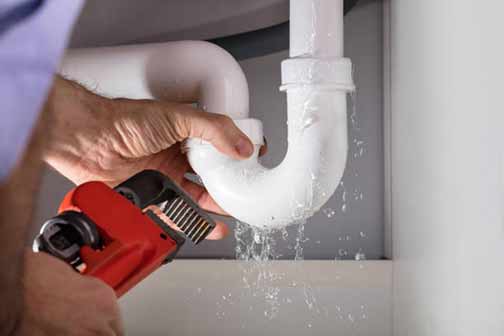
a plumber repairing pipes as an emergency call.

Schedule regular maintenance with your plumber. Regular maintenance can address minor issues before they escalate into serious emergencies.

Tips for Preventing Plumbing Emergencies

Prevention is better than cure, and that is why you should take steps to prevent plumbing emergencies. Here are some ways to prevent plumbing issues:

  • Regular maintenance: Schedule regular maintenance with your plumber. Regular maintenance can address minor issues before they escalate into serious emergencies.
  • Avoid flushing non-decomposable items: Flushing non-decomposable items such as wipes, feminine products, and paper towels down the toilet can clog your pipes, leading to severe plumbing issues.
  • Protect your pipes during winter: During winter, your pipes are susceptible to freezing, which can lead to burst pipes. Protect your pipes by insulating them and maintaining a constant trickle of warm water.
  • Be mindful of what goes down your drains: Avoid pouring grease, oil, and other liquids down your drains. They can solidify and cause clogs that can lead to extensive damage to your pipes.
  • Install a water softener: Hard water can cause limescale buildup, which can damage your pipes and appliances. Consider installing a water softener to prevent the buildup.

In Conclusion

Plumbing emergencies can happen at any time, and all homeowners should know how to respond. Knowing the difference between a plumbing emergency and a plumbing issue that can wait until next week can save you time, money, and prevent severe damages. Remember, always call in an emergency plumber if you’re unsure of the nature of your plumbing issue. Do not attempt DIY repairs, as this can cause further damage.

Bathtub Parts You Should Keep Handy for Emergencies

Bathtub Parts You Should Keep Handy for Emergencies

Bathtubs are one of those pieces of plumbing in your home you never expect to disappoint you. What could go wrong with a bathtub? As long as you keep it clean and rust-free, your bathtub should not have any problems, right? Mostly true but not entirely true.

While they may not damage easily, RCPM team warns bathtubs do have accompanying fixtures that are not so resilient. These oft-ignored features contribute to the safety, convenience and usefulness of the bathtub. You would not enjoy your bathtub if these fixtures were broken.

That’s why in this post, we talk about nine essential bathtub parts that you should keep handy in case of emergencies.

9 bathtub parts to have at home in case of emergencies

The spout

The spout is a prominent part of the bathtub’s design. Its purpose is aesthetic – contributes to the overall appeal of the bathtub, and functional – helps direct water into the tub. The bathtub spout can get worn or damaged with time and this can affect its function. Having a replacement spout on hand can help you avoid inconveniences while maintaining the appearance of your bathtub.

Handles 

Handles let you enter and exit the bathtub safely. They also enhance the appearance of your bathtub. Due to how often they are used, handles are easily damaged. They are also vulnerable to corrosion. Loose or broken bathtub handles are easily replaced. Installing new handles is also an easy way to update the look of your bathtub.

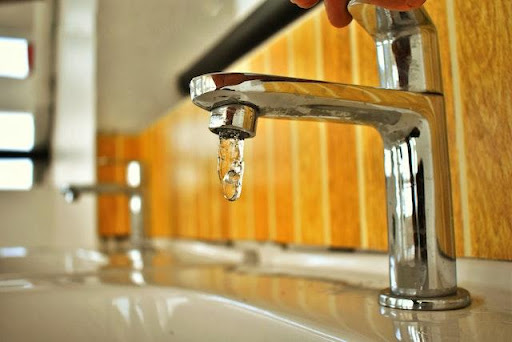
a running faucet in bathroom.

Having replacement faucets on hand ensures you never have to endure problems with this essential bathtub fixture.

Faucets

Faucets provide water and also help to control the temperature of the water. You can use them to add soap and other products to bath water. Having replacement faucets on hand ensures you never have to endure problems with this essential bathtub fixture. Even if they are still in good condition, you may want to replace your faucets to improve the appearance of your bathtub.

Washers and O-Rings

Rubber washers and O-rings fit between the internal pieces of the tub and its fixtures. These small components help the bathtub and bathtub fixtures maintain their tightness; loose parts accelerate wear and tear on plumbing fixtures. Washers and O-rings help to improve the overall performance of your bathtub by preventing leaks and other problems. Washers and O-rings come in various sizes; make sure you have the proper sizes for the various fixtures of the bathtub.

Faceplate

The faceplate prevents the bathtub from overflowing. An overflowing bathtub will easily flood your home and damage your flooring, appliances and the bathtub itself. The faceplate not only prevents this but it contributes to the overall finish of your bathtub. The bathtub’s faceplate can lose its effectiveness and its appeal. Having a spare faceplate at home is essential, and you don’t need advanced plumbing skills to replace this fixture.

Gasket

This is a small rubber ring similar to a washer. Instead of being found in the faucet or spout, the gasket sits inside the bathtub drain. Gaskets help drains retain their function; if they dry out or crack, the drain will leak. A leaky drain is often fixed by simply replacing a damaged gasket. Keeping a replacement gasket at home means you can easily swap out a damaged gasket, saving your family from several inconveniences.

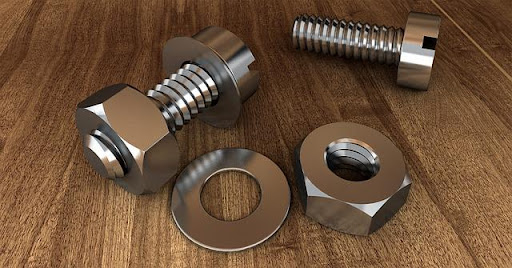
nuts and bolts.

Screws, nuts and bolts can break, wear out, become stripped or come loose and drop into a drain opening. Having these tiny parts on hand means you can reattach any loose bits quickly.

Nuts, Bolts, and Screws

These are an assortment of tiny parts found inside virtually all fixtures of your bathtub. The right screw, nut or bolt is essential for keeping the parts of each fixture in place. Screws, nuts and bolts can break, wear out, become stripped or come loose and drop into a drain opening. Having these tiny parts on hand means you can reattach any loose bits quickly.

Drain kit

Although your bathtub is designed to last for years, the bathtub’s drain may stop working long before the tub reaches its end date. Clogs, leaks and corrosion are common problems that affect bathtub drains. A spare bathtub drain kit is something to have in your home, in case the existing drain fails. Adding a new and better type of drain kit is another way to improve the performance of an existing bathtub. 

Valves

Sometimes you only need to replace the damaged gasket inside a valve assembly. Other times you need to replace the entire valve assembly. Most bathtubs have two kinds of valves; shut-off valves and diverter valves. These are used to either turn off the water or redirect its flow. Although valves don’t fail as easily as some other components, having a spare valve assembly in your home is recommended. Note that replacing an entire valve is a job best left to a local plumber. 

To conclude, before buying any of the above parts, take the time to note your bathtub’s specifics, so you can avoid buying the wrong parts. If you are having a hard time deciding the right parts for your bathtub, you may want to ask a nearby plumber for help.