Tag Archives: drain clogs

Mastering Drain Clogs: Expert Advice from Chicago’s Top Plumbers

mastering drain clogs in chicago

Drain clogs are a frequent issue faced by homeowners, and understanding their causes is the first step towards effective management. In Chicago, where plumbing systems can range from historic to modern, clogs can arise from a multitude of sources. Common causes include the accumulation of grease, hair, soap scum, and foreign objects that inadvertently find their way into drains. In older homes, outdated plumbing systems can exacerbate these issues, leading to frequent clogs. It’s crucial for homeowners to recognize these causes to prevent future occurrences and maintain efficient drainage systems. By identifying the specific factors that contribute to clogs, homeowners can take proactive steps to mitigate these problems and ensure smooth operation of their plumbing systems.

Preventive Measures: Keeping Drains Clear and Functional

Prevention is key when it comes to managing drain clogs. Chicago’s top plumbers recommend regular maintenance and mindful usage as effective strategies. Simple practices such as using drain guards to catch hair and debris, avoiding the disposal of grease down the sink, and running hot water periodically can significantly reduce the risk of clogs. Additionally, educating family members about what should and shouldn’t go down the drain can prevent accidental blockages. Regular inspections by professional plumbers can also help identify potential issues before they become major problems. By incorporating these preventive measures into daily routines, homeowners can maintain clear and functional drains, reducing the likelihood of inconvenient and costly plumbing issues.

DIY Solutions for Minor Drain Clogs: Simple and Effective Techniques

While some clogs may require professional intervention, minor blockages can often be resolved with DIY solutions. Chicago Plumbing Experts suggest using a plunger or a plumber’s snake as effective tools for unclogging drains. For sinks and bathtubs, a mixture of baking soda and vinegar can serve as a natural cleaning solution, helping to break down buildup and clear minor clogs. It’s important for homeowners to understand the limitations of these methods and to avoid using harsh chemicals that can damage pipes and plumbing systems. By employing these simple and effective techniques, homeowners can address minor clogs quickly and efficiently, maintaining the integrity of their plumbing systems.

When to Call in the Professionals: Recognizing the Signs

Knowing when to call in our professional plumbers is vital for preventing further damage to your plumbing system. Persistent clogs, foul odors, or slow drainage are signs that a professional assessment is needed. Chicago Plumbing Experts have the expertise and equipment to diagnose and resolve complex drain blockage issues, ensuring long-term solutions. Homeowners should not hesitate to seek our professional help when DIY methods prove ineffective or when dealing with recurring clogs, as timely intervention can prevent costly repairs down the line. Recognizing the signs that indicate the need for professional assistance can help homeowners protect their plumbing systems and avoid unnecessary damage.

Advanced Techniques Used by Chicago’s Top Plumbers: Cutting-Edge Solutions

Chicago Plumbing Experts employ advanced techniques to tackle stubborn drain clogs. These include hydro jetting, which uses high-pressure water jets to clear blockages and clean pipes thoroughly. Sewer camera inspections are another innovative method, allowing our plumbers to visually assess the condition of pipes and identify the exact location of clogs. These techniques ensure efficient and effective solutions, minimizing the risk of future clogs and extending the lifespan of plumbing systems. By utilizing cutting-edge solutions, Chicago Plumbing Experts can address even the most challenging plumbing issues with precision and expertise, providing homeowners with peace of mind and reliable results.
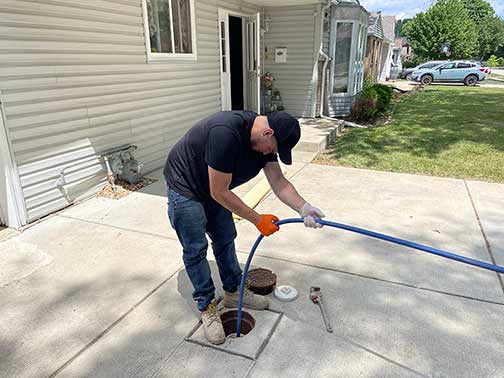
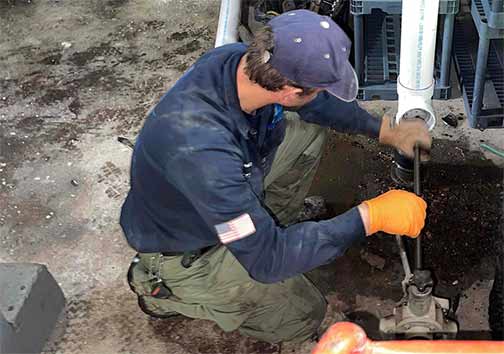
a professional hydro jetting service in chicago
Chicago Plumbing Experts employ advanced techniques to tackle stubborn drain clogs. These include hydro jetting, which uses high-pressure water jets to clear blockages and clean pipes thoroughly.

Maintaining Your Plumbing System: Expert Tips for Longevity

Regular maintenance is essential for keeping your plumbing system in top condition. Chicago Plumbing Experts advise scheduling routine check-ups to ensure all components are functioning correctly. This includes inspecting pipes for leaks, checking water pressure, and ensuring drains are clear. Additionally, homeowners should be aware of the signs of plumbing issues, such as unusual noises or water discoloration, and address them promptly. By maintaining your plumbing system, you can prevent clogs and ensure efficient water flow throughout your home. Following expert tips for longevity can help homeowners extend the lifespan of their plumbing systems and avoid unexpected disruptions.

Understanding the Impact of Chicago’s Climate on Plumbing: Seasonal Challenges

Chicago’s climate can have a significant impact on plumbing systems, particularly during extreme weather conditions. Cold temperatures can lead to frozen pipes, which can burst and cause severe damage. Homeowners should take preventive measures, such as insulating pipes and allowing faucets to drip during freezing weather, to avoid these issues. Additionally, heavy rainfall can overwhelm drainage systems, leading to backups and clogs. Understanding these climate-related challenges can help homeowners prepare and protect their plumbing systems effectively. By anticipating seasonal challenges and implementing appropriate measures, homeowners can safeguard their plumbing systems against weather-related disruptions.

Choosing the Right Plumber: What Homeowners Need to Know

Selecting the right plumber is crucial for ensuring quality service and effective solutions. Homeowners in Chicago should look for plumbers with a solid reputation, verified credentials, and experience in handling a variety of plumbing issues. It’s important to read reviews, ask for recommendations, and verify licenses before hiring a plumber. Building a relationship with a trusted professional can provide peace of mind and ensure that you have reliable support when plumbing issues arise. By choosing the right plumber, homeowners can ensure that their plumbing needs are met with expertise and professionalism, resulting in long-lasting solutions and satisfaction.

Conclusion: Mastering Drain Clogs for a Hassle-Free Home

Mastering drain clogs involves a combination of preventive measures, DIY solutions, and professional expertise. By understanding the causes of clogs, implementing regular maintenance, and knowing when to call in the experts, homeowners can effectively manage their plumbing systems and prevent disruptions. With insights from Chicago’s top plumbers, homeowners are equipped to tackle clogs head-on, ensuring a hassle-free and efficient home environment. By taking proactive steps and seeking professional guidance when needed, homeowners can achieve a well-functioning plumbing system that supports their daily needs and enhances their quality of life.

Need help unclogging your drains in the Chicagoland area? We can help! Contact us today at 708-775-2566 or by form below:

Contact Us

Contact Us

Name
Name
First Name
Last Name

Spotting the Warning Signs of Drain Clogs and Sewer Leaks

Spotting the Warning Signs of Drain Clogs and Sewer Leaks

Common Causes of Drain Clogs and Sewer Leaks

Drain clogs and sewer leaks can originate from numerous factors. Among the most common causes are the buildup of fatty deposits, hair, and other debris in the plumbing system. Grease from kitchen waste is notorious for solidifying in pipes and causing obstructions over time. Likewise, excessive amounts of hair and soap scum contribute to significant blockages, especially in bathroom drains. In older homes, aging pipes may corrode and collapse, leading to cracks and leaks. Tree roots are another frequent culprit; they seek moisture and may infiltrate sewer lines, causing severe damage and blockages.

Furthermore, improper disposal of items such as wet wipes, diapers, and sanitary products can easily choke pipes and create clogs. Cooking oils and food particles should never be flushed down the kitchen sink, as they solidify and adhere to the inner walls of pipes, gradually leading to impassable blockages. Knowing these common causes can aid in preventative measures, helping you maintain a healthy plumbing system.

Identifying Slow Drains

Slow drains are one of the earliest indicators of potential clogs within your plumbing system. If you notice that water takes longer than usual to drain from your sinks, bathtubs, or showers, it is critical to address the issue promptly. This slowdown often results from gradual buildup of debris within the pipes, reducing the flow of water and leading to complete blockages if left unattended. Regularly monitoring how quickly water drains from these fixtures can help you detect clogs early on and take necessary action to mitigate further damage.

Finding the cause of slow drains requires careful observation. For example, if only certain fixtures are slow to drain, the problem might be localized to those specific pipes. Conversely, if multiple fixtures throughout the house exhibit slow drainage, it may indicate a more extensive issue within the main sewer line. Either way, it is imperative to identify and rectify these issues promptly to avoid severe blockages and potential flooding.

Recognizing Persistent Odors

Persistent foul odors in your home can be a telltale sign of sewer leaks or drain clogs. The smell of sewage, mold, or decaying organic matter can indicate that waste water is not being efficiently removed from your home. These odors often arise from blockages that cause waste water to stagnate or back up, resulting in the growth of bacteria and release of noxious gases. Detecting unusual odors should prompt immediate investigation into your plumbing system to identify the source and take corrective action.

In addition to offensive smells, you might also encounter gurgling sounds coming from your drains when fixtures are in use. This can signal trapped air within the pipes, often caused by blockages or compromised sewer lines. Ignoring these signs can lead to further complications and more costly repairs in the future.

Watching for Unusual Sounds

Unusual sounds emanating from your plumbing system should not be ignored. Bubbling, gurgling, or hissing noises from your drains are clear indicators that something may be obstructing the flow of water. These sounds often occur when trapped air is forced through narrowed passages or when water is attempting to bypass blockages. Paying attention to and investigating these noises can help identify potential problems within your plumbing system before they escalate into more severe issues.

For instance, hearing a gurgling noise when you flush the toilet or run a sink can indicate that the venting system is blocked or that there is a clog further down the line. Similarly, hearing water running when no fixtures are being used can imply a hidden leak within the plumbing system. Addressing these issues promptly can help prevent further damage and maintain the integrity of your plumbing system.

a higher than usual water bill.

Regularly reviewing your water bills can provide valuable insights into the health of your plumbing system and help you detect issues early on.

Monitoring Your Water Bills

Unexpectedly high water bills can be a subtle yet significant warning sign of underlying plumbing issues, such as hidden leaks or inefficiencies within the system. If your water usage habits remain consistent but your water bills are steadily increasing, it is essential to investigate potential leaks or other problems that may be causing the rise in usage. Regularly reviewing your water bills can provide valuable insights into the health of your plumbing system and help you detect issues early on.

Many homes experience water loss due to small, undetected leaks in the plumbing. These leaks, while potentially minor, can cumulatively account for a substantial increase in water consumption. Additionally, continuously running toilets or dripping faucets can contribute to higher water bills. Taking immediate action to identify and repair these problems can save you money and prevent more extensive damage to your plumbing infrastructure.

Spotting Wet Spots and Water Damage

Unexpected wet spots or signs of water damage within your home can indicate the presence of sewer leaks or clogged drains. Puddles of water, damp drywall, or warped flooring are all red flags that should prompt a thorough inspection of your plumbing system. Wet spots near fixtures, along baseboards, or under sinks suggest that water is escaping from the pipes, possibly due to blockages or leaks.

Further complicating matters, water damage can result in the growth of mold and mildew, leading to health issues and expensive remediation efforts. Early detection and resolution of plumbing issues can mitigate these risks and preserve the structural integrity of your home. Regularly checking for signs of water damage and promptly addressing any identified concerns is key to maintaining a healthy and leak-free plumbing system.

Responding to Sewer Backups

Sewer backups are among the most severe and hazardous plumbing issues homeowners can face. These backups occur when blocked or damaged sewer lines cause sewage to flow back into your home, posing significant health risks and causing extensive property damage. Recognizing the early warning signs of potential sewer backups, such as multiple clogged fixtures, water backing up from drains, or the smell of sewage, is crucial for immediate intervention.

Upon identifying these signs, it is essential to act quickly to prevent further contamination and damage. Avoid using any plumbing fixtures, and immediately contact a professional plumber to assess and address the problem. Taking proactive measures to tackle sewer backup emergencies can help safeguard your home and protect the health of its occupants.

Preventive Measures to Avoid Clogs and Leaks

Prevention is the best strategy for avoiding the headaches and expenses associated with drain clogs and sewer leaks. Implementing a few key practices can significantly reduce the likelihood of encountering these issues. First and foremost, be mindful of what goes down your drains. Avoid disposing of grease, oils, and food scraps in the sink, and use drain screens to catch hair and debris in bathroom drains.

Regular maintenance can also help prevent plumbing problems. Periodically flushing drains with hot water or a safe, environmentally-friendly drain cleaner can dissolve minor buildups before they become major blockages. Scheduling annual drain camera inspections by a professional plumber can identify potential issues and address them before they escalate.

Educating household members on proper plumbing practices and being vigilant in monitoring the signs of trouble can further enhance preventive efforts. By taking these proactive steps, homeowners can maintain a reliable and efficient plumbing system, avoiding the costly repairs and inconveniences associated with clogs and leaks.

Professional Assistance: When to Call a Plumber

While some minor plumbing issues can be managed with DIY solutions, there are instances when professional assistance is indispensable. Recognizing when to call a plumber can save you time, money, and prevent further damage to your plumbing system. Major blockages, sewer backups, persistent leaks, and any significant changes in your water bill or water pressure warrant the expertise of a licensed plumber.

Professional plumbers have the tools, knowledge, and experience to accurately diagnose and repair plumbing problems. They can conduct thorough inspections, utilize specialized equipment such as sewer cameras to inspect sewer lines, and perform complex repairs or replacements as needed. Trusting a professional ensures that issues are resolved effectively and safely, providing peace of mind and long-term protection for your home’s plumbing system.

Overall, being vigilant and proactive in spotting the warning signs of drain clogs and sewer leaks can prevent extensive damage and costly repairs. By understanding the common causes, recognizing the early indicators, and knowing when to seek professional help, homeowners can maintain a healthy and efficient plumbing system. Prioritizing preventive measures and timely interventions will safeguard your home, providing a clean and functional environment for you and your family.

How to Deal with Reoccurring Clogs in your Chicagoland Home

How to Deal with Reoccurring Clogs in your Chicagoland Home

Dealing with reoccurring clogs in your Chicagoland home can be frustrating and inconvenient. However, understanding the common causes of these clogs and knowing how to effectively deal with them can help you maintain a smoothly running plumbing system. Below we will explore the main reasons why clogs happen in the first place and provide you with practical solutions to resolve them.

Faulty Plumbing System

In some cases, reoccurring clogs can be attributed to a faulty plumbing system. If your home’s plumbing was not properly installed or if there are underlying issues with the pipes, it can lead to frequent clogs. Common problems include misaligned pipes, low water pressure, and inadequate pipe diameter.

To address this issue, it is essential to enlist the help of a professional plumber. A skilled plumber will be able to assess your plumbing system, identify any underlying problems, and make the necessary repairs or replacements. Investing in the expertise of a professional will ensure that the root cause of the clogs is addressed, minimizing the likelihood of future clogs.

Poor Drain Maintenance

Another common cause of reoccurring clogs is poor drain maintenance. Over time, debris, such as hair, soap residue, and food particles, can accumulate in your drains, leading to blockages. Additionally, the buildup of mineral deposits can restrict water flow and contribute to clogs.

To prevent clogs caused by poor drain maintenance, it is important to establish a regular cleaning routine. Start by removing any visible debris from the surface of the drain and then use a mixture of baking soda and vinegar to break down any stubborn buildup. Alternatively, you can purchase drain cleaning solutions from your local hardware store.

In addition to regular cleaning, it is advisable to use drain screens or guards to catch large particles before they enter the drain. This simple preventive measure can significantly reduce the occurrence of clogs and keep your plumbing system running smoothly.

Tree Roots in Sewer Lines

In some instances, reoccurring clogs may be due to tree roots infiltrating your sewer lines. Tree roots naturally seek moisture, and they can make their way into small cracks or joints in your pipes. Once inside, the roots can grow and expand, causing blockages and potentially damaging your plumbing system.

If tree roots are the cause of your reoccurring clogs, it is crucial to address the issue promptly. Contact a professional plumber who specializes in sewer line camera inspections and repairs. They will use specialized equipment to identify the location and extent of the root intrusion, and then recommend the most appropriate course of action, which may include root removal or pipe replacement.

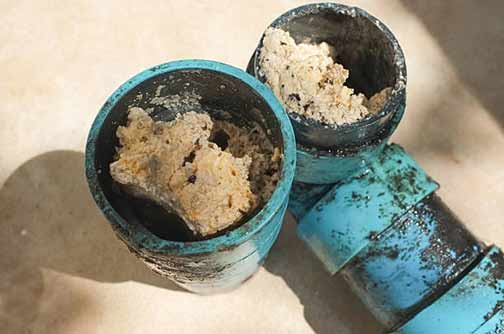
a clog caused by pouring grease down a drain.

When grease is poured down the drain, it cools and solidifies, clinging to the walls of the pipes.

Dispose of Grease Properly

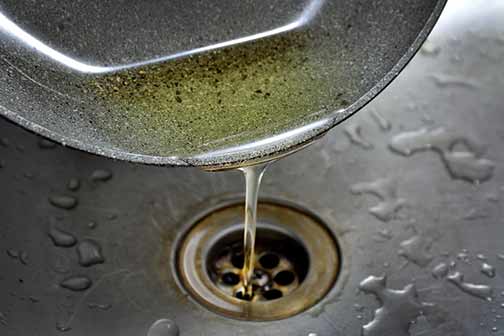
Improper disposal of cooking grease is a common culprit for reoccurring kitchen sink clogs. When grease is poured down the drain, it cools and solidifies, clinging to the walls of the pipes. Over time, this buildup can restrict water flow and lead to clogs.

To prevent grease-related clogs, it is essential to dispose of cooking grease properly. Allow the grease to cool after cooking, and then scrape it into a disposable container. Once the container is full, seal it and throw it in the trash. Alternatively, you can use absorbent materials, such as paper towels, to soak up the grease before throwing it away.

An effective way to remove any residual grease in the pipes is to pour boiling water down the drain regularly. This will help dissolve any grease buildup and keep the pipes clear.

Install Drain Strainers

Installing drain strainers in your sinks, tubs, and showers is an easy way to prevent hair, soap residue, and other debris from entering the drain and causing clogs. These strainers are inexpensive and can be found at most home improvement stores.

Regularly cleaning the drain strainers is also important to maintain their effectiveness. Simply remove them and rinse away any accumulated debris under warm water.

In Summary

Dealing with reoccurring clogs in your Chicagoland home requires a combination of proactive measures and professional assistance, if needed. By understanding the common causes of these clogs and implementing the suggested solutions, you can ensure that your plumbing system remains free from frequent blockages. Remember to prioritize proper drain maintenance, dispose of grease correctly, and consider installing drain strainers to keep your pipes flowing smoothly. With these preventive actions, you can enjoy a clog free home and peace of mind.

Sustainable Alternatives to Pouring Cooking Grease Down the Drain

Sustainable Alternatives to Pouring Cooking Grease Down the Drain

The Importance of Proper Cooking Grease Disposal

With our contemporary eco-friendly age, we should be aware of the harmful effects of improper disposal of cooking grease. As we embrace sustainable practices, we are able to conserve our environment and escape tragic plumbing issues. In this section, we will talk about why it is bad to pour cooking grease down the drain and provide you with sustainable alternatives that will benefit you and the environment.

The Negative Impact of Pouring Cooking Grease Down the Drain

Most individuals do not realize the effects of pouring cooking grease down the drain. Grease, oils, and fats might appear to be harmless when in a liquid state, but can inflict serious damage on our plumbing system and the environment. Following are some of the reasons why it is important to prevent such improper disposal:

Clogging and Blockages

Pouring grease down the drain may lead to clogged pipes and blockages. As grease cools, it solidifies and sticks to the walls of the pipes, narrowing the passage for water to flow. Over time, this build-up can cause complete blockages, resulting in you needing a professional hydro jetting service.

Sewer System Issues

When cooking grease enters the sewer system, it can combine with other substances and form “fatbergs.” Fatbergs are large accumulations of grease, oil, and other waste materials that block the flow of sewage. These fatbergs can cause sewer backups and overflows, posing health hazards and contaminating water sources.

Environmental Impact

Improperly disposed of cooking grease can have severe environmental consequences. When grease enters rivers, lakes, or oceans, it forms a layer on the water’s surface, preventing oxygen from reaching aquatic plants and marine life. This can lead to the death of fish, birds, and other wildlife that rely on these water sources for survival.

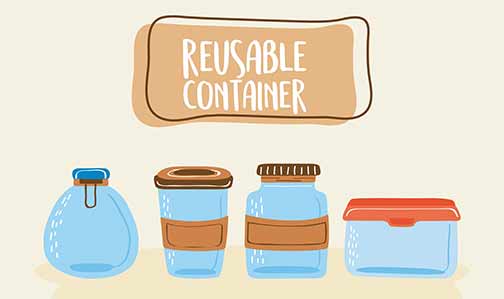
an eco-friendly way to get rid of grease is to put in reusable containers.

Instead of discarding the excess grease, store it in a glass jar or stainless steel container, and place it in the refrigerator until needed again.

Sustainable Alternatives to Pouring Cooking Grease Down the Drain

Now that we understand the negative impact of pouring cooking grease down the drain let’s explore sustainable alternatives that can prevent plumbing issues and protect the environment.

Grease Recycling

Grease recycling is an excellent way to dispose of cooking grease sustainably. Many cities and municipalities have grease recycling programs in place where residents can drop off their used cooking grease. The collected grease is then processed and transformed into biodiesel, a renewable energy source. By participating in these programs, you contribute to a greener future while preventing plumbing problems.

Solidification and Disposal

Another effective method is solidifying the cooking grease before disposal. Allow the grease to cool and solidify in a container and then dispose of it in the regular trash. It is essential to use an appropriate container to prevent leaks and spills. Old cans or glass jars with tightly sealed lids work well for this purpose.

Composting

If you have a composting system in place, some types of cooking grease can be composted. However, it is crucial to check the guidelines of your specific composting program. Generally, small amounts of vegetable based cooking grease can be added to compost bins. Avoid adding meat based fats or excessive amounts of grease, as they can attract pests or create an unpleasant odor.

Reusable Containers

An alternative to pouring grease down the drain is to reuse containers for future cooking. Instead of discarding the excess grease, store it in a glass jar or stainless steel container, and place it in the refrigerator until needed again. This sustainable practice reduces waste and minimizes the amount of grease that requires disposal.

Properly disposing of cooking grease is crucial for the health of our plumbing systems and the environment. By avoiding the temptation to pour grease down the drain, we can prevent clogged pipes, sewer system issues, and environmental damage. Instead, consider implementing sustainable alternatives such as grease recycling, solidification and disposal, composting, and reusable containers. By adopting these practices, you contribute to a cleaner and greener future, while also avoiding expensive plumbing repairs. Let’s make a conscious effort to protect our environment and preserve it for future generations.

Drain Clogs: How to Know When You Need a Professional Plumber

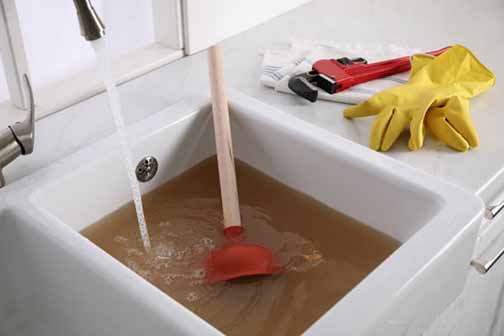
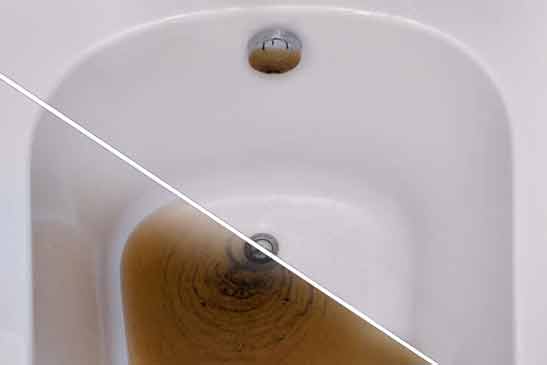
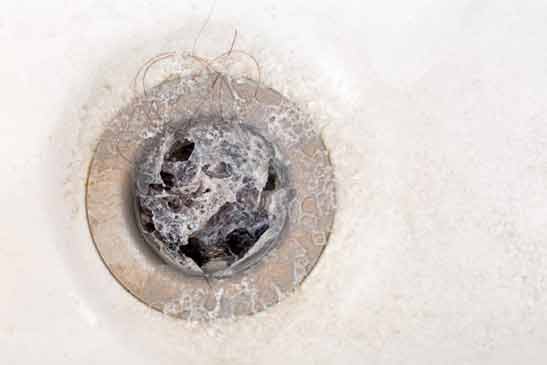
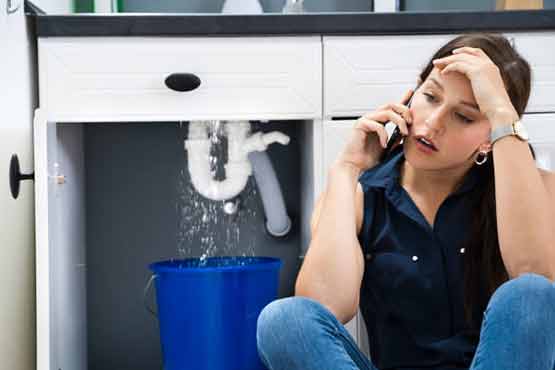
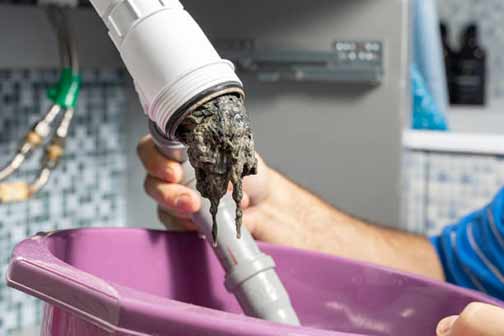
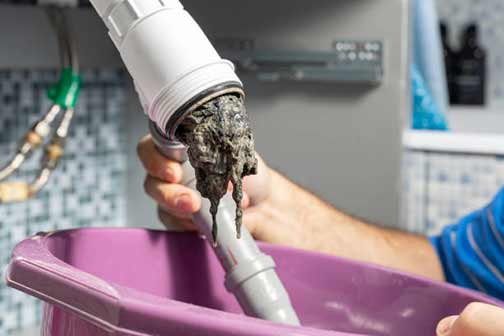
clogged drains in need of cleaning.

If a drain in your home is acting up due to clogs inside the pipe, what is the best way to deal with the problem? Should you troubleshoot the drain and try clearing the clog using DIY methods? Or is it better to get a professional plumber to help you solve the problem?

The right step for removing a drain clog depends on the nature and severity of the problem. Drain clogs are a common and almost inevitable occurrence in the home. And as Lone Eagle Management say knowing the right way to solve them is vital; the proper drain-cleaning method will save you a lot of money.

Most times, issues in your home’s drains are from minor problems in the plumbing. Many of these small issues can be resolved quickly and cheaply using a variety of home remedies. That is why having a few DIY drain-cleaning remedies in your home is essential.

But drain clogs can also result in bigger issues inside the plumbing. These issues cannot be solved with DIY methods; DIY methods may even make them worse. For such drain issues, you need advanced knowledge and professional plumbing tools.

Fixing drain problems costs a lot of money because homeowners don’t know when to hire a professional to look at their drains. They keep using ineffective DIY methods to try and clear the clogs, allowing the problem to degenerate into costly repairs.

What are the signs that a drain clog in your home needs the attention of an expert plumber?

a professional drain cleaning service.

A deep clog inside your plumbing will often cause several drains to be slow together. The way to solve this problem is to have your drains cleaned professionally.

Signs that you need a professional plumber in your home

These five signs are indicative of problems deep inside your drainpipes. DIY solutions and store-bought drain cleaners will not solve these problems. To fix them, you need an experienced plumber.

Several slow drains in the home

When you have a slow-draining fixture in the home, you can fix it by focusing on the single malfunctioning drain. This approach works if the clog is close to the drain opening. But in a situation where the clog is deep inside the drainpipe, focusing on a single slow drain inside the home will not solve the problem. A deep clog inside your plumbing will often cause several drains to be slow together. The way to solve this problem is to have your drains cleaned professionally.

Gurgling noises from your drains

Gurgling sounds from your drains can happen alongside slow drains or on their own. Drains only gurgle when they have trapped air inside the pipes. Air should be able to flow through your drainpipes. But if there is a clog inside the pipe, air will be trapped inside. Whenever water is flushed into the drain, it pushes against that air, compressing it. Eventually, the air will find a way out by forcing itself through the water rushing into the drain. The movement of air through the water is what creates the gurgling sound.

Fouls smells from your drains

This problem can happen simultaneously with gurgling sounds from the drains. When drains function as they should, they keep sewer gases out of the house. Sewage smells will only enter your home when sewer gases escape from the home’s drains into the home. This problem is caused by blockages or leaks in your sewer line. The foul odors may be present across the entire home, in one section of the home, or outside only. You should have your sewer line camera inspected by a professional plumber if there are sewer odors in your home.

Increase in the number of pests and vermin

Pests are only drawn to places where they can find food and water. If you notice increased pests inside your home or around your yard, you could have a broken drainpipe. A blocked drain line may also have rotting food inside it. That will lead to an increase in the number of fruit flies in your kitchen. A leaky sewer line may also serve as a rich food source for flies and roaches. If this happens, the natural enemies of these pests can also be drawn to your property.

DIY techniques don’t work

Sometimes DIY methods that have worked in the past will suddenly stop working. When this happens, it means that the DIY method did not solve the problem; it only provided temporary relief. It has given the problem time to get worse. That is why the DIY solution no longer works. To fix the drain problem, you need a professional plumber. You also need a professional plumber if you use a lot of chemical drain cleaners in your home. That’s because chemical drain cleaners harm your plumbing.

Get a professional plumber if you observe any of these five signs in your home. Also, even if you don’t see these signs in your home, you may still need a professional plumber if your drains have not been inspected in a long time.

Are Your Pipes and Drains Blocked and Showing These Warning Signs?

Are Your Pipes and Drains Blocked and Showing These Warning Signs

Common Warning Signs of Blocked Pipes and Drains

When it comes to the plumbing system of your home or business, it is crucial to ensure that everything is in proper working order. One of the most common issues that can arise is blocked pipes and drains. While these problems may seem minor at first, they can quickly escalate into larger, more costly issues if not addressed promptly. Here we will explore the warning signs that indicate your pipes and drains are blocked, allowing you to take the necessary steps to rectify the situation before it worsens.

Slow Drainage

One of the earliest indications of a blocked pipe or drain is slow drainage. When water begins to take longer than usual to drain from your sinks, showers, or bathtubs, it is likely that there is an obstruction in the pipe. It is important not to ignore this warning sign as it may worsen over time, leading to more severe blockages.

Unpleasant Odors

If you detect foul odors emanating from your drains or pipes, it is a clear indication that there is a blockage. Accumulated debris, food particles, grease, and other substances can become trapped in the pipes, causing unpleasant smells to permeate throughout your home or business. It is essential to address this issue promptly to maintain a clean and healthy living or working environment.

Gurgling Noises

Another warning sign of blocked pipes and drains is the presence of gurgling noises when water is draining. These noises occur when air is trapped due to an obstruction in the pipe. If left unresolved, these blockages can result in burst pipe emergencies or water backup.

Multiple Clogged Fixtures

If you notice that multiple fixtures in your home or business are experiencing drainage problems simultaneously, it is a strong indication of a blockage in the main plumbing line. This is a serious issue that requires immediate attention from a professional plumber to prevent further damage to your plumbing system.

Water Backup

A significant warning sign of blocked pipes and drains is water backup. This occurs when water starts to overflow from your sinks, toilets, or other fixtures. Water backup can result in extensive water damage to your property and is a clear indication that there is a severe blockage in your plumbing system.

Fluctuating Water Levels in Toilets

If you notice that the water level in your toilet bowl fluctuates or is consistently low, it may be due to a blockage in the drain pipe. Blockages can prevent the toilet from flushing properly, leading to inadequate water levels. It is important to address this issue promptly to avoid further plumbing problems.

Pooling Water

One of the most evident warning signs of a blocked pipe or drain is pooling water. If you observe water accumulating around sinks, showers, or bathtubs, it signals that there is a blockage preventing proper drainage. Pooling water not only poses a risk of slip and fall accidents but can also cause significant damage to your property if left unresolved.

Increased Pest Activity

Blocked pipes and drains can create an ideal breeding ground for pests such as insects and rodents. Accumulated food particles and stagnant water attract these unwanted visitors, leading to increased pest activity in your home or business. If you notice an influx of pests, it is crucial to address any blockages in your drains with a hydro jetting service to eliminate their food and water source.

Backflow

Backflow occurs when water flows in the opposite direction, entering your fixtures instead of draining away. This occurs when there is a blockage or a sudden decrease in water pressure. Backflow is not only inconvenient but can also pose a health hazard as it contaminates your clean water supply. It is imperative to contact a professional plumber immediately if you experience backflow issues.

Visual Confirmation

In some cases, you may be able to visually confirm a blockage in your pipes or drains. If you notice any foreign objects, excessive debris, or grease buildup in or around your drains, it is a clear indication that there is a blockage. While it is tempting to attempt a DIY fix, it is advisable to seek professional assistance to ensure the blockage is completely resolved.

Blocked pipes and drains can cause significant inconvenience and damage to your home or business if not addressed promptly. By keeping an eye out for warning signs such as slow drainage, unpleasant odors, gurgling noises, and multiple clogged fixtures, you can identify and address potential blockages before they worsen. It is crucial to enlist the help of a professional plumber to ensure the proper resolution of the issue and to prevent any future complications. Remember, timely maintenance and repairs are key to maintaining a smoothly functioning plumbing system.

Say Goodbye to Plumbing Nightmares: Easy Steps for Homeowners to Avoid Drain Clogs

Easy Steps for Homeowners to Avoid Drain Clogs

We all know that dealing with drain clogs can be a real nightmare. The gurgling sounds, foul odors, and water backing up in unexpected places are enough to ruin anyone’s day. But fear not! In this article, we’ll dive into some easy steps you can take to avoid drain clogs and bid farewell to those plumbing nightmares. We will also explain how these issues form in the first place and how to act if you notice any signs of backed-up drains.

Understanding Common Causes of Drain Clogs

If your sewer drain is acting up, you might be dealing with a clog. However, before you proceed, it would be best if you knew exactly what you are dealing with. Look for signs that your main sewer drain is clogged, or call a plumber to inspect your home’s plumbing. Avoiding drain clogs begins with understanding what causes them in the first place. Let’s take a closer look at the culprits:

Food Waste

We’re all guilty of rinsing off that greasy pan or pouring cooking oil down the drain, but these actions can lead to stubborn clogs. To avoid drain clogs, steer clear of disposing of grease and oil down the drain. Instead, collect them in a container and toss them in the trash when cooled. Additionally, be mindful when using a garbage disposal. It doesn’t give you a free pass to dump everything down the drain. Be conscious of what you’re putting in there, and handle food scraps and leftovers responsibly. If your kitchen plumbing gets backed up, you should contact professionals instead of trying to repair the issue yourself.

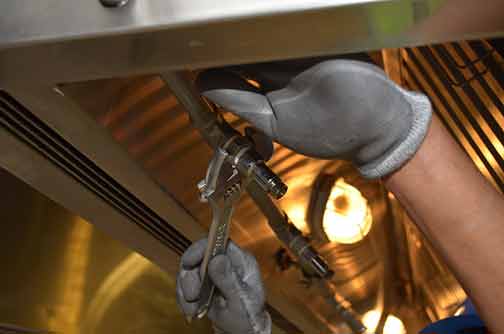
Professional plumber working on home plumbing.

If you feel out of your league, speak with professional plumbers.

Hair and Personal Care Products

Hair products can wreak havoc on our drains. Invest in drain catchers or screens to catch those pesky hair strands before they cause clogs. Regularly cleaning and maintaining drains is also essential, especially in the bathroom, where personal care products like shampoos and conditioners can leave a residue. Proper disposal of hair and personal care products is a must to keep those drains flowing freely.

Soap Scum and Mineral Buildup

Soap scum and mineral buildup are sneaky culprits that gradually narrow your drain’s pathway. Opt for drain-friendly soap products and give your drains some TLC with routine cleaning to prevent soap scum buildup. Additionally, if you have hard water, consider addressing the issue to reduce mineral buildup, which can lead to clogs over time.

Foreign Objects

Our little ones can be quite mischievous, and sometimes toys or other small objects accidentally find their way into drains. To avoid potential clogs, keep small objects away from drains and educate children about drain safety. Also, exercise caution when using gutters for cleaning purposes to prevent inadvertently pushing debris further into the plumbing system.

Home Renovation

Home renovations often involve extensive work on your home, and with that comes the risk of debris, construction materials, or even accidental damage finding its way into your drains. The relocation experts from the Royal Moving Company suggest putting your items in storage to allow easier access to all areas of your home while the work is ongoing. To avoid plumbing nightmares during your renovation, it’s also a good idea to take preventive measures.

Implementing Preventive Measures to Avoid Drain Clogs

Now that we’ve identified the causes, it’s time to take action and prevent those drain clogs from happening:

Regular Drain Cleaning

Regular maintenance is key to avoiding plumbing nightmares. Incorporate DIY drain cleaning methods into your routine, such as using a mixture of boiling water and natural solutions like baking soda and vinegar. If you prefer leaving it to the pros, consider professional drain cleaning services to ensure a thorough and effective clean. Experts will be able to remove even the toughest clogs, which can save you money and time.

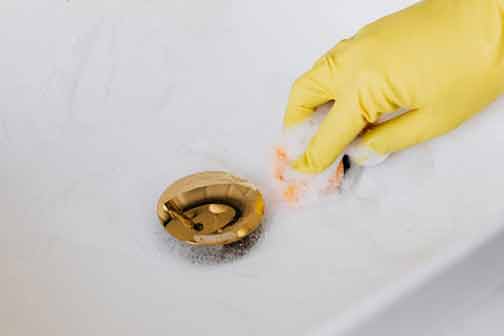
Person in yellow gloves cleaning bathroom fixture.

Regularly cleaning the fixtures and drains can prevent buildups.

Maintenance of Plumbing Fixtures

Your plumbing fixtures need some love too! Properly using and cleaning toilets, sinks, showers, and bathtubs can go a long way in preventing clogs. Be mindful of what you flush down the toilet and avoid using it as a trash can. Regularly clean your bathroom and kitchen sinks to remove any residue that might accumulate. And when it comes to showers and bathtubs, keep an eye out for hair buildup and clear it out to maintain optimal drainage.

Grease Traps and Strainers

Grease traps in your kitchen sink can help catch grease and prevent it from entering your drain. If your kitchen gets a lot of use, you should consider installing a grease trap. However, keep in mind that grease traps also require regular cleaning and maintenance. Sink strainers are also fantastic tools for keeping food particles and other debris from clogging up your pipes. Remember to use the strainers regularly for optimal performance.

Long-Term Strategies for Drain Health

Preventing drain clogs requires a holistic approach. Consider these long-term strategies to keep your drains flowing smoothly:

Proper Landscaping and Yard Maintenance

Believe it or not, the state of your yard can impact your drain health. Ensure proper drainage by diverting water away from drains through appropriate landscaping techniques—regularly clean outdoor drains and gutters, removing any debris that might obstruct the water flow. And, of course, avoid letting plant debris accumulate near your drains.

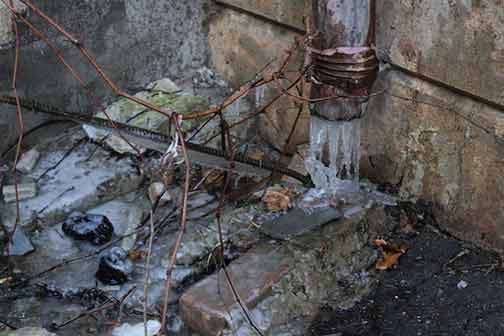
Frozen pipe in backyard.

Pay attention to your outdoors exposed pipes.

Preventing Frozen Pipes

Frozen pipes can lead to disastrous clogs and costly repairs. Take preventive measures during the winter months by insulating your pipes to keep them warm. Techniques like opening cabinet doors to allow warm air circulation and letting faucets drip can also help prevent freezing and burst pipe emergencies. Be vigilant for signs of frozen pipes, such as reduced water flow or unusual sounds, and address them promptly.

Professional Inspection and Maintenance

While DIY efforts are commendable, professional plumbing inspections are invaluable for preventing drain clogs. Schedule regular camera inspections of your drains to identify and address minor issues before they become major problems. By investing in professional maintenance, you’ll save yourself from future plumbing nightmares and keep your drains in tip-top shape.

In Conclusion

You’ve now armed yourself with knowledge and easy steps to avoid drain clogs and bid farewell to plumbing nightmares. You can enjoy a clog-free home by understanding the common causes of clogs, implementing preventive measures like regular drain cleaning and proper fixture maintenance, and incorporating long-term strategies for drain health. Remember, preventing drain clogs is a proactive endeavor that requires consistency and attention. So, make it a habit to avoid drain clogs by practicing these tips and tricks. Your plumbing will thank you, and you’ll save yourself from costly repairs down the line.

How To Maintain And Prevent Your Drains From Getting Clogged

How To Maintain And Prevent Your Drains From Getting Clogged

Clogged drains are a common household problem that can be frustrating to deal with, especially when they happen unexpectedly. They can cause water to back up, unpleasant odors, and even damage to your plumbing system. Fortunately, there are simple ways to maintain and prevent clogs in your drains.

Understanding What Causes Clogged Drains

Before we get into how to prevent and maintain your drains, it’s important to understand what causes clogs in the first place. Some common causes of clogged drains include:

  • Excess hair, soap scum, and dirt buildup in bathroom drains
  • Food particles, grease, and oil buildup in kitchen drains
  • Foreign objects such as cotton swabs, dental floss, and small toys
  • Tree roots in outdoor drains

How To Maintain Your Drains

Regular maintenance is the key to preventing clogs from forming in the first place. Here are some simple ways to keep your drains in good condition:

Use A Drain Strainer

One of the best ways to prevent clogs in your kitchen sink is to use a drain strainer. This will catch food particles, grease, and oil before they have a chance to go down your drain. Similarly, using a strainer in your shower and bathtub can catch hair and soap scum.

Flush Your Drains Regularly

Flushing your drains with hot water on a regular basis can help prevent buildup and keep them flowing smoothly. Simply boil a kettle or pot of water and pour it down your drain. Do this once a week to keep your drains in good condition.

Keep Your Drains Clean

Regular cleaning can go a long way in preventing clogs. In the bathroom, use a natural cleaner to scrub the inside of your drains and remove any buildup. In the kitchen, avoid pouring grease and other oils down your sink and clean the drain stopper regularly.

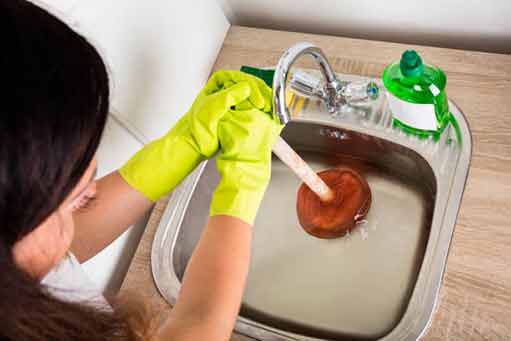
a clogged kitchen drain cleaning attempt.

How To Prevent Clogged Drains

In addition to regular maintenance, there are other steps you can take to prevent clogs from forming in the first place.

In The Kitchen

The kitchen sink is one of the most common places for clogs to occur. Here are some tips to keep it flowing smoothly:

  • Scrape your plates and dishes into the trash before washing them
  • Avoid putting grease, oil, and other fats down the drain
  • Use a strainer to catch food particles
  • Flush your drain with hot water regularly

In The Bathroom

The bathroom is another area where clogs commonly occur. Here are some tips to prevent them:

  • Use a drain strainer to catch hair and soap scum
  • Avoid flushing anything other than toilet paper down the toilet
  • Don’t pour chemicals down the drain, as they can damage your pipes and the environment
  • Flush your drain with hot water regularly

Outdoors

Outdoor drains, such as those in your yard or driveway, can also become clogged. Here are some tips to prevent this:

  • Avoid pouring chemicals down outdoor drains, such as fertilizers or pesticides
  • Use a drain strainer or cover to catch leaves and other debris that can fall into outdoor drains
  • Flush your drains with hot water regularly

When To Call A Professional

If you’ve tried the above methods and your drain is still clogged, it may be time to call a plumber for a sewer rodding service. Plumbers have rodding machines and expertise to diagnose and fix the problem quickly and effectively.

How Much Will A Plumber Cost For A Clogged Drain?

The cost of hiring a plumber to clear a clogged drain varies depending on the severity of the problem and where you live. On average, you can expect to pay anywhere from $150 to $500 for a clogged drain. However, this cost can vary depending on the time of day, the day of the week, and the complexity of the job.

Conclusion

By following these simple tips, you can maintain and prevent clogs in your drains. Regular maintenance is critical to keeping your pipes flowing smoothly and avoiding costly repairs. Remember to use a strainer, flush your drain with hot water regularly, and keep your drains clean to prevent clogs from forming. If all else fails, don’t hesitate to call a local drain cleaning service.

What Do Several Clogged Drains Indicate?

What Do Several Clogged Drains Indicate

A clogged drain is a common problem in the home and commercial building plumbing systems. A drain clog is when wastewater cannot move freely through the drainpipes, or the water moves very slowly. Why do drains get clogged?

There are several reasons why a drain might become clogged. It can be due to natural processes, such as when corrosion narrows old pipes, making it difficult for water to pass through. It could also be due to soil movements that change the position of underground drainpipes.

But the most common causes of clogged drains are artificial, avoidable outcomes of how the drains in a home are used. Toilet drains may clog if something other than human waste is flushed into them, warns Action Properties Management. Kitchen drains are often clogged by a variety of food waste.

In addition to clogs in any drain inside your home, clogs can also occur in different sections of the drain system outside your house. Clogs close to drain openings inside the home are less severe than clogs deep inside the system.

The first type of drain clog will only affect the plumbing fixtures attached to that drain. But when a clog happens in a location deep inside the drainage system, the effect of that blockage will often be seen in all the plumbing fixtures in your home.

Why multiple drains in your home are clogged at once

Clogs affecting multiple drains in your home simultaneously signify serious issues within the home’s drain systems. That is because although each drain opening in the house appears separate from the others, they are connected.

Home drain systems comprise a network of pipes with a central drainpipe – the main sewer line – which collects all the wastewater from the house and carries it to the city sewer. This main sewer line is linked to the various plumbing fixtures in your home via connecting drain pipes.

If one of the drainpipes that feed into the main sewer line becomes clogged, the effect is only felt in the plumbing fixture that uses the drain. But if the clog happens in the main sewer line of your home, all the smaller drainpipes that connect to it will not be able to drain effectively. A good way to prevent this is by having a plumber perform a sewer rodding service.

The clog in the main sewer line creates a bottleneck that keeps wastewater from the plumbing fixtures in your home from flowing through the main sewer line. Instead of flowing into the city sewers, the water collects inside the pipes and may flow backwards into the house.

In most cases, the problem first appears in floor drains inside the home and other ones close to the ground. These drains become slower such as when bathwater doesn’t drain quickly when you shower. You may also find that toilets flush very slowly.

Other signs of a clog in your main sewer line are gurgling sounds from your home’s drains every time you use them, movement in the water inside the toilet bowl when you use the kitchen sink or washing machine and foul odors from drain openings in the house.

Frequent problems with your home’s drains may also signify deeper issues with the main sewer line. If several drains in the house are slow or showing signs of blockage, you may assume that the cause of the problem is in your home’s main sewer line that needs repairing.

Why your main sewer line is blocked and what you can do about it

Here are common reasons why your home’s main sewer line may be clogged:

Pouring grease into the drain: 

Fats, grease and oils (FOGs) are the number one cause of drain clogs. These materials stick to pipes and walls and debris attached to them.

Flushing forbidden items into your toilets:

Putting anything other than human waste and toilet paper into your toilet can result in a sewer line clog.

Sagging sewer lines: 

This is caused by movements in the soil surrounding the sewer line. Burrowing animals, sinkholes and soil movements due to house settling can cause these.

Aged sewer pipes 

This is a common issue with clay and metal drainpipes. As these pipes age, their channels become narrower due to corrosion and sedimentation.

Tree root infiltration 

Tree roots may find their way into sewer lines through hairline cracks in the pipe. Once inside the pipe, they can grow until they eventually block it.

What should you do if you are experiencing frequent drain issues in your home and multiple drains show signs of blockage?

The first step is verifying that the problem is with your main sewer line. Have a plumber perform a sewer camera inspection to pinpoint the exact location of the blockage in the sewer line. How you remove the clog depends on the location and what is causing it.

How Clogging Leads to a Sewer Backup

How Clogging Leads to a Sewer Backup

A sewer backup is the most disgusting drainage problem you can ever have in your home. Every year, tens of thousands of homeowners find themselves dealing with this issue in their homes. Yet, in most cases, sewer backups can be prevented if the problem is detected on time.

What is a sewer backup?

Most homes have a sewer line that carries wastewater from the sinks, drains, and toilets in the home to the main sewer lines beneath the streets. A sewer backup happens when the contents of this sewer line backflow into your home instead of flowing into the main sewer lines.

When this happens, all the content of the sewer line (including raw sewage) will start coming up inside the home via the floor drains, toilets, and sinks. A sewer backup releases foul-smelling unsanitary water into the house, causing untold problems for the home’s inhabitants, warns Compass Property Management.

What causes a sewer backup?

Sewer backups happen due to clogs inside a home’s sewer lines. Clogs make it impossible for wastewater to pass through the drainpipes. Having nowhere to go, and as more water is added from the house, the sewer line eventually fills up and spills its contents into the home.

There are many reasons why your home’s sewer lines may become clogged. Some of these reasons are outside your control because they result from natural events. But most sewer line clogs are caused by misuse of your home’s drains or failure to maintain the sewer lines properly. If your sewer line does in fact have a clog, the best way to remove it is by way of a professional hydro jetting service.

Here are a few ways drain clogs can cause sewer backups:

Non-flushable items inside the drains

The only thing that should be flushed into your home’s toilets is toilet paper. When items like wipes, feminine hygiene products, fabric, dental floss, or so-called flushable products enter the toilet, they can block the sewer line. 

Hair can also block your sewer line if it gets into sink and shower drains. Soap scum is another major cause of drain clogs. It forms when soap and minerals inside hard water come into contact. Soap scum becomes a hard lining on drainpipe inner surfaces.

Cooking oil and grease buildup

A major cause of sewer line blockage is cooking oil or grease buildup inside drainpipes. Fats, oils, and grease (FOG) congeal into a hard mass as they cool inside the sewer line. This hard, sticky mass can directly block the channel or stick to the surface of the pipe. 

Once in place, the greasy lining will start to trap debris until the diameter of the pipe narrows to a point where water can no longer flow freely. If this situation is not reversed, it can culminate in a sewer backup.

Use of chemical drain cleaners

Chemical drain cleaners can dissolve the clogs inside your sewer lines. But while they remove clogs in the short term, they also cause long-term damage to sewer lines. That’s because cleaners contain caustic chemicals. 

These chemicals are responsible for the corrosive nature of cleaners that allows them to eat away the clog inside the pipes. The problem is that the chemicals can also weaken the drainpipe, causing sections to collapse, thereby blocking the pipe.

Old pipes 

If a sewer line has old pipes, it is more susceptible to clogs, and the risk of sewer backups in the home will be greater. This is particularly true for sewer lines made of clay or metal pipes because those start to degrade as soon as they are buried in the ground. 

Long terms exposure to moisture, from within and without, eventually causes the pipes to leak or even collapse, in turn calling for an unexpected sewer line repair expense. If the surrounding soil finds its way into the pipe, it can result in the sewer backing up into the home.

Earth movements

The soil around a sewer line can cause it to become clogged if that soil moves in a way that alters the position of the pipes. Upward or downward movements in the soil can change the level of the sewer line and make it difficult for water to flow freely. 

If the water inside the pipe is forced to slow down, it will deposit debris in that pipe section. This can continue until enough dirt accumulates in that lowered pipe section to block it and cause a sewer backup emergency.

Tree roots

Tree roots may pierce a sewer line and block it. Most times, this happens due to small leaks in the pipe, which attract the attention of tree roots. To access the nutrient-rich water inside the pipe, the tree roots break into the sewer line and block it. Tree roots can also block a sewer line by growing over or above it and moving it out of place. This creates a depression inside the pipe, where debris is dumped until the entire sewer line is blocked.