Tag Archives: drain cleaning

Pest Control Tips: Effective Methods to Eliminate Fruit Flies in Your Drain

Effective Methods to Eliminate Fruit Flies in Your Drain

Fruit flies can be an irritating and persistent problem in many households. These tiny, winged pests seem to appear out of nowhere, swarming around fruit bowls and hovering near drains. Often, the source of a fruit fly infestation is the drain, where organic matter builds up and provides an ideal breeding ground for these pesky insects. Below we will explore several effective methods to eliminate fruit flies in your drain and keep your home pest-free.

Understanding Fruit Flies

Before we delve into the specific eradication methods, it is essential to have a basic understanding of fruit flies and their behavior. Fruit flies, scientifically known as Drosophila melanogaster, are attracted to overripe or decaying fruits and vegetables, as well as moist areas rich in organic matter. Their life cycle is incredibly short, from egg to adult fly in just 8-10 days, allowing them to multiply rapidly.

Fruit flies are excellent at finding food sources, thanks to their keen sense of smell. They can detect the aroma of ripe fruits from a great distance, leading them to infest fruit bowls or trash bins. However, their preferred breeding ground often remains unnoticed – the drain. Kitchen drains provide a combination of organic matter, moisture, and darkness, creating an ideal environment for fruit fly larvae to thrive.

Effective Methods to Eliminate Fruit Flies in Your Drain

Here are some proven methods to eliminate fruit flies in your drain:

Cleaning and Sanitizing the Drain

The first step in eliminating fruit flies in your drain is to thoroughly clean and sanitize it. Start by removing any visible debris or pieces of food that may have accumulated in the drain. Use a pipe brush or a long, flexible tool to reach deep into the drain and dislodge any trapped organic matter. Once you have cleared the drain, flush it with hot water to wash away any remaining particles.

Next, prepare a mixture of equal parts vinegar and boiling water. Slowly pour the solution down the drain, ensuring that it reaches the hidden corners and crevices. Vinegar acts as a powerful natural cleanser that can break down organic matter and discourage fruit flies from breeding. Follow this with another round of hot water to flush out any remaining residue.

Regularly repeating this cleaning process will help keep your drain free from organic build-up and reduce the risk of fruit fly infestations.
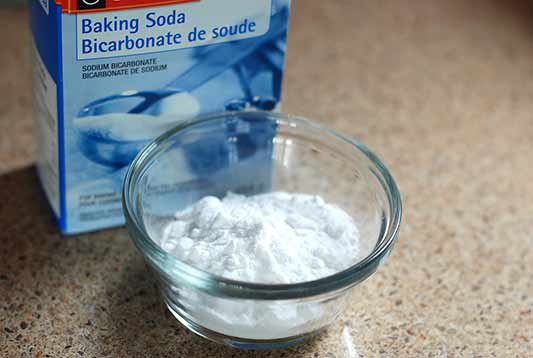
baking soda.

Baking soda and vinegar are two common household ingredients that can also help eliminate fruit flies in your drain.

Using Baking Soda and Vinegar

Baking soda and vinegar are two common household ingredients that can also help eliminate fruit flies in your drain. Start by pouring a cup of baking soda down the drain. Follow this with a cup of vinegar, which will create a fizzy reaction. Allow the mixture to sit in the drain for about 15 minutes before flushing it with hot water.

The combination of baking soda and vinegar helps break down organic matter, unclog drains, and eliminate foul odors. This method can be repeated once or twice a week to maintain a clean and pest-free drain.

Boiling Water and Salt

If you prefer a more straightforward approach, boiling water combined with salt can also be effective in eliminating fruit flies. Boil a pot of water and add a generous amount of salt. Stir until the salt is dissolved. Carefully pour the hot saltwater down the drain, making sure to cover all areas.

The hot water will kill any fruit fly larvae present in the drain, while the salt acts as a natural repellent. This method is best used as a preventive measure, discouraging fruit flies from laying their eggs in the drain.

Preventive Measures

While the above methods will help eliminate existing fruit fly infestations in your drain, it is crucial to take preventive measures to ensure they do not return. Here are some tips to help keep fruit flies at bay:

– Regularly remove ripe or overripe fruits and vegetables from your kitchen countertops and dispose of them properly. Store fruits in the refrigerator to minimize fruit fly attraction.

– Keep your kitchen clean and free from spills or food debris, as even the tiniest amount can attract fruit flies.

– Empty and clean your trash bins regularly, ensuring they have tightly sealed lids to prevent fruit fly access.

– Fix any leaking pipes or faucets to eliminate a potential moisture source for fruit flies.

– Install drain covers or screens to prevent fruit flies from entering the drain and laying eggs.

– Avoid leaving dirty dishes in the sink overnight, as they provide additional food sources for fruit flies.

– Maintain good overall hygiene in your kitchen, including proper food storage and cleaning practices.
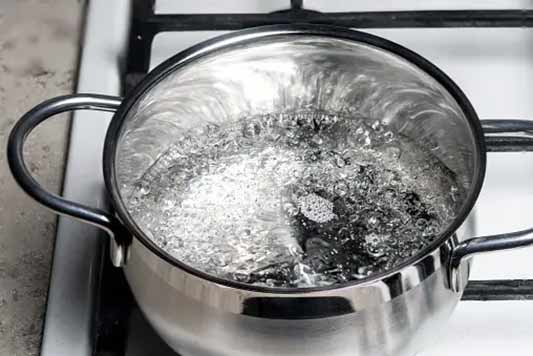
a pot of boiling water to be poured down the drain.

If you prefer a more straightforward approach, boiling water combined with salt can also be effective in eliminating fruit flies.

To Sum It Up

Fruit flies can be a persistent nuisance, particularly when they infest your drains. However, with proper cleaning, sanitization, and regular maintenance, you can eliminate fruit flies and prevent future infestations. By understanding the behaviors of fruit flies and implementing these effective methods, you can ensure a pest-free environment, free from the annoyance of these tiny winged insects.
Ask a Chicago Plumber: Should I Book Drain Cleaning?

Should I Book Drain Cleaning

As a homeowner in Chicago, you may have experienced clogged drains at some point. Whether it’s a slow-draining sink or a completely blocked toilet, dealing with such plumbing issues can be frustrating. Many homeowners wonder if booking a drain cleaning service is necessary or if they can solve the problem on their own. Here we will answer the question – should you book a professional drain cleaning service? Let’s find out.

Understanding the Importance of Drain Cleaning

Before deciding whether to book drain cleaning, it’s essential to understand the importance of maintaining clean drains. Over time, various factors can lead to clogged drains, including grease, food particles, hair, soap scum, and even tree roots in outdoor drains. Neglecting regular drain cleaning can result in the following problems:

  • Slow or blocked drains
  • Foul odors
  • Overflowing sinks or toilets
  • Backups and water damage
  • Potential health hazards

Regular drain cleaning helps prevent these issues and ensures the proper functioning of your household plumbing.

When to Consider Booking Drain Cleaning

While some minor drain issues can be resolved with DIY methods, there are situations where booking professional drain cleaning becomes necessary. Consider the following scenarios:

  • Frequent clogs: If you experience recurring clogs in the same drain, it indicates a deeper problem that might require professional intervention.
  • Slow drainage: If your sinks, showers, or tubs are draining slower than usual, it may indicate a partial blockage that needs to be addressed before it worsens.
  • Foul smells: Persistent odors coming from your drains suggest a buildup of debris or bacteria, which requires thorough cleaning.
  • Multiple affected drains: If more than one drain is showing signs of clogging or slow drainage, it could indicate a larger issue in your plumbing system that needs professional assessment.
  • Older plumbing: If you have an older house with aging plumbing, regular drain cleaning can help mitigate potential problems caused by deteriorating pipes.
  • Preventive maintenance: Even if you haven’t encountered any noticeable issues, scheduling periodic drain clearing service as part of your preventive maintenance routine can help catch potential problems early.
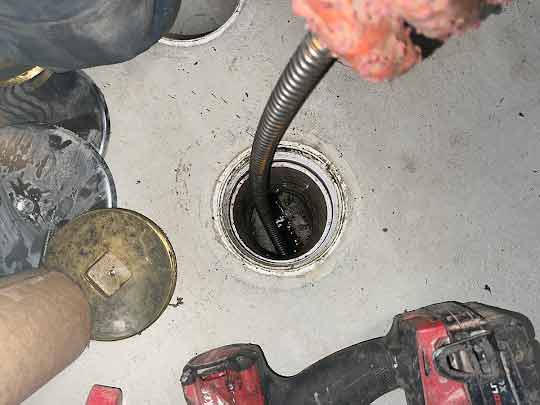
a plumber performing a drain cleaning for a customer.

A professional plumber can identify potential plumbing problems before they escalate, allowing you to address them proactively and avoid costly repairs in the future.

Benefits of Professional Drain Cleaning

Booking a professional drain cleaning service offers several advantages over DIY approaches. Here are some benefits worth considering:

  • Thorough cleaning: Plumbers have specialized tools and expertise with hydro jetting service to provide a more comprehensive and effective cleaning compared to home remedies.
  • Identifying underlying issues: A professional plumber can identify potential plumbing problems before they escalate, allowing you to address them proactively and avoid costly repairs in the future.
  • Preventing damage: Improper DIY techniques or using harsh chemicals can damage your plumbing system. Professional drain clearing ensures the longevity of your pipes and fixtures.
  • Time-saving: By hiring a professional plumber, you can save time and effort spent on attempting to fix the issue yourself.
  • Long-term savings: Regular drain cleaning, such as a sewer rodding service, helps prolong the lifespan of your plumbing system, reducing the likelihood of major breakdowns and expensive repairs.

DIY vs. Professional Drain Cleaning

While there are DIY methods for clearing minor drain clogs, it’s important to understand the limitations and risks involved. Chemical drain cleaners, for example, may provide temporary relief, but they can also harm your pipes and the environment. Snaking or using a plunger can help with simple clogs, but if the problem persists or recurs, it’s advisable to consult a local plumber for a more sustainable solution.

Choosing a Reliable Plumbing Service

When it comes to booking professional drain cleaning, it’s crucial to choose a reliable plumbing service in Chicago. Here are some factors to consider:

  • Experience and expertise: Look for a plumber with extensive experience in drain cleaning who can handle a variety of issues and plumbing systems.
  • Licensing and insurance: Ensure the plumbing service is properly licensed and has adequate insurance coverage to protect you and your property in case of any unforeseen incidents.
  • Reputation and reviews: Read customer reviews and testimonials to gauge the plumber’s reputation for professionalism, reliability, and customer satisfaction.
  • Pricing and warranty: Obtain multiple quotes to compare prices while ensuring that the plumber offers warranties or guarantees on their services.
  • Availability and response time: Choose a plumbing service that offers 24 hour emergency plumbing services and can promptly respond to your cleaning needs.

In Summary

In conclusion, booking drain cleaning is highly recommended under certain circumstances, such as frequent clogs, slow drainage, foul odors, or multiple affected drains. Professional drain cleaning offers thorough cleaning, early detection of underlying issues, and long-term savings. While DIY methods can be effective for minor clogs, professional plumbers bring expertise, specialized tools, and preventive maintenance to ensure the proper functioning of your drains and plumbing system. Choosing a reliable local plumbing service is crucial to ensure quality service and customer satisfaction.

Enhancing the Lifespan of Your Home’s Plumbing System Through Regular Drain Cleaning Practices

A tub filling with water.

There is no doubt that maintaining a healthy plumbing system is crucial for every homeowner. It ensures the smooth operation of water supply and drainage within the house. While many homeowners focus on visible plumbing issues, they often overlook the significance of regular drain cleaning. Neglecting drain maintenance can lead to many problems, from clogs, backups, and foul odors, disrupting daily activities and even causing costly damage. So, we will explore ways to enhance the lifespan of your home’s plumbing system through regular drain cleaning practices. We will delve into the benefits of proactive drain maintenance and different drain cleaning methods.

Additionally, we will discuss signs that indicate the need for cleaning and the advantages of hiring professionals. By implementing a proper drain cleaning routine, you can ensure the longevity and efficiency of your plumbing system. At the same time, you will save yourself from unnecessary headaches and expenses.

Benefits Of Regular Drain Cleaning Practices

Regular drain cleaning offers many benefits beyond just preventing clogs and backups. One of the key advantages is improved system performance. Over time, debris, grease, soap residue, and other substances accumulate inside them, hindering water flow. Regularly cleaning them can remove these obstructions and allow water to flow freely, ensuring efficient drainage and preventing potential plumbing issues. Another significant benefit is the prevention of clogs and backups. Clogged drains can cause inconvenience and disrupt daily routines. They can also lead to more severe problems, such as overflowing sinks or toilets, which can result in water damage to your home. 

Regular cleaning removes the buildup of debris and prevents clogs from forming, reducing the likelihood of backups and the associated risks. Foul odors emanating from them are a common problem that can make your living space unpleasant. Trapped food particles, grease, or decaying matter in them often cause these odors. Regularly cleaning them can eliminate the source of these unpleasant smells and maintain a fresh and hygienic environment in your home. Furthermore, regular cleaning can lead to long-term cost savings. When drains are neglected, clogs can cause increased pressure on the pipes, leading to leaks, bursts, or even pipe replacement. By investing in regular drain cleaning services, you can prevent such costly plumbing emergencies and extend the lifespan of your plumbing system. 

 A sink filling up with water.

The benefits of regular cleaning are plentiful.

Best Cleaning Methods 

There are several effective methods to choose from for drain cleaning. Two commonly used methods are chemical drain cleaners and mechanical drain cleaning techniques. Chemical cleaners are readily available in stores and are often used as a quick solution for minor clogs. These cleaners break down clog-causing substances like hair, grease, or soap scum. However, it’s important to note that chemical drain cleaners can be harsh and may damage older or more delicate plumbing systems. They pose an environmental risk and can be hazardous if not used properly. Following the instructions carefully and taking necessary safety precautions when using chemical drain cleaners is crucial.

On the other hand, mechanical drain cleaning practices and methods offer a more thorough and long-lasting solution. One popular mechanical method is sewer rodding. A rodding machine, or an auger, is inserted into the drain to break up or retrieve the clog. It clears clogs close to the drain opening, such as in sinks or shower drains. Another mechanical method is hydro jetting. This technique involves high-pressure water to scour the pipes inside and remove stubborn clogs and buildup. Hydro jetting is particularly effective for clearing larger and stubborn clogs and removing mineral deposits and other debris from the pipe walls. Both a sewer rodding service and hydro jetting have their advantages and limitations. Rodding is affordable, readily available, and suitable for minor clogs. On the other hand, a professional hydro jetting service provides a more comprehensive cleaning and is ideal for more severe or recurring clogs.

Close-up of tools and plumbing supplies.

Regular cleaning can avoid bigger problems in your home’s plumbing system.

Signs You Need To Clean The Drains 

These signs indicating the need for drain cleaning should never be ignored. They often serve as early warnings of potential plumbing problems. One of the most common signs you may notice is slow drainage. If you notice that water takes longer than usual to empty from sinks, showers, or tubs, it indicates a blockage in the pipes. Another noticeable sign is recurring clogs. When you find yourself dealing with frequent clogs despite your best efforts to clear them, it suggests a buildup of debris or residue in the drains that require professional attention. Unpleasant odors emanating from drains are not just a nuisance. Moreover, they can also indicate the presence of trapped food particles, grease, or other decaying matter. 

Detecting foul smells from your drains indicates that a thorough cleaning is necessary. Gurgling sounds coming from drains or toilets are also potential signs of clogs. These sounds occur when air is trapped in the pipes due to blockages, and they should not be ignored. By addressing these signs promptly, you can prevent more serious plumbing issues. These can include issues such as backups, leaks, or pipe bursts, which can lead to costly repairs and property damage. If you must do major repairs or upgrades to your plumbing systems, moving experts from Ample Moving NJ advise you to put your things into storage. This way, you minimize the chances of them getting damaged during the repairs and upgrades.  Regular drain cleaning is essential to keep your plumbing system running smoothly. Also, it can help you maintain a healthy and hygienic living environment.

A tub in a modern bathroom is kept clean with drain cleaning practices.

These drain cleaning practices can help you easily enhance your home’s plumbing system’s lifespan.

To Conclude 

You can prevent more significant plumbing issues by promptly addressing these signs. You will save yourself from costly repairs and potential property damage. Whether you choose chemical drain cleaners or opt for mechanical methods, it’s important to prioritize cleanliness and functionality. Additionally, seeking the expertise of professional drain cleaning service plumbers can ensure a thorough inspection, effective cleaning, and long-lasting results. By establishing a drain cleaning routine and incorporating proper maintenance practices, you can enhance the lifespan of your home’s plumbing system. In addition, you can enjoy a clean and efficient living environment. Remember, proactive drain cleaning practices save you time and money. Also, they can contribute to your overall comfort and peace of mind.

Say Goodbye to Plumbing Nightmares: Easy Steps for Homeowners to Avoid Drain Clogs

Easy Steps for Homeowners to Avoid Drain Clogs

We all know that dealing with drain clogs can be a real nightmare. The gurgling sounds, foul odors, and water backing up in unexpected places are enough to ruin anyone’s day. But fear not! In this article, we’ll dive into some easy steps you can take to avoid drain clogs and bid farewell to those plumbing nightmares. We will also explain how these issues form in the first place and how to act if you notice any signs of backed-up drains.

Understanding Common Causes of Drain Clogs

If your sewer drain is acting up, you might be dealing with a clog. However, before you proceed, it would be best if you knew exactly what you are dealing with. Look for signs that your main sewer drain is clogged, or call a plumber to inspect your home’s plumbing. Avoiding drain clogs begins with understanding what causes them in the first place. Let’s take a closer look at the culprits:

Food Waste

We’re all guilty of rinsing off that greasy pan or pouring cooking oil down the drain, but these actions can lead to stubborn clogs. To avoid drain clogs, steer clear of disposing of grease and oil down the drain. Instead, collect them in a container and toss them in the trash when cooled. Additionally, be mindful when using a garbage disposal. It doesn’t give you a free pass to dump everything down the drain. Be conscious of what you’re putting in there, and handle food scraps and leftovers responsibly. If your kitchen plumbing gets backed up, you should contact professionals instead of trying to repair the issue yourself.

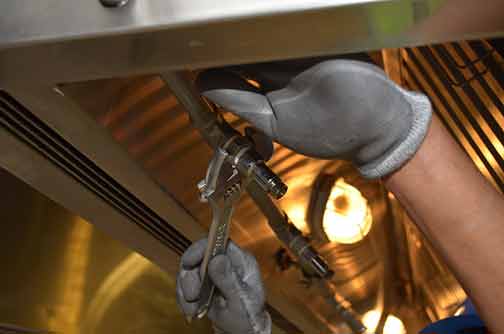
Professional plumber working on home plumbing.

If you feel out of your league, speak with professional plumbers.

Hair and Personal Care Products

Hair products can wreak havoc on our drains. Invest in drain catchers or screens to catch those pesky hair strands before they cause clogs. Regularly cleaning and maintaining drains is also essential, especially in the bathroom, where personal care products like shampoos and conditioners can leave a residue. Proper disposal of hair and personal care products is a must to keep those drains flowing freely.

Soap Scum and Mineral Buildup

Soap scum and mineral buildup are sneaky culprits that gradually narrow your drain’s pathway. Opt for drain-friendly soap products and give your drains some TLC with routine cleaning to prevent soap scum buildup. Additionally, if you have hard water, consider addressing the issue to reduce mineral buildup, which can lead to clogs over time.

Foreign Objects

Our little ones can be quite mischievous, and sometimes toys or other small objects accidentally find their way into drains. To avoid potential clogs, keep small objects away from drains and educate children about drain safety. Also, exercise caution when using gutters for cleaning purposes to prevent inadvertently pushing debris further into the plumbing system.

Home Renovation

Home renovations often involve extensive work on your home, and with that comes the risk of debris, construction materials, or even accidental damage finding its way into your drains. The relocation experts from the Royal Moving Company suggest putting your items in storage to allow easier access to all areas of your home while the work is ongoing. To avoid plumbing nightmares during your renovation, it’s also a good idea to take preventive measures.

Implementing Preventive Measures to Avoid Drain Clogs

Now that we’ve identified the causes, it’s time to take action and prevent those drain clogs from happening:

Regular Drain Cleaning

Regular maintenance is key to avoiding plumbing nightmares. Incorporate DIY drain cleaning methods into your routine, such as using a mixture of boiling water and natural solutions like baking soda and vinegar. If you prefer leaving it to the pros, consider professional drain cleaning services to ensure a thorough and effective clean. Experts will be able to remove even the toughest clogs, which can save you money and time.

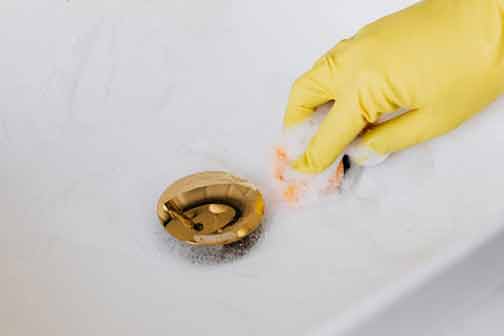
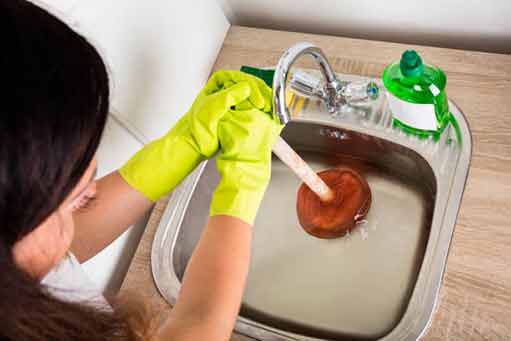
Person in yellow gloves cleaning bathroom fixture.

Regularly cleaning the fixtures and drains can prevent buildups.

Maintenance of Plumbing Fixtures

Your plumbing fixtures need some love too! Properly using and cleaning toilets, sinks, showers, and bathtubs can go a long way in preventing clogs. Be mindful of what you flush down the toilet and avoid using it as a trash can. Regularly clean your bathroom and kitchen sinks to remove any residue that might accumulate. And when it comes to showers and bathtubs, keep an eye out for hair buildup and clear it out to maintain optimal drainage.

Grease Traps and Strainers

Grease traps in your kitchen sink can help catch grease and prevent it from entering your drain. If your kitchen gets a lot of use, you should consider installing a grease trap. However, keep in mind that grease traps also require regular cleaning and maintenance. Sink strainers are also fantastic tools for keeping food particles and other debris from clogging up your pipes. Remember to use the strainers regularly for optimal performance.

Long-Term Strategies for Drain Health

Preventing drain clogs requires a holistic approach. Consider these long-term strategies to keep your drains flowing smoothly:

Proper Landscaping and Yard Maintenance

Believe it or not, the state of your yard can impact your drain health. Ensure proper drainage by diverting water away from drains through appropriate landscaping techniques—regularly clean outdoor drains and gutters, removing any debris that might obstruct the water flow. And, of course, avoid letting plant debris accumulate near your drains.

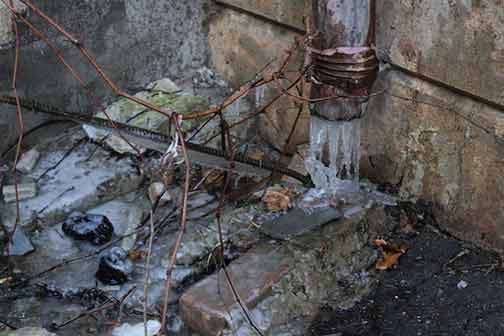
Frozen pipe in backyard.

Pay attention to your outdoors exposed pipes.

Preventing Frozen Pipes

Frozen pipes can lead to disastrous clogs and costly repairs. Take preventive measures during the winter months by insulating your pipes to keep them warm. Techniques like opening cabinet doors to allow warm air circulation and letting faucets drip can also help prevent freezing and burst pipe emergencies. Be vigilant for signs of frozen pipes, such as reduced water flow or unusual sounds, and address them promptly.

Professional Inspection and Maintenance

While DIY efforts are commendable, professional plumbing inspections are invaluable for preventing drain clogs. Schedule regular camera inspections of your drains to identify and address minor issues before they become major problems. By investing in professional maintenance, you’ll save yourself from future plumbing nightmares and keep your drains in tip-top shape.

In Conclusion

You’ve now armed yourself with knowledge and easy steps to avoid drain clogs and bid farewell to plumbing nightmares. You can enjoy a clog-free home by understanding the common causes of clogs, implementing preventive measures like regular drain cleaning and proper fixture maintenance, and incorporating long-term strategies for drain health. Remember, preventing drain clogs is a proactive endeavor that requires consistency and attention. So, make it a habit to avoid drain clogs by practicing these tips and tricks. Your plumbing will thank you, and you’ll save yourself from costly repairs down the line.

How To Maintain And Prevent Your Drains From Getting Clogged

How To Maintain And Prevent Your Drains From Getting Clogged

Clogged drains are a common household problem that can be frustrating to deal with, especially when they happen unexpectedly. They can cause water to back up, unpleasant odors, and even damage to your plumbing system. Fortunately, there are simple ways to maintain and prevent clogs in your drains.

Understanding What Causes Clogged Drains

Before we get into how to prevent and maintain your drains, it’s important to understand what causes clogs in the first place. Some common causes of clogged drains include:

  • Excess hair, soap scum, and dirt buildup in bathroom drains
  • Food particles, grease, and oil buildup in kitchen drains
  • Foreign objects such as cotton swabs, dental floss, and small toys
  • Tree roots in outdoor drains

How To Maintain Your Drains

Regular maintenance is the key to preventing clogs from forming in the first place. Here are some simple ways to keep your drains in good condition:

Use A Drain Strainer

One of the best ways to prevent clogs in your kitchen sink is to use a drain strainer. This will catch food particles, grease, and oil before they have a chance to go down your drain. Similarly, using a strainer in your shower and bathtub can catch hair and soap scum.

Flush Your Drains Regularly

Flushing your drains with hot water on a regular basis can help prevent buildup and keep them flowing smoothly. Simply boil a kettle or pot of water and pour it down your drain. Do this once a week to keep your drains in good condition.

Keep Your Drains Clean

Regular cleaning can go a long way in preventing clogs. In the bathroom, use a natural cleaner to scrub the inside of your drains and remove any buildup. In the kitchen, avoid pouring grease and other oils down your sink and clean the drain stopper regularly.

a clogged kitchen drain cleaning attempt.

How To Prevent Clogged Drains

In addition to regular maintenance, there are other steps you can take to prevent clogs from forming in the first place.

In The Kitchen

The kitchen sink is one of the most common places for clogs to occur. Here are some tips to keep it flowing smoothly:

  • Scrape your plates and dishes into the trash before washing them
  • Avoid putting grease, oil, and other fats down the drain
  • Use a strainer to catch food particles
  • Flush your drain with hot water regularly

In The Bathroom

The bathroom is another area where clogs commonly occur. Here are some tips to prevent them:

  • Use a drain strainer to catch hair and soap scum
  • Avoid flushing anything other than toilet paper down the toilet
  • Don’t pour chemicals down the drain, as they can damage your pipes and the environment
  • Flush your drain with hot water regularly

Outdoors

Outdoor drains, such as those in your yard or driveway, can also become clogged. Here are some tips to prevent this:

  • Avoid pouring chemicals down outdoor drains, such as fertilizers or pesticides
  • Use a drain strainer or cover to catch leaves and other debris that can fall into outdoor drains
  • Flush your drains with hot water regularly

When To Call A Professional

If you’ve tried the above methods and your drain is still clogged, it may be time to call a plumber for a sewer rodding service. Plumbers have rodding machines and expertise to diagnose and fix the problem quickly and effectively.

How Much Will A Plumber Cost For A Clogged Drain?

The cost of hiring a plumber to clear a clogged drain varies depending on the severity of the problem and where you live. On average, you can expect to pay anywhere from $150 to $500 for a clogged drain. However, this cost can vary depending on the time of day, the day of the week, and the complexity of the job.

Conclusion

By following these simple tips, you can maintain and prevent clogs in your drains. Regular maintenance is critical to keeping your pipes flowing smoothly and avoiding costly repairs. Remember to use a strainer, flush your drain with hot water regularly, and keep your drains clean to prevent clogs from forming. If all else fails, don’t hesitate to call a local drain cleaning service.

Let Your Home Showers Flow Freely Again With Regular Drain Cleaning Services

A white ceramic sink.

Picture this: you step into the shower, expecting a refreshing flow of water, only to find it pooling around your feet. Or perhaps it’s the kitchen sink that takes ages to drain, turning a simple task into a frustrating waiting game. Slow or blocked drains are a common annoyance that can quickly escalate into serious plumbing issues. That’s where regular drain cleaning services come in. You can enjoy uninterrupted showers and efficient kitchen cleanup by ensuring your drains are clean and clear. This article will explore the importance of maintaining your drains and how professional services can make a significant difference in your daily life.

Understanding The Importance of a Healthy Drain System

A healthy drain system is the backbone of a well-functioning home plumbing system. It plays a crucial role in efficiently removing wastewater and preventing clogs. But why is it important to maintain a healthy drain system?

When drains become slow or blocked, it can lead to a range of problems. First and foremost, it hampers your daily activities. Showers become less enjoyable, and kitchen sinks become a chore as they struggle to drain properly. These inconveniences can disrupt your routine and cause unnecessary frustration.

However, the impacts of neglecting to drain health go beyond inconvenience. Over time, clogs can cause serious damage to your plumbing system, leading to leaks, burst pipes, or water backups. These issues not only require costly repairs but can also result in water damage to your home and property.

Furthermore, blocked drains can pose health risks. Stagnant water provides an ideal breeding ground for bacteria and other harmful microorganisms. The foul odors and gurgling sounds emitted by clogged drains can also impact the air quality in your home, affecting your overall well-being.

Given these repercussions, it’s clear that regular drain cleaning services are essential for maintaining a healthy and functional home. By addressing drain issues proactively, you can prevent major blockages, save yourself from unnecessary expenses, and ensure the longevity of your plumbing system.

A bath drain that is too blocked to let the water drain properly.

One of the reasons why it is important to hire regular drain cleaning services is to avoid frustration and disruption of your daily routines.

Common Causes of Drain Blockages 

When it comes to drain blockages, several common culprits can wreak havoc on your plumbing system. Being aware of these causes can help you take preventive measures to avoid clogs. Here are some of the most prevalent causes:

  • Hair: Strands of hair tend to accumulate in shower drains, intertwining with soap residue and other debris over time.
  • Food Waste: Grease, oil, and leftover food particles can build up in kitchen drains, creating sticky blockages that require professional drain cleaning services.
  • Improper Flushing: Flushing items like baby wipes, feminine hygiene products, or excessive toilet paper can lead to toilet drain blockages.
  • Mineral Buildup: Over time, minerals present in water can accumulate, narrowing the diameter of the pipes and impeding water flow.
  • Tree Roots: Underground pipes can be infiltrated by tree roots, causing blockages and pipe damage.
  • Aging or Improperly Installed Plumbing Systems: Older or improperly installed plumbing systems may have structural issues contributing to drain blockages.

By understanding these common causes, you can take proactive steps to prevent drain blockages. These important services can help remove accumulated debris and keep your drains free-flowing, ensuring the optimal performance of your plumbing system. 

A woman washing her hair with soap.

Hair and soap buildup in your drains is one of the common causes of drain blockage.

Regular Drain Cleaning Services: Your Best Defense Against Drain Issues

Regular drain cleaning services are your best defense against potential drain issues. By actively maintaining your drains, you can avoid headaches and costly repairs in the future. Professional drain cleaning services bring expertise and experience to handle various drain problems effectively.

A reputable database of moving advice Master Moving Guide suggests that it’s important to rely on the expertise of professionals when it comes to big undertakings like maintaining your drains—just as you would rely on the experience of others and seek advice on a relocation. Their guidance and recommendations can help you avoid common pitfalls and ensure the longevity of your plumbing system.

Improperly cleaning drains can cause damage and complications. Harsh chemicals and incorrect methods corrode pipes, leading to leaks or bursts. Aggressive plunging or makeshift tools can worsen blockages and damage fittings. DIY attempts may not address the root cause, resulting in recurring issues. Rely on professionals who understand drain systems and use safe methods for effective cleaning without harm.

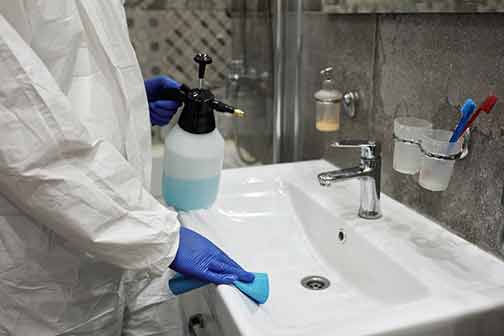
A professional cleaning the bathroom sink.

When it comes to problems with drain blockage, it is best to have the professionals handle it to avoid making things worse.

What To Expect from Quality Drain Cleaning Services

When you invest in quality drain cleaning services, you can expect a comprehensive approach that goes beyond just unclogging drains. These services offer a range of benefits and ensure the optimal performance of your plumbing system.

First and foremost, a reputable drain cleaning service will conduct a thorough camera inspection of your main sewer line. This allows them to identify any underlying issues or potential problems that may require attention. By detecting these issues early on, they can be addressed proactively, preventing major disruptions down the line.

The cleaning process itself involves the use of specialized equipment and techniques to remove accumulated debris and blockages. A high-pressure hydro jetting service, drain snakes, and other advanced tools are employed to ensure a thorough and effective cleaning.

In addition to cleaning, quality drain services may offer maintenance options. This includes applying preventive treatments to reduce the buildup of substances that can cause future clogs, ensuring a longer-lasting clean.

Statistics Highlighting the Importance of Cleaning Drains

Statistics reinforce the significance of regular drain cleaning for the health and functionality of your plumbing system. According to studies, 80% of all plumbing issues are caused by clogged drains. Moreover, it is estimated that neglecting drain maintenance can increase water bills by up to 25% due to inefficient water flow. Blocked drains also contribute to costly water damage, with an average insurance claim for water-related incidents exceeding $10,000. These statistics demonstrate the financial and practical implications of failing to address drain blockages promptly. Therefore, don’t underestimate the impact of clean drains on the overall well-being and functionality of your home.

In conclusion, regular drain cleaning services are a vital investment to maintain a healthy and functional plumbing system. You can prevent costly disruptions by dealing with these common causes of drain blockages. Embrace the freedom of flowing showers and efficient drains by prioritizing getting your drains cleaned regularly. Trust the expertise of professionals to keep your drains clear, ensuring optimal water flow and peace of mind.

Why You Should Never Pour Grease Down the Drain

Why You Should Never Pour Grease Down the Drain

Your home drain system is the primary waste removal system for all of the liquid and semi-solid waste product generated. They include raw sewage from toilet, filthy bathwater, etc., and clearly foul-used kitchen sink water with tiny food bits in it.

With all these different types of wastewater flowing into it, the drain system has to be tough. The owners should not be constantly afraid of the drains in their home breaking down. Most of the time, anyway, the drain does meet these high standards.

But not all the time:

Lyon Property Management explains that is because certain types of waste generated in your home are completely incompatible with the home’s drain system. Even though they are liquid or semi-liquid in nature, fats, oils, and grease (FOG) are the thing that should never go into your home’s drains.

Yes, dumping grease and oil into the sink after you finish cooking bacon or sautéing vegetable is an easy way to get rid of these used-up materials. But that simple act can trigger a series of events that may damage your home and cost you tens of thousands of dollars.

Fats, oils and grease (FOG) will not only harm your home’s drainpipes, but they can also undermine the function of the entire municipal sewer system. The effects of pouring grease into your sink drain are not limited to your home, and the cost of fixing those issues is monumental.

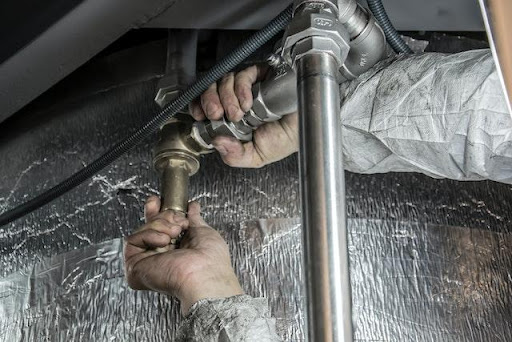
a plumber working on a pipe repair

Over time, as the mixture of grease and debris grows bigger, it will slow the wastewater inside the pipes to a point where debris routinely settles around the area.

Why is grease such a big problem for drainpipes?

Why you should never pour grease down the drain

  1. Effects of grease on your main sewer line

Grease is usually runny when you pour it into the sink because it is still warm. But once it reaches room temperature inside the drainpipes, it will solidify into a hard mass that is not easily transported by the water inside the drainpipes.

The now-solid grease can stick to the sides of pipes and trap debris contained in wastewater. If there are materials like wipes, eggshells, pads, condoms or paper towels inside the drain, these will also stick to the grease, making the problem worse.

Over time, as the mixture of grease and debris grows bigger, it will slow the wastewater inside the pipes to a point where debris routinely settles around the area. Given enough time, the entire pipe channel in that location can be blocked completely.

If this happens, your home will start to experience problems with slow drains; drains will be simultaneously slow across the entire home. If the blockage in your main sewer line is not found and removed, it may eventually lead to a sewer backup inside your house

Cleaning up a sewer backup in the home will cost anywhere from $100-$900, depending on the severity. This does not include the cost of fixing the damage to your home. The bill for those additional repairs can easily exceed ten thousand dollars.

But all these issues can be averted if you build the simple habit of getting rid of grease properly. Used-up grease should be put into a sealed container, such as a bottle, and allowed to cool before being put inside the trash can.

a sink bowl with water running.

If you accidentally pour a small amount of grease into your kitchen sink, follow it with hot water and a mixture of vinegar and baking soda.

   2. Effects of grease on municipal sewers

If grease finds its way out of your main sewer line into the city sewer line, it can cause even bigger problems. Just as it does inside your home’s drainpipes, grease will solidify when it enters the municipal sewer system.

But this time, the problem is at a massive dimension. That single blob of grease from your home will meet up and combine with blobs of grease from other people’s homes until they form a large hard mass inside the city sewers.

These huge masses of grease break down into fatty acids that combine with the calcium inside the wastewater in the sewer lines to form a soap-like compound known as a “fatberg.” Fatbergs can grow to enormous sizes – over a ton – inside municipal sewer systems.

Once in place, fatbergs will cause sewer backups that affect all the homes in a community. If the sewer backup in your home is due to fatbergs in the city sewers, cleaning your home’s main sewer line will not solve the problem.

Fatbergs can be cleared out of city sewers, but it takes weeks. This does not even consider the amount of damage fatbergs do to sewer pipes or the ecological impact of fat blobs finding their way into surrounding water bodies.

But solving this problem is as simple as preventing it. The way to do it is by making sure grease never finds its way into your home’s drains. You can do that by teaching everyone in your household to always dispose of used-up grease properly.

If you accidentally pour a small amount of grease into your kitchen sink, follow it with hot water and a mixture of vinegar and baking soda. This will not solve the problem, but it can help to reduce the impact of that grease on the drain system and the environment.

Clean Your Drains Regularly Before They Clean Your Wallet Out

Clean Your Drains Regularly Before They Clean Your Wallet Out

Clogged drains are a common source of frustration for many families. They could lead to costly plumbing repairs from a backed-up toilet or other fixture in your home. Why it’s so important to clean your drains regularly, how to do it, and how to prevent clogs altogether are all topics we’ll cover in this piece.

How to Clean Your Drains

The process of cleaning drains can be as simple as using a plunger or as involved as hiring a professional. But regularly cleaning your drains should still be done since floods are dangerous and you should try to prevent them. And regular cleaning is the best way to do so. Some of the more common methods include:

Hot Water

One simple way to clean drains is to flush hot water down them. If oil and other debris clog your pipes, running hot water through them may help loosen them. Just flush it with boiling water, and you’re done. You may need to use this method multiple times if your drain is clogged.

Baking Soda and Vinegar

One traditional home treatment for clogged drains is a mixture of baking soda and vinegar. To start, pour one cup of baking soda into the garbage disposal. A cup of vinegar should be added after that. The mixture will typically foam and bubble. Wait a few minutes for the sediment to settle, then flush the drain with hot water to remove any lingering debris. And this is a fast and easy way to clean your drains regularly.

a picture of a drain on a white background.

Baking soda and vinegar can be of great help

Plunger

When drains become clogged, a plunger comes in handy. Before using a plunger, make sure the sink or bathtub is empty. Over the drain, maintain a constant down-and-up pressure using the plunger. This will create suction, which will help clear your pipes of any debris.

Snake

Pipeline obstacles can be removed using a snake, sometimes called an auger. Use a drain snake by inserting it into the drain and twisting it as you work it deeper and deeper into the pipes. If a clog is encountered, the snake can be twisted to loosen it before being pulled from the drain.

Preventing Drain Clogs

Preventing clogs in the first place is preferable to fixing them after they have already formed. There are a lot of tips on how to avoid plumbing issues, but here are some just some of the ways to do so:

Use a Strainer

A strainer is one of the simplest ways to keep water from backing into your sink or tub. Strainers prevent clogs by collecting debris like hair and food scraps before they enter pipes.

make sure to clean your drains regularly for a clean drain like in the picture.

You can use a strainer when you clean your drains regularly

Avoid Pouring Grease Down Your Drain

Grease builds up and causes clogs in drains frequently. As the grease cools, it solidifies and can cause clogs in pipes. Put the used oil in the trash or a grease can instead of the sink.

Flush Your Drains Regularly

Grease and other buildups in your pipes can be easily removed by running hot water through your drains regularly. It’s a quick and easy way to avoid obstructions.

Don’t Flush Non-Biodegradable Items

Toilet paper and human waste are the only things in the toilet. Non-biodegradable items such as paper towels, sanitary napkins, and baby wipes can cause severe clogging problems in plumbing systems. Put these items in the trash can.

Maintain Your Plumbing System

Maintaining your plumbing system will help prevent clogs. Contact an experienced plumber regularly to check your pipes, identify any issues, and clean your drains regularly.

Why Clean Your Drains Regularly?

Maintaining a clean drain is essential to the health of your home’s plumbing system. Pipes can become clogged with debris like hair, soap scum, and food scraps. If you don’t remove the obstructions, water will back up and damage your pipes. Our friends at Pack & Go Movers also recommend cleaning your drains before moving or going away for the holidays. Nothing must clog when you are not home. 

If you have a problem with noxious odors from your drains, regularly cleaning them may help. When food and other organic materials rot in your pipes, odors can permeate your home. Maintaining a regular cleaning routine will help prevent this and leave your home smelling and looking great.

Dealing with Stubborn Clogs

Drains can become clogged even if you take preventative measures and clean them regularly. If you’ve tried DIY drain cleaning methods without success, it’s probably time to call a pro. There are many options when you decide to call upon drain unclogging services. But here are some signs you should do so:

a picture of a drain.

If you have persistent clogs, then you can call a pro for help

Persistent Clogs

If you have tried do-it-yourself methods to unclog the drain and it is still not working, it is time to call a plumber for professional drain cleaning services. No matter how pervasive, a licensed plumber can locate and clear any obstruction.

Foul Odors

A clog in your drain could be the source of a foul odor. This is especially true if gurgling or slow drainage accompanies the smell. A professional plumber can diagnose the issue and offer a solution.

Multiple Clogs

Multiple clogs in multiple drains could indicate a more severe issue in your home’s plumbing system. If there is an issue with your pipes, a professional plumber can camera inspect the sewer lines and find the source.

Backups

Clogged pipes can cause several unpleasant plumbing problems, including backups in the sink or tub. A licensed plumber can trace the problem to its origin and offer a solution to ensure it doesn’t happen again.

Conclusion

Maintaining the efficiency of your home’s plumbing system requires you to clean your drains regularly. You can avoid costly drain clogs by adhering to the guidelines. Put a strainer over the drain of your sink or tub, never put oil down the drain, flush your drains often, throw away any garbage that isn’t biodegradable, and ensure your plumbing is in good operating order. Following these simple guidelines, you can keep your drains in good working order and avoid costly repairs.

Tips for Keeping Your Restaurant Drains Clean

Tips for Keeping Your Restaurant Drains Clean

Restaurants face the challenge of managing their drain and sewer systems on a daily basis. Without proper maintenance and cleaning, these systems can become clogged, causing backups and other issues. Fortunately, there are several tips that restaurant owners can follow to keep restaurant drains clean and functioning properly.

Restaurant Drain Cleaning

Regularly cleaning the drain lines in a restaurant is one of the best ways to ensure that the system continues to work properly. Restaurants should invest in a quality drain cleaning tools, such as a snake, to ensure that all drain lines are cleaned as needed. In addition to regular cleaning, restaurants should also inspect their lines for any signs of damage or blockages, and take immediate steps to address any issues that are found that may indicate signs of a needed sewer line repair.

Restaurant Drain Maintenance

In addition to restaurants having their drains professionally cleaned out on the regular, restaurants should also follow a regular maintenance plan for their drains and sewers. This plan should include regularly testing the system for blockages and leaks, and conducting repairs or replacements as needed. Restaurants should also be sure to use the appropriate cleaning solutions, as some can damage the pipes or cause corrosion.

Commercial Grease Trap Cleaning

Grease traps are an essential part of any restaurant’s drainage system, and they must be cleaned regularly to prevent clogs and backups. Grease traps should be checked often for accumulation of grease, and cleaned out as needed. Professional grease trap cleaning services should be used on a regular basis to ensure that the traps are functioning properly.

In addition to regular cleaning, restaurants should also inspect their grease traps for any signs of damage or blockages, and take immediate steps to address any issues that are found.

Keeping restaurant drains clean and well-maintained is essential to the smooth functioning of any restaurant. By following these tips, restaurants can ensure that their drain and sewer systems remain in good condition and are able to handle the demands of daily use.

Can You Prevent Clogging of a Drain?

Can You Prevent Clogging of a Drain

Clogged drains are a common problem in modern plumbing systems. Mostly due to aging pipes or a general lack of plumbing maintenance, every year, thousands of American households find themselves dealing with plumbing issues caused by obstructions inside their drain lines. Clogged drains make up a significant part of all insurance claims related to water damage.

What causes a home’s drains to become clogged?

Keyrenter Broward explains there are two significant reasons; natural causes beyond the homeowner’s control and artificial causes from how you use the home’s drains.

The natural causes of clogged drains are less crucial because they account for a considerably small portion of drain issues in the house. These natural causes include:

  • Normal wear and tear on aging pipes: This is a common cause of clogs in old metal or clay drain pipes. The internal diameter of the pipes often becomes narrow as a result of rust or decay. When this happens, water finds it difficult to pass through the drains, increasing the rate of buildup inside the pipes.
  • Tree roots intrusion into drain lines: Tree roots may find their way into drainpipes via fractures in the piping or through weakened connections. Once inside the pipes, the roots can grow until they form a ball that partially or completely blocks the drain.
  • Earth movements: These are small shifts in the soil beneath a home. These slight movements can dislodge or damage a pipe because the proper slope of the drain is altered, making it more predisposed to build up.

But as already stated, natural causes of drain clogs are less critical than artificial ones because they are less frequent. The majority of drain clogs result from poor maintenance and improper use of the drains. Drain systems are designed to carry very specific types of waste. If the wrong items or materials are flushed into drains, they will clog.

a woman washing her hands in a sink.

The majority of drain clogs result from poor maintenance and improper use of the drains.

Can you prevent drain clogs?

You can prevent the majority of drain clogs since most drain clogs are artificial. The key to keeping a home’s drain free of obstructions is to understand the everyday mistakes that cause this problem and avoid them. Below is a list of things that predispose the drains to clogs and how to avoid them.

Keep FOGS out of the drain

Fats, oils and grease (FOGs) are the number one enemy of drain pipes. Once inside the drain, these materials become congeal, sticking to the sides of pipes and trapping the debris inside wastewater until the pipes are clogged or blocked completely. Pour FOGs into a sealable container and dispose of them in the trash.

Avoid forbidden items

In addition to FOGs, food waste like starchy foods (rice or mashed potatoes), eggshells and coffee grinds should never be flushed into the drain. Starchy foods, for instance, will absorb water and swell to many times their normal size inside the drains. Eggshells and coffee grinds slow the water movement by settling at the bottom of the drainpipes.

Watch what you flush

A few items people dump into their toilets include wipes, paper towels, diapers, female hygiene products, dental floss, paint, or paint thinner. All these items increase the risk of clogs inside a drain system. It has no business inside the toilet if it is not human waste or toilet paper.

Install strainers over drain openings

As unlikely as it sounds, hair and soap scum will block the shower drain. It is not possible to keep your body from shedding hair inside the shower. Soap scum is also an unavoidable product of using soap. To keep soap scum and hair out of bathroom drains, install a mesh screen or a shower drain hair catcher over the drain opening.

Avoid chemical drain cleaners

Chemical drain cleaners are quick fixes that can result in bigger issues. Chemical drain cleaners can clear your drains because they contain strong corrosives. But these corrosives can weaken the drainpipes and make them more liable to leak. To prevent drain clogs, avoid chemical drain cleaners.

a man repairing a faucet

Most drain issues start as minor problems that produce telltale signs.

Tackle problems early

As the saying goes, “an ounce of prevention is worth a pound of cure.” This adage is completely true when dealing with drain systems. Most drain issues start as minor problems that produce telltale signs. These small issues become major problems when those signs are ignored. Prompt action to solve problems will prevent most drain clogs.

Finally, even after doing all of the above, it is still possible to have clogs inside the home’s drain system. That is because modern plumbing systems are extensive and complicated. Homeowners can’t keep an eye on everything going on with their home’s drain lines. But there is a simple way to get around this problem.

Annual camera inspections of your sewer lines should be a central part of the plumbing maintenance program for you to prevent clogs in the system. These inspections are vital for picking up problems at the early stages and solving them quickly and cheaply instead of waiting until they escalate into considerable costs. Only a professional plumber should perform these inspections.