Tag Archives: drain cleaning importance

Drain and Pipe Cleaning Tips for Vacant Properties

metal pipes

Vacant properties often appear calm from the outside, but their plumbing systems continue to age quietly. When water does not move through the lines, residue forms, minerals settle, and small blockages take hold. Owners sometimes discover issues only after damage spreads. Working with trusted plumbing experts for drain and pipe cleaning helps you understand how inactivity affects drains. The right approach protects pipes, prevents expensive repairs, and keeps the property safe while it sits empty.

Common Drain Issues in Vacant Homes

Many owners underestimate the impact of time on unused drains. When fixtures remain untouched, particles settle into bends and corners. Dust that enters through open vents can build up on damp surfaces. Over months, these small changes combine into stubborn clogs. Rust slowly forms where condensation gathers, creating a rough interior surface that traps hair, grease, or sediment. Mold may appear in areas with poor ventilation. An early inspection helps identify concerns before they demand major attention.
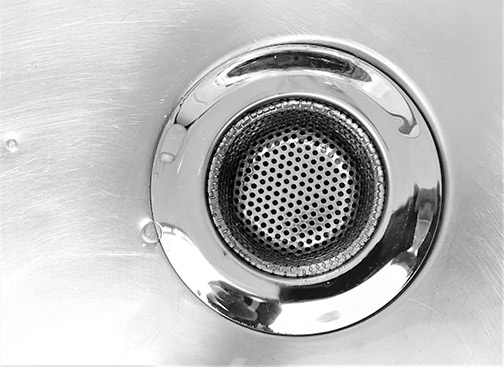
a drain
Drain and pipe cleaning is even more important in vacant homes

The Impact of Standing Water

Standing water is another common issue in vacant homes. When water never circulates, bacteria can grow. This growth produces unpleasant odors that move through the property. Over time, bacterial activity can cause discoloration inside pipes. Mineral deposits harden and restrict water flow later. Corrosion can worsen when stagnant water reacts with metal. Draining unused fixtures fully and leaving traps filled to block sewer gases helps balance these risks.

Create Safe Access Around Plumbing Systems

Vacant properties often store furniture, boxes, and seasonal items that can block access to key plumbing areas. Renting space based on an accurate storage unit size guide helps owners move belongings out of utility rooms, basements, and crawlspaces so potential leaks or bursts can be addressed quickly.

When you free up these areas, selecting the proper size matters, since placing items off-site in a properly sized unit prevents moisture damage if a hidden pipe fails and avoids you from overpaying or overstuffing a storage unit. With clear pathways, professionals can inspect joints, fittings, and traps without obstacles. Organized storage also makes it easier to shut off valves or repair drains before small problems escalate. Removing clutter from areas surrounding plumbing gives you more control and reduces the risk of indirect property damage.

Routine Drain and Pipe Cleaning to Prevent Damage

Scheduling regular drain and pipe cleaning lowers the chance of surprise repairs. Even if the home remains unoccupied, running water occasionally prevents buildup. Remove visible debris from sink strainers and shower drains. Flush toilets weekly to prevent septic odors. Pour warm water through infrequently used drains to remove soft residue. This small routine keeps water moving and slows sediment formation. Camera inspections every few months provide clarity on hidden blockages and potential weaknesses in the line.

How to Flush and Cycle Water Through the System

Flushing and cycling water through the system helps maintain interior pipe conditions. Run each faucet for several minutes to push out stale water. Test hot water taps to confirm that your heater remains free of sediment. Run the dishwasher and washing machine occasionally, even without a full load. These steps wash away early buildup. Cycling water prevents the air pockets that can lead to pipe corrosion. Remember to maintain proper ventilation in bathrooms to reduce humidity.

Smart Use of Drain Covers and Filters

Drain covers and filters offer simple protection without major expense. Fine mesh screens catch hair, coffee grounds, and small items before they reach the pipe interior. Vent covers block insects and dust from entering through drains. Sealed stoppers reduce air exposure, lowering the chance of mold growth. These small details limit the number of threats that can start within the system.

Chemical Cleaners vs. Mechanical Cleaning Tools

Property owners often wonder whether chemical cleaners are safe for long-term maintenance. Strong chemicals may weaken older pipes over time. Instead, mechanical tools such as drain snakes or augers remove physical blockages without harming the pipe walls. Gentle foaming cleaners help reduce odor and organic buildup. Baking soda and vinegar offer safer cleaning methods that target residue. When in doubt, read labels carefully and avoid mixing products.

Routine Maintenance and Long-Term Prevention

Vacant properties need consistent attention to stay problem-free, as you need to clean your drains regularly before they clean your wallet! Regular cleaning and small checkups save owners from costly surprises. The smallest blockages can grow into severe issues if ignored. Running water through each line occasionally prevents debris buildup and odor. Keeping a basic maintenance schedule every few weeks ensures water moves freely, reducing pressure on older pipes. Even when the property remains unused, simple routines like this keep the plumbing system ready and safe. Regular drain and pipe cleaning is both a preventive measure and a long-term investment in the property’s condition.
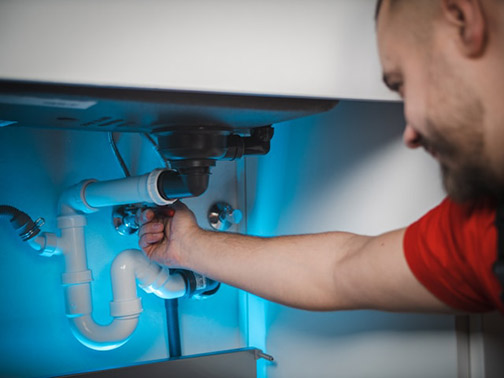
a plumber working
Routine maintenance is a must

Seasonal Protection and Winter Plumbing Problems

Seasonal conditions create extra challenges. Lines can freeze in colder months, leading to bursts and leaks once temperatures rise. If you want to avoid winter plumbing problems, you need to insulate exposed pipes and keep interior temperatures above freezing. Temperature swings can freeze water in drain traps, causing expansion damage. Inspect insulation around attic pipes and exterior walls. Confirm that crawlspaces remain sealed from outside drafts. Even a slight freeze can rupture an aging pipe.

Choosing the Right Storage Unit for Plumbing Supplies

Supplies for long-term property maintenance can pile up quickly. The size guide can help owners choose the proper space for storing hoses, replacement washers, vent covers, and emergency tools. Proper organization allows for a faster response when a leak or clog appears. Keeping supplies off-site protects them from basement moisture or attic heat. A secure storage location ensures that everything remains accessible when needed.

Signs a System Needs Immediate Attention

Knowing the early signs of trouble can save an owner from costly repairs. Slow drainage often indicates hidden buildup that needs removal. Gurgling sounds can mean trapped air or growing blockages deeper in the line. Discolored water may point to corrosion. Sewage odors are a sign of a ventilation problem or a dry trap. Bubbling around drain edges may mean partial blockage. These signals deserve immediate attention.

When to Call Professional Help

Not every maintenance task should be handled alone. Severe clogs require professional gear to clear fully. High-pressure jets remove hardened deposits and restore proper flow. Camera inspections reveal cracks or roots deep within the pipe system. Technicians can locate breaks faster than guesswork allows. Calling for help prevents accidental pipe damage caused by aggressive DIY tools. Some insurance plans even require a documented service history.

person holding a phone
Sometimes a professional is required

Build a Preventive Strategy That Works

In summary, a preventive strategy protects a vacant home from silent plumbing threats. Regular movement of water, simple cleaning tools, and organized supplies reduce the chance of clogs and leaks. Seasonal preparation stops temperature damage before it begins. Knowing when to call professionals increases safety and lowers costs. Consistent drain and pipe cleaning keeps wastewater flowing smoothly and safeguards the property. 
Clean Your Drains Regularly Before They Clean Your Wallet Out

Clean Your Drains Regularly Before They Clean Your Wallet Out

Clogged drains are a common source of frustration for many families. They could lead to costly plumbing repairs from a backed-up toilet or other fixture in your home. Why it’s so important to clean your drains regularly, how to do it, and how to prevent clogs altogether are all topics we’ll cover in this piece.

How to Clean Your Drains

The process of cleaning drains can be as simple as using a plunger or as involved as hiring a professional. But regularly cleaning your drains should still be done since floods are dangerous and you should try to prevent them. And regular cleaning is the best way to do so. Some of the more common methods include:

Hot Water

One simple way to clean drains is to flush hot water down them. If oil and other debris clog your pipes, running hot water through them may help loosen them. Just flush it with boiling water, and you’re done. You may need to use this method multiple times if your drain is clogged.

Baking Soda and Vinegar

One traditional home treatment for clogged drains is a mixture of baking soda and vinegar. To start, pour one cup of baking soda into the garbage disposal. A cup of vinegar should be added after that. The mixture will typically foam and bubble. Wait a few minutes for the sediment to settle, then flush the drain with hot water to remove any lingering debris. And this is a fast and easy way to clean your drains regularly.

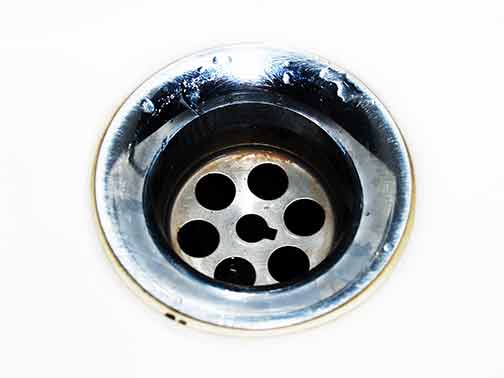
a picture of a drain on a white background.

Baking soda and vinegar can be of great help

Plunger

When drains become clogged, a plunger comes in handy. Before using a plunger, make sure the sink or bathtub is empty. Over the drain, maintain a constant down-and-up pressure using the plunger. This will create suction, which will help clear your pipes of any debris.

Snake

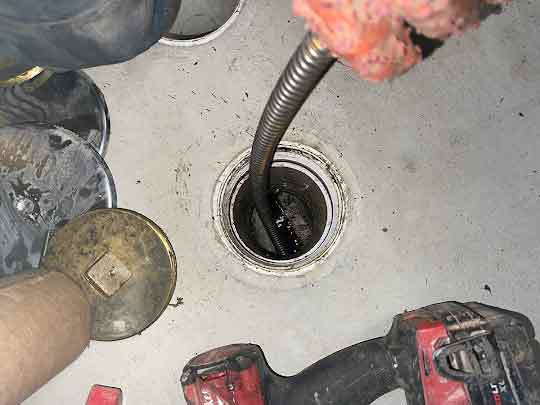
Pipeline obstacles can be removed using a snake, sometimes called an auger. Use a drain snake by inserting it into the drain and twisting it as you work it deeper and deeper into the pipes. If a clog is encountered, the snake can be twisted to loosen it before being pulled from the drain.

Preventing Drain Clogs

Preventing clogs in the first place is preferable to fixing them after they have already formed. There are a lot of tips on how to avoid plumbing issues, but here are some just some of the ways to do so:

Use a Strainer

A strainer is one of the simplest ways to keep water from backing into your sink or tub. Strainers prevent clogs by collecting debris like hair and food scraps before they enter pipes.

make sure to clean your drains regularly for a clean drain like in the picture.

You can use a strainer when you clean your drains regularly

Avoid Pouring Grease Down Your Drain

Grease builds up and causes clogs in drains frequently. As the grease cools, it solidifies and can cause clogs in pipes. Put the used oil in the trash or a grease can instead of the sink.

Flush Your Drains Regularly

Grease and other buildups in your pipes can be easily removed by running hot water through your drains regularly. It’s a quick and easy way to avoid obstructions.

Don’t Flush Non-Biodegradable Items

Toilet paper and human waste are the only things in the toilet. Non-biodegradable items such as paper towels, sanitary napkins, and baby wipes can cause severe clogging problems in plumbing systems. Put these items in the trash can.

Maintain Your Plumbing System

Maintaining your plumbing system will help prevent clogs. Contact an experienced plumber regularly to check your pipes, identify any issues, and clean your drains regularly.

Why Clean Your Drains Regularly?

Maintaining a clean drain is essential to the health of your home’s plumbing system. Pipes can become clogged with debris like hair, soap scum, and food scraps. If you don’t remove the obstructions, water will back up and damage your pipes. Our friends at Pack & Go Movers also recommend cleaning your drains before moving or going away for the holidays. Nothing must clog when you are not home. 

If you have a problem with noxious odors from your drains, regularly cleaning them may help. When food and other organic materials rot in your pipes, odors can permeate your home. Maintaining a regular cleaning routine will help prevent this and leave your home smelling and looking great.

Dealing with Stubborn Clogs

Drains can become clogged even if you take preventative measures and clean them regularly. If you’ve tried DIY drain cleaning methods without success, it’s probably time to call a pro. There are many options when you decide to call upon drain unclogging services. But here are some signs you should do so:

a picture of a drain.

If you have persistent clogs, then you can call a pro for help

Persistent Clogs

If you have tried do-it-yourself methods to unclog the drain and it is still not working, it is time to call a plumber for professional drain cleaning services. No matter how pervasive, a licensed plumber can locate and clear any obstruction.

Foul Odors

A clog in your drain could be the source of a foul odor. This is especially true if gurgling or slow drainage accompanies the smell. A professional plumber can diagnose the issue and offer a solution.

Multiple Clogs

Multiple clogs in multiple drains could indicate a more severe issue in your home’s plumbing system. If there is an issue with your pipes, a professional plumber can camera inspect the sewer lines and find the source.

Backups

Clogged pipes can cause several unpleasant plumbing problems, including backups in the sink or tub. A licensed plumber can trace the problem to its origin and offer a solution to ensure it doesn’t happen again.

Conclusion

Maintaining the efficiency of your home’s plumbing system requires you to clean your drains regularly. You can avoid costly drain clogs by adhering to the guidelines. Put a strainer over the drain of your sink or tub, never put oil down the drain, flush your drains often, throw away any garbage that isn’t biodegradable, and ensure your plumbing is in good operating order. Following these simple guidelines, you can keep your drains in good working order and avoid costly repairs.

Importance of Drain Cleaning

Importance of Drain Cleaning

Drains are among the most neglected parts of the home’s plumbing systems. The drains in your home are often out of sight – buried deep inside the ground. As a result, they don’t typically feature in most homeowners’ maintenance plans. Moreover, drains are not the most pleasant home features. They harbor smelly bacteria-laden water, so it is typical to avoid them.

But those smelly drains in your home serve a vital purpose. Issues with the drains can disrupt your lifestyle or even damage your property, warns SCUDOre.com. Everyday household activities, such as taking a refreshing shower in the morning or washing the dishes, can come to a screeching halt when the drains in the home malfunction. Furthermore, issues with the drains can result in damage to your home’s interior and landscaping.

Every single day, the following materials go down the drains in your home:

  • Different kinds of food particles and grease when you wash the dishes.
  • Soap, hair, and all kinds of dirt; when you take a shower or wash your hands at the sink.
  • Human waste from every time you use the toilet.

These go into the drains and cause build-ups. It eventually gets to the point when the collection prevents the proper functioning of the drain, such as when you have a blockage. But build-ups are not the only problems your drains can have. Several other artificial and natural issues can interfere with the drain’s performance.

But all these issues can be solved or prevented by cleaning your drains on a schedule. How often should you clean your drains, and what are the benefits of doing so?

Five good reasons to clean your drains

Reduce the risk of blockages

Blockages in the drains can be very costly in terms of how much damage they do to your home and the inconvenience they cause. Some of the possible outcomes of blocked drains are flooding from the bathroom drain or overflowing toilet, disgusting sewer backups, the possibility of damage to your lawn, and costly pipe replacements. The only way to take control and prevent these issues is to clean your drains regularly.

Reduce the risk of terrible odors in your home

The horrible smell emanating from the drains is typical because the drain carries wastewater. But these odors do not have to get into your home. Horrible odors from the drain find their way into your home when components of the drain stop working or are damaged. Regular cleaning of your drains not only gives you the chance to address the build-up that causes terrible odors but also lets you discover problems early and deal with them before they become plumbing emergencies.

Reduced risk of costly repairs

The tiniest issues can become big problems if you allow them to go on long enough. One thing you do not want in your home is an emergency due to problems with the drain. There is no telling how much such problems will eventually cost. It is easier to remove sludge from your pipes than to pay the financial consequences of a blockage, especially when it results in property damage. It is cheaper to remove harmful tree roots than replace the sewer line after roots destroy them.

Improve indoor air quality and health

By cleaning your drains regularly, you eliminate the risk of your family exposure to toxic bacteria-laden gases from the drains. These gases have a negative impact on your indoor air quality. Drain cleaning also eliminates the possibility of releasing disease-causing wastewater into your home. Cleaning the drains will keep your home sanitary and safe for everyone who lives in it. The cost of keeping the drains open does not compare to the financial and emotional toll ill health can take on you.

Prolong the lifespan of your drain

You can prevent most of the issues that shorten your drain’s lifespan by cleaning it on a schedule. Leaks and other problems become common when build-up inside the pipes is unchecked. The result is that the pipes will fail before the end of their estimated lifespan. Conversely, you can stretch the usefulness of your drain pipes beyond their lifespan by keeping them free of build-up.

How often should you clean your drains?

As a rule, clean the drains once every year. Do this whether there are issues with the drain or not. Cleaning your drain every year is a preventive step to help you avoid problems. You may need to clean the drains more than once a year or less than once a year. It all depends on the size of your household. Bigger households often need to have their drains professionally cleaned more than once a year. Small families can afford to clean their drains less regularly.

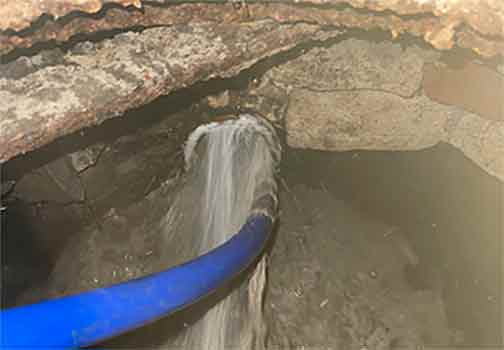
hydro-jetting-drain-cleaning

The Absolute Best Drain Cleaning Method is Known as Hydro-Jetting