Tag Archives: drain cleaning

Drain and Pipe Cleaning Tips for Vacant Properties

metal pipes

Vacant properties often appear calm from the outside, but their plumbing systems continue to age quietly. When water does not move through the lines, residue forms, minerals settle, and small blockages take hold. Owners sometimes discover issues only after damage spreads. Working with trusted plumbing experts for drain and pipe cleaning helps you understand how inactivity affects drains. The right approach protects pipes, prevents expensive repairs, and keeps the property safe while it sits empty.

Common Drain Issues in Vacant Homes

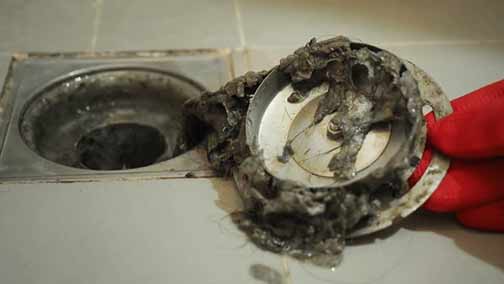
Many owners underestimate the impact of time on unused drains. When fixtures remain untouched, particles settle into bends and corners. Dust that enters through open vents can build up on damp surfaces. Over months, these small changes combine into stubborn clogs. Rust slowly forms where condensation gathers, creating a rough interior surface that traps hair, grease, or sediment. Mold may appear in areas with poor ventilation. An early inspection helps identify concerns before they demand major attention.
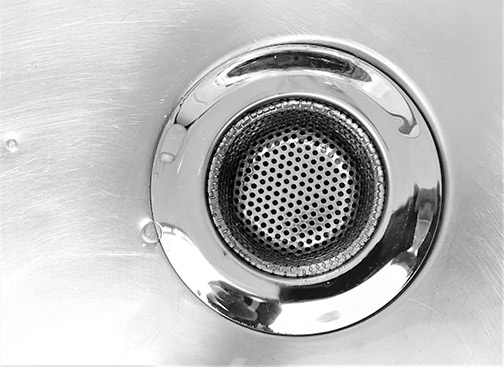
a drain
Drain and pipe cleaning is even more important in vacant homes

The Impact of Standing Water

Standing water is another common issue in vacant homes. When water never circulates, bacteria can grow. This growth produces unpleasant odors that move through the property. Over time, bacterial activity can cause discoloration inside pipes. Mineral deposits harden and restrict water flow later. Corrosion can worsen when stagnant water reacts with metal. Draining unused fixtures fully and leaving traps filled to block sewer gases helps balance these risks.

Create Safe Access Around Plumbing Systems

Vacant properties often store furniture, boxes, and seasonal items that can block access to key plumbing areas. Renting space based on an accurate storage unit size guide helps owners move belongings out of utility rooms, basements, and crawlspaces so potential leaks or bursts can be addressed quickly.

When you free up these areas, selecting the proper size matters, since placing items off-site in a properly sized unit prevents moisture damage if a hidden pipe fails and avoids you from overpaying or overstuffing a storage unit. With clear pathways, professionals can inspect joints, fittings, and traps without obstacles. Organized storage also makes it easier to shut off valves or repair drains before small problems escalate. Removing clutter from areas surrounding plumbing gives you more control and reduces the risk of indirect property damage.

Routine Drain and Pipe Cleaning to Prevent Damage

Scheduling regular drain and pipe cleaning lowers the chance of surprise repairs. Even if the home remains unoccupied, running water occasionally prevents buildup. Remove visible debris from sink strainers and shower drains. Flush toilets weekly to prevent septic odors. Pour warm water through infrequently used drains to remove soft residue. This small routine keeps water moving and slows sediment formation. Camera inspections every few months provide clarity on hidden blockages and potential weaknesses in the line.

How to Flush and Cycle Water Through the System

Flushing and cycling water through the system helps maintain interior pipe conditions. Run each faucet for several minutes to push out stale water. Test hot water taps to confirm that your heater remains free of sediment. Run the dishwasher and washing machine occasionally, even without a full load. These steps wash away early buildup. Cycling water prevents the air pockets that can lead to pipe corrosion. Remember to maintain proper ventilation in bathrooms to reduce humidity.

Smart Use of Drain Covers and Filters

Drain covers and filters offer simple protection without major expense. Fine mesh screens catch hair, coffee grounds, and small items before they reach the pipe interior. Vent covers block insects and dust from entering through drains. Sealed stoppers reduce air exposure, lowering the chance of mold growth. These small details limit the number of threats that can start within the system.

Chemical Cleaners vs. Mechanical Cleaning Tools

Property owners often wonder whether chemical cleaners are safe for long-term maintenance. Strong chemicals may weaken older pipes over time. Instead, mechanical tools such as drain snakes or augers remove physical blockages without harming the pipe walls. Gentle foaming cleaners help reduce odor and organic buildup. Baking soda and vinegar offer safer cleaning methods that target residue. When in doubt, read labels carefully and avoid mixing products.

Routine Maintenance and Long-Term Prevention

Vacant properties need consistent attention to stay problem-free, as you need to clean your drains regularly before they clean your wallet! Regular cleaning and small checkups save owners from costly surprises. The smallest blockages can grow into severe issues if ignored. Running water through each line occasionally prevents debris buildup and odor. Keeping a basic maintenance schedule every few weeks ensures water moves freely, reducing pressure on older pipes. Even when the property remains unused, simple routines like this keep the plumbing system ready and safe. Regular drain and pipe cleaning is both a preventive measure and a long-term investment in the property’s condition.
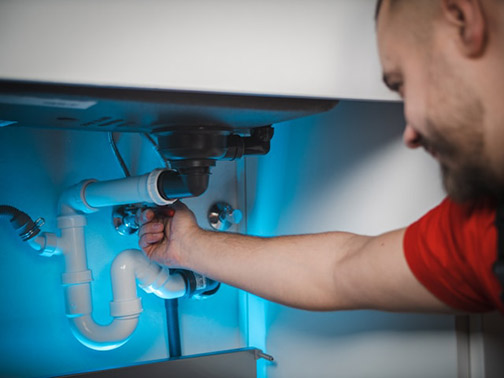
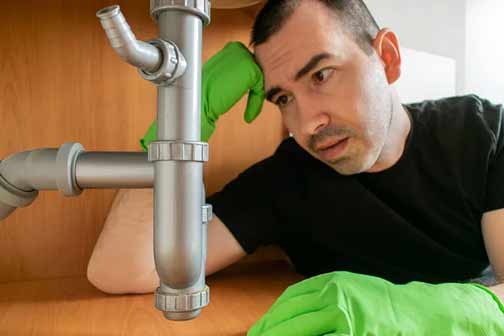
a plumber working
Routine maintenance is a must

Seasonal Protection and Winter Plumbing Problems

Seasonal conditions create extra challenges. Lines can freeze in colder months, leading to bursts and leaks once temperatures rise. If you want to avoid winter plumbing problems, you need to insulate exposed pipes and keep interior temperatures above freezing. Temperature swings can freeze water in drain traps, causing expansion damage. Inspect insulation around attic pipes and exterior walls. Confirm that crawlspaces remain sealed from outside drafts. Even a slight freeze can rupture an aging pipe.

Choosing the Right Storage Unit for Plumbing Supplies

Supplies for long-term property maintenance can pile up quickly. The size guide can help owners choose the proper space for storing hoses, replacement washers, vent covers, and emergency tools. Proper organization allows for a faster response when a leak or clog appears. Keeping supplies off-site protects them from basement moisture or attic heat. A secure storage location ensures that everything remains accessible when needed.

Signs a System Needs Immediate Attention

Knowing the early signs of trouble can save an owner from costly repairs. Slow drainage often indicates hidden buildup that needs removal. Gurgling sounds can mean trapped air or growing blockages deeper in the line. Discolored water may point to corrosion. Sewage odors are a sign of a ventilation problem or a dry trap. Bubbling around drain edges may mean partial blockage. These signals deserve immediate attention.

When to Call Professional Help

Not every maintenance task should be handled alone. Severe clogs require professional gear to clear fully. High-pressure jets remove hardened deposits and restore proper flow. Camera inspections reveal cracks or roots deep within the pipe system. Technicians can locate breaks faster than guesswork allows. Calling for help prevents accidental pipe damage caused by aggressive DIY tools. Some insurance plans even require a documented service history.

person holding a phone
Sometimes a professional is required

Build a Preventive Strategy That Works

In summary, a preventive strategy protects a vacant home from silent plumbing threats. Regular movement of water, simple cleaning tools, and organized supplies reduce the chance of clogs and leaks. Seasonal preparation stops temperature damage before it begins. Knowing when to call professionals increases safety and lowers costs. Consistent drain and pipe cleaning keeps wastewater flowing smoothly and safeguards the property. 
Chicago’s Top Drain Clearing Experts: Unclogging with Precision

Chicago's Top Drain Clearing Experts

Here in Chicago, where the urban hustle meets the tranquil shores of Lake Michigan, plumbing issues are as common as the city’s iconic skyline. Among these challenges, clogged drains emerge as a frequent yet exasperating problem for both homes and businesses. Thankfully, Chicago is home to a group of exceptional drain clearing experts, celebrated for their precision and outstanding service quality. Our professionals ensure that no pipe goes unnoticed, providing the city’s residents with peace of mind and reliable plumbing solutions.

The Art and Science of Drain Clearing: A Chicago Perspective

Drain clearing transcends the realm of mere task completion; it embodies an intricate fusion of art and science. Chicago’s leading plumbers have honed their craft through years of experience, mastering the delicate balance between leveraging advanced technology and applying hands-on techniques. The precision required in diagnosing and addressing drainage issues is a testament to their expertise. Whether dealing with a minor blockage or a complex plumbing challenge, our experts approach each job with meticulous attention to detail, ensuring optimal results every time.

Advanced Tools and Techniques for Unclogging Drains in Chicago

What distinguishes Chicago Plumbing Experts is our adept use of cutting-edge tools and techniques. From high-pressure hydro jetting to state-of-the-art sewer camera inspections, our professionals employ a range of technologies to identify and resolve issues with efficiency and accuracy. Hydro jetting involves using a powerful stream of water to dislodge stubborn blockages, while camera inspections provide a real-time view of the interior of pipes, allowing for precise diagnosis and targeted solutions. This innovative approach ensures that even the most challenging clogs are addressed with expertise and precision.

Commitment to Exceptional Service Quality: Chicago Plumbing Experts Promise

Service quality lies at the core of what makes Chicago Plumbing Experts stand out. Our experts are dedicated to delivering not just a service, but an experience that consistently exceeds customer expectations. From the initial consultation to the completion of the job, they ensure clear communication, timely responses, and a customer-centric approach. Their unwavering commitment to professionalism is evident in every interaction, making them a trusted choice for drain clearing in the city. This dedication to excellence fosters long-lasting relationships with our customers, who can rely on their expertise for all plumbing needs.

Understanding the Common Causes of Drain Blockages in Chicago

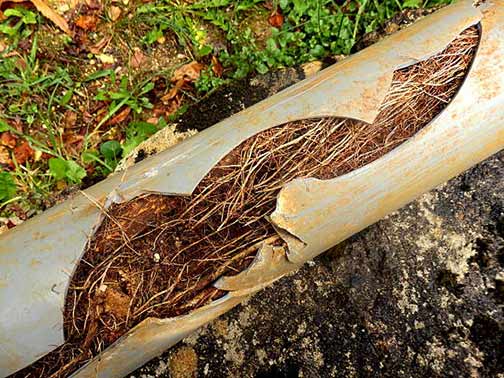
To truly appreciate the expertise of Chicago’s drain clearing professionals, it’s essential to understand the common causes of drain blockages. These can range from the accumulation of grease and food particles in kitchen sinks to hair and soap buildup in bathroom drains. Additionally, external factors such as tree root intrusion and shifting soil can also contribute to drainage issues. By identifying the root cause, our plumbers can implement effective solutions that prevent future occurrences, ensuring the longevity and efficiency of the plumbing system.

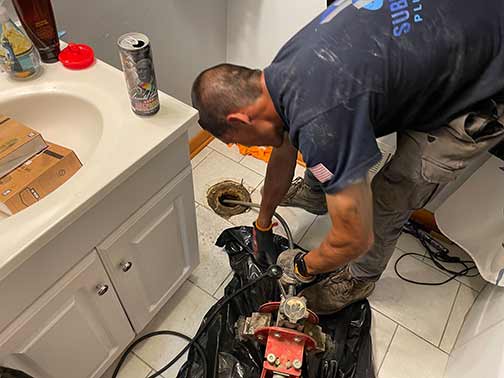
professional drain clearing in chicago from chicago plumbing experts
Our experts are dedicated to delivering not just a service, but an experience that consistently exceeds customer expectations.

Preventative Measures for Long-Term Drain Health: Expert Advice

While professional intervention is crucial for resolving drainage issues, preventative measures play a significant role in maintaining long-term drain health. Chicago Plumbing Experts often advise clients on best practices, such as regular maintenance checks and the proper disposal of waste materials. By educating homeowners and businesses on how to care for their plumbing systems, our professionals help reduce the frequency of blockages and extend the lifespan of the pipes. This proactive approach not only saves our customers time and money but also contributes to the overall health of the plumbing infrastructure.

Environmental Considerations in Drain Clearing: Our Commitment to Sustainability

In today’s environmentally conscious world, our drain clearing experts in Chicago are also mindful of their impact on the ecosystem. They strive to use eco-friendly products and methods that minimize harm to the environment while effectively addressing plumbing issues. This commitment to sustainability reflects their broader responsibility to the community and the planet, ensuring that our services are both effective and environmentally responsible. By prioritizing eco-friendly practices, Chicago Plumbing Experts contribute to a cleaner, greener future for the city and its residents.

Case Studies: Success Stories from Chicago Plumbing Experts

To illustrate the expertise of Chicago’s top drain clearing professionals, consider a few of our success stories. In one instance, a historic building in Andersonville faced recurring drainage issues due to aging infrastructure. Our experts employed advanced diagnostic tools to pinpoint the problem areas and implemented a comprehensive solution that restored the building’s plumbing system to optimal functionality. This not only resolved the immediate issue but also preserved the building’s historical integrity.

In another case, a commercial property in the Loop experienced severe blockages that disrupted business operations. The swift response and precise execution by our professional plumbers not only resolved the immediate issue but also provided the business with preventative strategies to avoid future disruptions. These success stories highlight the expertise and dedication of our professionals, who consistently deliver exceptional results for their customers.

The Future of Drain Clearing in Chicago: Embracing Innovation

As technology continues to evolve, the future of drain clearing in Chicago looks promising. Innovations such as smart plumbing systems and remote monitoring capabilities are set to revolutionize the way plumbing issues are detected and addressed. Our plumbers in Chicago are poised to embrace these advancements, ensuring they remain at the forefront of the industry and continue to provide unparalleled service to their customers. By staying ahead of the curve, they are well-equipped to tackle the plumbing challenges of tomorrow with precision and expertise.

Conclusion: Choosing the Right Drain Clearing Experts in Chicago

In conclusion, the importance of selecting the right drain clearing experts in Chicago cannot be overstated. With our precision, commitment to quality, and forward-thinking approach, Chicago Plumbing Experts is equipped to handle any plumbing challenge that comes our way. Whether you’re dealing with a minor clog or a major plumbing overhaul, our plumbers offer the expertise and service excellence needed to keep your drains flowing smoothly. By choosing our experts, residents and businesses can rest assured that their plumbing needs are in capable hands, ensuring peace of mind and reliable solutions for years to come.

In need of drain clearing, cleaning or unclogging services in the Chicago, IL area? We can help! Contact us today at 708-775-2566 or by form below:

Contact Us

Contact Us

Name
Name
First Name
Last Name

Essential Drain Cleaning: How Frequently Should You Do It?

a man performing essential drain cleaning

The Importance of Regular Drain Cleaning for a Healthy Plumbing System

Regular drain cleaning is crucial for maintaining a healthy plumbing system. Over time, debris, grease, hair, and other substances can accumulate in your drains, leading to blockages and reduced water flow. These blockages can cause unpleasant odors, slow drainage, and even serious plumbing issues that require costly repairs. By regularly cleaning your drains, you can prevent these problems and ensure that your plumbing system functions smoothly. In addition, regular drain cleaning can help you avoid emergency plumbing situations, which can be both inconvenient and expensive.

Understanding the Causes of Drain Blockages

Drain blockages can be caused by a variety of factors. Common culprits include grease and oil buildup, hair, soap scum, food particles, and foreign objects that accidentally find their way into the drains. In addition, mineral deposits from hard water can accumulate over time, further contributing to blockages. Understanding these causes can help you take preventive measures and keep your drains clean. For example, being mindful of what you pour down the drain and using drain screens can help reduce the risk of blockages.

Signs that Your Drains Need Cleaning

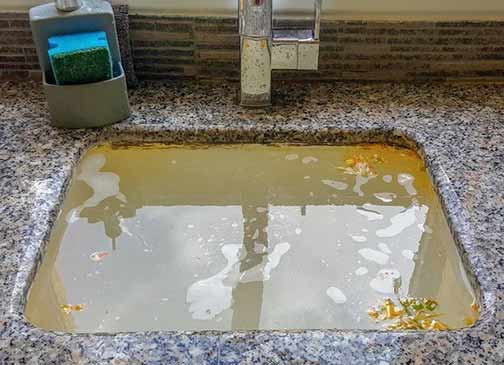
There are several signs that indicate your drains may need cleaning. Slow drainage is one of the most common indicators, as it suggests that there is a buildup of debris in the pipes. Unpleasant odors emanating from the drains can also signal a blockage. Additionally, if you notice gurgling sounds coming from your drains or water backing up in sinks, tubs, or toilets, it’s time to clean your drains. Ignoring these signs can lead to more serious plumbing issues, so it’s important to address them promptly.

Recommended Frequency for Drain Cleaning

The frequency of drain cleaning depends on several factors, including the age of your plumbing system, the number of occupants in your home, and your usage habits. As a general rule, it is recommended to clean your drains every one to two years to prevent major blockages. However, if you have a large household or frequently use your drains, you may need to clean them more often. Regular inspections by a professional plumber can help determine the optimal cleaning schedule for your specific situation. It’s also a good idea to schedule drain cleaning service as part of your regular home maintenance routine.

DIY Drain Cleaning Methods

There are several DIY methods you can use to clean your drains. One popular method is to pour a mixture of baking soda and vinegar down the drain, followed by hot water. This combination creates a chemical reaction that helps break down debris and clear the pipes. Another method is to use a plunger to dislodge blockages. For more stubborn clogs, a drain snake or auger can be used to reach deeper into the pipes and remove the obstruction. It’s important to use these tools carefully to avoid damaging your pipes.

When to Call a Professional Plumber

While DIY methods can be effective for minor clogs, there are times when it’s best to call a professional plumber. If you have tried multiple methods and the clog persists, it may be a sign of a more serious issue that requires professional attention. Additionally, if you notice recurring blockages or multiple drains in your home are affected, it’s time to seek professional help. A plumber has the tools and expertise to diagnose and resolve complex plumbing problems. They can also provide advice on how to prevent future blockages and maintain a healthy plumbing system.

Preventive Measures to Keep Your Drains Clean

Taking preventive measures can help keep your drains clean and reduce the need for frequent cleaning. Avoid pouring grease and oil down the drain, as they can solidify and cause blockages. Use drain screens to catch hair and food particles before they enter the pipes. Regularly flush your drains with hot water to help dissolve any buildup. By being mindful of what goes down your drains and taking preventive steps, you can maintain a healthy plumbing system. Additionally, educating your household members about proper drain usage can help prevent blockages.

The Benefits of Regular Drain Cleaning

Regular drain cleaning offers several benefits beyond preventing blockages. It helps extend the lifespan of your plumbing system by reducing wear and tear on the pipes. Clean drains also improve water flow and reduce the risk of leaks and water damage. Additionally, maintaining clean drains can enhance the overall hygiene of your home by eliminating foul odors and reducing the presence of harmful bacteria and mold. By investing in regular drain cleaning, you can save money on costly repairs and enjoy a more efficient plumbing system.

Choosing the Right Drain Cleaning Products

When selecting drain cleaning products, it’s important to choose those that are safe for your plumbing system and the environment. Avoid harsh chemical cleaners, as they can damage your pipes and harm the environment. Instead, opt for natural or enzymatic cleaners that break down organic matter without causing harm. Always follow the manufacturer’s instructions and use products as directed to ensure effective and safe cleaning. Additionally, consider using biodegradable products to minimize your environmental impact.

Understanding the Role of Professional Drain Cleaning Services

Professional drain cleaning services offer a thorough and effective solution for maintaining your plumbing system. Plumbers use specialized equipment, such as hydro-jetting and camera inspections, to identify and remove blockages. A hydro jet drain cleaning service uses high-pressure water to clear debris and clean the pipes, while camera inspections allow plumbers to visually assess the condition of the pipes and identify any issues. These services provide a deeper level of cleaning and can help prevent future problems. By scheduling regular professional drain cleaning, you can ensure that your plumbing system remains in optimal condition.

Long-Term Maintenance Tips for Your Plumbing System

In addition to regular drain cleaning, there are other maintenance tips you can follow to keep your plumbing system in good condition. Regularly inspect your pipes for leaks, corrosion, and other signs of wear. Replace old or damaged pipes to prevent leaks and water damage. Insulate your pipes to protect them from freezing temperatures. By staying proactive and addressing issues promptly, you can ensure the longevity and reliability of your plumbing system. It’s also important to schedule regular inspections by a professional plumber to catch any potential issues early.

Conclusion: The Importance of Staying Proactive with Drain Cleaning

Maintaining a healthy plumbing system requires regular drain cleaning and preventive measures. By understanding the causes of blockages, recognizing the signs of clogged drains, and following a recommended cleaning schedule, you can prevent major plumbing issues and ensure the smooth operation of your drains. Whether you choose to tackle drain cleaning yourself or hire a professional plumber, staying proactive is key to maintaining a healthy and efficient plumbing system. By investing in regular drain cleaning and maintenance, you can enjoy peace of mind and a more reliable plumbing system.

How to Build An Effective Drain Cleaning Program for Your Chicago Business

How to Build An Effective Drain Cleaning Program for your Chicago Business

Drain cleaning is crucial for maintaining a healthy and functional plumbing system in any commercial establishment. A clogged drain can disrupt your business operations, cause unpleasant odors, and even lead to costly repairs if not addressed promptly. Here we will outline the steps to build an effective drain cleaning program specifically tailored for your Chicago business.

Why is Drain Cleaning Important?

Before we get into the details of building a drain cleaning program, let’s understand why drain cleaning is important for your business. Clogged drains are a common occurrence in commercial settings due to the higher traffic and usage compared to residential properties. Neglecting regular drain maintenance can result in:

  • Slow drainage and backups
  • Unpleasant odors
  • Health and safety risks
  • Damage to plumbing fixtures
  • Disruptions to your business operations

An effective drain cleaning program minimizes these risks and ensures the smooth operation of your plumbing system.

Assessing Your Drain Cleaning Needs

Every business has unique requirements when it comes to drain cleaning. The first step in building an effective program is to assess your specific needs. Consider the following factors:

  • The size and layout of your facility
  • The type of business and the associated waste disposal
  • The age and condition of your plumbing system
  • The frequency of drain issues

By evaluating these factors, you can determine the level of drain cleaning required and create a program that suits your business best.

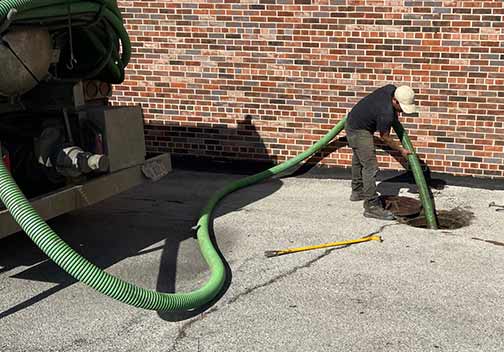
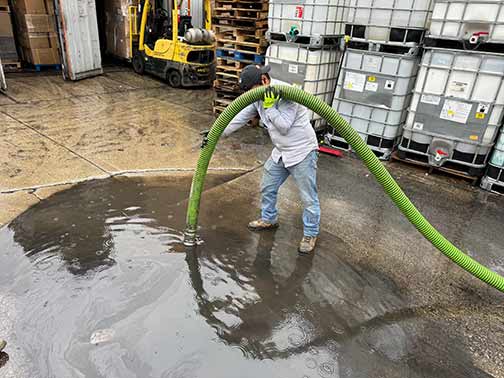
commercial drain cleaning services in chicago.

Depending on your business’s needs, you may choose to incorporate methods such as drain pumping or hydro jetting service.

Developing a Preventive Maintenance Plan

Once you have assessed your drain cleaning needs, it’s time to develop a preventive maintenance plan. A preventive approach helps avoid major drain blockages and keeps your plumbing system running smoothly. Here are the key steps:

Schedule Regular Drain Inspections

Regular drain inspections are the cornerstone of a preventive maintenance plan. Hire a professional plumber in Chicago to perform thorough inspections of your drains, identifying any signs of blockages, leaks, or other issues. This proactive approach allows you to address any problems before they worsen.

Implement Routine Drain Cleaning

In addition to inspections, routine drain cleaning is essential for preventing buildup and maintaining optimal drain flow. Depending on your business’s needs, you may choose to incorporate drain cleaning methods such as hydro jetting or enzymatic drain cleaners. Consult with your plumbing professional to determine the most suitable approach.

Train Employees on Proper Usage

Employee education plays a vital role in maintaining a clean and well-functioning drainage system. Train your staff on proper usage and disposal practices to minimize the introduction of substances that can clog drains. Emphasize the importance of reporting any drainage issues promptly to the designated personnel.

Establish Clear Guidelines for Waste Disposal

If your business generates specific types of waste that can potentially harm your drains, it’s crucial to establish clear guidelines for their disposal. Improper disposal of substances like grease, chemicals, or solid materials can lead to severe blockages and damage. Educate your employees on the proper disposal methods and provide designated containers for hazardous waste.

Maintain a Cleaning Schedule

Consistency is key in drain maintenance. Create a cleaning schedule that outlines the frequency of drain inspections and routine cleaning activities. Assign responsible individuals or teams to ensure the tasks are carried out as planned. Regularly review and update the schedule as necessary to accommodate any changes in your business operations or plumbing system.

commercial drain cleaning plumbers helping out a business in chicago.

By assessing your drain cleaning needs, developing a preventive maintenance plan, and choosing the right plumbing service, you can ensure the longevity and reliability of your plumbing system.

Choosing the Right Plumbing Service

Building an effective drain cleaning program requires the expertise of a professional plumbing service. When selecting a commercial plumber in Chicago, consider the following factors:

  • Experience and reputation
  • Availability of emergency services
  • Knowledge of commercial plumbing systems
  • Use of modern equipment and techniques
  • Positive customer reviews and references

Research potential plumbing services thoroughly and compare their offerings to make an informed decision.

An effective drain cleaning program is a vital component of your Chicago business’s overall maintenance strategy. By assessing your drain cleaning needs, developing a preventive maintenance plan, and choosing the right plumbing service, you can ensure the longevity and reliability of your plumbing system. Remember, regular maintenance is far more cost-effective than dealing with major drain issues and repairs. Invest in professional drain cleaning services and protect the health and functionality of your business.

Exploring the Solutions for Resolving Water Backup in Basement Drains

Exploring the Solutions for Resolving Water Backup in Basement Drains

Here we will explore the solutions for resolving the common issue of water backup in basement drains. This problem can cause significant inconvenience and potential damage to your home, so it’s essential to address it effectively. Whether you’re a homeowner, a renter, or a property manager, we’ve got you covered. Read on to discover the reasons behind this problem and the best solutions available.

The Causes of Water Backup in Basement Drains

Before we get into the solutions, it’s crucial to understand what causes water backup in basement drains in the first place. There are several factors that contribute to this problem, and being aware of them can help you prevent future occurrences.

  • Heavy Rainfall or Flooding: During periods of heavy rainfall or flooding, the volume of water can overwhelm your basement drain system, leading to backups. This is especially true if your drainage system is not adequately designed or if it’s already dealing with clogs or blockages.
  • Clogged or Blocked Drains: A common cause of water backup is a clogged or blocked drain. Over time, debris, hair, grease, and other substances can accumulate in the drainpipe, obstructing the water flow. This can lead to backups in your basement whenever water is used in your home.
  • Faulty or Insufficient Drainage System: If your basement’s drainage system is not properly designed or installed, it may not have the capacity to handle the amount of water being directed to it. This can result in backups, especially during intense rainstorms or when multiple household appliances are in use simultaneously.
  • Sewer Line Issues: In some cases, water backups in basement drains may be caused by problems in the main sewer line connected to your home. Issues such as tree root intrusion, pipe collapse, or a damaged sewer line can obstruct the flow of wastewater, causing backups in your basement.

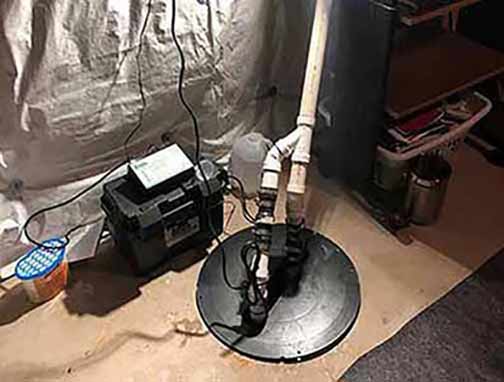
a sump pump upgrade to help control basement drain water backup.

Consider upgrading to a more powerful sump pump or adding a battery backup system to ensure continuous operation during power outages.

Solutions for Resolving Water Backup in Basement Drains

Now that we have a better understanding of the causes, let’s explore the solutions to resolve water backup in basement drains. Depending on the severity and underlying issues, you may need to employ one or multiple solutions.

  • Regular Drain Maintenance: Prevention is key when it comes to avoiding water backups in basement drains. Implementing a regular drain maintenance routine can help keep your drains free from clogs and blockages. This includes periodically cleaning your drains using natural or chemical drain cleaners and removing any visible debris from drain covers.
  • Install a Backflow Valve: A backflow valve is a mechanical device installed in your main sewer line to prevent water from flowing back into your basement. It automatically closes when it detects a reverse flow, effectively stopping water backups. Contact a professional plumber to determine the best type of backflow valve to install for your specific needs.
  • Improve Exterior Drainage: Enhancing the exterior drainage around your home can significantly reduce the risk of water backups in basement drains. Consider installing downspout extensions to divert water away from your foundation, grading the soil away from your basement walls, and ensuring proper gutter maintenance to prevent water from pooling near your home.
  • Upgrade Your Sump Pump System: If your basement is equipped with a sump pump, ensuring it’s functioning properly is crucial for preventing water backups. Consider upgrading to a more powerful sump pump or adding a battery backup system to ensure continuous operation during power outages.
  • Seek Professional Help: If you’ve tried the above solutions and are still experiencing water backups in your basement drains, it’s advisable to seek professional help. A licensed plumber or drainage specialist can inspect your system, identify any underlying issues, and recommend tailored solutions to resolve the problem effectively.

Water backup in basement drains is a common issue that can cause significant inconvenience and potential damage. By understanding the causes and implementing the appropriate solutions, you can effectively resolve this problem and safeguard your home. Remember to prioritize regular drain maintenance, consider installing a backwater valve, improve exterior drainage, upgrade your sump pump system if necessary, and seek professional help when needed. By taking proactive measures, you can maintain a dry and functional basement for years to come.

The Importance of Sewer Rodding in Chicago

The Importance of Sewer Rodding in Chicago

In a city like Chicago, there are countless systems in place to ensure its smooth functioning. One such vital system is the sewer system. It may not be the most glamorous topic of discussion, but understanding the importance of sewer rodding is crucial for every resident and business owner in Chicago.

The Role of Sewers in Chicago

Before getting into the significance of sewer rodding, let’s first explore the role of sewers in Chicago. The sewer system is responsible for transporting wastewater and stormwater away from homes, businesses, and streets. It plays a critical role in maintaining public health, preventing flooding, and preserving the environment.

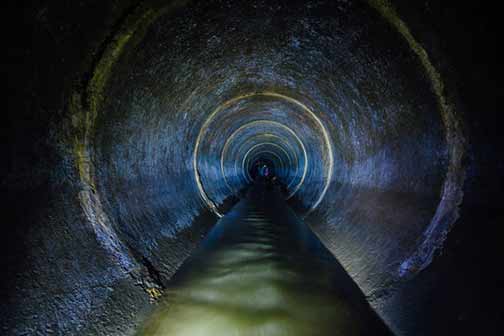
Chicago’s sewer system is an intricate network of underground pipes that span for miles and connect to treatment plants. These pipes collect and carry wastewater from toilets, sinks, showers, and other sources to ensure it is properly treated and disposed of. Additionally, the storm sewers collect rainwater and runoff to prevent water accumulation on the streets, reducing the risk of floods.

The Importance of Sewer Rodding

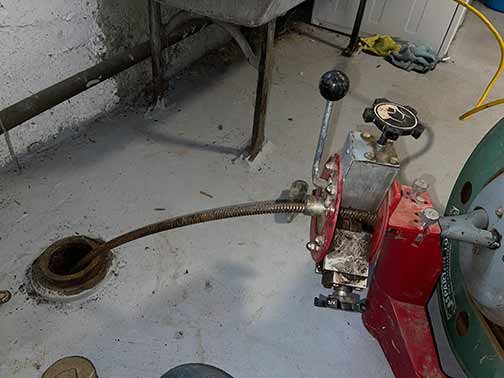
Sewer rodding, also known as drain rodding or rooter service, is a maintenance procedure that involves clearing the sewer lines of any obstructions or blockages. It is a preventative measure that aims to keep your home sewer system functioning optimally. Here are several reasons why sewer rodding is of utmost importance in Chicago:

Preventing Blockages and Backups

Over time, debris, grease, tree roots, and other foreign objects can accumulate in the sewer lines, leading to blockages. If left unaddressed, these blockages can cause sewage backups, which can result in property damage, health hazards, and significant disruptions. Regular sewer line rodding helps prevent these blockages, ensuring the smooth flow of wastewater and stormwater.

Maintaining Public Health

A properly functioning sewer system is critical for safeguarding public health. When sewer lines are blocked or compromised, wastewater can overflow into your home or business. This can contaminate the environment, exposing residents to harmful bacteria, viruses, and other pathogens. By having your sewer line rodded out, the risk of sewage backup and potential health hazards is significantly reduced.

Minimizing Flooding Risks

Chicago is no stranger to heavy rainfall, and inadequate sewer maintenance can exacerbate the risk of flooding. When storm sewers are clogged with debris and sediment, rainwater cannot efficiently drain away, leading to streets and neighborhoods being inundated. Routine sewer rodding helps keep the sewer system clear, allowing rainwater to flow freely and minimize the chances of flooding.

Extending the Lifespan of Sewer Pipes

Regular sewer rodding helps extend the lifespan of sewer pipes. When blockages occur, the pressure within the pipes increases, potentially causing them to crack or burst. These pipe failures can be costly to repair and may require extensive excavation. By proactively clearing sewer lines, the stress on the pipes is reduced, contributing to their longevity and minimizing the need for costly repairs or replacements.

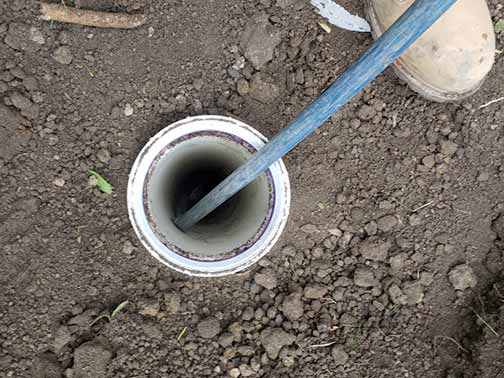
a professional sewer rodding service taking place in chicago.

By scheduling periodic drain rodding services, you can proactively identify and address any potential blockages or obstructions before they escalate into major problems.

Best Practices for Sewer Rodding

While the significance of sewer rodding is evident, it is essential to approach this maintenance task with caution and expertise. Here are some best practices for sewer rodding:

Seek Professional Assistance

When it comes to sewer rodding, it is highly recommended to seek the services of a professional plumber in Chicago. Trained technicians have the knowledge, skills, and specialized equipment necessary to safely and effectively clear sewer lines. Attempting to perform a drain rodding without proper expertise can result in further damage or incomplete blockage removal.

Regular Maintenance Schedule

Establishing a regular maintenance schedule is key to preventing sewer issues. By scheduling periodic drain rodding services, you can proactively identify and address any potential blockages or obstructions before they escalate into major problems. The frequency of sewer rodding may vary depending on factors such as the age of the sewer system, the number of users, and the surrounding environment.

Use High-Quality Equipment

Professional plumbers utilize specialized sewer rodding equipment designed to effectively remove blockages without causing damage to the pipes. These tools, such as high-pressure hydro jetting service and mechanical rodding machines, ensure thorough cleaning while preserving the integrity of the sewer lines. Investing in high-quality equipment guarantees the best results and reduces the risk of complications.

Consider Preventative Measures

In addition to sewer rodding, implementing preventative measures can further enhance the functionality and longevity of the sewer system. Regularly inspecting sewer pipes, installing backflow valves, and educating residents about proper disposal practices can help minimize the occurrence of blockages and sewage backups.

While sewer rodding may not be the most glamorous topic, it holds immense importance in maintaining Chicago’s sewer system’s efficiency and preventing issues such as blockages, backups, and flooding. By understanding the significance of drain rodding and following best practices, both residents and business owners can contribute to the overall well being of the city while ensuring the longevity of the sewer infrastructure.

‘—

In need of sewer rodding service for your home or business in Chicago? Contact us by form below or call us at 773-599-9181!

Common Sewer and Drain Issues in Chicago and How to Prevent Them

Common Sewer and Drain Issues in Chicago and How to Prevent Them

Here we will explore the most prevalent problems faced by Chicago residents concerning their sewer and drain systems. Additionally, we will provide expert tips on how to prevent these issues, saving you time, hassle, and potentially costly repairs. If you are a homeowner, business owner, or simply curious about the inner workings of urban plumbing, this article is designed to be informative, practical, and accessible to all.

The Importance of Maintaining Your Sewer Line and Drain Systems

In a large city like Chicago, with its extensive network of pipes and drains, it is essential to prioritize the maintenance of your sewer and drain systems. Neglected or poorly maintained infrastructure can lead to a host of problems, ranging from unpleasant odors and plumbing backups to more severe issues such as water damage, structural damage, and health hazards.

By proactively preventing common sewer and drain issues, you can ensure the longevity and efficiency of your plumbing system while safeguarding the health and well being of your family, employees, and neighbors.

Common Sewer and Drain Issues in Chicago

Let’s delve into the specific sewer and drain issues that frequently plague Chicago residents:

Tree Root Intrusions

Chicago’s beautiful tree lined streets can sometimes be the cause of sewer and drain problems. As trees grow, their roots can extend underground and infiltrate sewer lines, causing blockages, leaks, and pipe damage. This issue is particularly prevalent in older neighborhoods with mature trees.

To prevent tree root intrusions, consider the following:

  • Plant trees away from sewer lines, if possible.
  • Regularly inspect your sewer lines for signs of root intrusions.
  • Consider using root barriers during tree planting.
  • If tree roots have already infiltrated your sewer lines, consult a professional plumber in Chicago for appropriate solutions.

Clogs and Blockages

Clogged drains are a common issue faced by many Chicagoans. Whether it’s a kitchen sink, bathroom drain, or toilet, clogs can be incredibly frustrating and disruptive.

To prevent clogs and blockages:

  • Avoid disposing of grease, oils, or food scraps down the drain.
  • Use drain screens or stoppers to catch hair, debris, and other potential clogging agents.
  • Regularly clean your drains using natural or commercial drain cleaners.
  • Seek professional help if you encounter persistent or severe clogs.

Sewer Line Collapses

Over time, sewer lines in Chicago can deteriorate, leading to collapses or complete failure. This can result in sewage backups, foul odors, and potential health hazards.

Prevention tips for sewer line collapses:

  • Be mindful of what you flush down the toilet or drain. Avoid disposing of items that can cause blockages or damage.
  • Consider regular inspections and maintenance of your sewer lines, especially if you reside in an older property.
  • If you notice warning signs such as slow drainage or foul smells, contact a professional plumber.

Sump Pump Failures

In Chicago’s rainy climate, sump pumps play a crucial role in preventing basement flooding. However, these systems can fail, leaving your property vulnerable to water damage.

Prevent sump pump failures with these tips:

  • Regularly inspect and maintain your sump pump, ensuring it is free from debris and functioning correctly.
  • Consider installing a sump pump battery backup system to ensure continued operation during power outages.
  • Test your sump pump periodically to ensure it is in working order.

try to avoid using chemical drain cleaners.

While chemical drain cleaners may provide a temporary fix for minor clogs, they can also be harsh on your plumbing system and the environment.

Preventive Measures for Healthy Sewer and Drain Systems

Now that we have explored the most common sewer and drain issues in Chicago, let’s discuss preventive measures to keep your plumbing system healthy:

Regular Sewer Camera Inspections

Schedule regular sewer camera inspections with a plumber in Chicago to detect any potential issues before they escalate. This proactive approach can save you both time and money in the long run.

Proper Waste Disposal

Dispose of waste properly to prevent clogs, blockages, and sewer line damage. Avoid flushing items such as wipes, diapers, or feminine hygiene products, as they can cause significant problems.

Avoiding Chemical Drain Cleaners

While chemical drain cleaners may provide a temporary fix for minor clogs, they can also be harsh on your plumbing system and the environment. Consider using natural alternatives or contacting a professional plumber for safe and effective solutions.

Grease Traps

If you own or manage a restaurant or any food related establishment, installing and maintaining grease traps is crucial in preventing grease buildup and subsequent sewer line issues.

Proper Landscaping

When planting trees and shrubs, be cautious of their proximity to sewer lines. Plan your landscaping in a way that minimizes the risk of root intrusions.

Educate Residents and Employees

If you are a property owner or manager, educate your residents or employees about proper plumbing practices. Emphasize the importance of responsible waste disposal and the potential consequences of neglecting sewer and drain maintenance.

As a responsible resident or business owner in Chicago, maintaining the health of your sewer and drain systems should be a top priority. By being aware of common issues such as tree root intrusions, clogs, sewer line collapses, and sump pump failures, you can take preventive measures to ensure the smooth operation of your plumbing system.

Remember, regular inspections, proper waste disposal, and taking necessary precautions can go a long way in preventing expensive repairs, water damage, and inconvenience. By implementing the tips and strategies outlined in this article, you can enjoy a worry free plumbing system and contribute to the overall well-being of the Chicago community.

A Homeowners Guide: 5 Key Signals That It’s Time to Clean Your Drains

5 Key Signals That It’s Time to Clean Your Drains

Clogs and blockages inside your home’s drainage system not only impede the performance of your plumbing but also accelerate the rate of wear and tear. Drain systems that suffer from persistent clogs will cost more money to maintain and invariably need replacement sooner, notes Specialized Property Management Memphis.

Additionally, clogs in your home’s drainage can have a huge negative impact on the health of your household. Poorly maintained drains impair your quality of life, lead to poor indoor air quality and increase the risk of respiratory illnesses among family members.

That is in addition to the risk of structural damage that comes with the persistent problems in your drain pipes. The worst part is you don’t even see these problems coming. That is because drain clogs happen as part of the natural outcome of the normal day-to-day use of your drains.

In other words, clogs and blockages will happen in your drainpipes regardless of how you use your home’s plumbing. But you can stop those clogs and blockages from affecting the function and longevity of the drains. How do you do this? By having your drains cleaned professionally periodically from a professional plumber.

What are the signs that it is time to clean your drainpipes?

a man with smelly drains

It is normal to have bad odors inside your drain pipes, but these odors should not enter your home.

5 signs that it is time to clean your drains

Multiple slow drains in the home

One slow drain in your home does not signify you need to clean your entire drain system. If just one drain is slow, the clog is likely inside the drainage pipe directly connected to the affected plumbing fixture. Depending on the kind of drain, this problem can be solved using several DIY methods. But if more than one drain in the home is blocked at the same time, it means there is a clog deep inside the drain lines. The only way to solve this problem is to have your drains cleaned.

Drains are acting weird

Although the plumbing fixtures in your home all have their drains, the drains are interconnected. As a result of the connection between them, problems in one drain can affect other drains in your home. For instance, if the water in your toilet moves every time you use your shower, sink or washer, you may have a major blockage inside your drain pipes. You may also hear strange noises from your sink when one of the home’s drains is used. If these problems are starting to show up in your home, it is a sign that you need to clean your drain pipes.

Drains make a gurgling sound

It is not normal for drains to make a gurgling sound when you use them. Gurgling sounds mean air is trapped inside the drain line. That is a bad sign. Any air inside your drains should find its way out of the pipes without coming up through the drain outlet. If air is pushing up through the outlet, it is because there is a blockage inside the pipes that is preventing the air from escaping. That is a sign that it is time to clean your drains.

Bad odors from your drains

It is normal to have bad odors inside your drain pipes, but these odors should not enter your home. However, if there are clogs and blockages inside the drain system, the normal operation of your drainage system will be impaired. As a result, foul-smelling sewage gases can start to find their way into your home through the various drain openings. This problem affects the indoor air quality in your home, and the way to solve it is to have your drains cleaned professionally.

Pests invade your home

The presence of pests – such as fruit flies and roaches– inside your home is a sign that there is an abundance of food for them to feast on. Clogs and blockages inside your drain pipes provide a feeding ground for pests. Trying to exterminate the pests without dealing with the primary problem inside your drain lines will not work. If you see several pests inside your home, it is time to clean your drains.

How to clean your drains

Although there are lots of DIY methods for cleaning your drains, most are only good for clearing debris from individual drains. Their actions are superficial; they cannot reach blockages deep inside the drainage system. The best way to clean your drains is to hire a professional.

Before cleaning the drains, the professional will inspect them to determine their condition. A sewer camera inspection is the best way to do this. A sewer camera inspection uncovers the problems inside the drain and shows you how to care for your drains in future.

After camera inspecting the drain line, the next step is to select the best drain cleaning method. That will depend on the age of your drains and the kind of clogs inside them. That is why you should work with an experienced and well equipped professional plumber when cleaning your drains.

How to Safely Manage a Drain Backup Situation While Waiting for Professional Help

How to Safely Manage a Drain Backup Situation While Waiting for Professional Help

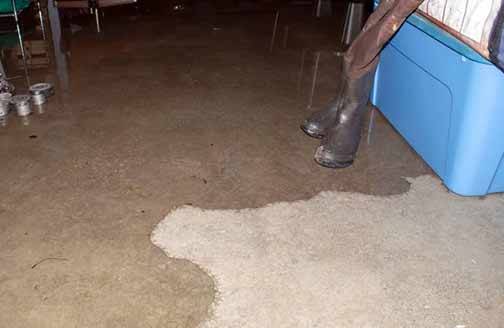
Dealing with a drain backup situation can be a frustrating and messy experience. It’s important to act swiftly and safely to minimize further damage while waiting for professional help to arrive. This article provides practical tips and steps to help you manage a drain backup situation effectively.

Understanding the Cause

Before taking any action, it’s crucial to understand the cause of the drain backup. Common reasons include clogged pipes, tree roots intrusion, or a malfunctioning sewer system. By identifying the root cause, you can take appropriate measures to prevent future instances.

Ensure Your Safety

When dealing with a drain backup, your safety should always be the top priority. Here are some important safety considerations:

  • Wear protective gear: Put on gloves, boots, and eyewear to protect yourself from any harmful bacteria or chemicals that may be present in the backup.
  • Keep children and pets away: Ensure that children and pets are kept a safe distance away from the affected area.

Contain the Backup

While waiting for professional help, it’s important to contain the backup to prevent further damage to your property. Here’s what you can do:

  • Block off the affected area: Use towels, plastic sheets, or any available barriers to contain the backup and avoid it spreading to other areas.
  • Remove excess water: If there is standing water, use a wet vacuum or bucket to remove as much water as possible. Avoid using a regular vacuum cleaner as it may get damaged.
  • Seal off drains: Cover all drains in the affected area with plastic bags and secure them tightly to prevent any unpleasant odors or sewage from escaping.

Minimize Water Usage

To prevent further strain on the drainage system and exacerbating the backup, it’s essential to minimize water usage during this time. Here are some tips:

  • Avoid flushing toilets: Only use the toilet if absolutely necessary, and dispose of any waste in a separate bag.
  • Limit showers and baths: Take quick showers or consider using alternative facilities if available.
  • Avoid using the sink: Minimize the use of sinks for washing dishes or other tasks that require water.

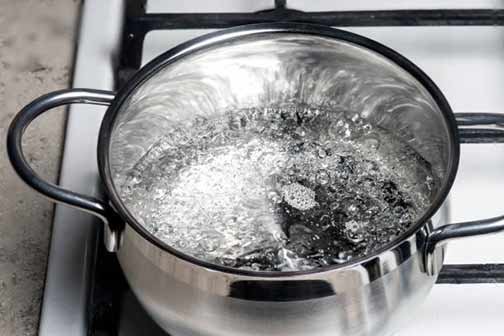
a pot of boiling water can be used to unclog a drain.

Carefully pour boiling water down the drain to break up grease or soap buildup. Be cautious not to use this method on PVC pipes as it may cause damage.

DIY Drain Unclogging Techniques

If you’re confident in your abilities and want to attempt to unclog the drain yourself, here are a few techniques you can try:

  • Plunger: Use a plunger to create suction and dislodge any blockages. Make sure to cover the overflow drain if applicable.
  • Boiling water: Carefully pour boiling water down the drain to break up grease or soap buildup. Be cautious not to use this method on PVC pipes as it may cause damage.
  • Baking soda and vinegar: Mix equal parts of baking soda and vinegar and pour it down the drain. Let it sit for a few hours before flushing it with hot water.

Communicate with Professionals

While waiting for professional help to arrive, it’s important to maintain clear communication with the plumbing company. Follow these steps:

  • Contact reliable professionals: Research and contact reputable plumbing companies that offer emergency plumbing services to ensure prompt assistance.
  • Provide accurate information: Clearly describe the situation, its severity, and any actions you’ve already taken to manage the backup.
  • Ask for estimated arrival time: Request an estimated arrival time from the plumbing company to better plan your wait time.
  • Follow their guidance: Listen carefully to any instructions or precautions provided by the professionals and follow them accordingly.

Document the Situation

It’s important to document the drain backup situation for insurance purposes or any potential future reference. Here’s what you can do:

  • Take photographs: Capture photographs of the affected areas, visible damages, and any belongings that may have been affected by the backup.
  • Create a list of damages: Note down any damages or losses caused by the backup, including furniture, appliances, or personal items.
  • Keep receipts: Keep track of any expenses incurred due to the drain backup, such as hiring plumbers or purchasing cleaning supplies.

Preventive Measures for the Future

Once the drain backup situation has been resolved, it’s important to take preventive measures to avoid future occurrences. Consider the following:

  • Dispose of waste properly: Avoid flushing large items, grease, or non-biodegradable materials down the drain to minimize the risk of clogging.
  • Install drain screens: Use drain screens or guards to catch hair, debris, and other potential clog causing substances.
  • Plant trees away from pipes: If you have trees on your property, ensure they are planted away from any underground pipes to prevent root intrusion.

Dealing with a drain backup situation can be overwhelming, but by following the steps outlined in this article, you can safely manage the situation while waiting for professional help. Remember to prioritize your safety, contain the backup, minimize water usage, and communicate effectively with plumbers. By taking preventive measures, you can reduce the likelihood of future drain backups and maintain a healthy drainage system in your home.

Main Sewer Line Clog: How to Detect and Take Action

Main Sewer Line Clog

Dealing with a clogged sewer line can be a messy and frustrating experience, but with the right knowledge and steps, you can quickly identify the issue and address it effectively. Below we will walk you through the signs of a main sewer line clog, the possible causes, and the actions you can take to resolve the problem. If you are a homeowner or a property manage, this guide will provide you with valuable information to tackle this issue head on.

Understanding the Main Sewer Line

Before we dive into the details of detecting and resolving a main sewer line clog, let’s first understand what the main sewer line is and its role in your plumbing system. The main sewer line is a large pipe that carries waste and wastewater from your home to the municipal sewer system or septic tank.

The main sewer line is typically buried underground and connects all the drains in your house, including toilets, sinks, showers, and other plumbing fixtures. It plays a crucial role in maintaining the functionality of your plumbing system by ensuring proper waste disposal.

Signs of a Main Sewer Line Clog

Recognizing the signs of a main sewer line clog early on can help you prevent further damage and avoid expensive repairs. Here are some common signs to look out for:

  • Multiple clogged drains: If you notice that several drains in your house are clogging simultaneously, it could be a sign of a main sewer line clog. Pay attention to toilets, sinks, bathtubs, and showers.
  • Gurgling sounds: Unusual gurgling sounds coming from your drains, especially when using other plumbing fixtures, may indicate a blockage in the main sewer line.
  • Sewage backups: One of the most obvious signs of a main sewer line clog is sewage backups. If you notice sewage overflowing from toilets or drains, it is crucial to take immediate action.
  • Foul odors: A persistent foul odor in your home, particularly near drains or the basement, could be a result of a clogged main sewer line. Sewage buildup leads to unpleasant smells that should not be ignored.
  • Slow drainage: If you notice water draining slowly from sinks, showers, or bathtubs, it could be an indication of a main sewer line clog. While this could also be caused by localized blockages, it is essential to investigate further.

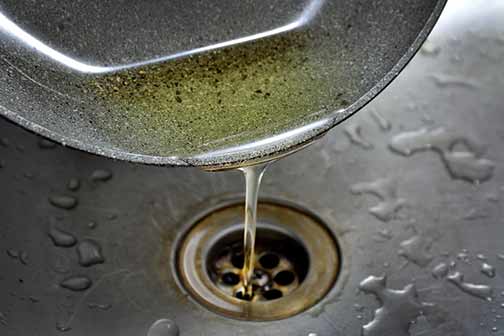
a person pouring grease down a drain.

Flushing inappropriate items down the toilet or pouring grease and oil down the drains can lead to clogs in the main sewer line.

Possible Causes of a Main Sewer Line Clog

Understanding the potential causes of a main sewer line clog can help you prevent future occurrences and take appropriate action. Here are some common causes:

  • Tree roots: Tree roots are one of the leading causes of main sewer line clogs. Roots can penetrate and grow into sewer pipes, causing blockages and damage.
  • Collapsed or deteriorated pipes: Over time, sewer pipes can collapse or deteriorate due to age, shifting soil, freezing temperatures, or other factors. This can result in blockages and restrict the flow of wastewater.
  • Improper installation: If the main sewer line was not properly installed or has design flaws, it may be prone to clogs and backups.

Detecting a Main Sewer Line Clog

Once you have identified the signs and potential causes of a clog in your line, it is time to take action. While some clogs can be resolved with simple DIY methods, others may require professional assistance. Here are some steps to detect a main sewer line clog:

  • Inspect the drains: Start by inspecting all the drains in your house. If multiple drains are clogged, the issue may lie in the main sewer line.
  • Check the toilet: Flush the toilet and observe if the water level rises or drains slowly. This can be an indication of a clogged sewer line.
  • Listen for gurgling sounds: Run water in different fixtures and listen for gurgling sounds coming from the drains. This may suggest a blockage in the main sewer line.
  • Investigate sewage backups: If you experience sewage backups in your drains or toilets, it is crucial to address the issue promptly.
  • Contact a professional: If you are unable to detect the source of the sewer clog or the problem persists, it is advisable to seek professional help from a licensed plumber. They have the expertise and tools to camera inspect your sewer line to find obstructions.

a sewer line being cleaned out by way of hydro-jetting.

Hydro jetting involves using a high-pressure water jet to clear out the blockage and clean the inside of the pipes.

Taking Action to Resolve a Main Sewer Line Clog

Depending on the severity of the clog and your level of expertise, there are several actions you can take to resolve a main sewer line clog:

DIY Methods

If the clog is minor and accessible, you can attempt the following DIY methods:

  • Plunging: Use a plunger to try and dislodge the clog. Make sure to create a tight seal and apply firm pressure.
  • Boiling water: Boil a large pot of water and carefully pour it down the drain to dissolve minor clogs.
  • Homemade drain cleaner: Create a mixture of baking soda and vinegar and pour it down the drain. Let it sit for some time before flushing with hot water.
  • Sewer snake or auger: Use a sewer snake or auger to manually remove the clog by inserting it into the drain and rotating it to break up or pull out the obstruction.

Chemical Drain Cleaners

Chemical drain cleaners can be an option for minor clogs, but they should be used with caution. These products contain strong chemicals that can be harmful to the environment and your pipes if not used properly. Follow the instructions on the label carefully and consider wearing protective gloves and eyewear.

Hydro Jetting

For more stubborn main sewer line clogs, professional hydro jetting is a highly effective solution. Hydro jetting involves using a high-pressure water jet to clear out the blockage and clean the inside of the pipes. This method should be performed by a professional plumber due to the specialized equipment and knowledge required.

Pipe Replacement or Repair

In severe cases where the main sewer line is damaged or collapsed, a full sewer line replacement may be necessary. This typically requires excavation to access the affected pipe section and can be a complex and costly process. Speak with a professional plumber to evaluate the extent of the damage and determine the best course of action.

Preventing Future Main Sewer Line Clogs

While dealing with a clog in your main line can be inconvenient, there are steps you can take to prevent future occurrences. Here are some preventive measures:

  • Proper waste disposal: Avoid flushing non-biodegradable items, such as wipes, paper towels, or feminine hygiene products, down the toilet. Dispose of them properly in the trash.
  • Avoid pouring grease and oil down the drains: Grease and oil can solidify and cause clogs in the sewer line. Allow them to cool and dispose of them in the garbage.
  • Tree root maintenance: Regularly inspect and trim tree roots near your sewer lines to prevent them from infiltrating and causing blockages.
  • Regular plumbing inspections: Schedule routine inspections with a professional plumber to identify potential issues before they escalate.
  • Install a backwater valve: Consider having a backflow valve installed in your home, which prevents sewage from flowing back into your home during heavy rainfall or flooding.

A clog in your sewer main can be a stressful and inconvenient problem to deal with, but by recognizing the signs and taking appropriate action, you can minimize the impact and prevent further damage. Whether you choose to tackle the issue yourself or contact a professional plumber, it is essential to address the clog promptly to avoid costly repairs. Remember, regular maintenance and taking preventive measures can go a long way in preventing future main sewer line clogs. We hope this guide has provided you with valuable insights and solutions to effectively detect and resolve main sewer line clogs.