Tag Archives: do i need to replace my water heater

How to Spot the Right Time to Replace Your Water Heater in Chicago

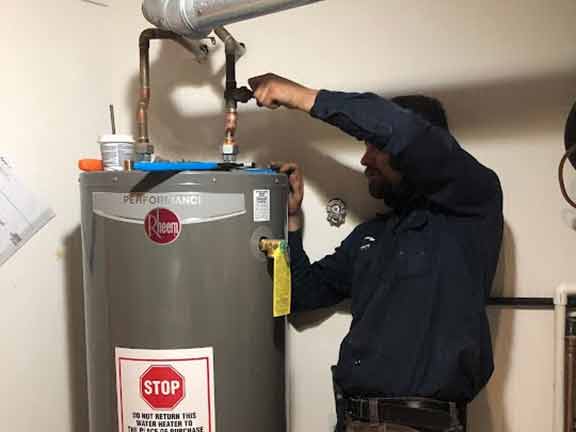
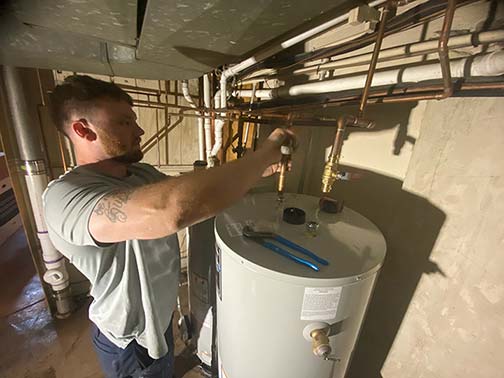
a plumber replacing a water heater in chicago

In most Chicago homes, the water heater counts as one of the family’s top three most important appliances. Why? Because a malfunctioning water heater in Chicago’s brutal winters qualifies as a life-threatening problem. According to Baltimore housing experts, ensuring the efficient functioning of their water heater is an essential task for most homeowners in this city.

But sometimes the problems in your water heater are beyond what can be solved by repairing the appliance. What you view as problems in your water heater may be the unit’s way of telling you that it has reached the end of its useful life. A water heater that is at the point of retirement cannot be fixed; it must be replaced.

Any money spent to fix the unit will be wasted because the problems in the appliance will not be solved; they will simply return in worse condition. If your water heater is failing, it will not just drain your energy and wallet, but it can also cause other problems in your home. What are the signs that a water heater has reached the end of its service life?

Signs that you need a water heater replacement

  1. The water heater is 10-12 years old

Traditional water heaters have a lifespan of 8-12 years. Tankless water heaters last between 15 and 20 years. You may slightly extend the lifespan of your water heater by taking good care of it. However, the time still comes when you must replace it. A water heater that has reached the end of its lifespan can still appear to be working. The problem with keeping it is that it can fail suddenly and disastrously. Furthermore, an older water heater will use up more energy as it steadily loses efficiency.

  1. The water heater is leaking

If your water heater tank is leaking, the only solution is to replace it. However, before reaching that conclusion, check the tank to ensure the leak is not from the TPR valve, the drain valve, or the joint where the hot and cold water lines meet the water heater. If the leak is at any of these spots, you can solve the problem by replacing the valve or sealing the joint. However, if the leak is from the tank, you must replace the water heater. That’s because a leaky water heater tank cannot be repaired.

  1. Your hot water is discolored and smelly

Rust colored water from your water heater is a sign that the tank is severely rusted. But it could also be a sign that the sacrificial anode rod inside the tank is corroded. However, if the problem persists after replacing the anode rod, the issue is certainly from the tank. Flushing the tank may remove the strange color. If it doesn’t, you must replace the water heater. Your water will also have a strange smell or metallic taste if the tank wall is heavily corroded and is leaching heavy metals into your water.

  1. You don’t get enough hot water

The water heater could be running out of hot water because your home’s hot water needs have increased, and the unit is unable to keep up. It is also possible that sediment buildup at the bottom of the tank has reduced the amount of hot water that the tank can hold. This will cause you to run out of hot water faster. You can remove the buildup by flushing the tank, but if the tank has not been flushed for many years, the sediment may be caked in. In that case, the only way to resolve the issue is to replace your water heater.

  1. The unit makes strange noises

Excessive sediment buildup inside the water heater tank will cause strange noises, such as rumbling, hissing, or banging sounds. These strange sounds are caused by hardened debris at the bottom of the tank that is interfering with the normal functioning of the water heater. A water heater with hardened sediment is likely to explode because the buildup inside the tank will cause the appliance to constantly overheat. This is the reason for some of the strange noises the water heater makes.

  1. The water heater takes longer to heat water

One of the signs that a water heater is about to fail is that it will take a longer time to reheat water. The recovery rate of a water heater is the duration it takes to reheat a specific amount of water after it runs out. After using the unit for years, you should have an idea of your water heater’s recovery rate. If the appliance is taking longer to reheat water, start planning to replace it.

If your water heater is showing any of these 6 signs, what should be your next step? You may want to speak with an experienced Chicago water heater replacement expert to help you select the best replacement water heater for your home and ensure a smooth installation of the appliance.
Common Reasons Why Your Water Heater Stopped Working in Chicago

Common Reasons Why Your Water Heater Stopped Working in Chicago

When it comes to maintaining a comfortable and functional home, few things are as important as having a reliable water heater. However, it can be frustrating and inconvenient when your water heater suddenly stops working. In Chicago, where the weather can be harsh and unforgiving, having hot water is essential for everyday tasks such as bathing, cooking, and cleaning.

Here we will explore some common reasons why your water heater may have stopped working in Chicago. Whether you are a homeowner or a renter, understanding the potential issues that can cause a water heater breakdown can help you diagnose the problem and take the necessary steps to resolve it.

The Importance of a Well-Functioning Water Heater

A water heater is a vital appliance in any household, providing hot water for showers, baths, washing dishes, and doing laundry. Having a well-functioning water heater can greatly enhance the quality and comfort of your daily life. Additionally, it can also help prevent the growth of bacteria and ensure proper sanitation in your home.

When your water heater stops working, it can disrupt your routine and make simple tasks much more challenging. That is why it is crucial to be aware of the common reasons why water heaters malfunction, so you can quickly address the issue and restore hot water in your home.

Possible Reasons for Water Heater Malfunction

Sediment Buildup

Over time, sediment such as sand, dirt, and minerals can accumulate at the bottom of your water heater tank. This buildup can cause various issues, including reduced efficiency and a decrease in the amount of hot water produced. Sediment can also lead to clogging of the heating element, resulting in a complete shutdown of your water tank.

To prevent sediment buildup, it is essential to flush your water heater regularly. This involves draining the tank to remove any accumulated sediment. If you notice a decrease in your water heater’s performance or any unusual noises coming from the tank, sediment buildup could be the culprit.

Thermostat Issues

The thermostat is responsible for regulating the temperature of the water in your heater. If the thermostat malfunctions, your water heater may stop producing hot water altogether or may produce water that is too hot or too cold. Thermostat issues are often caused by faulty wiring, a malfunctioning sensor, or a defective thermostat itself.

If you suspect a thermostat problem, it is best to contact a local plumber who can accurately diagnose the issue and replace any faulty components.

Heating Element Failure

Electric water heaters rely on heating elements to warm the water. Over time, these heating elements can deteriorate or burn out, resulting in a lack of hot water. If you have an electric water heater and are experiencing a complete loss of hot water, a faulty heating element is a likely culprit.

Replacing a heating element requires technical expertise, so it is recommended to seek the assistance of a qualified professional to ensure the replacement is done safely and effectively.

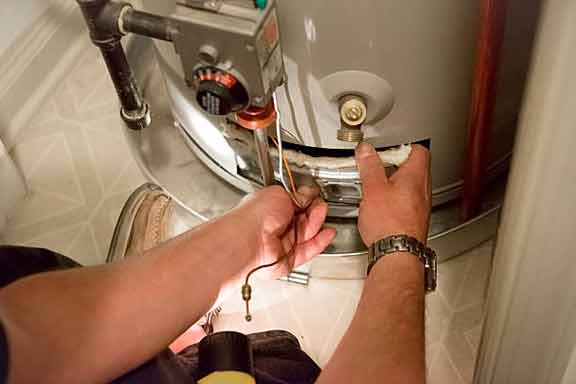
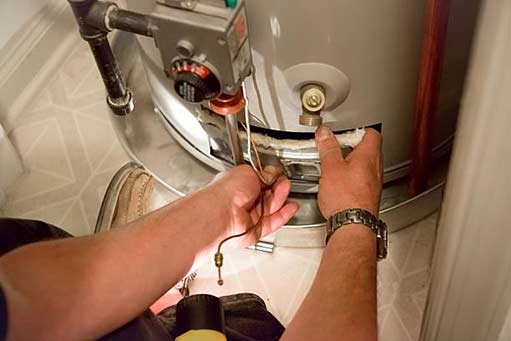
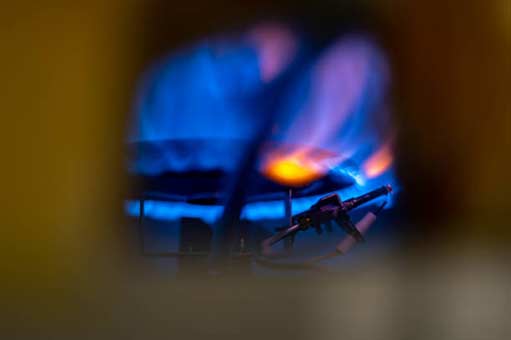
a working water heater pilot light.

If you are comfortable doing so, you can try relighting the pilot light yourself by carefully following the manufacturer’s instructions

Pilot Light Problems

Gas water heaters utilize a pilot light to ignite the gas burner, which then heats the water. If the pilot light goes out, your water tank will no longer be able to produce hot water. Common causes of pilot light failure include a clogged pilot tube, a faulty thermocouple, or a gas supply issue.

If you are comfortable doing so, you can try relighting the pilot light yourself by carefully following the manufacturer’s instructions. However, if you are unsure or if the pilot light continues to go out, it is advisable to contact a professional technician to assess the situation.

Gas Supply Issues

In some cases, a water heater may stop working due to problems with the gas supply. Gas-powered water heaters require a consistent supply of fuel to effectively heat the water. If there is a disruption in the gas supply, such as a gas leak or a problem with the gas meter, your water heater may fail to function properly.

If you suspect a gas supply issue, it is essential to prioritize your safety and contact your gas provider immediately. They will be able to assess the situation and take the necessary steps to ensure the safety of you and your home.

To Sum it Up

A water heater breakdown can be a major inconvenience, especially in a city like Chicago where hot water is essential to combat the cold weather. Understanding the common reasons why water tanks stop working can help you quickly identify and resolve the issue.

Whether it is sediment buildup, thermostat problems, heating element failure, pilot light issues, or gas supply disruptions, it is important to address these problems promptly. If you are unsure about the cause of the malfunction or if you are not comfortable with DIY repairs, it is best to seek the assistance of a professional plumber who can accurately diagnose the issue and provide the necessary water heater repairs or a full water heater replacement.

By taking proactive measures to maintain your water heater and addressing any problems promptly, you can ensure the continuous supply of hot water in your home and enjoy the comfort and convenience it brings.

Planning For a Water Heater Replacement in Chicago?

Planning For a Water Heater Replacement in Chicago

Planning for a water heater replacement in Chicago can be a daunting task, especially with the numerous options available in the market today. However, a well-thought-out plan can help you navigate through this process smoothly, ensuring that you choose the right water heater for your needs and budget. Here we will guide you through the essential steps to consider when planning for a water heater replacement in Chicago.

Evaluating Your Current Water Heater

The first step in planning for a water heater replacement is to evaluate your current water heater. Take note of its type, capacity, and age. Understanding these key factors will help you determine if it’s time for a replacement or if repairs can extend its lifespan.

Additionally, assess the performance of your current water heater. Are you getting sufficient hot water? Do you frequently experience temperature fluctuations? Assessing these aspects will help you identify any issues or shortcomings that need to be addressed with the new water heater.

Determining Your Hot Water Needs

Before purchasing a new water heater, it is crucial to determine your hot water needs. Consider the total number of people living in your household and their hot water usage patterns. Assess factors such as shower duration, laundry frequency, and dishwashing habits. This evaluation will help you choose a water heater with the appropriate capacity to meet your household’s needs.

Moreover, it’s essential to consider any future changes in your household’s size or hot water requirements. If you are planning to expand your family or add additional bathrooms, you may need to opt for a larger capacity water heater to accommodate these changes.

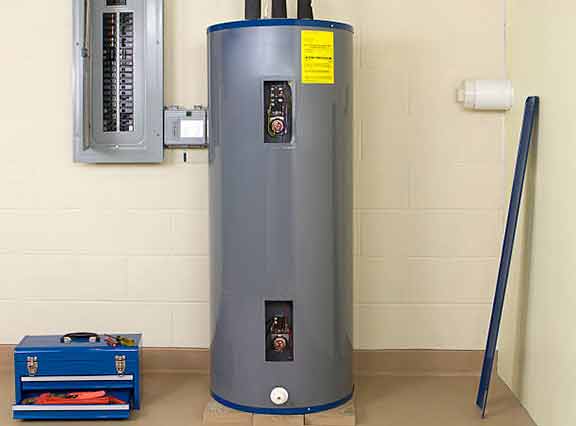
a new water heater installation.

In Chicago, you will come across various types of water heaters, including traditional tank water heaters, tankless water heaters, and heat pump water heaters.

Researching Water Heater options

Now that you have a thorough understanding of your hot water needs, it’s time to research the different water heater options available. In Chicago, you will come across various types of water heaters, including traditional tank water heaters, tankless water heaters, and heat pump water heaters.

Each type has its advantages and disadvantages, and it’s crucial to weigh them against your specific requirements. Tank water heaters, for example, are cost-effective and readily available, but they occupy more space and have a limited lifespan compared to tankless or heat pump alternatives.

On the other hand, tankless water heaters provide endless hot water supply and are more energy-efficient. However, they are usually more expensive upfront. Heat pump water heaters are known for their energy efficiency but may not be suitable for cold climates.

Consider the pros and cons of each type and determine which one aligns best with your hot water needs, budget, and any space limitations you may have in your home.

Budgeting and Affordability

Replacing a water heater involves a financial commitment, so it’s essential to establish a budget. Determine how much you are willing to spend on a new water heater, considering both the upfront cost and long-term operating expenses.

While tank water heaters are typically more affordable compared to tankless or heat pump alternatives, they may result in higher energy bills over time. On the other hand, although tankless water heaters have higher upfront costs, they can provide long-term savings due to their energy-efficient nature.

Be sure to research and compare prices, taking into account any installation costs or potential modifications required. Additionally, look into any financial incentives or rebates offered by local or federal government programs for energy-efficient water heaters. These incentives can help offset the initial costs and make a high-quality water heater more affordable.

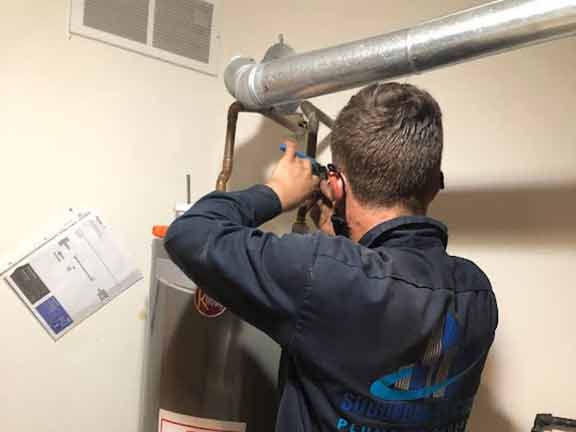
a chicago plumber replacing a customers water heater.

It’s crucial to hire a professional with experience in water heater installations to avoid any potential issues or complications.

Choosing an Installer

Once you have determined the type of water heater that suits your needs and budget, the next step is to select a professional installer. Proper installation is vital to ensure the optimal performance and longevity of your new water heater.

Research reputable Chicago plumbers who specialize in water heater installations. Read reviews, check their certifications and licenses, and ask for references from previous customers. It’s crucial to hire a professional with experience in water heater installations to avoid any potential issues or complications.

Obtain multiple quotes from different installers, considering the cost of installation and any warranties or guarantees offered. Compare the quotes and determine which installer provides the best value for money while ensuring quality workmanship.

Scheduling the Replacement

When scheduling the water heater replacement, it’s important to consider factors such as convenience and availability. It is recommended to plan the replacement during a time when you have minimal hot water requirements or when the weather is more forgiving.

Be sure to communicate with the chosen installer regarding the estimated duration of the replacement process. Depending on the complexity of the installation, it may take a few hours or even an entire day in some cases. Ensure that you make appropriate arrangements to minimize any inconvenience during this period.

Additionally, consider any necessary preparations before the replacement, such as clearing the installation area and ensuring proper access for the installer. These small steps can help expedite the replacement process and ensure a smoother overall experience.

a person maintaining their water heater in chicago.

Regular maintenance will help prevent sediment buildup, improve energy efficiency, and identify any potential issues before they escalate.

Maintaining your New Water Heater

Once the water heater replacement is complete, it’s crucial to establish a regular maintenance routine to maximize its lifespan and efficiency.

Follow the manufacturer’s guidelines regarding maintenance tasks such as flushing the tank, checking the pressure relief valve, and inspecting the anode rod. Regular maintenance will help prevent sediment buildup, improve energy efficiency, and identify any potential issues before they escalate.

Additionally, consider scheduling annual maintenance appointments with a local plumber to ensure the water heater’s optimal performance and address any maintenance or repair needs.

Wrapping it Up

Planning for a water heater replacement in Chicago involves careful evaluation of your current water heater, assessing your hot water needs, researching different water heater options, establishing a budget, choosing a reliable installer, and scheduling the replacement at a convenient time. Regular maintenance of the new water heater will help ensure its efficiency and longevity. By following these steps, you can confidently navigate the process and select the right water heater to meet your specific requirements in the windy city of Chicago.